How to plant waterways
Whenua
Biodiversity
Conservation
Erosion
Planning
Sustainability
Water
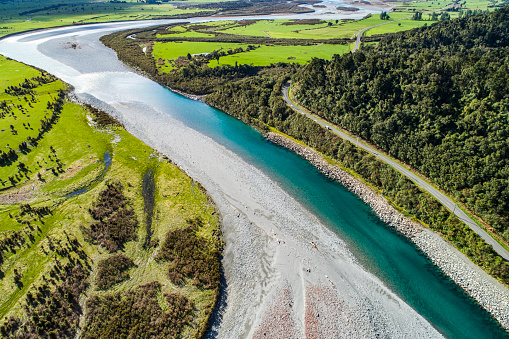
Learn how to plant trees along waterways to improve freshwater outcomes.
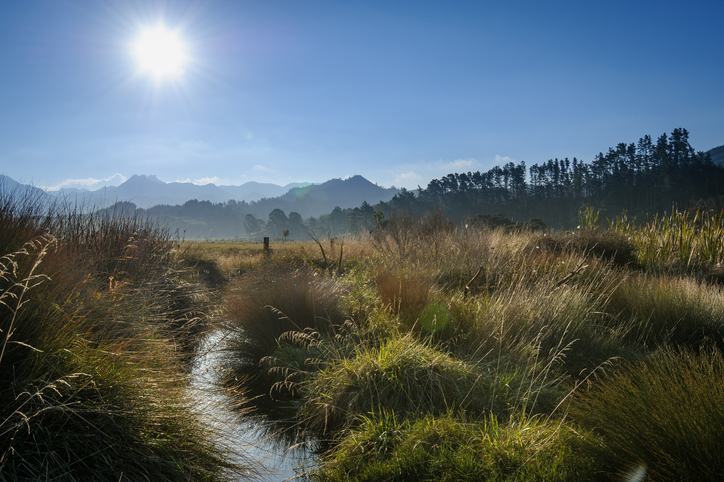
Riparian zones are vital areas next to streams, rivers, and lakes. Planting trees in these zones helps filter water, prevents erosion, and supports local wildlife.
This guide outlines the benefits of riparian planting and divides it into three zones: lower, middle, and upper bank. It offers guidance on suitable plant species, spacing, and regional planting lists. It also includes videos and case studies about successful planting efforts.
Photo "Mahinapua Walkway" by Genesis Buckley licensed under CC BY-SA 2.0.
Learn how to plant trees along waterways to improve freshwater outcomes.
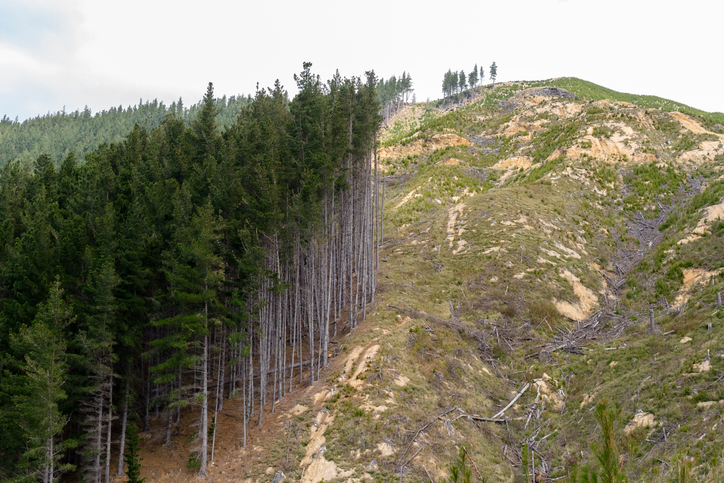
Learn about planting on erodible land for better resilience and productivity.
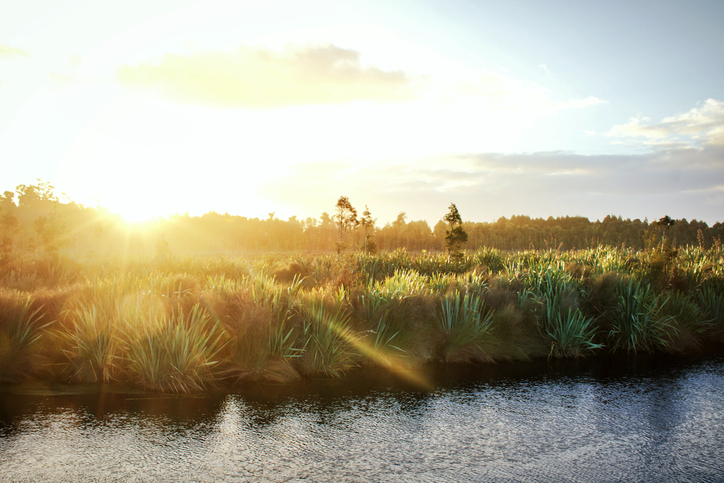
Learn how to plant and restore wetlands in New Zealand for better ecosystems.
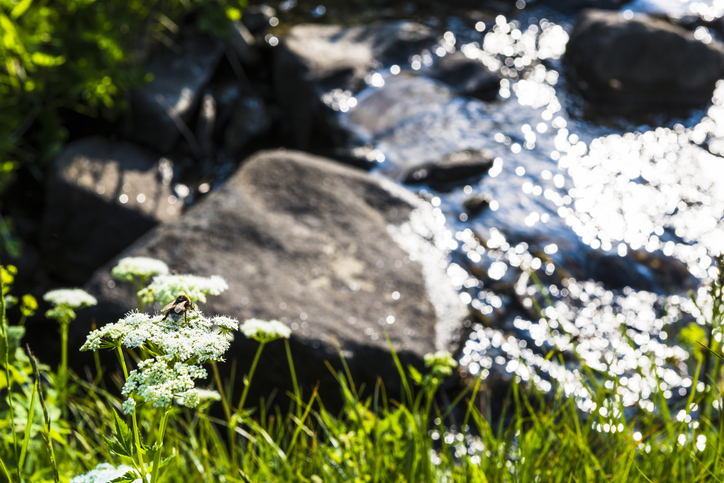
This handbook guides planting bee forage in riparian zones, helping honey bees thrive.
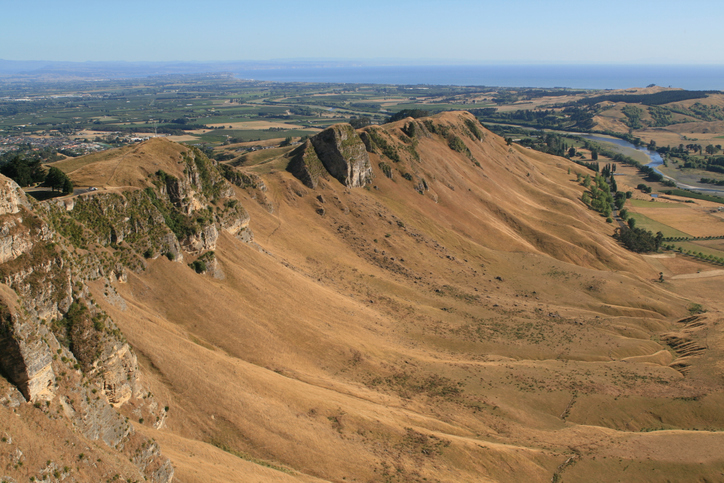
Hawke's Bay faces erosion issues. Planting trees can help prevent soil loss and improve water quality.
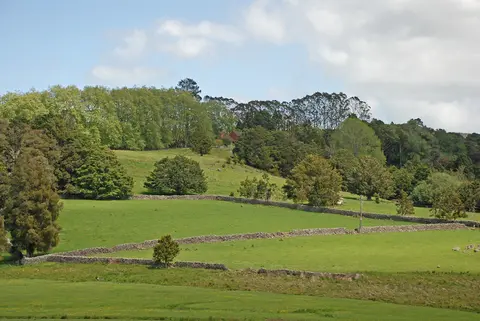
Get practical tree planting advice specific to Taitokerau.
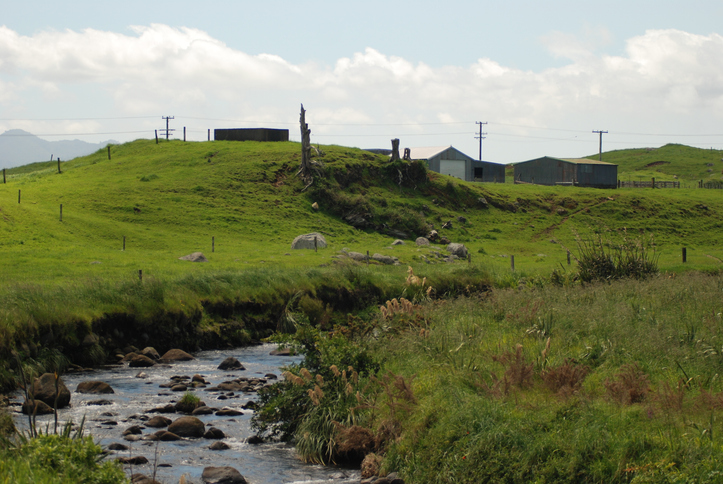
Get funding and advice to help protect and restore rivers on your whenua.
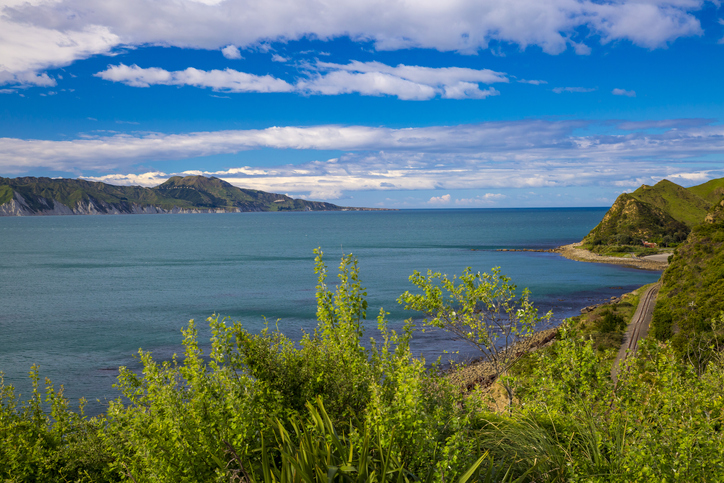
Learn how local groups improved the Whangawehi catchment and river health.
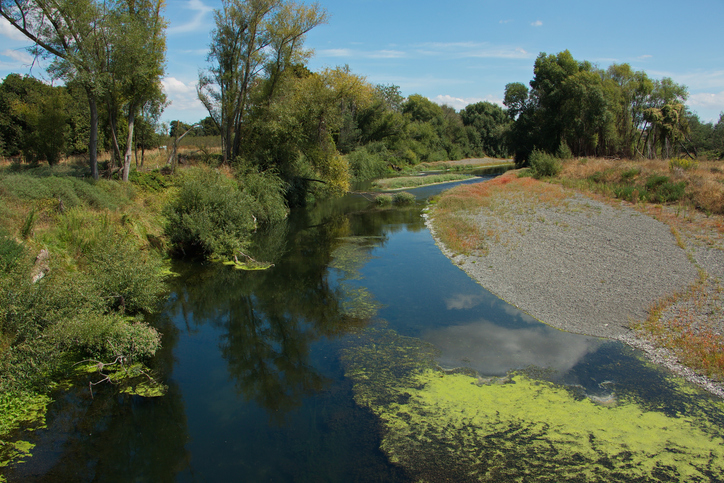
Learn how to protect waterbodies and wetlands for healthier whenua.
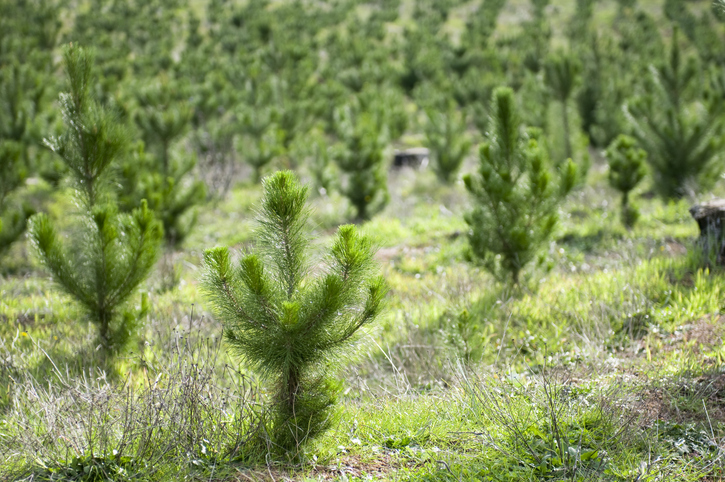
Neil Cullen shares tips on planning successful farm forestry mixed with sheep and beef in Balclutha.
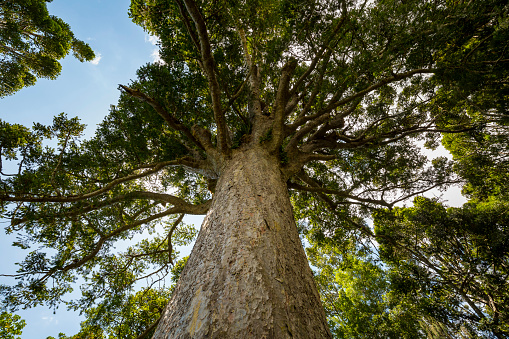
Guidance about how to choose between planting and natural regeneration for forest restoration.
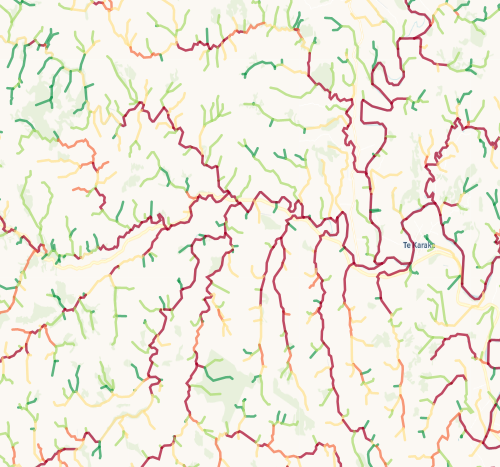
Check which streams on your whenua are most vulnerable to bank erosion.
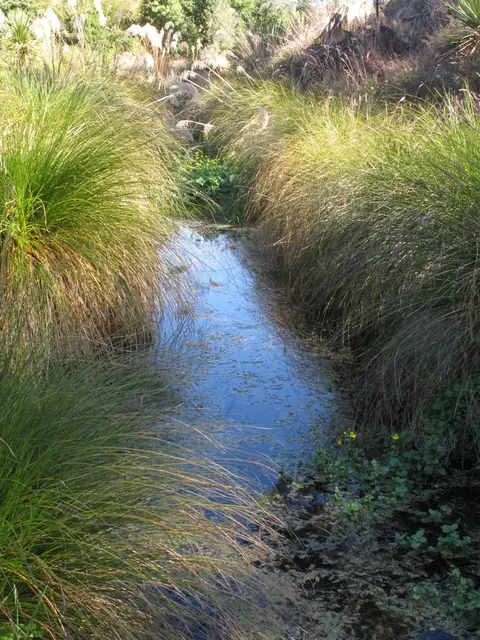
Uncover options for riparian planting, native trees and shelter that boost farm biodiversity.
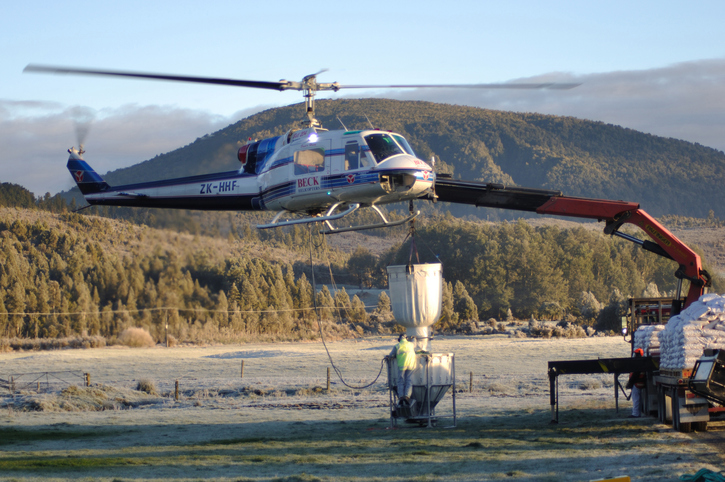
Practical predator control methods for wetlands and waterways on farms.
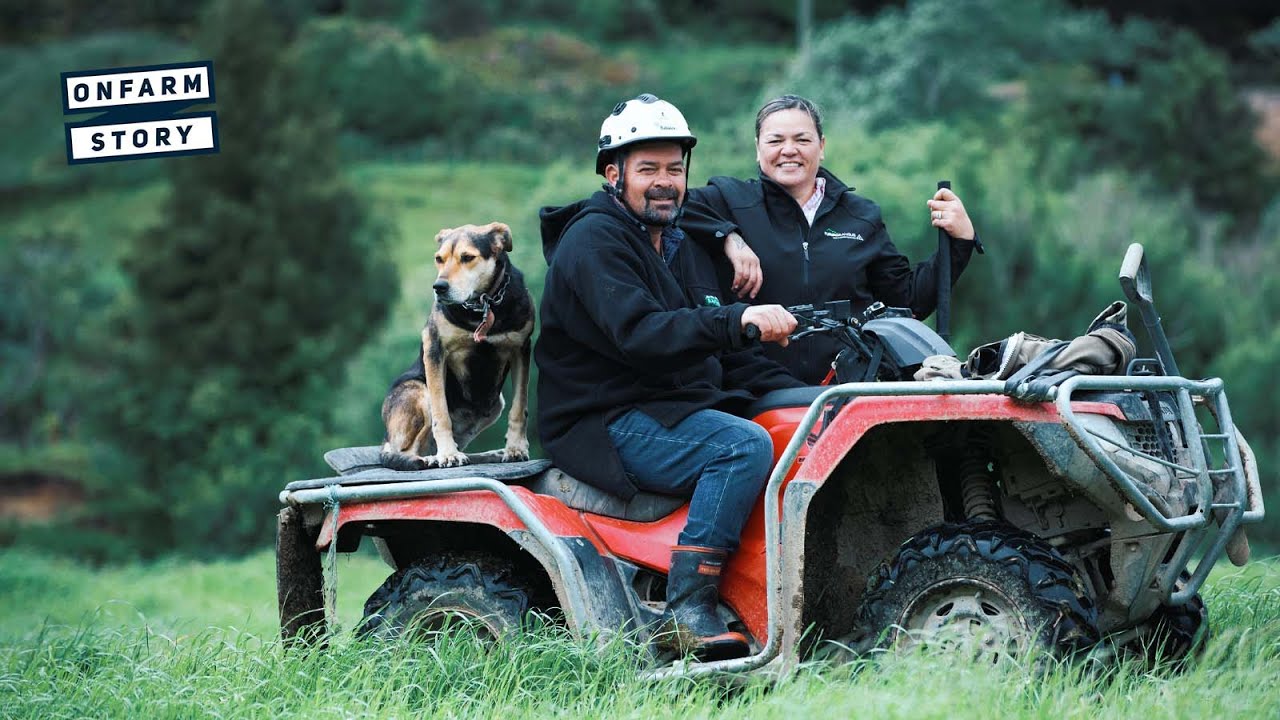
Learn about how the Weka Wetland project at Matawai increases biodiversity while reducing erosion and run-off.
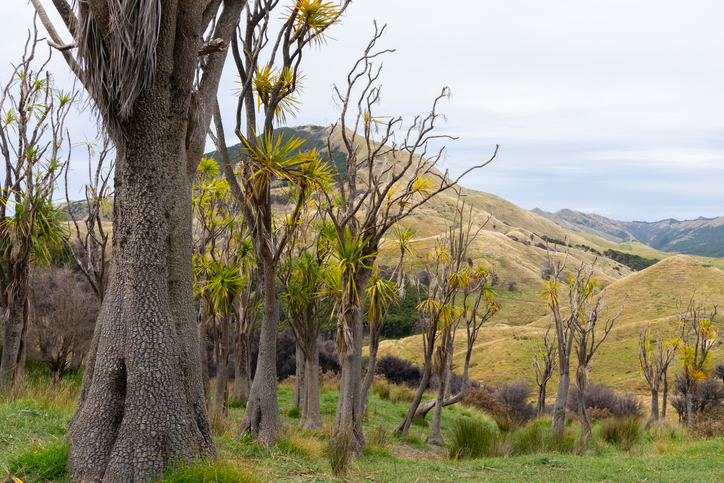
Guidelines and resources for managing erosion and sediment in forestry in New Zealand.
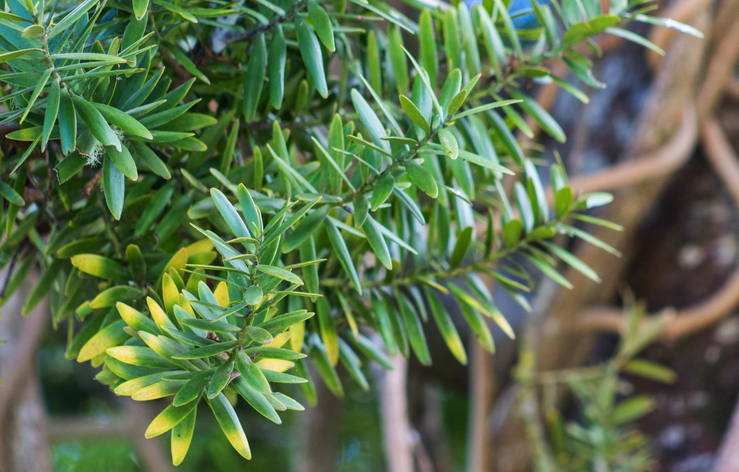
This guide offers practical advice on planting and managing tōtara trees for timber.
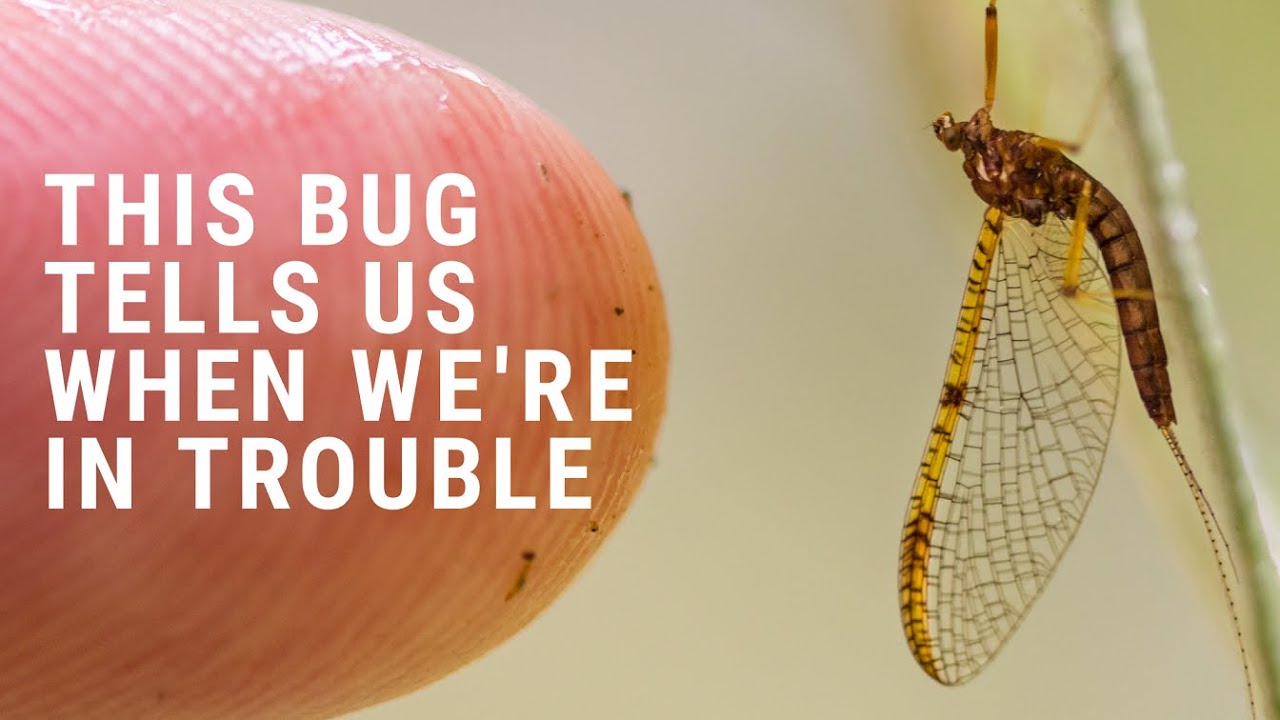
See how mayflies and macroinvertebrates indicate stream health in New Zealand.
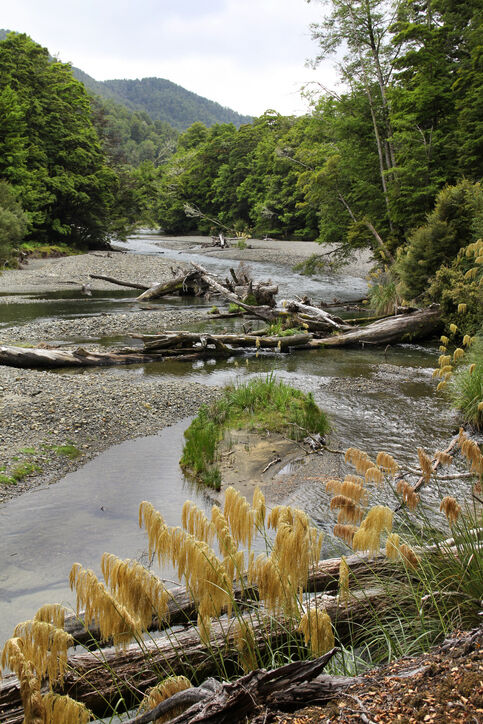
Learn how wood in streams boosts habitats and wildlife in our forests.
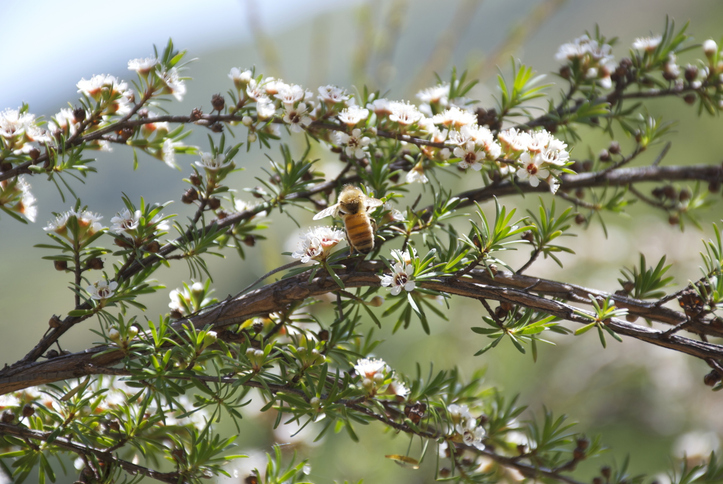
Find out about planning and planting trees to support bees on farms.
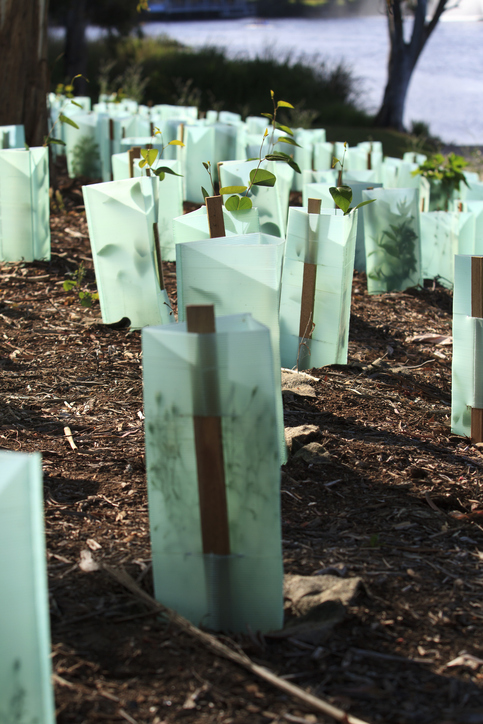
Learn how planting trees on farms can increase your farm's profit and support the environment.
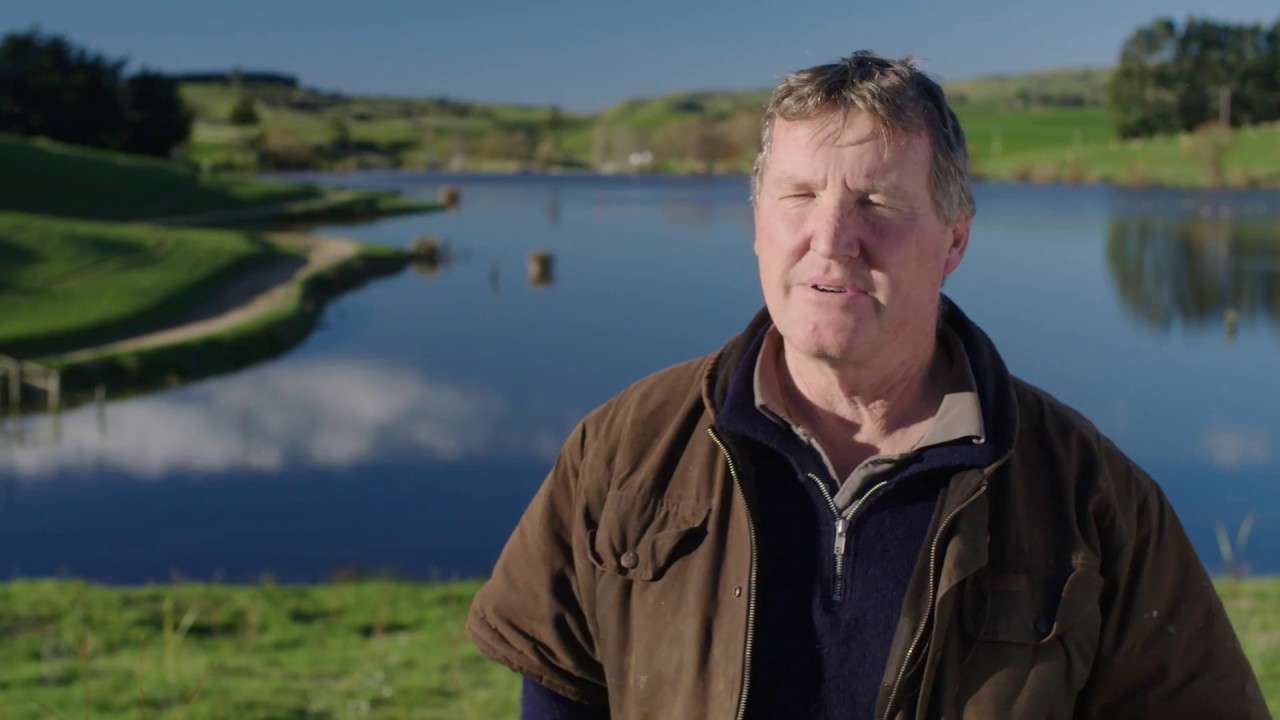
David Blackwood shares how he's using fencing and planting to improve water quality on his Wairarapa family farm.
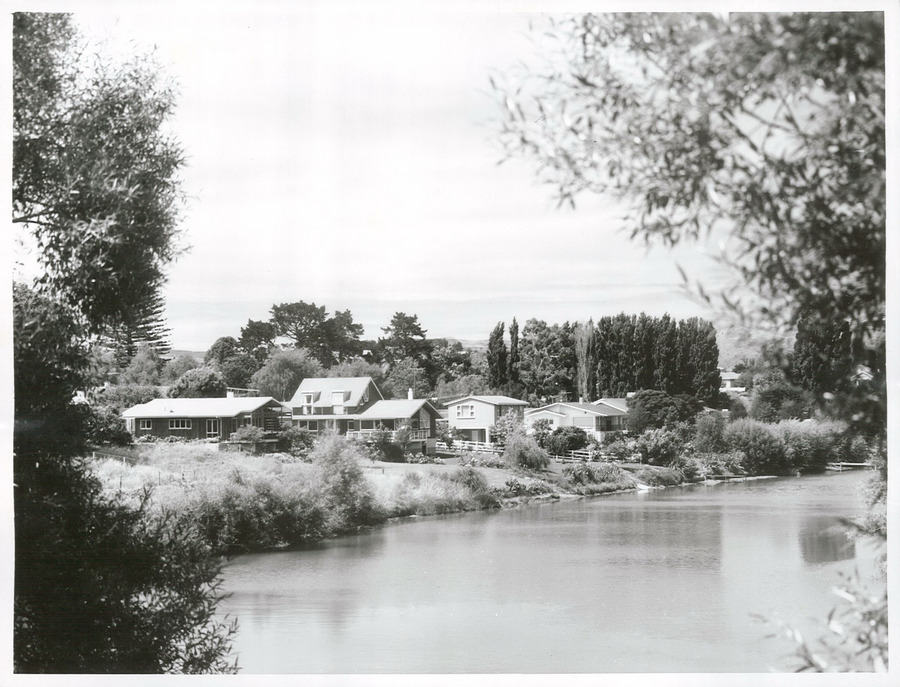
A project to restore the Waimatā River, focusing on ecology and community involvement.