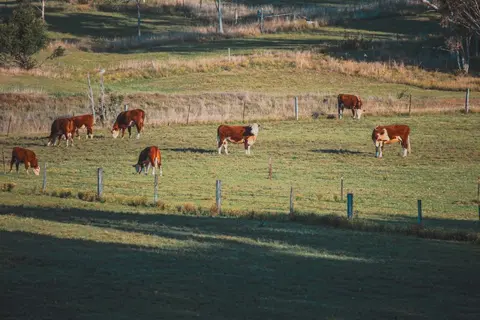
Reducing soil damage in high rainfall: Sustainable dairying
Climate
Dairy
On-farm actions
Resilience
Soil
Sustainability
Learn how Woldwide Farms uses sustainable practices to reduce soil damage in high rainfall.
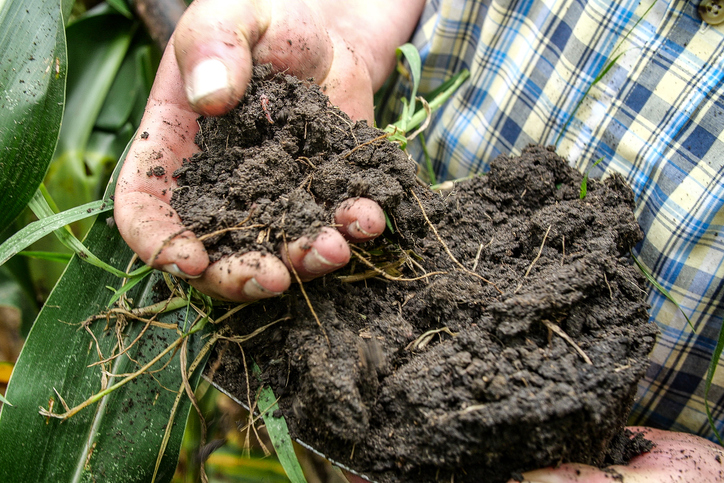
Regenerative Agriculture promotes sustainable farming practices that improve soil health, water quality, biodiversity, and food nutrition. It focuses on adaptive methods tailored to specific farms, aiming for multiple benefits while reducing chemical use and enhancing farmer well-being.
This story map explores some of the anecdotal evidence and sets out a pathway for future research in this area.
Learn how Woldwide Farms uses sustainable practices to reduce soil damage in high rainfall.
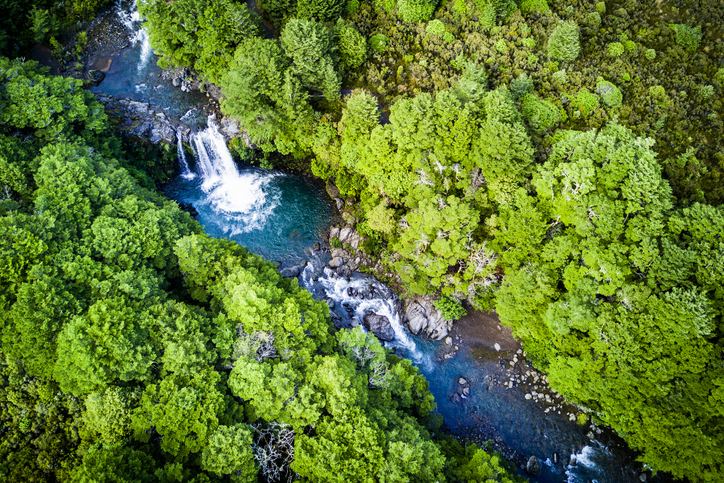
Explore how regenerative agriculture can enhance nature's ability to help us adapt to climate change.

A podcast series exploring nature-based solutions and regenerative approaches for Aotearoa.
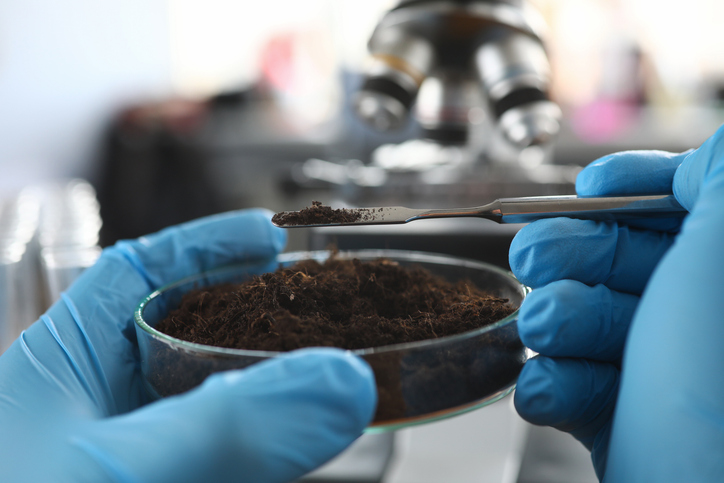
Explore how soil supports farming, impacts the environment, and learn about possible solutions for healthier farming practices.
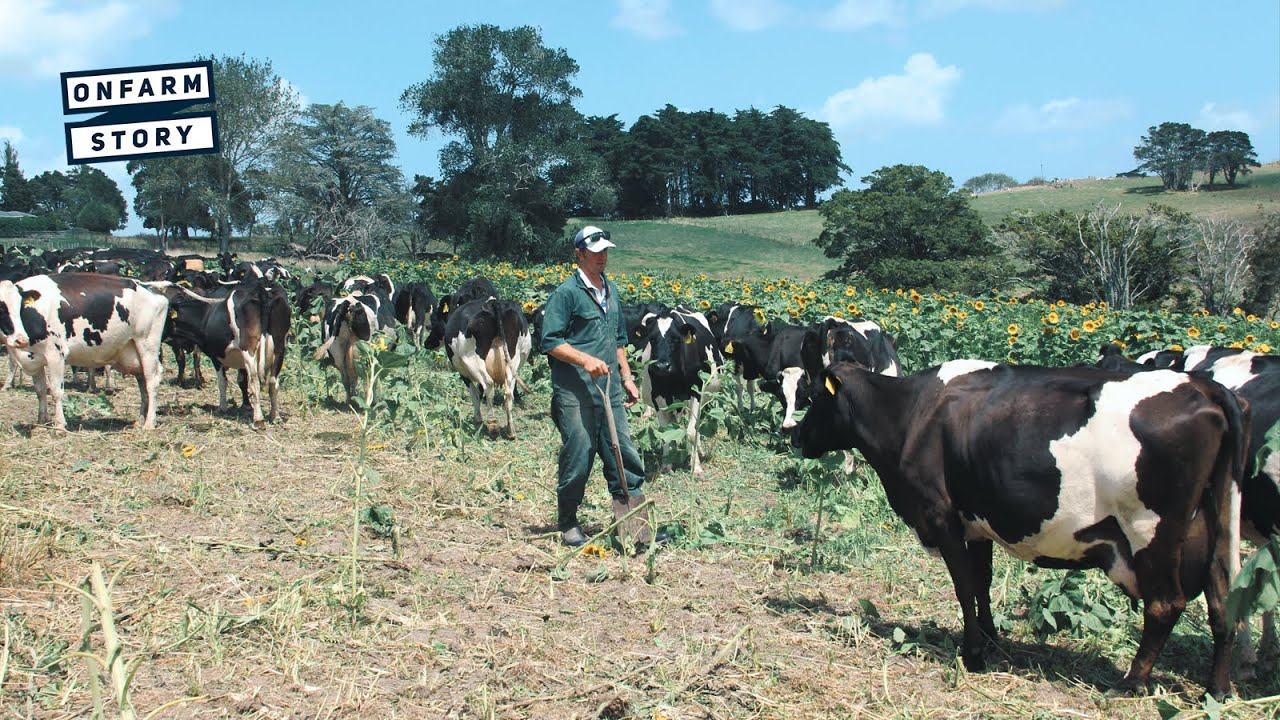
Explore how a Northland dairy farmer is rebuilding soil health with cover crops.
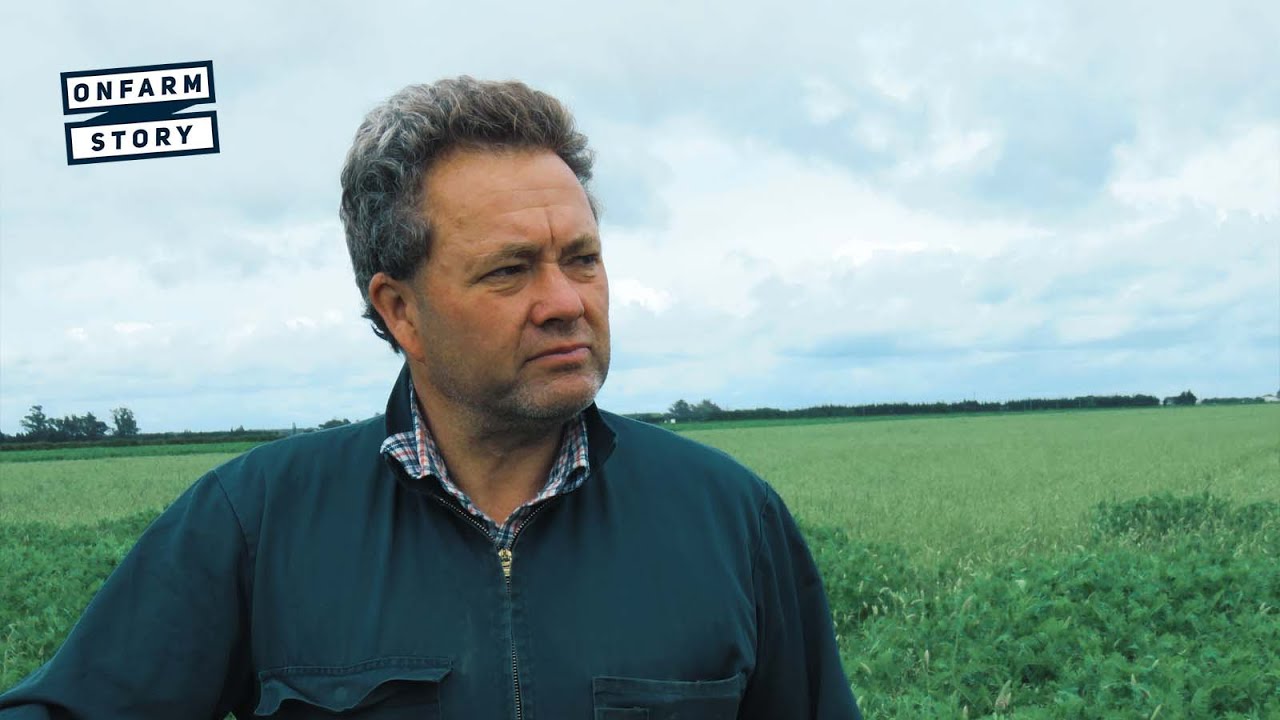
Discover why a Canterbury cropping farmer put soil health ahead of tradition.
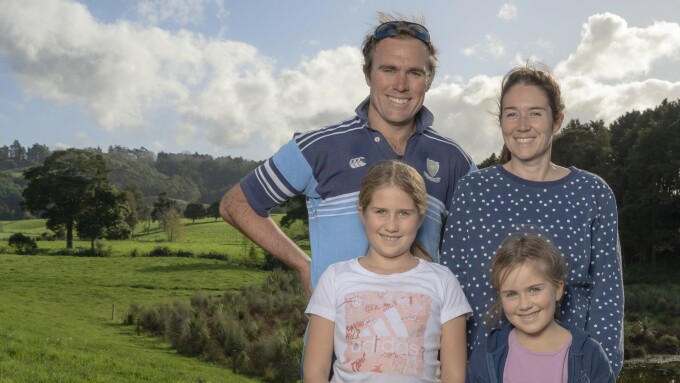
A Taitokerau farm is using on sustainable practices to improve production efficiency, reduce emissions, and protect the Mangakahia catchment.
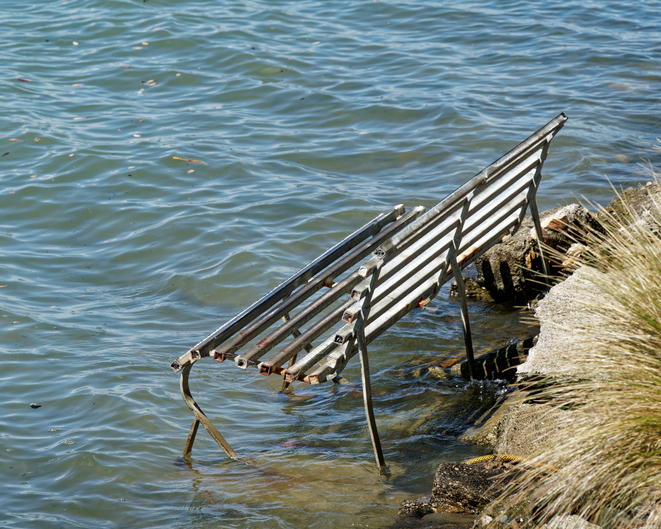
Learn about methane in agriculture and how NZ ag researchers are trying to reduce emissions.
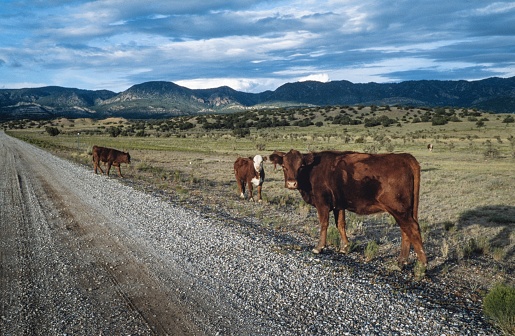
Get tips on enhancing the environment without compromising productivity on your farm.
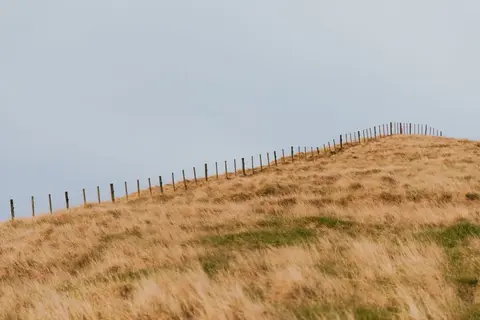
Discover how Owl Farm tests and protects its soil's physical, chemical and biological health.
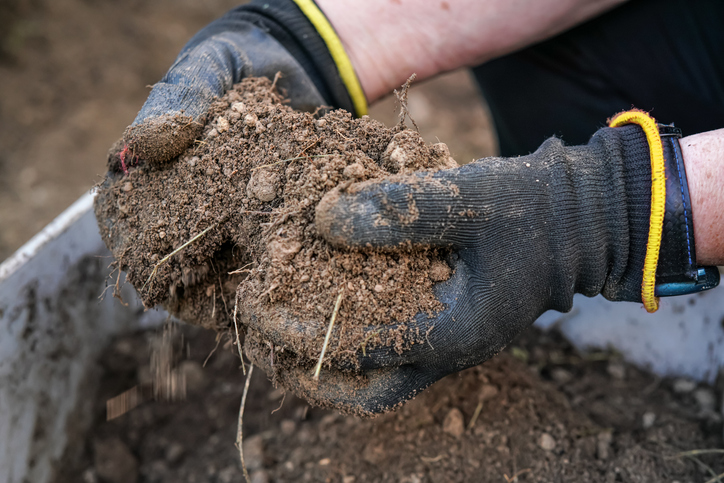
Learn about soil's role in farming and improve soil management for better production.
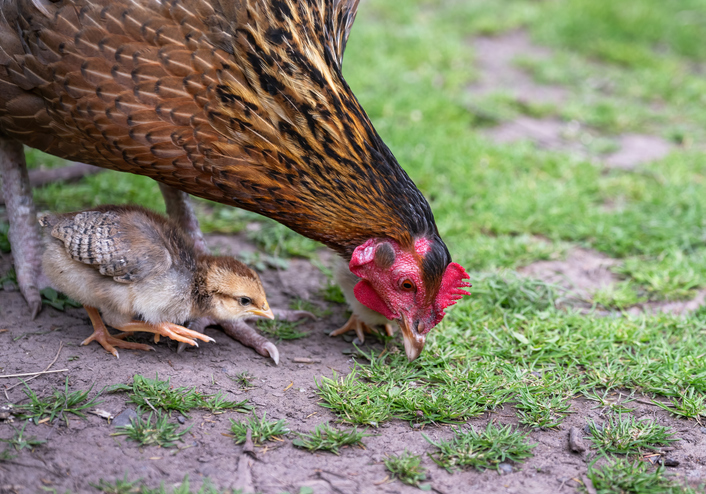
Learn how sustainable farming helps New Zealand regain public trust and improve practices.
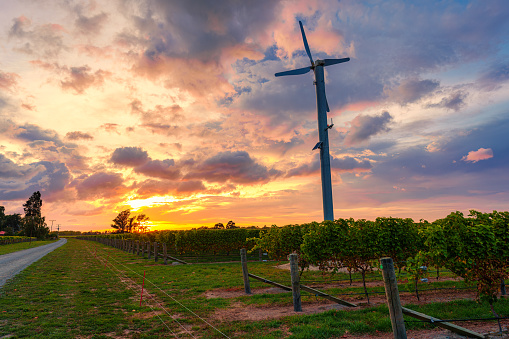
This research reviews biochar's potential to lower greenhouse gas emissions in New Zealand agriculture.
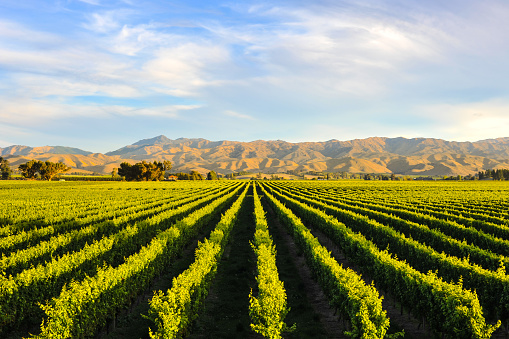
This research explores climate change risks for New Zealand agriculture, focusing on crops and livestock.
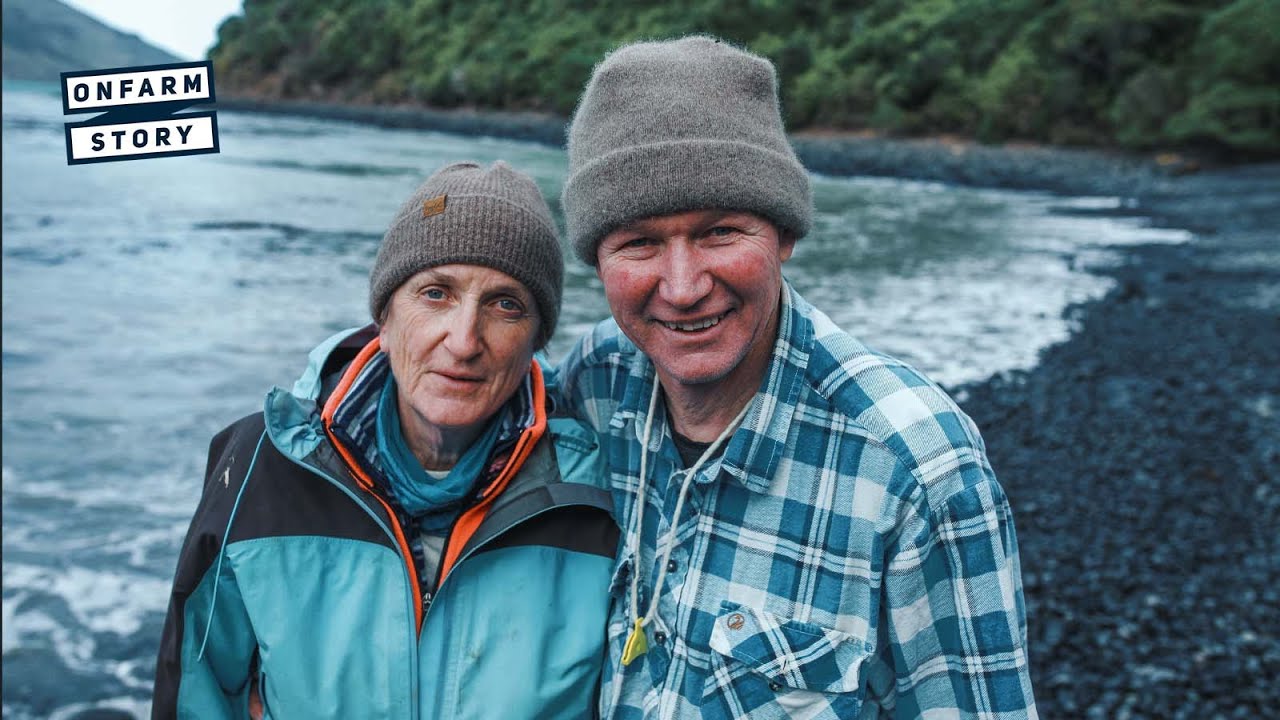
Roger and Nikki Beattie farm sheep and kelp sustainably in Banks Peninsula, Canterbury.
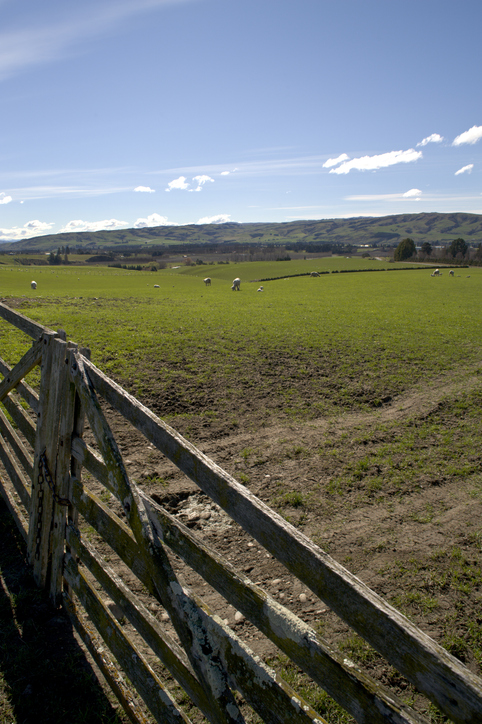
This report explores climate change impacts on New Zealand agriculture.

A research project on water-based land use for improving native fish habitats in New Zealand.
Hear about how climate change could reshape agriculture and land use decisions in Aotearoa.

This white paper explores ways to improve farm assurance in New Zealand, focusing on trust and stakeholder engagement.

Explore actions New Zealand farmers can take to reduce greenhouse gas emissions effectively.
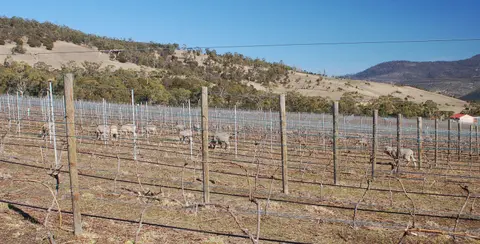
See how leading growers use cover crops, compost and grazing sheep to rebuild vineyard soils.
This resource explores reducing agricultural emissions in Aotearoa through tech and land use changes.

Understand the impacts that land use in Aotearoa has on people, whenua, and te taiao.