
Carbon Sequestration by Native Forests
Climate
Emissions reduction
Forestry
Regeneration
Sequestration
Sustainability
Find out about carbon sequestration rates in native forests and planting methods in New Zealand.
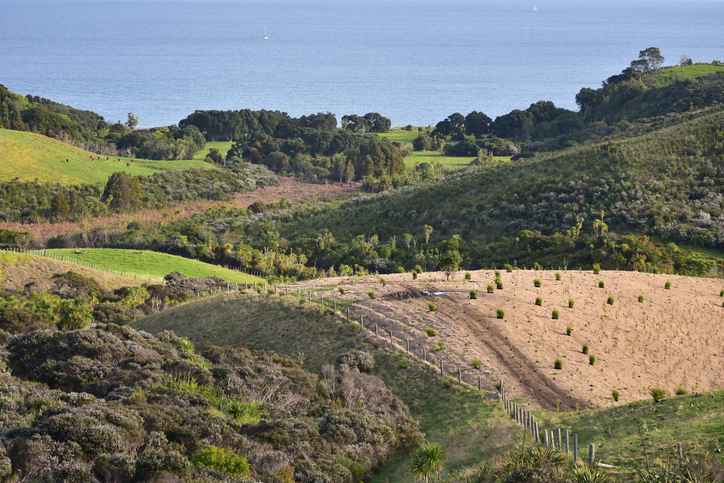
Carbon forestry allows degraded agricultural land in New Zealand to naturally regenerate into indigenous forests, helping sequester carbon. By managing pests, controlling weeds, and keeping livestock out, landowners can benefit economically through carbon credits while enhancing biodiversity.
This factsheet gives an overview of some of the things land owners should think about when considering carbon forestry.
Find out about carbon sequestration rates in native forests and planting methods in New Zealand.

This paper explores how native forests in Aotearoa can help reduce emissions.
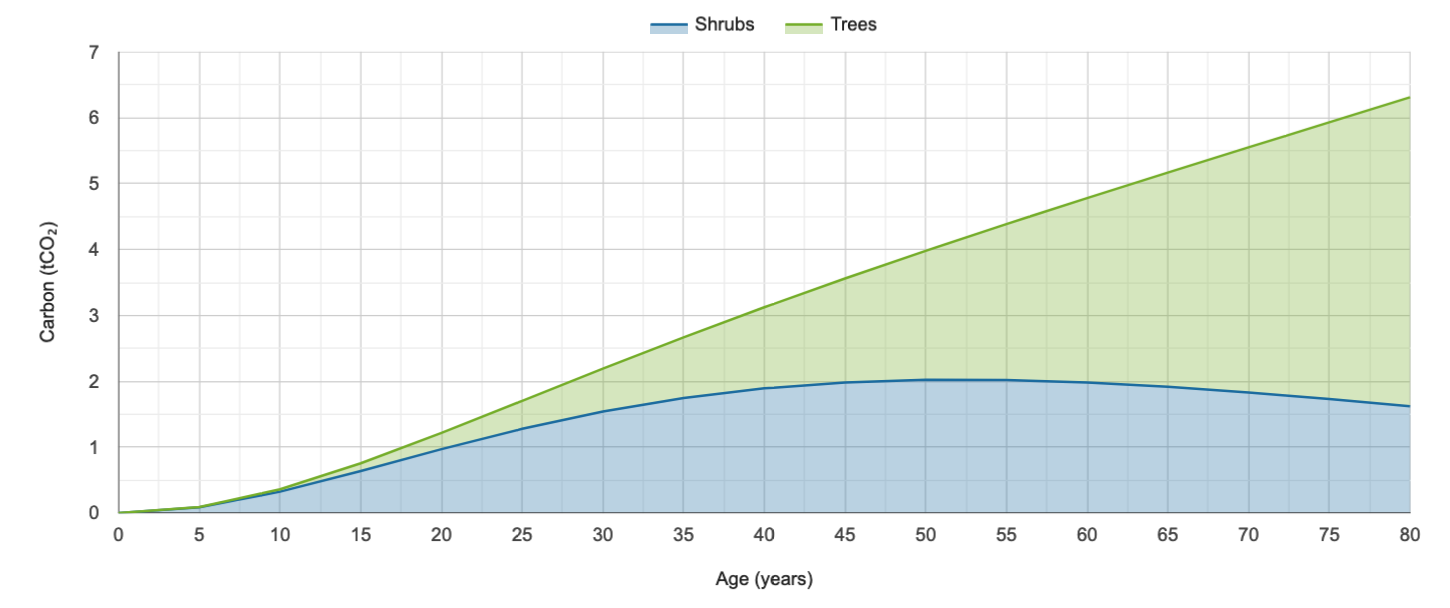
Calculate carbon storage in native forests and find planting needs to offset your footprint.
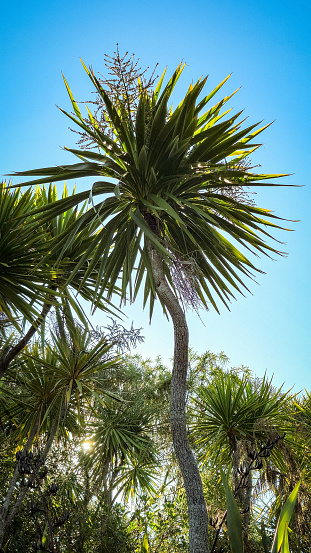
Learn how farms can use trees for carbon credits to boost income while enhancing te Taiao.
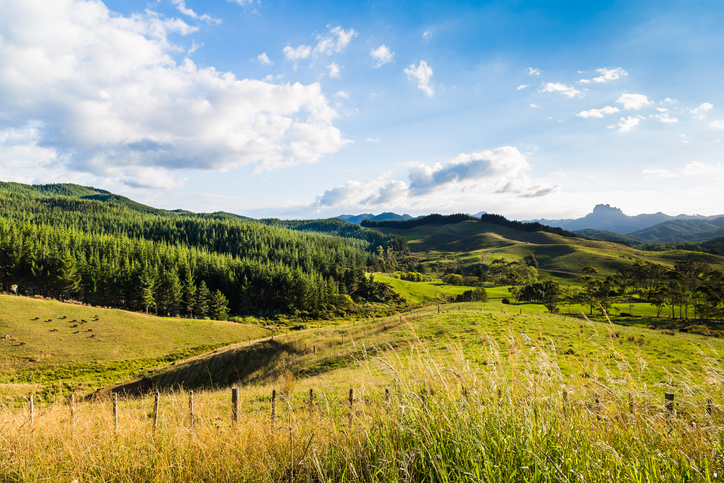
Find out more about tree farming for carbon credits.
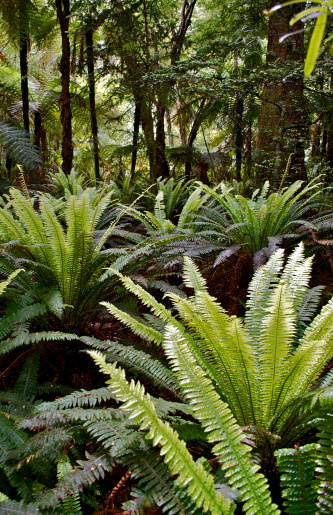
Get a better understandinf of what it takes to transition from exotic forests to natives.
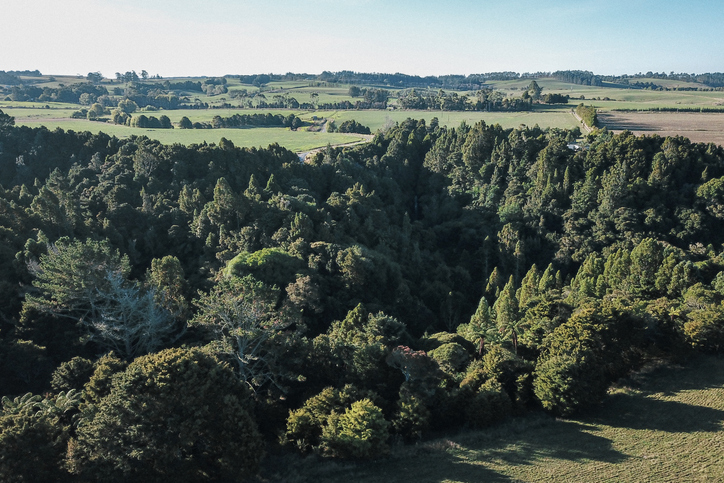
Learn how tree planting on farms can earn carbon credits in the Emissions Trading Scheme (ETS).
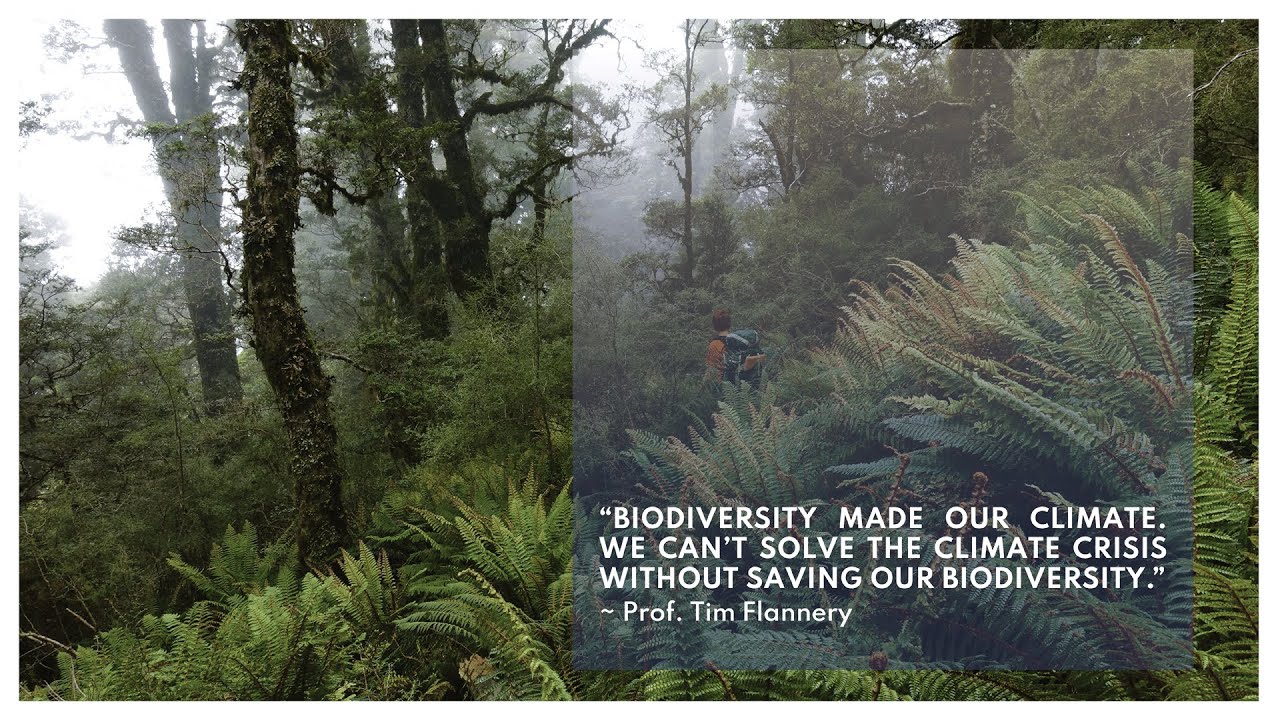
Professor Tim Flannery discusses native forests, carbon capture, and climate solutions in NZ.

This report explores how Māori landowners decide on native forest regeneration and carbon farming.

Rob and Rachel Cashmore share their farming journey, conservation efforts, and their plans to diversify into tourism.
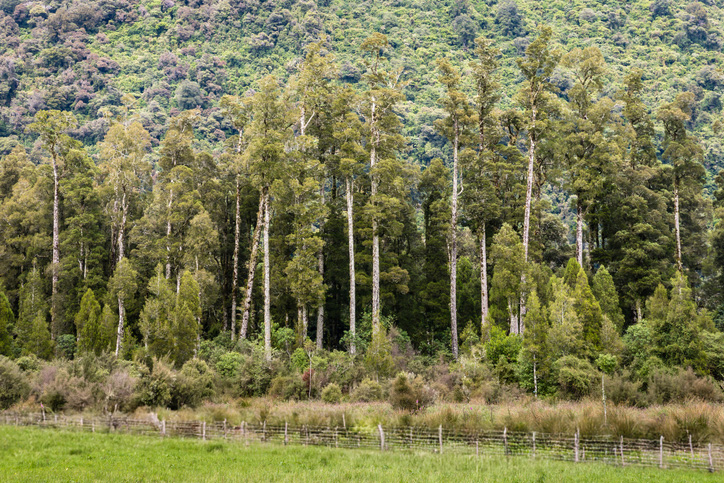
Explore opportunities for using and marketing farm-grown totara timber in Taitokerau.
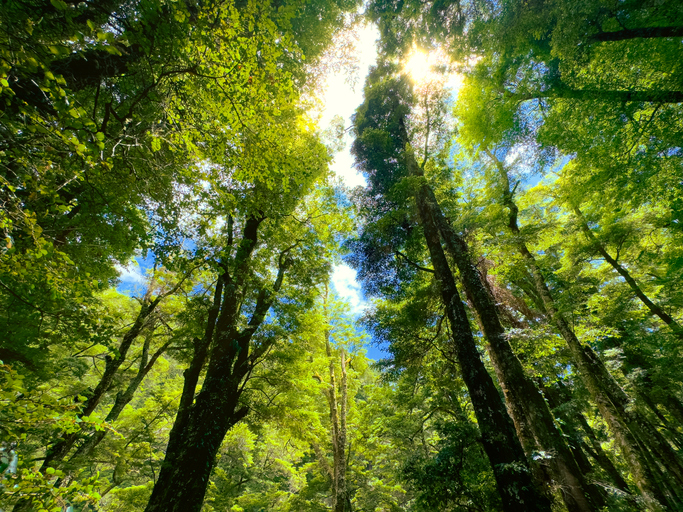
Learn how well-managed native forests can absorb significant amounts of carbon.
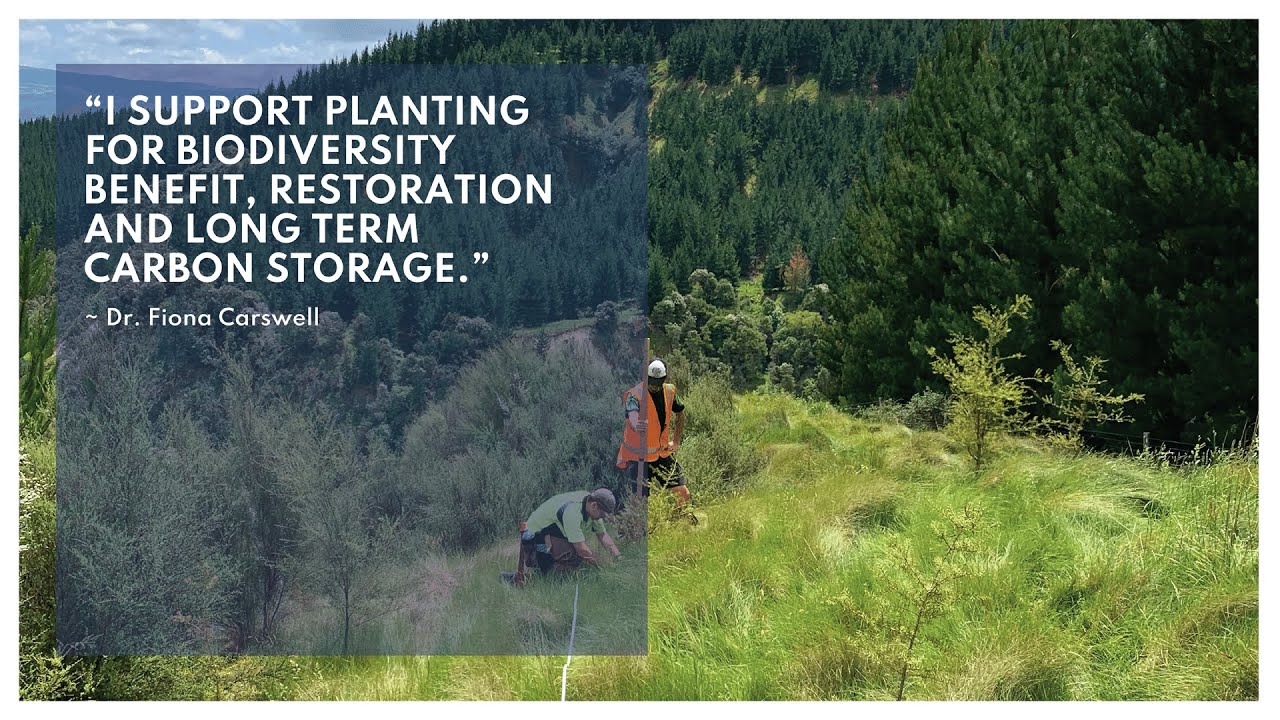
Fiona Carswell talks about how natural forest regeneration on marginal hill country can improve your farm's resilience.
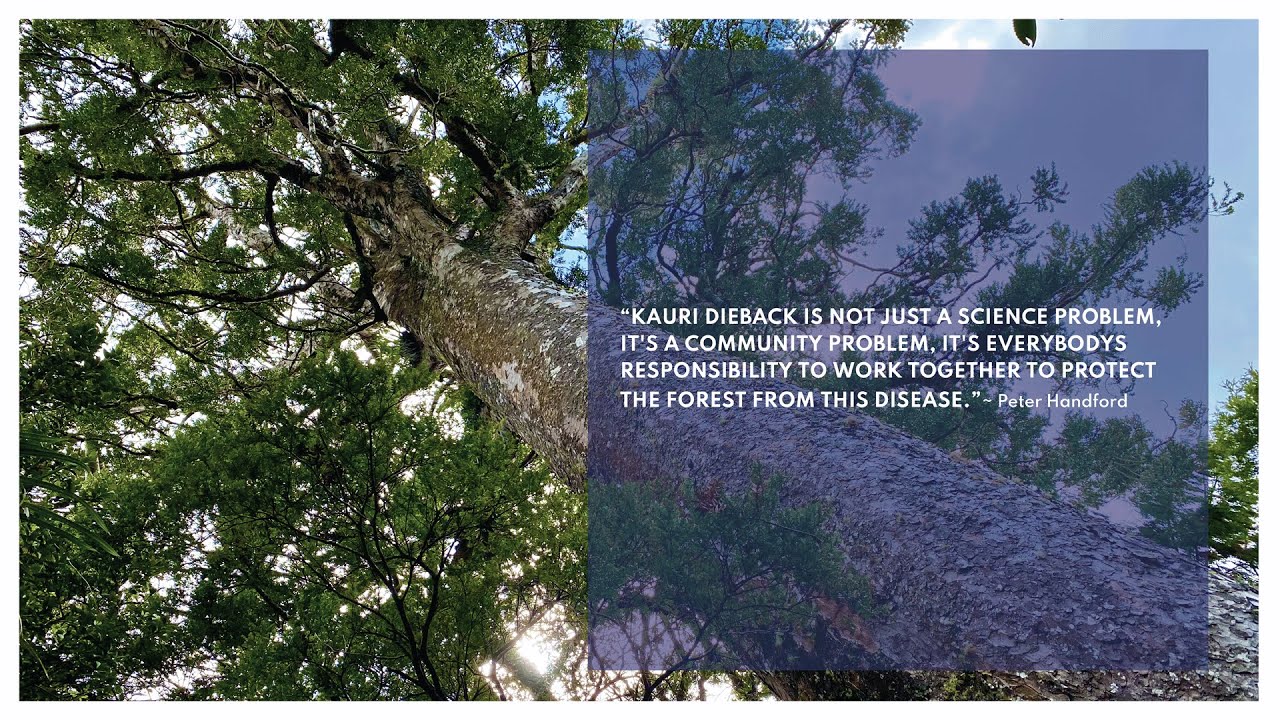
Learn about restoring native forests for sustainable farming and land use.
Look up expected carbon stock by forest age for small forests in the ETS.
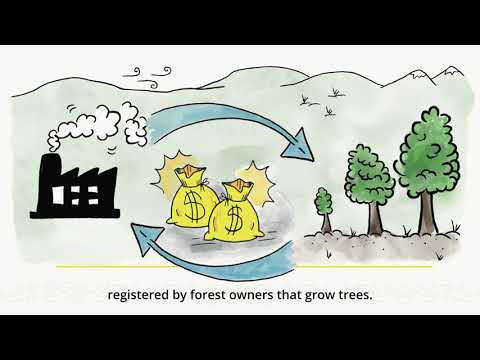
This video explains carbon farming and its benefits for Tairāwhiti’s environment and economy.
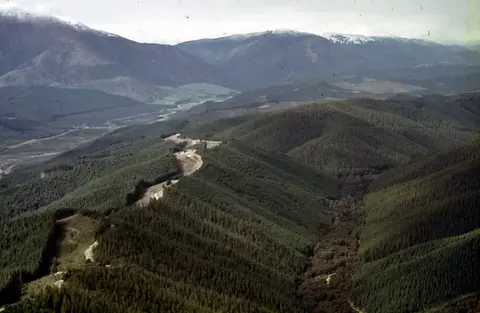
Understand the key considerations for land owners when considering entering the ETS.
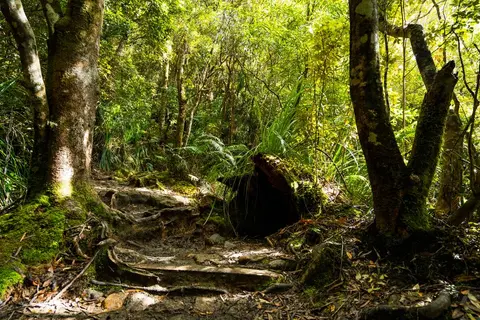
Earning carbon from native bush, planted or regenerating.
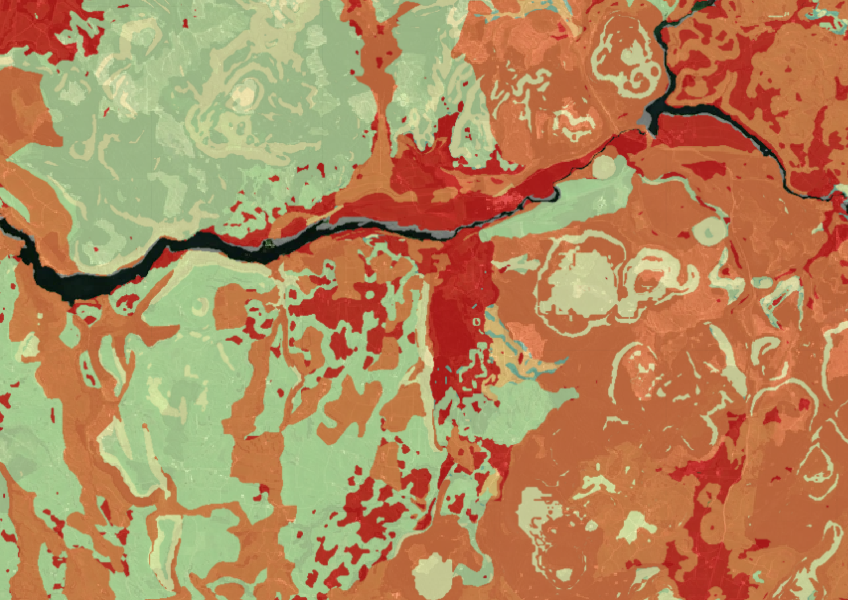
Map showing our remaining indigenous vegetation and its protection status..
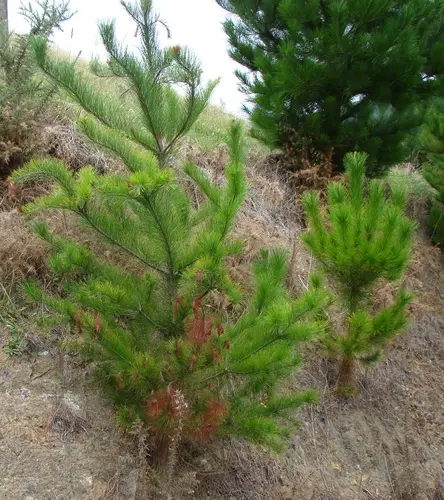
The clash between carbon credits and controlling wilding conifers.
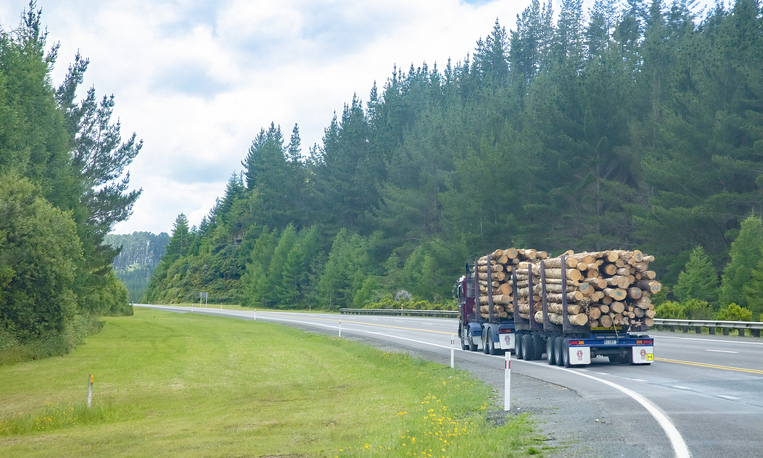
Learn about joining the forestry section of New Zealand's Emissions Trading Scheme (ETS).
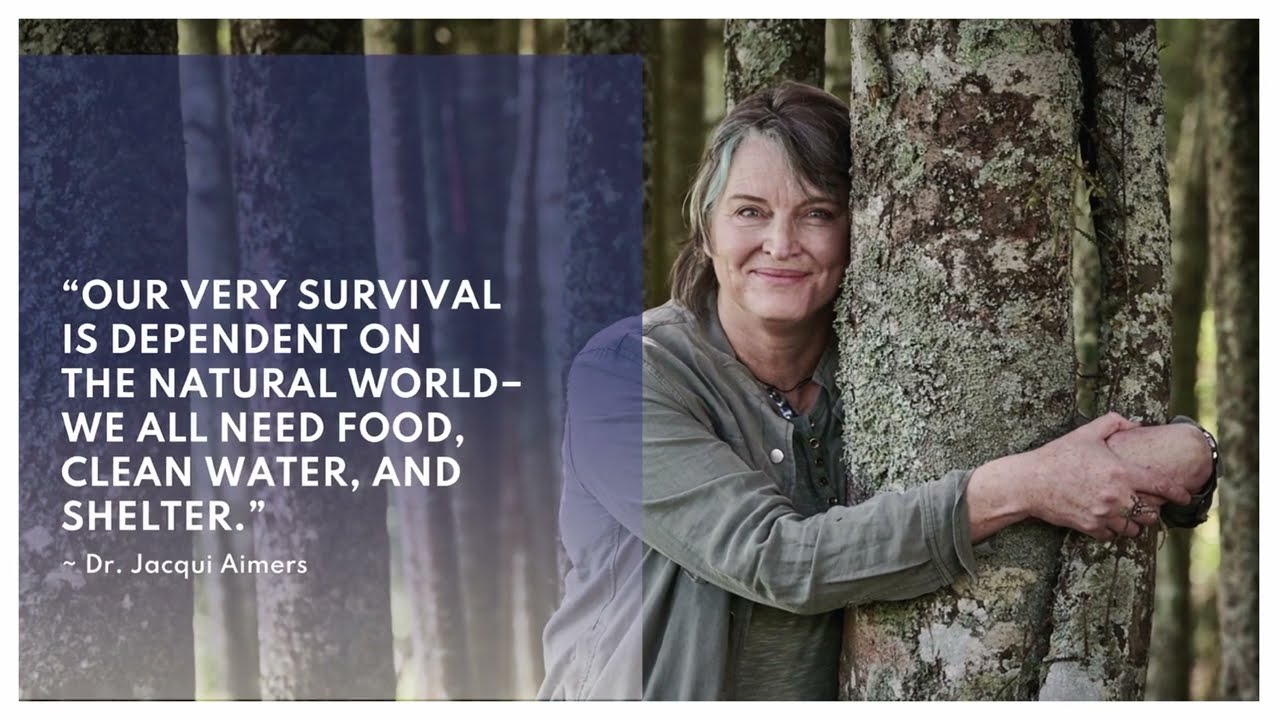
Learn about the value of New Zealand's native forests and the services they provide to biodiversity and ecosystems.
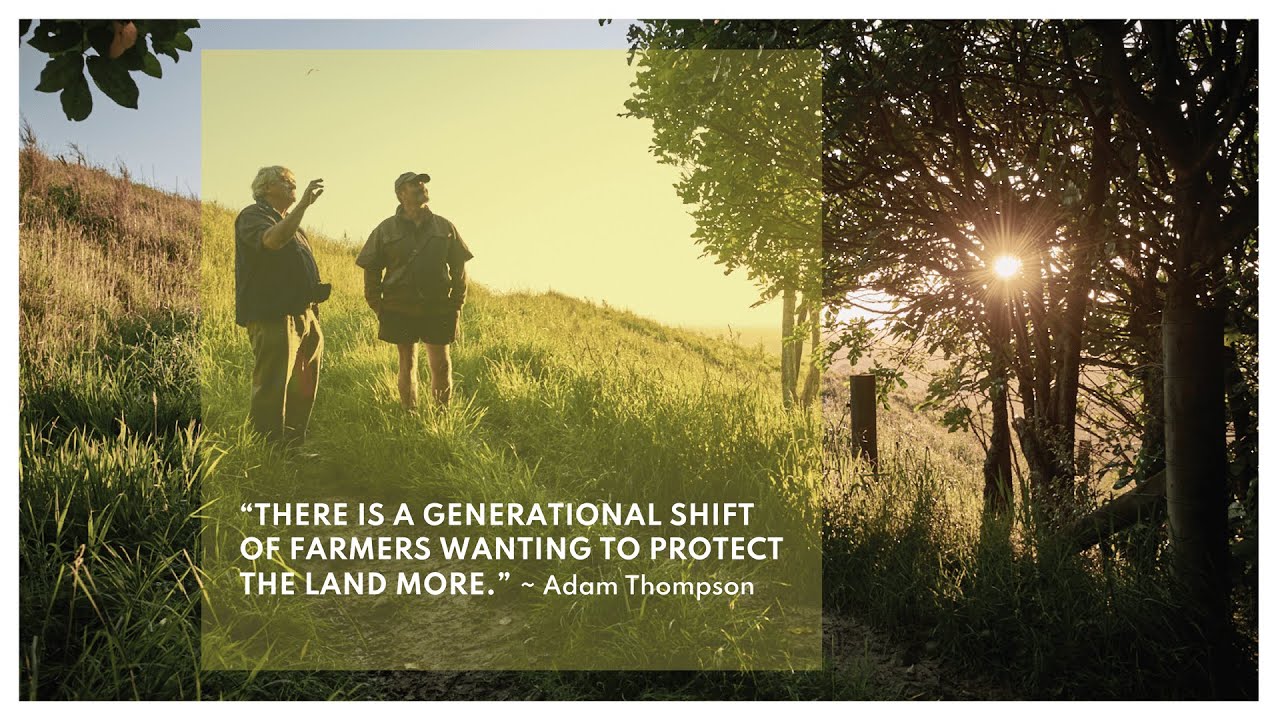
Learn how effective farmer engagement can boost local native tree planting.