
Greenhouse gas emissions factsheets
Climate
Emissions reduction
Greenhouse gas
Livestock
Soil
Sustainability
Factsheets about farm greenhouse gas emissions, feeds, methane control, soil carbon, and more.
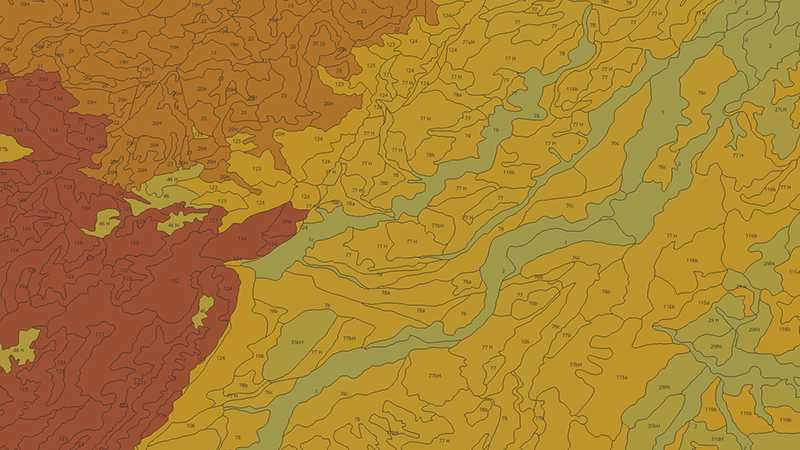
Explore how soil carbon mapping can reduce greenhouse gas emissions from agriculture. Understanding soil carbon is essential for improving soil health and supporting sustainable farming practices.
This resource details new methods like soil spectroscopy and digital soil mapping, which help measure soil carbon accurately and cost-effectively. It also includes a case study about using LIDAR to map different data layers for a Manawatū hill country farm.
Factsheets about farm greenhouse gas emissions, feeds, methane control, soil carbon, and more.
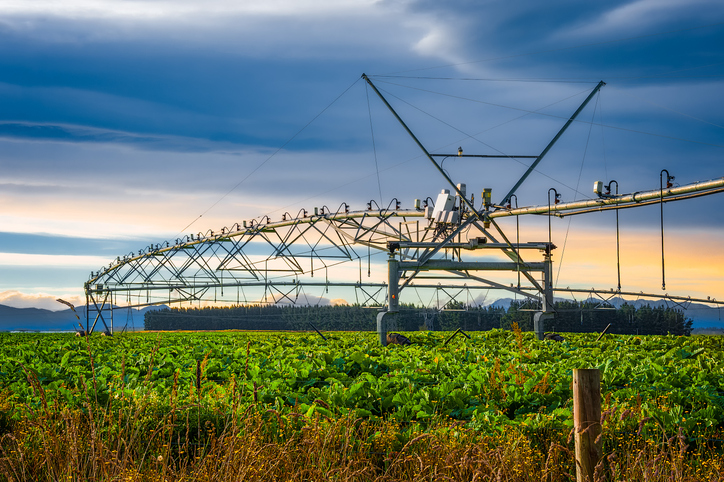
Learn how cropping and horticulture can reduce greenhouse gas emissions in New Zealand.
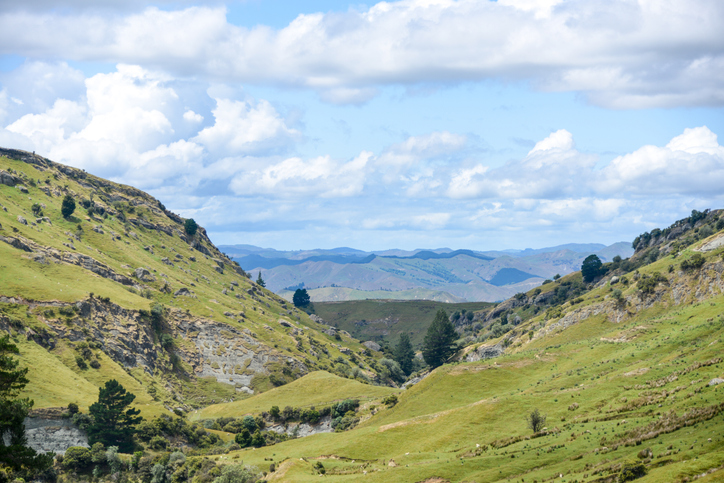
This report explores land use changes in New Zealand to cut greenhouse gas emissions.
Learn how soil carbon impacts climate change and things you can do on your farm to offset your emissions.

Explore actions New Zealand farmers can take to reduce greenhouse gas emissions effectively.
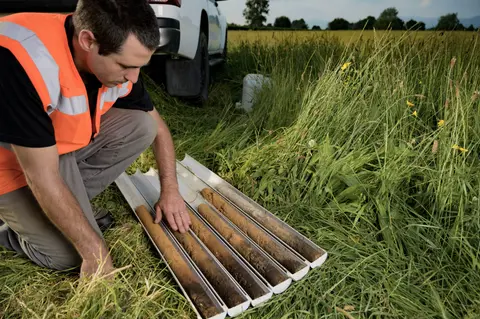
Find out what's involved in benchmarking your farm's soil carbon stocks over time.

Learn about methane in agriculture and how NZ ag researchers are trying to reduce emissions.
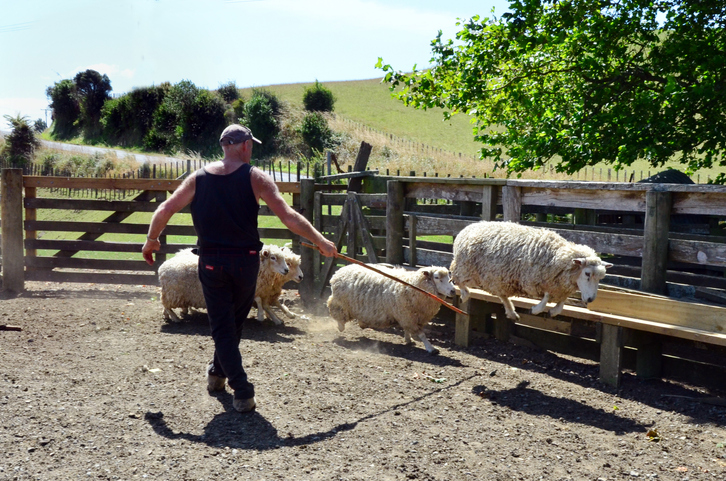
A tool for farmers to track and report on farm GHG emissions and sequestration.
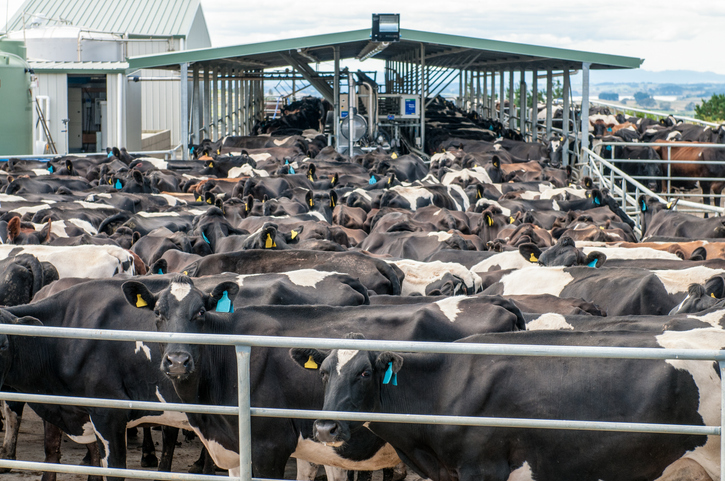
Learn about dairy farm emissions, their impacts, and ways to reduce them without affecting your profitability.
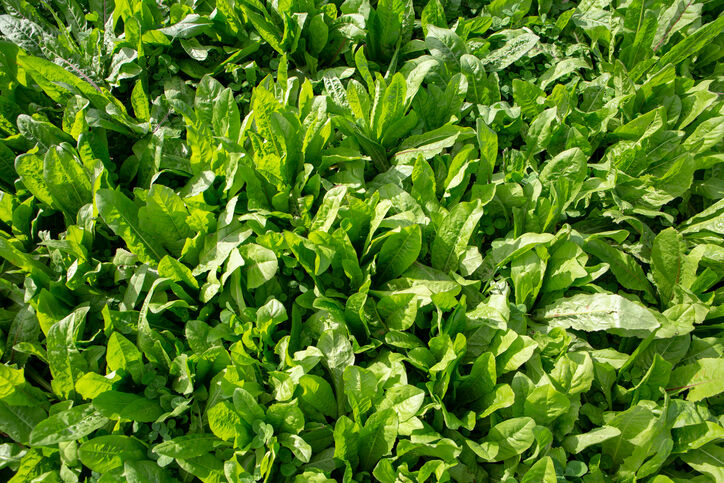
This guide explains effective forage cropping management for livestock.
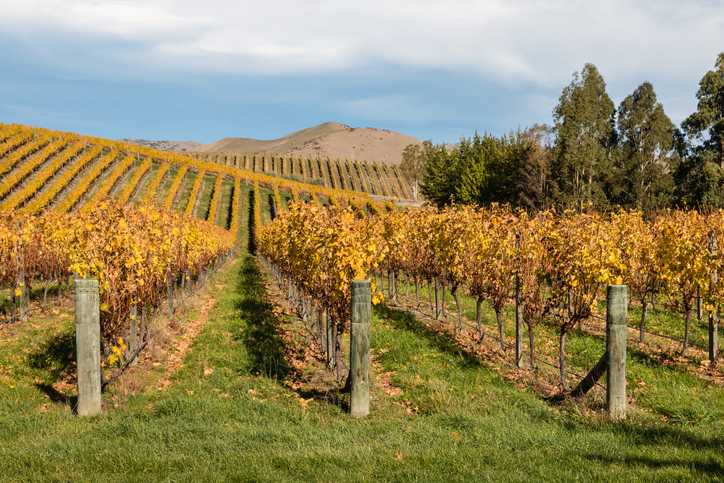
Learn about measuring and assessing sustainability in New Zealand's organic dairy and wine sectors.
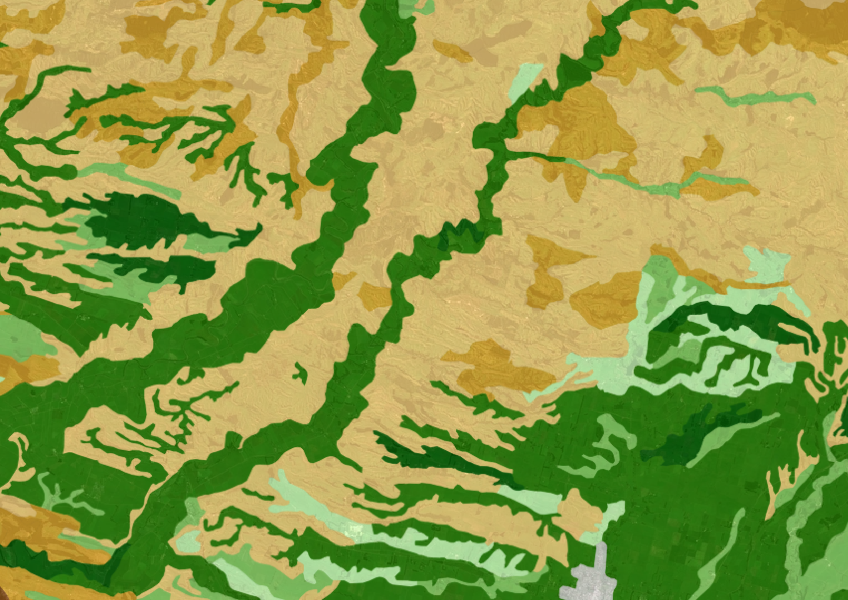
This widely used map estimates the land's potential for agricultural production.

Learn about how a Dipton catchment group aims for carbon neutrality through farming changes and community support.
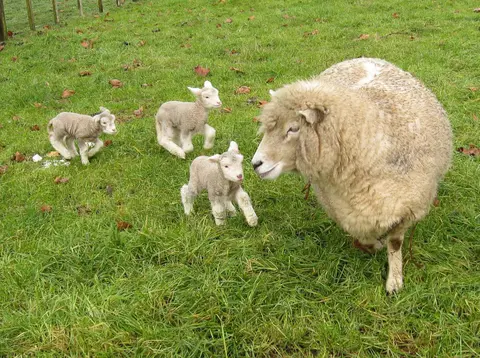
This report explores future options to reduce agricultural greenhouse gas emissions in New Zealand.
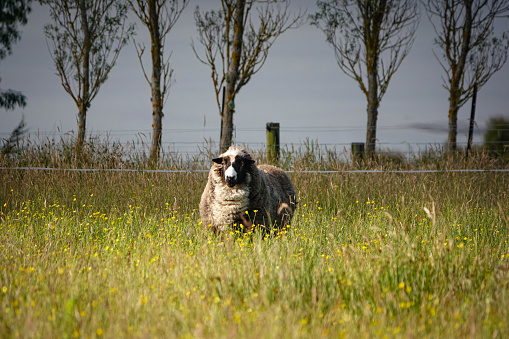
Research about reducing greenhouse gas emissions on Māori farms in New Zealand.

Find out about carbon sequestration rates in native forests and planting methods in New Zealand.
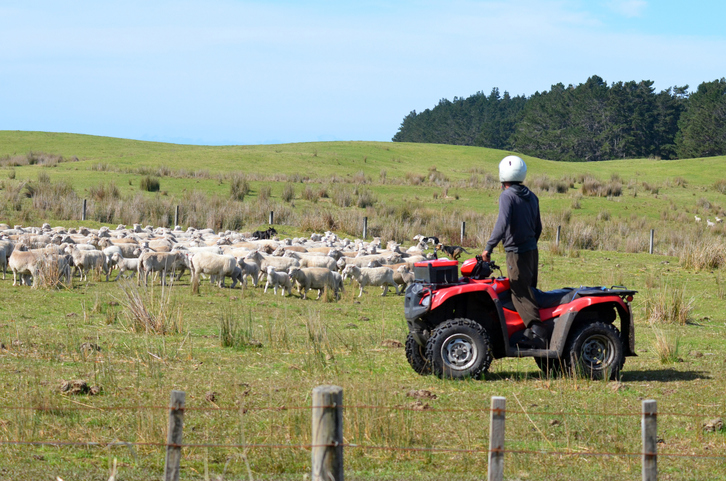
This resource outlines methods to reduce agricultural greenhouse gas emissions in New Zealand.

Explore ways to boost soil carbon through diverse plants, better grazing, and smart irrigation.
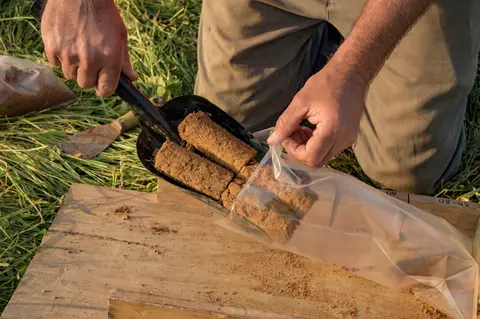
Follow the science of how carbon builds up in soil, and why NZ's stocks are unusually high.
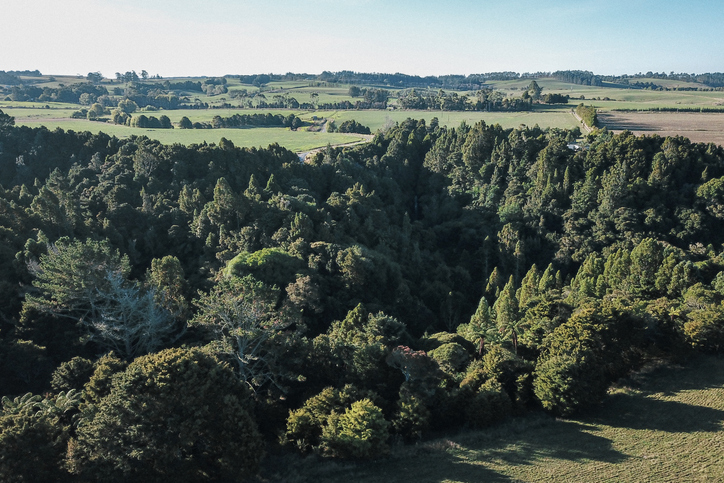
Learn how tree planting on farms can earn carbon credits in the Emissions Trading Scheme (ETS).

Discover how four generations of a Manawatū family farm cut emissions through soil care.
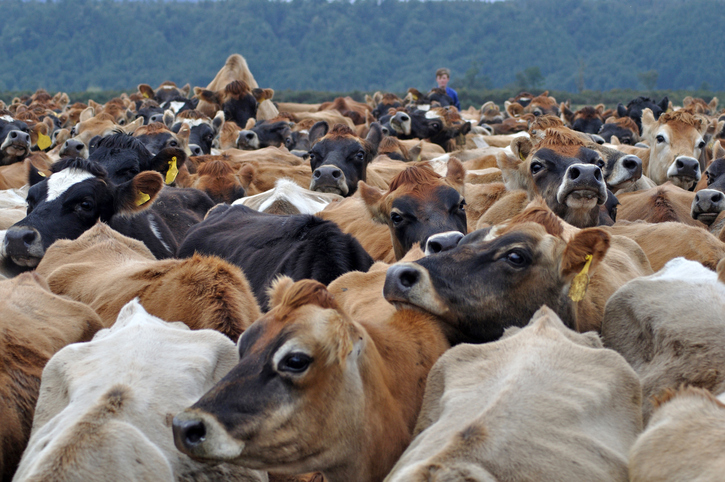
Learn how dairy farmers in New Zealand can reduce greenhouse gas emissions effectively.

This research reviews biochar's potential to lower greenhouse gas emissions in New Zealand agriculture.