Soil, farming and science
Climate
Agribusiness
Productivity
Soil
Sustainability
Explore how soil supports farming, impacts the environment, and learn about possible solutions for healthier farming practices.
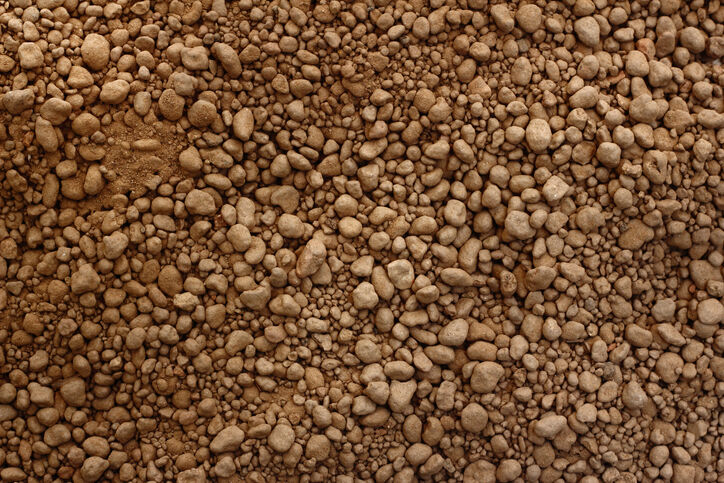
This resource gives you an introduction to phosphorus and its role in agriculture. The phosphorus cycle shows how phosphorus moves through rocks, soil, water, and living things.
Phosphorus is crucial for plant and animal growth, as it helps build DNA and store energy. Rain and weather break down rocks, releasing phosphate ions that plants can absorb. Animals eat plants, taking in the phosphate. When plants and animals die, the phosphorus returns to the soil as they decay. However, much of the phosphorus isn't easily accessible to plants.
Farmers use phosphate fertilisers to boost soil phosphorus, as this nutrient is key for healthy crop growth. Managing soil pH also helps make phosphorus available to plants, but too much fertilisation can pollute waterways.
Explore how soil supports farming, impacts the environment, and learn about possible solutions for healthier farming practices.
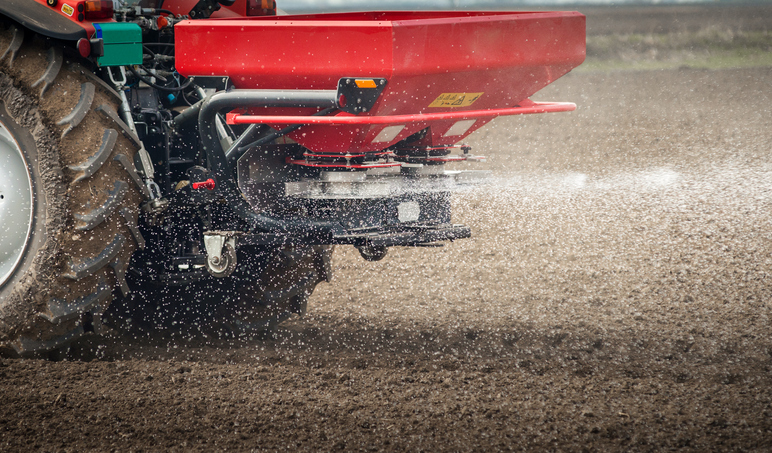
Learn about the terrestrial nitrogen cycle and the impacts of different farming activities.

An interactive tool to help you see how soil chemistry affects plant growth across Aotearoa.
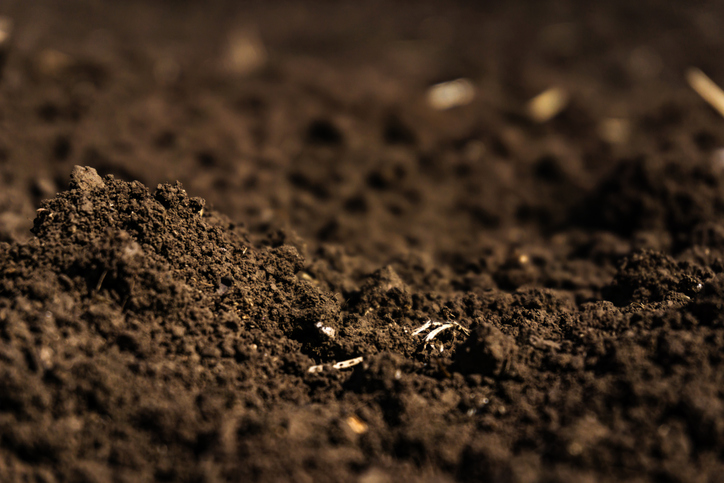
Learn how soil carbon impacts climate change and things you can do on your farm to offset your emissions.
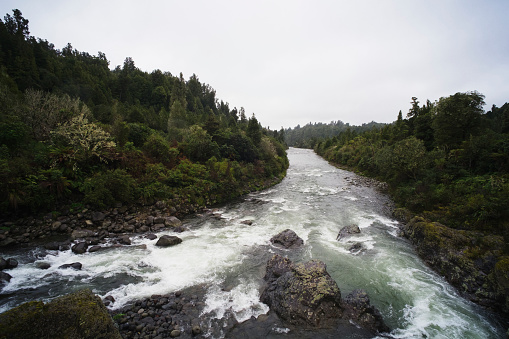
Compare nitrogen and phosphorus levels in your rivers against national bottom lines.
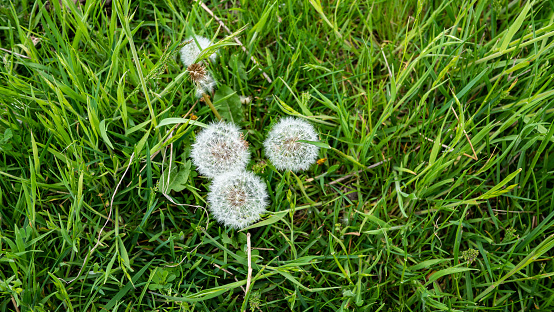
Explore ways to boost soil carbon through diverse plants, better grazing, and smart irrigation.
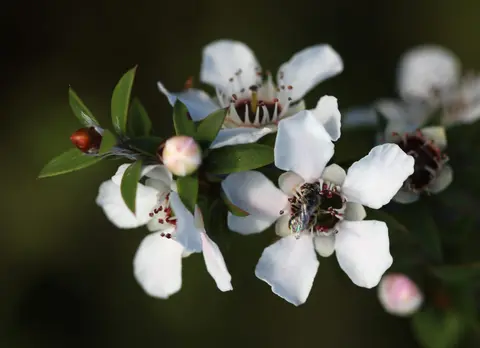
Tips for selecting native and exotic plants to support bee health.
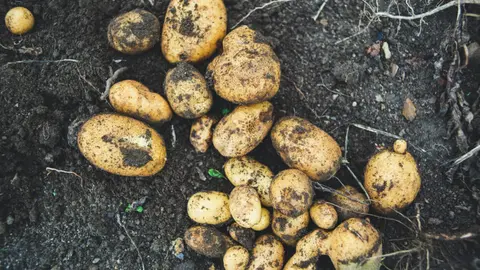
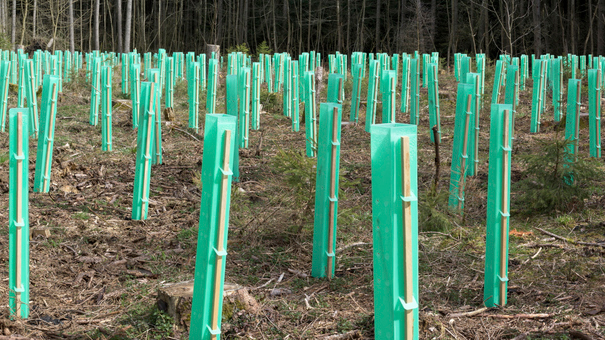
Connect with tree planting helpers or help someone plant trees.
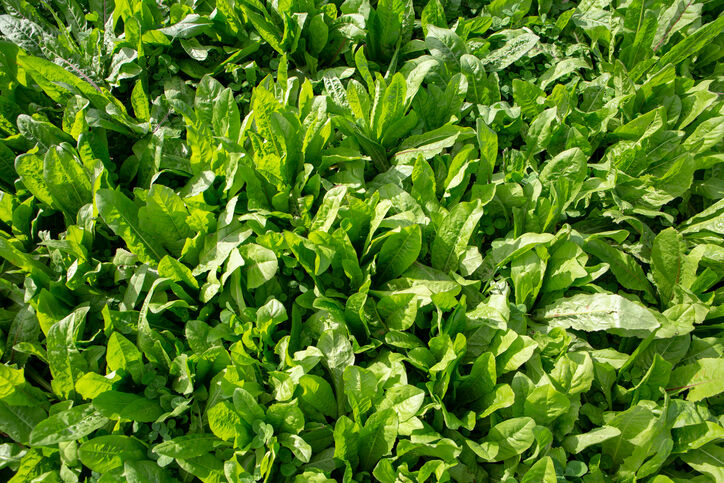
This guide explains effective forage cropping management for livestock.
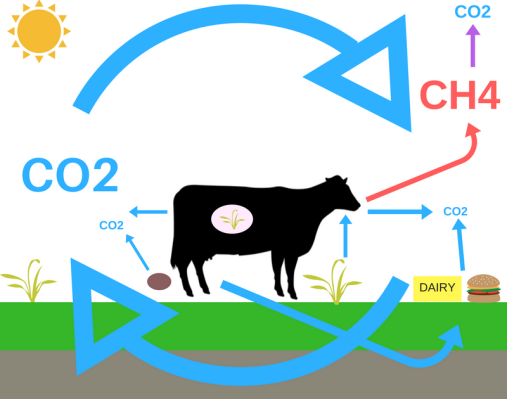
Learn how livestock impact the carbon cycle and climate in New Zealand agriculture.
Track how sowing and harvest timing for maize could shift as the climate changes.
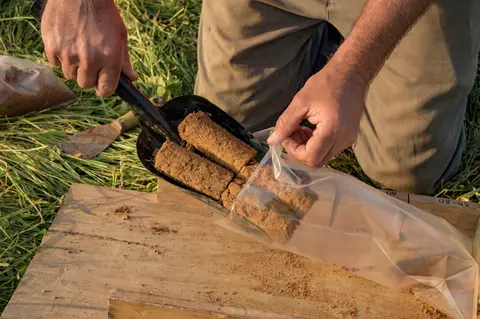
Follow the science of how carbon builds up in soil, and why NZ's stocks are unusually high.
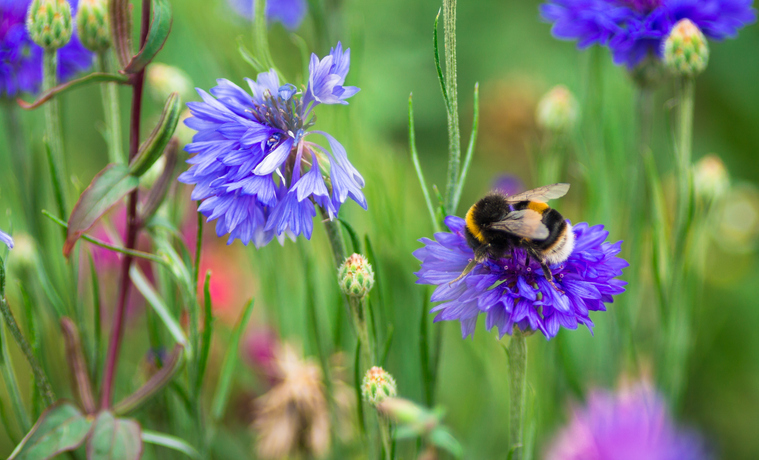
See flowering times of bee plants broken down by month and species.

Explore how land use changes affect water quality and nitrogen, phosphorus loads.

This research reviews biochar's potential to lower greenhouse gas emissions in New Zealand agriculture.
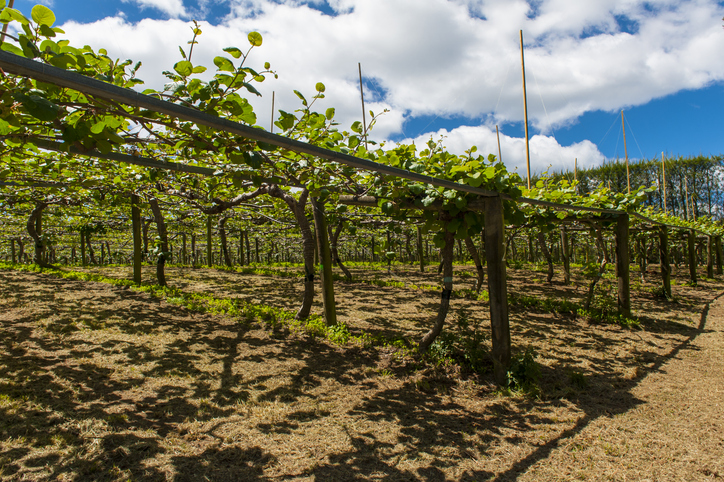
Learn how well kiwifruit could grow in your rohe by 2050 as the climate changes.
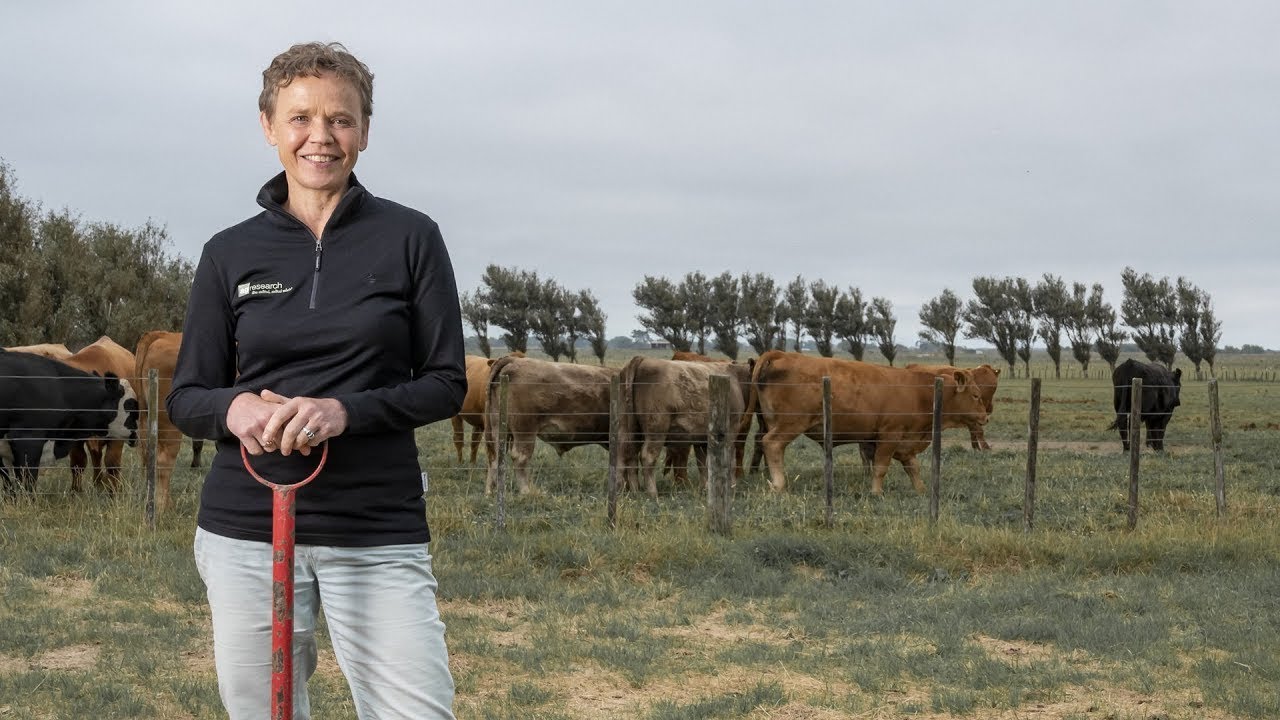
Learn about nitrous oxide, its effects, and ways to cut emissions in farming.
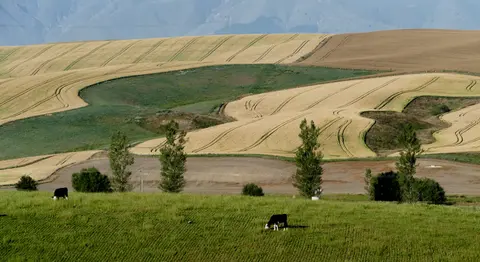
See how water shortfalls under maize could change as the climate warms.

See how susceptible your soil and climate are to nitrogen loss each month.
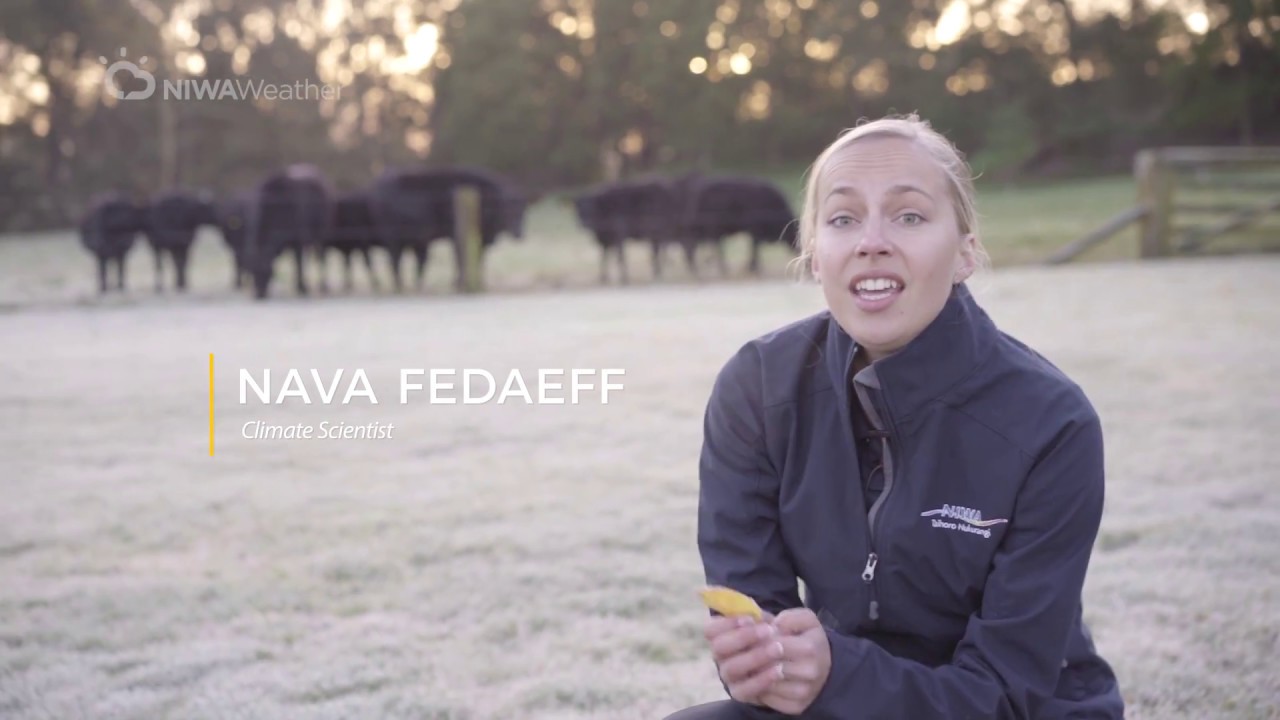
Climate Scientist Nava Fedaeff explores how frost is formed and how it impacts New Zealanders.
This guide explains how to cut nitrogen use, reducing nitrous oxide emissions on farms.