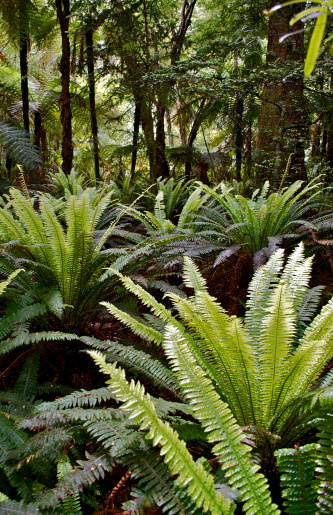
Research programme: Transitioning Exotic Forest to Native
Climate
Biodiversity
Conservation
Forestry
Regeneration
Sustainability
Get a better understandinf of what it takes to transition from exotic forests to natives.
Transitional forestry is a method to change forests dominated by exotic trees to ones that support native species over time. Exotic trees can provide shelter and improve conditions for native seedlings to grow. This approach often uses "nurse species" that help suppress unwanted weeds and create a better environment for native plants.
All of this aims to encourage a healthier, self-sustaining forest ecosystem. However, managing these areas is essential. Threats like deer grazing can prevent native plants from thriving. The schemes focus on restoring biodiversity while addressing climate change and carbon storage to create a balanced approach for healthy forests.
Get a better understandinf of what it takes to transition from exotic forests to natives.

Te Kapunga Dewes discusses Māori views on forestry, native trees, and carbon finance.
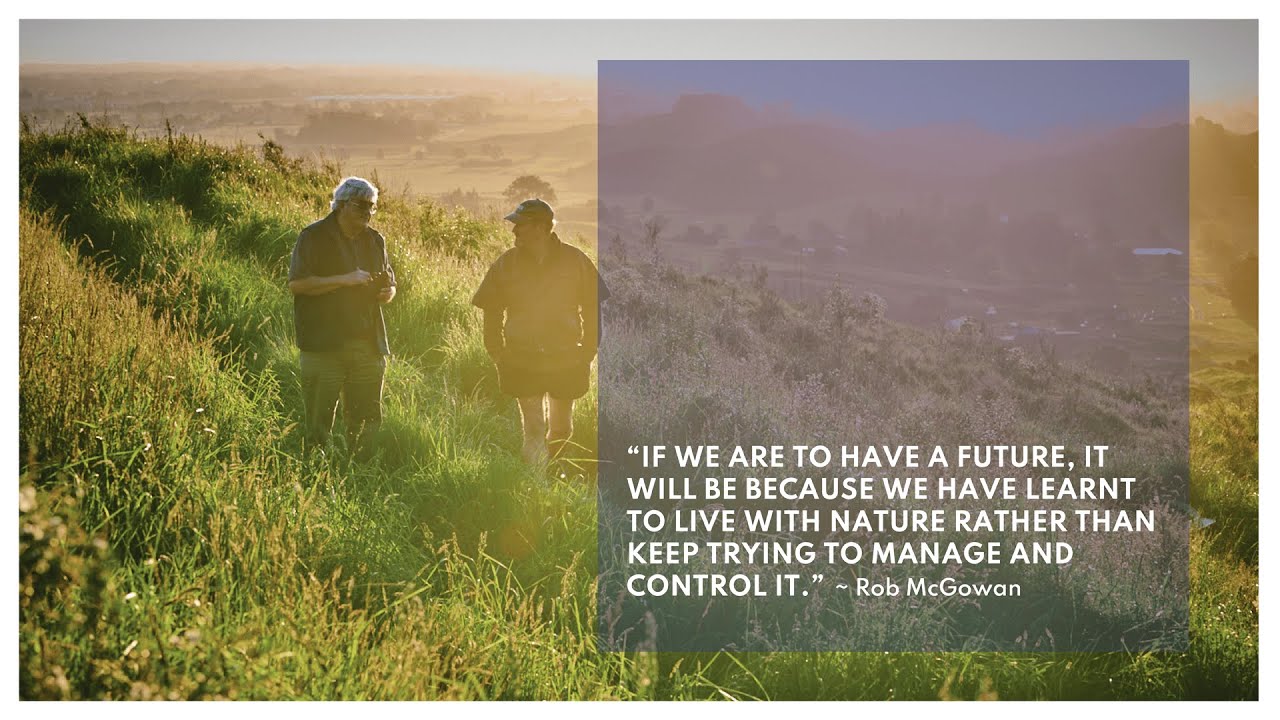
Rob McGowan talks about the importance of restoring native forests in Aotearoa to face climate change.
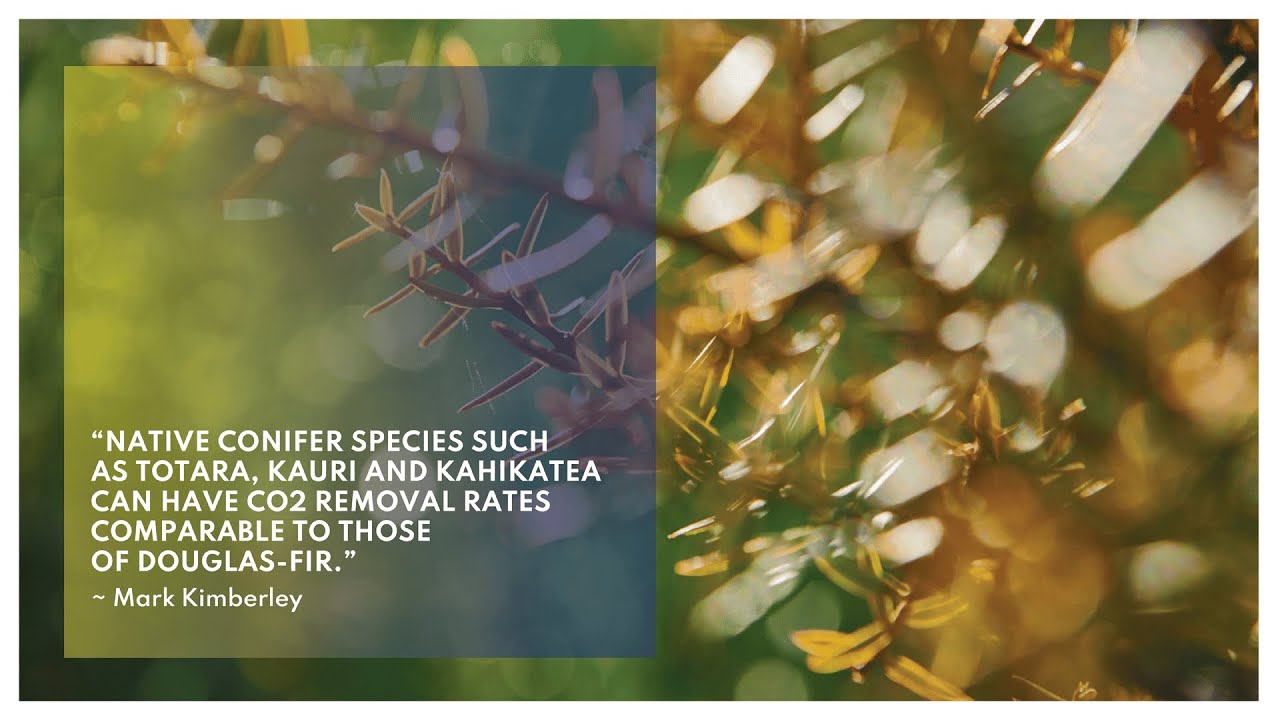
Find out about carbon sequestration rates in native forests and planting methods in New Zealand.
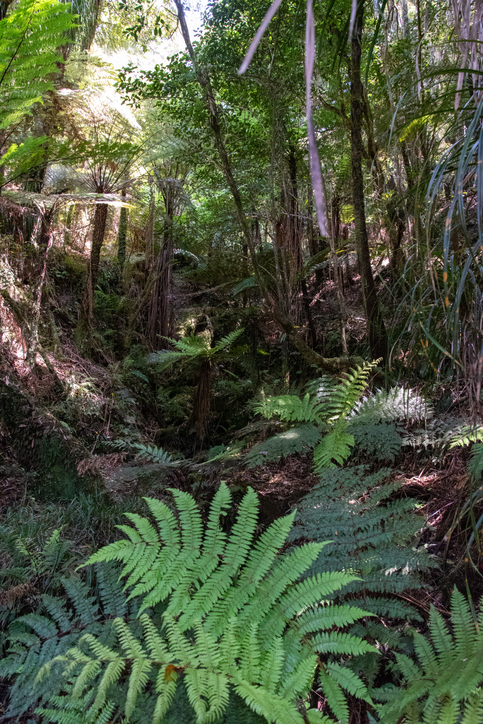
Practical tips and case studies about converting exotic plantation forest into native.
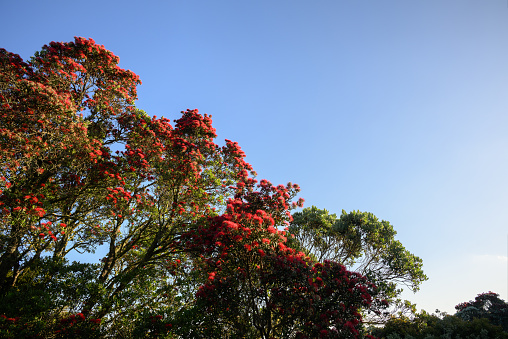
This paper explores how native forests in Aotearoa can help reduce emissions.
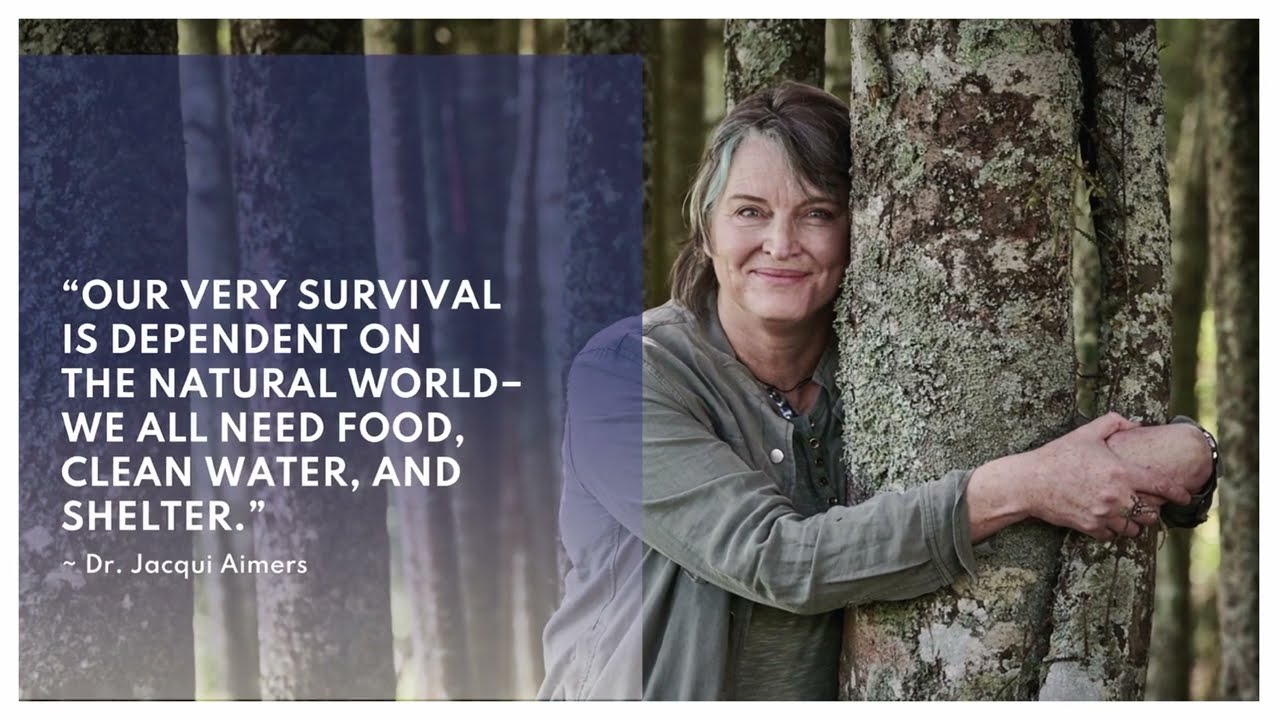
Learn about the value of New Zealand's native forests and the services they provide to biodiversity and ecosystems.
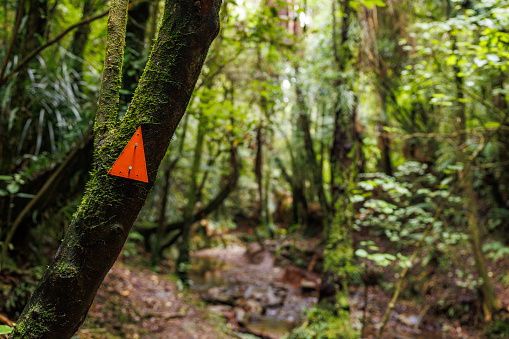
Get useful tips for restoring native forest on your whenua.
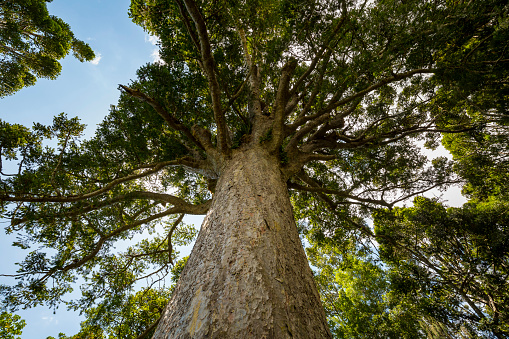
Guidance about how to choose between planting and natural regeneration for forest restoration.
Learn how to grow native trees using ecological principles.
This guide offers planting patterns and density for native trees in open sites.
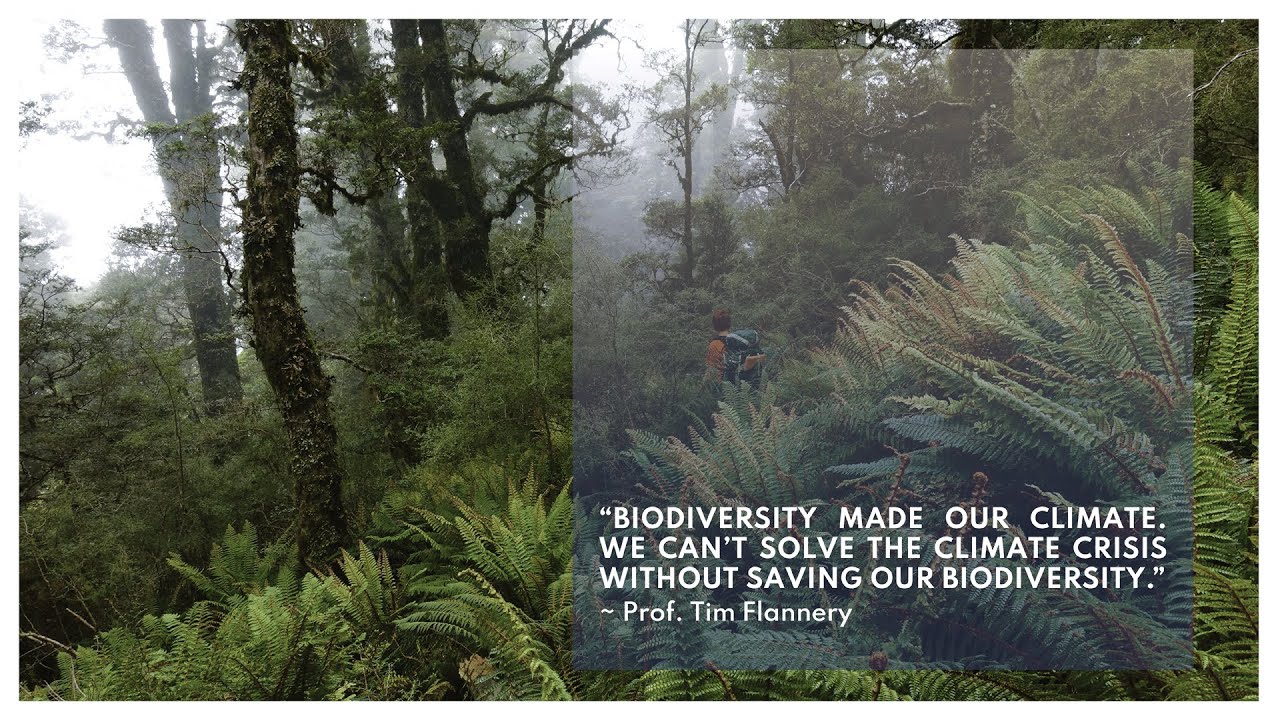
Professor Tim Flannery discusses native forests, carbon capture, and climate solutions in NZ.
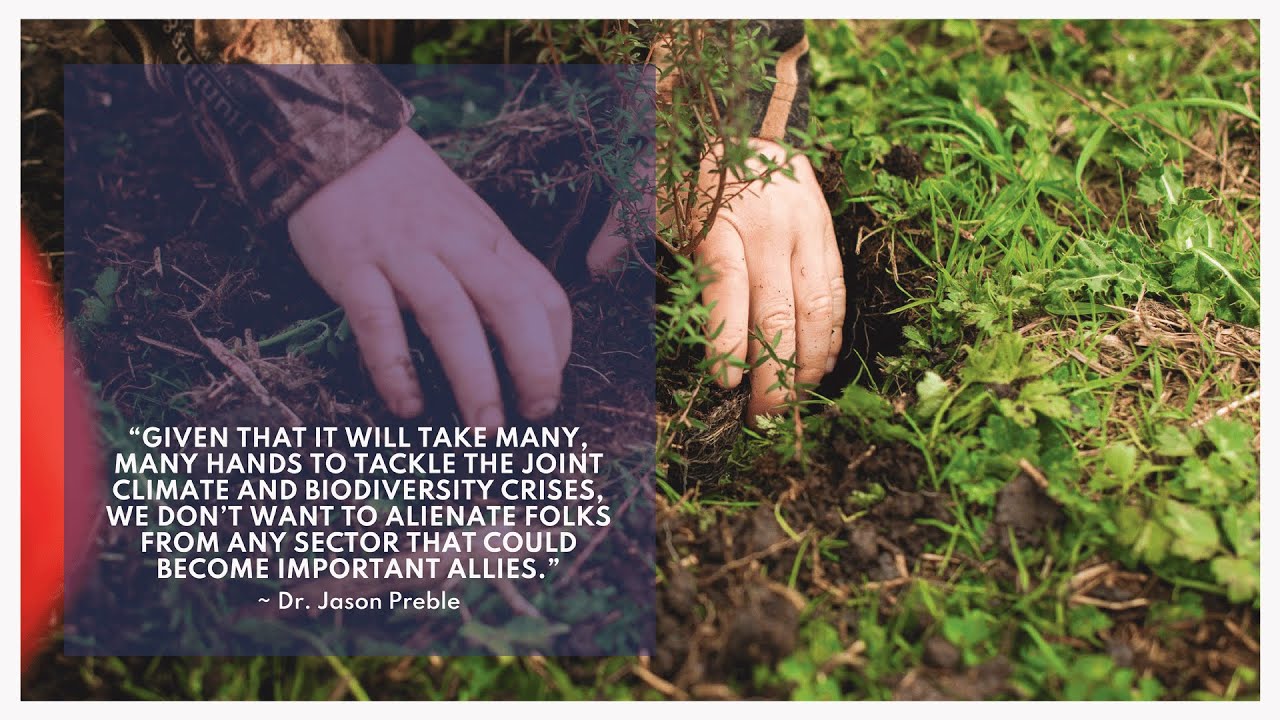
A talk on restoring native forests and the role of seed supply in climate action.
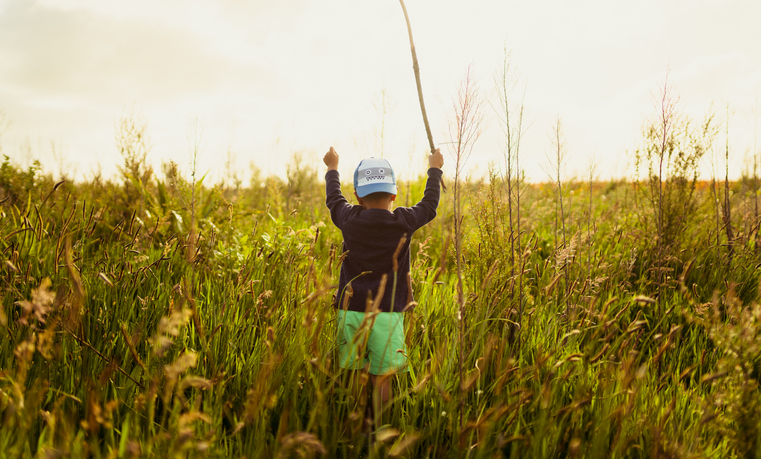
Learn about the role tree planting can play in reducing climate change impacts.
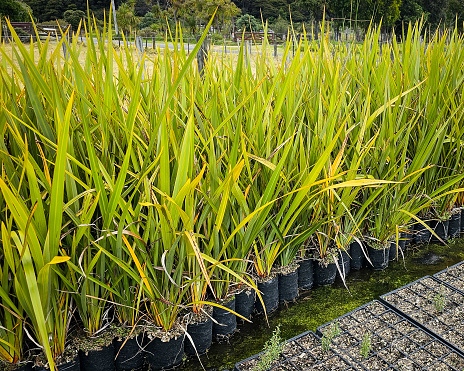
A programme supporting native forestry and sustainable management in Aotearoa.
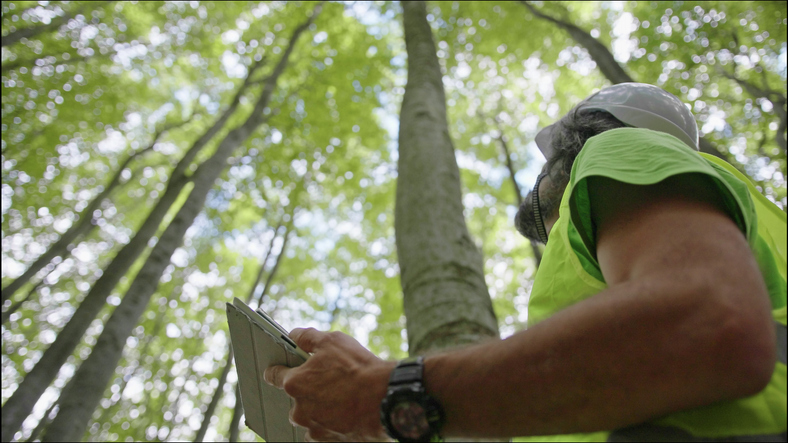
Read about a range of science projects related to the 1BT Programme.
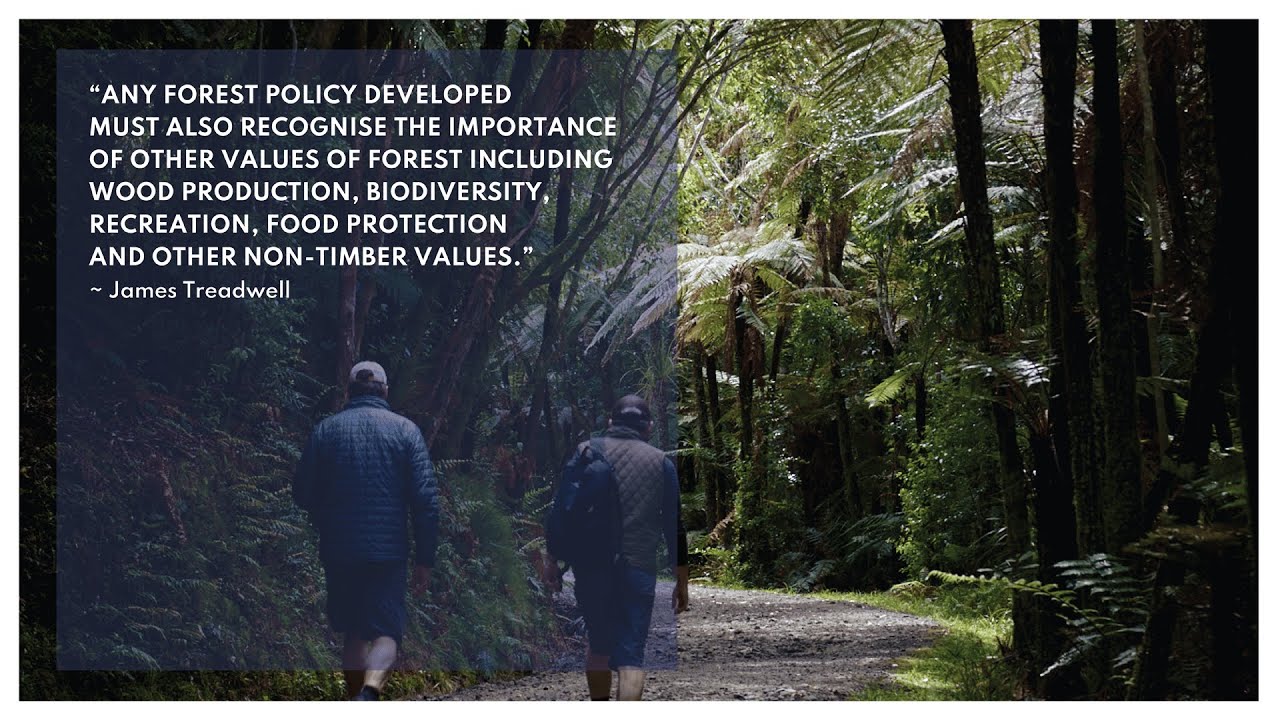
Jack Palmer discusses the urgent need for more trees and sustainable forestry in New Zealand.
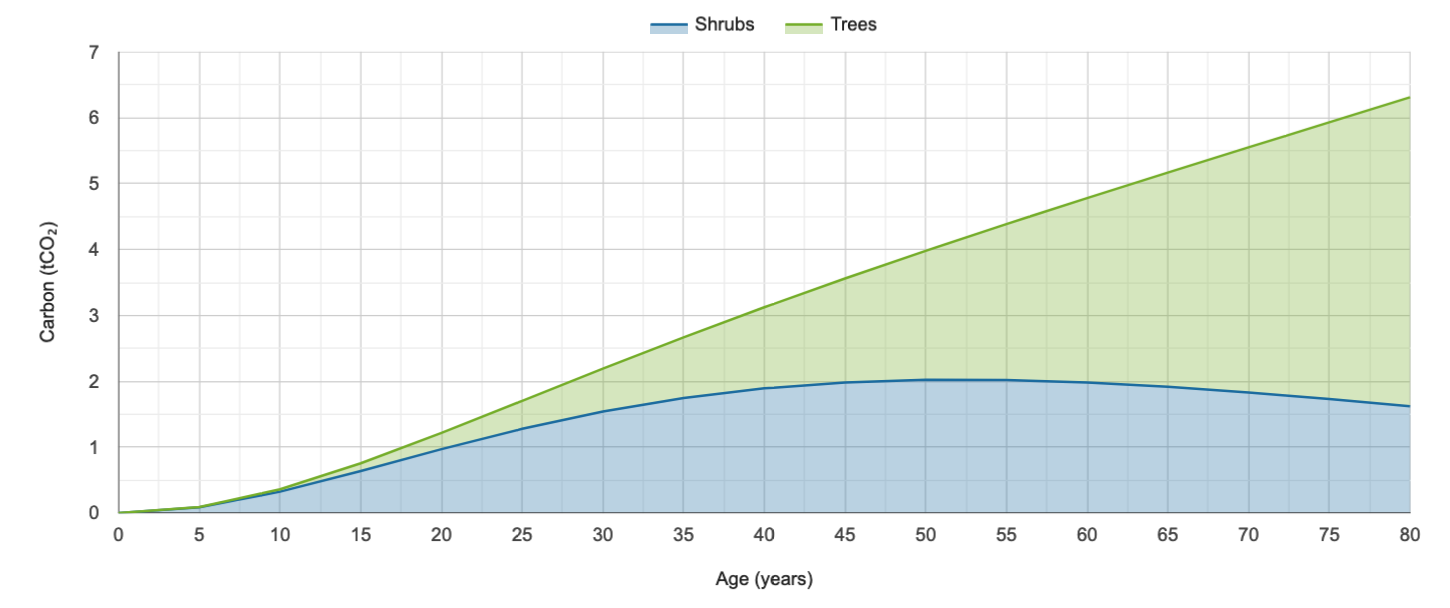
Calculate carbon storage in native forests and find planting needs to offset your footprint.

This paper explores challenges and opportunities for Māori landowners in native forestry.

This report explores how Māori landowners decide on native forest regeneration and carbon farming.
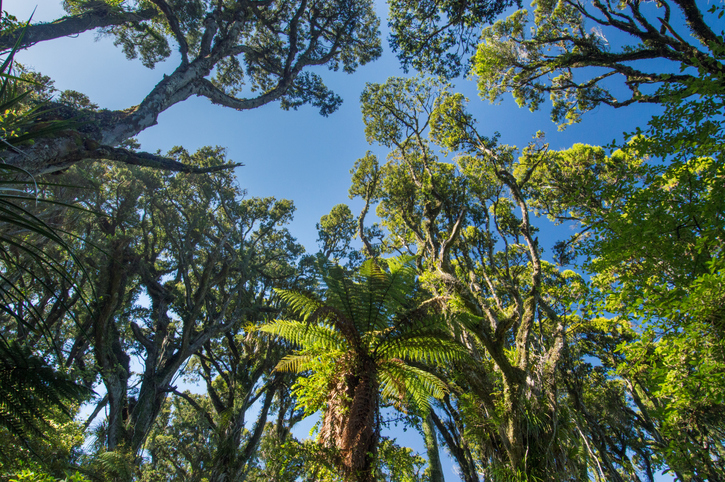
Explore New Zealand's forests, their history, importance, and management efforts.
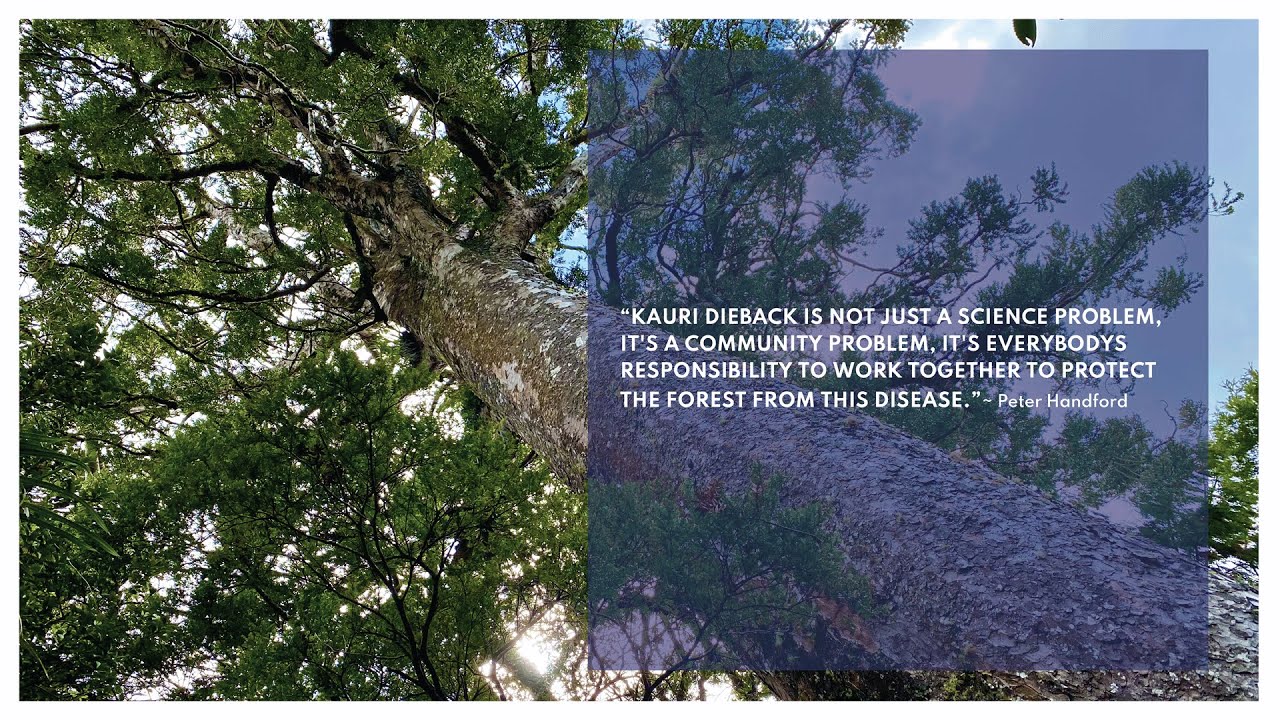
Learn about restoring native forests for sustainable farming and land use.
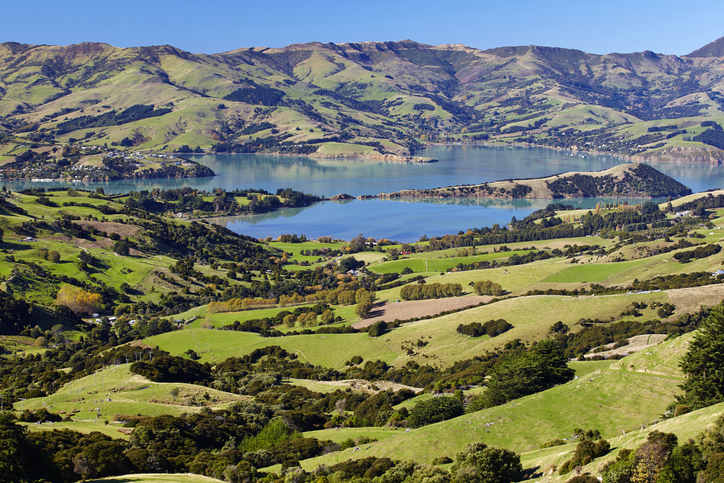
Te Kākahu Kahukura is a community-led project focused on restoring native forests on Banks Peninsula.