
Considering the potential of the whenua
Whenua
Governance
Whenua Māori
Explore ways to enhance your land with family, set goals, and get expert advice.

The resource guides owners and whānau in defining their aspirations for their whenua. Aspirations are dreams and goals that help shape the future of the land. They cover economic, environmental, cultural, and social perspectives.
Finding a balance between these aspirations is important to ensure the long-term wellness of the whenua and its people.
Explore ways to enhance your land with family, set goals, and get expert advice.
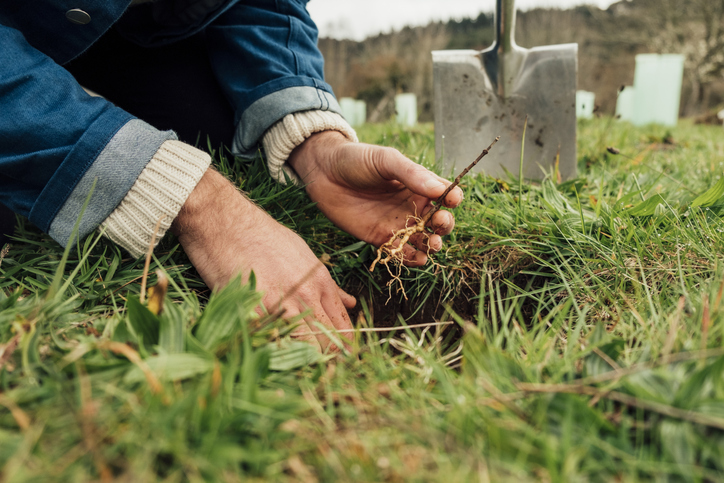
Connect with whānau, get involved with your land, and find out about your rights and responsibilities on the whenua.
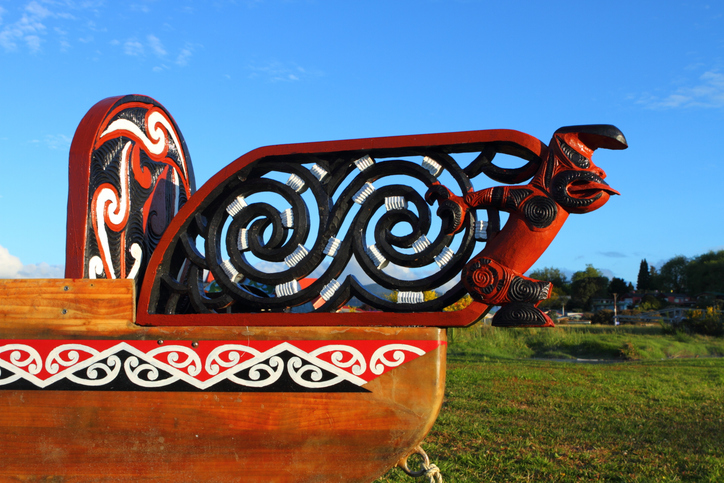
Learn to create a strategic plan focusing on aspirations for whenua and whānau.

Learn about governance options for Māori land and how to set up trusts or incorporations to govern them.

Learn how to develop affordable housing in Māori communities through papakāinga.

This case study explores what it means to farm in alignment with Māori values and how it can improve the environment.

Support for Māori land owners to connect with agencies and make a plan for the future.

Te Tai Tokerau's Climate Adaptation Strategy outlines key actions for climate resilience.

This report analyzes climate risks in Northland, focusing on impacts, perspectives, and management strategies.
Search for funding opportunities for your whenua and get support from TPK.

Learn about land succession, sharing knowledge, and responsibilities with whānau.

Learn about creating a strategic plan to achieve your aspirations for your whenua.
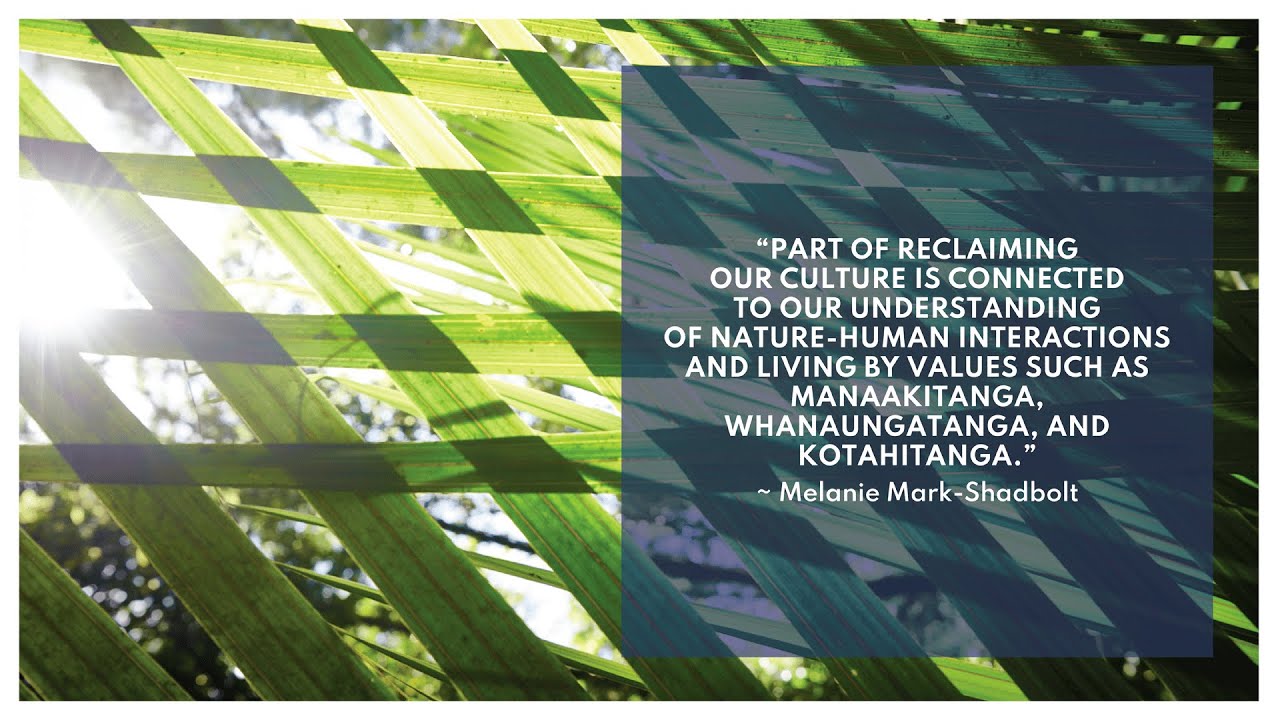
Find out about ao Māori perspectives on the importance of protecting native trees and forests in Aotearoa.
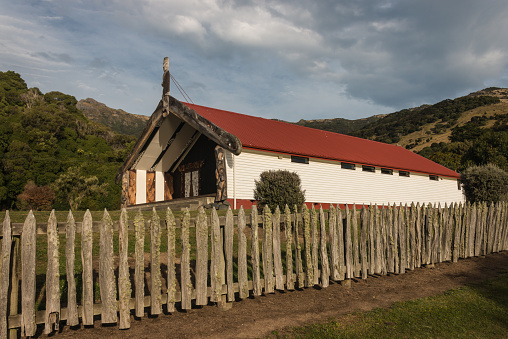
Learn about whenua Māori governance, its structures, and why it's important.
Learn how to set up a Māori land trust or incorporation with guidelines and steps.
Learn how to manage Māori land through trusts and incorporations for your whānau.
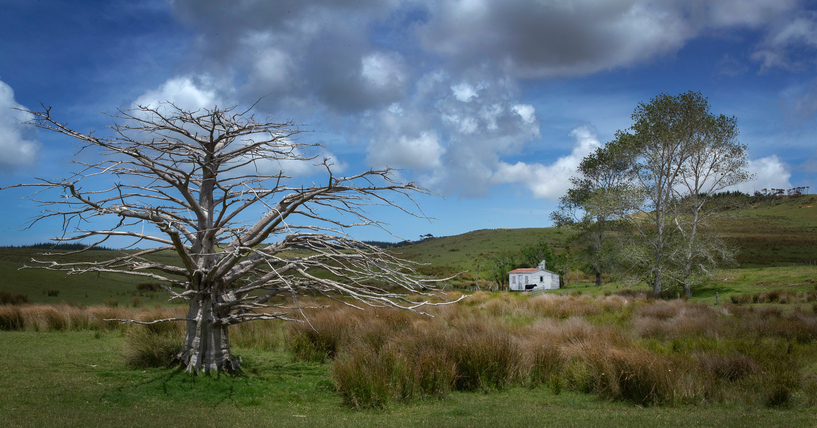
This resource highlights the importance of whenua for identity, wellbeing, and connection.

This report discusses enhancing Māori agribusiness using kaitiakitanga tools for sustainability.
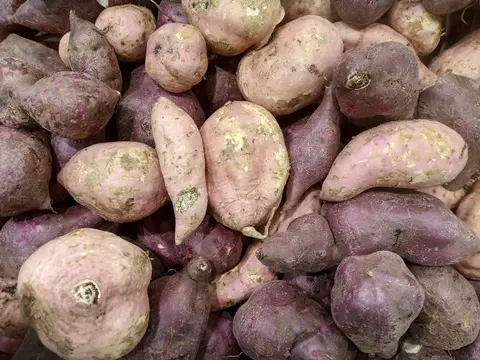
See how values, transparency and market opportunities shape Māori food products.
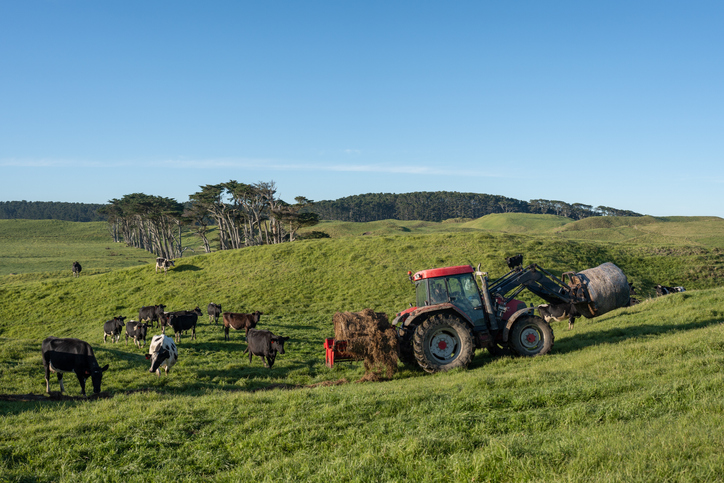
This guide explains key concepts of whenua management, its roles, and how to separate it from governance.
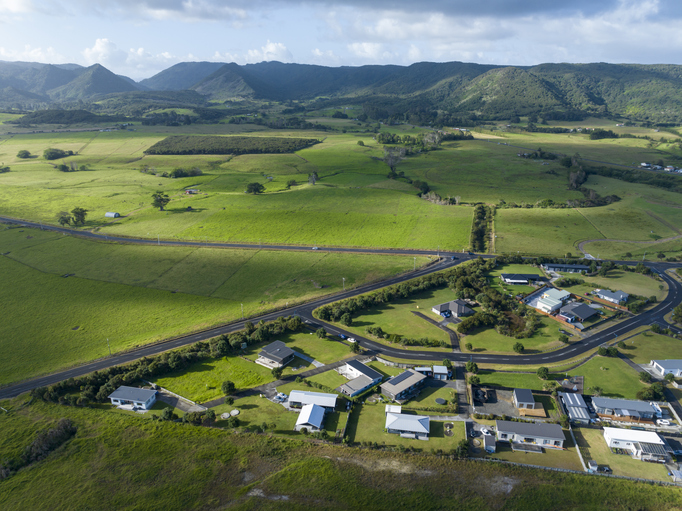
A toolkit for Ngāpuhi to develop papakāinga housing on Māori land, focusing on community needs.