Primary sector preparedness means understanding blips and trends
Climate
Adaptation
Dairy
Flooding
Profitability
Resilience
Sustainability
Local insights on climate risks and adaptation costs for Aotearoa farmers.
This resource explains how to create pathways for adapting to climate change in farming and primary industries. It offers a step-by-step process that helps farmers identify and plan for possible future changes. The approach focuses on using local knowledge and experiences, making it easier for communities to work together. This resource includes practical tools to help discussions and create realistic plans.
A case study from Hawke’s Bay shows how this method can be applied in different situations. It provides a helpful framework for farmers and landowners to prepare for climate impacts and other challenges.
Local insights on climate risks and adaptation costs for Aotearoa farmers.
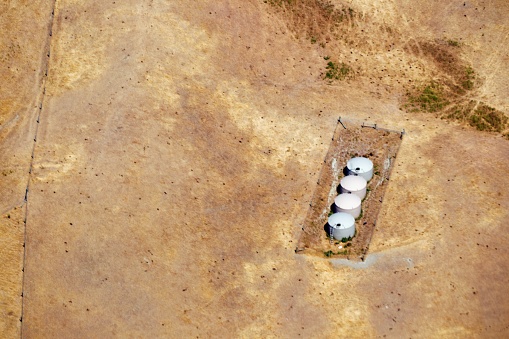
Explore drought impacts and find adaptation strategies for a changing climate.
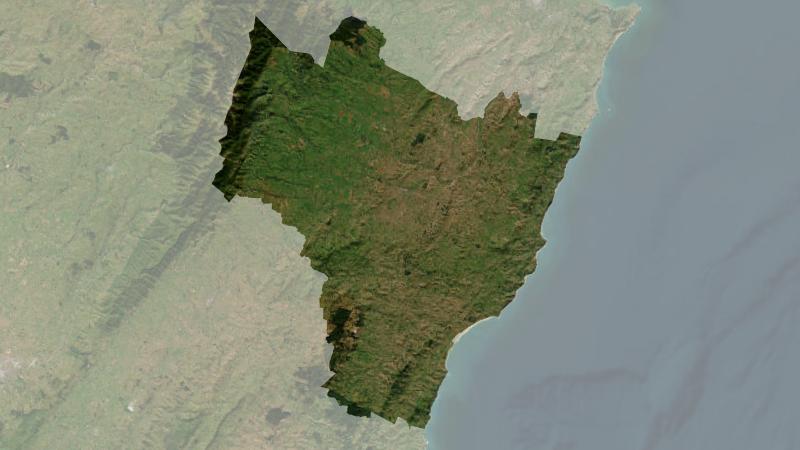
Understand climate event and variability trends for Central Hawke's Bay District.
The Hawke's Bay Farmers Hub offers support and resources for Hawke's Bay farmers and land owners.
Learn about how climate change will impact Waikato and what communities can do.
Te Tai Tokerau's Climate Adaptation Strategy outlines key actions for climate resilience.
Explore how regenerative agriculture can enhance nature's ability to help us adapt to climate change.
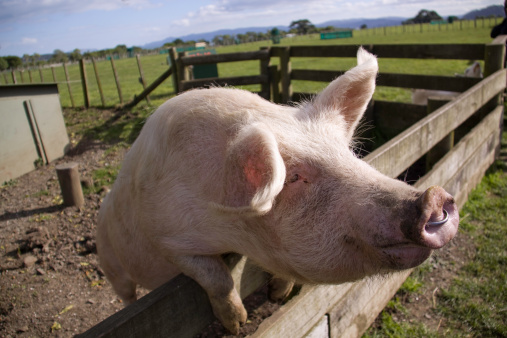
Funding and support for primary industries, including farming, fishing, and Māori agribusiness.
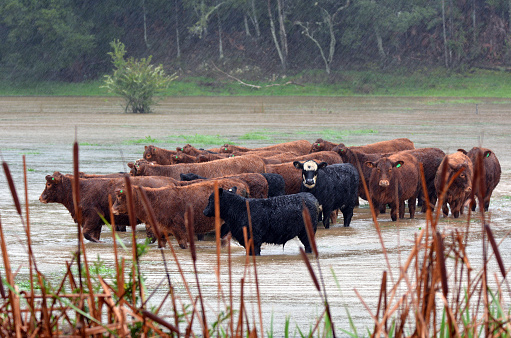
Read how climate change could shift what your land is best suited to.
Biannual reports on our primary industries' economic performance and trends.
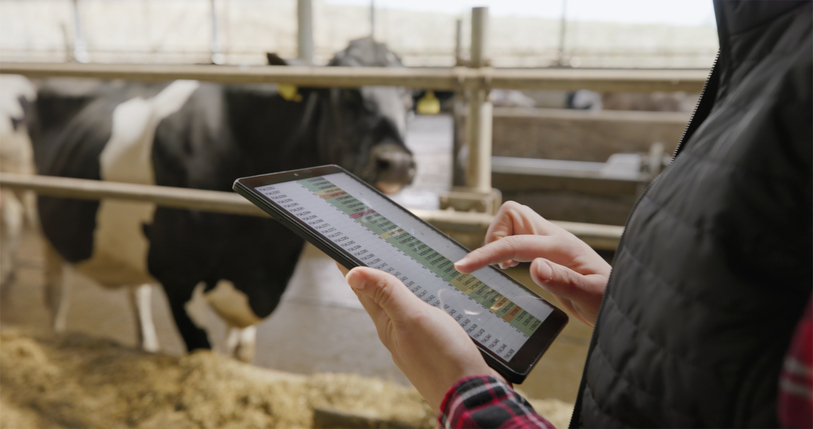
This study examines technology use in our primary sector over the past 15 years.
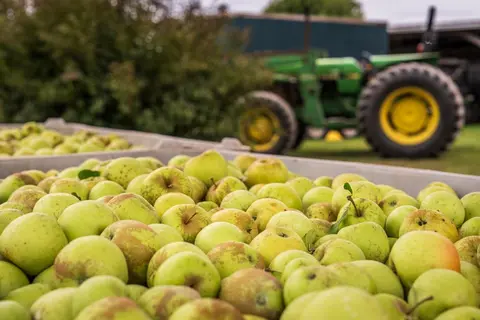
Learn how Hawke's Bay industry can switch process heat from gas to biomass and electricity.
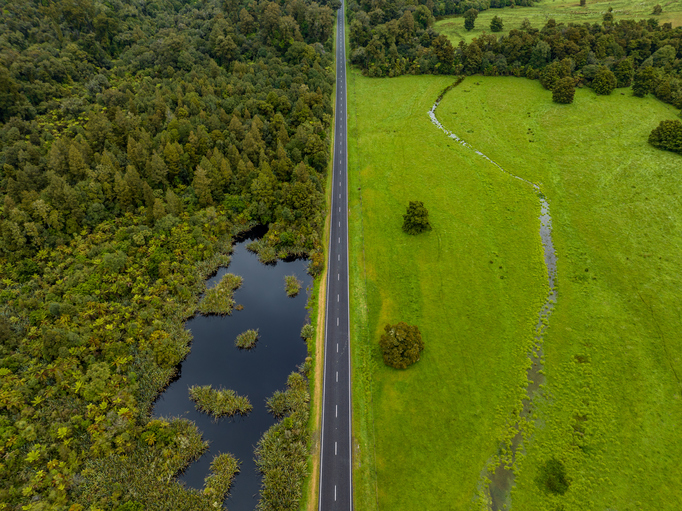
Explore how communities adapt to climate change with real examples and resilience strategies.
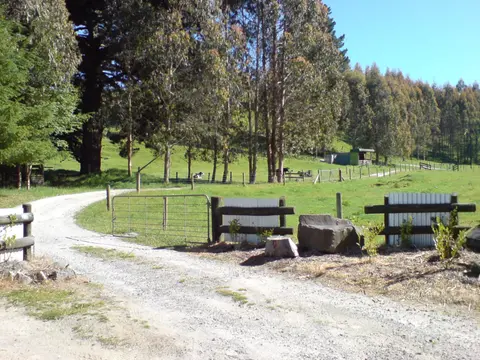
A guide to integrated farm planning principles and support for farmers in Aotearoa.
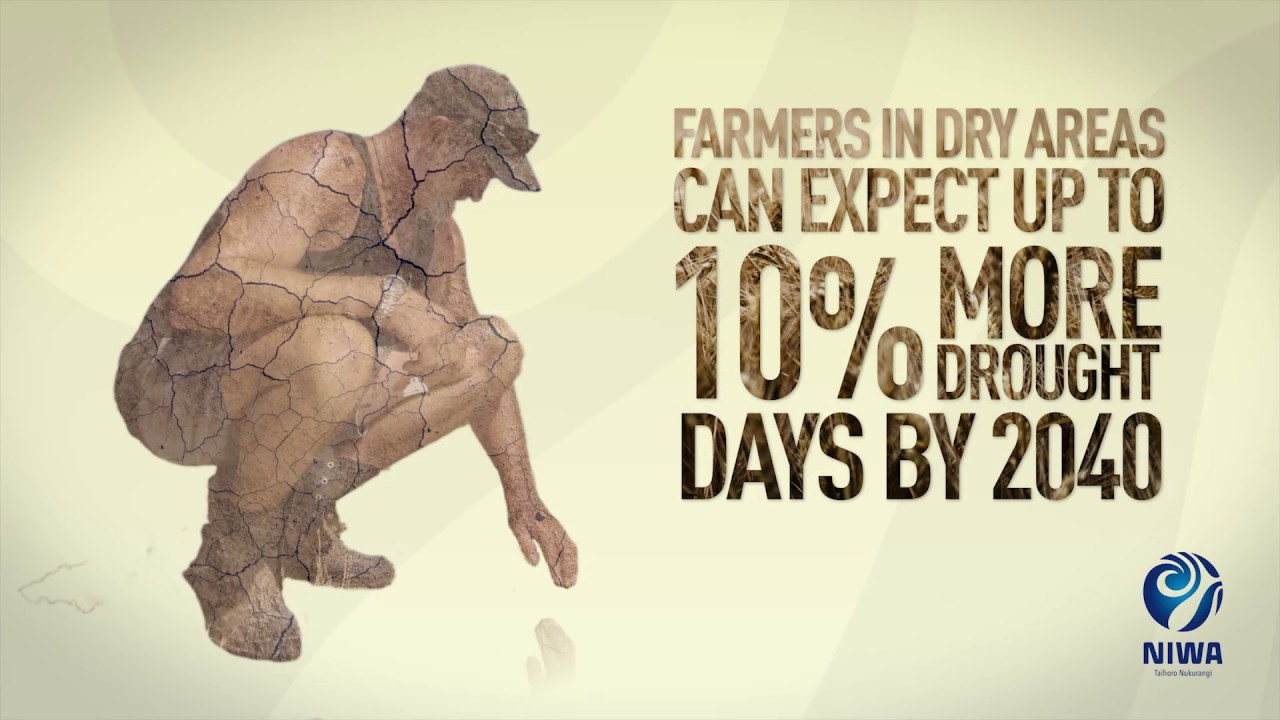
Learn about climate change in Aotearoa and how science helps us adapt.
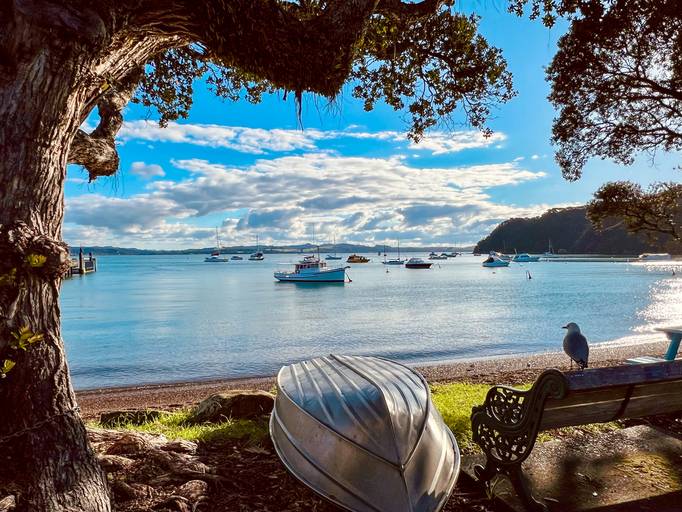
Te Tai Tokerau’s strategy tackles climate challenges with councils and Māori collaboration.
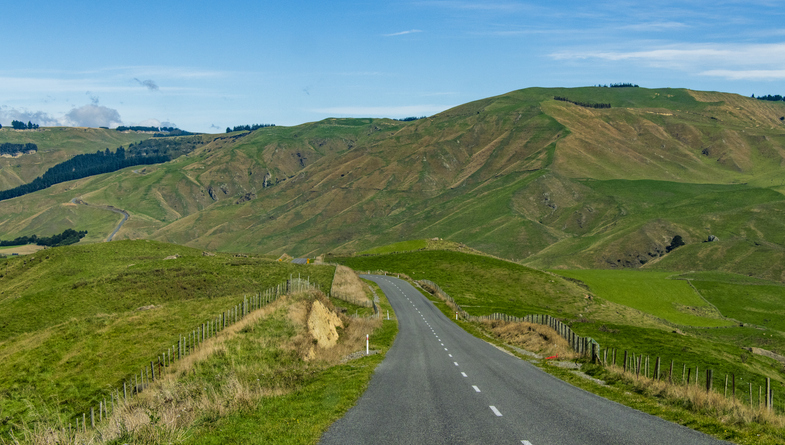
Dairy farmers in Waikato adapt to floods, droughts, and climate change impacts.
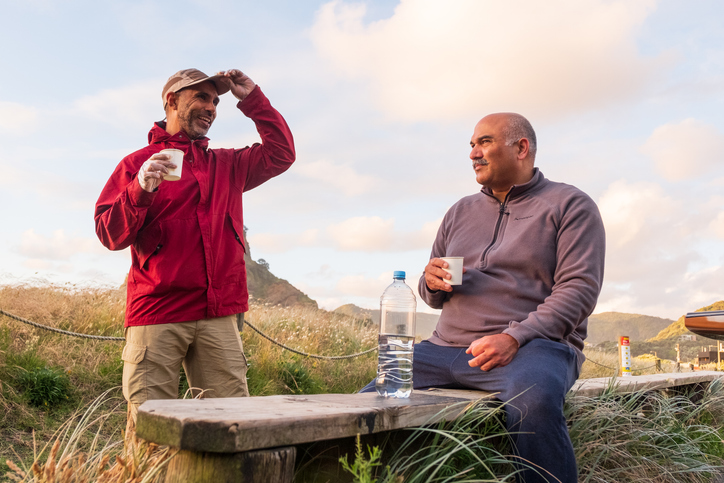
A guide for Aotearoa communities to navigate just transitions and change collaboratively.
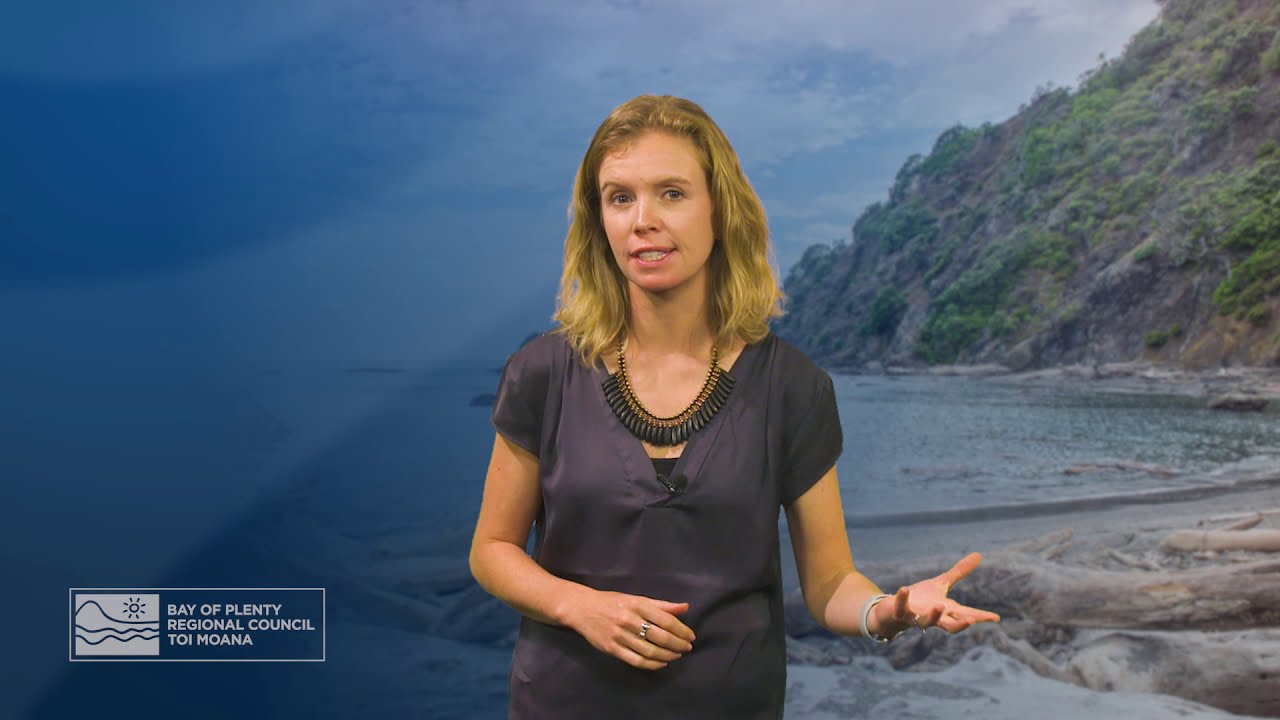
See what might be coming for the Bay of Plenty region, including rising seas and flooding.
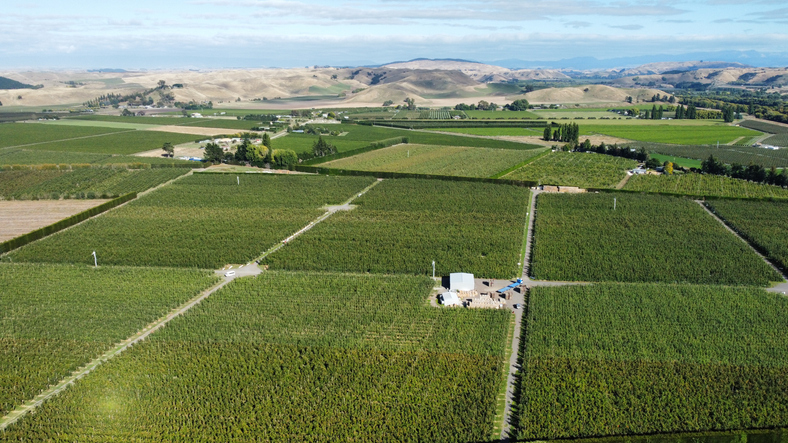
Hear from experts on how to create and implement farm environment plans for sustainable farm practice in horticulture.
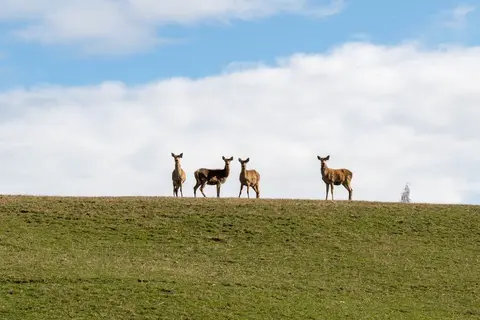
See how a Hawke's Bay deer farm plans for drier, windier springs.
See how drought conditions and extreme rainfall in Aotearoa have changed as a result of climate change.
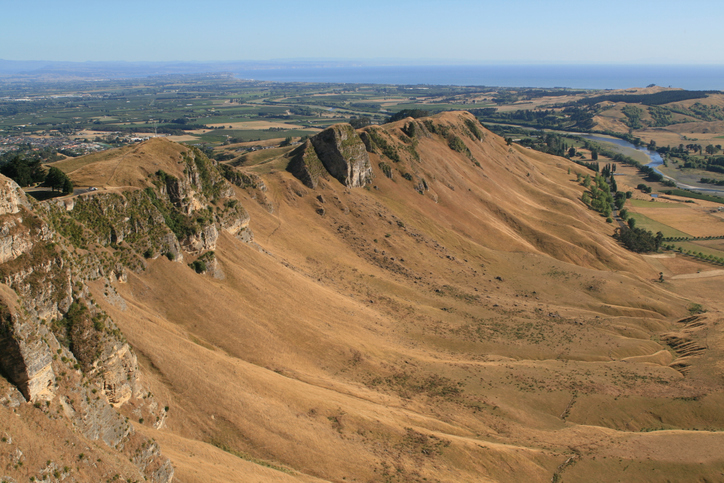
Hawke's Bay faces erosion issues. Planting trees can help prevent soil loss and improve water quality.