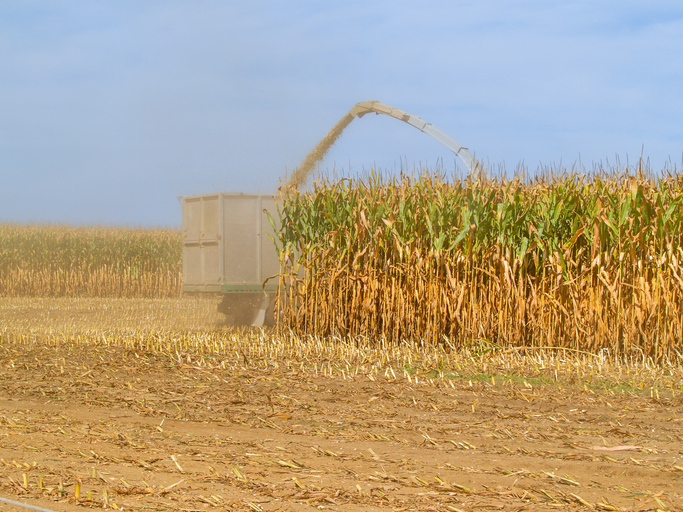
Maize - Critical climate risks
Climate
Adaptation
Arable crops
Productivity
Risk
Sustainability
Find out how often heat stress could hit maize in your rohe as the climate changes.
This dataset shows how a short-cycle maize crop's growing calendar could shift across Aotearoa as the climate changes: when it could be sown, when it could be harvested, how long it takes to mature, and in how many years out of 20 a crop could be harvested successfully at all.
A shorter cycle and more successful harvests out of 20 years both point to easier growing conditions. In some places the model finds the crop cannot be sown, or is sown but never gets warm enough to reach harvest. You can compare the recent past with two future periods, around 2050 and around 2090, across a range of possible futures from lower emissions through to one where the climate keeps warming at a high rate.
NIWA, Manaaki Whenua and Plant & Food Research built the model around the running total of warmth a maize crop needs to reach each growth stage, using six global climate models averaged together on a 5 km grid. The climate information behind it is too coarse for judging a single paddock.
Find out how often heat stress could hit maize in your rohe as the climate changes.
See how water shortfalls under maize could change as the climate warms.
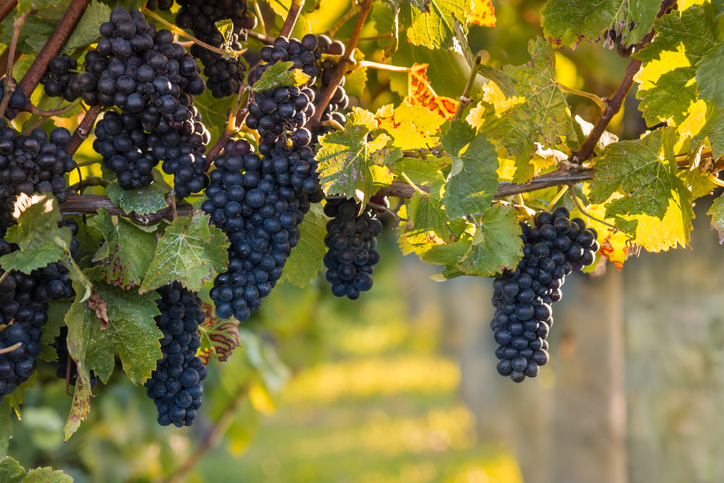
Find out how Pinot noir's flowering and ripening dates could shift over time.
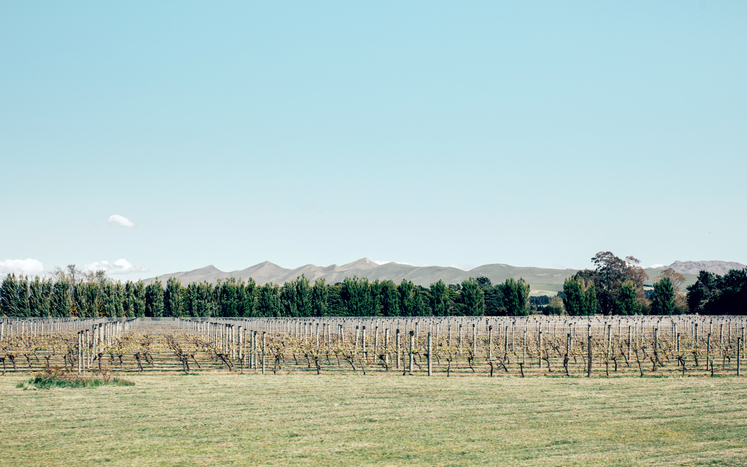
Discover how Sauvignon blanc's flowering and ripening dates could shift over time.
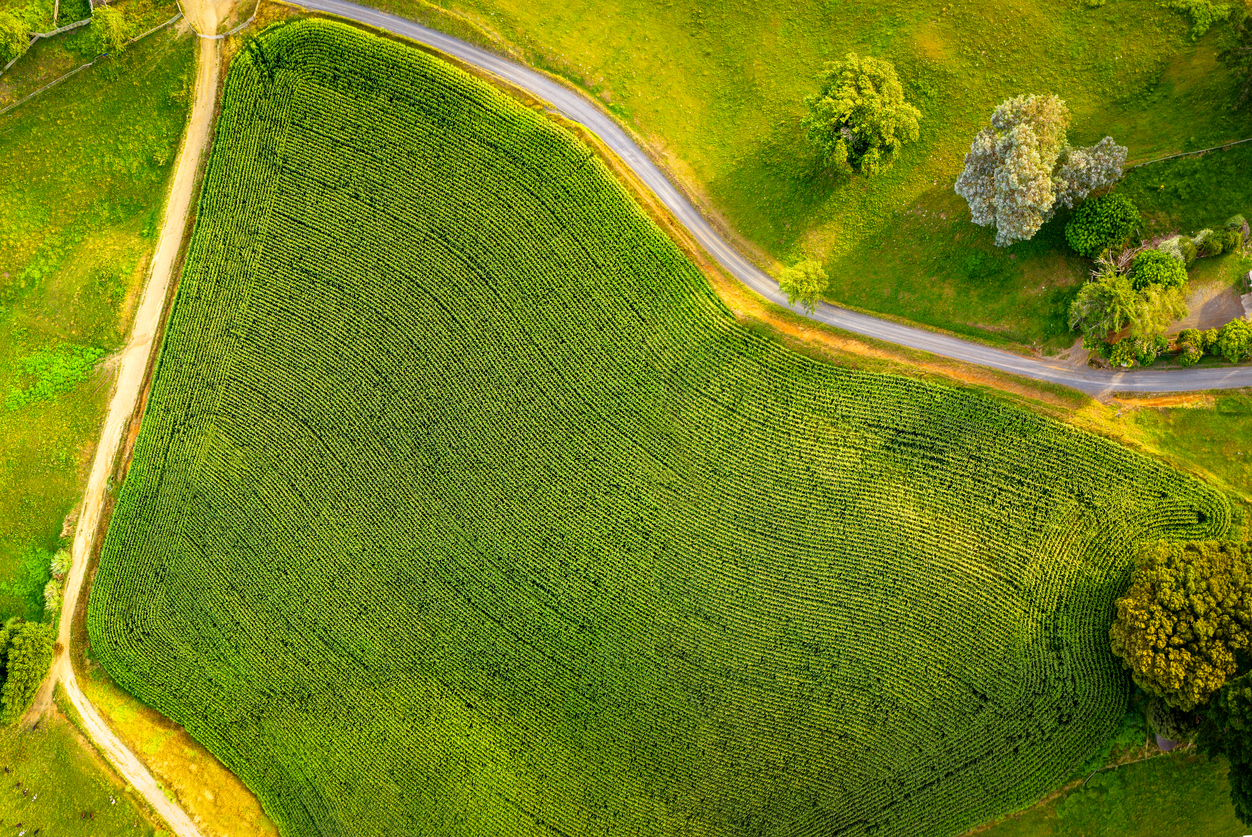
Find out how much grain maize the whenua in your rohe could produce each year.
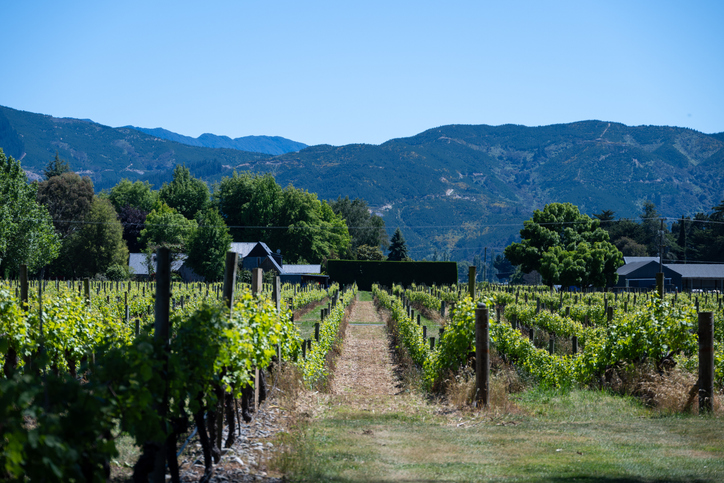
See how Merlot's flowering and ripening dates could shift as the climate changes.
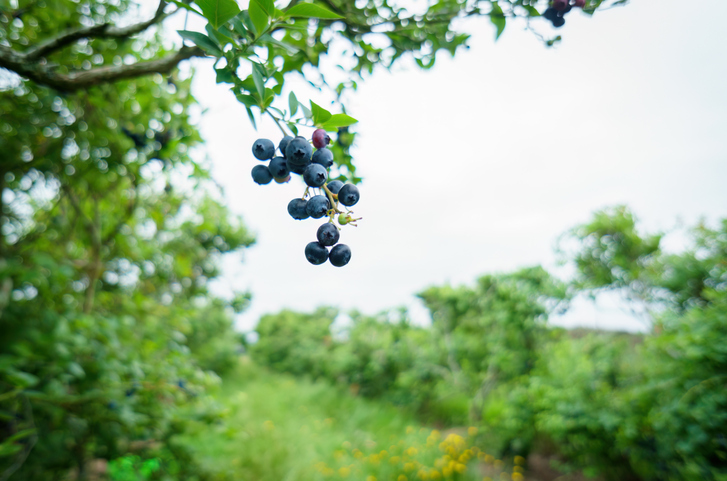
Discover how well blueberries could grow in your rohe by 2050 as the climate changes.
Find out how well avocados could grow in your rohe by 2050 as the climate changes.
Explore how many jobs grain maize could support on the whenua in your rohe.
Learn how well suited the whenua in your rohe is to growing grain maize.
Learn the operating profit grain maize could earn on the whenua in your rohe each year.
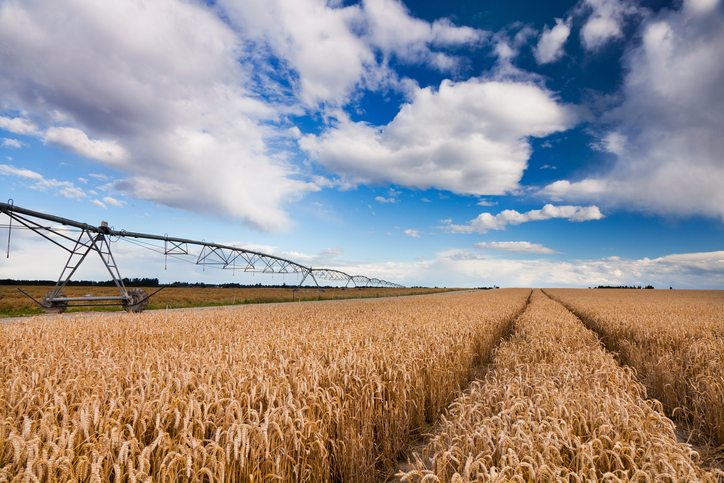
Check how often heat stress could hit wheat in your rohe as the climate changes.
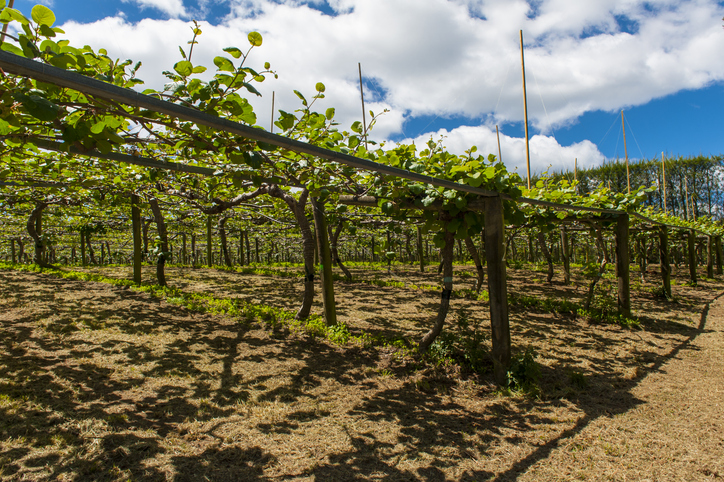
Learn how well kiwifruit could grow in your rohe by 2050 as the climate changes.

Explore projected temperature and rainfall changes for Aotearoa online.
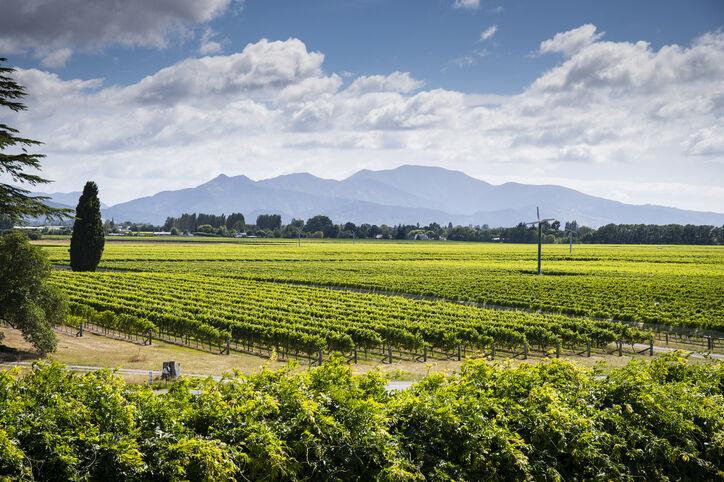
Explore how much growing season warmth your rohe could have by 2050.
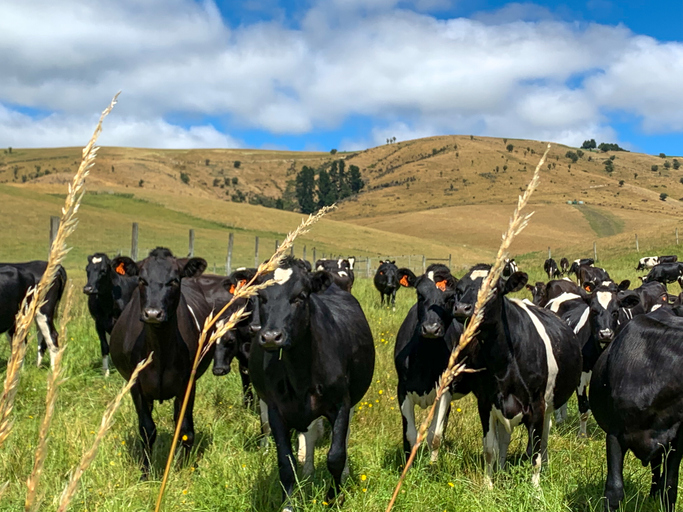
See how many hot days dairy cows in your rohe could face as the climate warms.
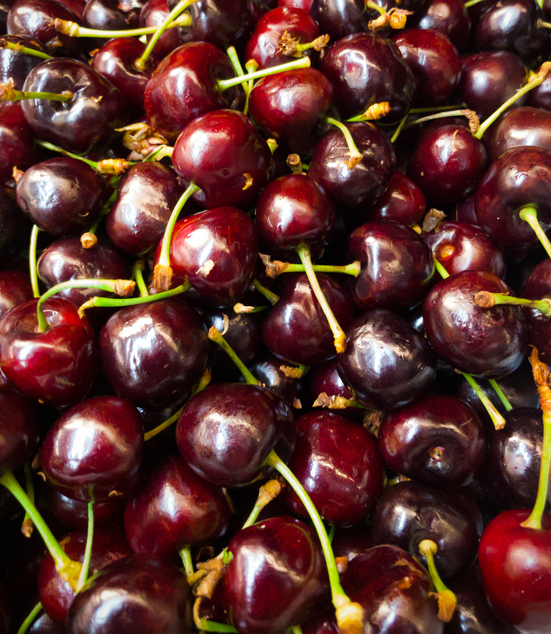
Explore how well cherries could grow in your rohe by 2050 as the climate changes.
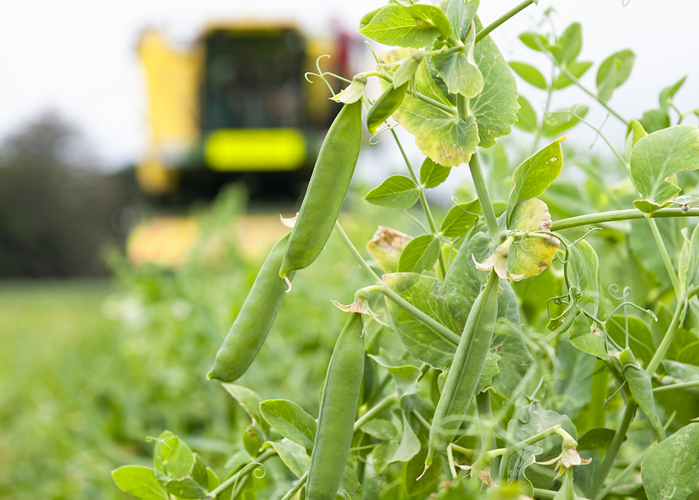
Explore how heat and frost risks for peas in your rohe could change over time.
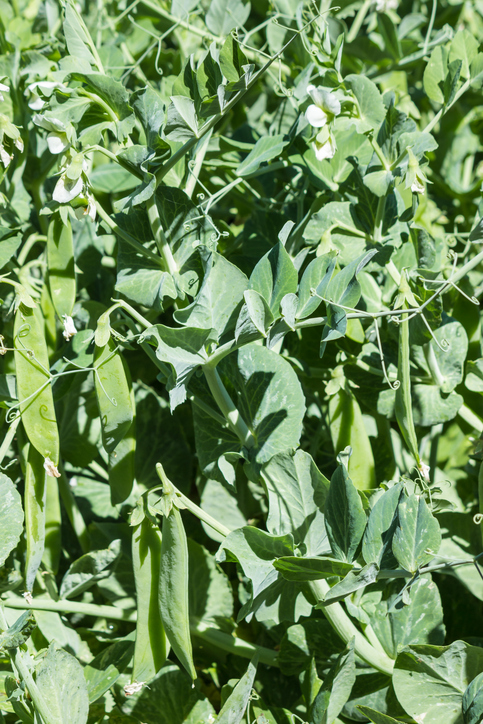
Learn how much peas the whenua in your rohe could produce each year.
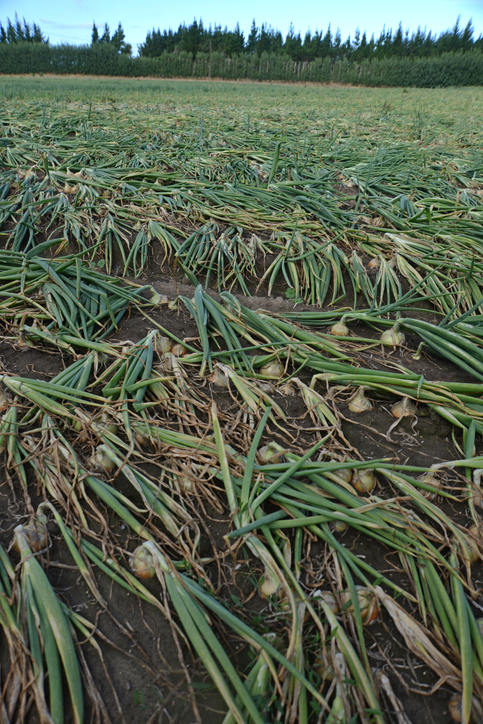
Discover how heat, frost and heavy rain could affect onions in your rohe.
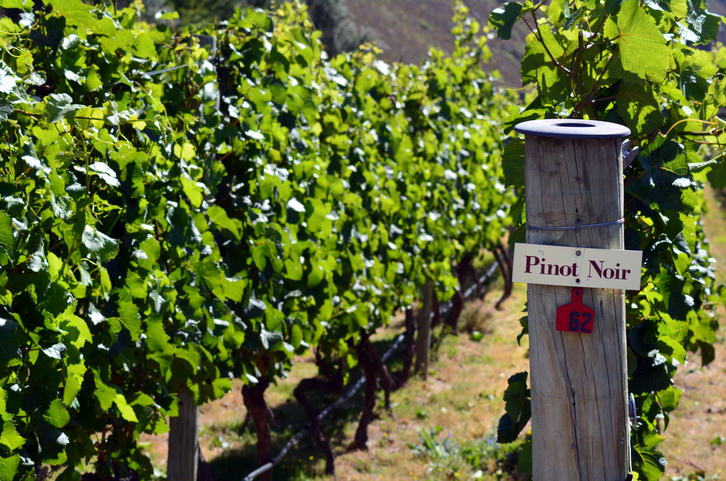
See how well Pinot noir grapes could grow in your rohe by 2050 as the climate changes.
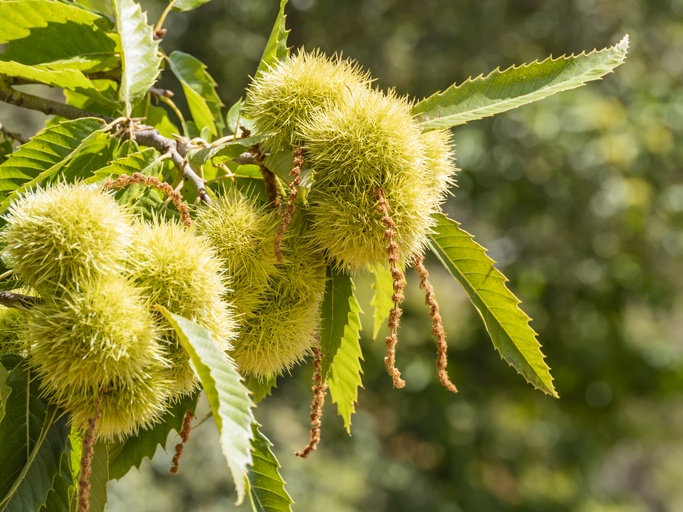
See how often frost and heat could threaten chestnuts in your rohe as the climate changes.
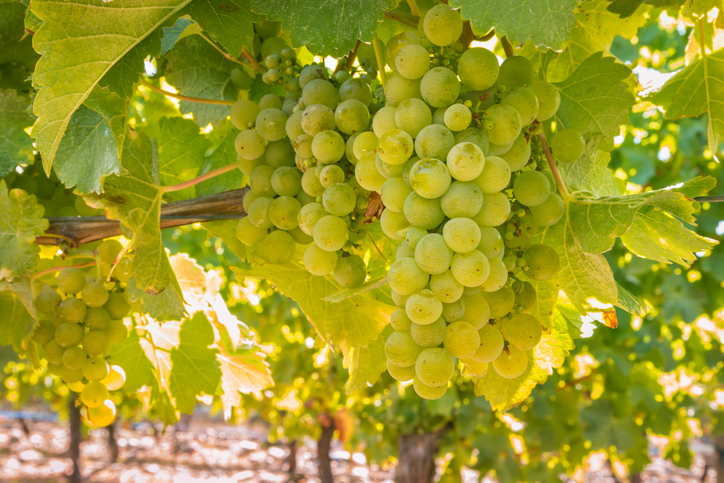
Find out how well Sauvignon blanc grapes could grow in your rohe by 2050 as the climate changes.