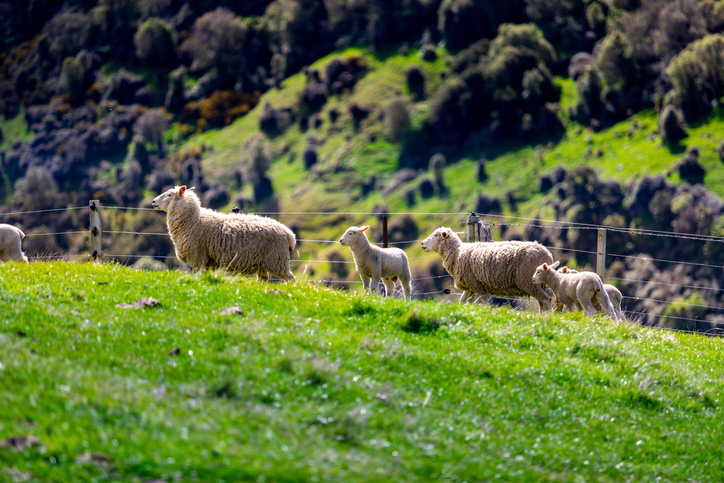
Drystock biodiversity guidelines
Whenua
Biodiversity
Livestock
Pests and diseases
Productivity
This guide offers key biosecurity practices for drystock farms in Aotearoa
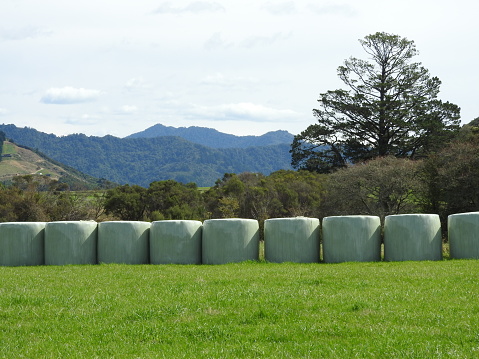
The New Zealand Farm Assurance Programme (NZFAP) Handbook offers a set of guidelines for farmers to meet animal welfare, health, and safety standards. It explains the certification process, including what documents and practices are needed before and after an audit. You can learn about proper record-keeping, traceability, and safe handling of animals, along with measures for biosecurity and environmental sustainability. The handbook also covers specific requirements for different types of livestock, including sheep, cattle, and deer.
This guide offers key biosecurity practices for drystock farms in Aotearoa
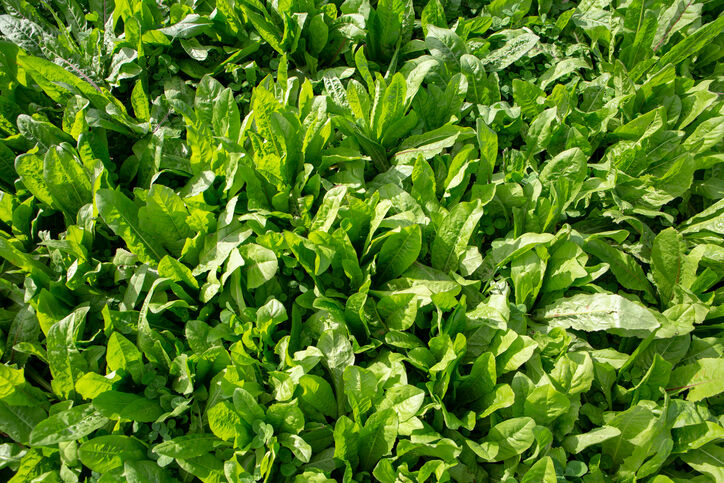
This guide explains effective forage cropping management for livestock.
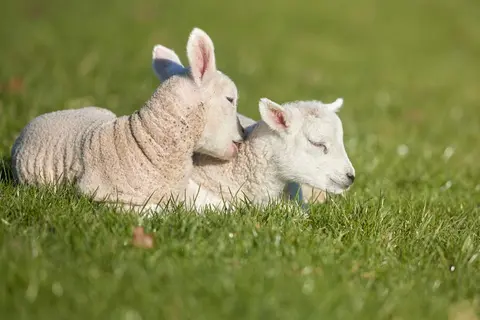
Build animal welfare into your farm plan.
Learn how to take a whole-of-farm approach to your planning and decision-making.
A guide to integrated farm planning principles and support for farmers in Aotearoa.
Good Farm Planning Hub offers tools and resources to help Taranaki farmers plan and thrive.
Learn about livestock transfer, health checks, and NAIT for dairy and beef farming.
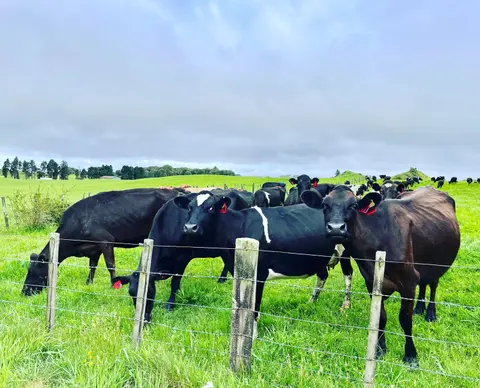
Check out ways to manage herd health, breeding and biosecurity to lift farm performance.
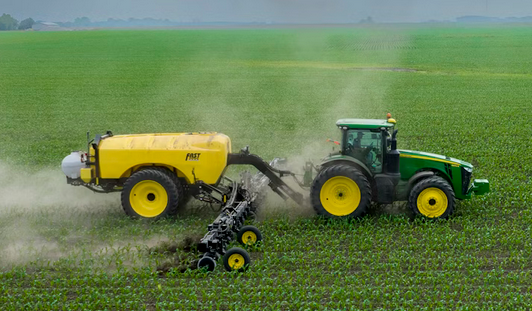
Find all the rules for safely using agrichemicals in Otago.
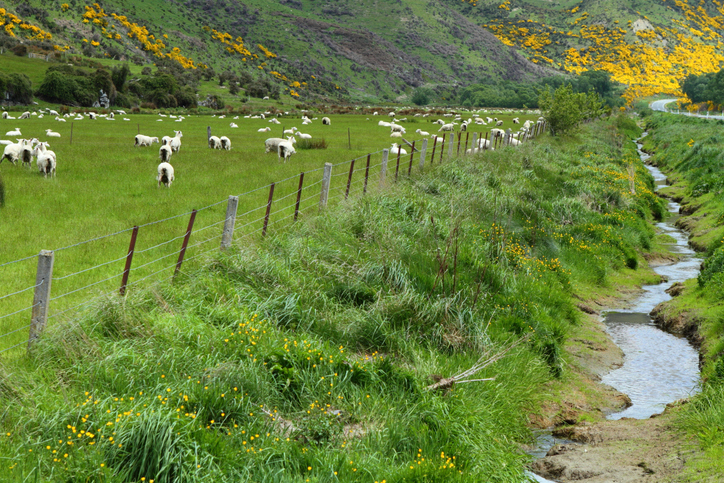
Get guidance for creating freshwater farm plans to improve freshwater outcomes in your catchment.
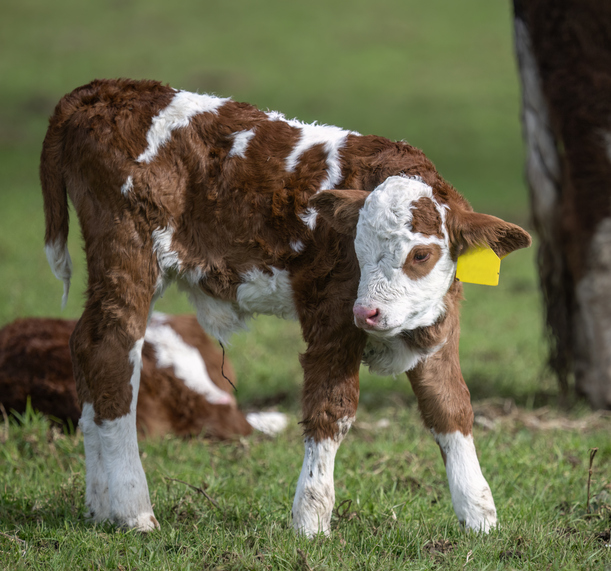
The NAIT programme ensures fast tracing of livestock for disease management.
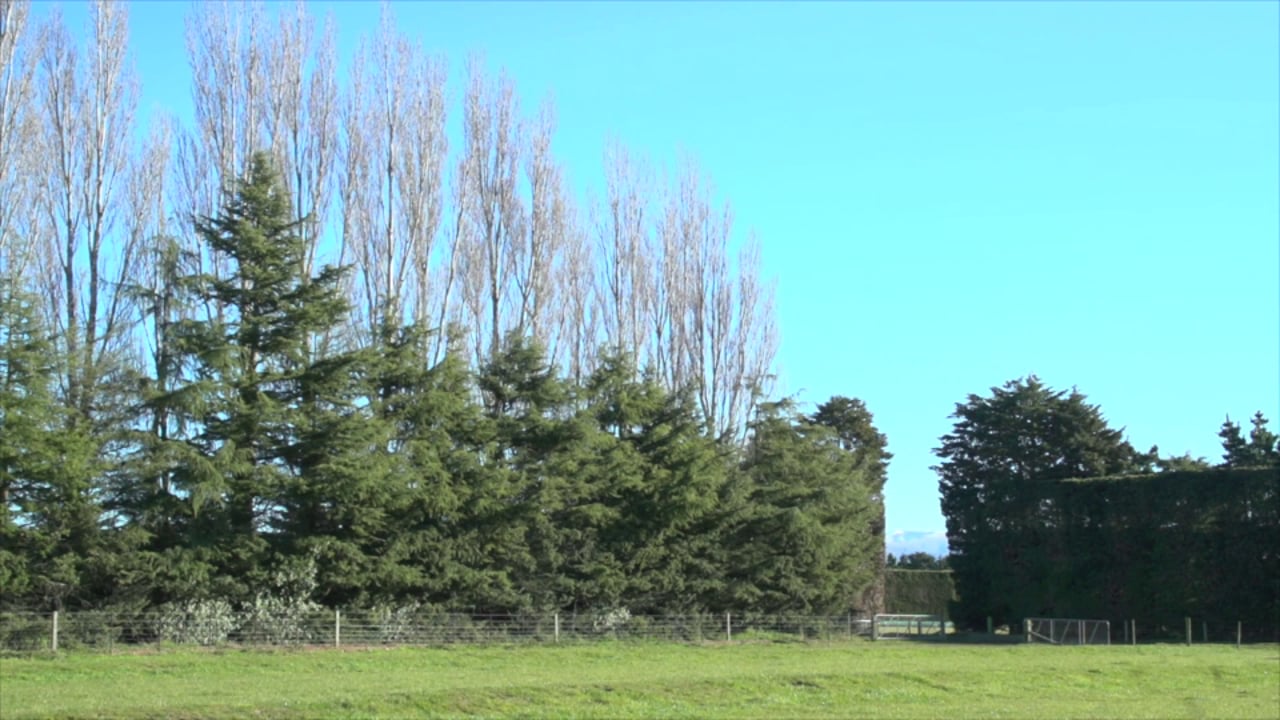
Learn about how shelter plantings are improving animal welfare on a Canterbury farm.
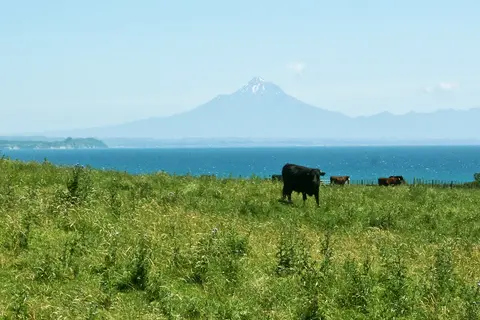
Download easy-to-use templates to build your integrated farm plan.
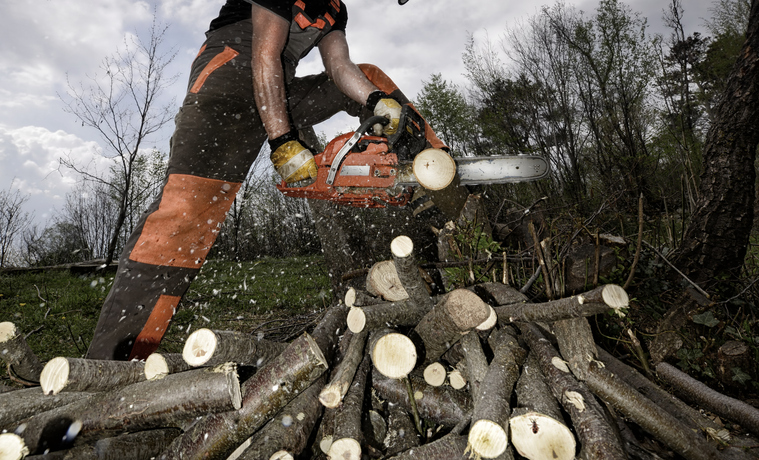
Learn safe practices for small forest harvesting including tips on planning, managing risks, and duty holder roles.

This white paper explores ways to improve farm assurance in New Zealand, focusing on trust and stakeholder engagement.
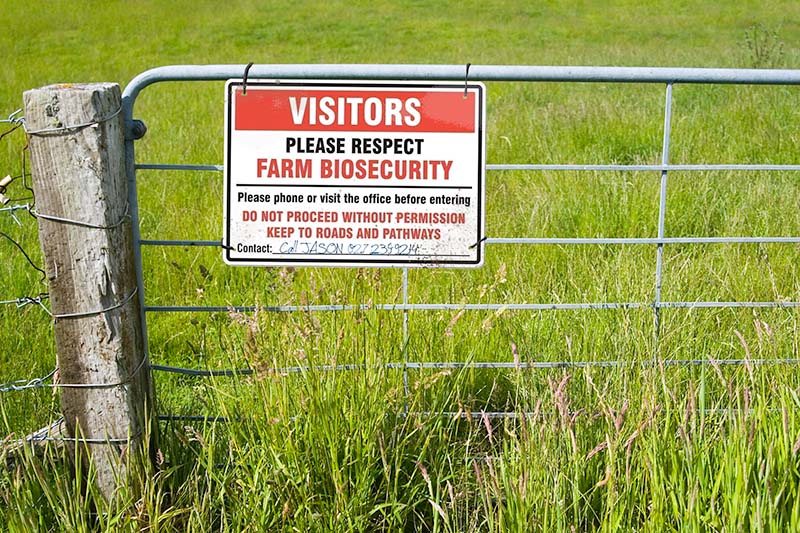
Learn about on-farm biosecurity to protect animals and plants effectively.
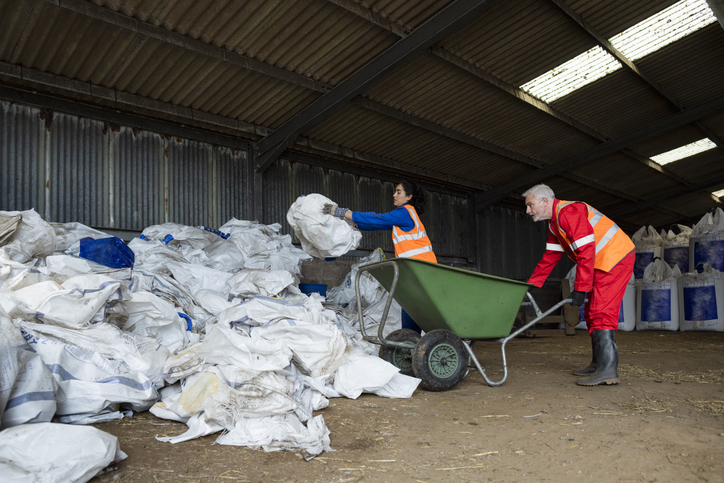
Learn how to manage farm waste legally, safely, and sustainably in the Wellington Region.
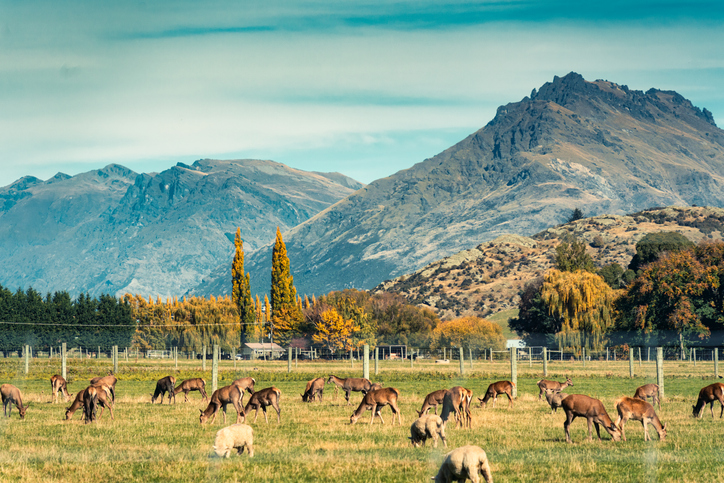
Watch short videos on best practices for sustainable deer farming across Aotearoa.
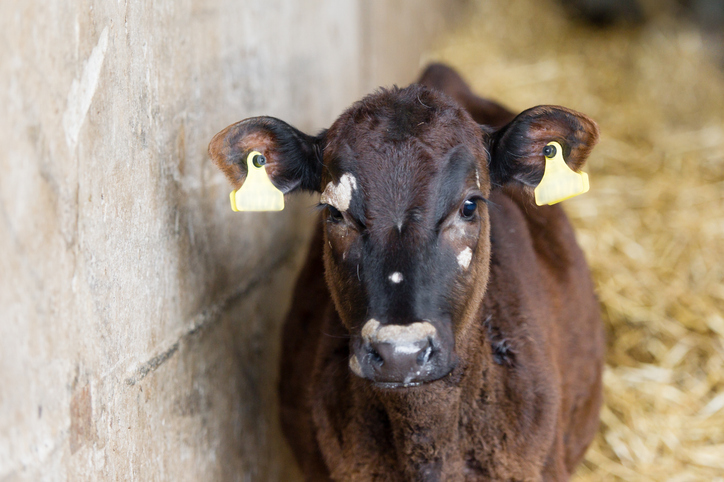
Wormwise is a guide on managing worms in livestock for better health and profit. It covers worm biology, management tips, and resistance issues.
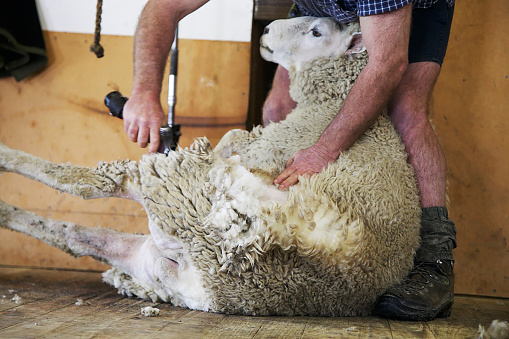
Learn about integrated farm planning for compliance, productivity, and environmental outcomes.
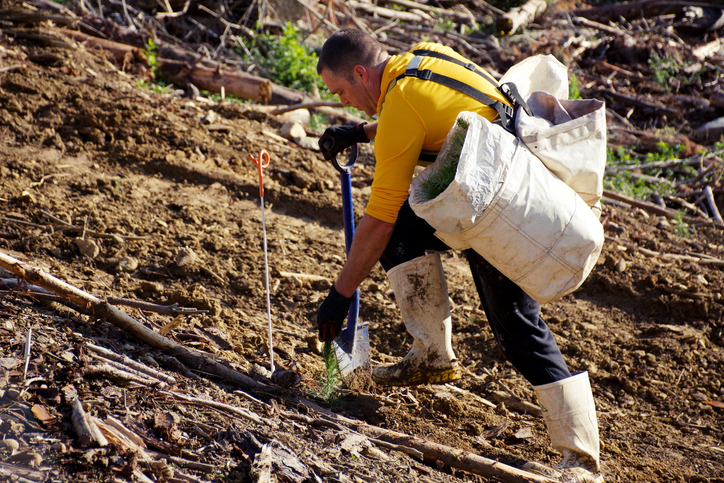
Get practical guidance for managing soil erosion.
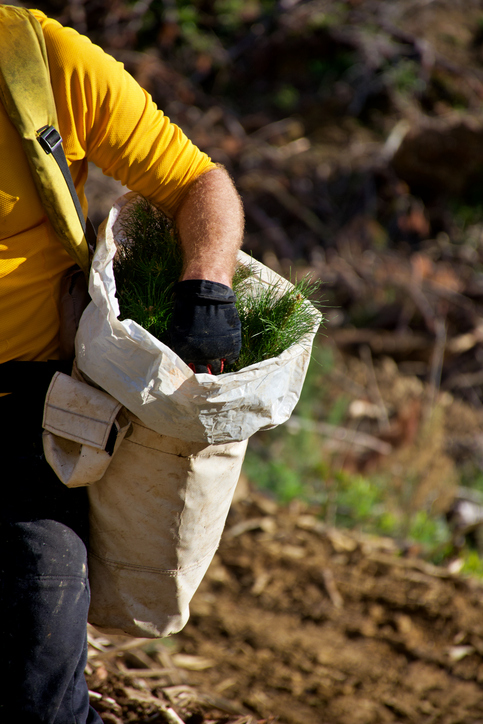
This code provides safety guidance for forestry work in New Zealand. It covers health, equipment, and emergency procedures.