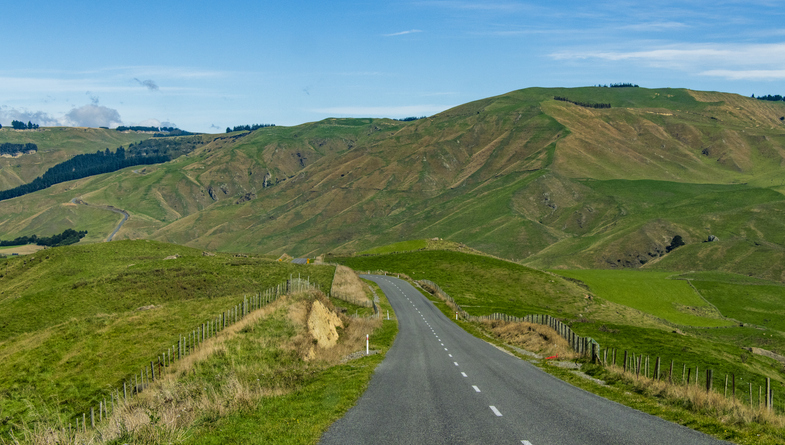
Dairy farming with floods, droughts and a changing climate
Climate
Adaptation
Dairy
Resilience
Wellbeing
Dairy farmers in Waikato adapt to floods, droughts, and climate change impacts.
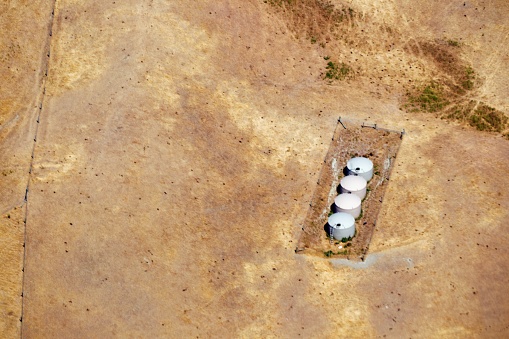
This research explores the impact of drought in New Zealand due to climate change. It highlights that drought involves more than just low rainfall; it's affected by soil moisture, evaporation, and how water is managed. Climate change is likely to make droughts more frequent and severe, especially in the east and north of the country, affecting water availability and quality.
To adapt to these changes, a combined effort is needed, involving different communities, sectors, and cultures, including Māori. The report discusses ways to handle drought better, like using water more efficiently, changing how land is used, supporting ecosystems, and strengthening communities.
Dairy farmers in Waikato adapt to floods, droughts, and climate change impacts.
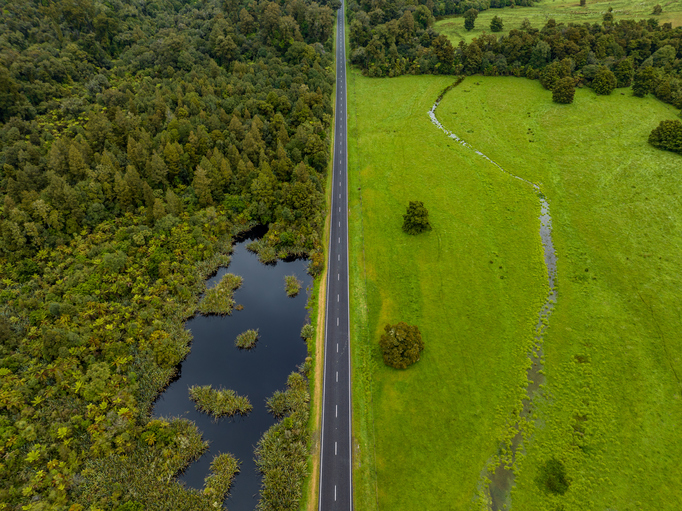
Explore how communities adapt to climate change with real examples and resilience strategies.
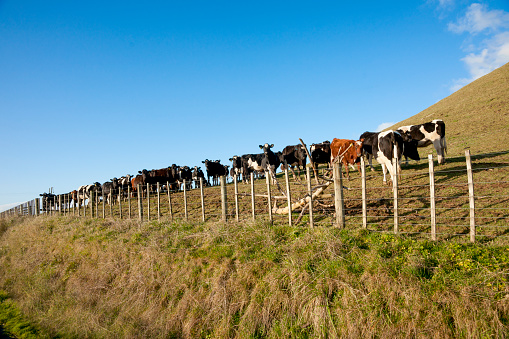
This research analyses future drought risks due to climate change impacts.
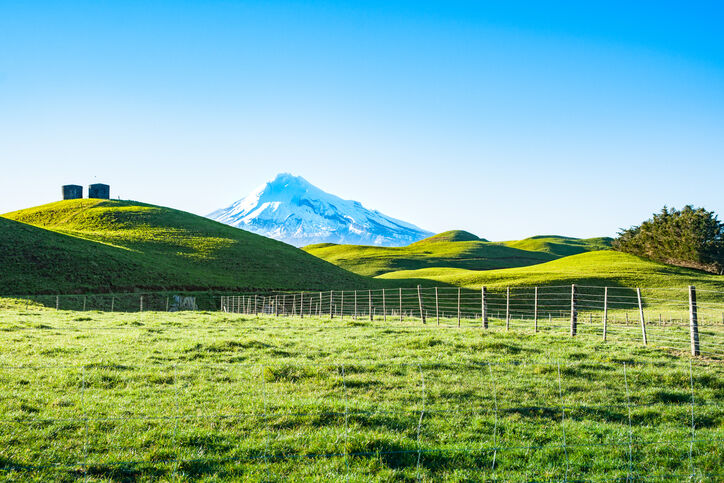
A report produced by NIWA, details climate change impacts and projections for Taranaki until 2100.
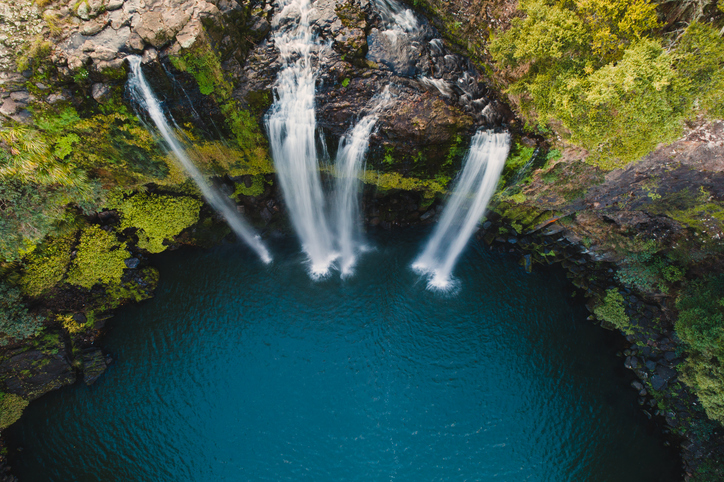
This report analyzes climate risks in Northland, focusing on impacts, perspectives, and management strategies.
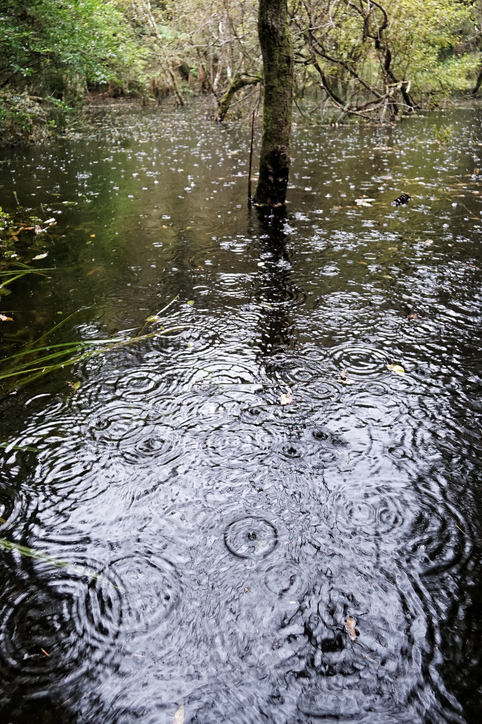
See how drought conditions and extreme rainfall in Aotearoa have changed as a result of climate change.
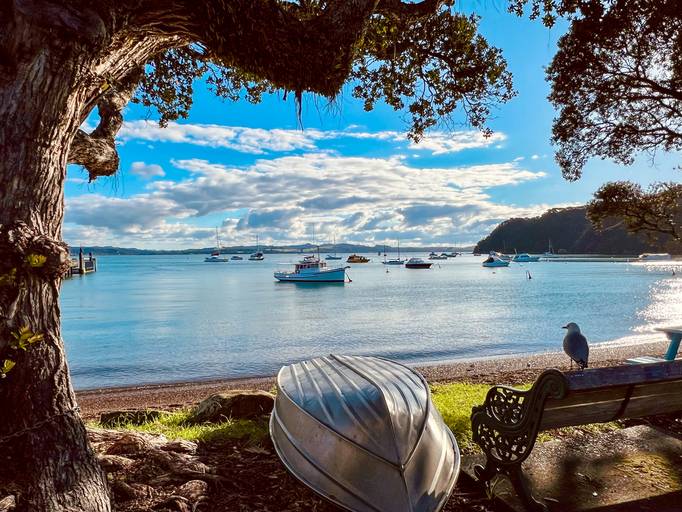
Te Tai Tokerau’s strategy tackles climate challenges with councils and Māori collaboration.
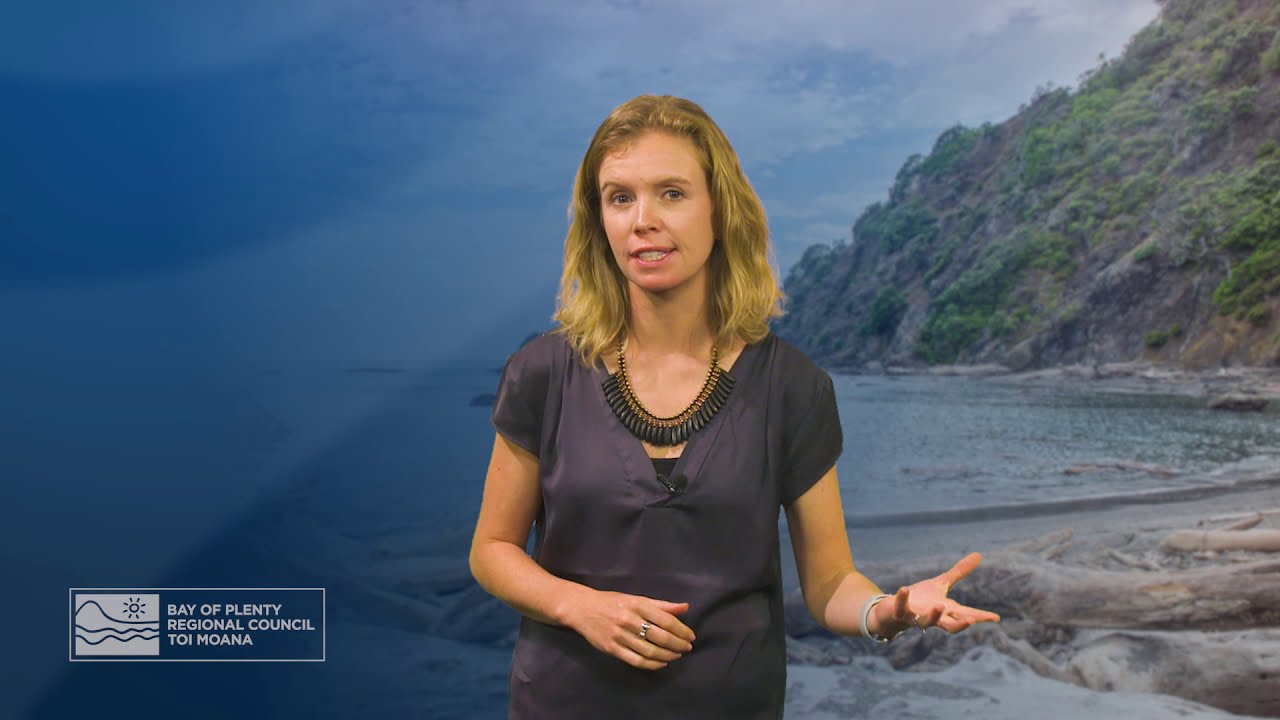
See what might be coming for the Bay of Plenty region, including rising seas and flooding.
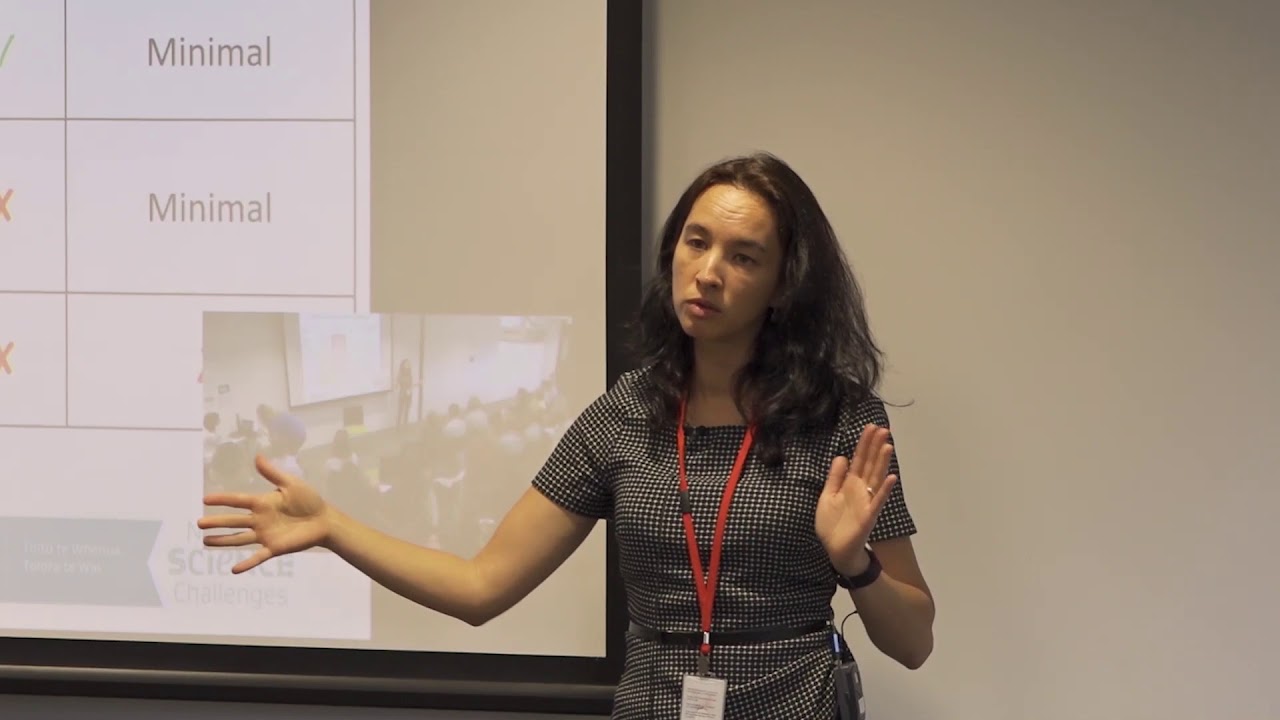
Hear about how climate change could reshape agriculture and land use decisions in Aotearoa.
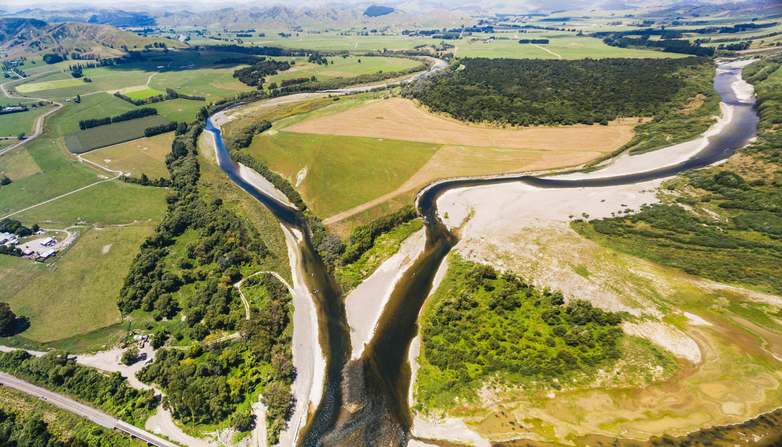
This report explores factors affecting land use change in New Zealand, targeting economic, social, and environmental aspects.

Explore 12 governance principles guiding Māori land trustees in decision-making.
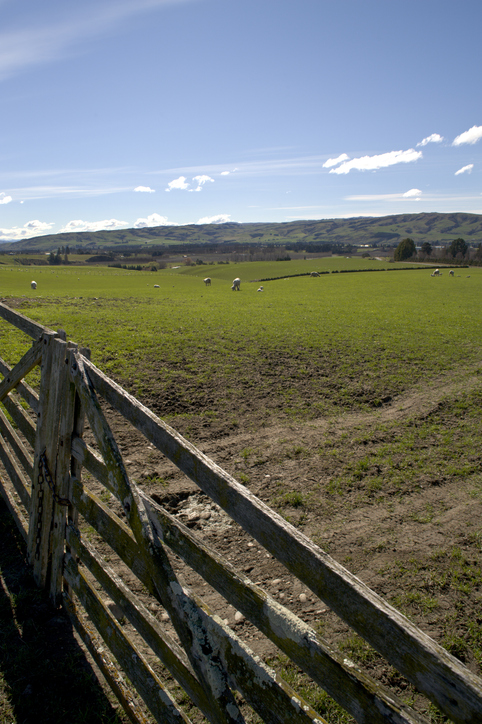
This report explores climate change impacts on New Zealand agriculture.
This research explains how climate change affects heavy rainfall in Aotearoa.
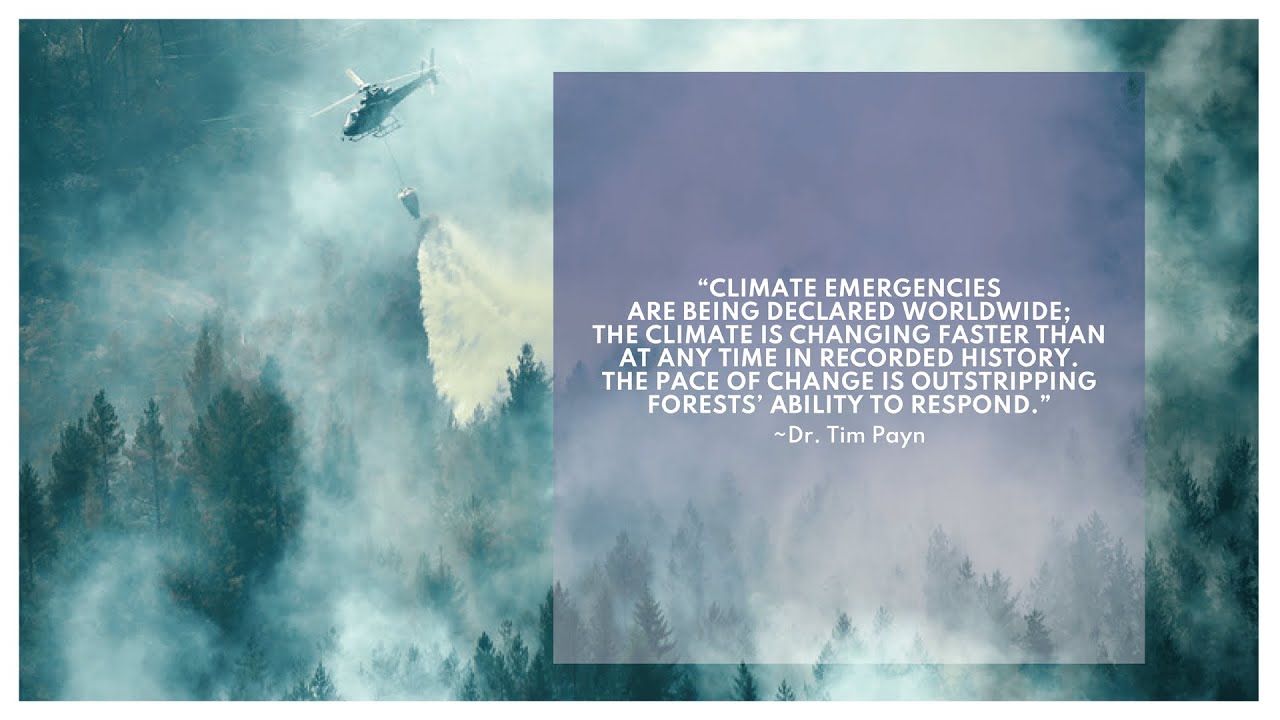
Hear about the effects of climate change on Aotearoa forests and learn strategies for resilience.
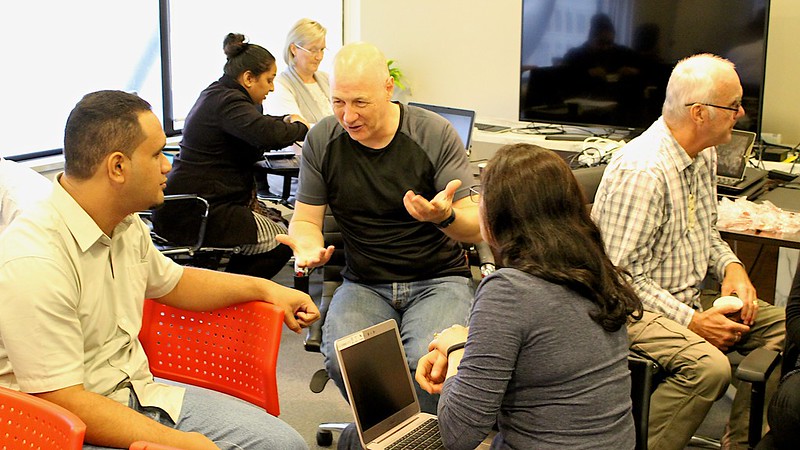
The South Dunedin Future programme aims to address climate change and community needs after severe floods.

Project Kāinga is a five-year research programme aimed at helping marae communities build resilience against climate change.
Learn how to create effective adaptation pathways for climate change in primary industries.
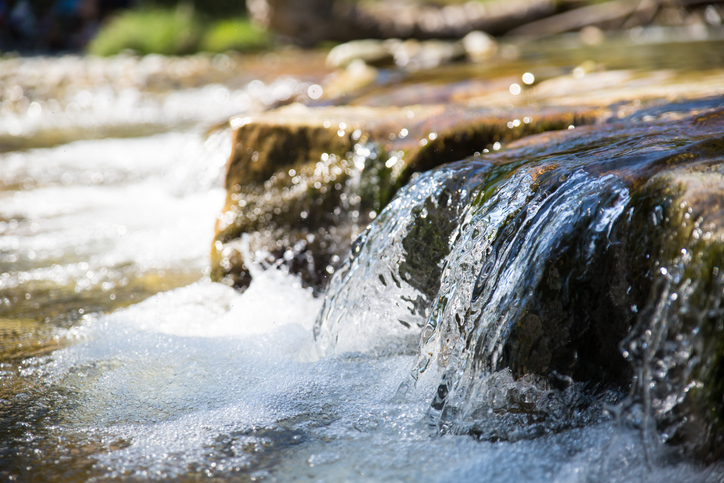
This research examines how climate change is likely to affect river flows in Aotearoa.
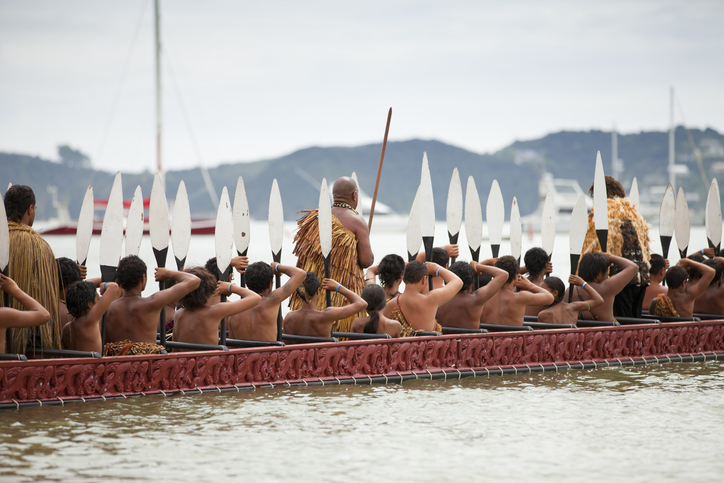
This resource focuses on community engagement for adapting to climate change in New Zealand.
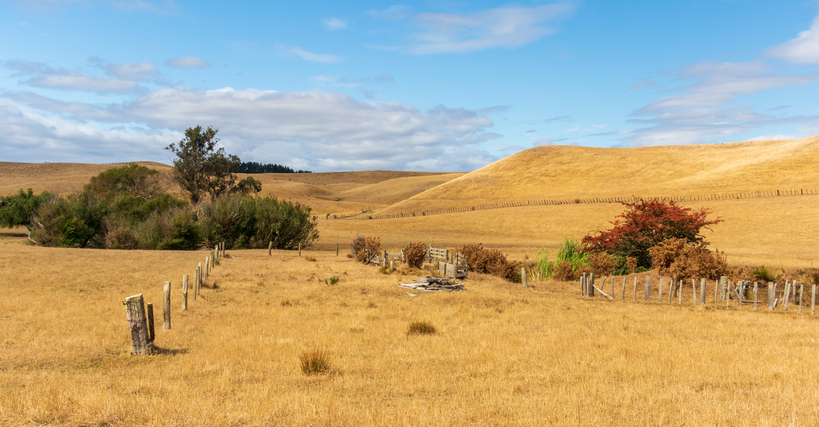
The NIWA Drought Forecasting Dashboard helps farmers track drought risk and rainfall for the next 35 days for better planning and decision-making.
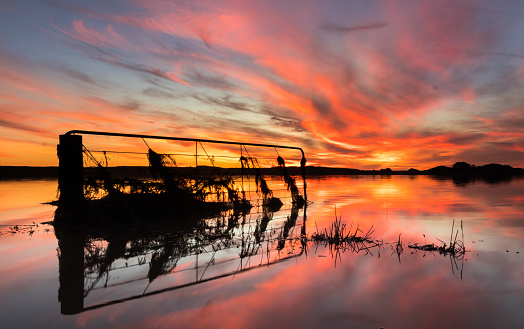
This report details climate change risks for New Zealand, focusing on key areas like coasts and freshwater.
See different climate change scenarios for New Zealand and their potential impacts.
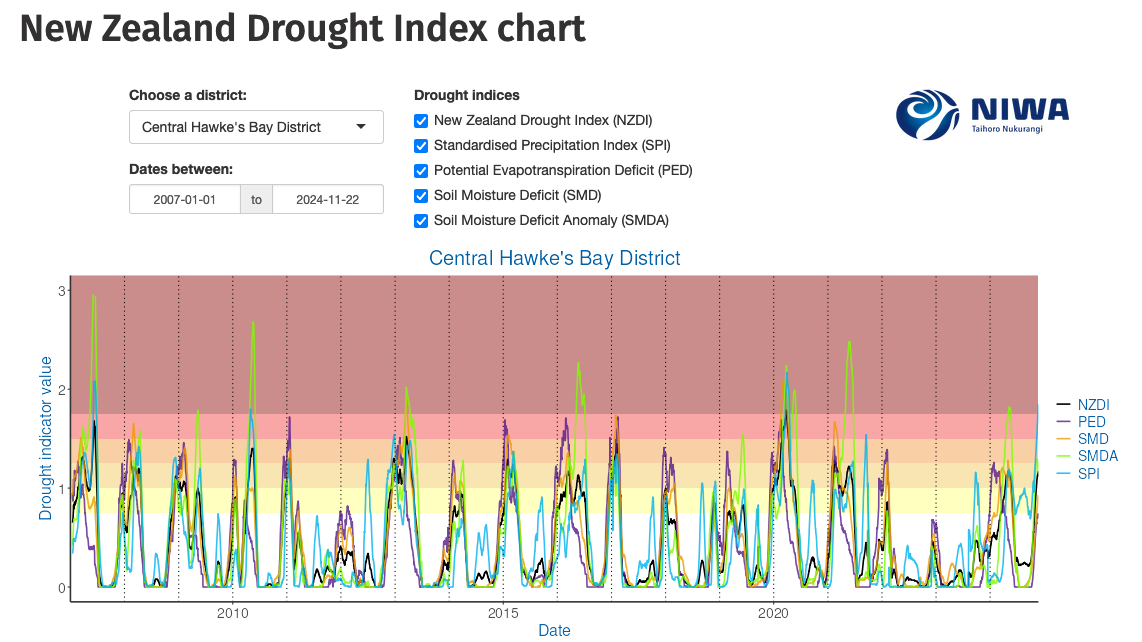
Monitor drought in New Zealand using key indicators and climate data. Access maps and downloads.