Northland Regional Energy Transition Accelerator report
Climate
Emissions reduction
Energy
Forestry
Learn how Northland industry can switch process heat from coal to biomass and electricity.
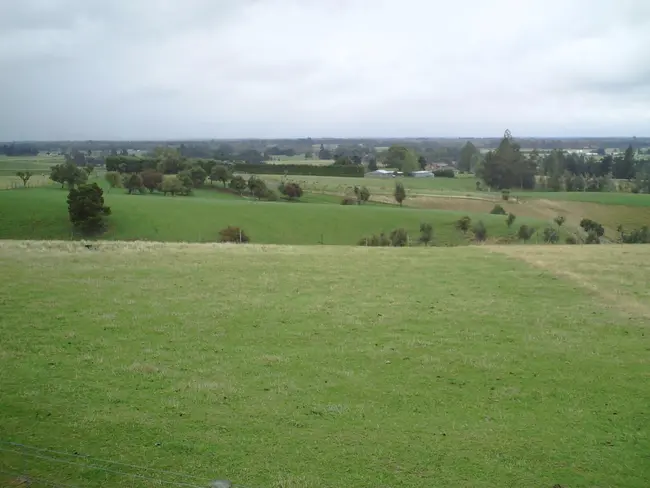
This report sets out a pathway for Mid and South Canterbury to replace fossil-fuelled process heat with electricity and biomass. It covers 33 dairy, meat and food processing, manufacturing and commercial sites that currently burn mostly coal.
It looks at how much spare capacity the electricity network has, how much wood fuel the region's forests can supply, and the timing and cost of switching for each site. It also highlights some of the opportunities that shifting to renewable energy could bring for farmers, industry and forestry.
Photo: “The Canterbury Plains of New Zealands South Island (3306437202)” by Wesley Fryer, licensed for reuse under CC BY-SA 2.0
Learn how Northland industry can switch process heat from coal to biomass and electricity.
Learn how North Canterbury industry can switch process heat from coal to biomass and electricity.
Learn how Otago industry can switch process heat from coal to biomass and electricity.
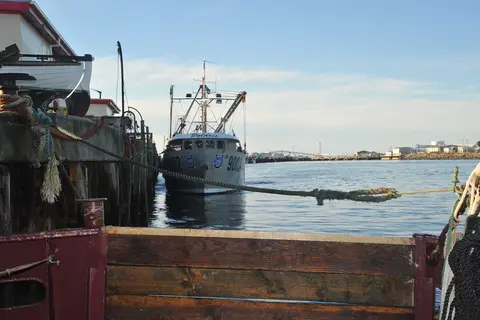
Learn how Southland industry can switch process heat from coal to biomass and electricity.
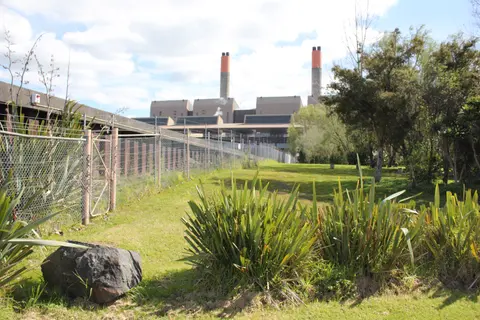
Learn how Waikato industry can switch process heat from gas to biomass and electricity.
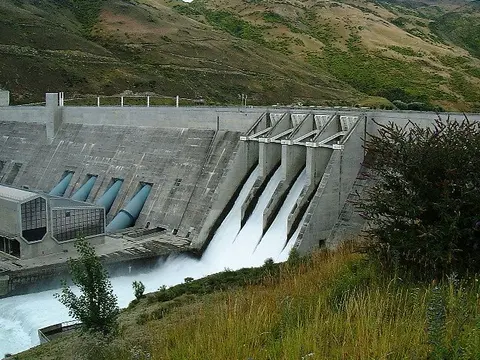
Learn how South Island industry can switch process heat from coal to biomass and electricity.
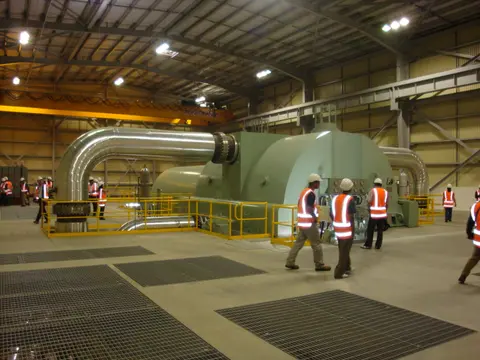
Learn how Bay of Plenty industry can switch process heat from gas to geothermal, biomass and electricity.
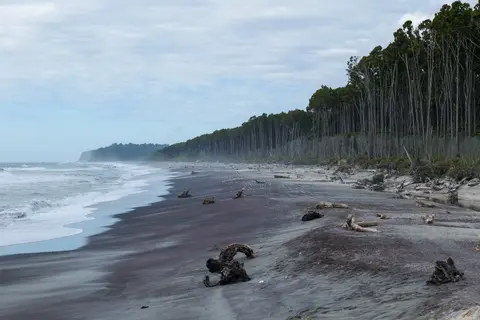
Learn how West Coast industry can switch process heat from coal to biomass and electricity.
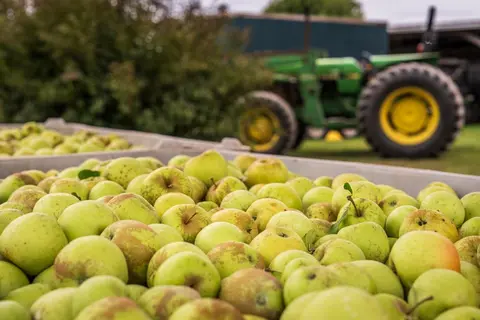
Learn how Hawke's Bay industry can switch process heat from gas to biomass and electricity.
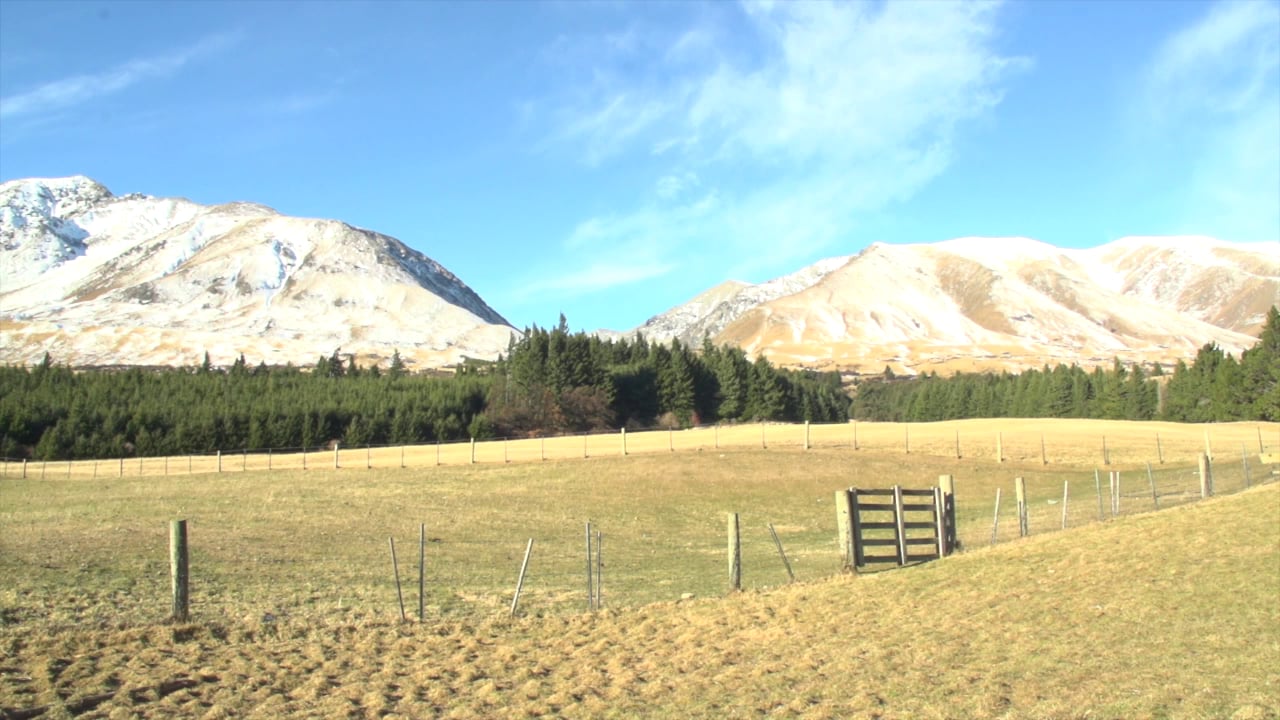
Discover how trees enhance a South Canterbury farm's income and environment.
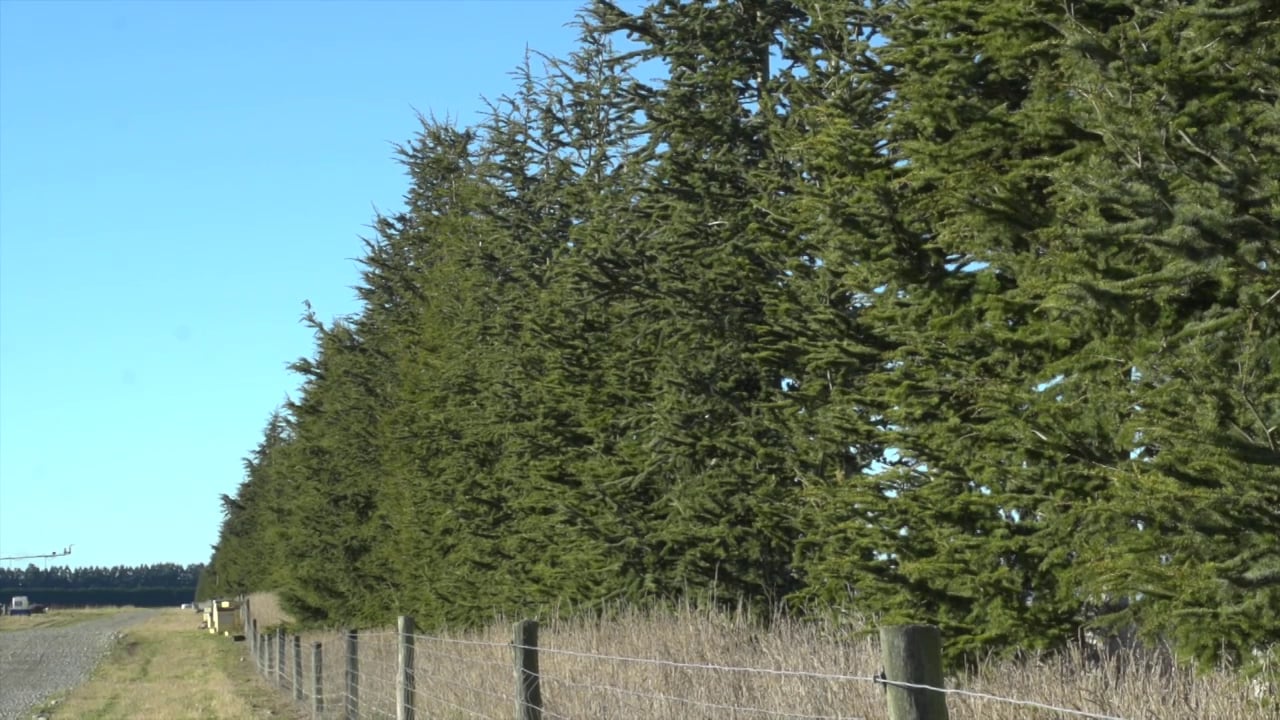
Find out how shelter plantings are improving soil conservation on a Canterbury farm.
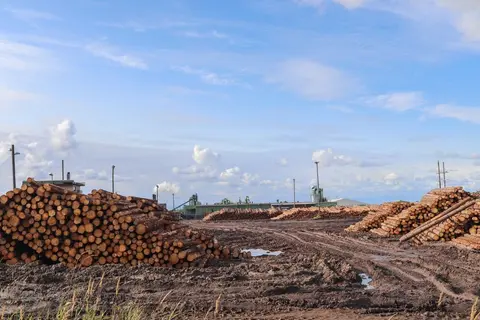
Learn how Tairāwhiti industry can switch process heat from gas to biomass and electricity.
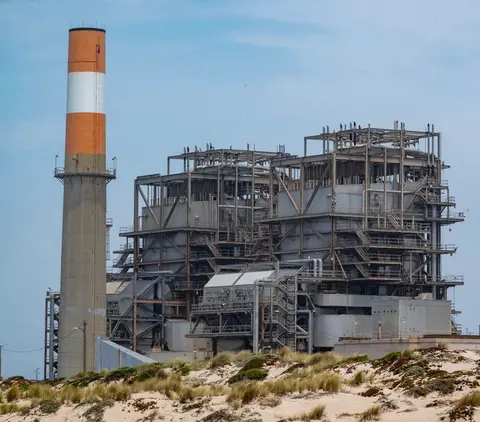
Learn how Taranaki industry can switch process heat from gas to biomass and electricity.
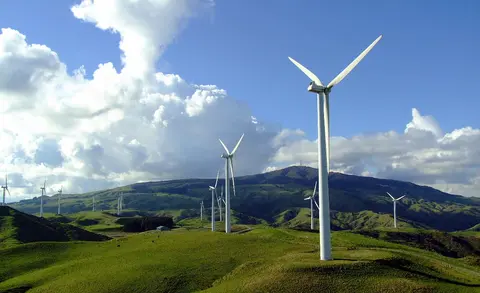
Learn how Manawatū-Whanganui industry can switch process heat from gas to biomass and electricity.

Learn how Wellington's commercial buildings and industry can switch heat from gas to electricity and biomass.
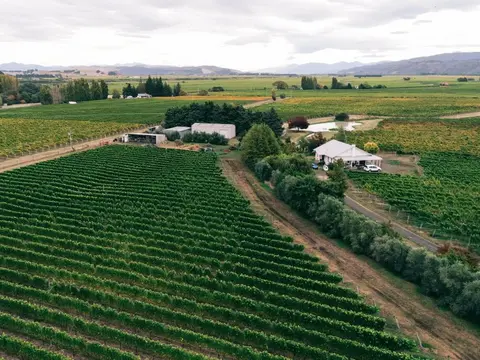
Learn how Nelson, Marlborough and Tasman industry can switch process heat from coal to biomass and electricity.
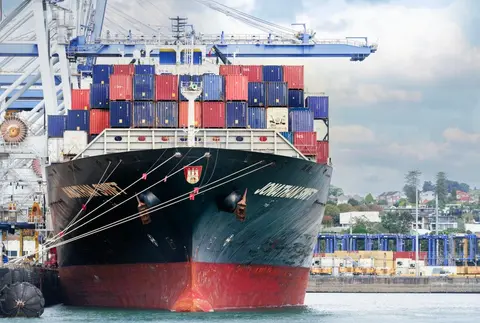
Learn how Auckland industry can switch process heat from gas to biomass and electricity.
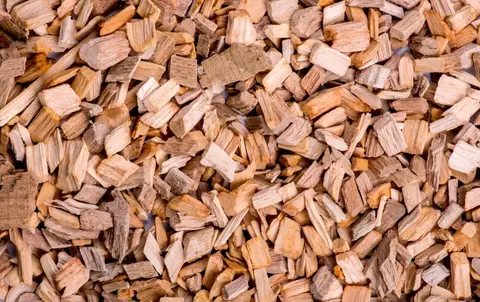
Find out how each region can switch industrial heat from coal and gas to electricity, biomass and geothermal.
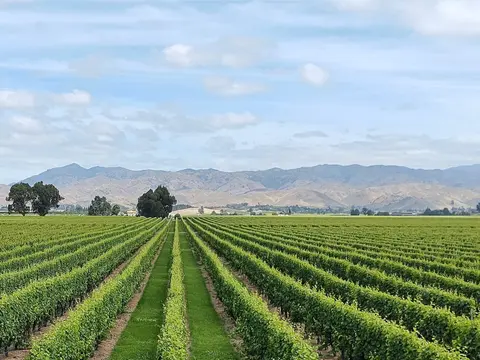
How Tohu Wines is cutting diesel and LPG across its vineyards and winery.
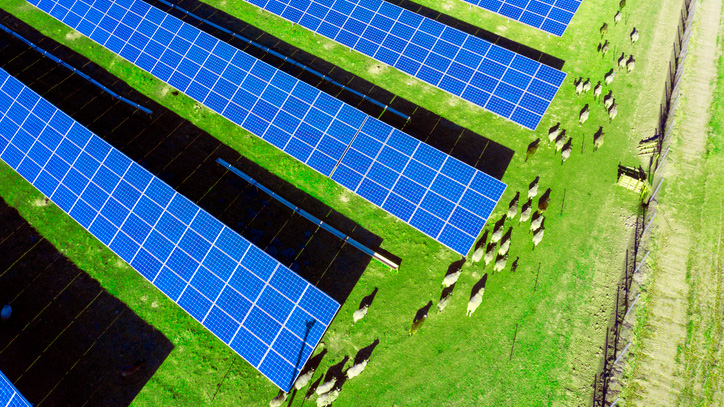
This report explores the potential and opportunity of agrivoltaics in Aotearoa.
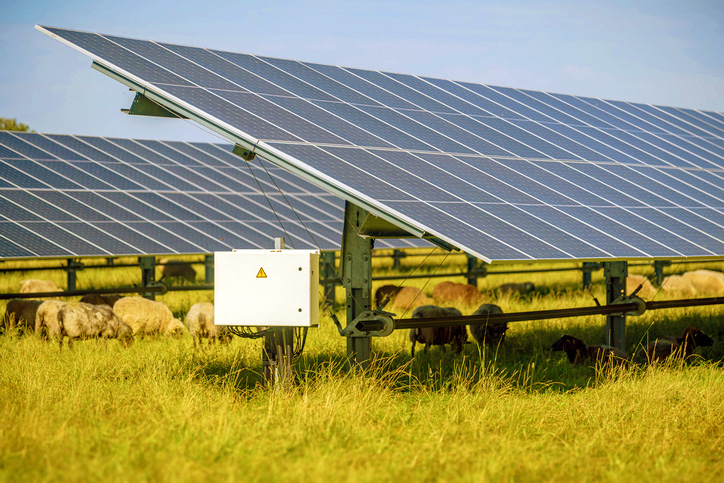
Explore agrivoltaics in New Zealand for farming, energy, and environmental benefits.
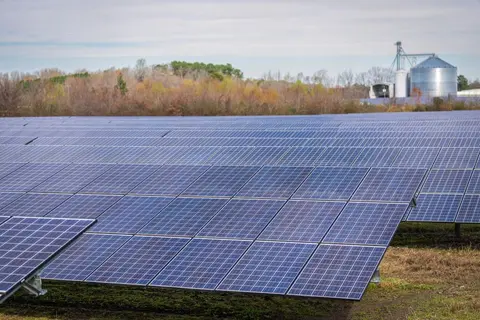
See how the wine industry plans to cut emissions in vineyards and wineries by 2050.
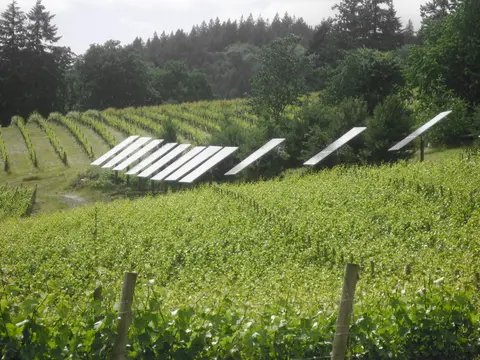
Find out how Wakatū Incorporation is cutting energy use and emissions at its Tohu winery.