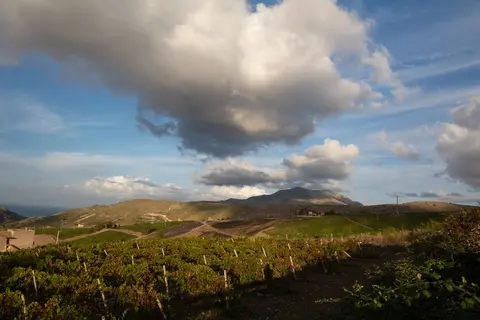
North Canterbury Wine Region
Whenua
Agribusiness
Horticulture
Soil
Viticulture
Find out what North Canterbury's climate and soils are like and which grapes grow in each district.
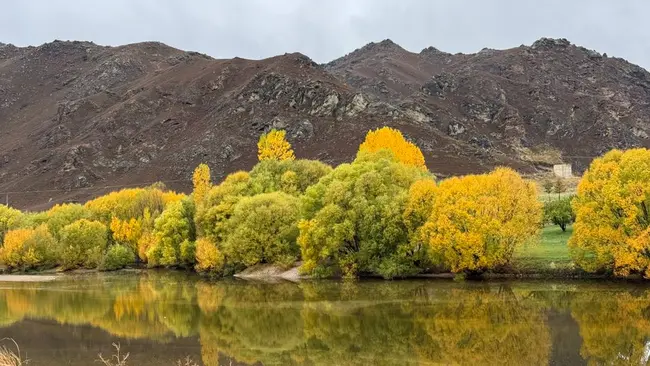
Central Otago has an extreme inland climate with hot summer days, cold clear nights and low rainfall, and its mountainous terrain gives each site its own aspect and altitude. Six sub-regions sit within easy reach of each other: Gibbston, the highest and coolest; warm, dry Bannockburn; Cromwell, Lowburn and Pisa along Lake Dunstan; Bendigo on stony north-facing slopes; cooler, wetter Wānaka; and dry Alexandra in the south. Pinot Noir is the main variety, with Riesling, Pinot Gris, Gewürztraminer, Chardonnay and Sauvignon Blanc also grown.
The page describes the region's landscape, climate and soils, the areas where vines are planted, and the grape varieties that do well in local conditions, along with the wine styles they produce.
Find out what North Canterbury's climate and soils are like and which grapes grow in each district.
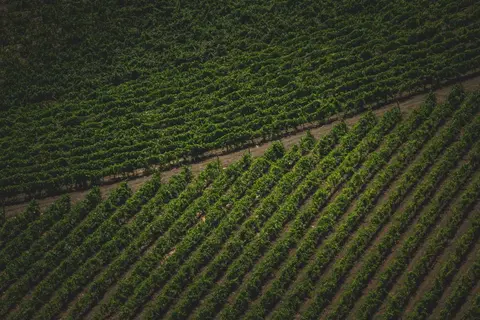
Learn how Marlborough's three valleys differ in soil and climate and which varieties each grows.
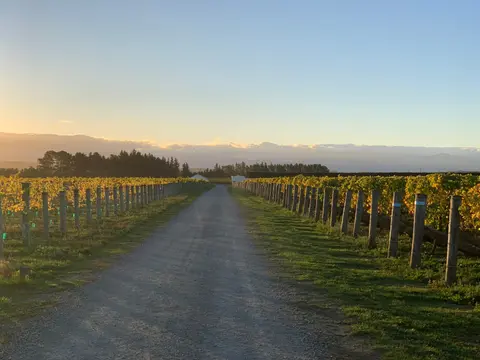
Find out what Wairarapa's climate and soils are like and which grapes grow in its three districts.
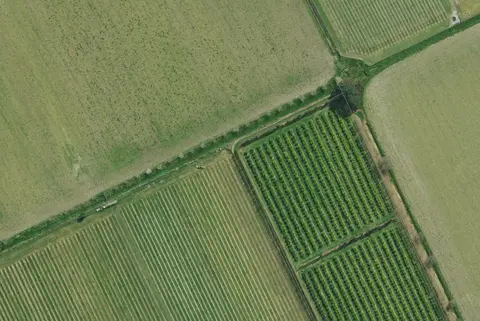
Read about Gisborne's three grape growing areas, their soils and the varieties planted in each.
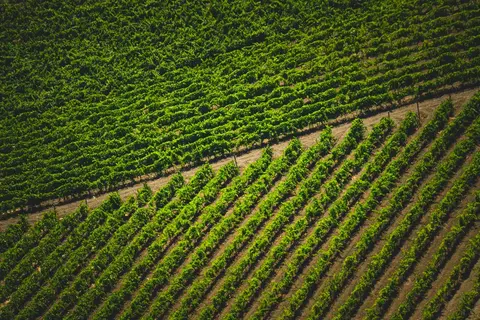
Learn about the Waitaki Valley's climate, limestone soils and the grape varieties planted there.
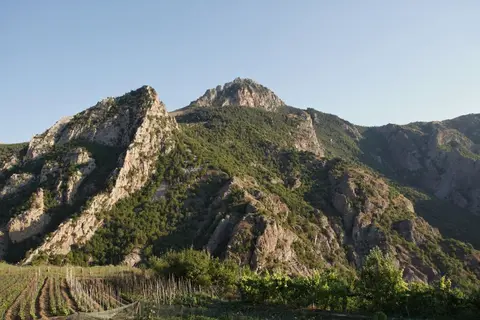
Compare Nelson's two grape growing areas, the Moutere Hills and Waimea Plains, and what each grows.
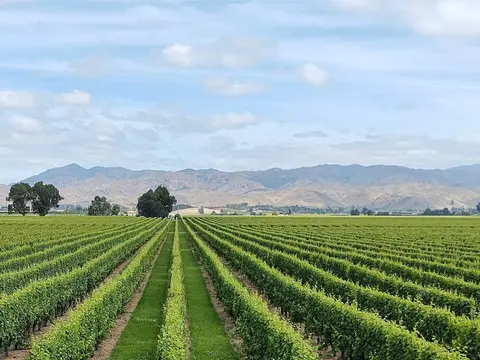
Find the climate, soils, sub-regions and main grape varieties for each New Zealand wine region.
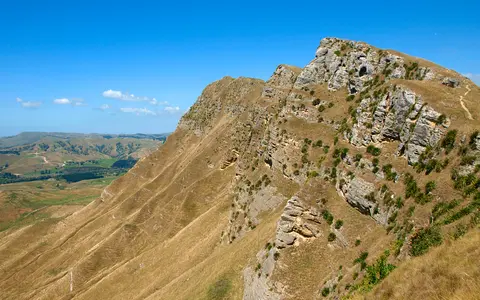
Learn how Hawke's Bay's coastal, hillside, plains and river valley sites differ for grape growing.
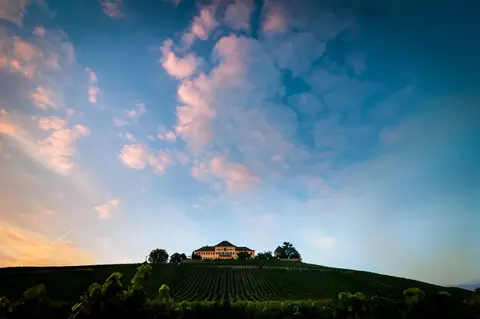
Find out which grapes grow in the small vineyard areas of Waikato, Bay of Plenty and Ōhau.
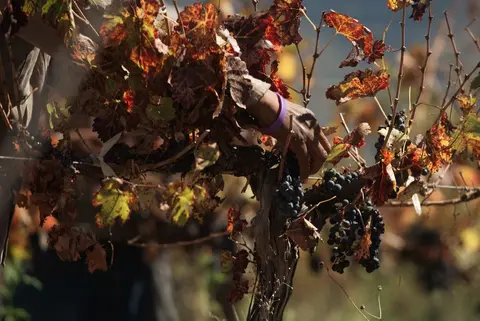
Compare planted and producing vineyard hectares by region and grape variety, year by year.
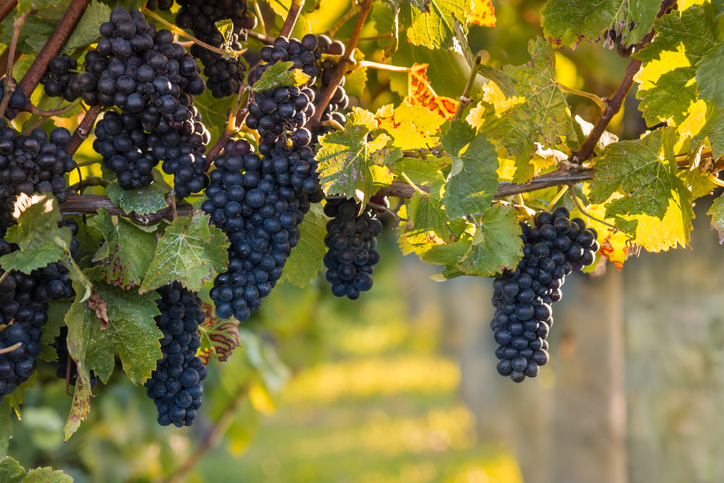
Find out how Pinot noir's flowering and ripening dates could shift over time.
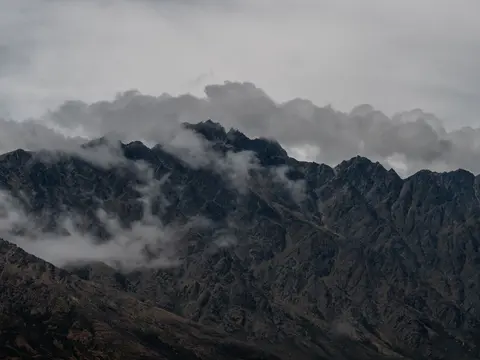
See how Ōtākou Otago ranges from the driest inland basins to the cool wet coast.
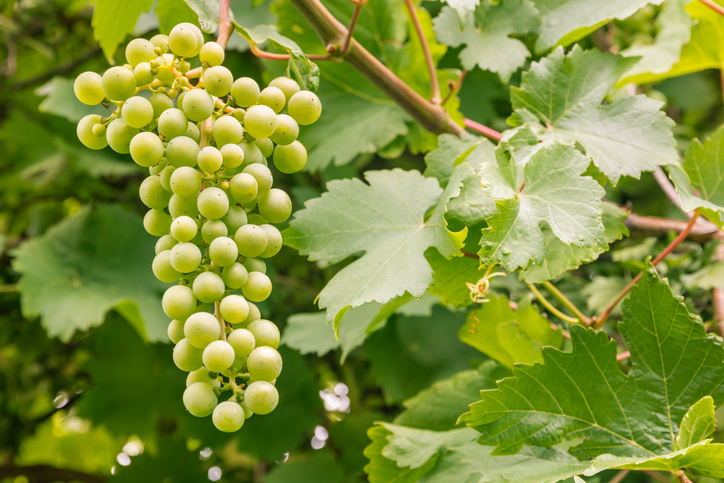
Compare how well suited the whenua in your rohe is to growing Sauvignon blanc grapes.

Follow Emma and Kyle at a dry Central Otago station adapting to a changing climate.
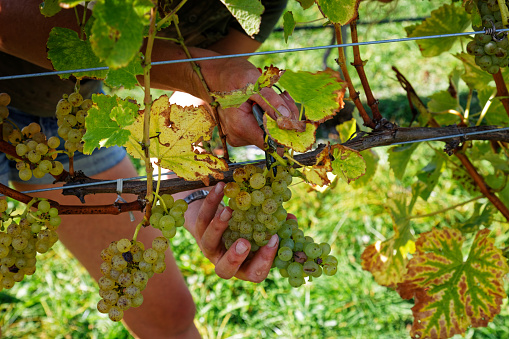
This research explores how climate change will affect grape growing in Aotearoa over time.
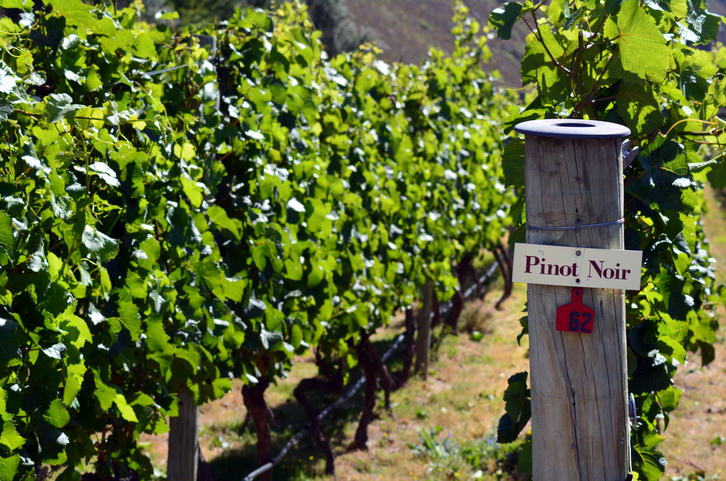
See how well Pinot noir grapes could grow in your rohe by 2050 as the climate changes.
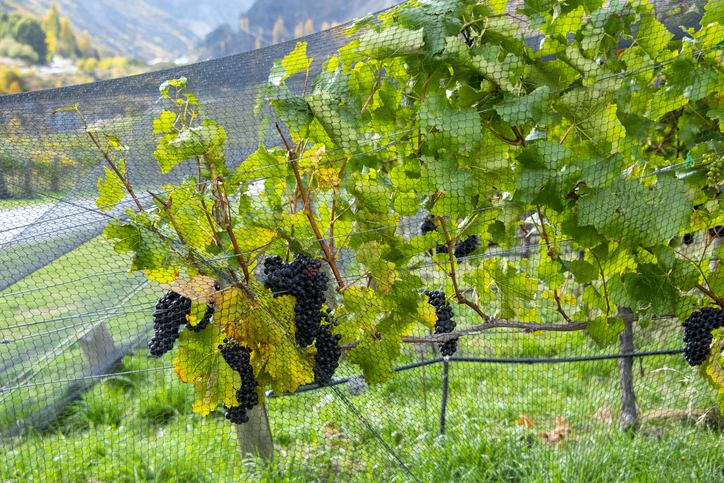
Discover how much Pinot noir grapes the whenua in your rohe could produce each year.
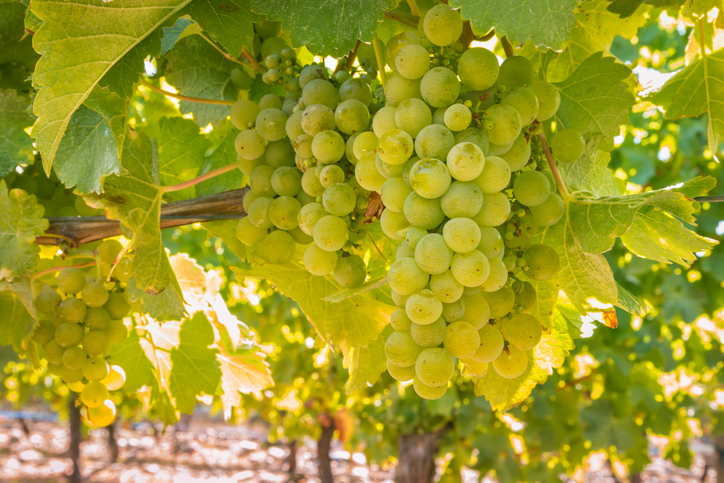
Find out how well Sauvignon blanc grapes could grow in your rohe by 2050 as the climate changes.
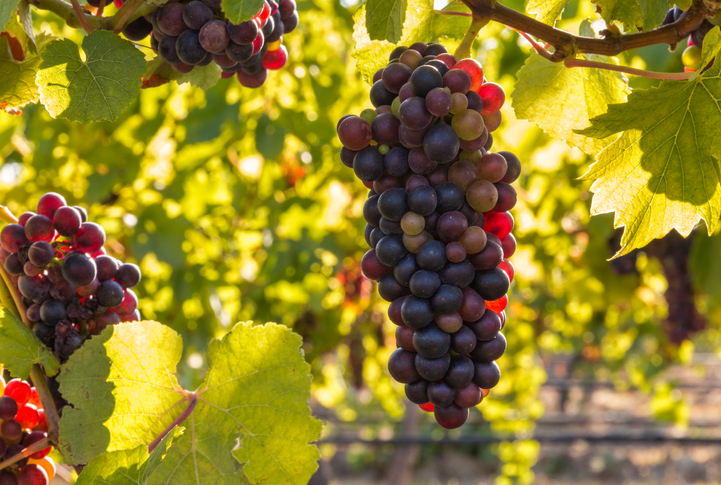
Check how well suited the whenua in your rohe is to growing Pinot noir grapes.
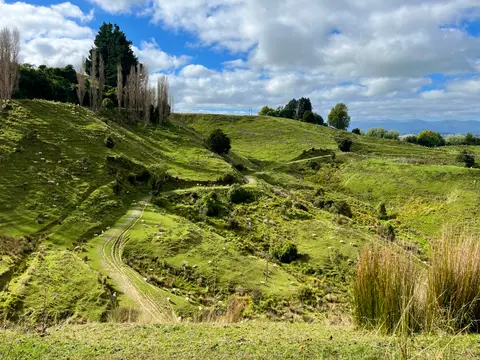
Learn what the mild, westerly climate of Manawatū-Whanganui means for pasture growth.
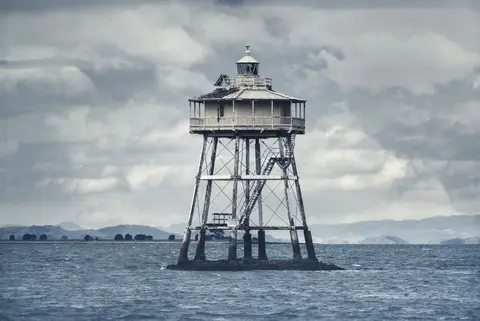
Learn how Auckland's subtropical climate shapes what you can grow and when.
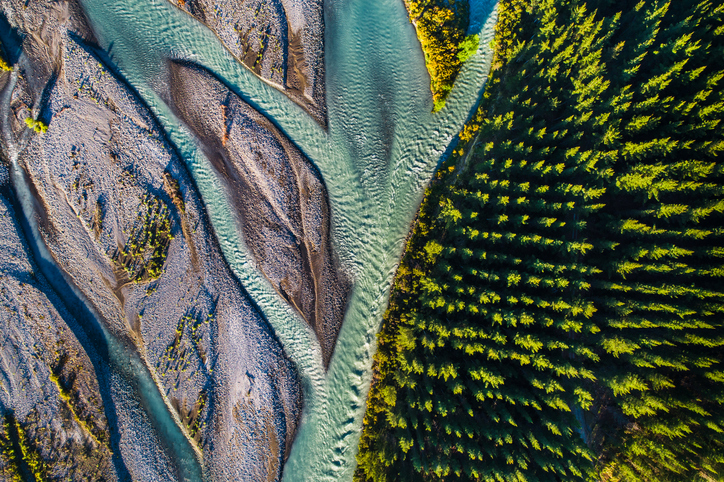
Learn how trees improve farming in East Otago and support timber production.
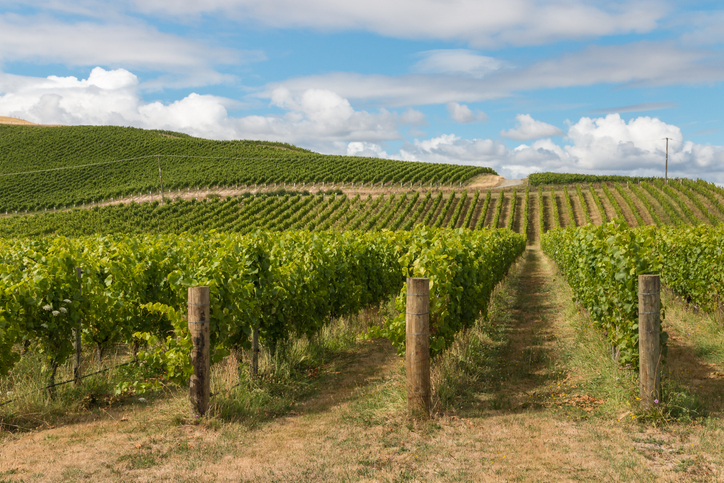
Explore how much Sauvignon blanc grapes the whenua in your rohe could produce each year.