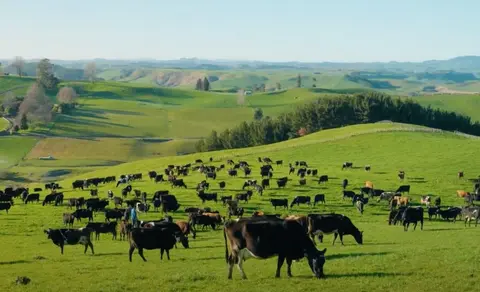
Taumata Farming Partnership, Pukeatua
Climate
Dairy
Farm environment plan
Sheep and beef
Learn how Doug and Kathy Wallace lowered emissions on their Pukeatua dairy farm.
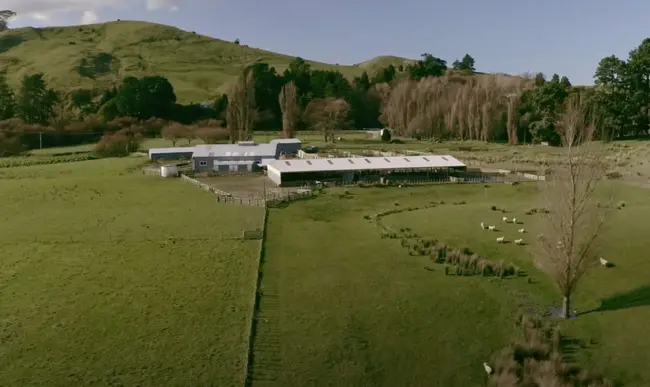
Michael and Kate Tosswill have run Bagshot, a 586-hectare sheep and beef property in the Whangaehu Valley near Masterton, since 2018. This case study shows how they reshaped a hill country operation to balance stock production with wetlands, native bush and mānuka blocks.
Michael and Kate walk through the changes behind the numbers: cutting nitrogen fertiliser use by more than half, planting pines on the least productive land, and working with Greater Wellington Regional Council on a farm environment plan. They close with their advice on building a team of expert support and using modelling tools to test decisions before committing to them.
Learn how Doug and Kathy Wallace lowered emissions on their Pukeatua dairy farm.
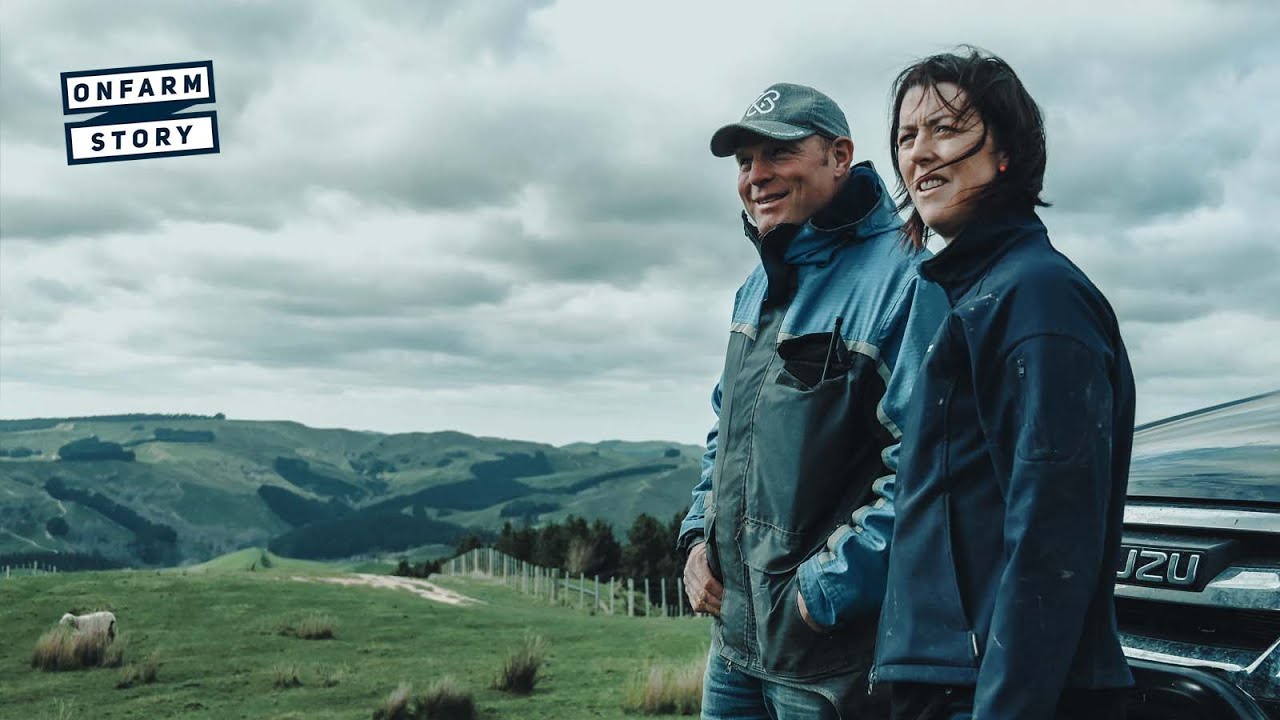
Learn how a Wairarapa hill country couple rebuilt after losing 1500 lambs in a storm.
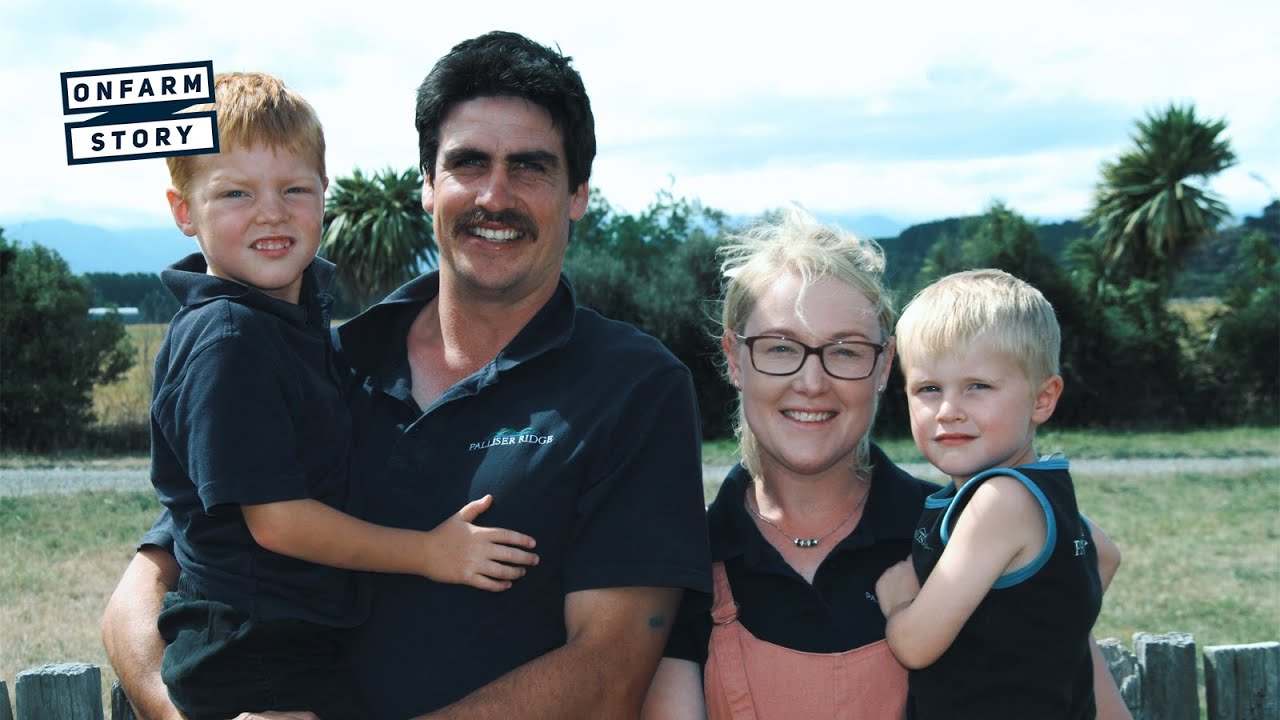
Lisa and Kurt Portas share how they're diversifying their Wairarapa farm.
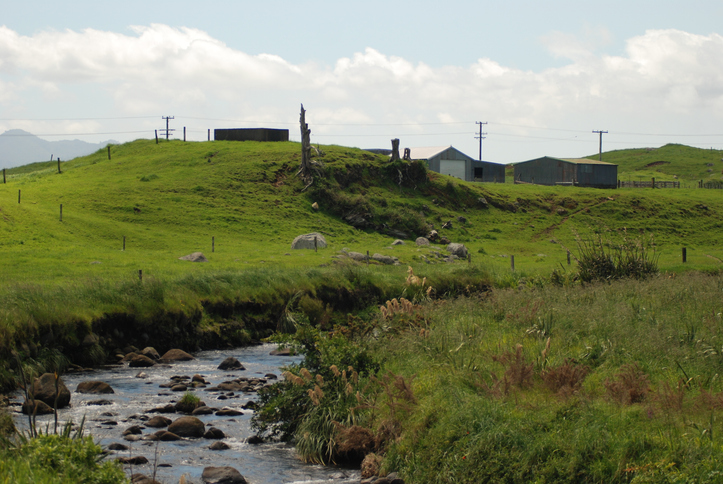
Get funding and advice to help protect and restore rivers on your whenua.
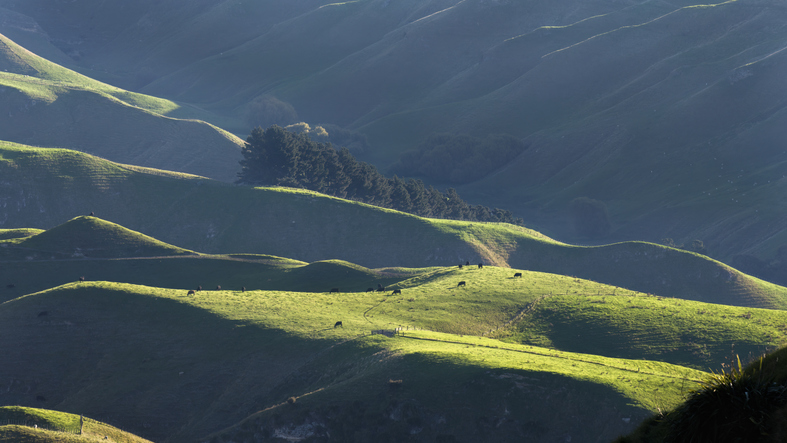
Find out how Trelinnoe farm is adapting to climate change by prioritising sustainability in farming practices.
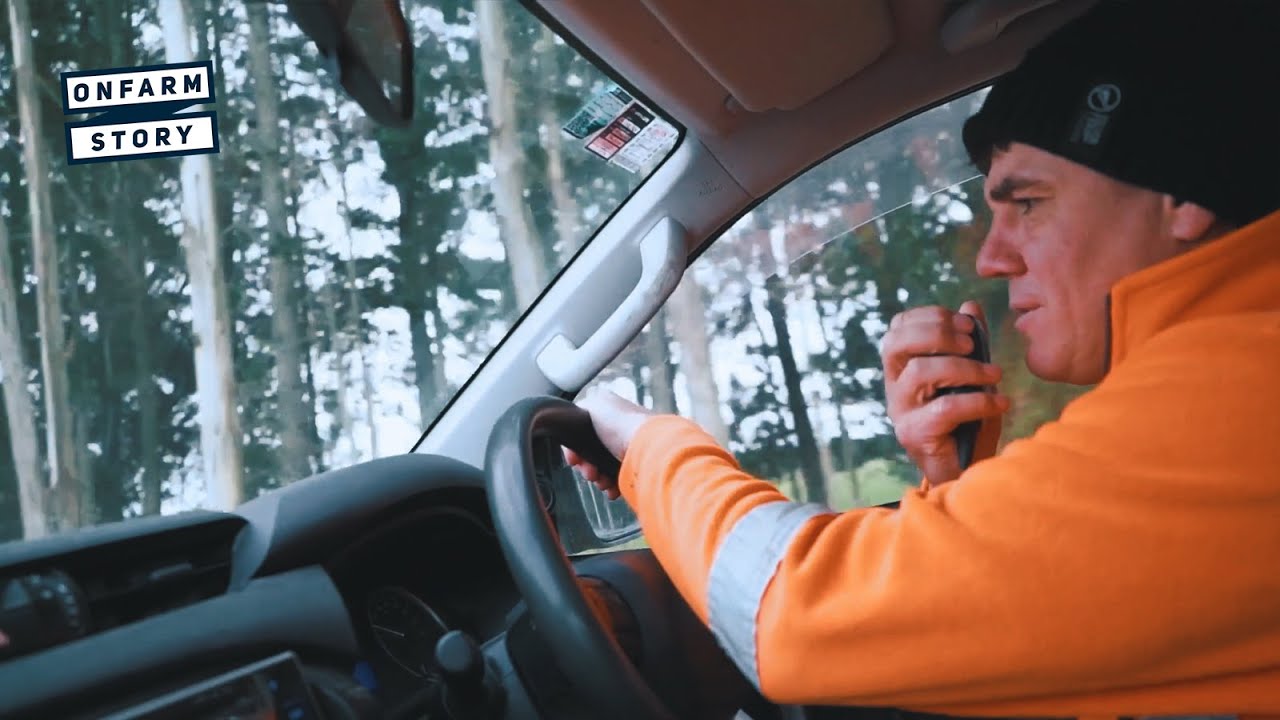
Balancing livestock production and environmental stewardship on Pamu's largest farm
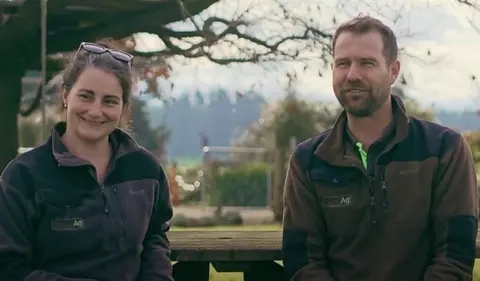
Tour a Wairarapa dairy farm where a feed pad and compost barn help cut nitrogen loss.
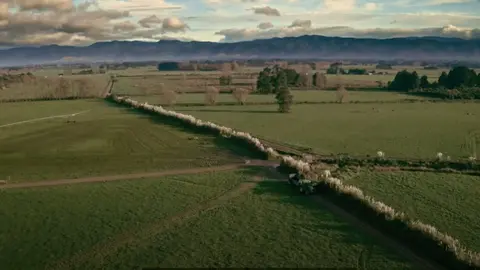
Compare four small changes that cut Kaiwaiwai Dairies' emissions by 14 percent.
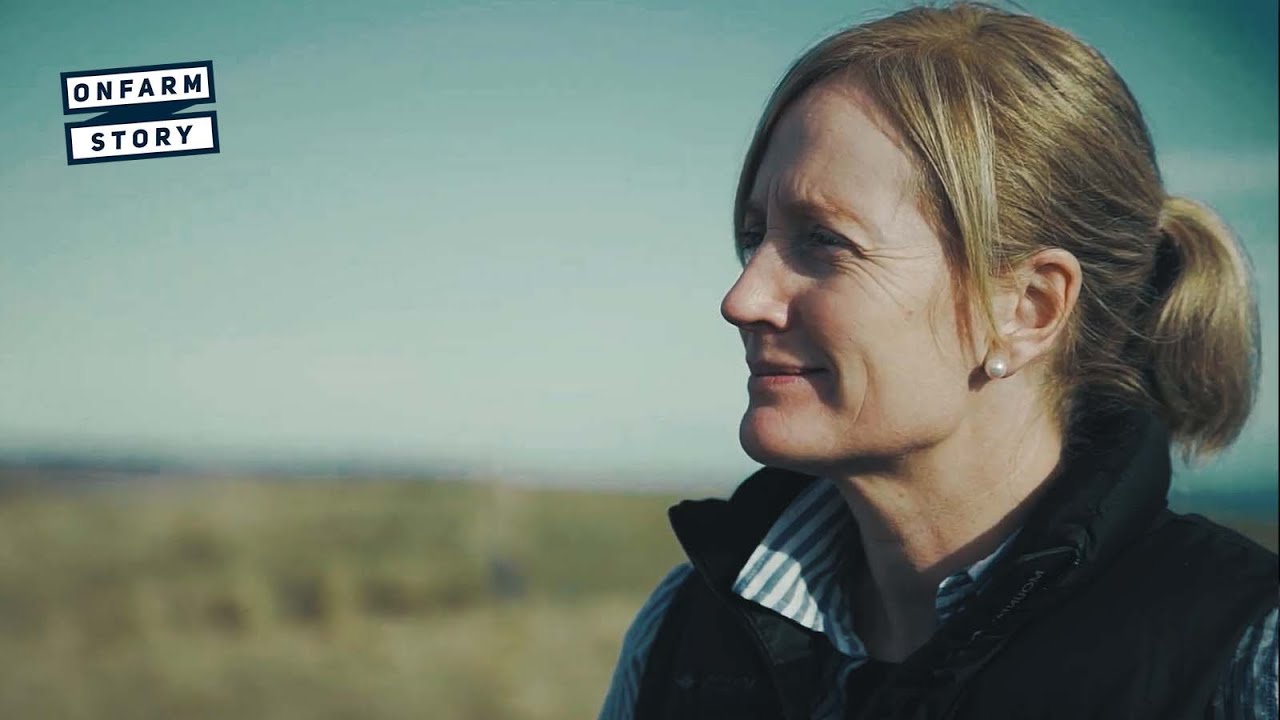
Blair and Jane Smith share insights about staying involved
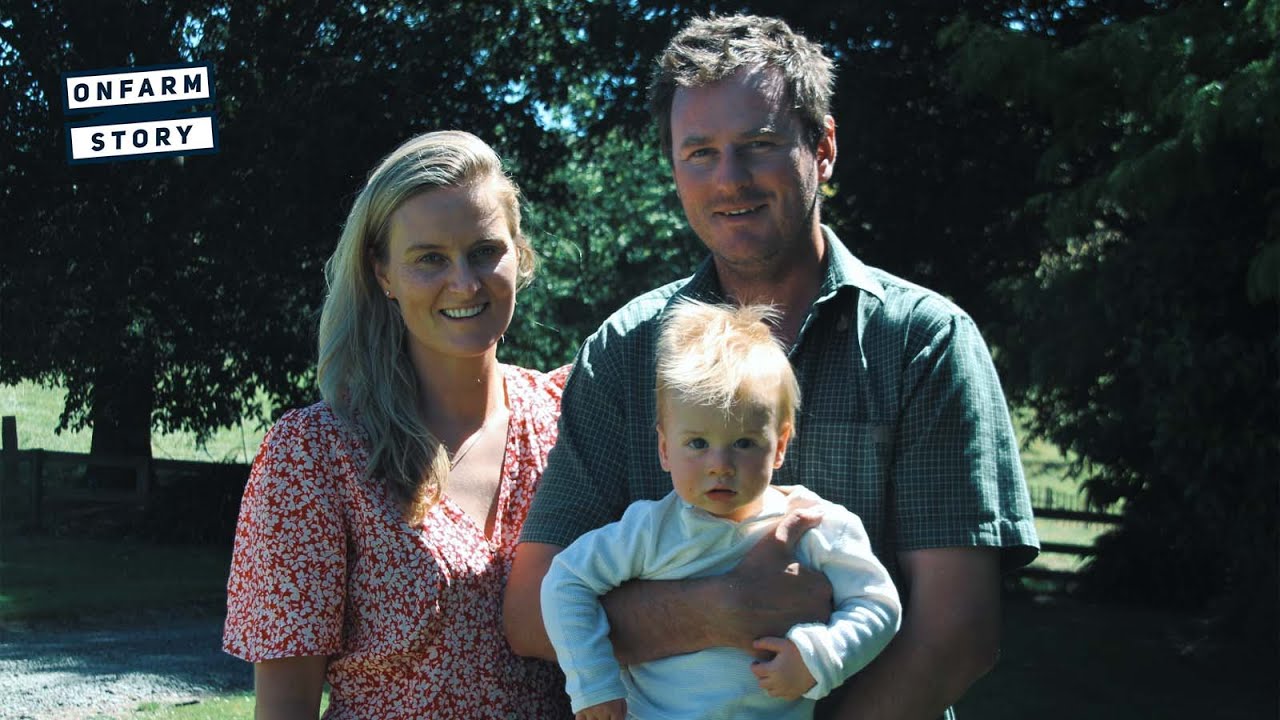
Discover how a Rangitīkei sheep farm turns wool into reusable bags, caps and wallets.
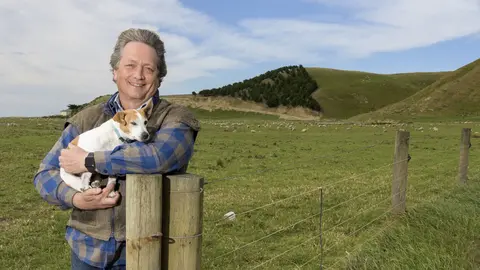
Learn how a Wairarapa coastal station cut net emissions while lifting lambing and profit.
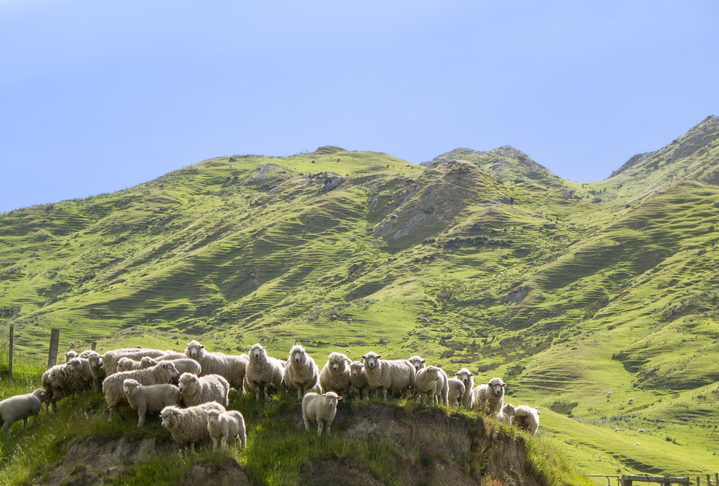
Learn about how Te Kupe Station is transforming its sheep, beef, and forestry operation to be more sustainable.
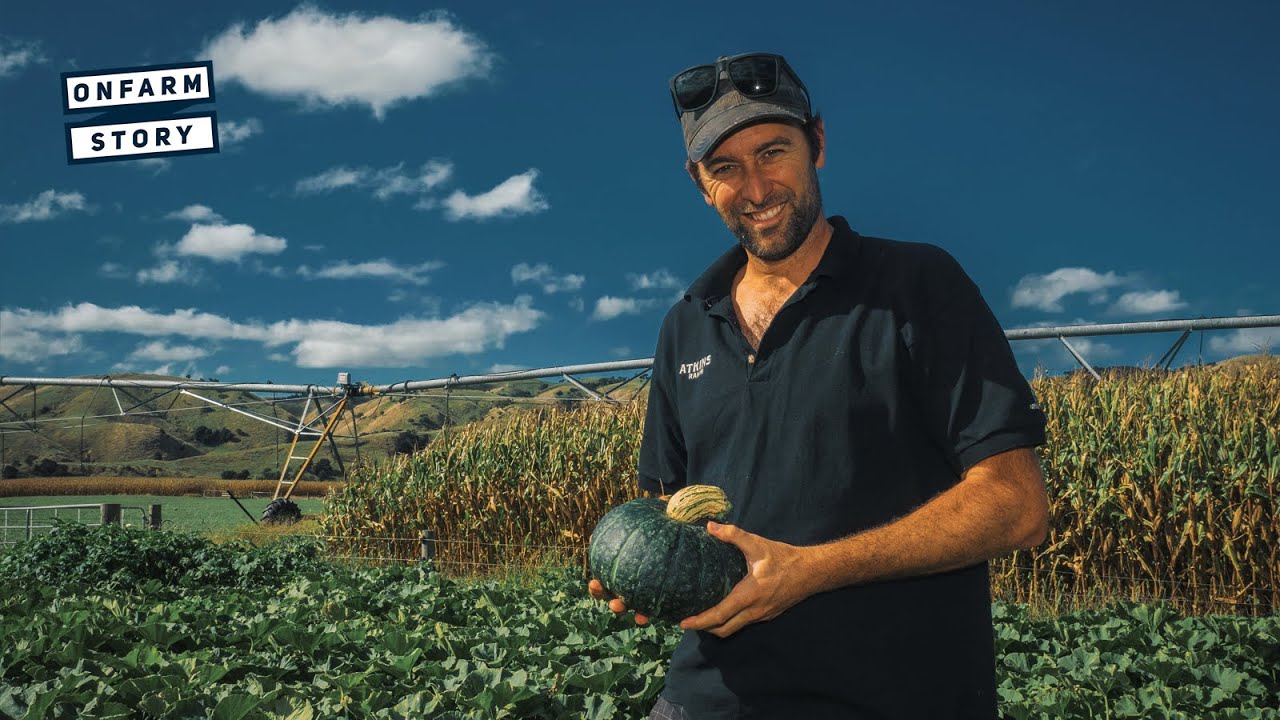
Mark and Susannah Guscott explain their holistic approach to diversifying their farm.
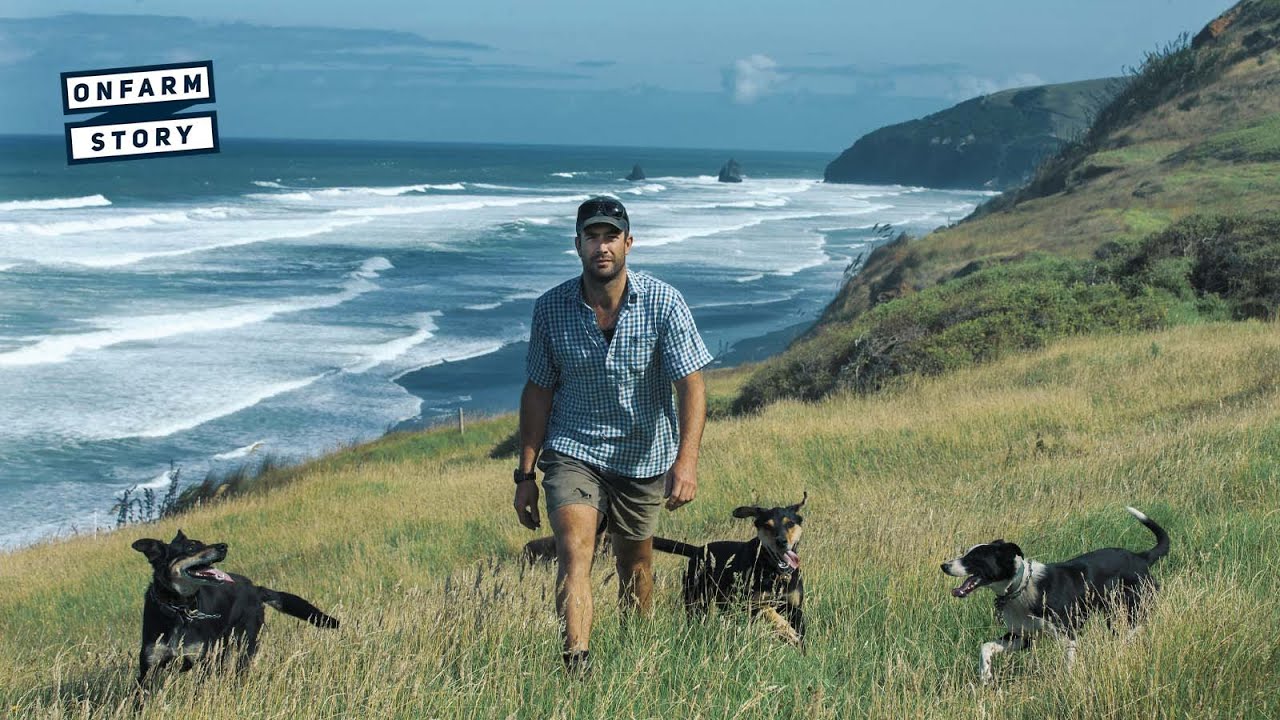
Meet a Waikaretu sheep and beef farmer carrying on land his family has worked since 1958.
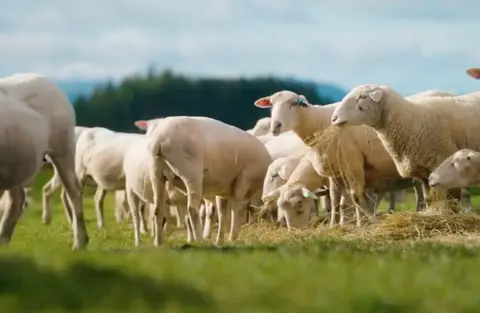
Compare a Lake Taupō farm's shift from beef finishing to sheep milking and lamb production.
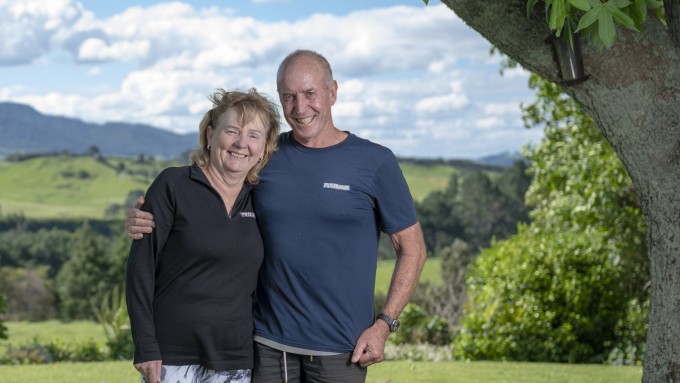
Learn how a Bay of Plenty farm used Farm Environment Planning to transform its operations and reduce its environmental impact.
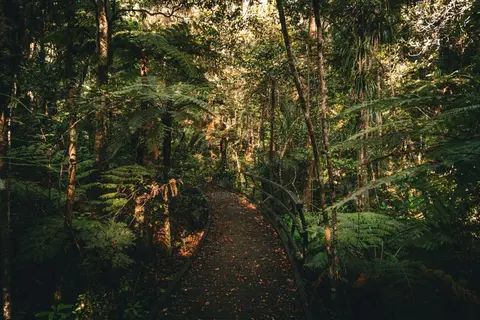
Explore how restoring bush, wetlands and waterways builds Northland's climate resilience.
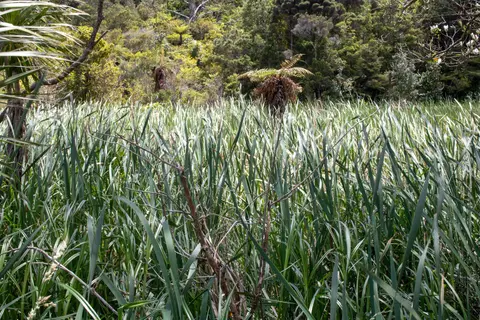
See how Owl Farm's constructed wetland strips nitrogen and sediment from farm runoff.
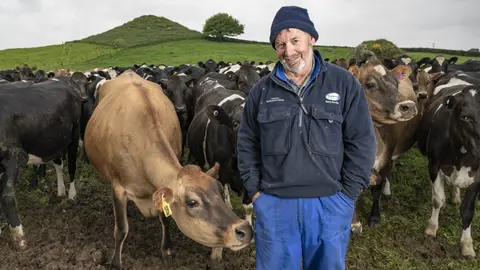
Meet the Waikato dairy farmers using their numbers to cut emissions and stay profitable.
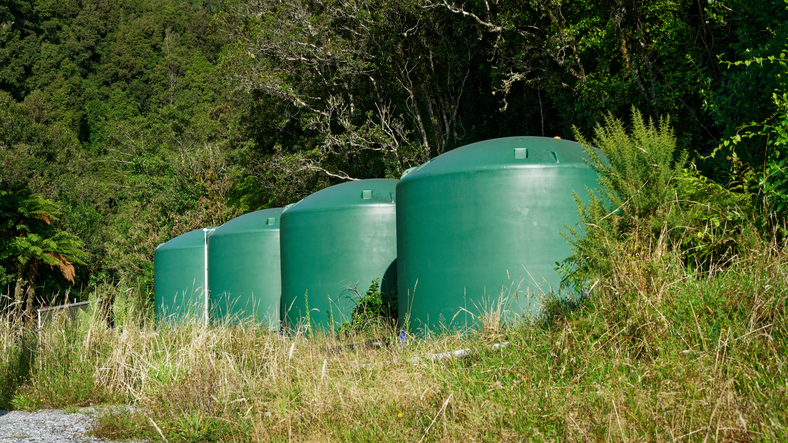
The Wairarapa Water Resilience Plan aims to address climate change effects on local water resources.
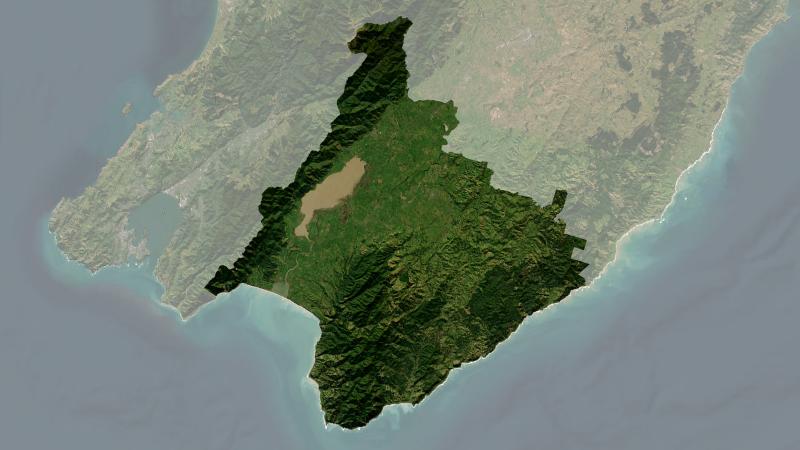
Understand climate event and variability trends for South Wairarapa District.
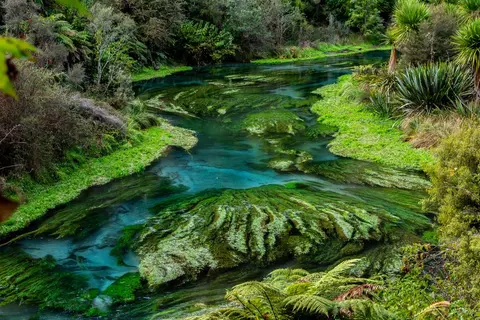
Follow how Owl Farm's environment plan guides its land, water and effluent management.