
Carbon Farming on Māori land: Do governance structures matter?
Climate
Emissions reduction
Forestry
Governance
Sequestration
Whenua Māori
This study explores how different governance structures affect Māori land decisions on carbon farming.
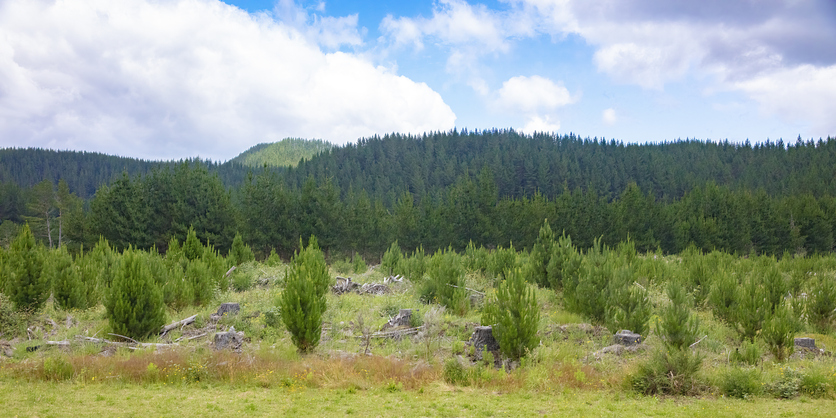
Carbon farming on Māori land involves planting trees that absorb carbon dioxide, providing economic benefits through carbon credits. The study highlights Māori land owners' decision-making processes, cultural values, challenges in land administration, and future land-use considerations, promoting sustainable practices while connecting to ancestral traditions.
This study explores how different governance structures affect Māori land decisions on carbon farming.
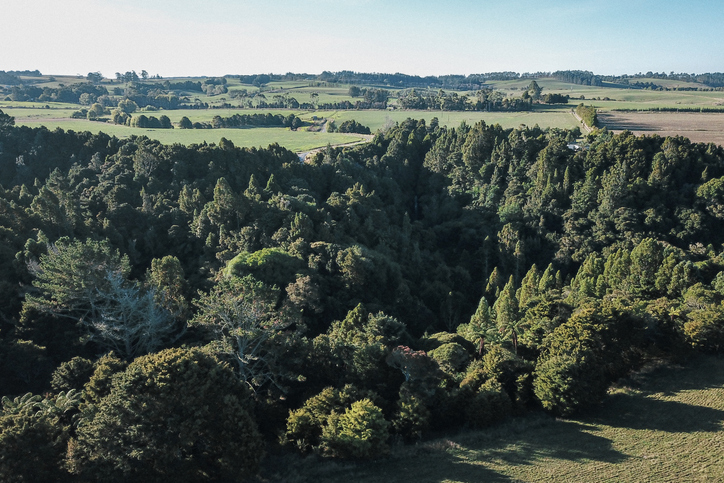
Learn how tree planting on farms can earn carbon credits in the Emissions Trading Scheme (ETS).
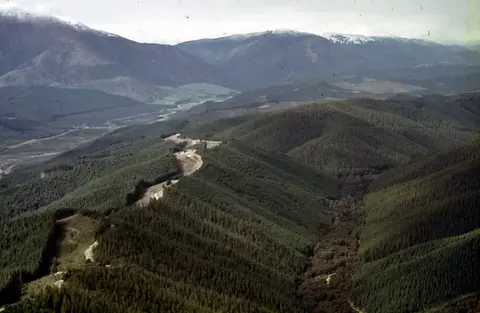
Understand the key considerations for land owners when considering entering the ETS.

This report explores how Māori landowners decide on native forest regeneration and carbon farming.

This report explores ways to improve Māori land resilience against climate change through afforestation.

This paper explores challenges and opportunities for Māori landowners in native forestry.
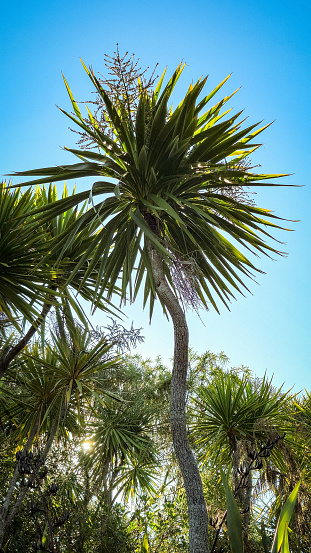
Learn how farms can use trees for carbon credits to boost income while enhancing te Taiao.
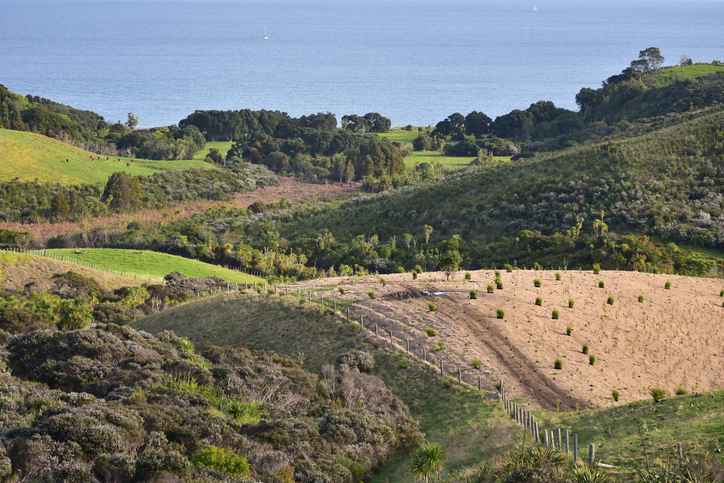
Find out how to convert marginal or depleted agricultural land into native forests for carbon farming.
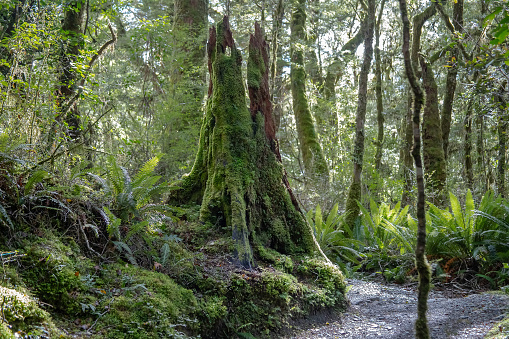
Learn how trees absorb CO2 and help fight climate change in New Zealand.
Learn how trust in technology benefits New Zealand's farming community.
Farm 4 Life offers 24/7 online videos to enhance dairy farming skills and decision-making.
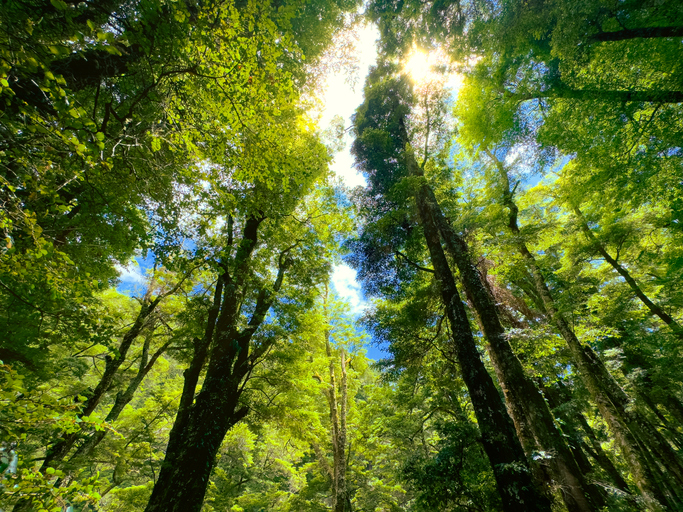
Learn how well-managed native forests can absorb significant amounts of carbon.
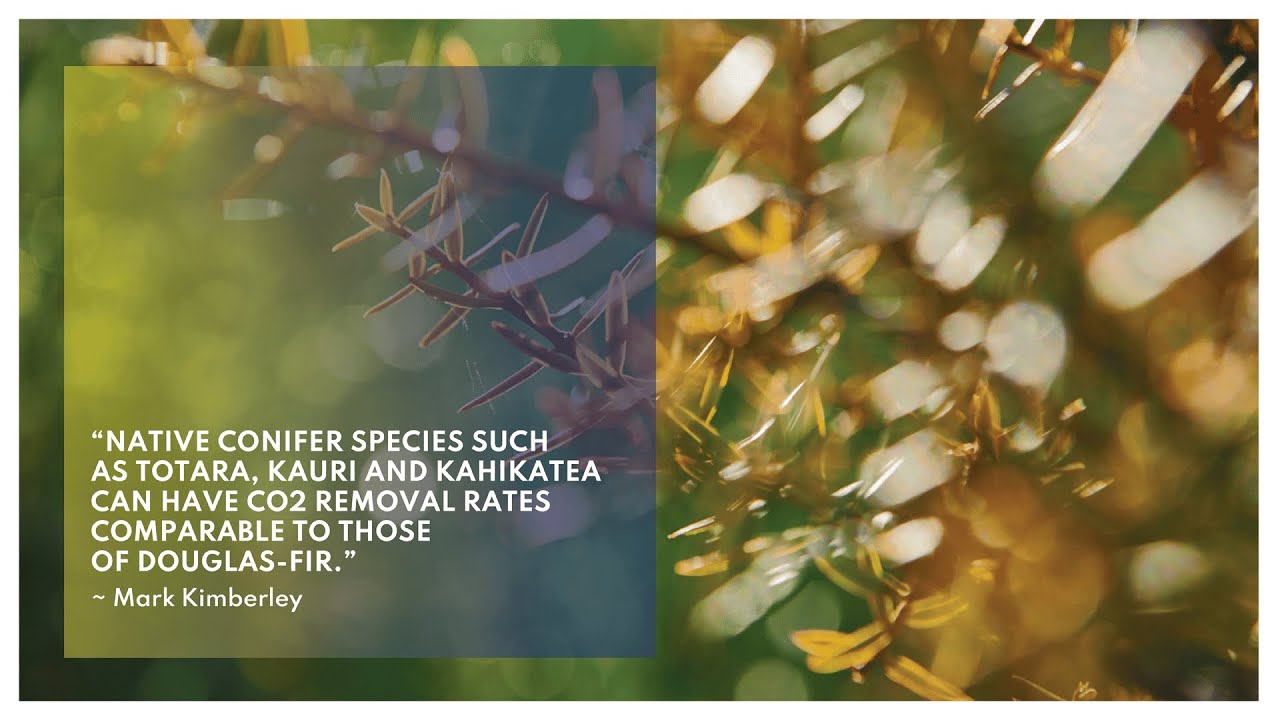
Find out about carbon sequestration rates in native forests and planting methods in New Zealand.

This paper explores how native forests in Aotearoa can help reduce emissions.
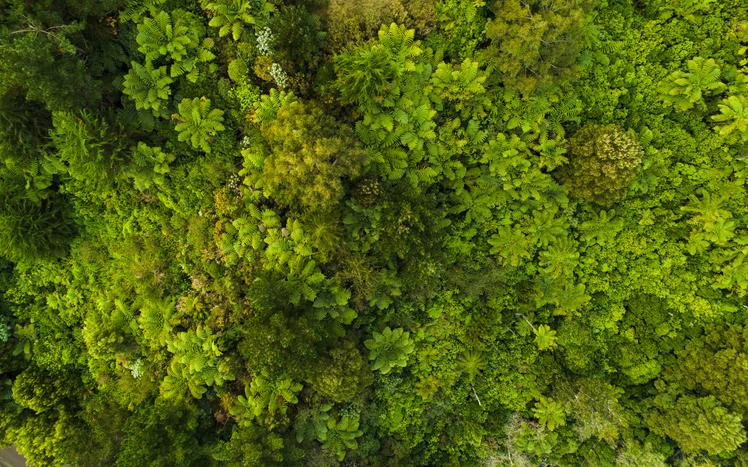
This paper examines the risks and benefits of investing in permanent forests in Aotearoa.

How the ETS and carbon forestry apply to whenua Māori.
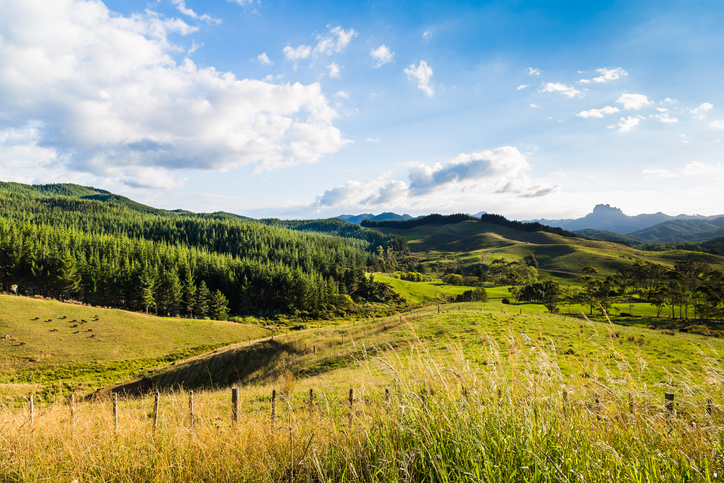
Find out more about tree farming for carbon credits.
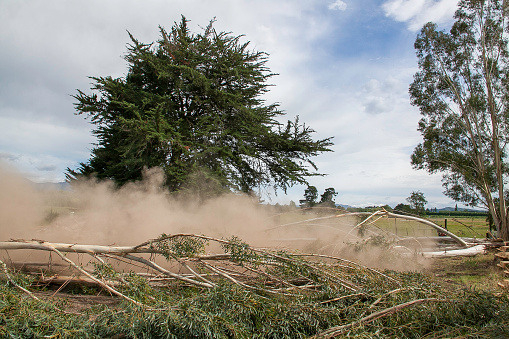
This paper explores how land ownership policies impact forest cover in New Zealand.

This project explores Māori food traditions and how climate change impacts cultural health.

Find out about ao Māori perspectives on the importance of protecting native trees and forests in Aotearoa.
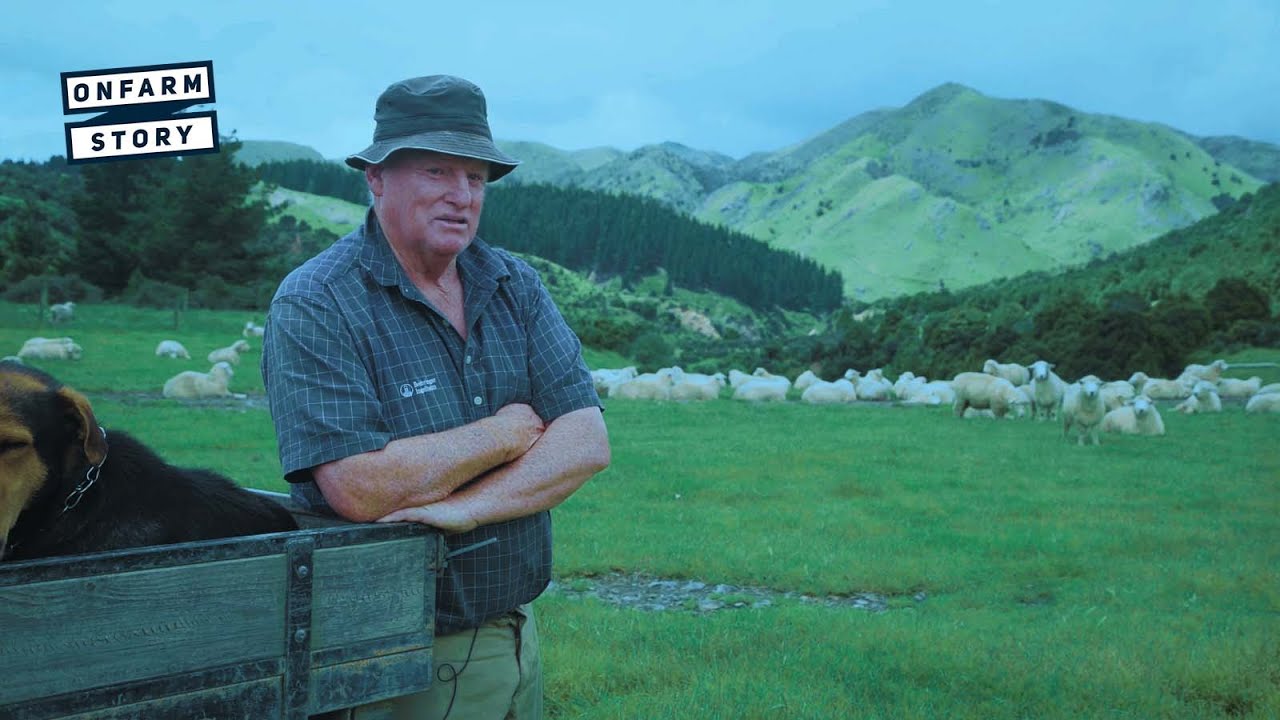
Hugh Taylor discusses how rising carbon prices affect farming and forestry decisions in Canterbury.
Strategies for Māori farms to reduce greenhouse gases to meet the Zero Carbon targets.
Reports from a nationwide survey of native tree plantings for growth and carbon insights.