Carbon farming on Māori land: insights on the decision-making process
This paper discusses carbon farming on Māori land, its benefits, and decision-making challenges.

This thesis examines how different governance structures affect Māori land owner decision-making about emissions trading opportunities like carbon farming. It includes case studies highlighting challenges and potential policy improvements for better participation and benefits for indigenous landowners.

Learn how to choose trustees for Māori land trusts.

This report uses two case studies to illustrate different ways that diversified Māori agribusinesses can reduce greenhouse gas emissions and increase profits.

Find out how to access information about Māori land and its ownership and governance.

This guide explains how to set up a Māori land trust and what to think about.

Understand the key considerations for land owners when considering entering the ETS.

This case study explores what it means to farm in alignment with Māori values and how it can improve the environment.

This paper explores how native forests in Aotearoa can help reduce emissions.

Learn about the different Māori land structures created by Te Ture Whenua Māori Land Act 1993.

This guide explains key concepts of whenua management, its roles, and how to separate it from governance.

A report on measuring greenhouse gas emissions on Māori farms.

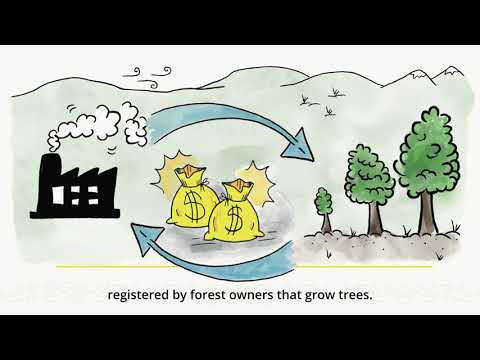
This video explains carbon farming and its benefits for Tairāwhiti’s environment and economy.

Find out more about tree farming for carbon credits.