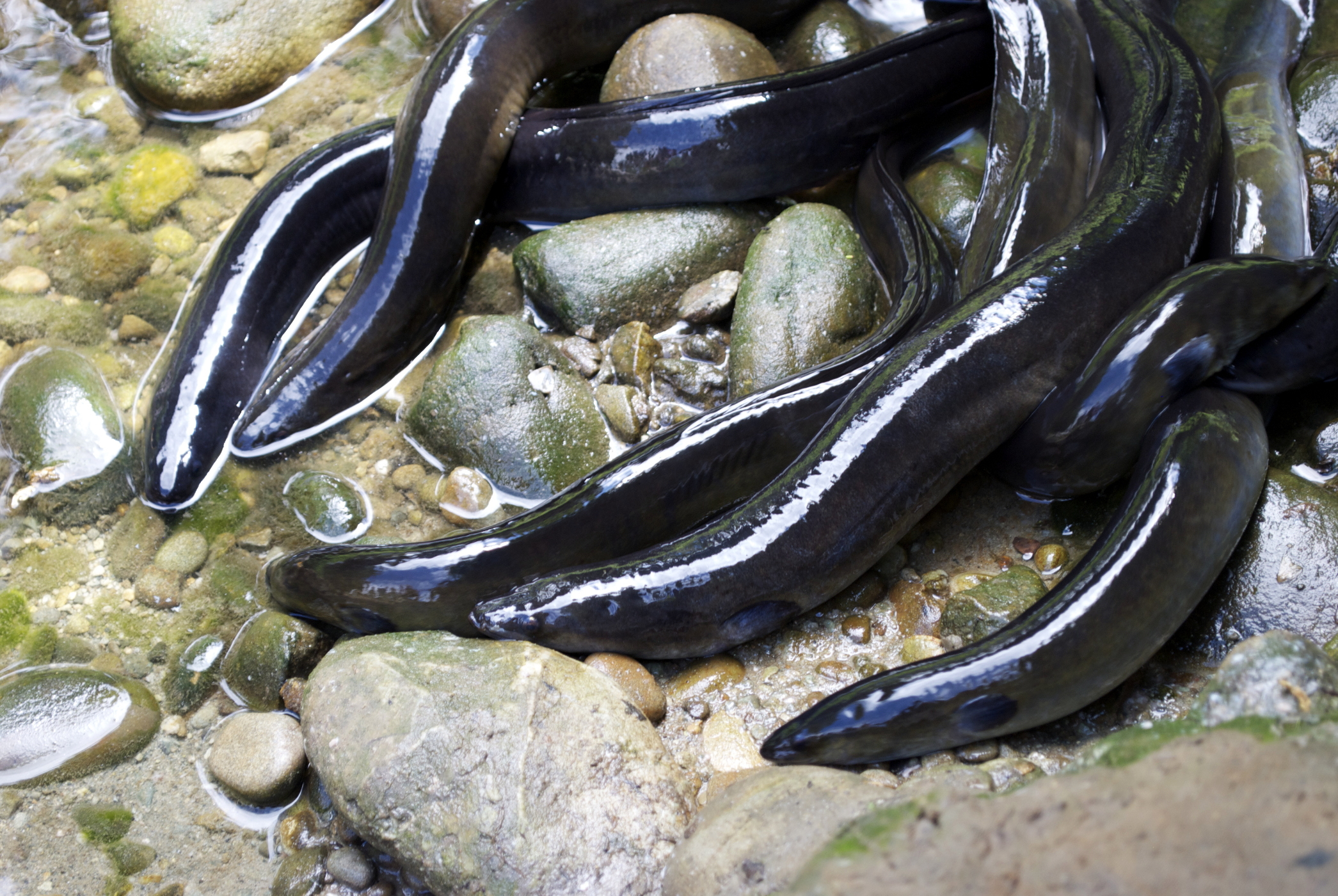
Assessing the vulnerability of our freshwater taonga species to a changing climate
Climate
Biodiversity
Collaboration
Conservation
Resilience
Sustainability
Find out how climate change could impact our freshwater taonga.
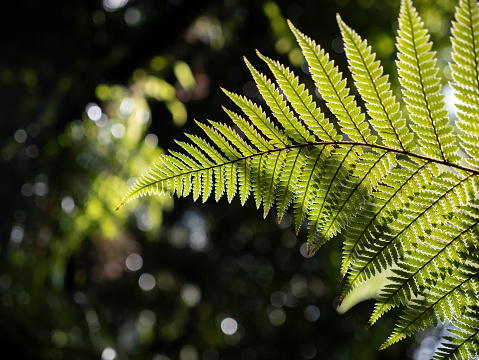
Learn about a project in Kāpiti/Horowhenua that shifts land use from farming to water-based options. It shows how these changes can help restore taonga species like tuna and inanga by improving waterways and creating native fish ponds.
Find out how climate change could impact our freshwater taonga.
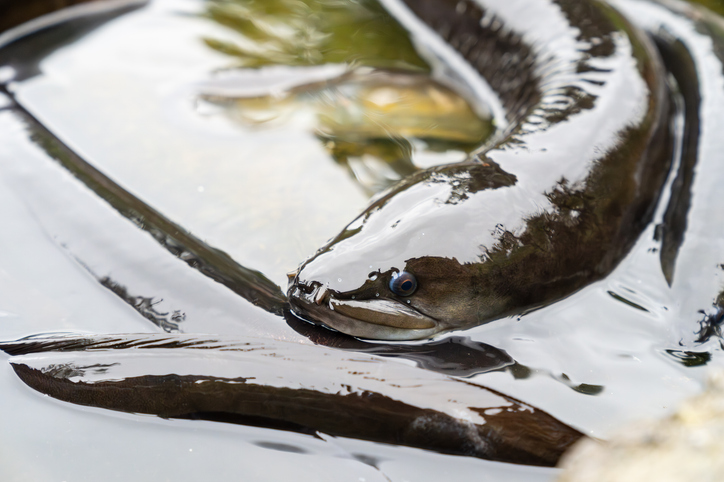
This case study explores how Ngāti Raukawa is using mātauranga Māori to protect tuna (eel) from climate change.
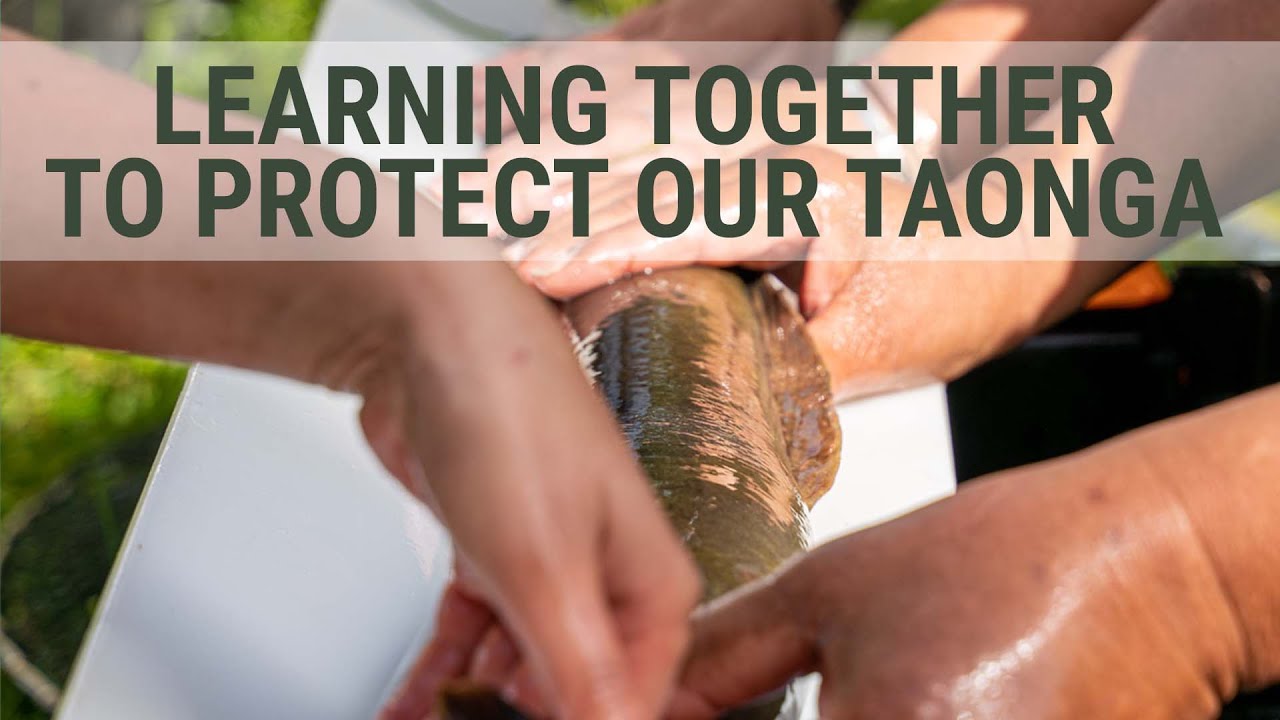
A collaborative project aimed at helping Ngāti Maniapoto reconnect with tuna and their waterways.
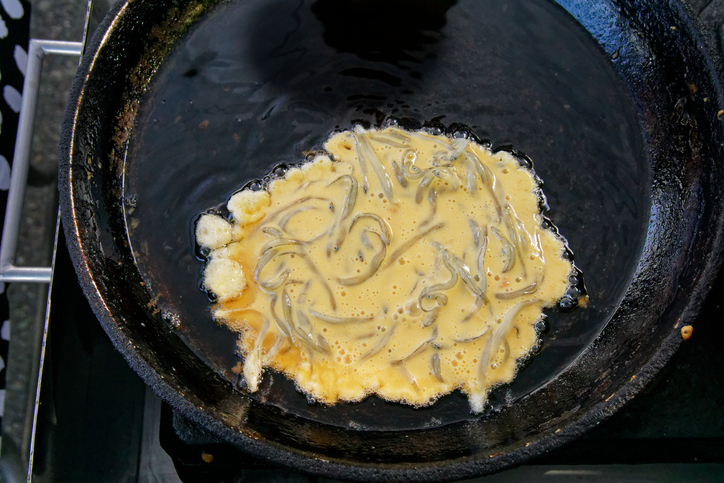
Explore traditional cuisine's role in climate resilience and cultural health in Waikato.
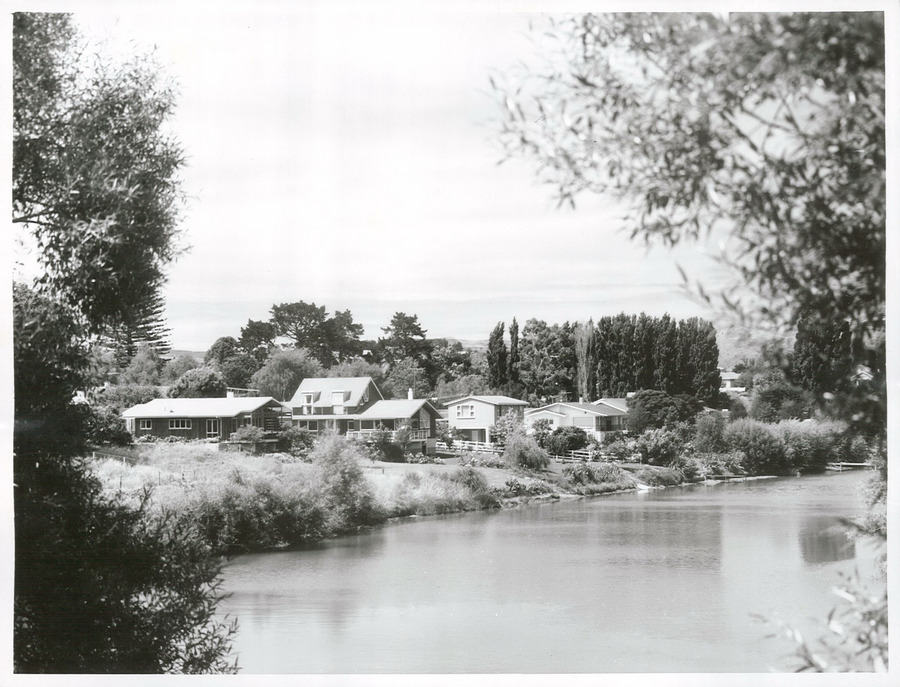
A project to restore the Waimatā River, focusing on ecology and community involvement.
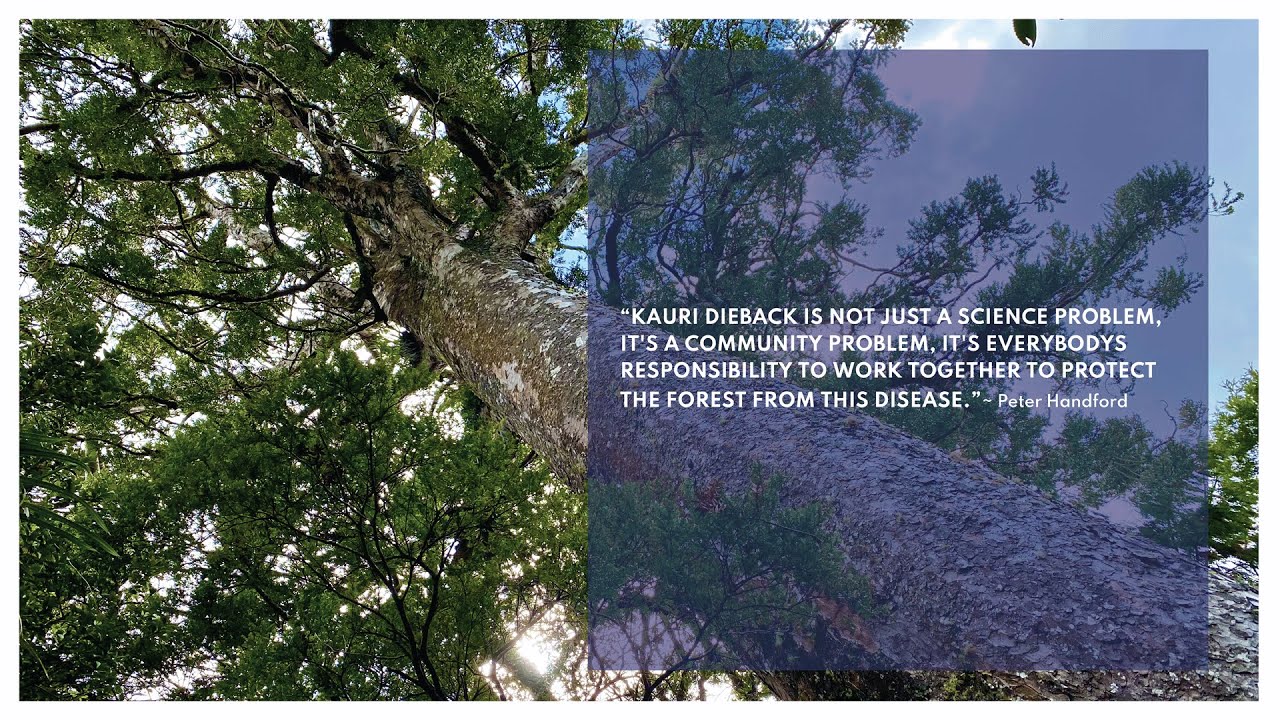
Learn about restoring native forests for sustainable farming and land use.
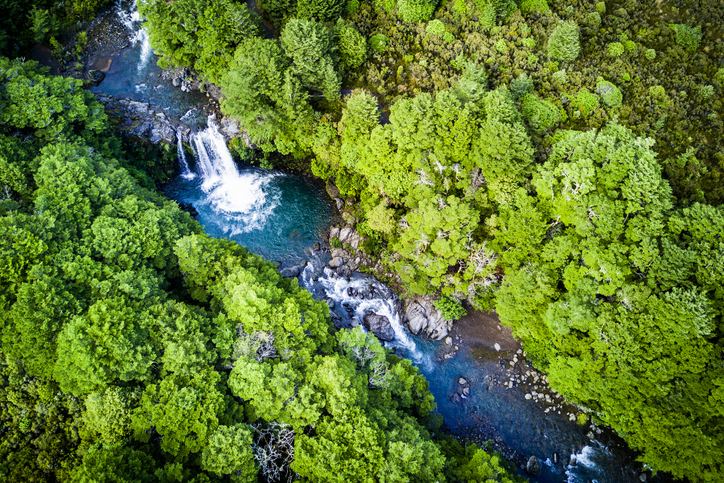
Explore how regenerative agriculture can enhance nature's ability to help us adapt to climate change.
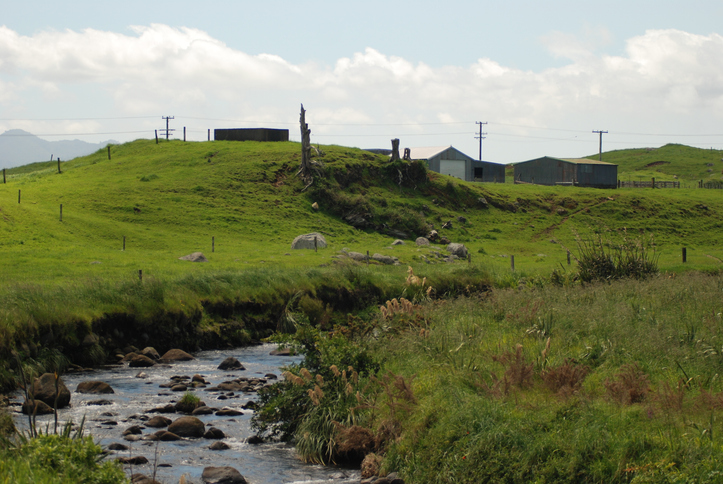
Get funding and advice to help protect and restore rivers on your whenua.
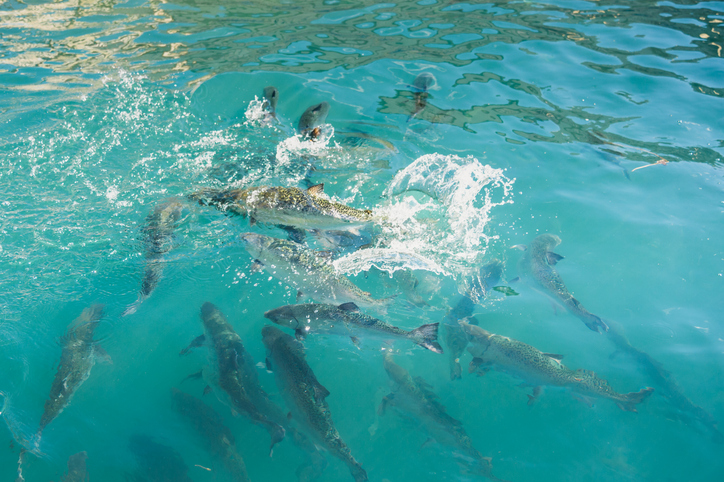
Wai Ora Fund supports Māori projects for freshwater fisheries and their habitats.
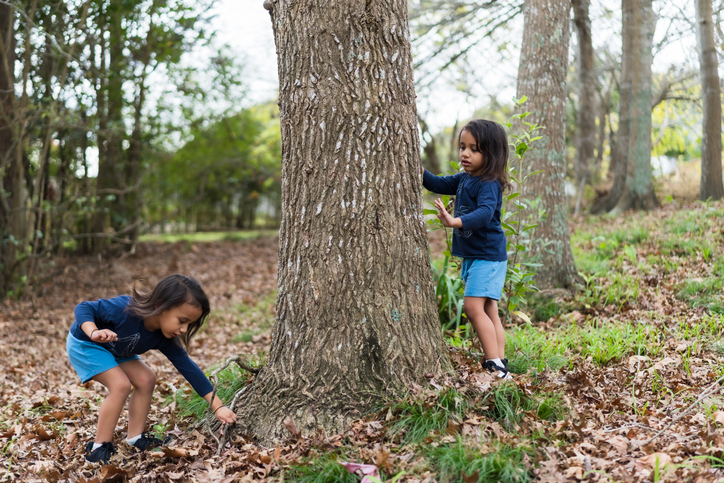
This case study explores what kaitakitanga means for Ngai Tahu and how it helps them to create sustainable food and products.

Meet a Bluff fisherman selling sustainably caught fish straight to customers.
Understand how climate change could impact Māori culture and identity.
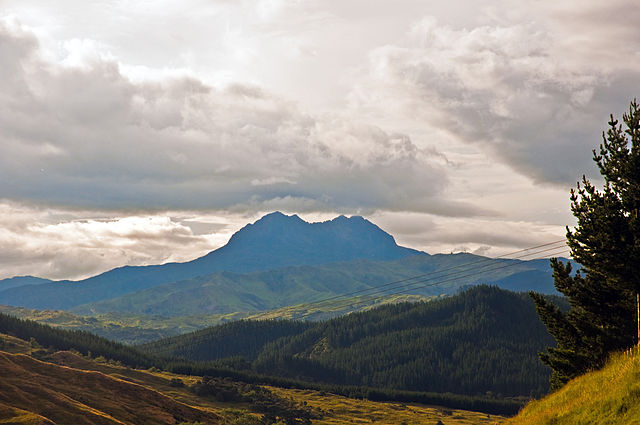
A long-term programme to restore the Waiapu River catchment.
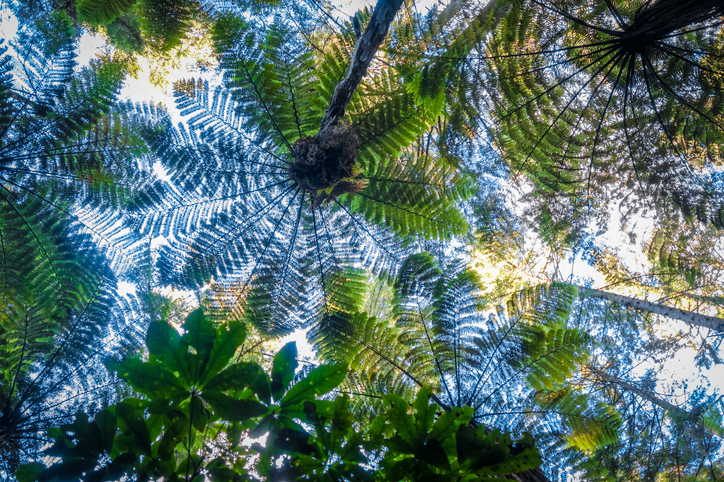
Work out how many plants you'll need for your restoration project, and what it might cost.
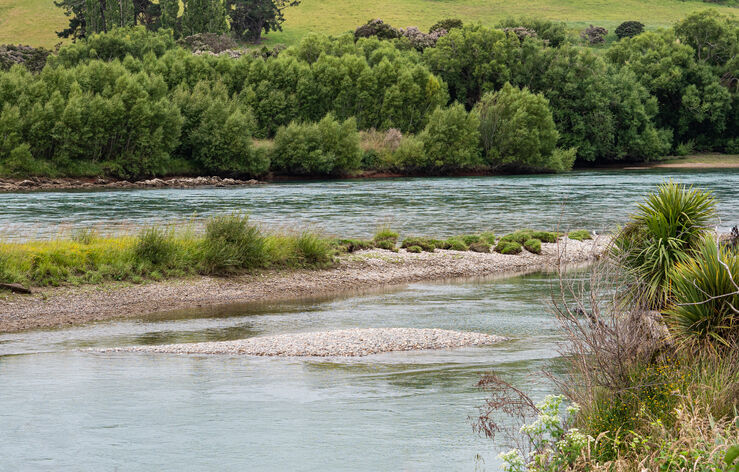
Read about the nature-based methods the Ruamahanga Restoration Trust is using to slow water and reduce flooding impacts.
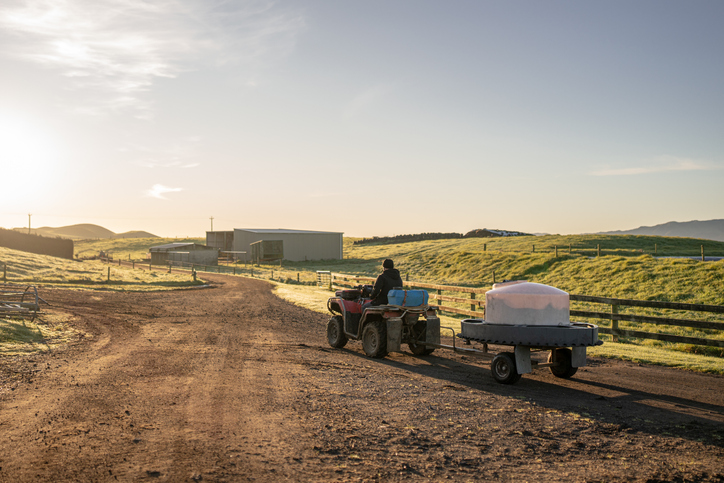
Blending mātauranga Māori and science to support whenua-based enterprises.
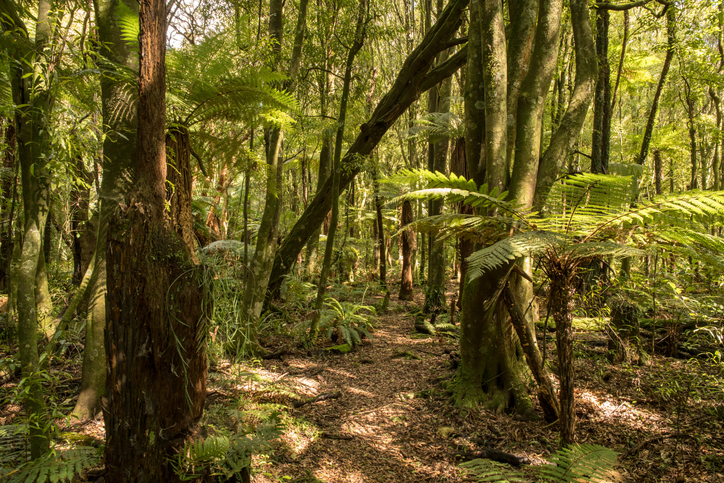
This innovative seed-island project is helping to speed up native forest restoration.
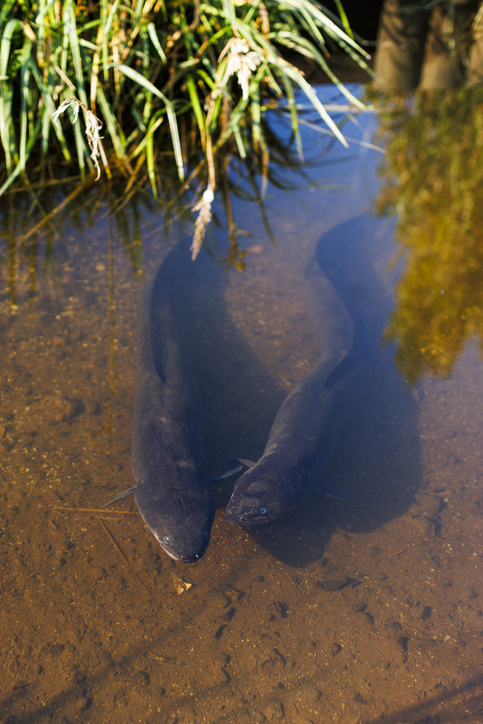
Three short documentaries on tuna and the health of their awa.
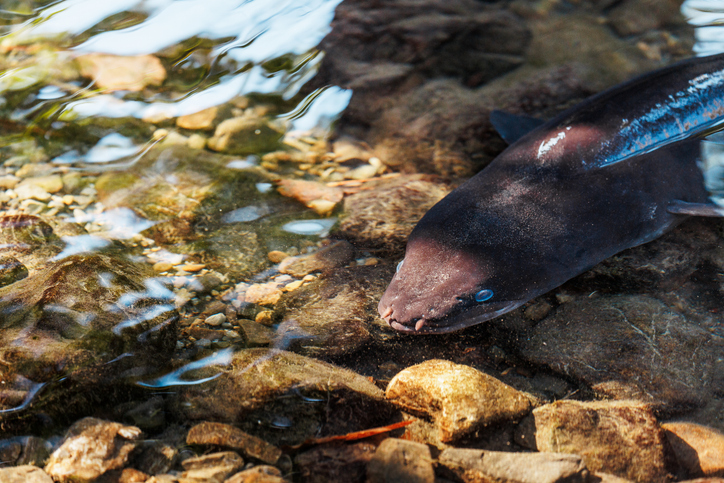
Tiaki Wai Fund supports Māori groups to protect and enhance their freshwater fisheries and cultural practices.
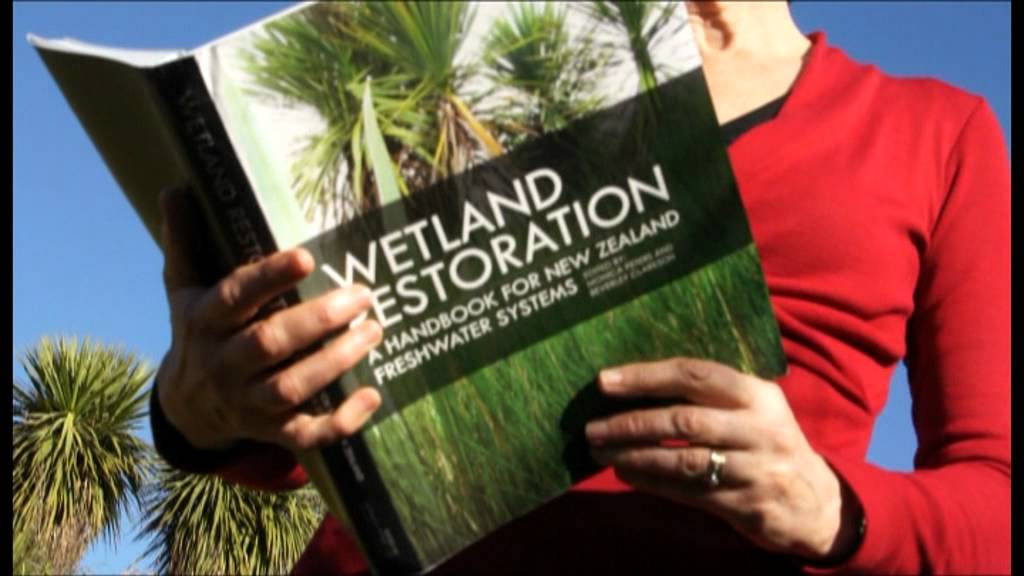
A guide to restoring New Zealand's freshwater wetlands with practical tips and beautiful images.
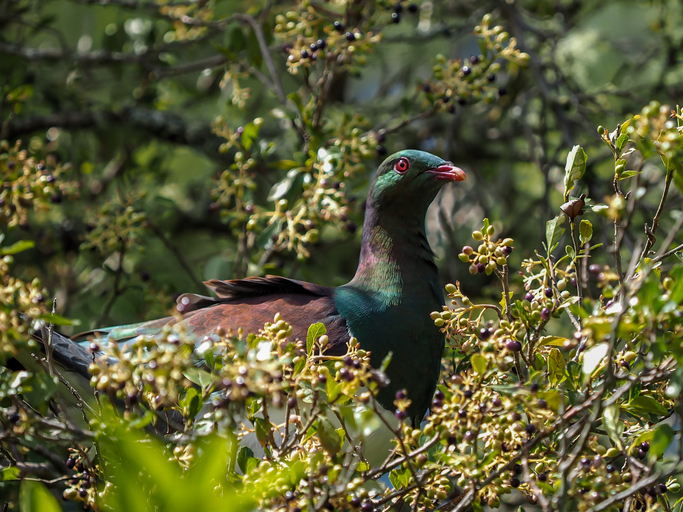
Learn about the Chatham Islands Landscape Restoration Trust's plan to restore Rēkohu/Wharekauri and Rangihauta/Pitt.
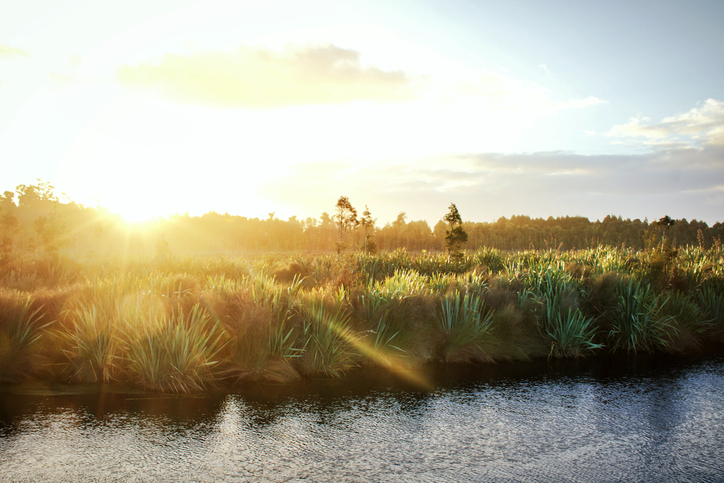
Learn how to plant and restore wetlands in New Zealand for better ecosystems.
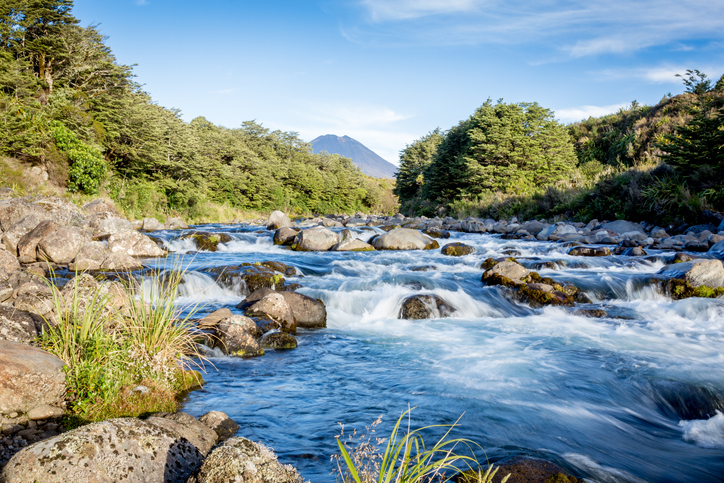
Explore how land use affects soil and water quality across New Zealand catchments.