Climate change myth busters
Climate
Adaptation
Biodiversity
Emissions reduction
Employment
Energy
Health and safety
Resilience
Sustainability
The UN debunks some of the most pervasive myths about climate change.
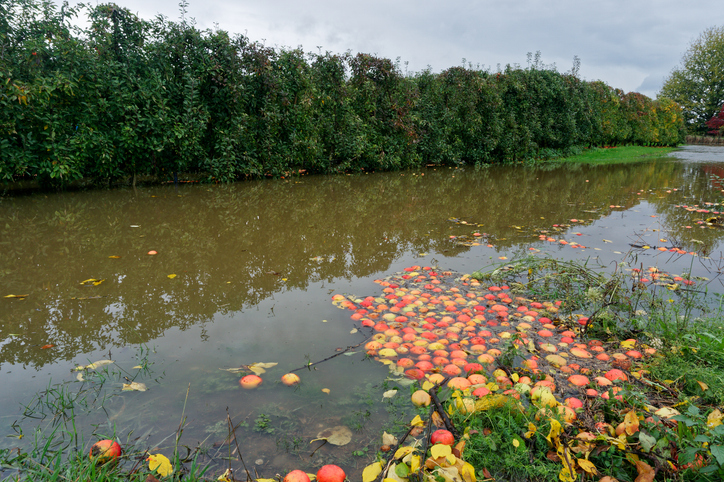
Climate change refers to long-term changes in temperatures and weather patterns. While some changes are natural, human activities, especially since the 1800s, have been the main cause. Burning fossil fuels like coal, oil, and gas releases greenhouse gases, which trap heat and raise Earth's temperatures.
The average surface temperature is now about 1.2°C warmer than in the late 1800s. This warming leads to serious issues like droughts, rising sea levels, and extreme weather events, impacting food production, health, and safety.
Taking action to cut emissions and adapt to these changes is vital. This can help protect livelihoods, improve resilience, and support the environment. Each effort contributes to a more sustainable future for all.
The UN debunks some of the most pervasive myths about climate change.
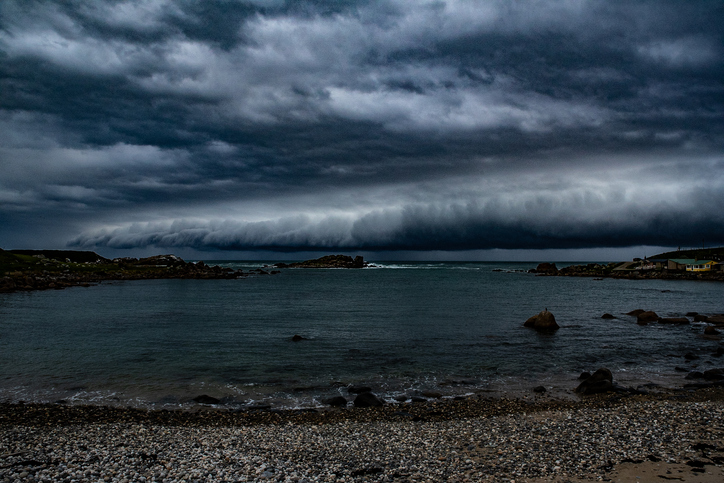
See different climate change scenarios for New Zealand and their potential impacts.
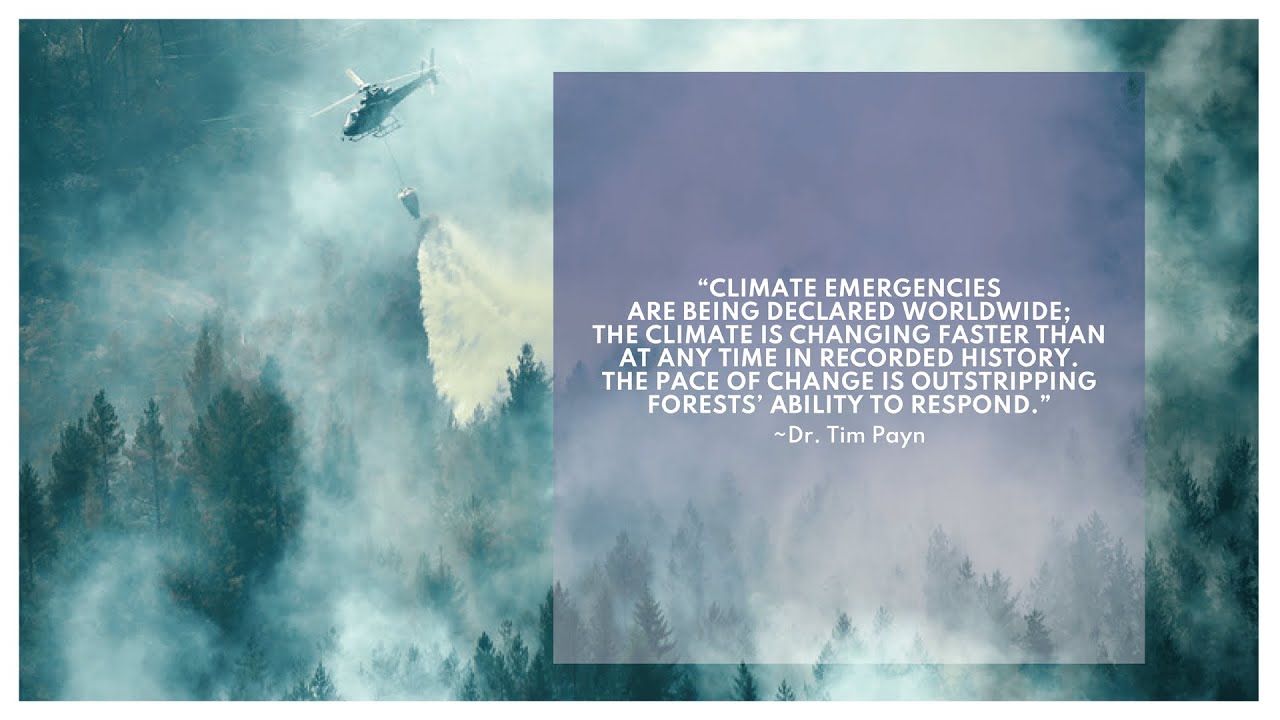
Hear about the effects of climate change on Aotearoa forests and learn strategies for resilience.
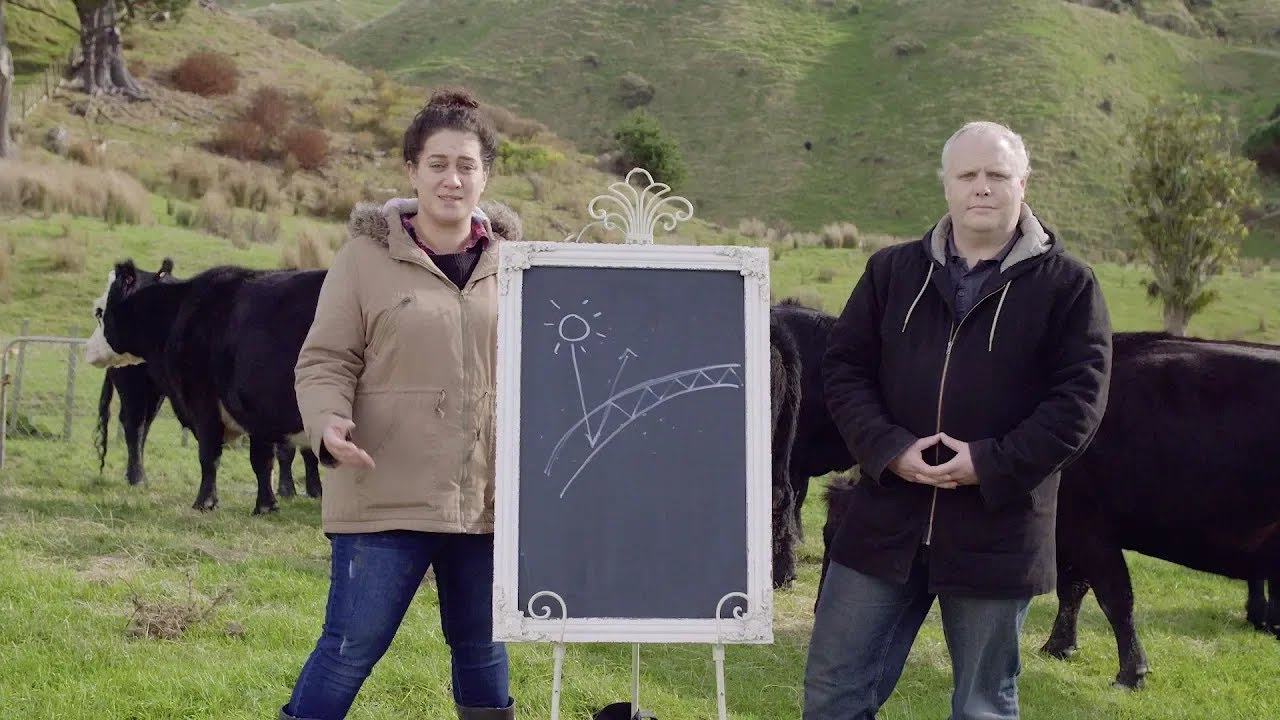
Learn how human actions change our climate and impact farming through greenhouse gases.
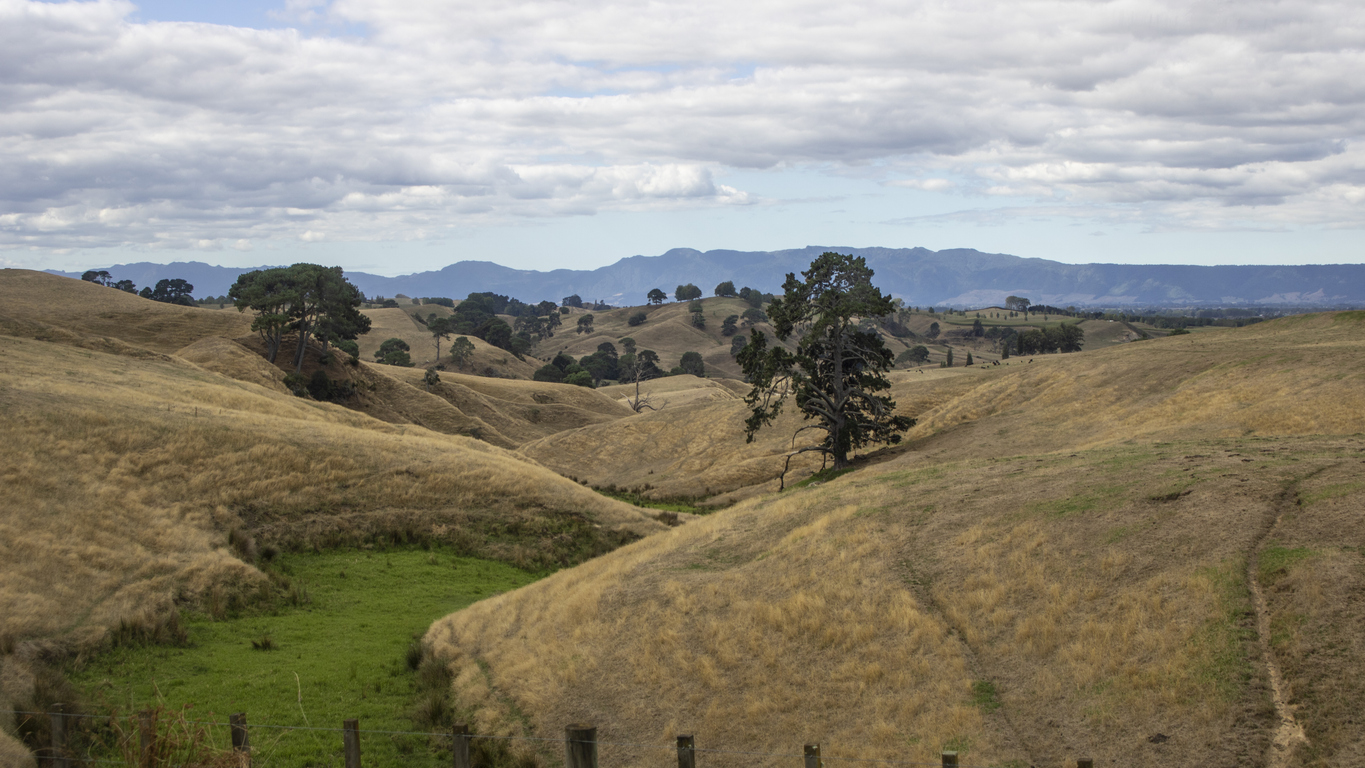
Learn about how climate change will impact Waikato and what communities can do.
Learn about New Zealand's climate action, emissions targets, and agricultural pricing strategy.
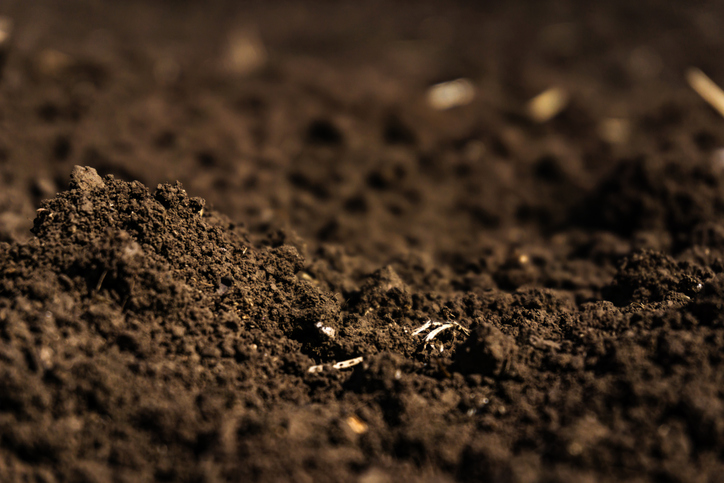
Learn how soil carbon impacts climate change and things you can do on your farm to offset your emissions.
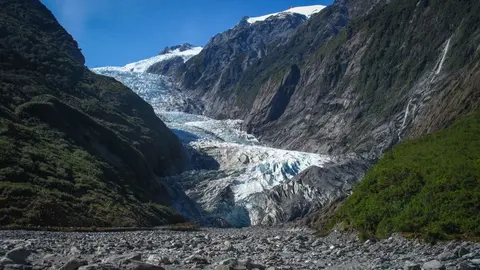
Learn how climate change works, through both science and te ao Māori.
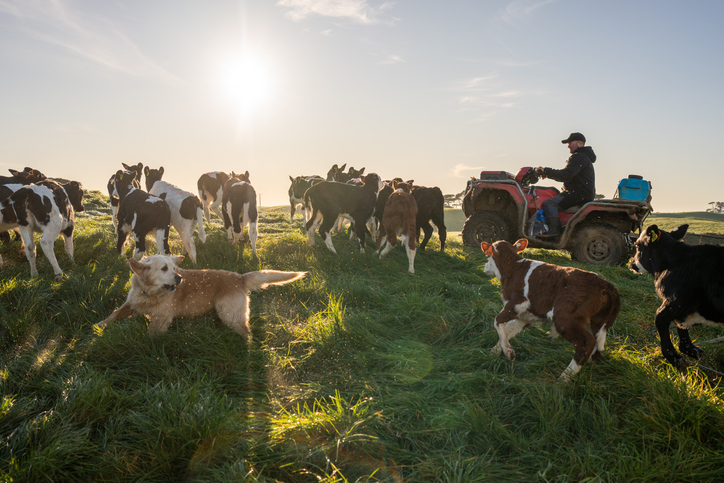
Understand how to reduce emissions and adapt to a changing climate on your farm.

Learn how to accurately calculate your vehicle's fuel economy and costs.

Explore the history and functions of the Māori Land Court over the last 150 years.
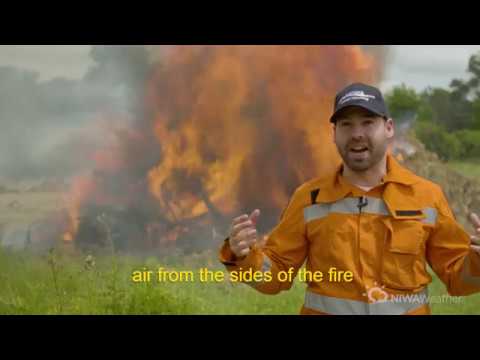
Learn more about what causes wildfires and how weather affects them.
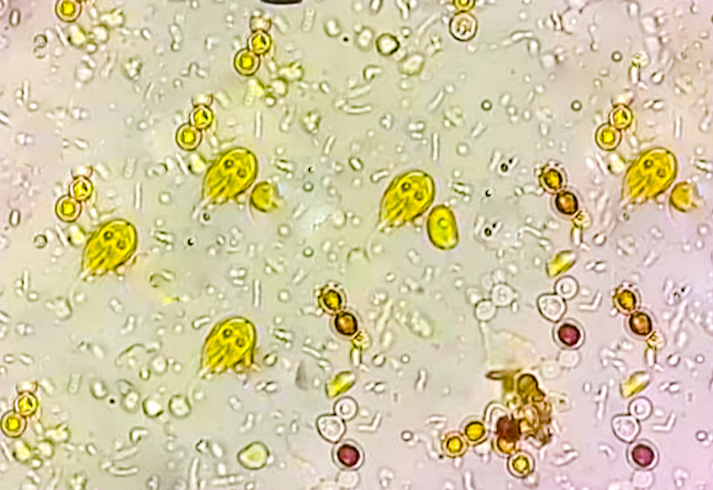
Learn about the impact of climate change on health conditions.
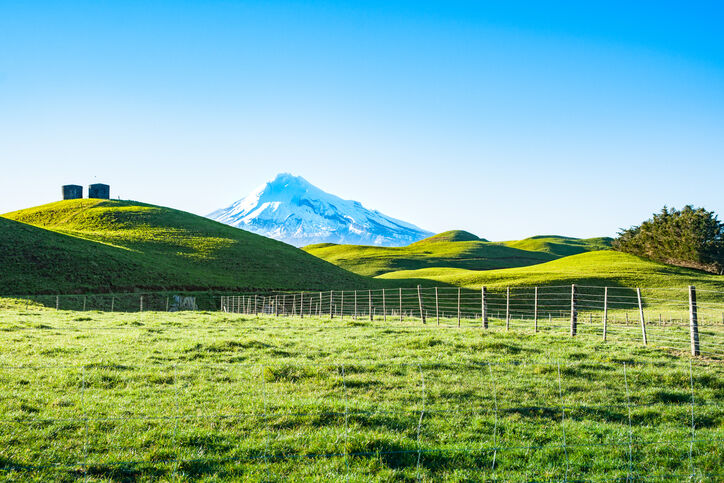
A report produced by NIWA, details climate change impacts and projections for Taranaki until 2100.
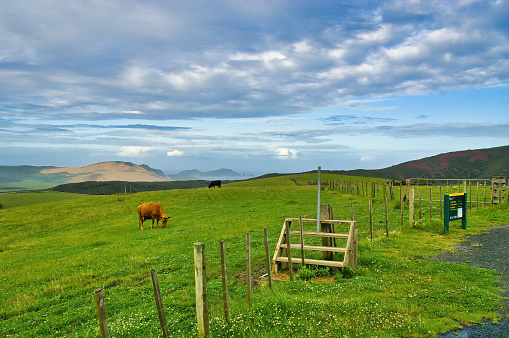
Learn about reducing methane emissions on your farm.
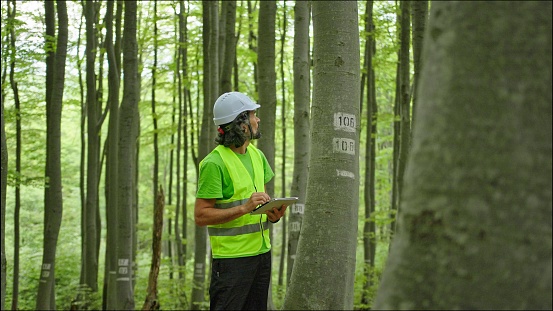
Discover how climate change could affect plantation forestry in Aotearoa.
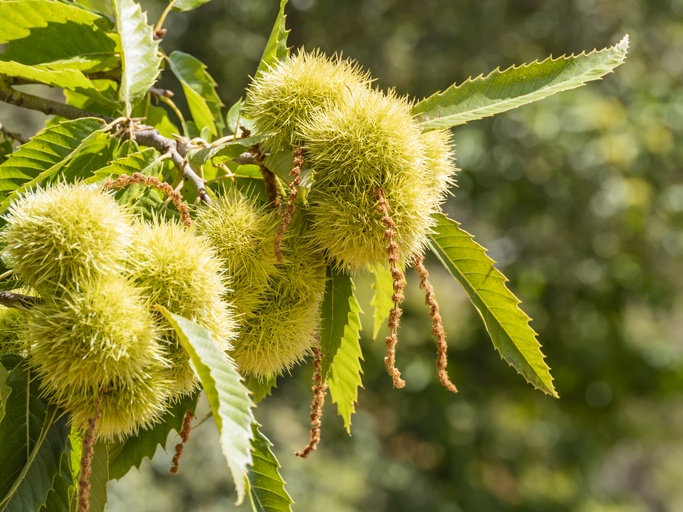
See how often frost and heat could threaten chestnuts in your rohe as the climate changes.
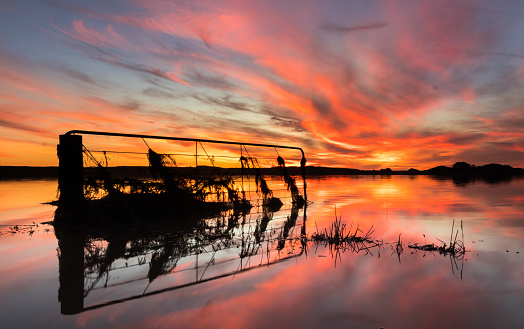
This report details climate change risks for New Zealand, focusing on key areas like coasts and freshwater.
Auckland faces climate change risks including rising temperatures, sea levels, and extreme weather.
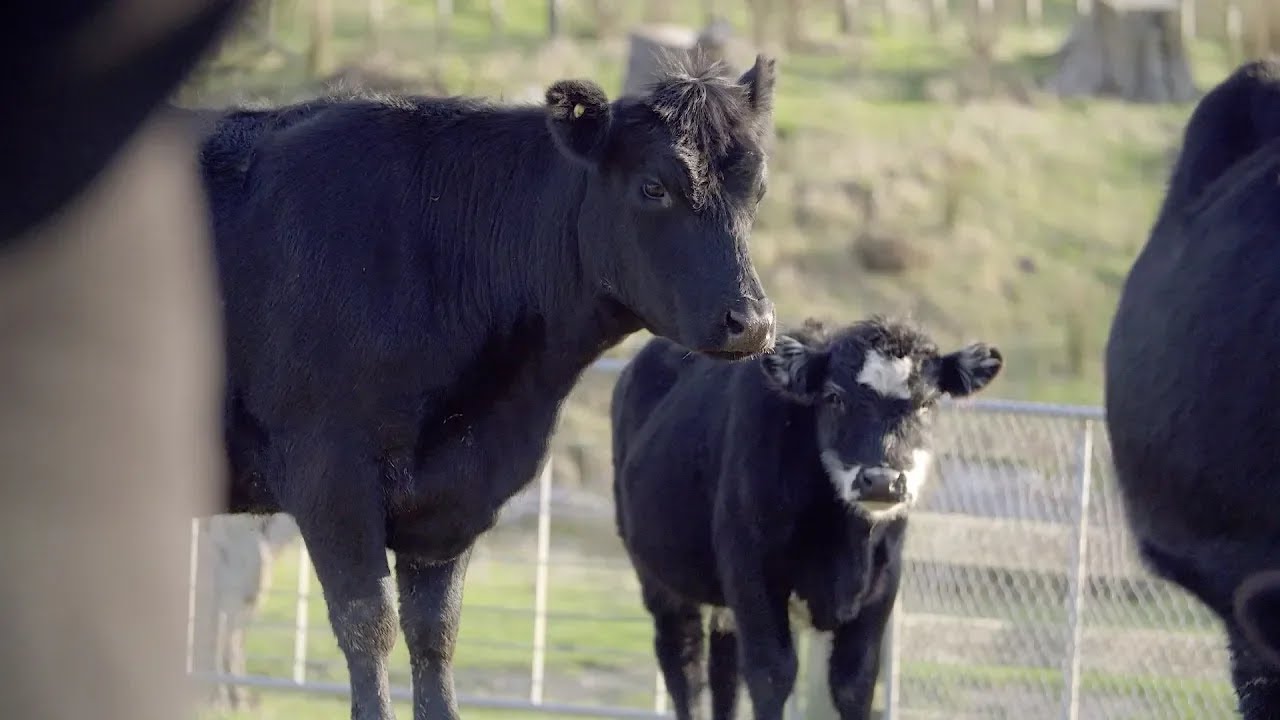
Learn about sources of methane and how it influences the climate.
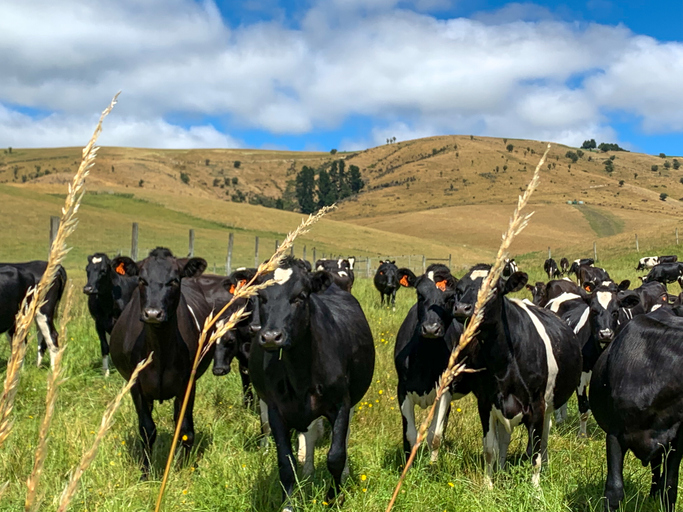
See how many hot days dairy cows in your rohe could face as the climate warms.
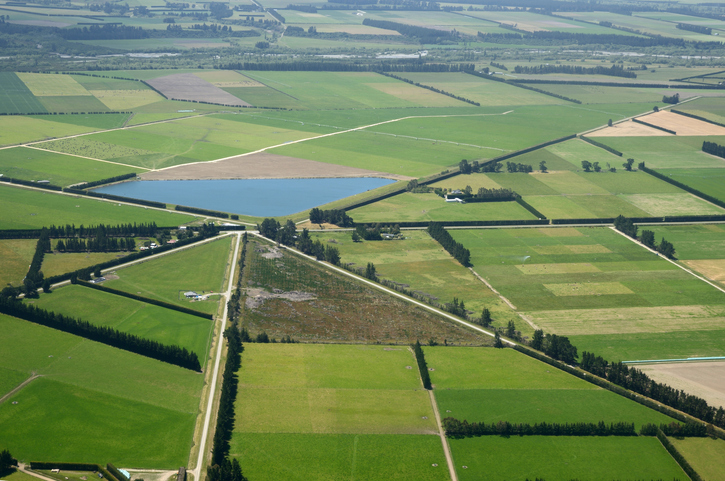
Learn about farming's impact on greenhouse gases and MPI's efforts to reduce emissions in New Zealand.
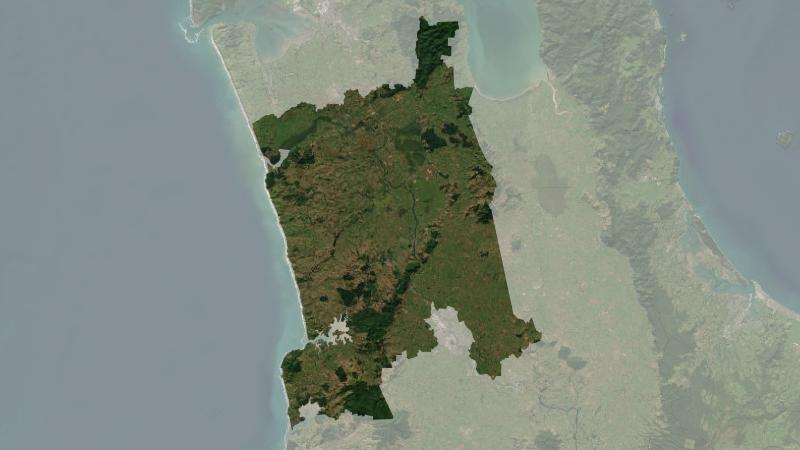
Understand climate event and variability trends for Waikato District.