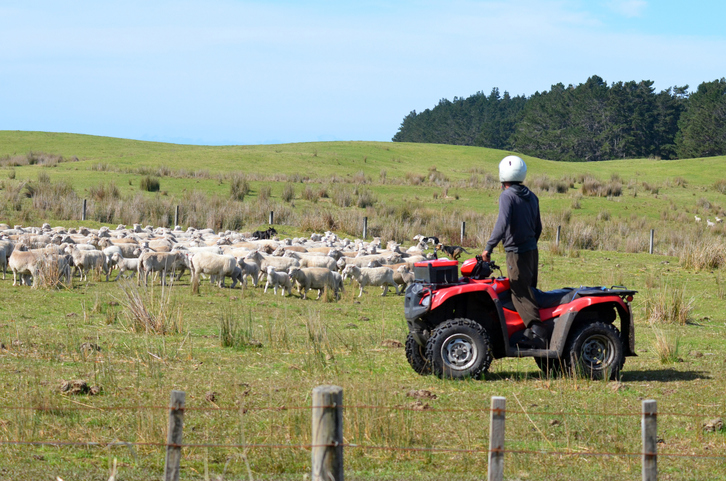
What we are doing to reduce New Zealand’s agricultural greenhouse gas emissions
Climate
Emissions reduction
Greenhouse gas
Livestock
Sustainability
This resource outlines methods to reduce agricultural greenhouse gas emissions in New Zealand.
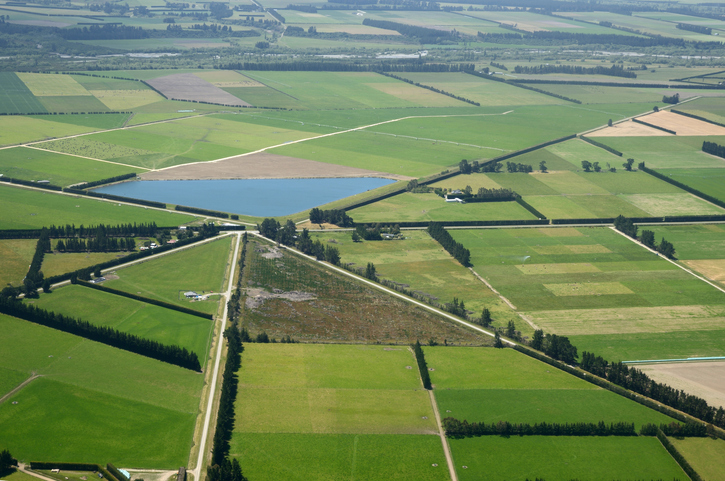
Agriculture contributes significantly to New Zealand's greenhouse gas emissions, mainly through methane from ruminants and nitrous oxide from fertilisers. The Ministry for Primary Industries (MPI) focuses on researching ways to mitigate these emissions while improving farming productivity.
Key initiatives include funding research programmes like the New Zealand Agricultural Greenhouse Gas Research Centre (NZAGRC) and enhancing emissions efficiency in farming practices. Strategies for farmers include better feed management and establishing carbon sinks through forest planting.
This resource outlines methods to reduce agricultural greenhouse gas emissions in New Zealand.

Learn about methane in agriculture and how NZ ag researchers are trying to reduce emissions.
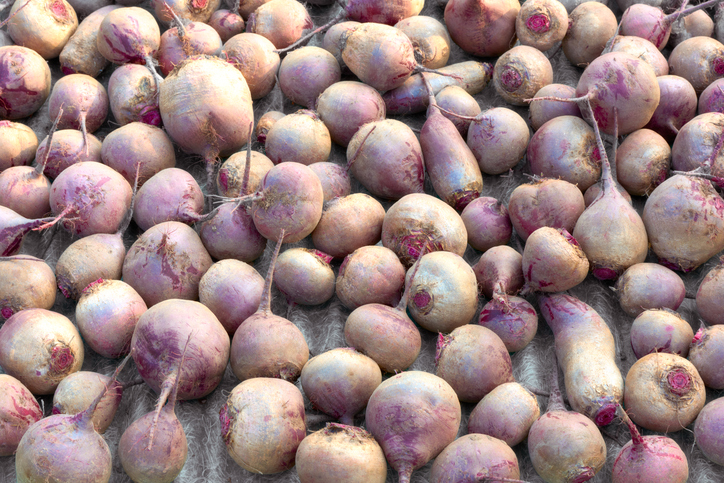
Research into different ways to reduce greenhouse gas emissions from New Zealand agriculture.
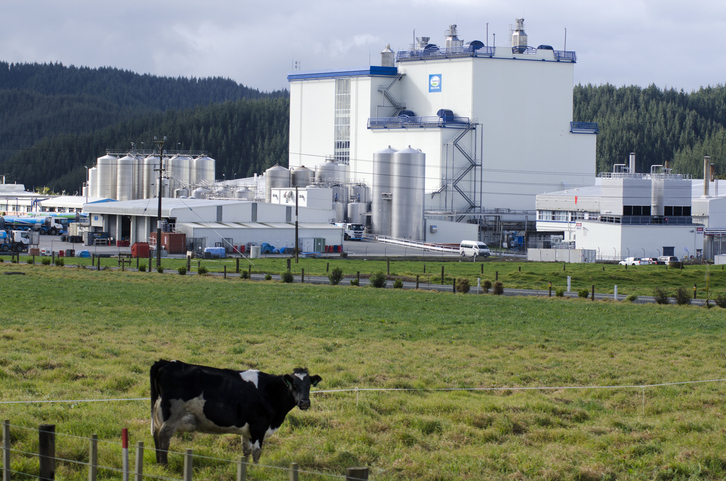
Learn how to manage greenhouse gas emissions on your farm.
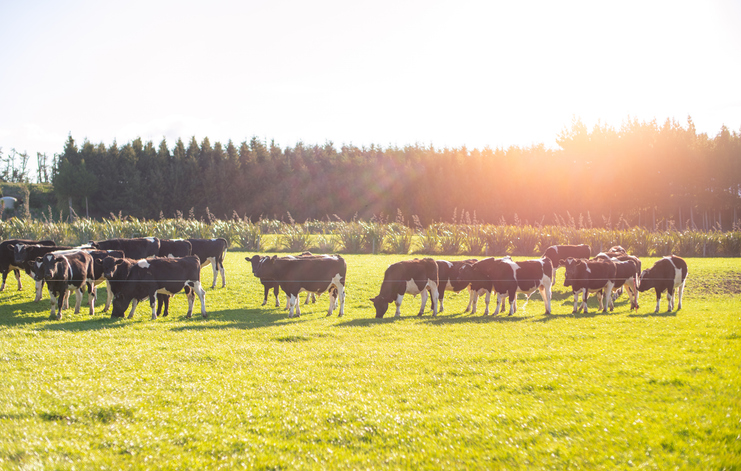
Learn about different on-farm solutions for reducing greenhouse gas emissions from dairy farms.
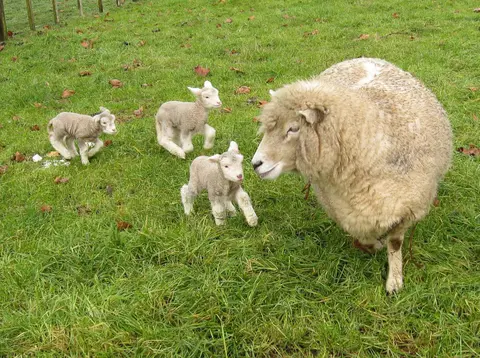
This report explores future options to reduce agricultural greenhouse gas emissions in New Zealand.
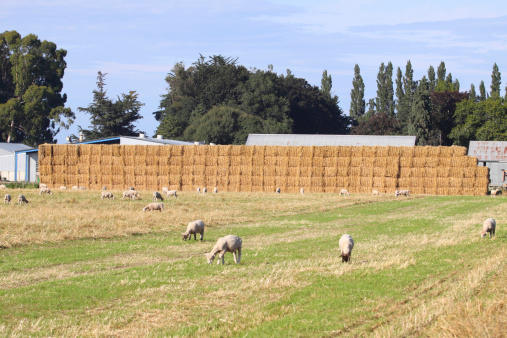
Learn how NZ's sheep and beef farms are improving efficiency while reducing greenhouse gas emissions.
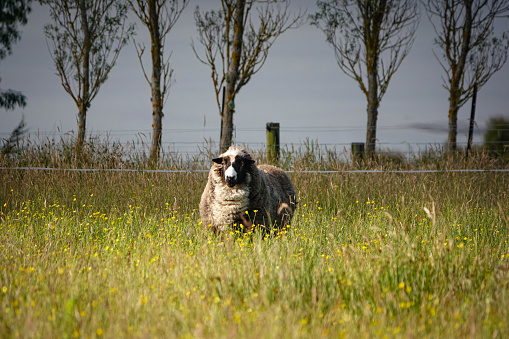
Research about reducing greenhouse gas emissions on Māori farms in New Zealand.
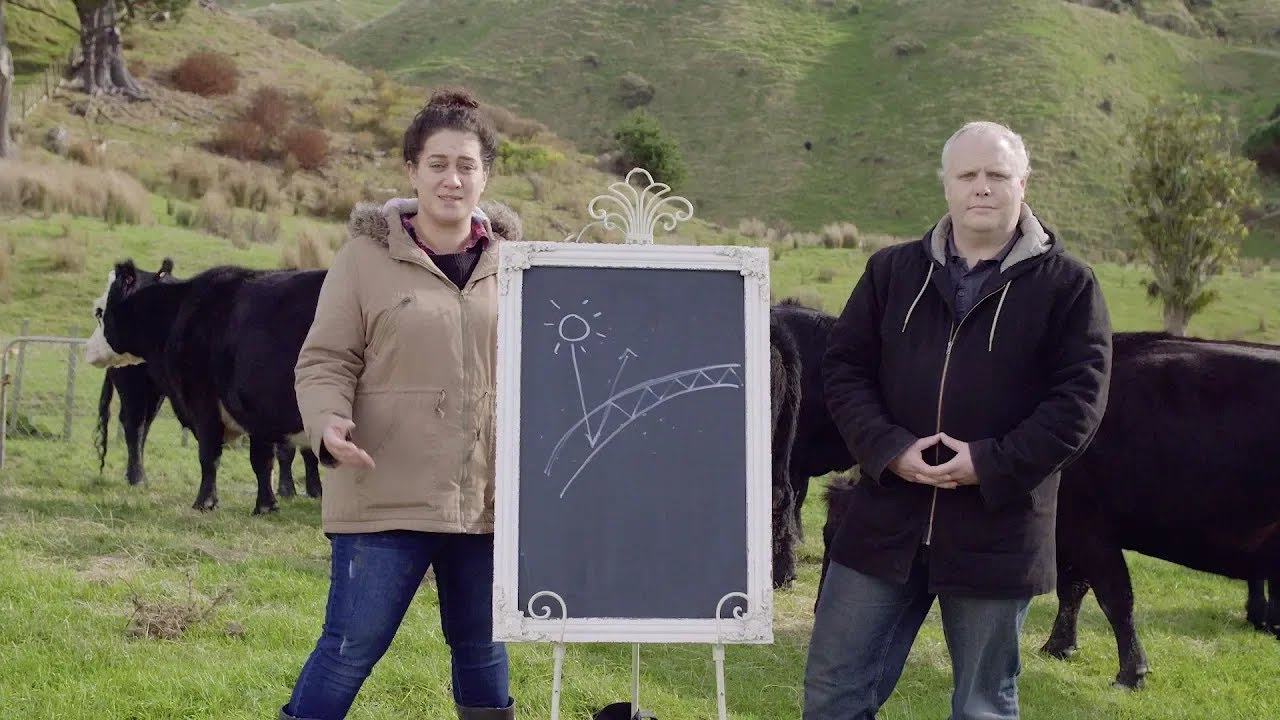
Learn how human actions change our climate and impact farming through greenhouse gases.
Get funding to improve your practices and sustainability.
SFF Futures funds innovative projects in New Zealand's food and fibre sector.
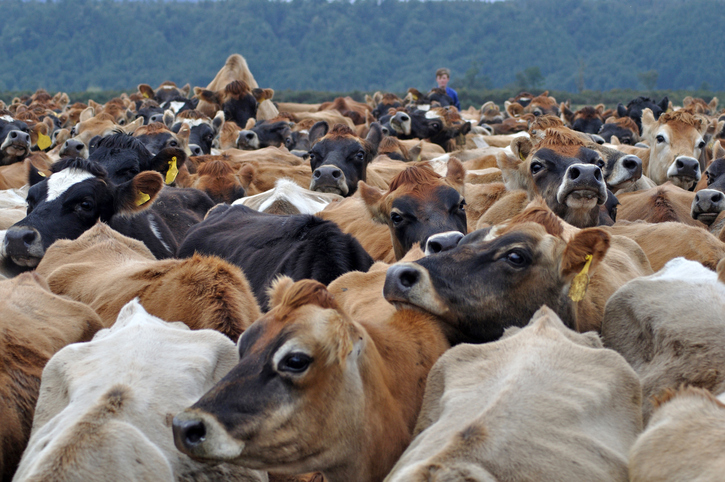
Learn how dairy farmers in New Zealand can reduce greenhouse gas emissions effectively.
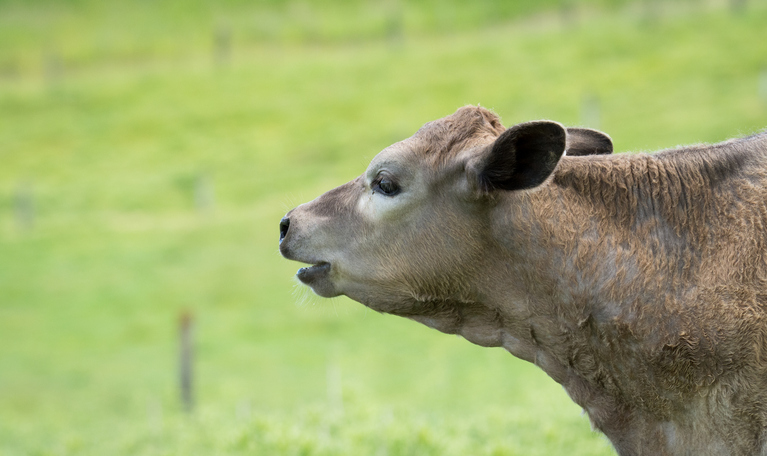
This resource discusses methane inhibitors to reduce greenhouse gas emissions from agriculture.
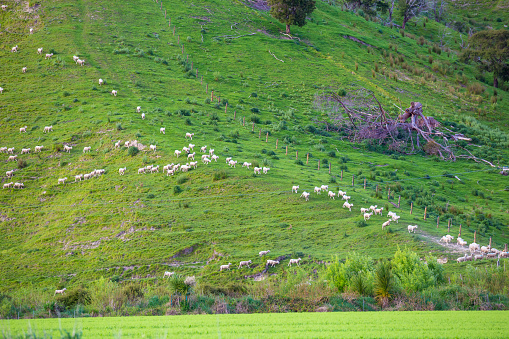
Browse Aotearoa agricultural greenhouse gas emissions reports by topic.

Learn about New Zealand's climate action, emissions targets, and agricultural pricing strategy.
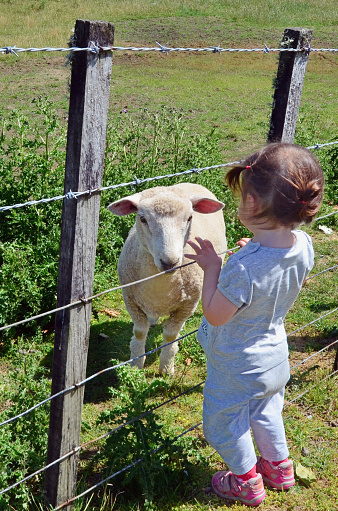
The science behind agricultural methan, nitrous oxide emissions, and climate change.
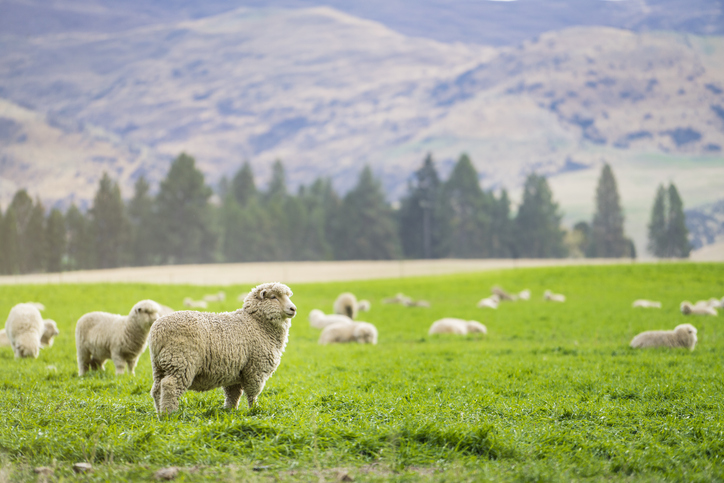
Training for rural professionals on climate change and agricultural geenhouse gas emissions in NZ.
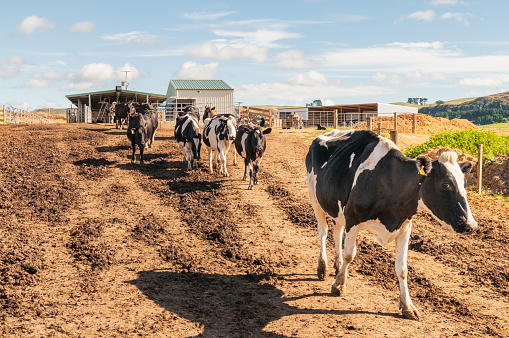
Get guidance on reducing emissions on your fairy farm.
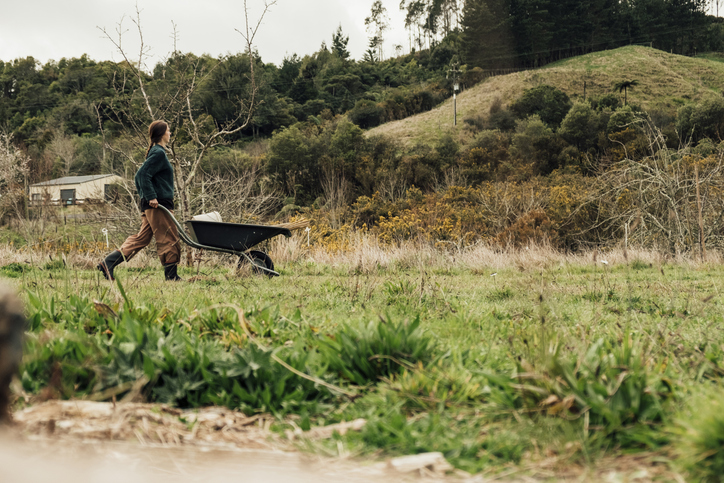
Read NZAGRC's recommendations
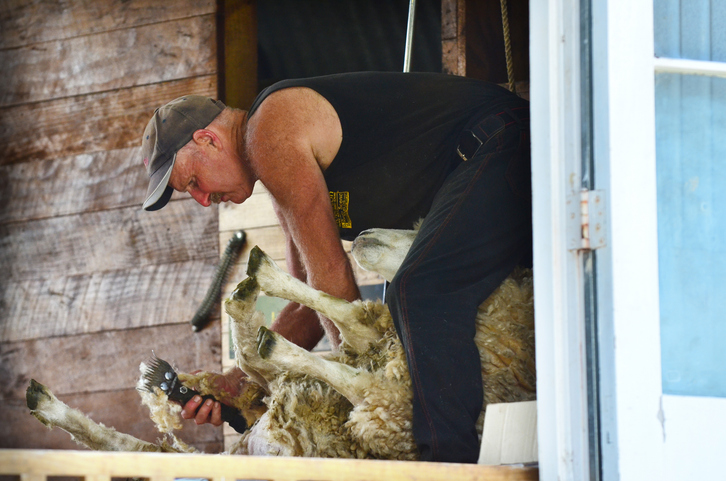
Learn how sheep and beef farms can reduce greenhouse gas emissions and improve profits.
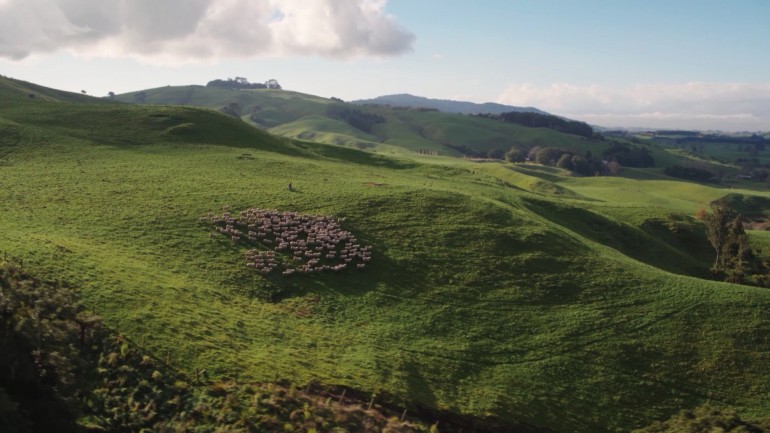
Learn ways to lower greenhouse gas emissions on your farm with practical steps and tips.
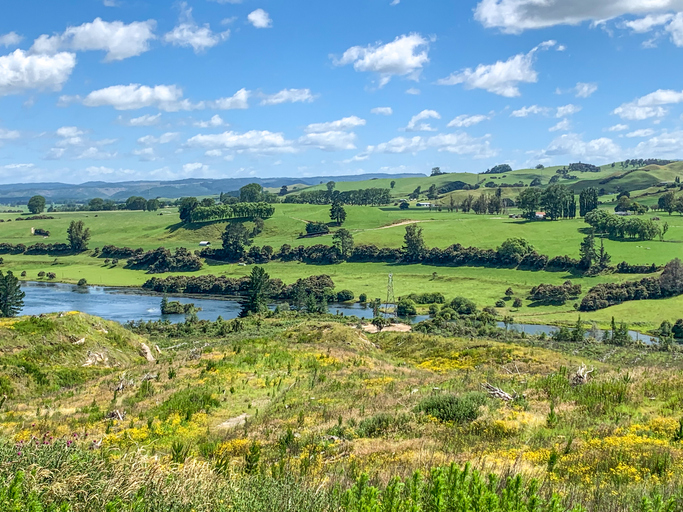
These reports break down Aotearoa's greenhouse gas emissions by sector and type.
Explore New Zealand's plans for reducing greenhouse gas emissions by 2050.