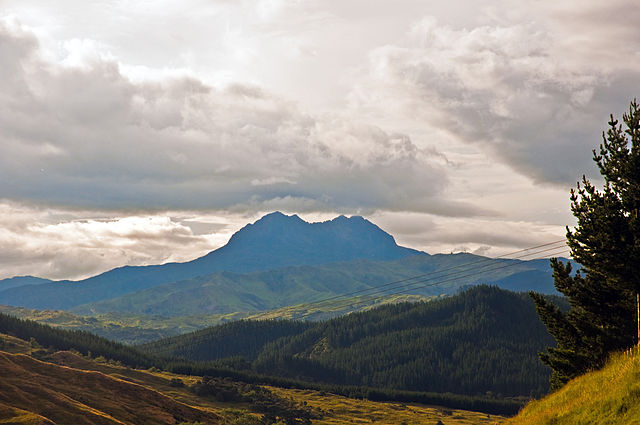
Restoring the Waiapu Catchment
Climate
Collaboration
Community
Erosion
Regeneration
Resilience
Sustainability
A long-term programme to restore the Waiapu River catchment.
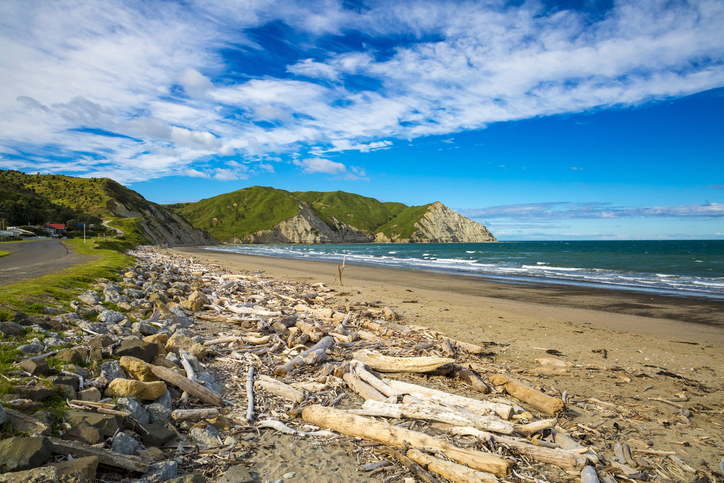
The Whangawehi Catchment Management Group is a community-driven project focused on improving water quality and protecting the natural environment of the Whangawehi catchment.
It started in 2011, when local concerns about wastewater and land use drew attention to the need for better management of land and water resources. The group includes local landowners and Tangata Whenua. Working together to create a Catchment Management Plan that supports the health of the Awa (river) and its surrounding habitats.
Community involvement is key to their efforts, including regular tree planting and pest control activities to enhance the ecosystem for everyone in the area.
A long-term programme to restore the Waiapu River catchment.
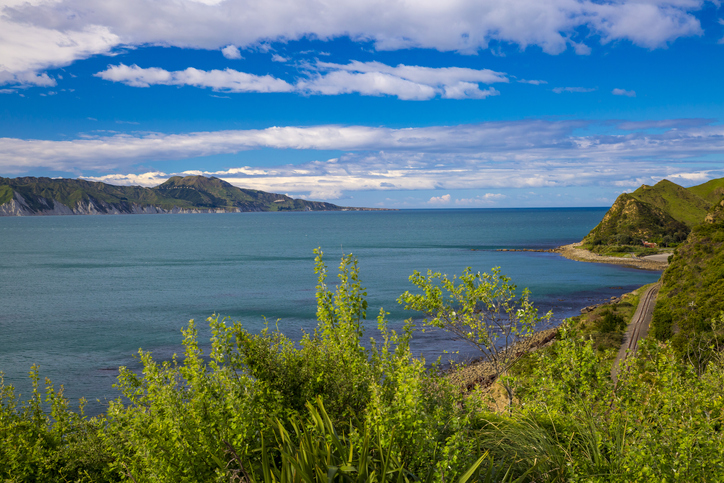
Learn how local groups improved the Whangawehi catchment and river health.

Thriving Southland supports local catchment groups to create a prosperous Southland.
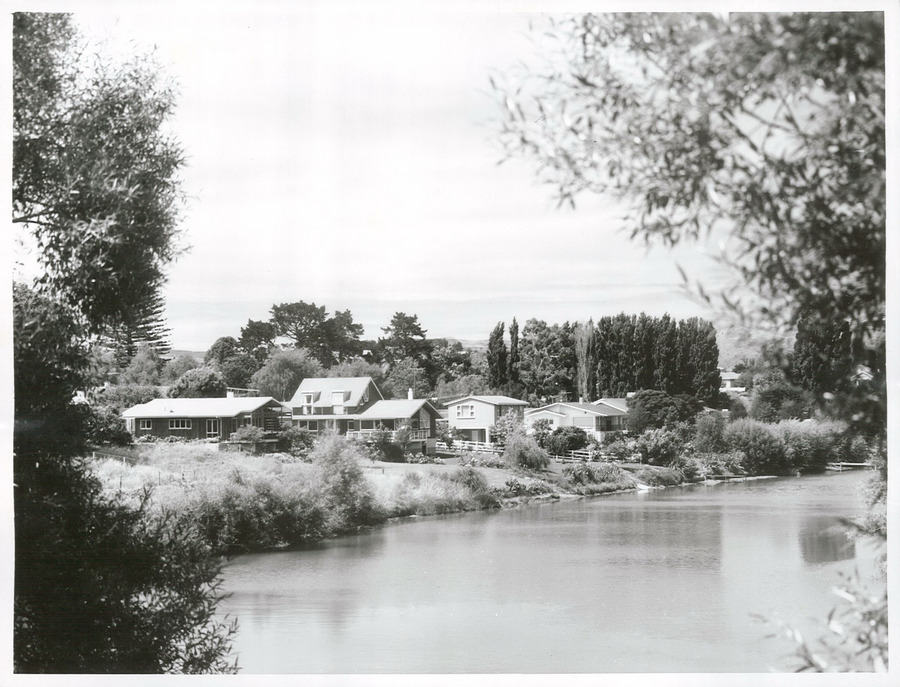
A project to restore the Waimatā River, focusing on ecology and community involvement.
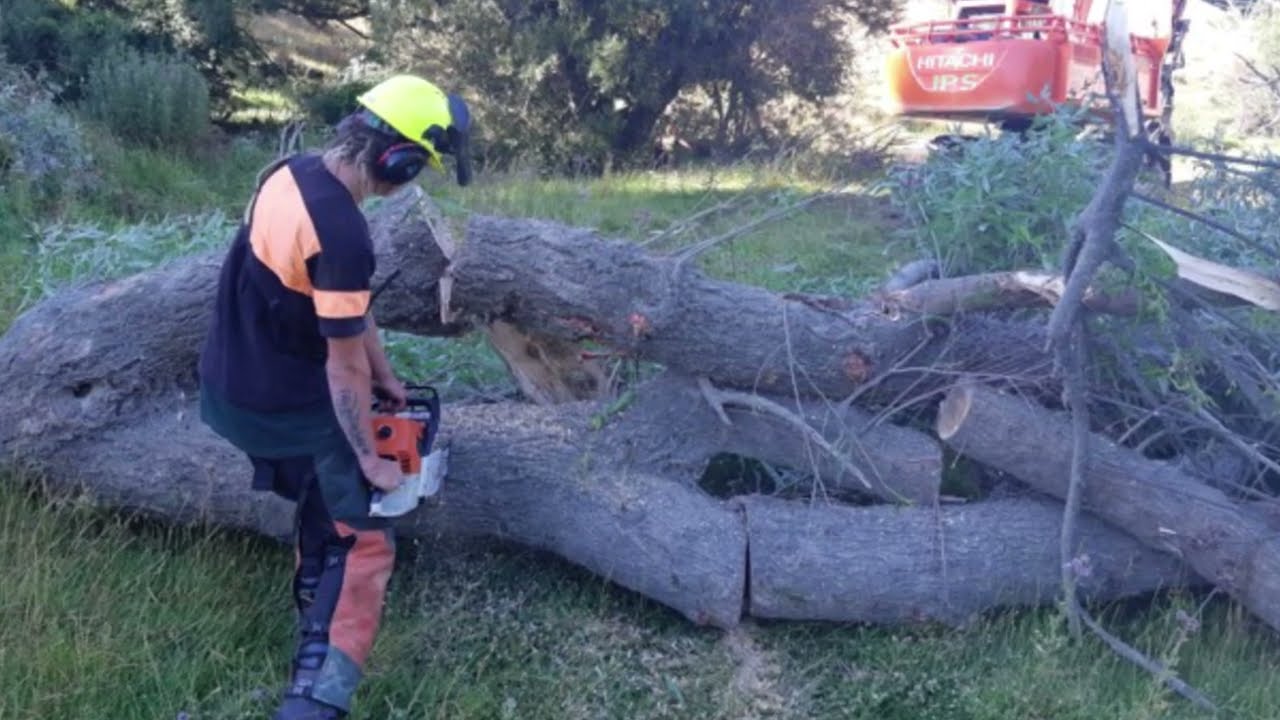
See how over 40 farms have worked together to improve the Wainuioru catchment.
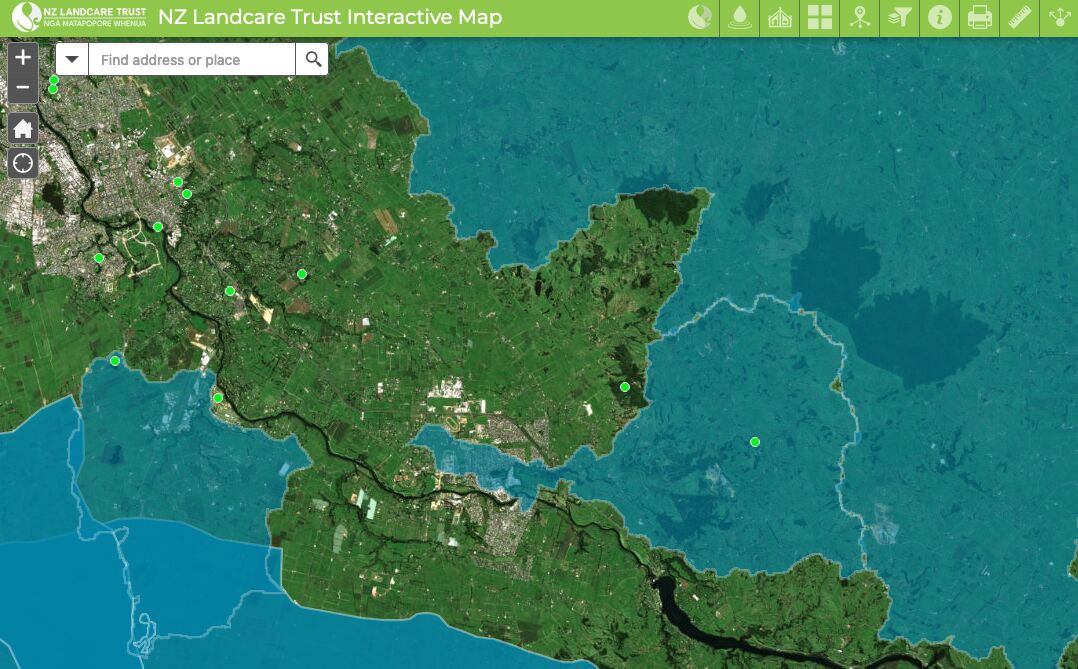
Find catchment and environmental groups and water quality data with this interactive map.
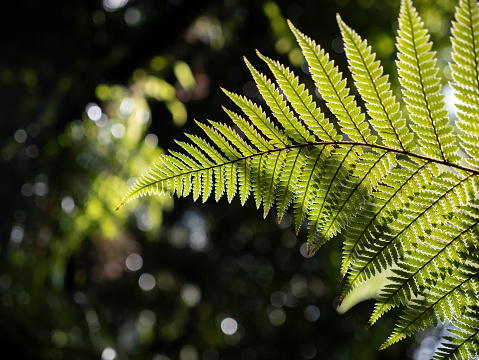
A research project on water-based land use for improving native fish habitats in New Zealand.
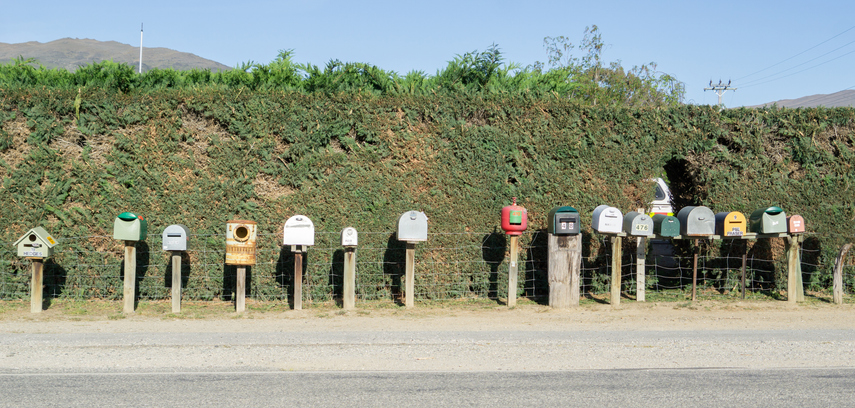
Learn how to start a Catchment Community Group with tips from other farmers.
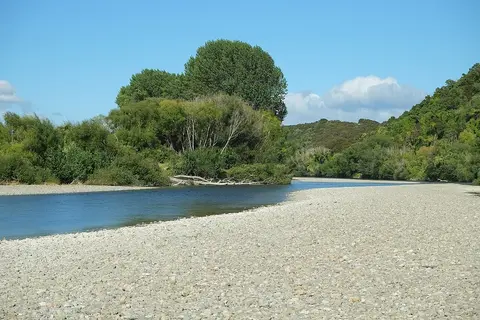
Learn how whaitua committees set the direction for freshwater in Wellington.
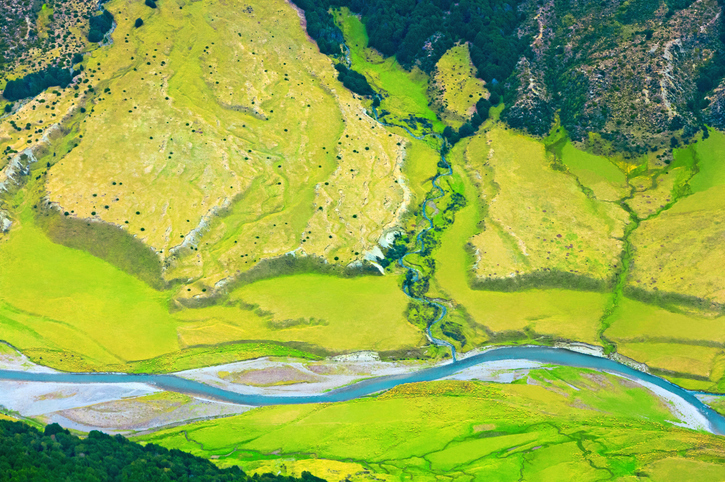
Learn how to start a catchment action group in your rohe.
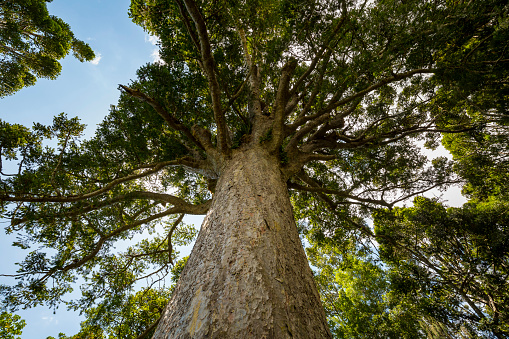
Guidance about how to choose between planting and natural regeneration for forest restoration.
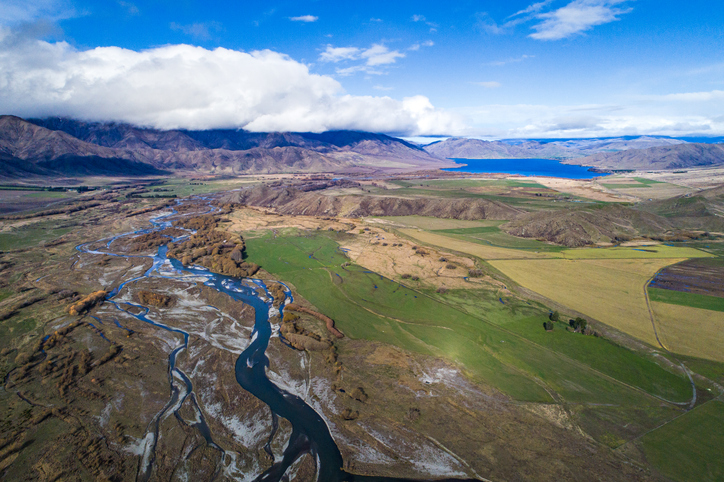
Learn about Te Mana o te Wai and its role in managing New Zealand's freshwater resources.
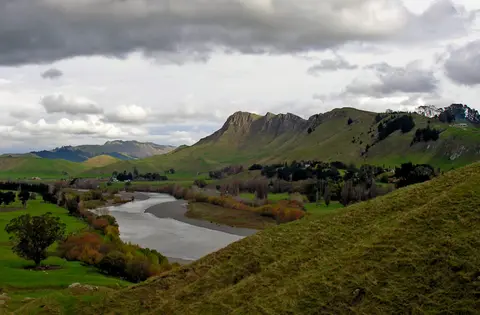
The first of the Tukituki sub-catchment groups, with a large wetland built to measure what it removes.
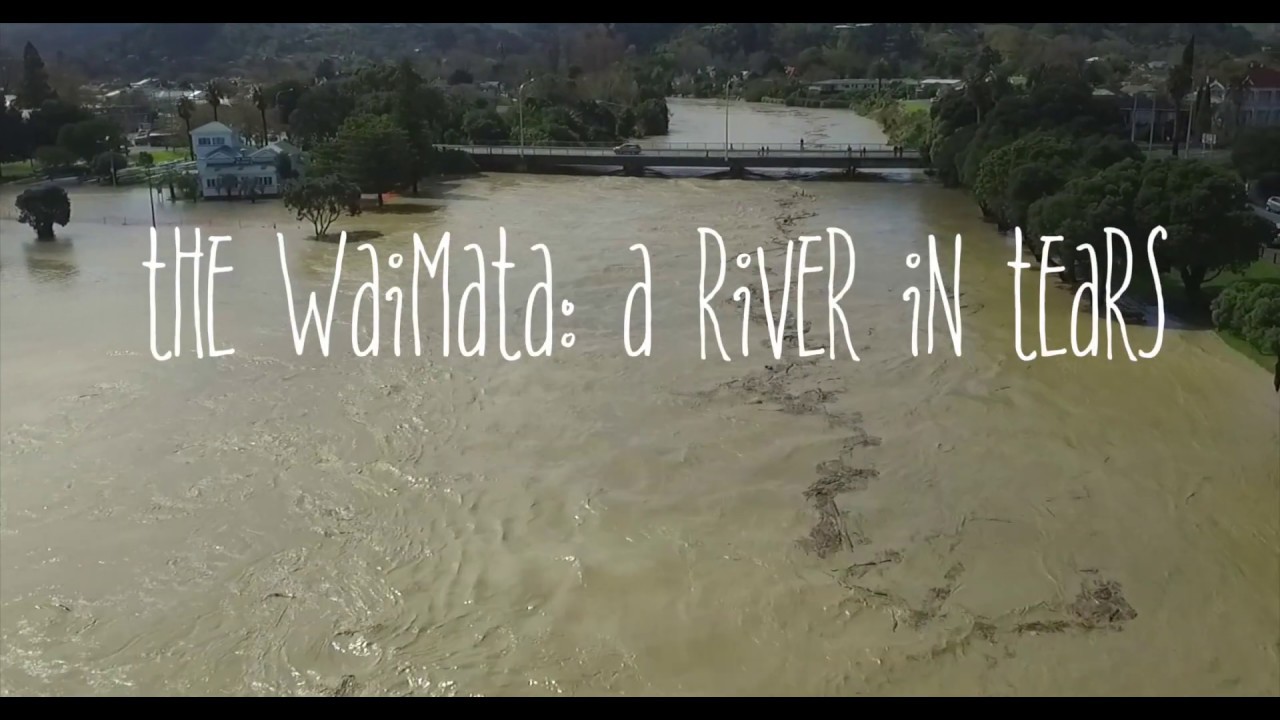
Waimata River faces severe erosion, pollution, and habitat loss from farming and logging.

Using radiometrics and local knowledge to map how Southland's landscape affects water quality.
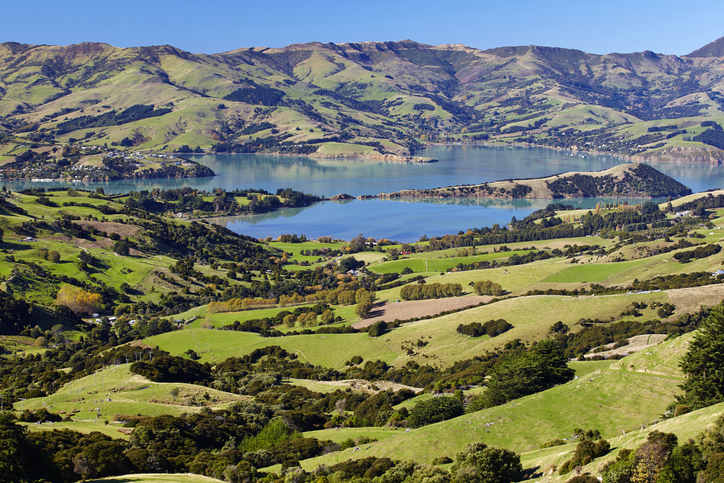
Te Kākahu Kahukura is a community-led project focused on restoring native forests on Banks Peninsula.
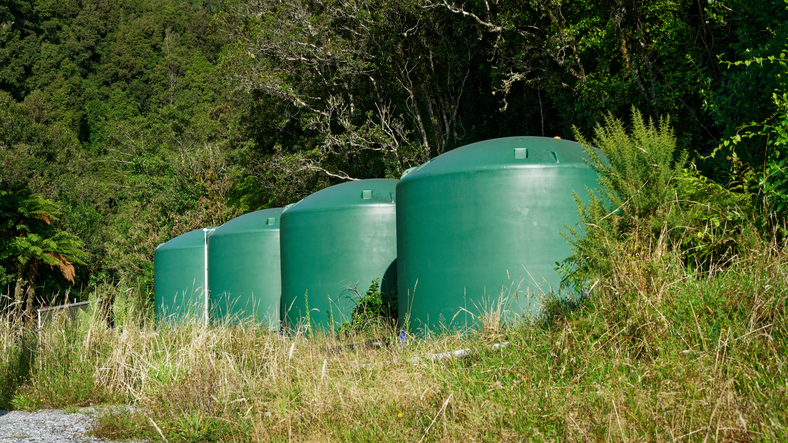
The Wairarapa Water Resilience Plan aims to address climate change effects on local water resources.
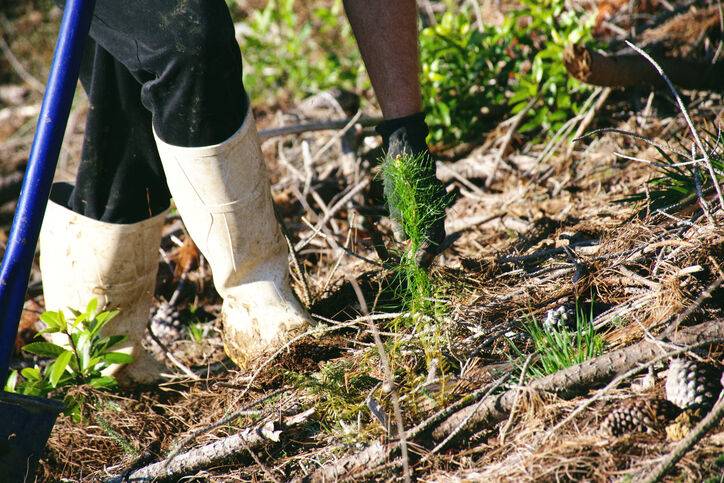
A case study about sustainable planting in Waimate, focusing on investment and wildlife habitats.
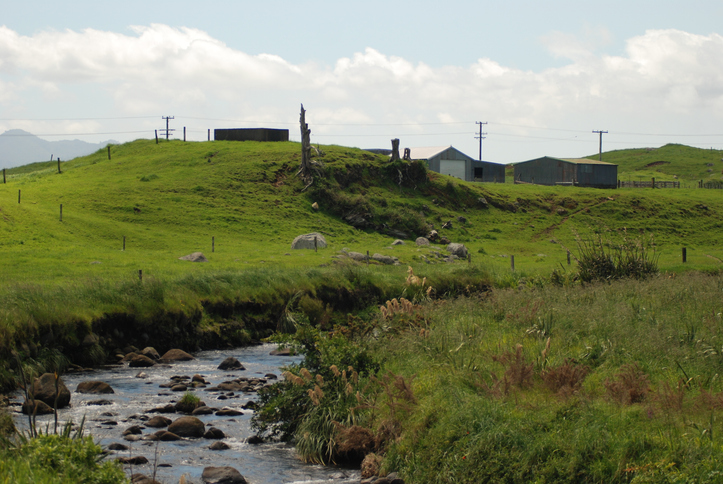
Get funding and advice to help protect and restore rivers on your whenua.
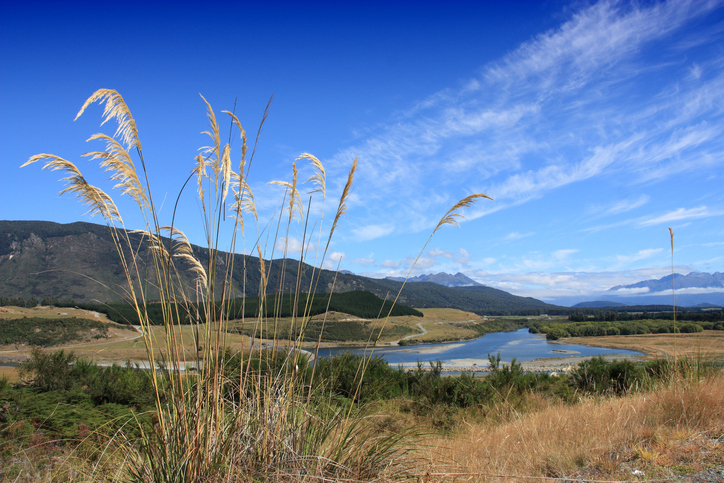
Factsheets about river catchments in Murihiku | Southland.
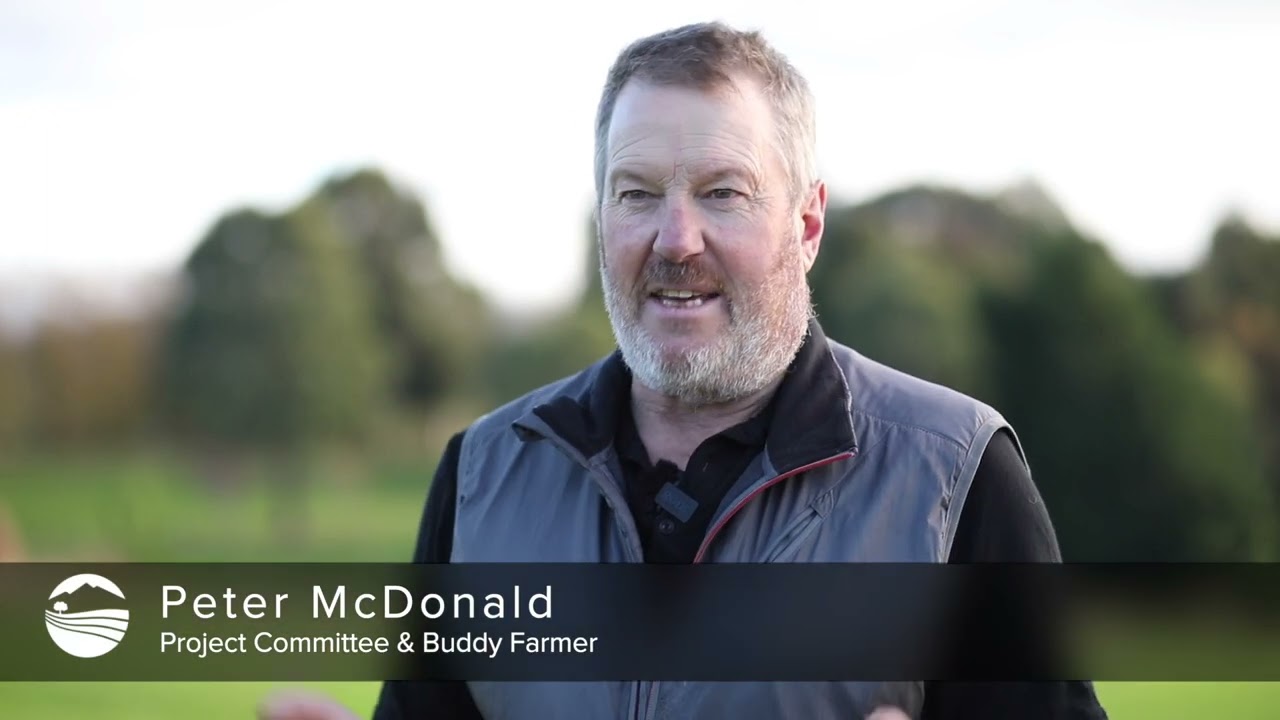
Learn about how a Dipton catchment group aims for carbon neutrality through farming changes and community support.
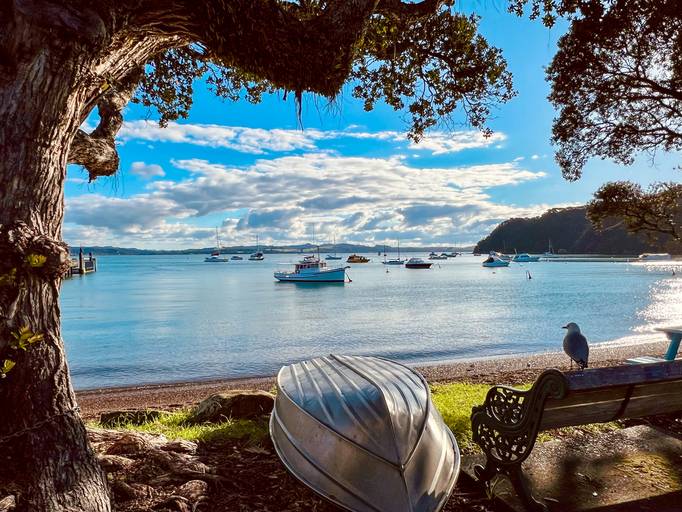
Te Tai Tokerau’s strategy tackles climate challenges with councils and Māori collaboration.
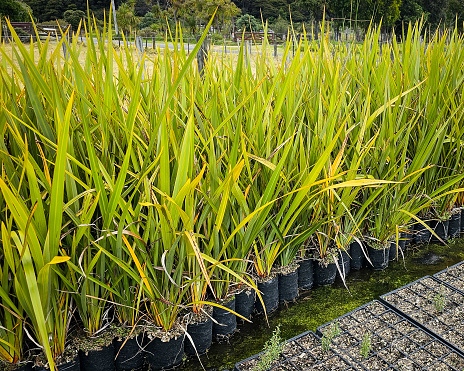
A programme supporting native forestry and sustainable management in Aotearoa.