Māori land owners' decision-making processes around native forest regeneration
This report explores how Māori landowners decide on native forest regeneration and carbon farming.
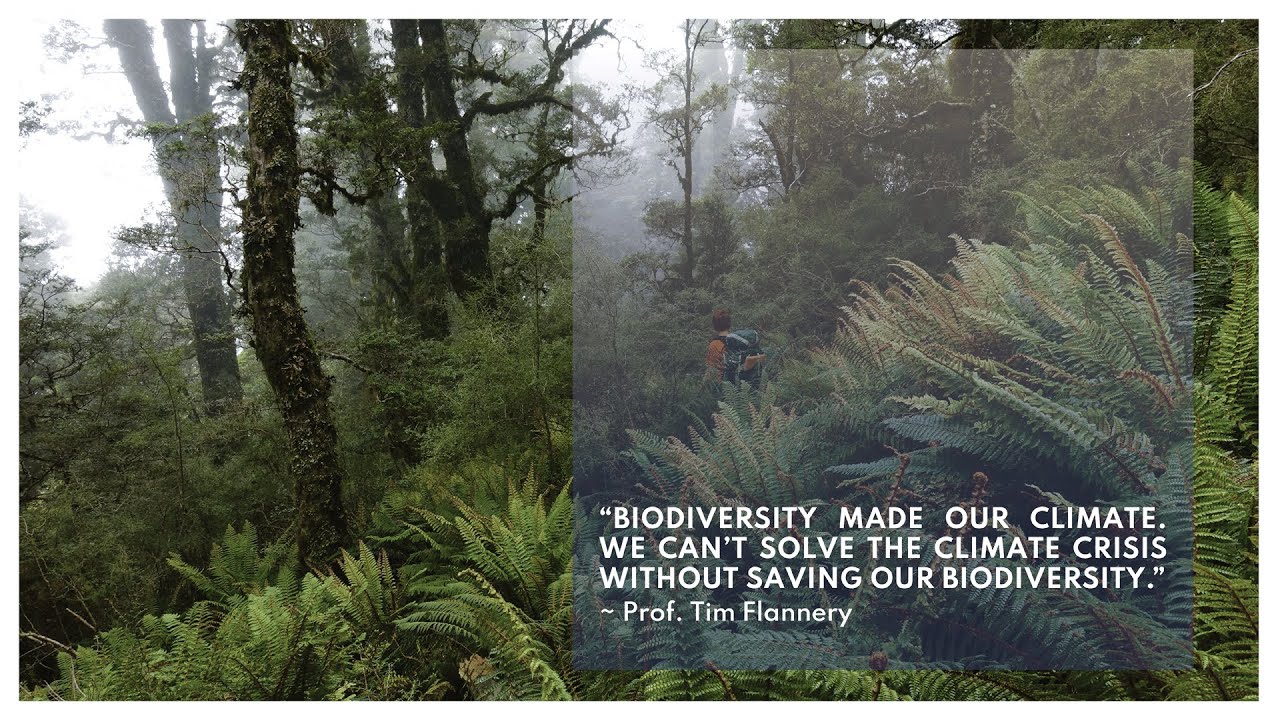
In this conference talk, Te Kapunga Dewes sets out a Māori view of carbon forestry and the Emissions Trading Scheme. He describes the goal of rebuilding native forests for biodiversity, water and soil health, and shows why keeping permanent exotic plantings (such as pine) in the ETS is seen as a vital funding bridge toward that goal.
The session covers land-use limits on hard hill country, the cost of planting natives, options for transitional “exotic-to-native” forests, and the principles of kaitiakitanga and rangatiratanga.

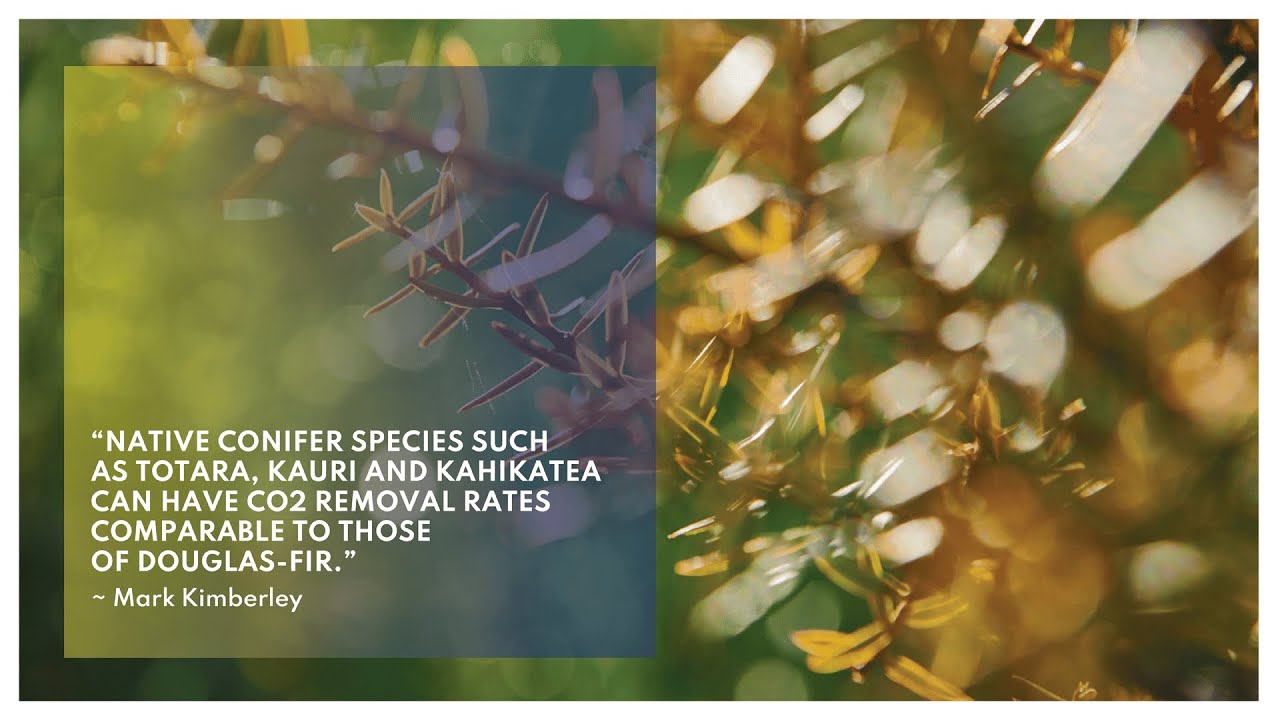
Find out about carbon sequestration rates in native forests and planting methods in New Zealand.

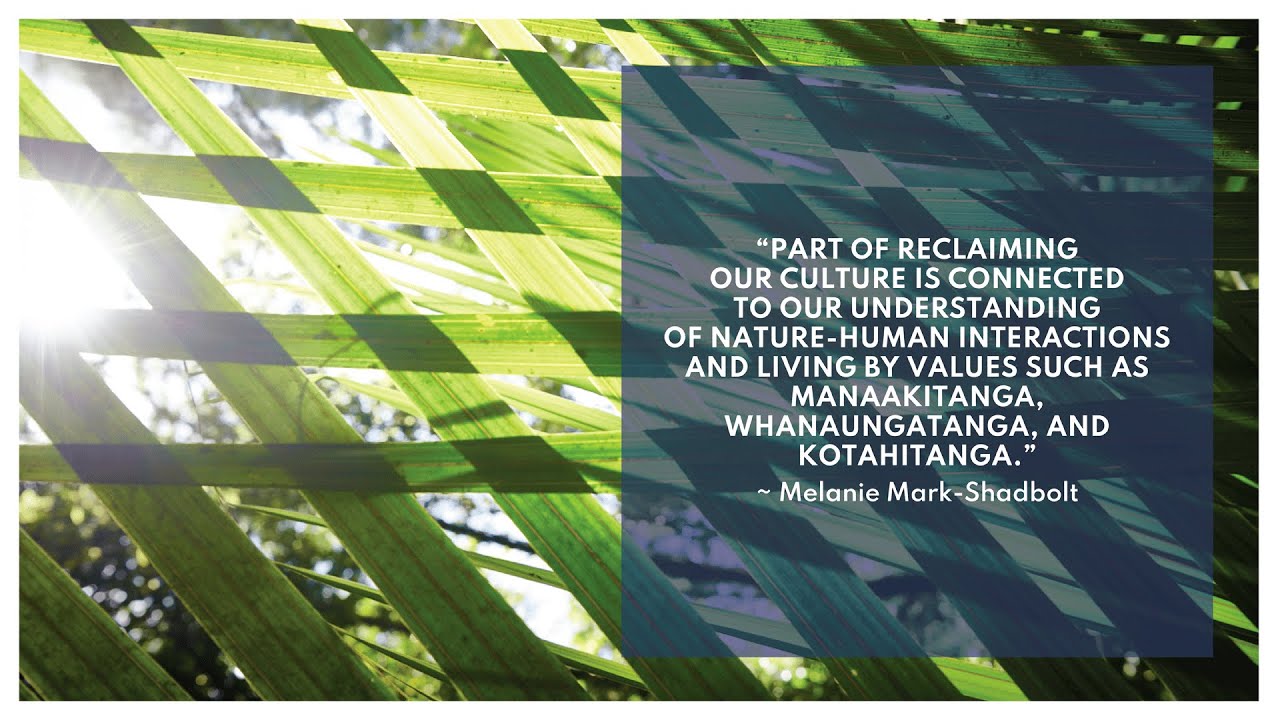
Find out about ao Māori perspectives on the importance of protecting native trees and forests in Aotearoa.

Jack Palmer discusses the urgent need for more trees and sustainable forestry in New Zealand.

Learn how tree planting on farms can earn carbon credits in the Emissions Trading Scheme (ETS).

This paper examines the risks and benefits of investing in permanent forests in Aotearoa.

How the ETS and carbon forestry apply to whenua Māori.

Learn about the role tree planting can play in reducing climate change impacts.

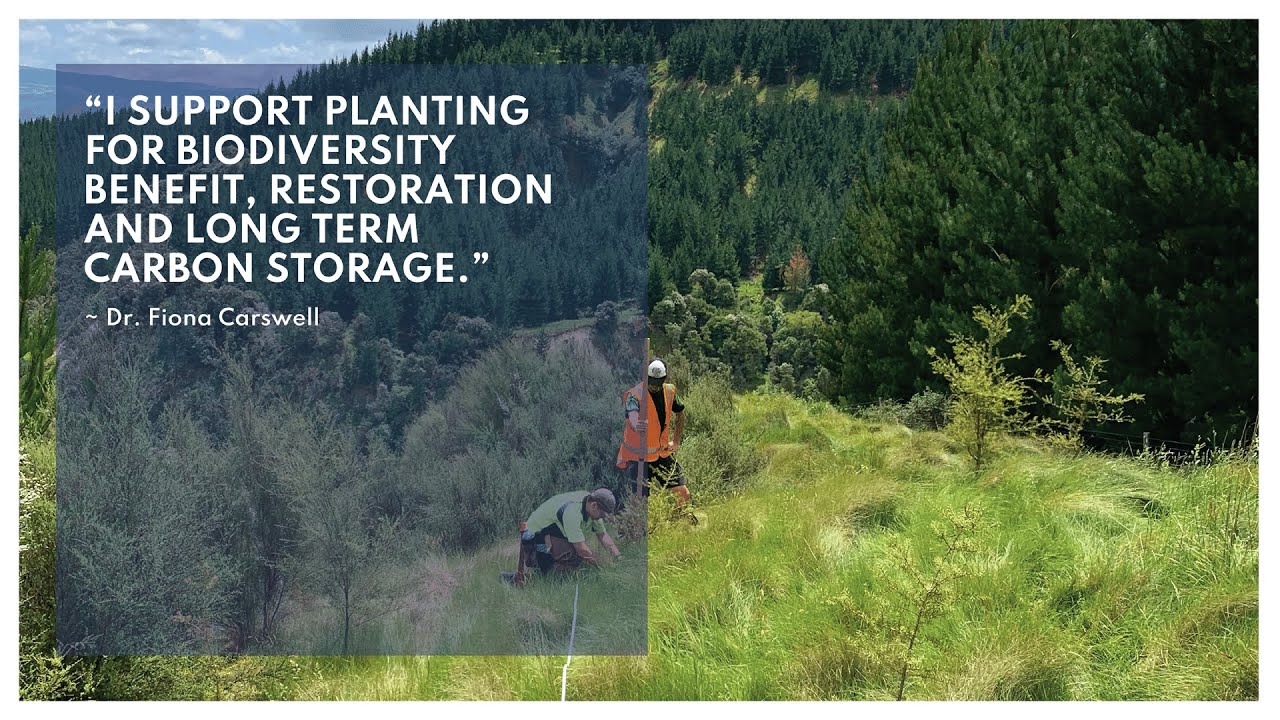
Fiona Carswell talks about how natural forest regeneration on marginal hill country can improve your farm's resilience.

Learn how farms can use trees for carbon credits to boost income while enhancing te Taiao.

Explore the potential of managing secondary native forests for timber production

Learn about joining the forestry section of New Zealand's Emissions Trading Scheme (ETS).

Understand the key considerations for land owners when considering entering the ETS.