Farming, kaitiakitanga, and environmental outcomes in Bay of Plenty
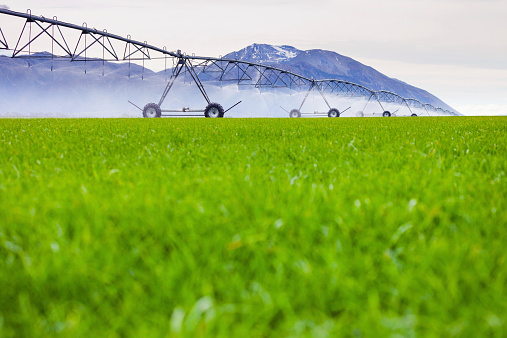
This case study explores what it means to farm in alignment with Māori values and how it can improve the environment.
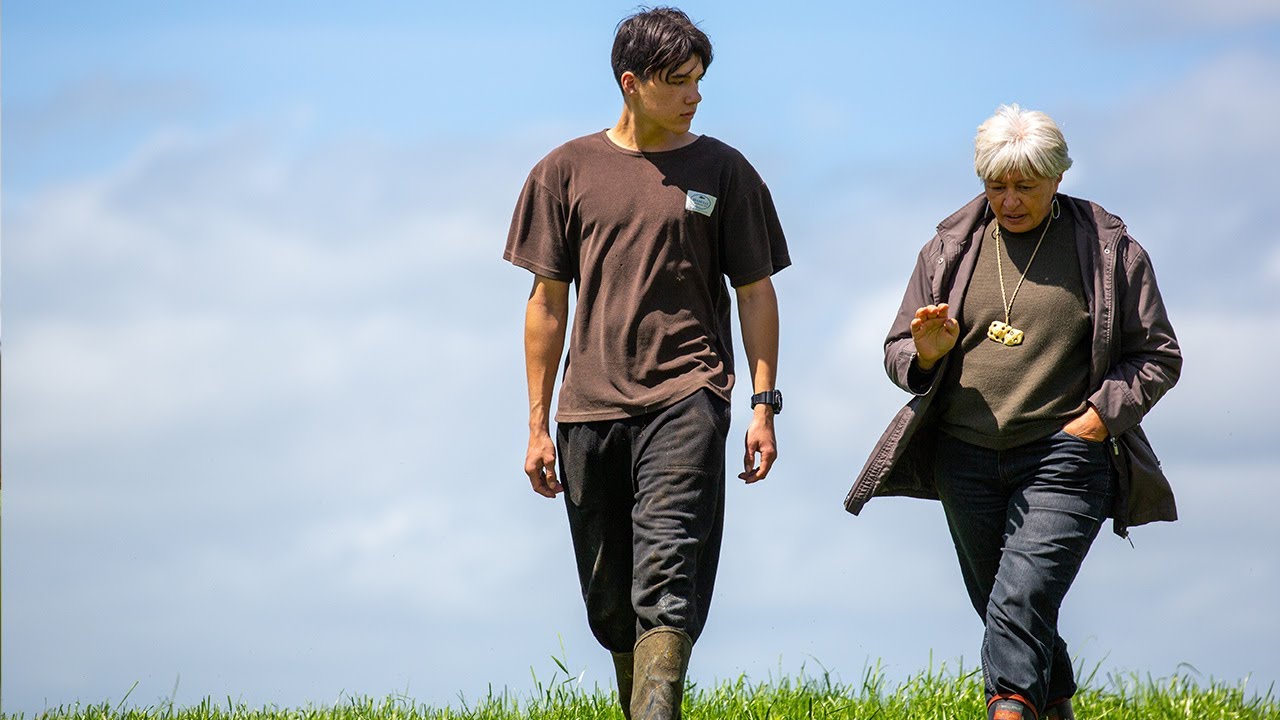
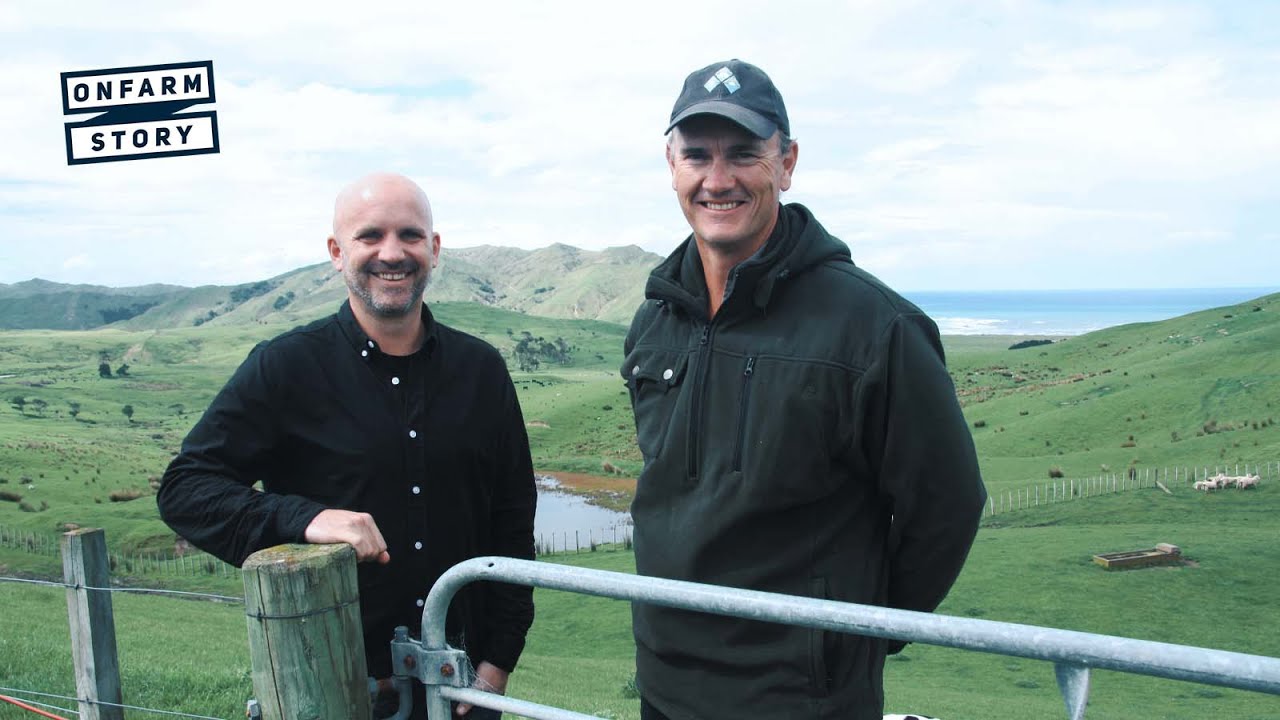
This BNZ-sponsored case study shares the story of the Ātihau farming collective, one of the country's largest Māori-managed agribusinesses.
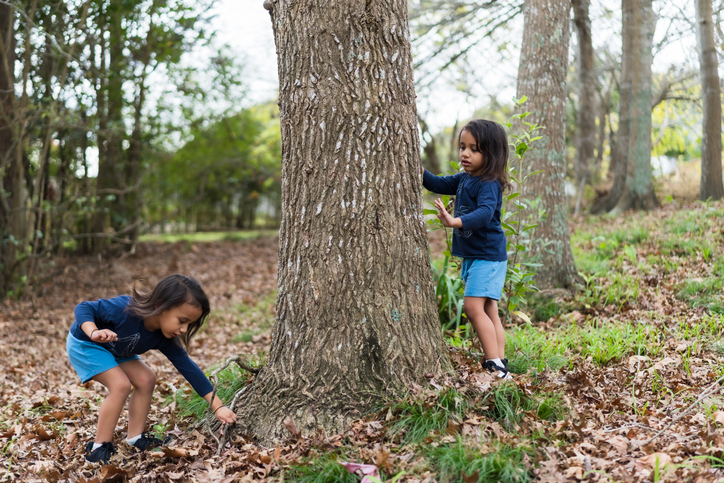
Ātihau champions the values of toitū te whenua, toitū te tangata, and toitū te mana, which means “We look after nature so nature can look after us.” This approach helps them manage their land sustainably and shows one way of balancing respect for te taiao with productive farming.

A fourth-generation family farm innovates with livestock and crops while prioritizing sustainability.

Whangara Farms is a Maori-owned farm that fovuses on on sustainability and community.

Learn how to manage Māori land through trusts and incorporations for your whānau.

Māori frameworks for disaster risk and climate change focus on community-led solutions and respect for nature.

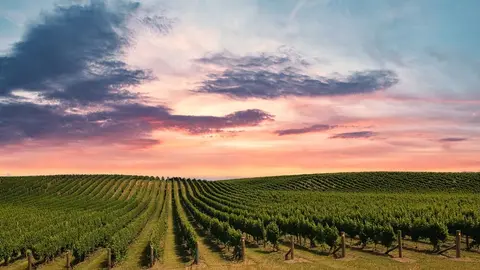
Meet the Māori winemakers collective built on kaitiakitanga, whakapapa and manaakitanga.

Get support, advice, and funding for Māori agribusiness and whenua management.

Explore 12 governance principles guiding Māori land trustees in decision-making.

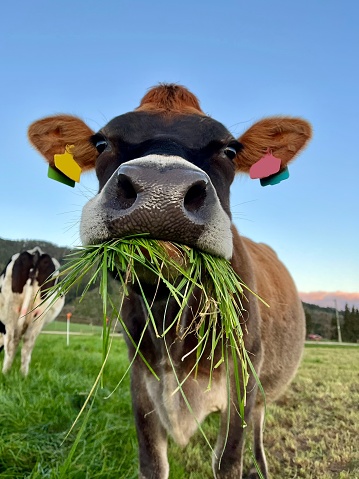
Balancing livestock production and environmental stewardship on Pamu's largest farm

Explore case studies about successful Māori land development projects.

This case study explores what kaitakitanga means for Ngai Tahu and how it helps them to create sustainable food and products.

A guide to help Māori develop housing on collectively owned whenua.

A guide for Papakainga development in Hastings, promoting sustainable housing.