Takahuri Whenua: Approaches to Systems and Land Use Change to Reduce GHG Emissions
This report explores land use changes in New Zealand to cut greenhouse gas emissions.
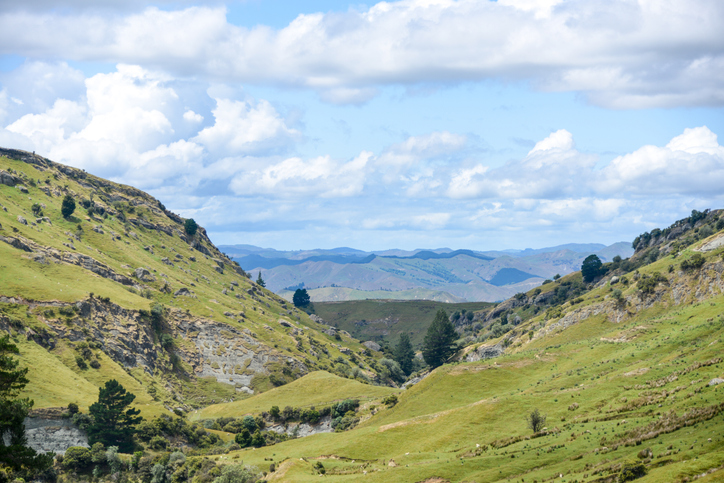
The report examines how two Māori farms, Onuku and Te Uranga B2, can reduce greenhouse gas emissions and improve profits through changes in land use, like planting forestry or manuka. It also explores diversifying into horticulture and the farm owners' views on these options.
Image source: Toitū Te Whenua Land Information New Zealand licensed under CC BY 4.0.

Learn how sheep and beef farms can reduce greenhouse gas emissions and improve profits.

This report explores ways to improve Māori land resilience against climate change through afforestation.

Read NZAGRC's recommendations

Learn how NZ's sheep and beef farms are improving efficiency while reducing greenhouse gas emissions.
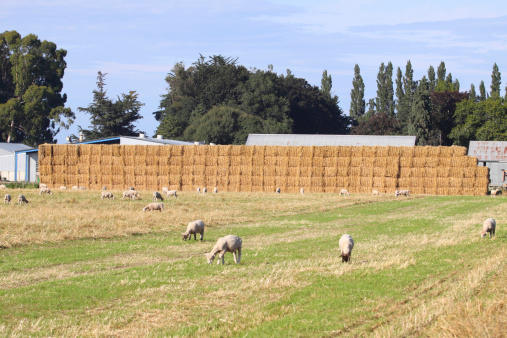
A report on measuring greenhouse gas emissions on Māori farms.

A science and mātauranga Māori based plan to reduce our agricultural greenhouse gas emissions.
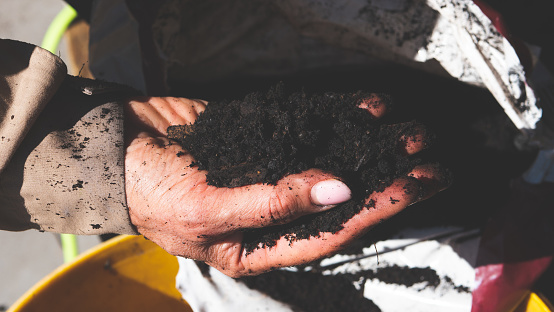
Learn about methane in agriculture and how NZ ag researchers are trying to reduce emissions.

Learn about different on-farm solutions for reducing greenhouse gas emissions from dairy farms.

Learn about reducing methane emissions on your farm.

Research into different ways to reduce greenhouse gas emissions from New Zealand agriculture.

Learn how cropping and horticulture can reduce greenhouse gas emissions in New Zealand.

This research reviews biochar's potential to lower greenhouse gas emissions in New Zealand agriculture.