Forestry myths busted
Climate
Biodiversity
Forestry
Soil
Sustainability
Water
Dr Michelle Harnett debunks common myths about planted forests.
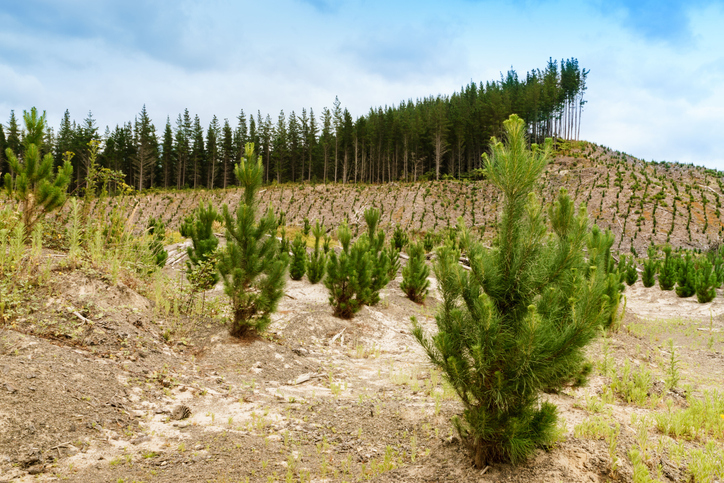
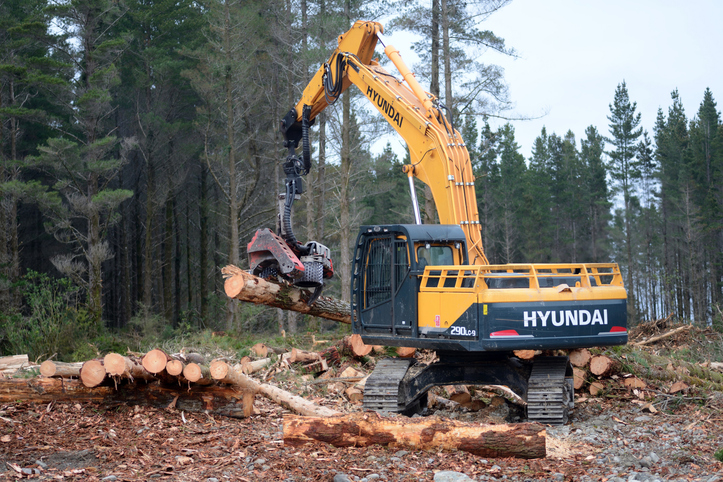
This article addresses common myths about planted forests, especially radiata pine. It explains how, contrary to popular belief, these forests can actually improve soil health and water quality. Planted forests support various native species, providing important habitats for birds, bats, and other wildlife, and fire risks can be managed.
It also clarifies misconceptions about the Emissions Trading Scheme and how forestry can play a role in carbon capture.
Dr Michelle Harnett debunks common myths about planted forests.
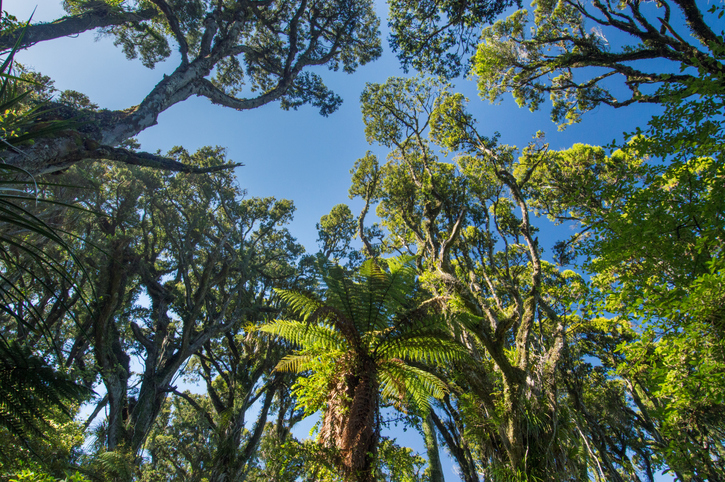
Explore New Zealand's forests, their history, importance, and management efforts.

Hear about the effects of climate change on Aotearoa forests and learn strategies for resilience.
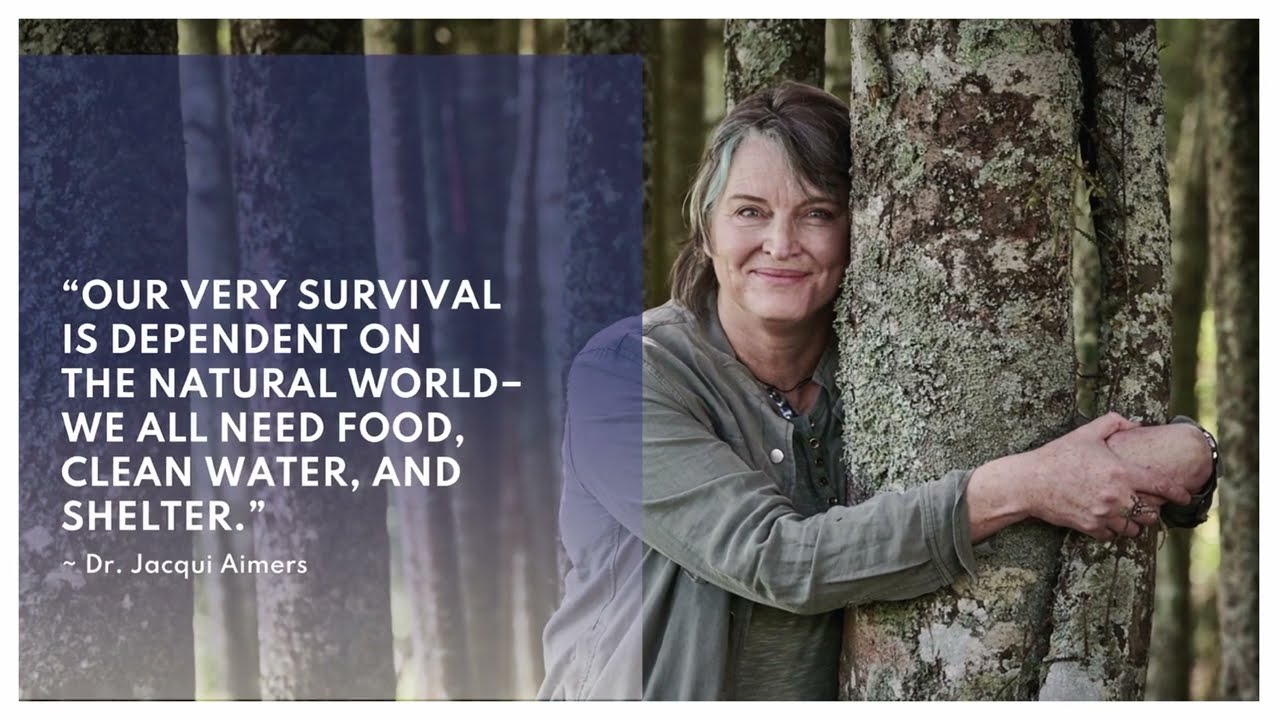
Learn about the value of New Zealand's native forests and the services they provide to biodiversity and ecosystems.
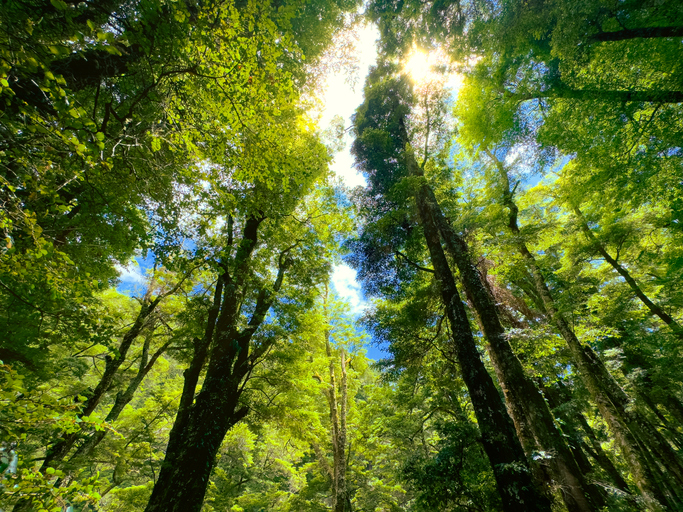
Learn how well-managed native forests can absorb significant amounts of carbon.

Learn about the role tree planting can play in reducing climate change impacts.
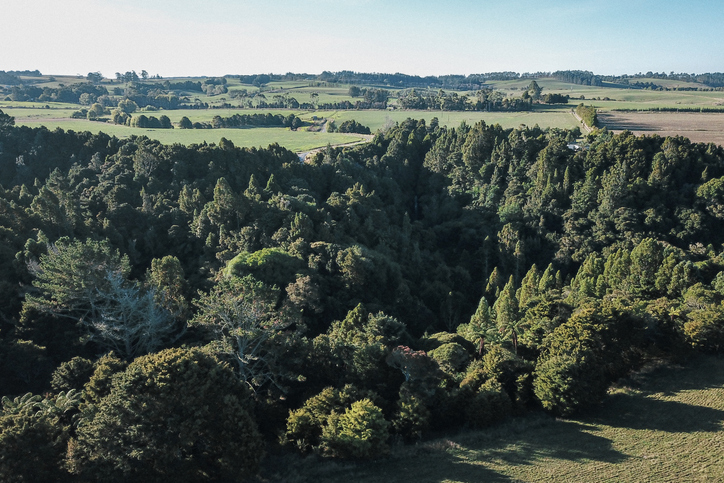
Learn how tree planting on farms can earn carbon credits in the Emissions Trading Scheme (ETS).
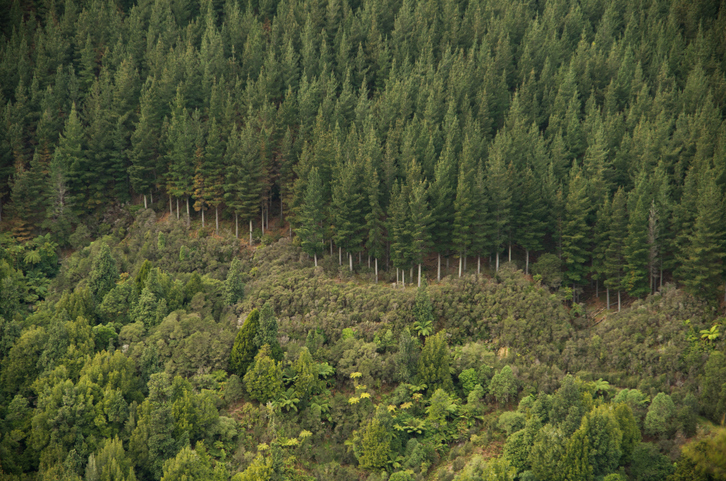
Explore how suited your whenua is for planting radiata pine as a forestry crop.
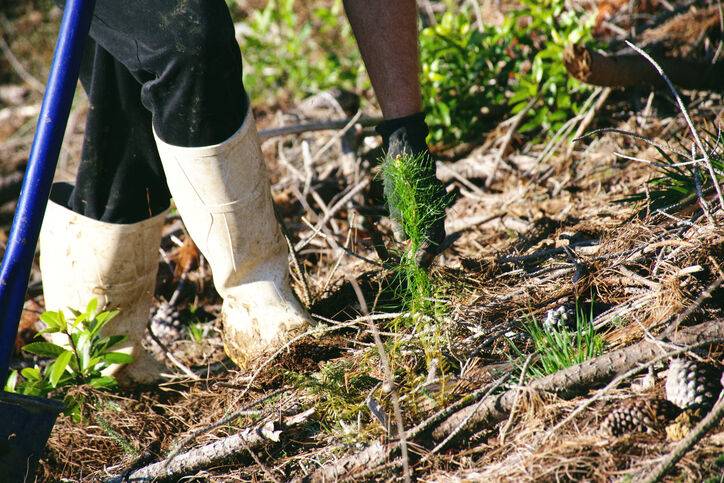
A case study about sustainable planting in Waimate, focusing on investment and wildlife habitats.
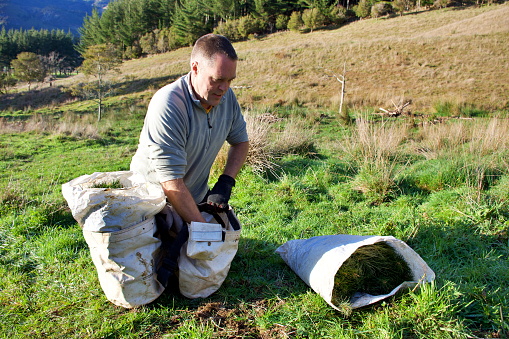
Get tips and advice for planting trees for harvest.

Learn how trees improve farming in East Otago and support timber production.

Te Kapunga Dewes discusses Māori views on forestry, native trees, and carbon finance.
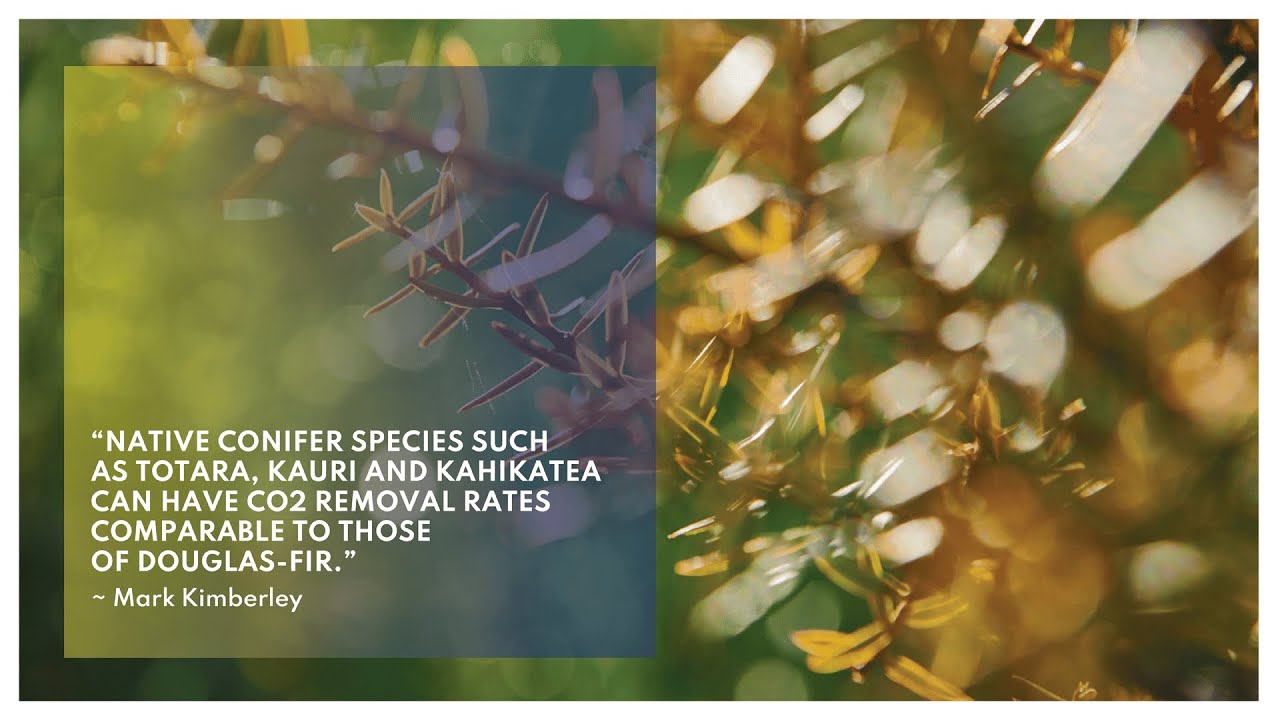
Find out about carbon sequestration rates in native forests and planting methods in New Zealand.
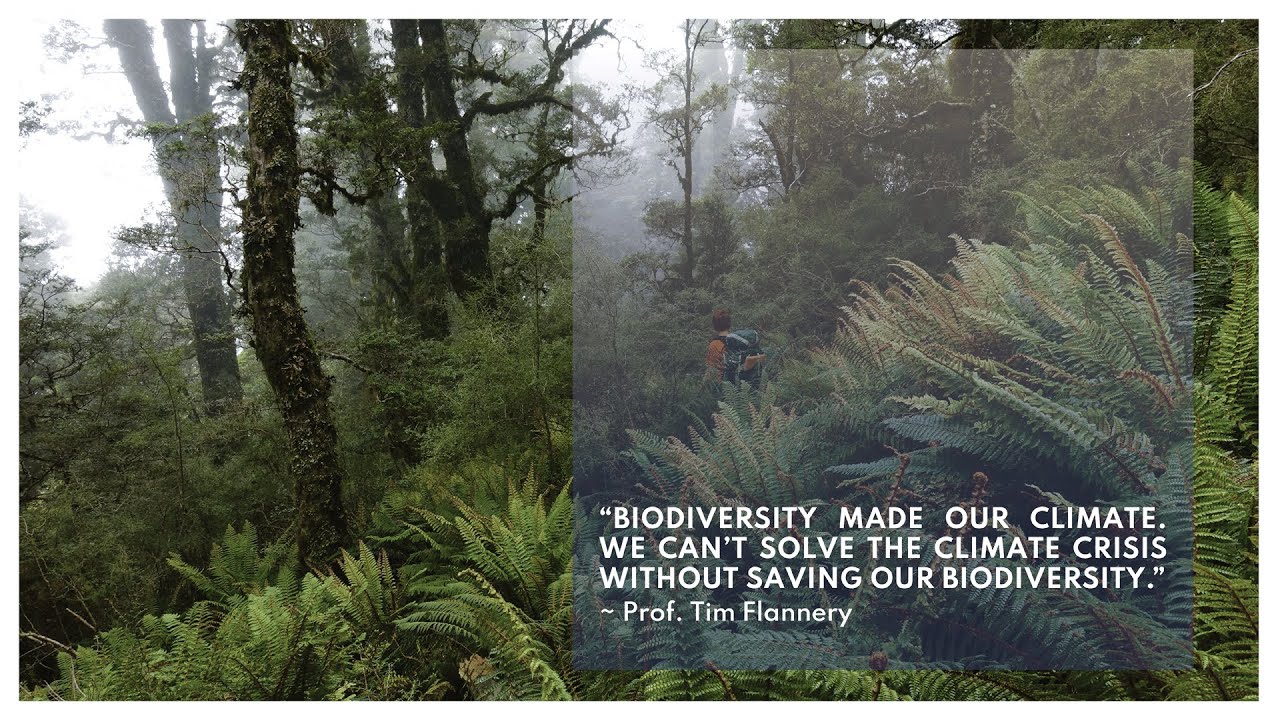
Professor Tim Flannery discusses native forests, carbon capture, and climate solutions in NZ.
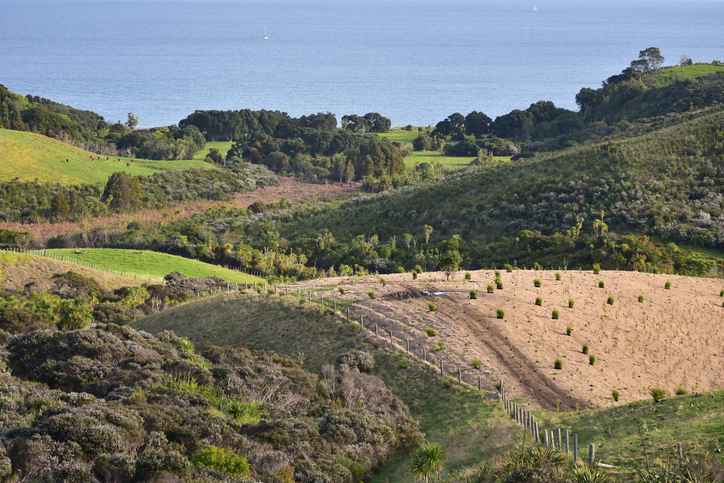
Find out how to convert marginal or depleted agricultural land into native forests for carbon farming.
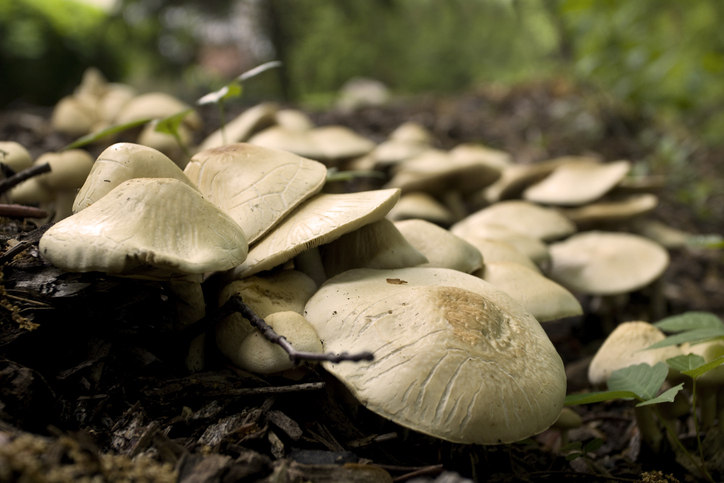
Learn how fungi aid the invasion of wilding pines in New Zealand and affect ecosystems.
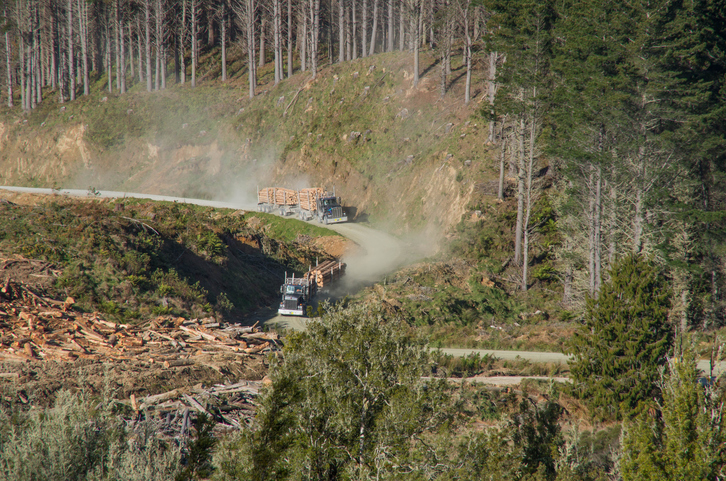
Compare how much carbon radiata pine could store on your whenua by age and stocking.
Look up expected carbon stock by forest age for small forests in the ETS.
Understand the key considerations for land owners when considering entering the ETS.
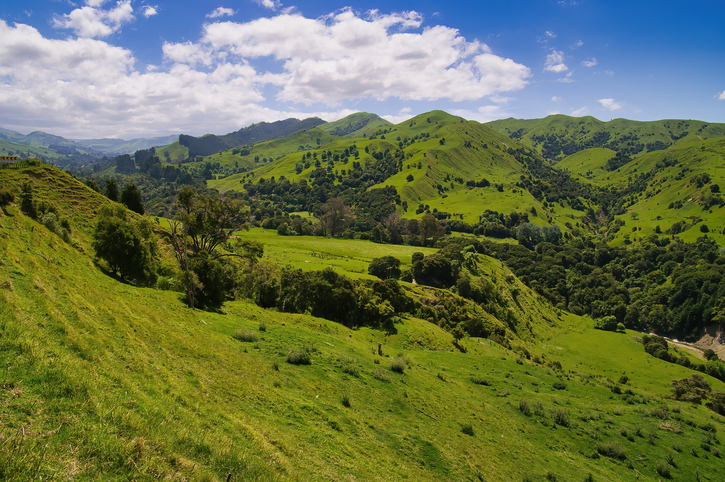
Learn about sustainable Māori forestry and agriculture for climate resilience on the East Coast.
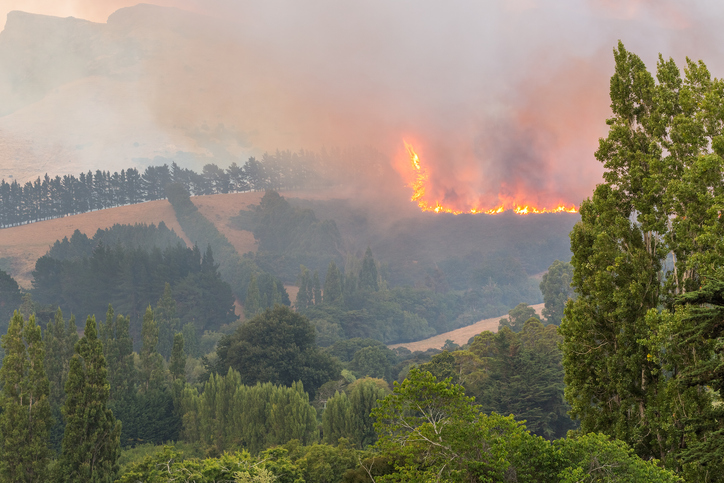
Learn how to effectively manage fire risks in small forests.
Learn how soil carbon impacts climate change and things you can do on your farm to offset your emissions.
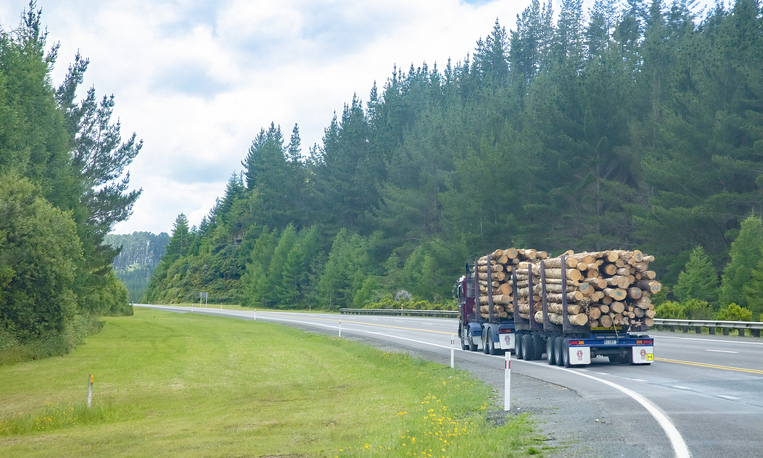
Learn about joining the forestry section of New Zealand's Emissions Trading Scheme (ETS).