
Māori values and economic modelling for whenua Māori
Climate
Erosion
Forestry
Profitability
Sequestration
Sustainability
Whenua Māori
This report explores ways to improve Māori land resilience against climate change through afforestation.
In this video Shawn Awatere shares his team's research on climate-resilient forestry and agriculture for Māori landowners, especially in the Waiapu catchment on the East Coast. He discusses how landowners can shift towards sustainable practices, like reforesting pine forests or sheep and beef land with native trees, or growing mānuka, kānuka, and olives, which can also provide economic and cultural benefits, and explores the risks of erosion due to climate change and offers solutions using Māori values.
This report explores ways to improve Māori land resilience against climate change through afforestation.

This paper explores challenges and opportunities for Māori landowners in native forestry.
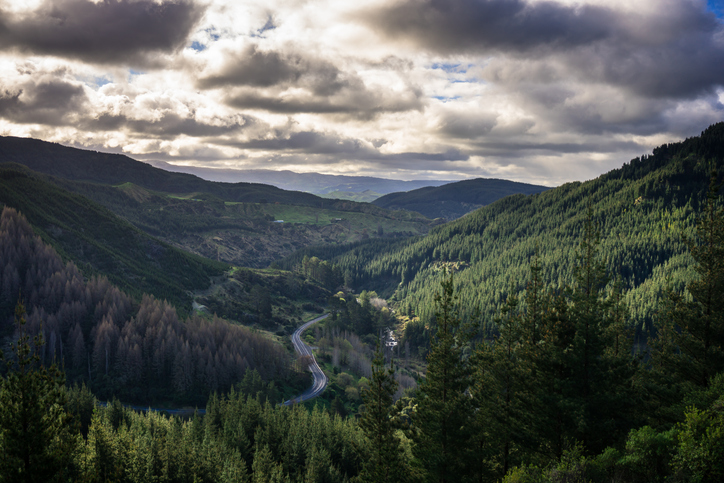
This resource explores how climate change affects forest ecosystem payments on the East Coast.
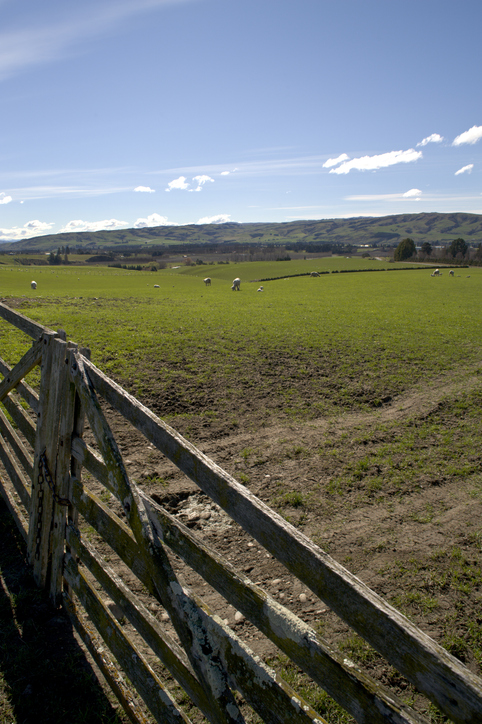
This report explores climate change impacts on New Zealand agriculture.
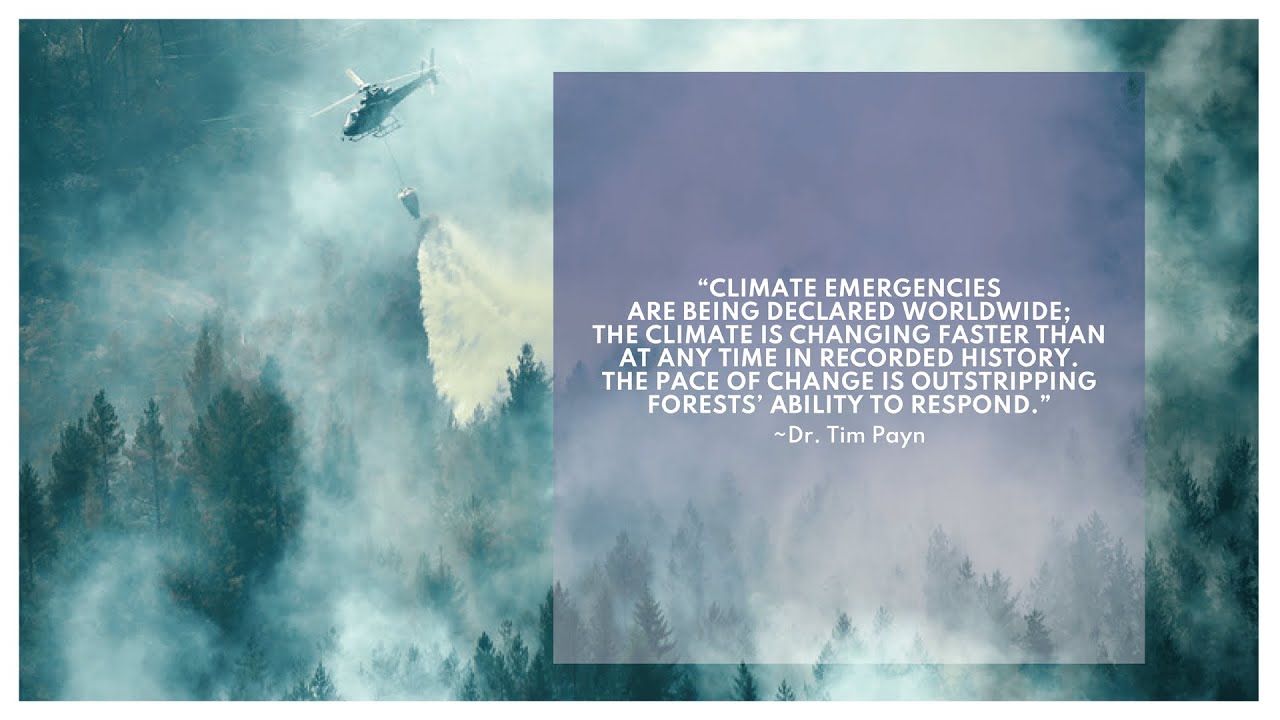
Hear about the effects of climate change on Aotearoa forests and learn strategies for resilience.
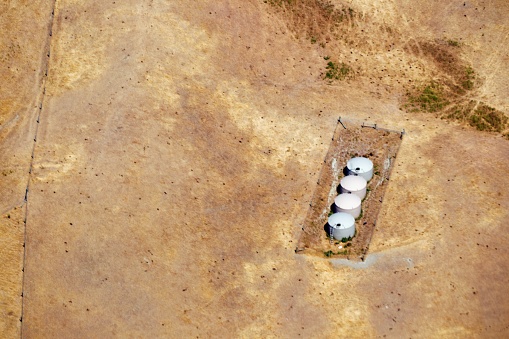
Explore drought impacts and find adaptation strategies for a changing climate.

This report explores how Māori landowners decide on native forest regeneration and carbon farming.
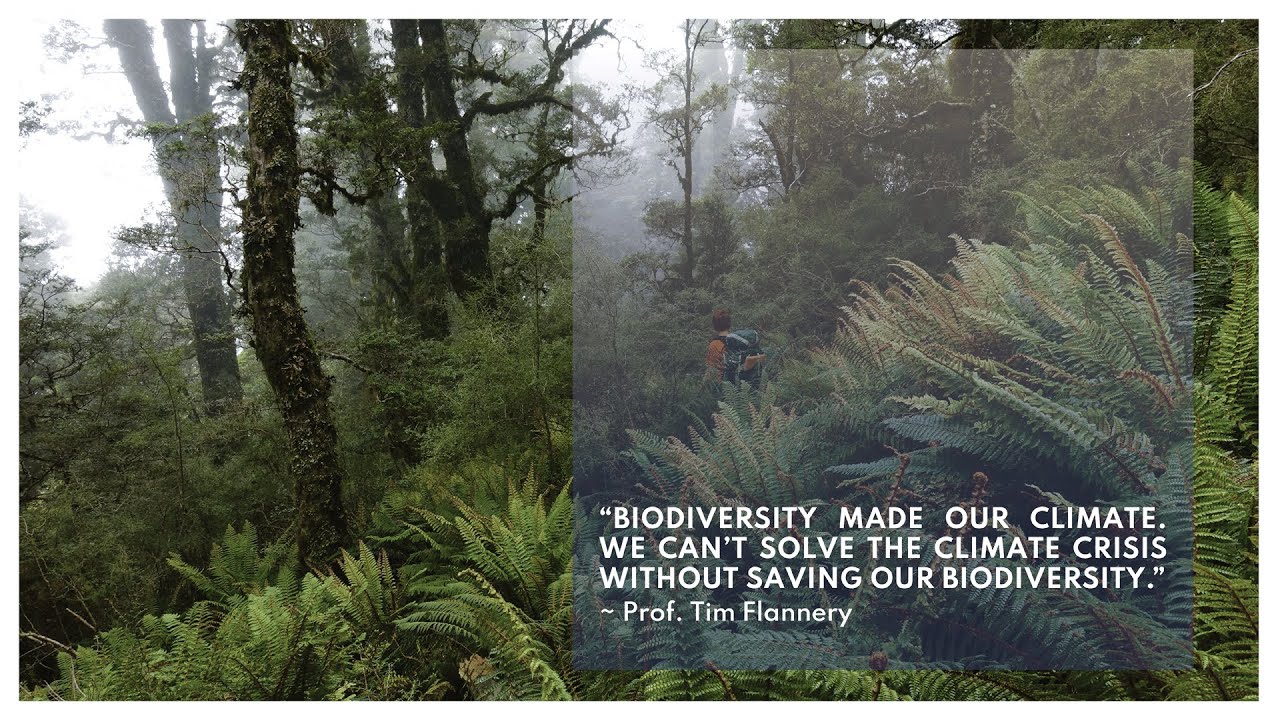
Professor Tim Flannery discusses native forests, carbon capture, and climate solutions in NZ.

Te Kapunga Dewes discusses Māori views on forestry, native trees, and carbon finance.

This resource explores how Māori businesses can align with cultural values to thrive in markets.
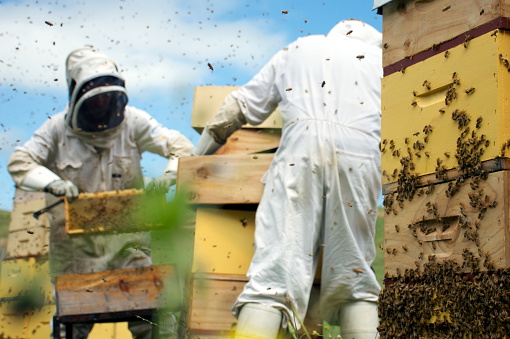
Whenua Honey promotes fairness, community ties, and eco-friendly practices in Mānuka honey.

This project explores Māori food traditions and how climate change impacts cultural health.

Rob McGowan talks about the importance of restoring native forests in Aotearoa to face climate change.
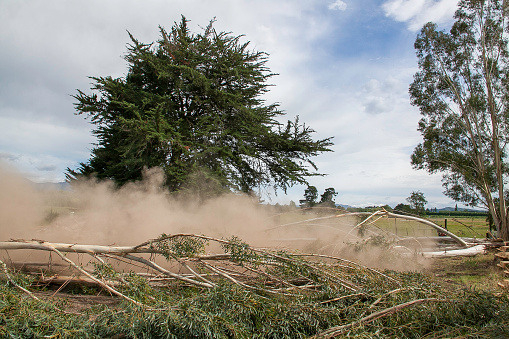
This paper explores how land ownership policies impact forest cover in New Zealand.

MPI's Māori agribusiness climate and water advisers can support you with advice and funding to realise your aspirations.
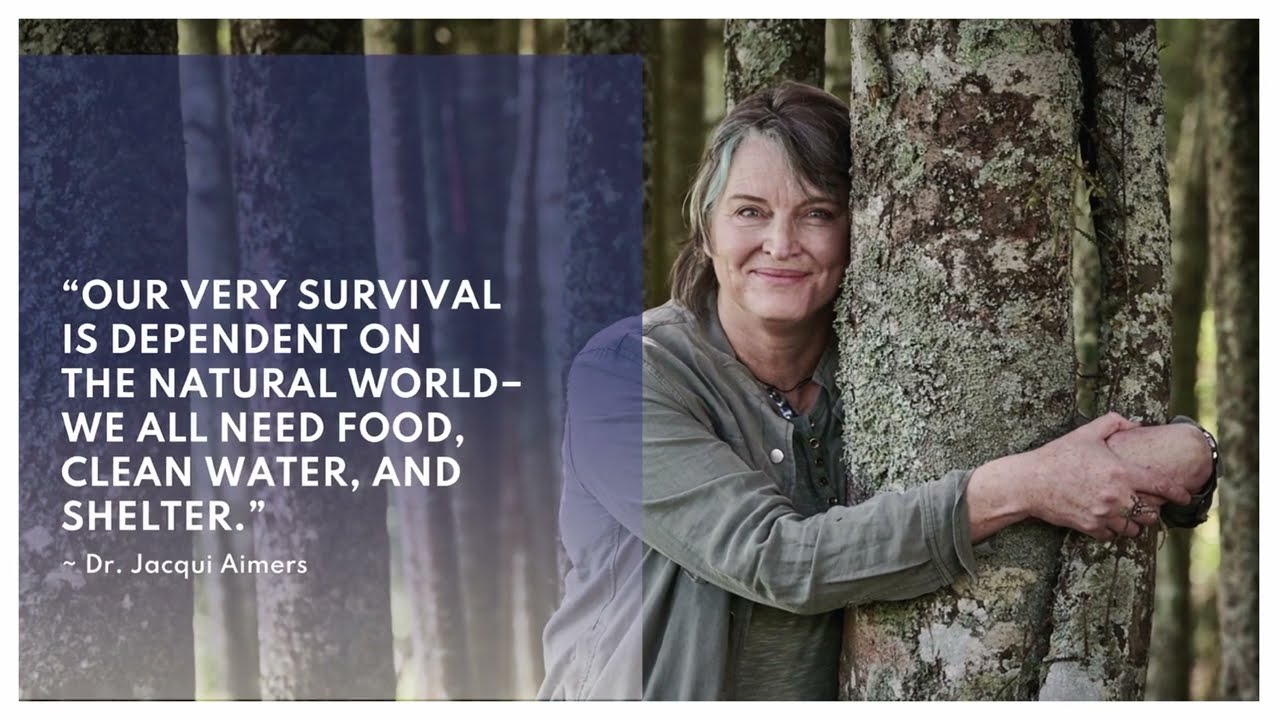
Learn about the value of New Zealand's native forests and the services they provide to biodiversity and ecosystems.
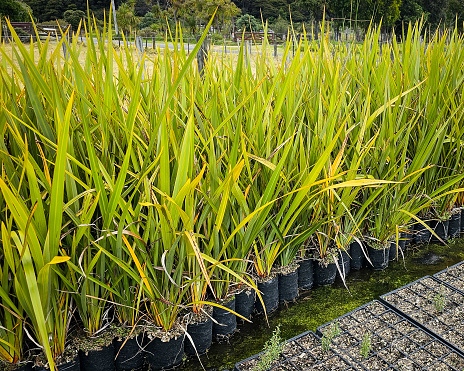
A programme supporting native forestry and sustainable management in Aotearoa.
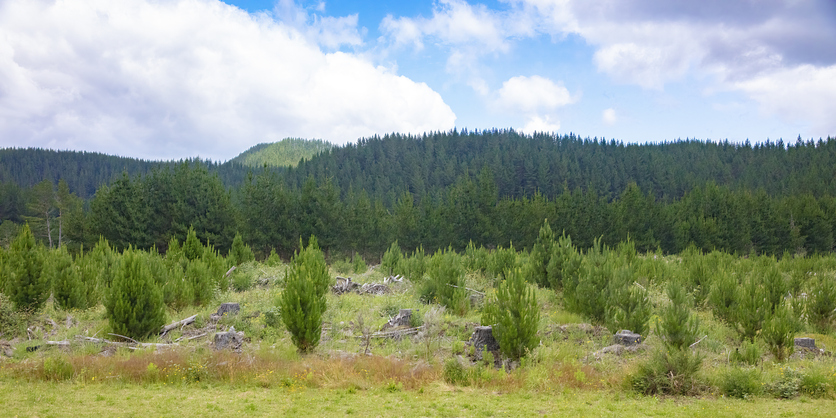
This paper discusses carbon farming on Māori land, its benefits, and decision-making challenges.
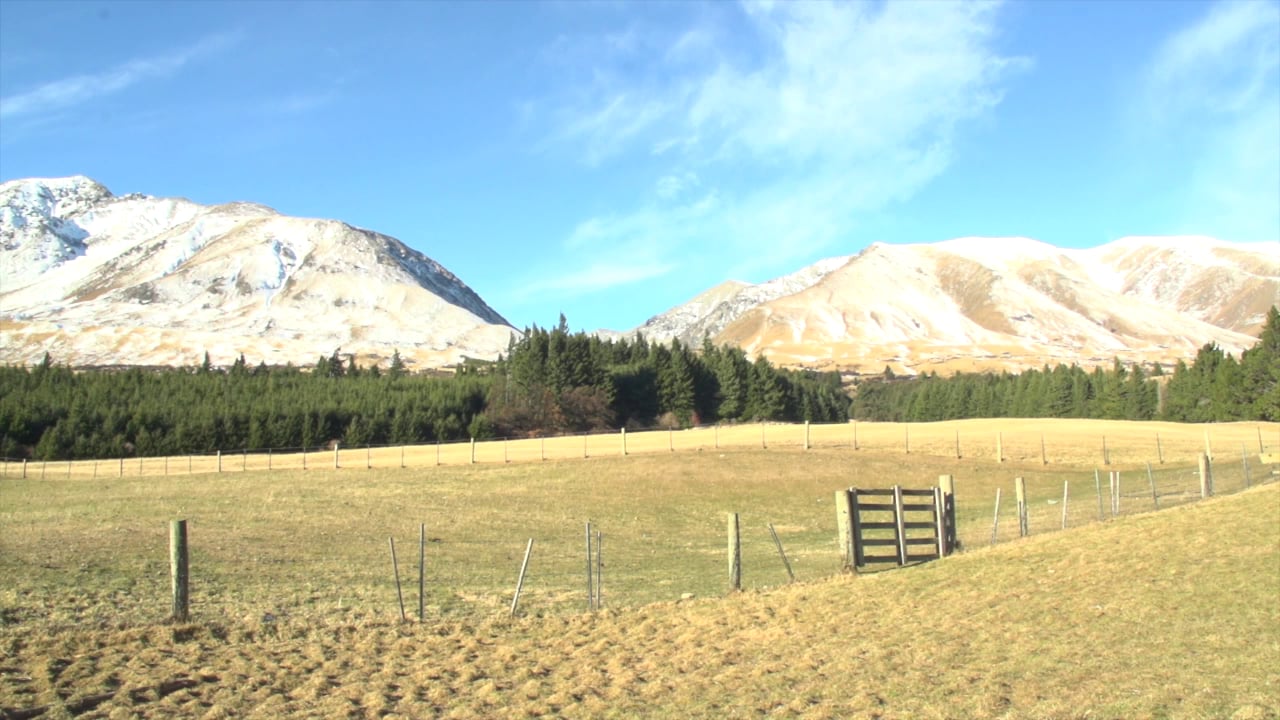
Discover how trees enhance a South Canterbury farm's income and environment.

Hear about how climate change could reshape agriculture and land use decisions in Aotearoa.
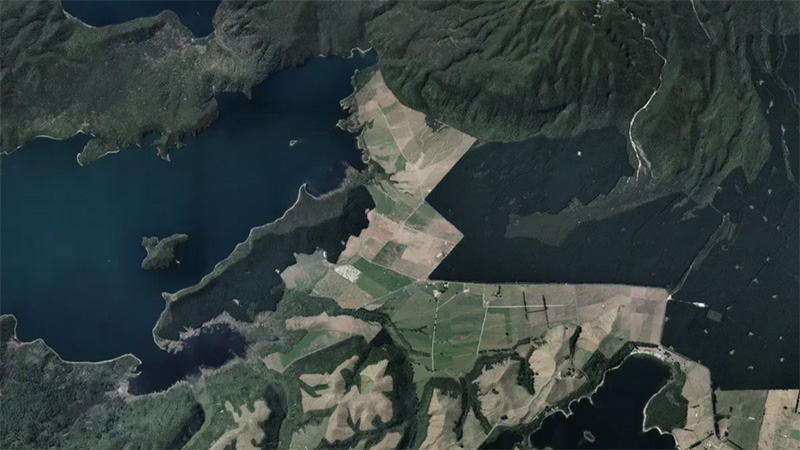
This report uses two case studies to illustrate different ways that diversified Māori agribusinesses can reduce greenhouse gas emissions and increase profits.
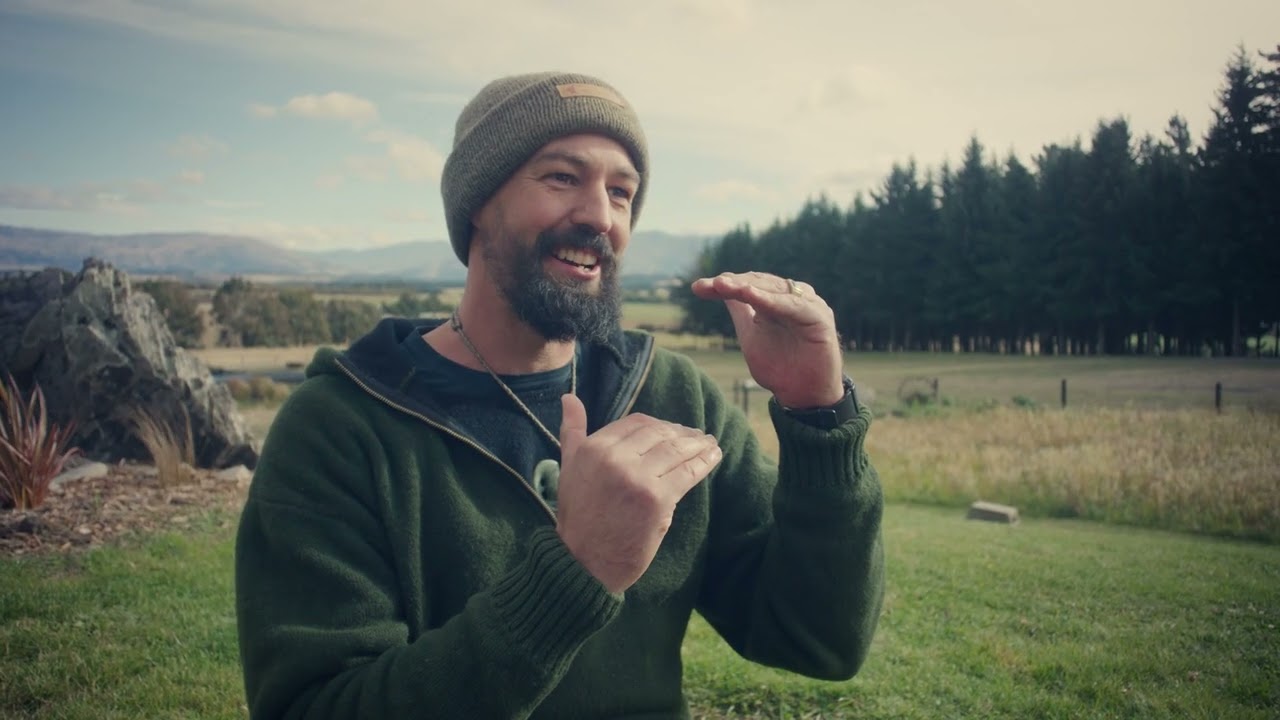
Sam "The Trap Man" Gibson explains that diverse native forests help stabilise the land and improve resilience against extreme weather events.
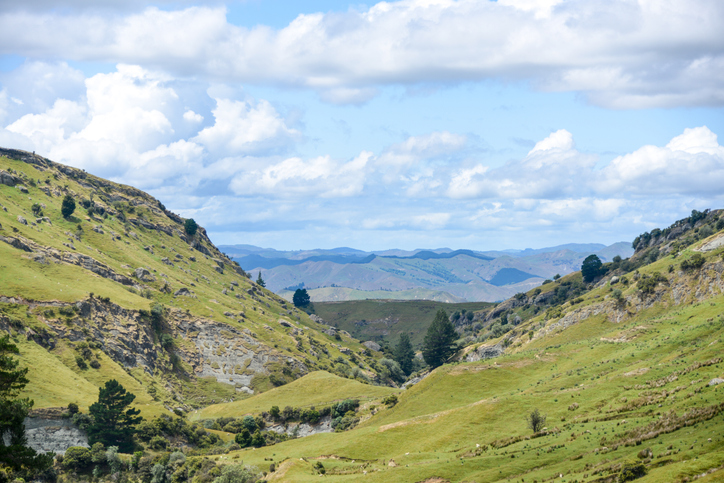
This report explores land use changes in New Zealand to cut greenhouse gas emissions.