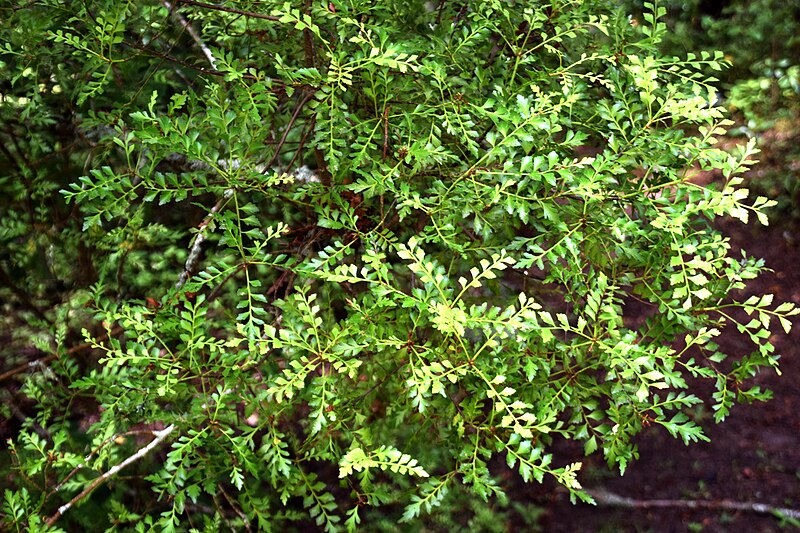
Native tree species profile: Tanekaha (Phyllocladus trichomanoides)
Whenua
Biodiversity
Forestry
Sustainability
Learn about Tanekaha, a strong native tree with unique uses and growth needs.
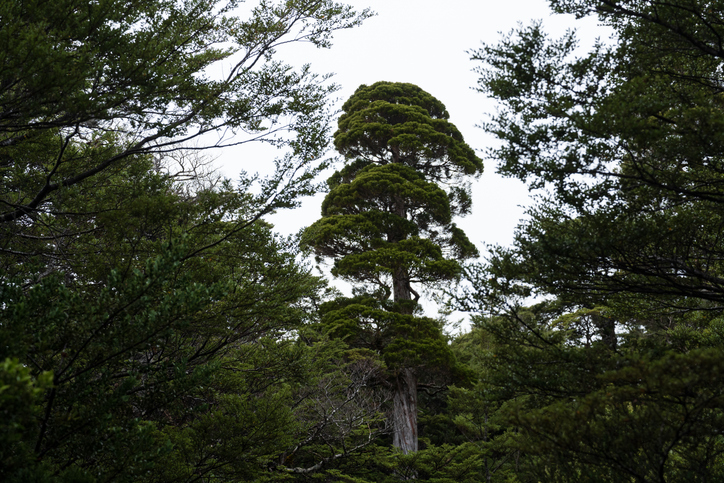
This species profile from Tāne's Tree Trust covers kaikawaka (Libocedrus bidwillii), also called pahautea, a mountain cedar of about 20 metres found between 450 and 1200 metres in the North Island and lower in the South. The main stands are in the mountains of Nelson, Westland, the Catlins, Tongariro and the Ruahine Range.
It is the lightest native timber, only a little heavier than western red cedar. The wood is soft and brittle, with reddish brown heartwood and pale sapwood, and it resists fire and borer. Kaikawaka was once thought to be a durable timber, but later tests showed only moderate durability. Settlers used it as they did tōtara, for posts, house blocks, roof shakes and weatherboards. Māori made little use of it, though its light weight suited backpacks for carrying stone.
The wood splits easily, so roof shingles are its most likely modern use. Growth is slow, around 16 cm of height and 3 mm of diameter a year, and its site needs are poorly understood. Its larger northern relative kawaka has grown much faster in trials.
Learn about Tanekaha, a strong native tree with unique uses and growth needs.
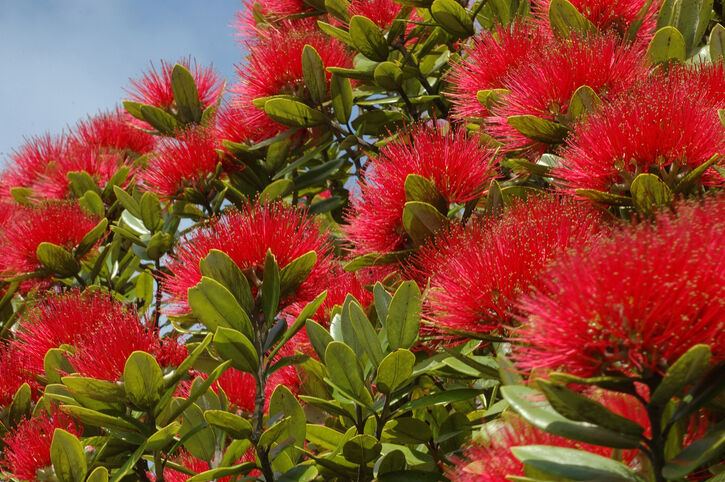
Learn about the history and uses of Pōhutukawa.
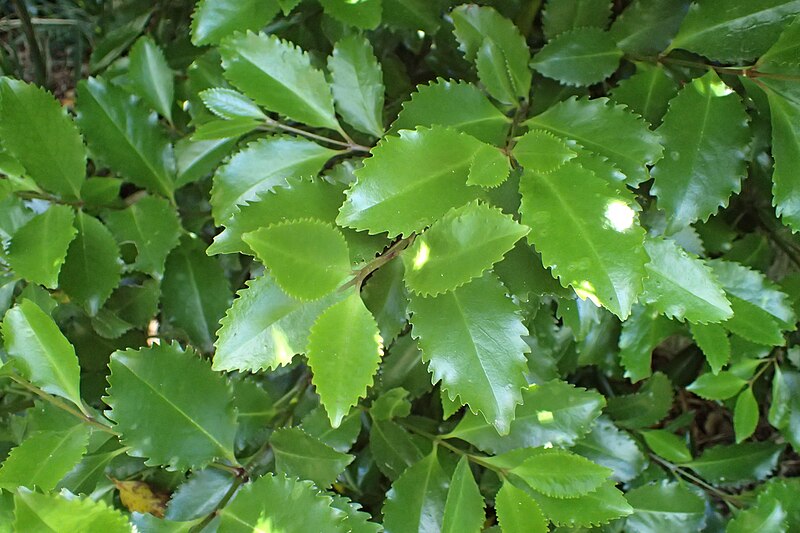
Learn about the Pukatea tree, its uses, its growth, and its ecological importance.
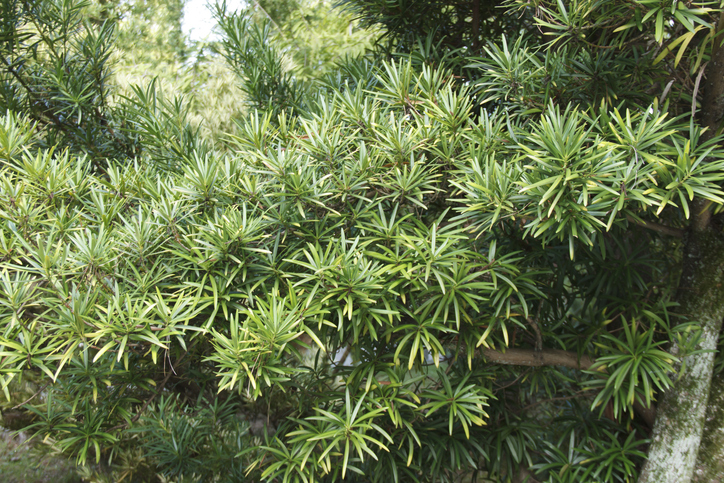
Learn about kahikatea trees, their uses, growth, and cultural history.
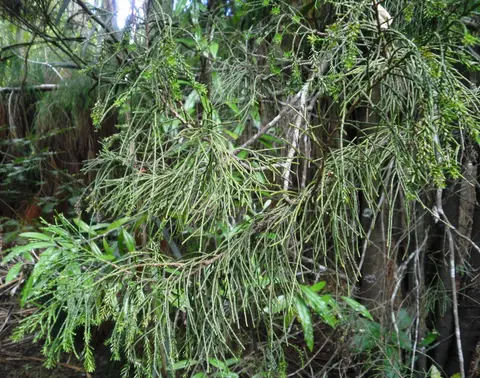
Learn about Manoao, a durable native tree with valuable timber and chemical uses.
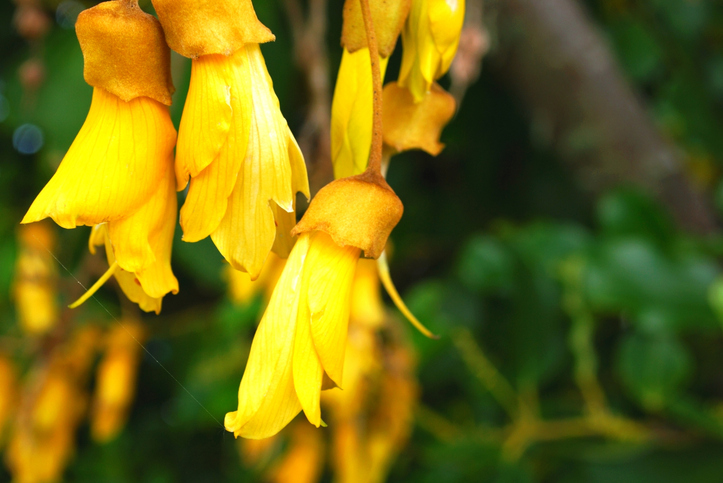
Learn about Kōwhai trees, their history, uses, and growth in New Zealand.
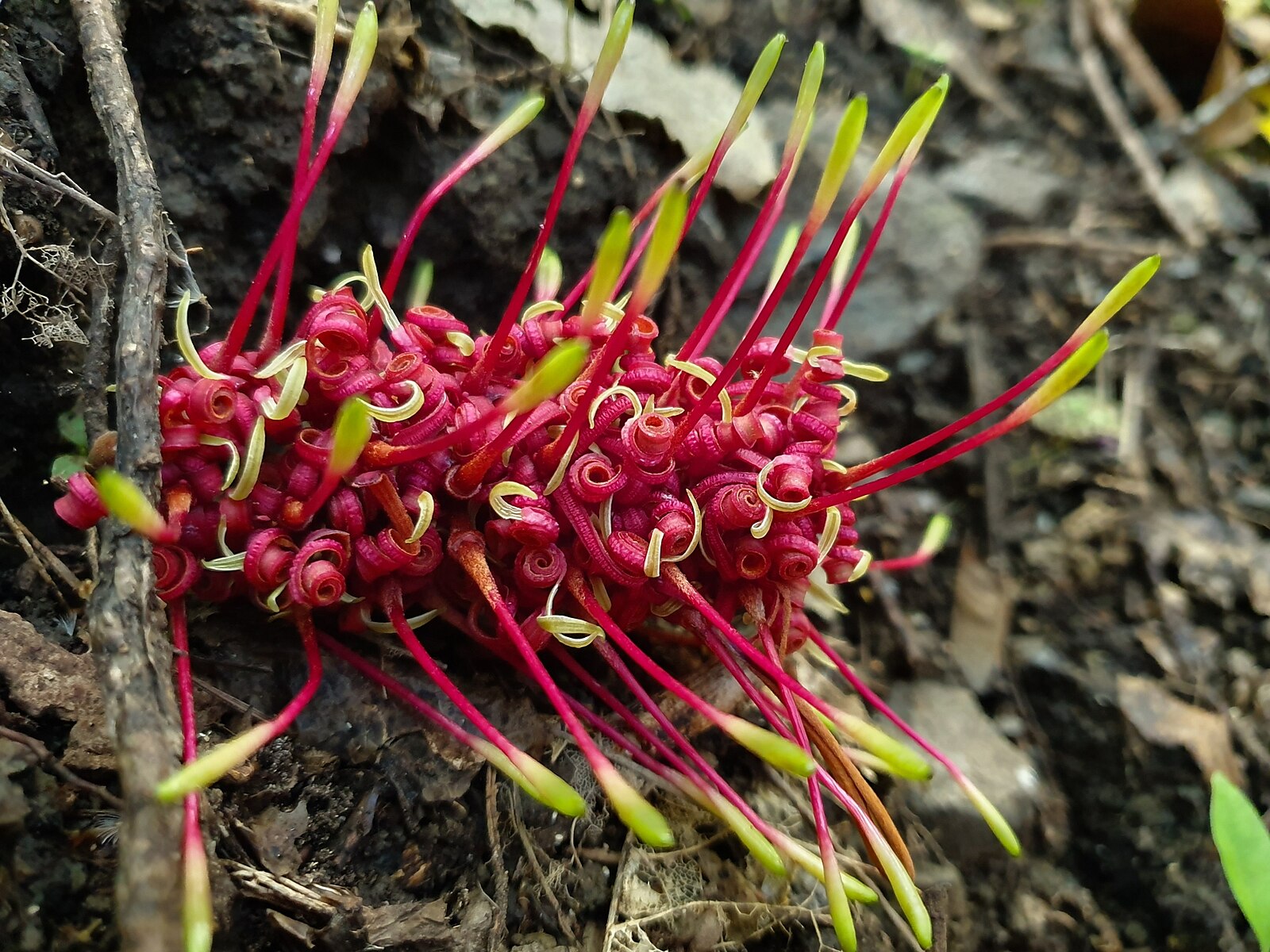
Learn about Rewarewa, a unique New Zealand tree with valuable timber and vibrant flowers.
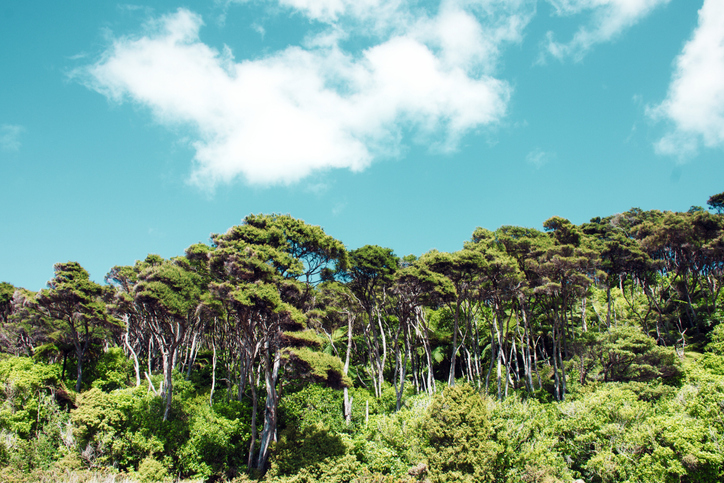
Kanuka is a versatile native tree with uses in timber, medicine, and fuel.
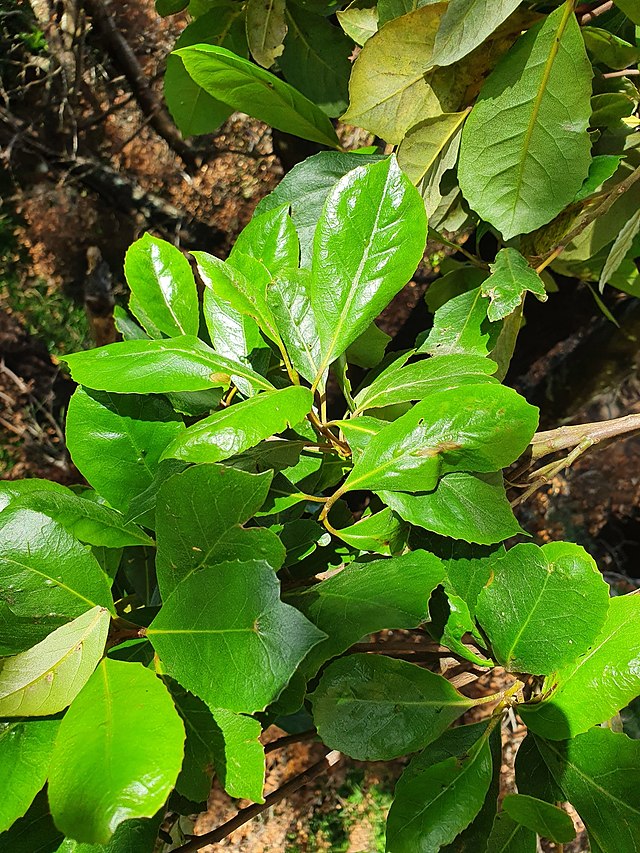
Learn about the qualities and uses of hinau.
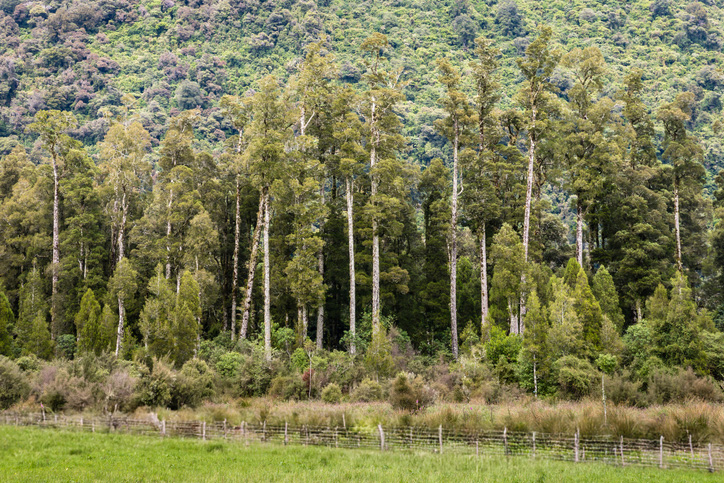
Explore opportunities for using and marketing farm-grown totara timber in Taitokerau.
The IFPD is a National database recording growth and management of New Zealand’s planted indigenous forests.
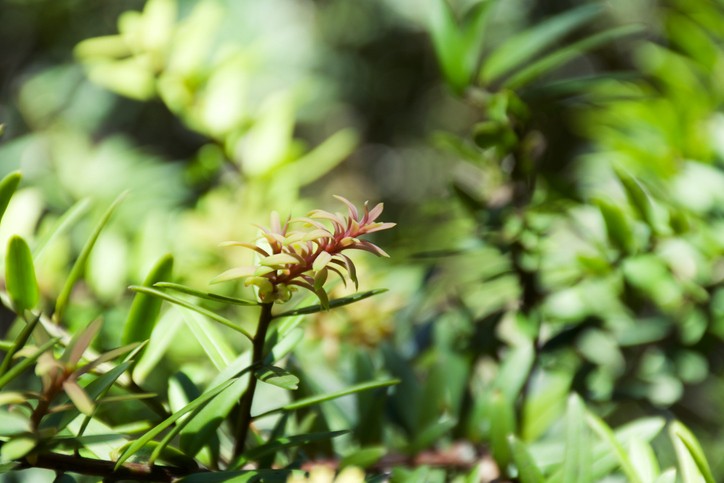
Learn about Tōtara and how they can improve outcomes for farms and te taiao.
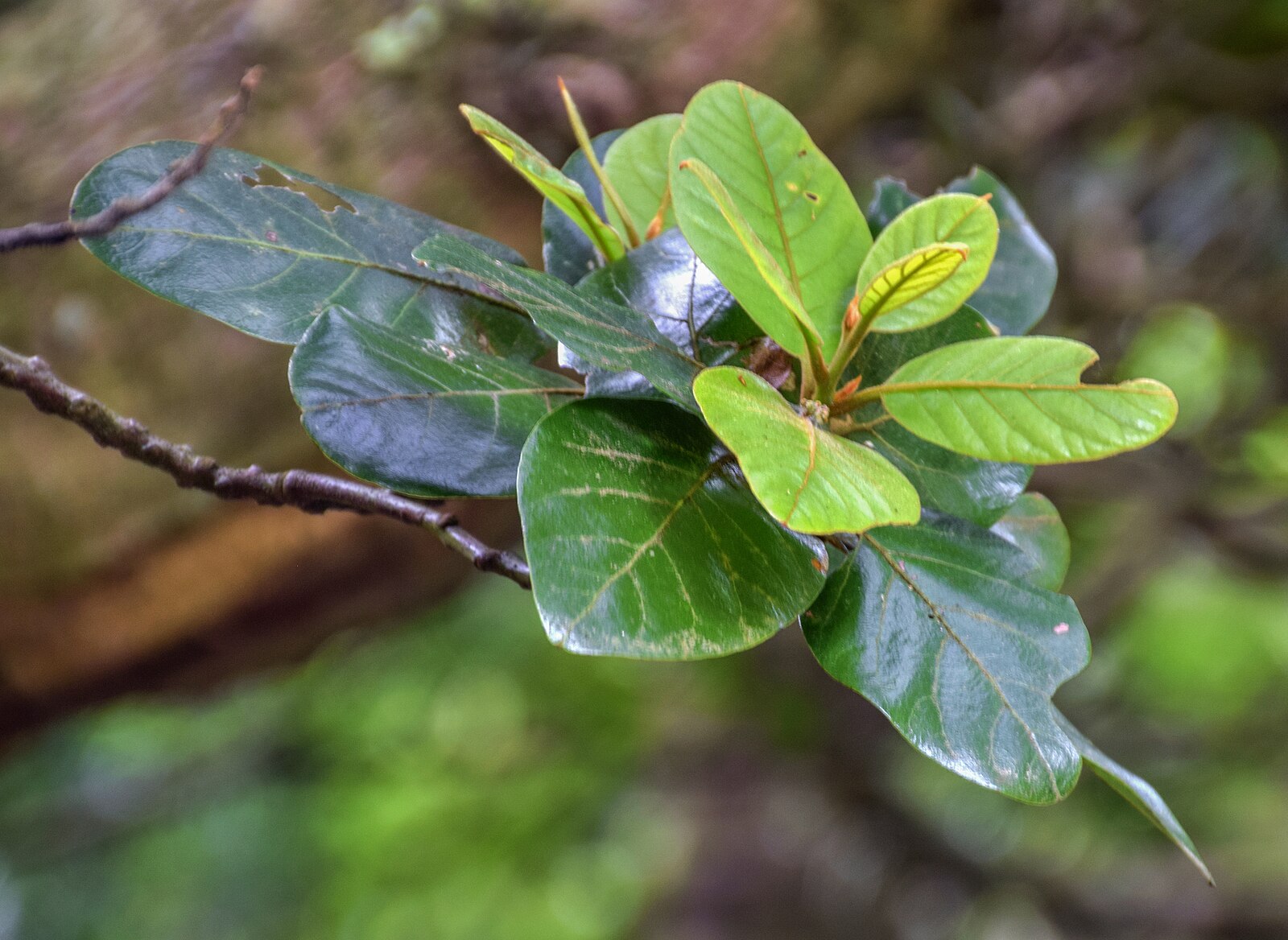
Taraire is a native New Zealand tree known for its growth in rich soils and unique timber.
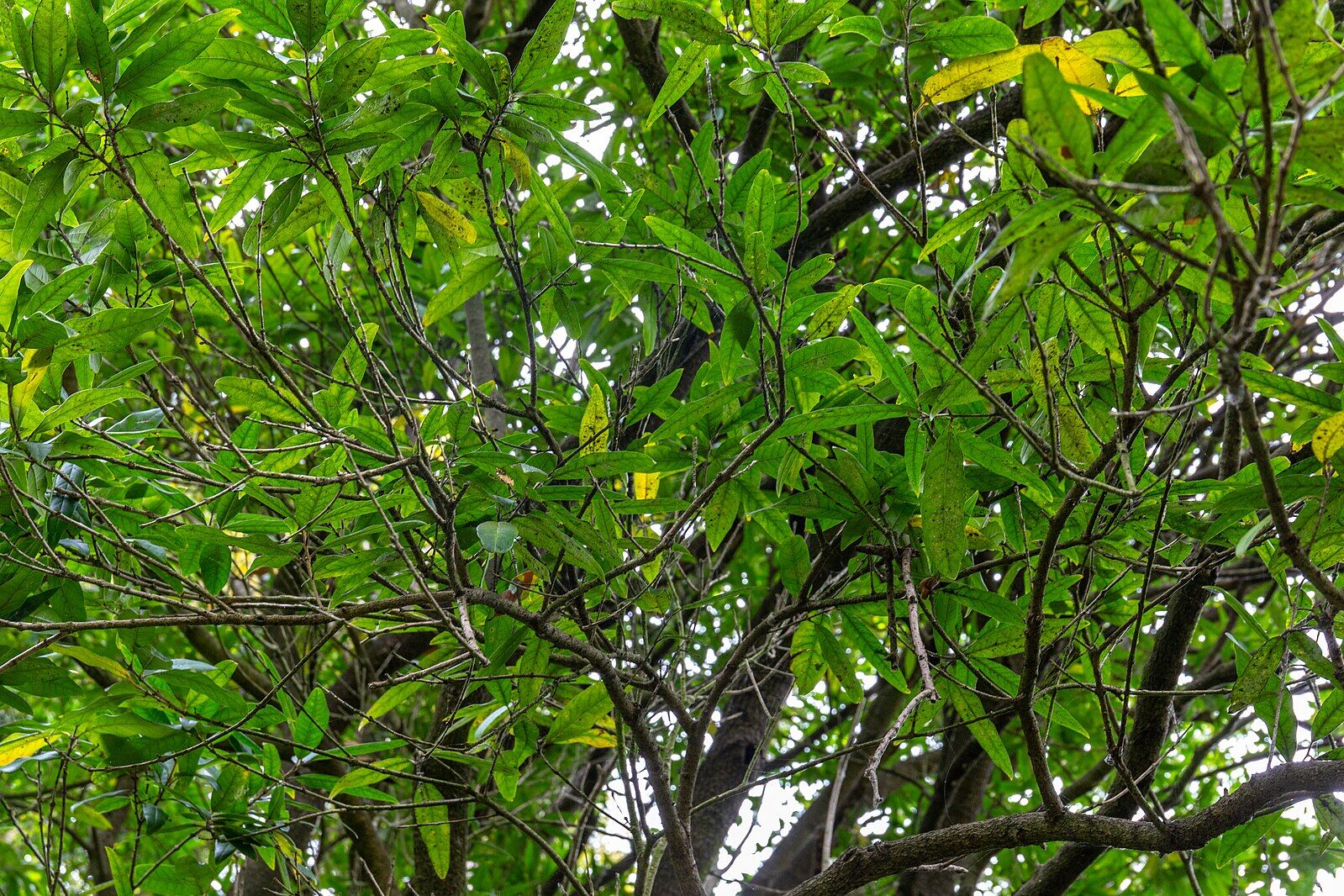
Learn about Black Maire and its potential uses.
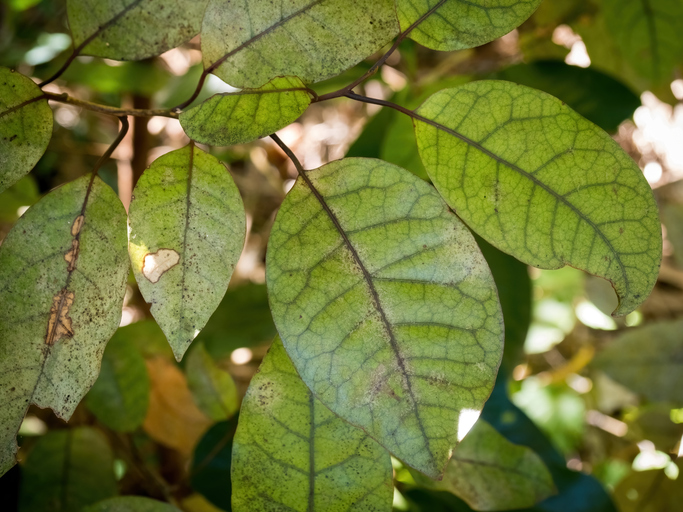
Learn about Mangeao, a strong native tree valued for timber and medicinal uses.
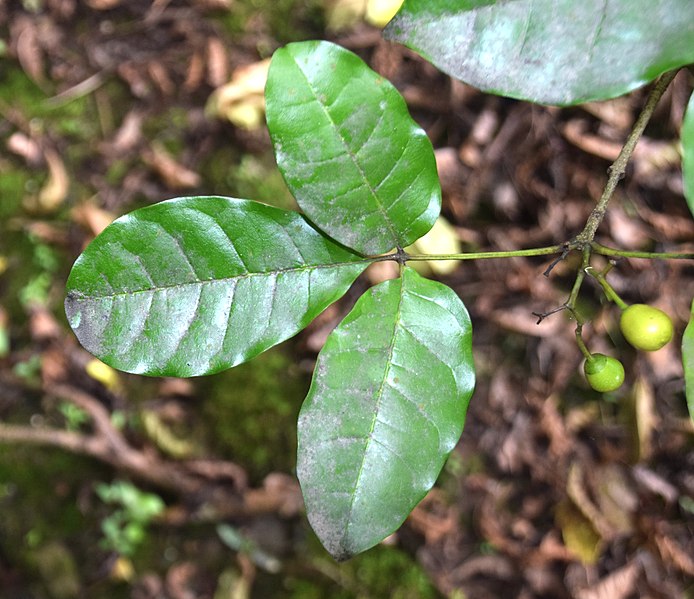
Learn about the Puriri tree and its uses.
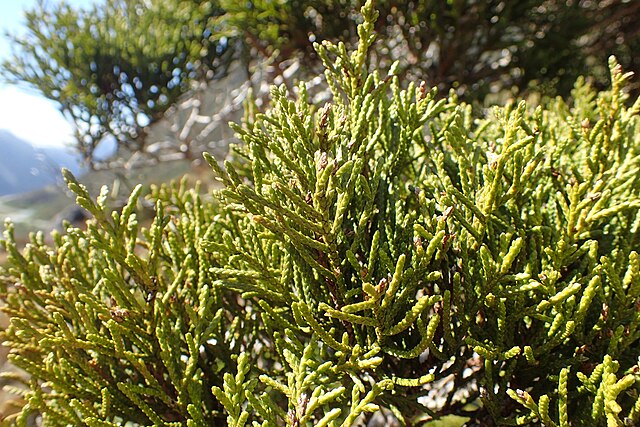
Learn about Pink Pine's features, uses, and potential value in Aotearoa forests.
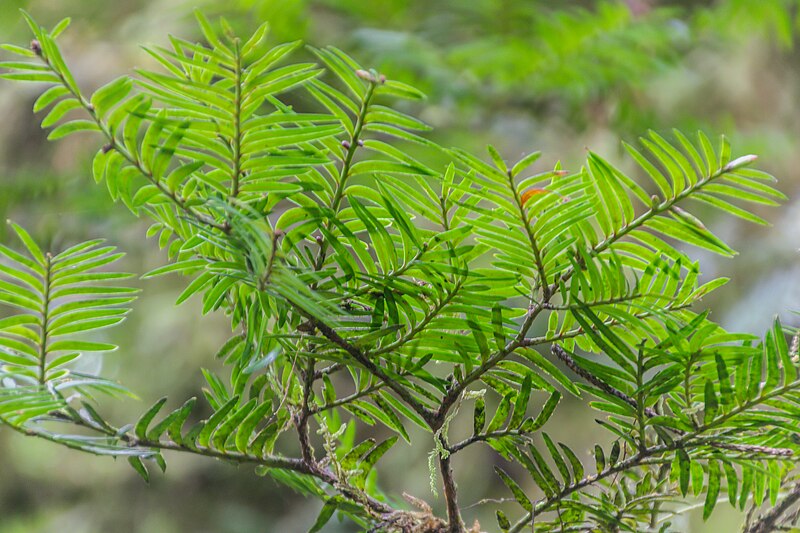
Learn about the uses and biodiversity benefits of Miro.
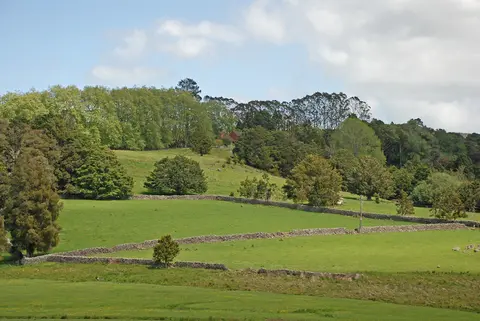
Get practical tree planting advice specific to Taitokerau.
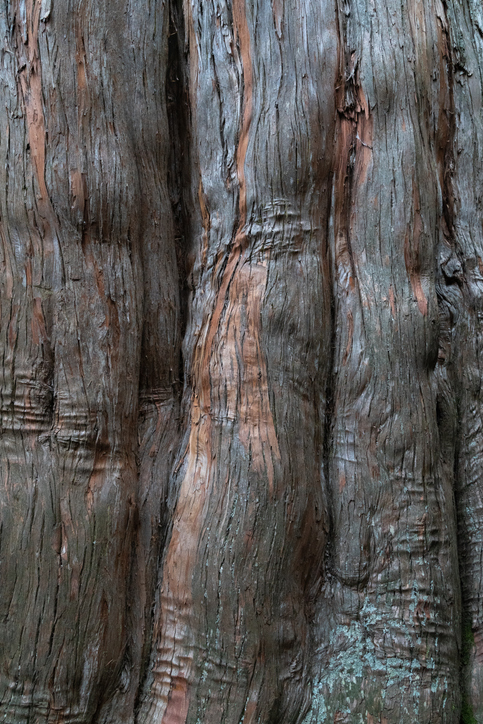
Explore bulletins on native tree ecology, management, and farming practices in New Zealand.
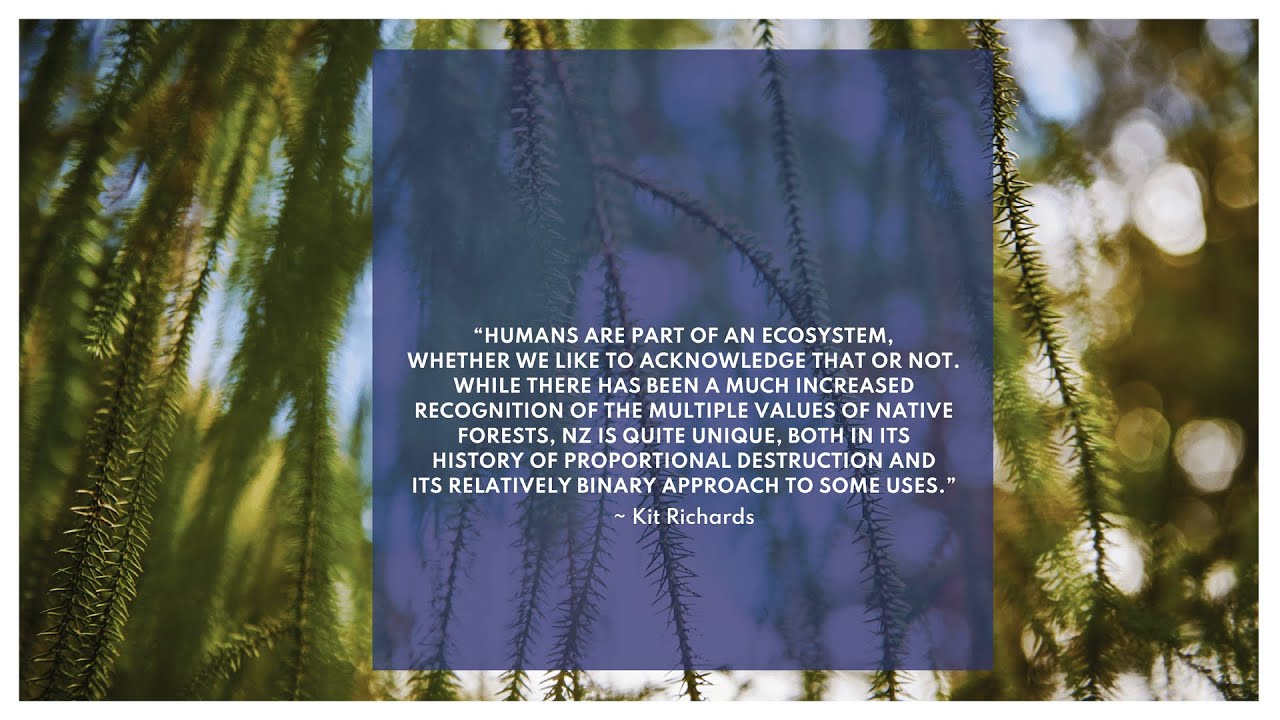
Explore the potential of managing secondary native forests for timber production
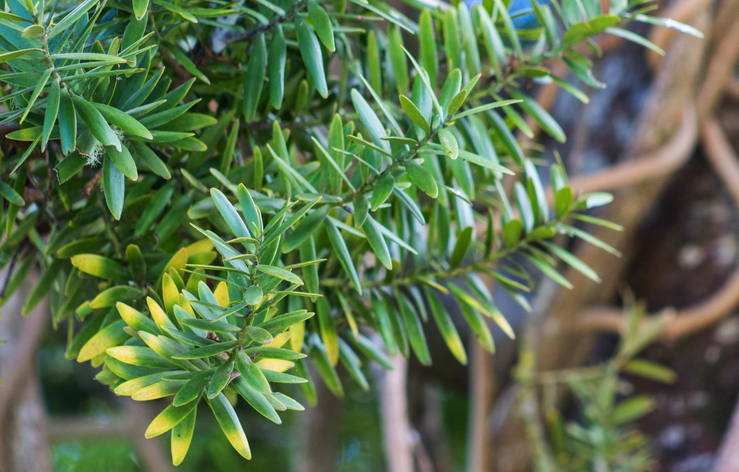
This guide offers practical advice on planting and managing tōtara trees for timber.
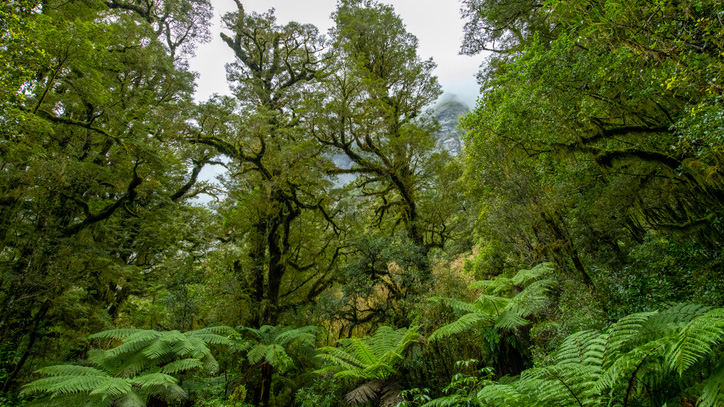
A comprehensive database archive of historical research about indigenous forests in Aotearoa.