
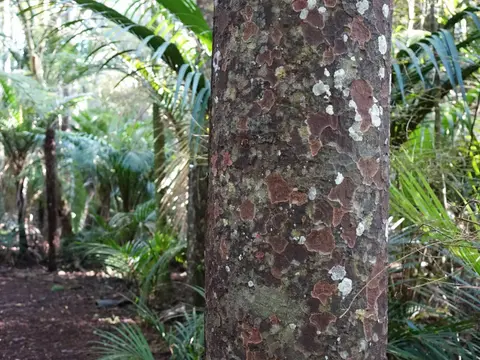
Native tree species profile: Matai (Prumnopitys taxifolia)
Whenua
Biodiversity
Forestry
Regeneration
Sustainability
Learn about Matai trees, their history, uses, and growth.
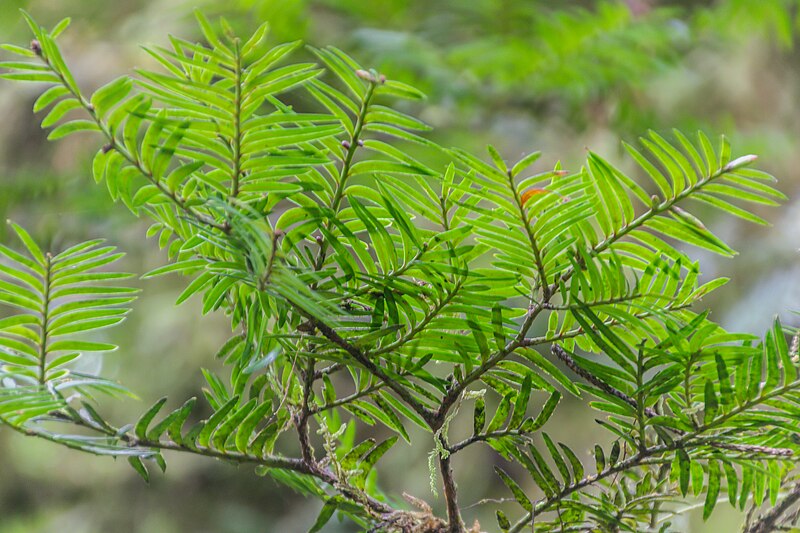
This species profile from Tāne's Tree Trust covers miro (Prumnopitys ferruginea), a tree of 25 to 30 metres found wherever rimu grows, and most common on the West Coast. It takes most soils but does poorly on waterlogged or droughty sites.
The heartwood is light brown with dark red streaks. Miro was once sawn and sold as rimu, but it distorts as it dries, and mixing the two caused so much trouble that millers culled it. It is strong and was used for beams, and today goes into flooring, weatherboards and furniture. Māori valued the tree most for the kererū that feed on its fruit, and set snares and water troughs beside it. Oil from the fruit repelled insects, gum from the bark went on wounds, and a bark infusion eased stomach ache.
Miro seeds almost every year and feeds several bird species, so a few belong in any timber planting. It tolerates low light when young and grows about 28 cm a year at best, so it is best planted five to eight years after the main planting.
Photo by Krzysztof Golik licensed under CC BY-SA 4.0.
Learn about Matai trees, their history, uses, and growth.
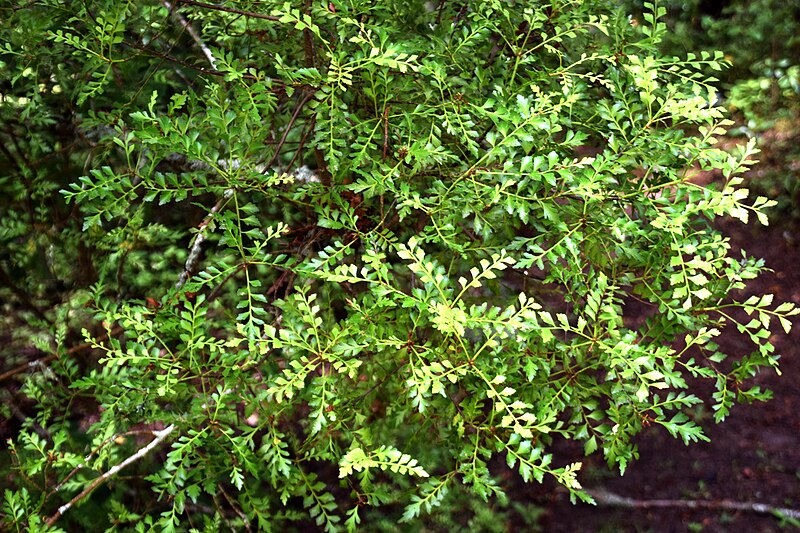
Learn about Tanekaha, a strong native tree with unique uses and growth needs.
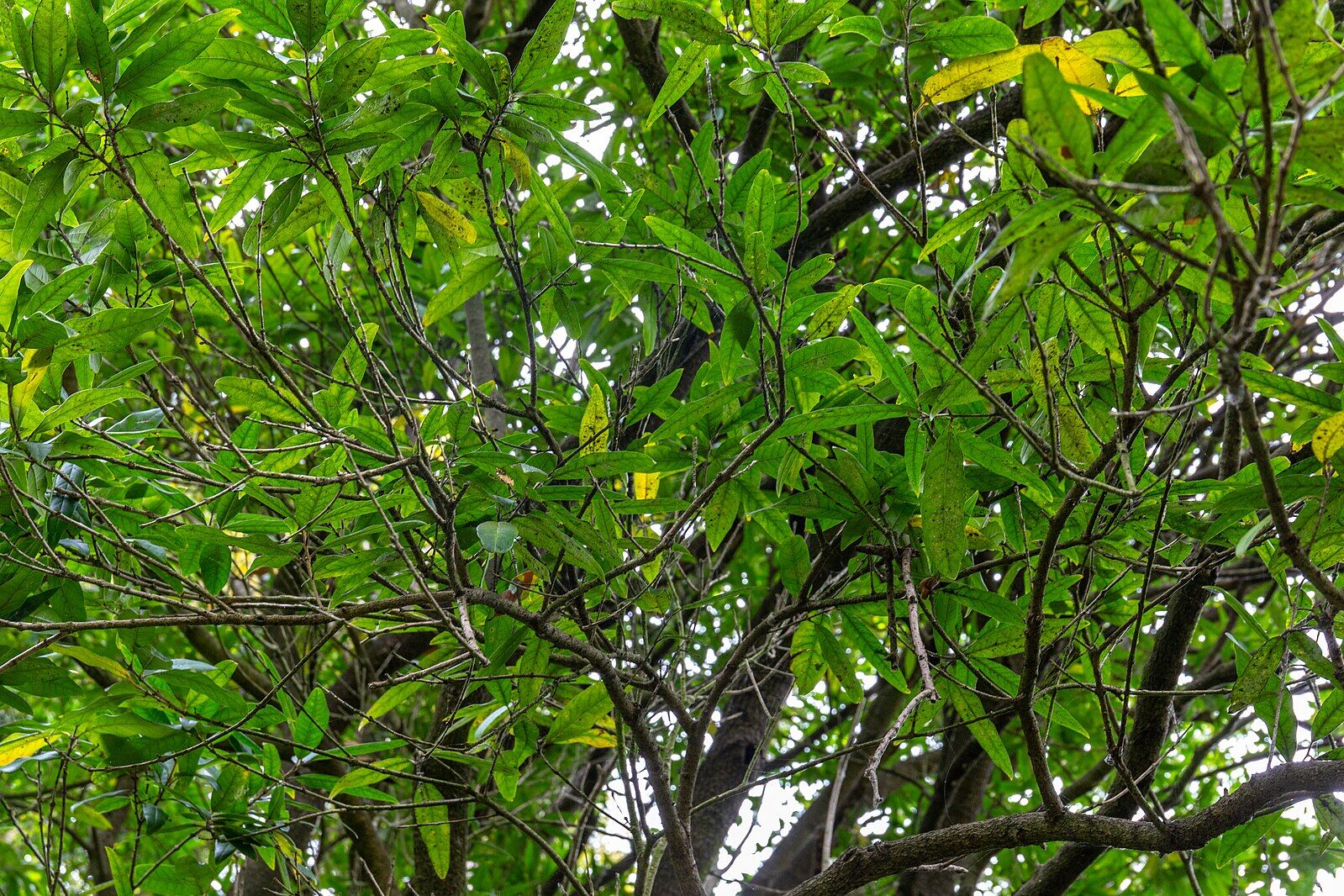
Learn about Black Maire and its potential uses.
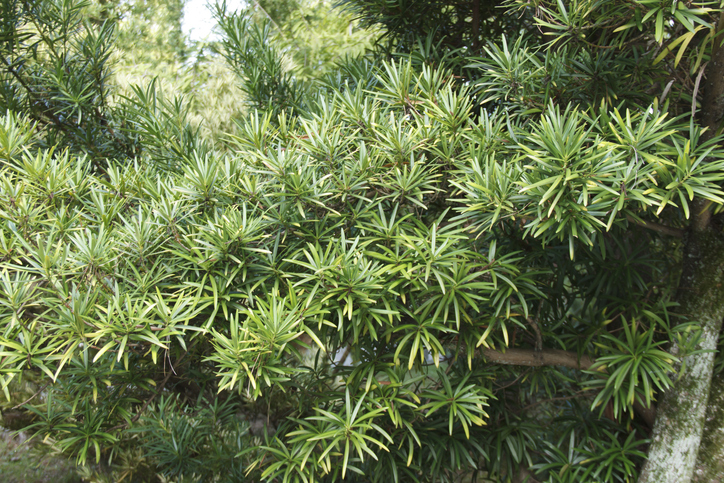
Learn about kahikatea trees, their uses, growth, and cultural history.
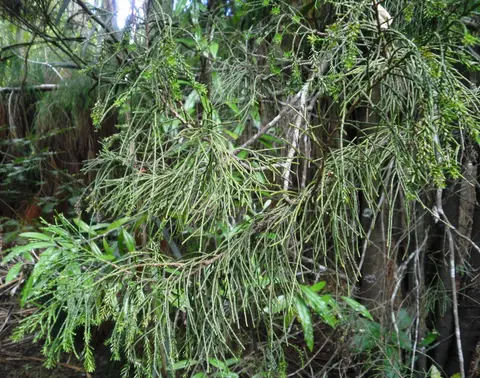
Learn about Manoao, a durable native tree with valuable timber and chemical uses.
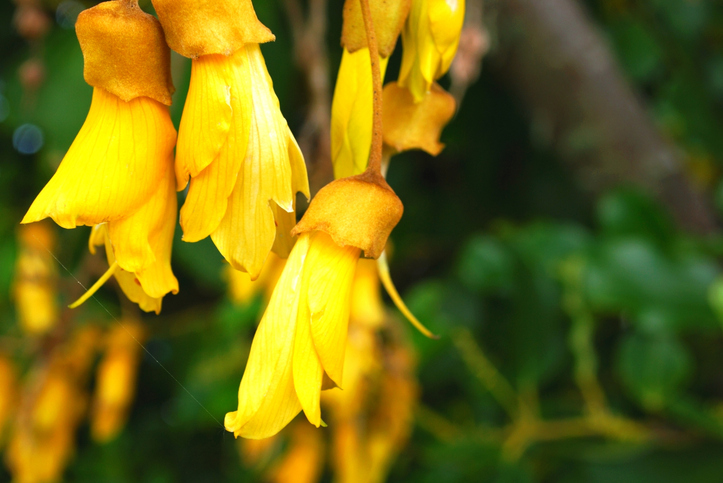
Learn about Kōwhai trees, their history, uses, and growth in New Zealand.
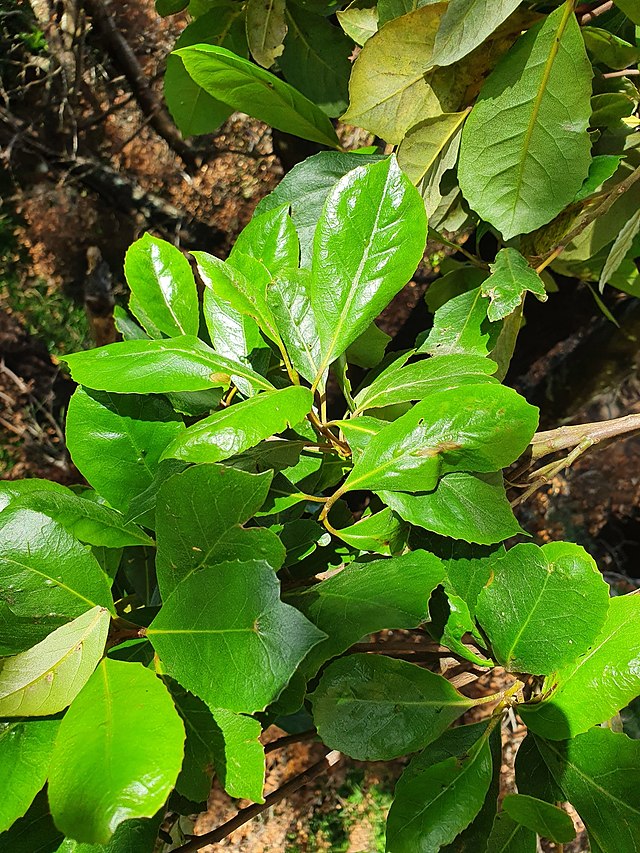
Learn about the qualities and uses of hinau.
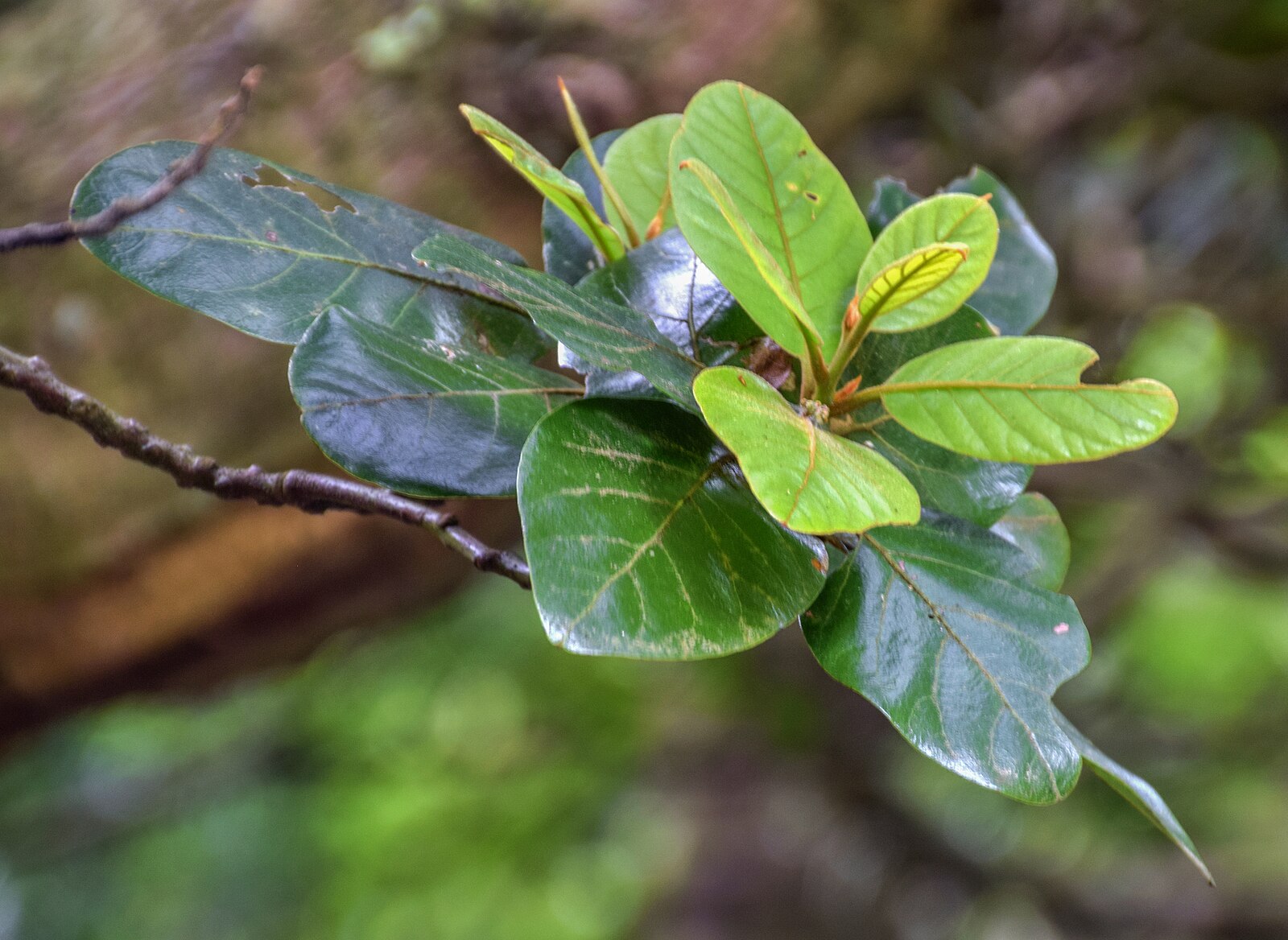
Taraire is a native New Zealand tree known for its growth in rich soils and unique timber.
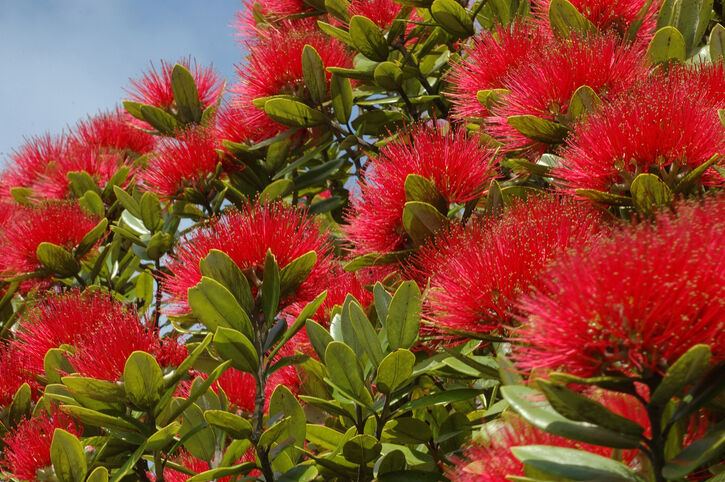
Learn about the history and uses of Pōhutukawa.
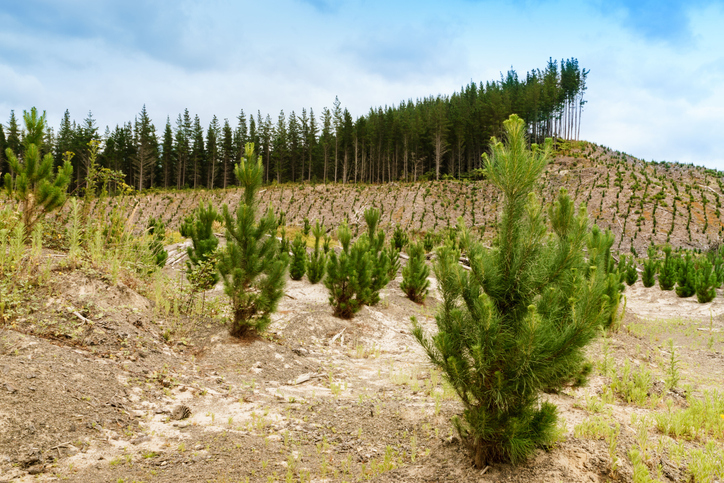
This resource challenges myths about planted forests, especially radiata pine, in New Zealand.
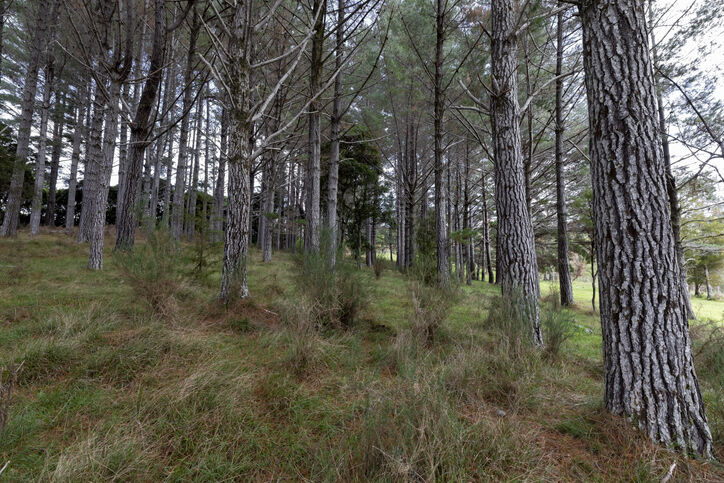
Learn about sustainable farming and forestry in North Canterbury for income and shelter.
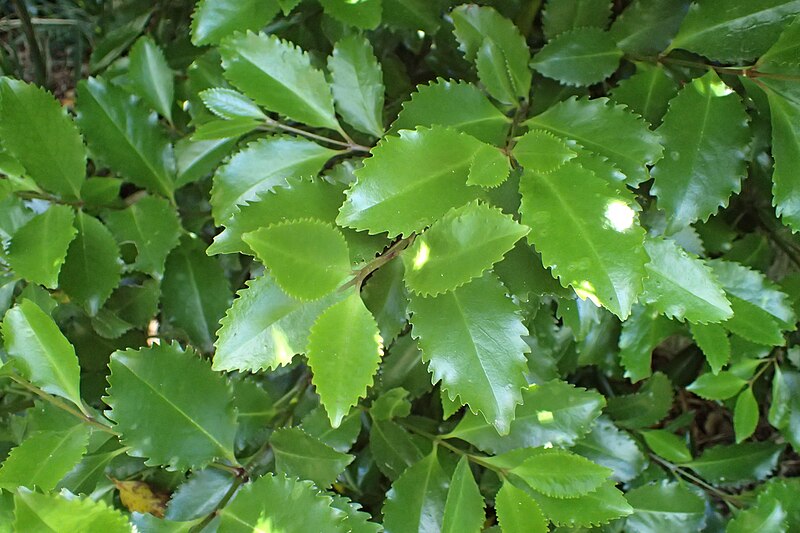
Learn about the Pukatea tree, its uses, its growth, and its ecological importance.
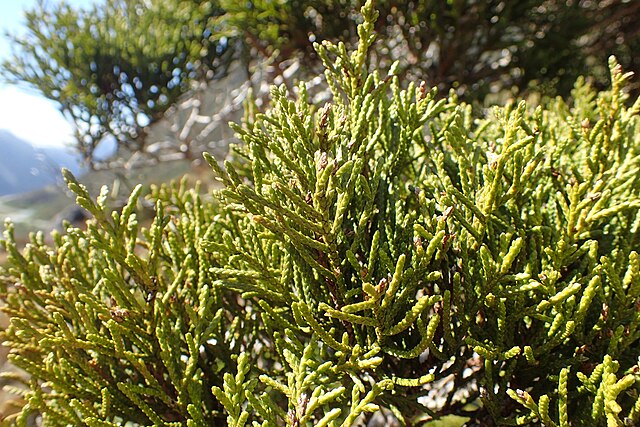
Learn about Pink Pine's features, uses, and potential value in Aotearoa forests.
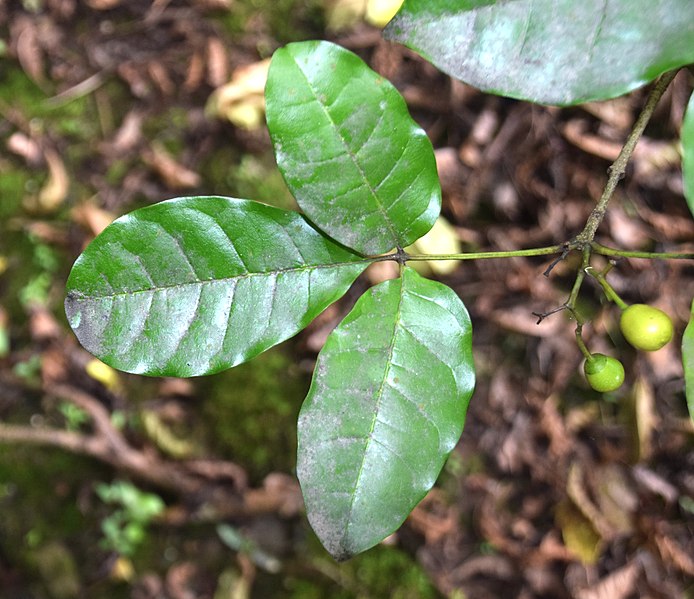
Learn about the Puriri tree and its uses.
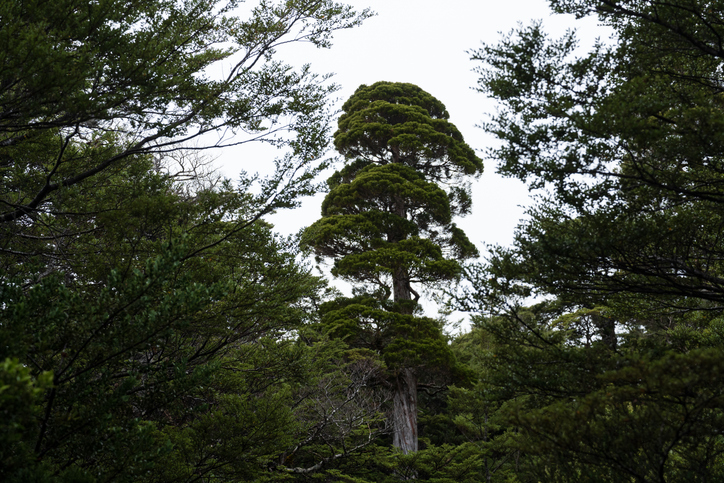
Learn about Kaikawaka, a lightweight native tree with unique timber uses.
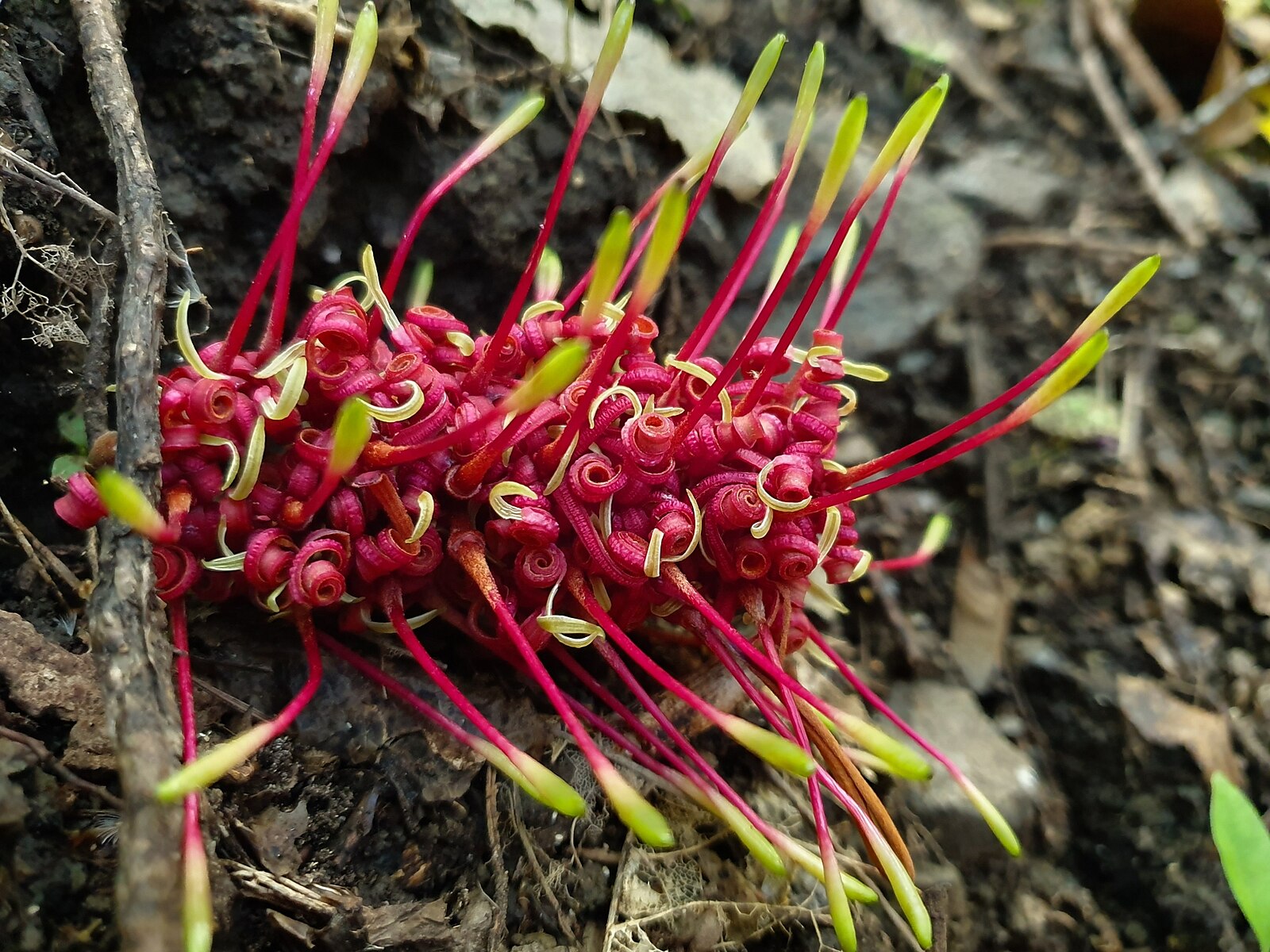
Learn about Rewarewa, a unique New Zealand tree with valuable timber and vibrant flowers.
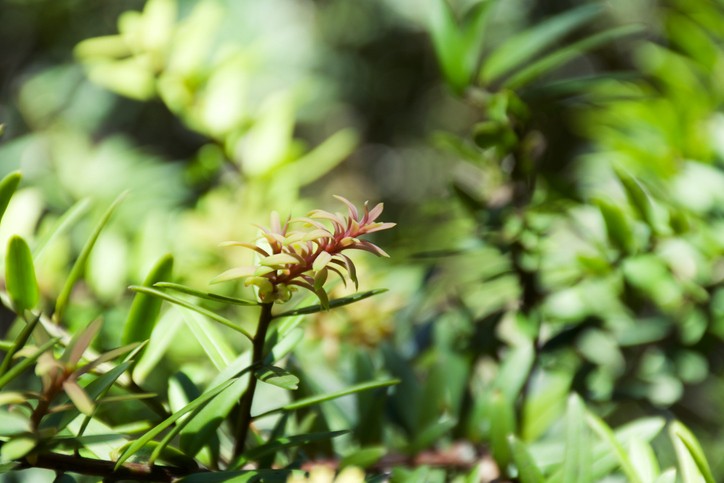
Learn about Tōtara and how they can improve outcomes for farms and te taiao.
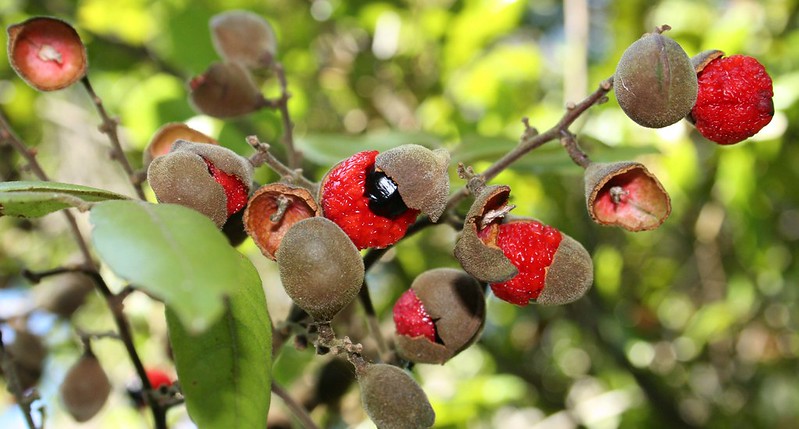
Learn about Titoki, a unique native tree with historical uses and potential benefits.
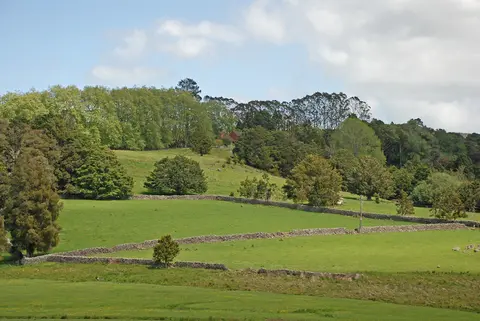
Get practical tree planting advice specific to Taitokerau.
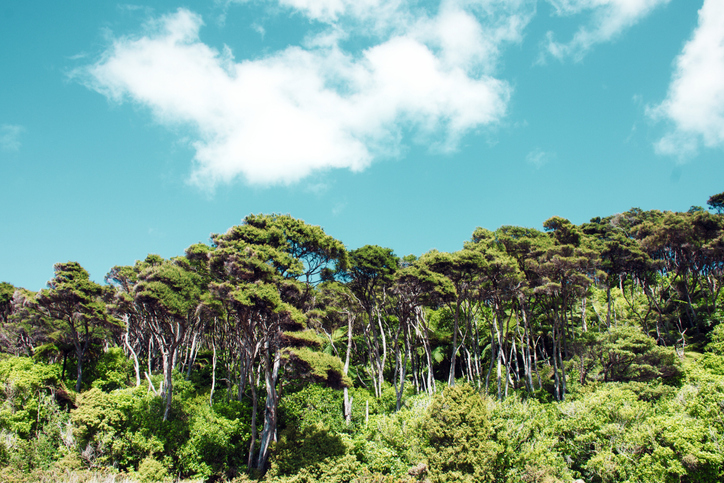
Kanuka is a versatile native tree with uses in timber, medicine, and fuel.
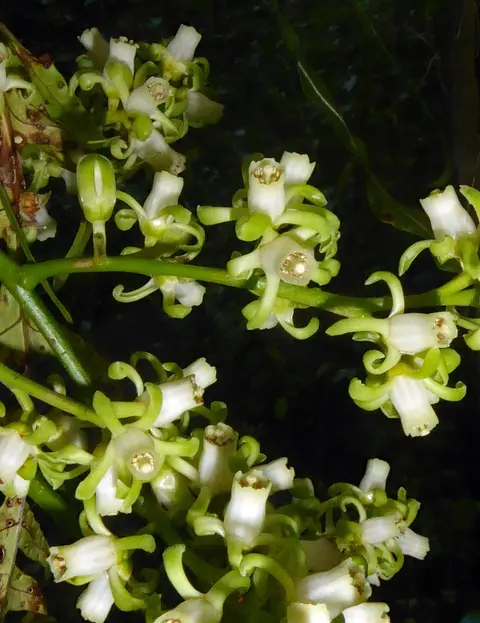
Learn about Kohekohe, its uses, growth, and potential in forestry.
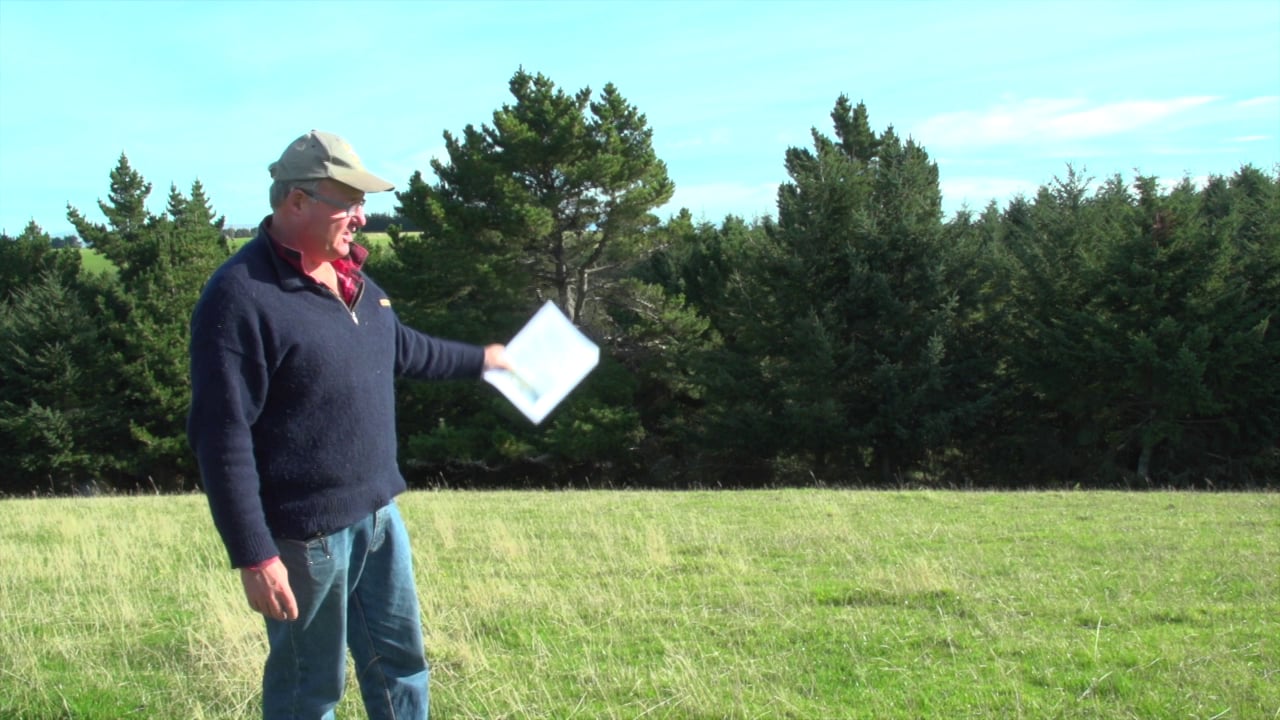
Explore a farm that uses diverse trees for shelter, wildlife, and better outcomes for livestock.

Learn how effective farmer engagement can boost local native tree planting.