Transitions to water based land uses that enhance taonga species
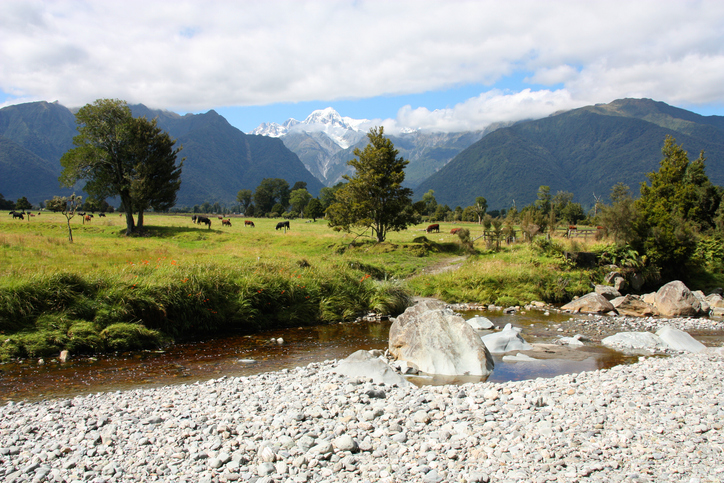
A research project on water-based land use for improving native fish habitats in New Zealand.
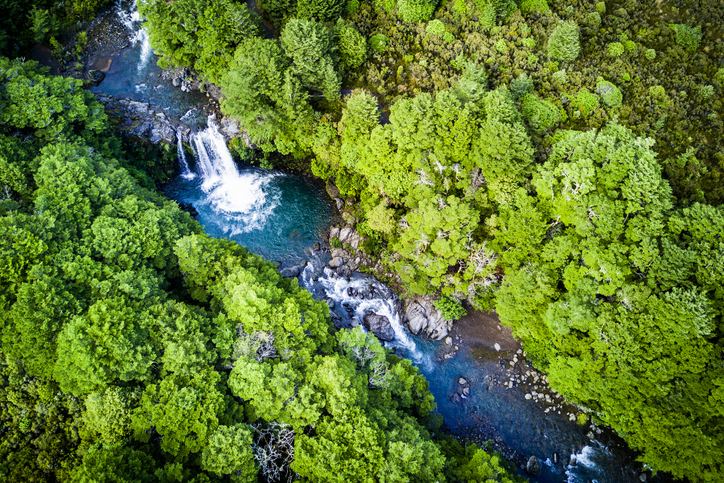
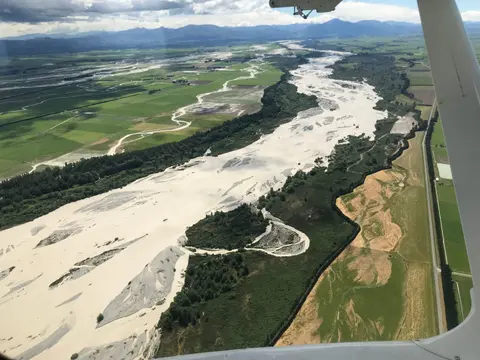
The Ruamahanga Restoration Trust uses a variety of nature-based methods to slow down water flow and reduce flooding.
Nature-based solutions, like building leaky dams and sediment ponds, can slow water down and improve water quality. In urban areas, using permeable pavements and rain gardens can help absorb rainfall. These approaches can also help to prepare for droughts.

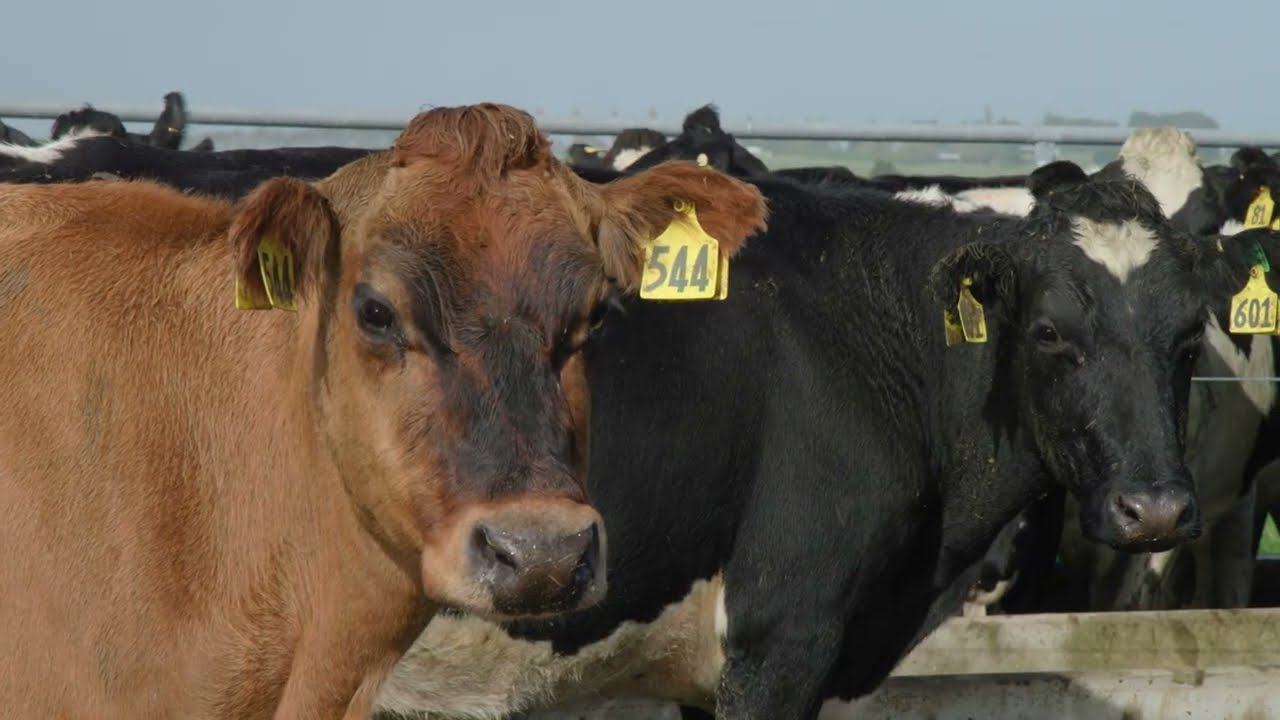
Dairy farmers in Waikato adapt to floods, droughts, and climate change impacts.

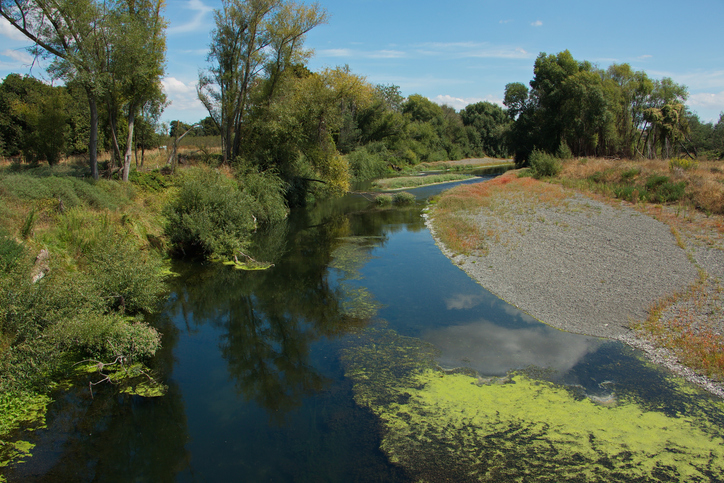
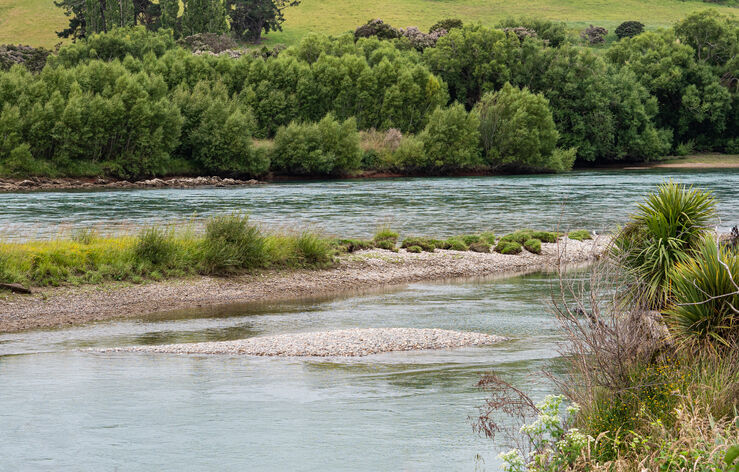
Get funding and advice to help protect and restore rivers on your whenua.

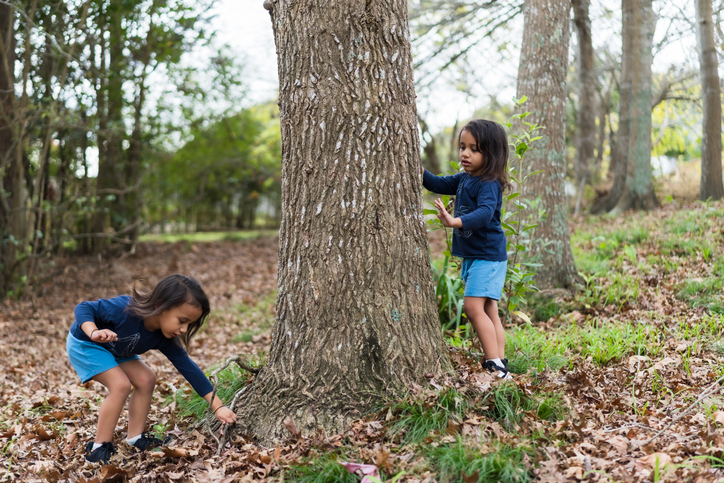
Learn how planting trees helps prevent soil erosion and improve water quality.

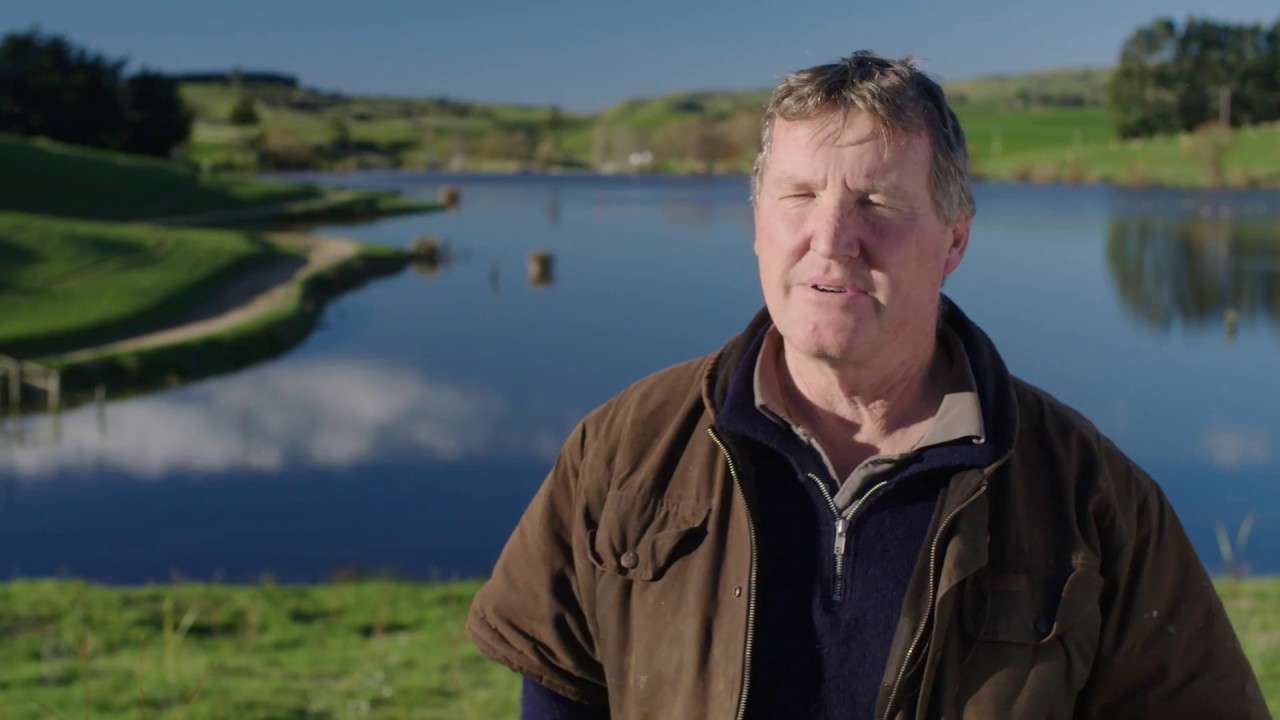
David Blackwood shares how he's using fencing and planting to improve water quality on his Wairarapa family farm.

Get tips on enhancing the environment without compromising productivity on your farm.

Compare ways to manage effluent ponds and spreading that protect waterways and cut methane.

Learn how to protect waterbodies and wetlands for healthier whenua.

This report explores land use changes in New Zealand to cut greenhouse gas emissions.

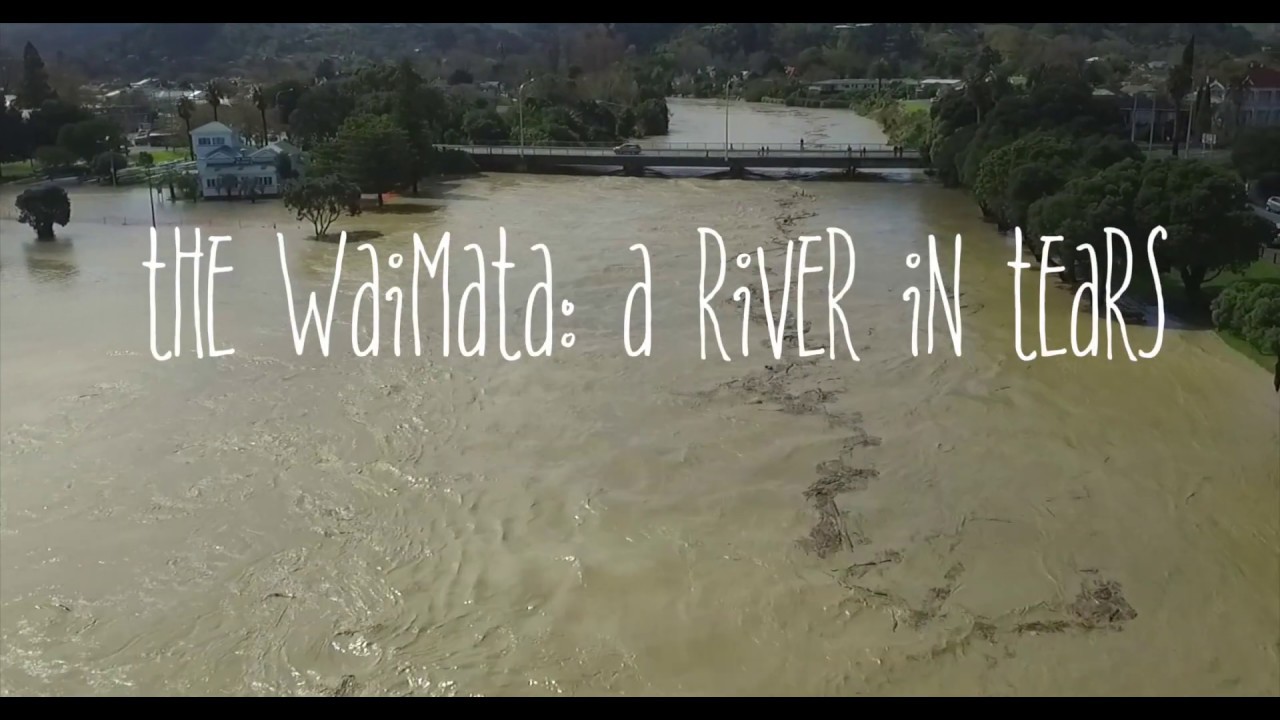
This add-in for Google Earth can help you map flooding using satellite imagery and public datasets.

Calculate your carbon footprint and learn how to reduce it with tools and tips from Tane's Tree Trust.

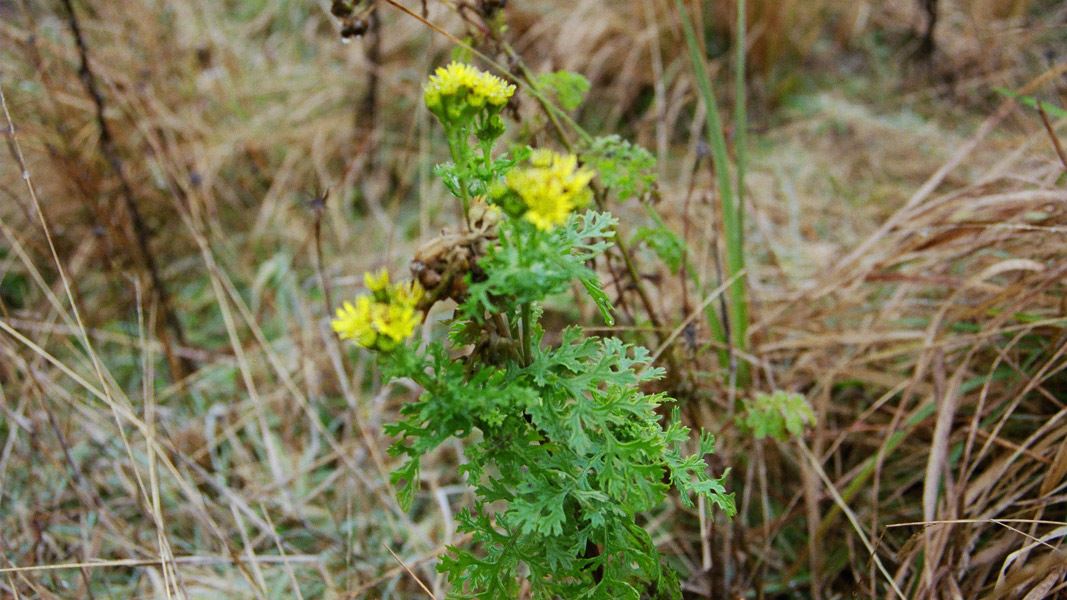
Learn effective ways to control weeds in Aotearoa ecosystems.

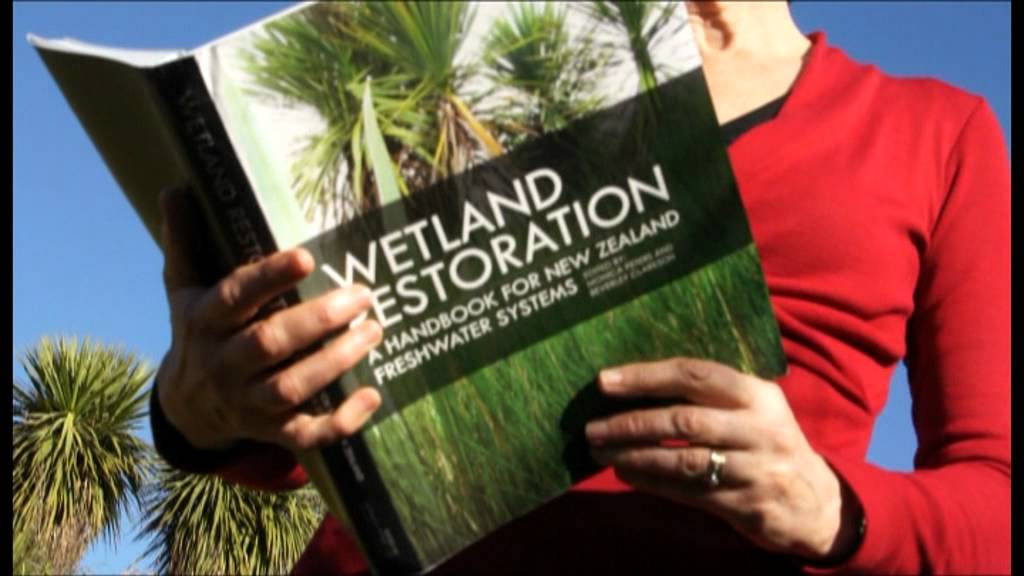
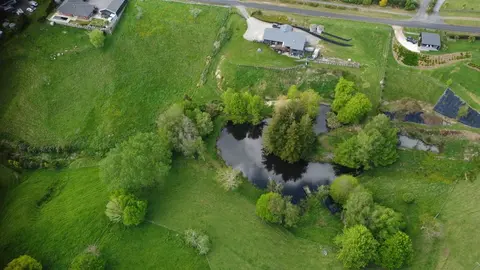
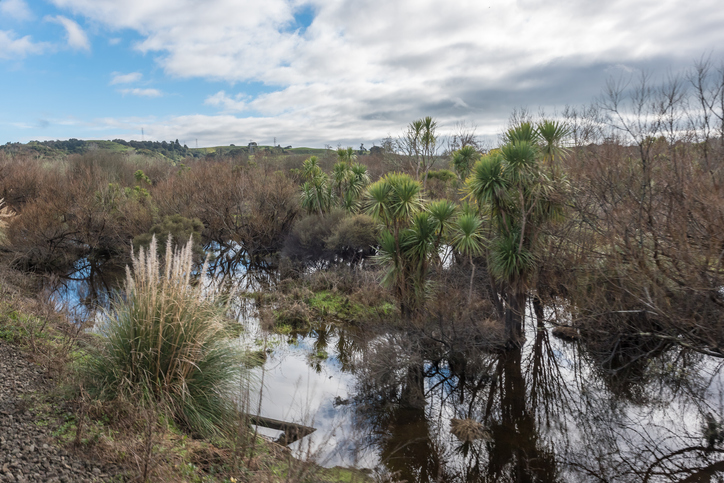
Learn how constructed wetlands treat farm runoff by removing sediment, nitrogen, and phosphorus.