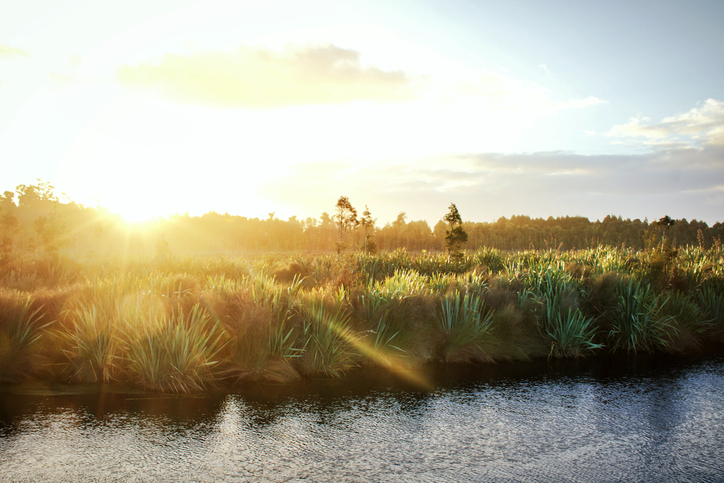
Wetland planting
Whenua
Biodiversity
Community
Conservation
Sustainability
Water
Learn how to plant and restore wetlands in New Zealand for better ecosystems.
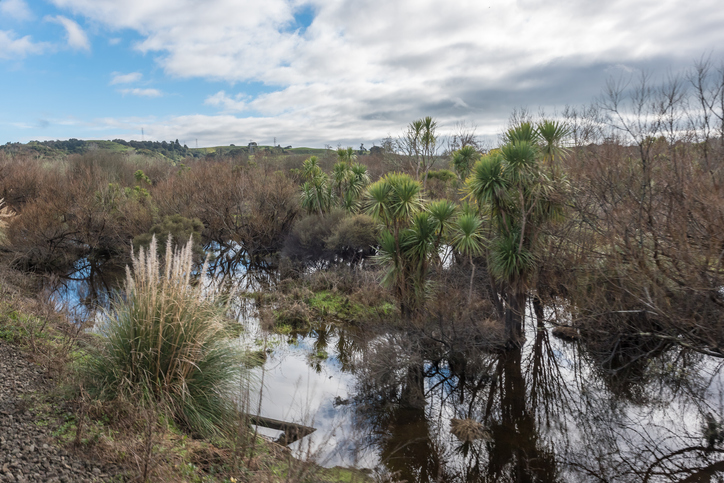
Constructed wetlands help reduce pollution from pastoral farms. These artificial wetlands are designed to capture and treat farm run-off and drainage water. They should cover 1-5% of the catchment area, providing more space for better contaminant removal.
A well-designed wetland includes a sedimentation pond to catch larger particles and has zones with shallow water for plants to grow. These plants improve water quality by using nutrients and supporting healthy microbes. Well-maintained wetlands can help keep waterways clean, which benefits both the environment and farm operations.
Learn how to plant and restore wetlands in New Zealand for better ecosystems.
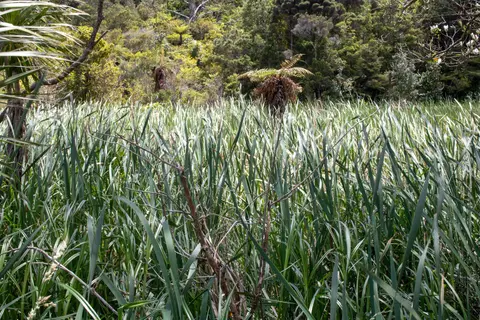
See how Owl Farm's constructed wetland strips nitrogen and sediment from farm runoff.
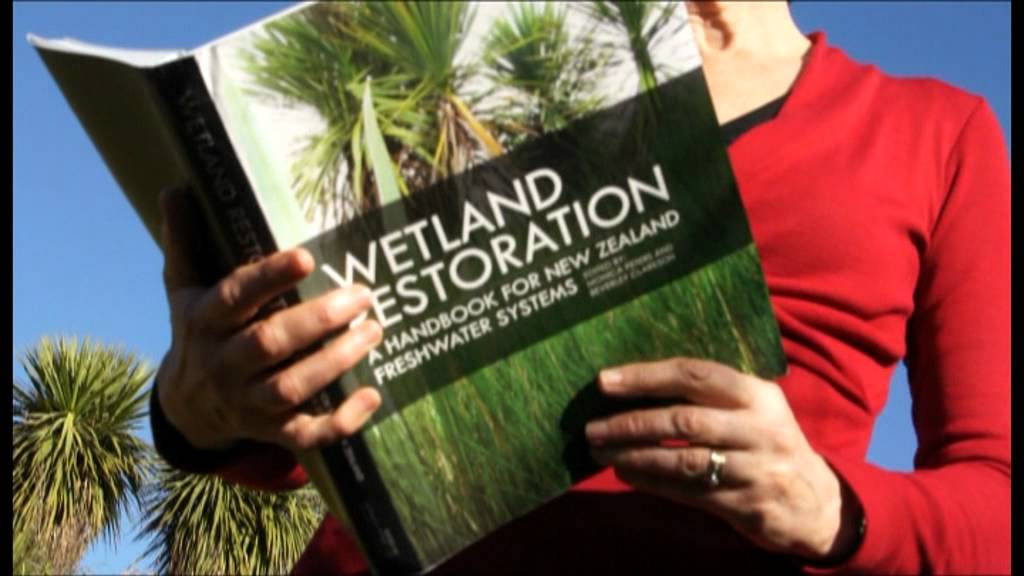
A guide to restoring New Zealand's freshwater wetlands with practical tips and beautiful images.
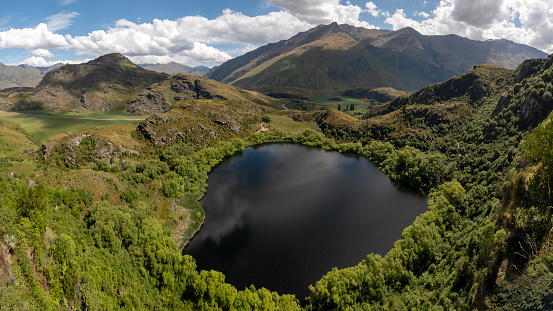
Explore how land use changes affect water quality and nitrogen, phosphorus loads.
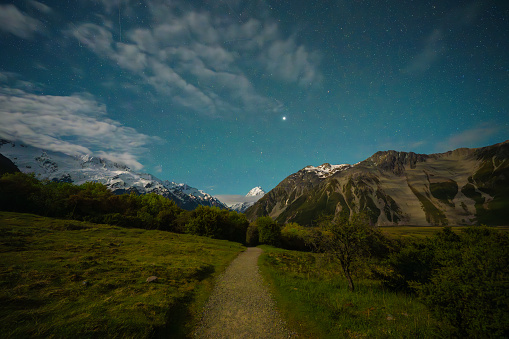
Using radiometrics and local knowledge to map how Southland's landscape affects water quality.
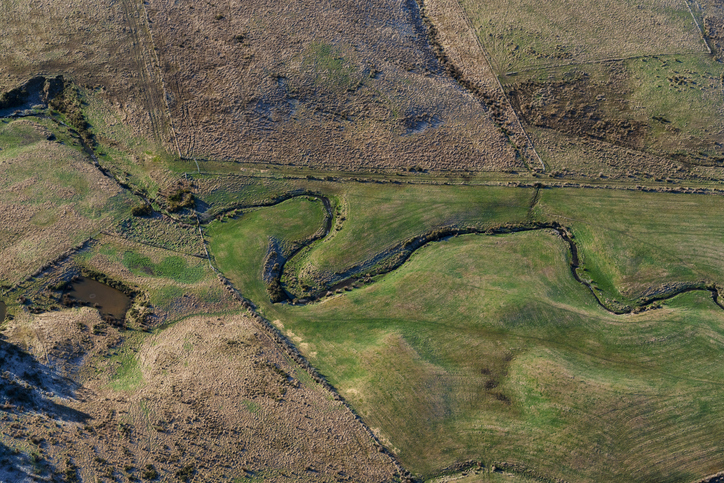
A freshwater farm plan can help you protect freshwater in your rohe. In some cases you might be required to have one.
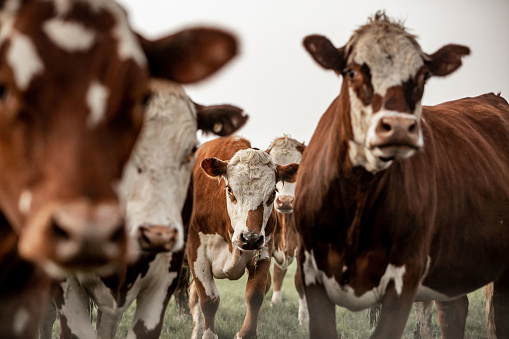
Explore how dairy water-quality measures affect greenhouse gas emissions too.
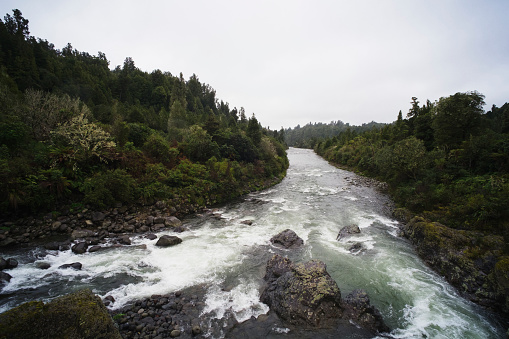
Compare nitrogen and phosphorus levels in your rivers against national bottom lines.
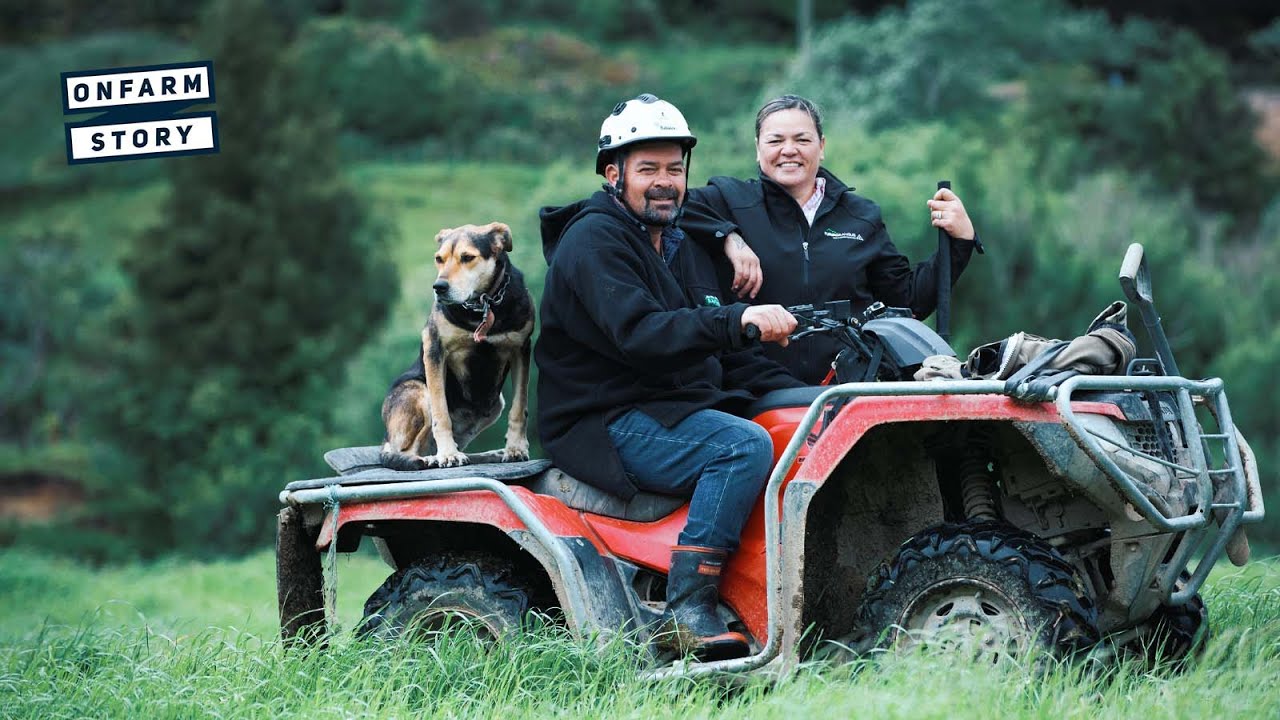
Learn about how the Weka Wetland project at Matawai increases biodiversity while reducing erosion and run-off.
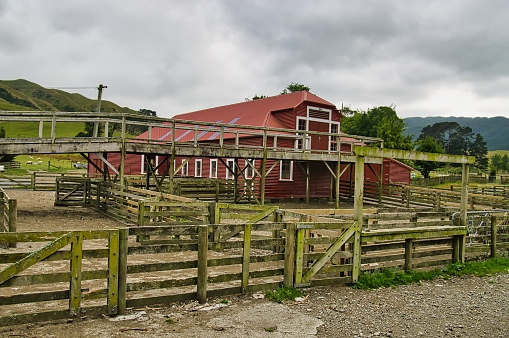
Learn how winter housing can reduce greenhouse gas emissions from livestock.
Explore ways to boost soil carbon through diverse plants, better grazing, and smart irrigation.
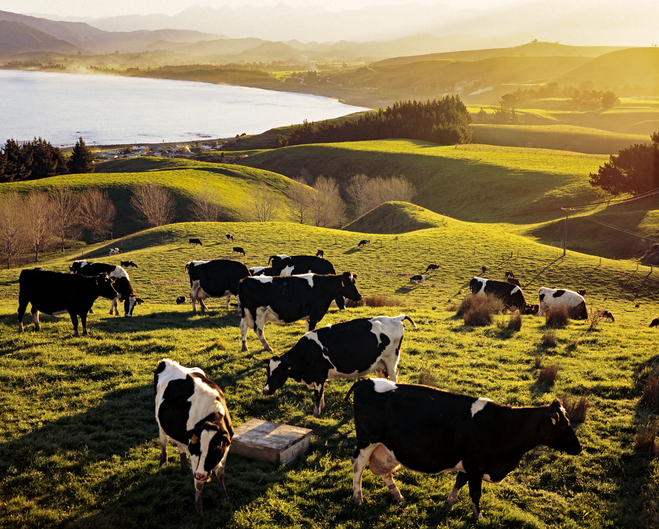
See which sheep and beef mitigation measures cut nutrient loss and emissions.
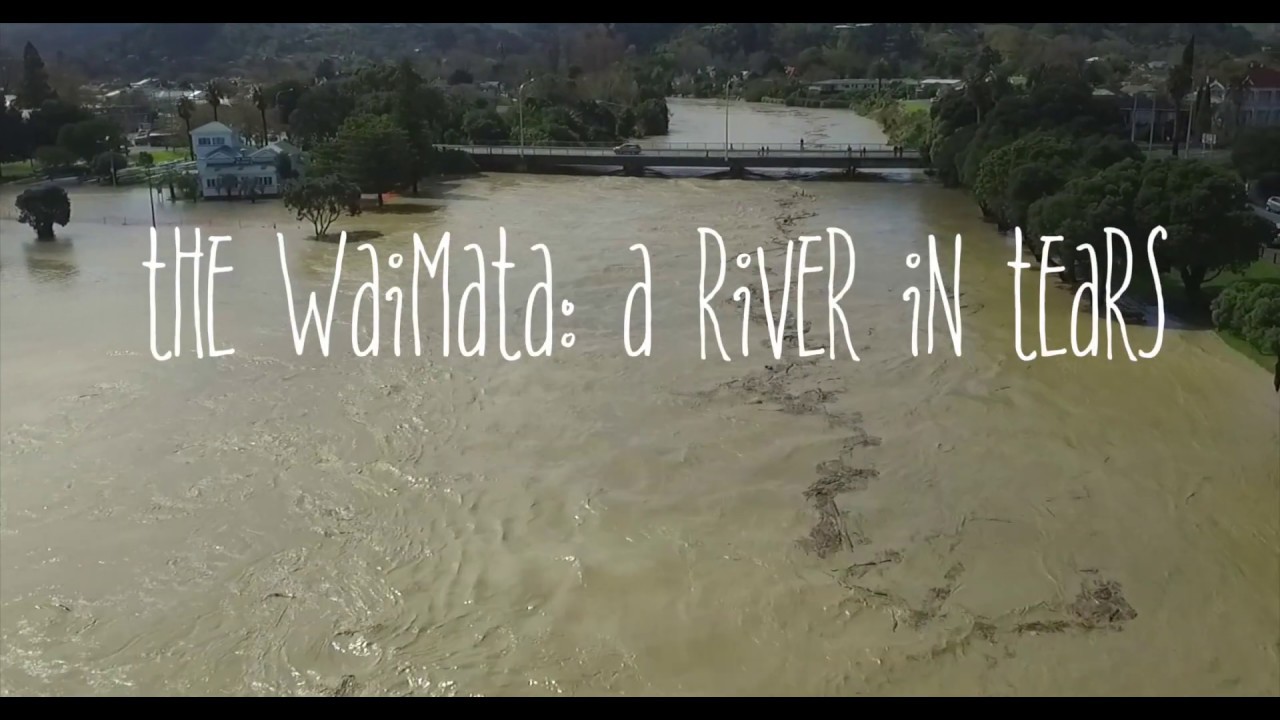
Waimata River faces severe erosion, pollution, and habitat loss from farming and logging.
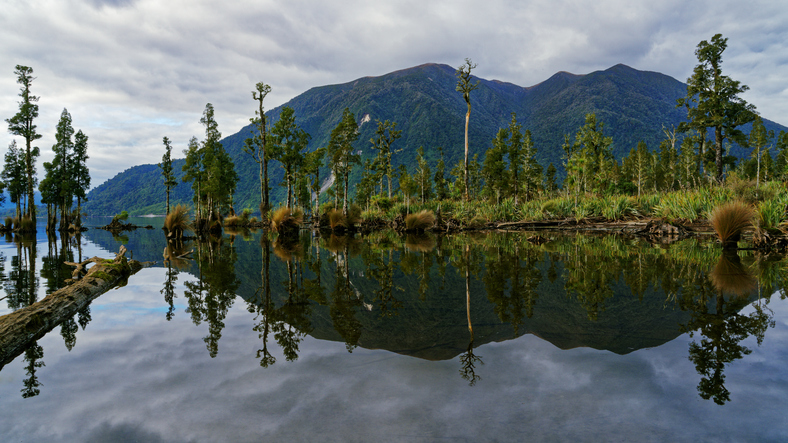
Learn how to identify wetlands on your whenua.
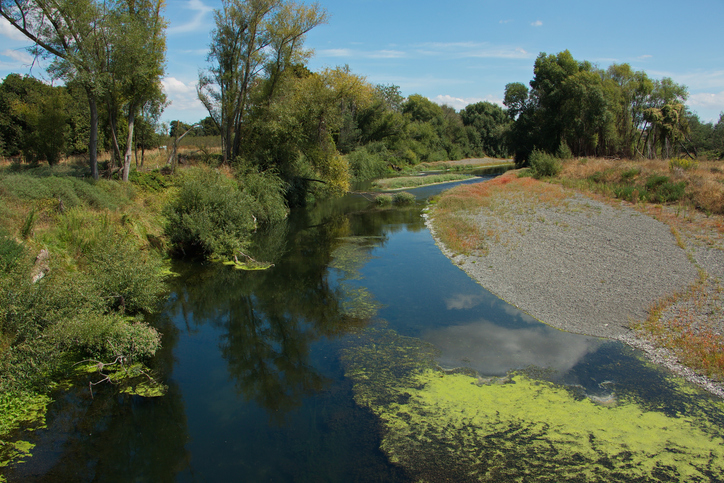
Learn how to protect waterbodies and wetlands for healthier whenua.
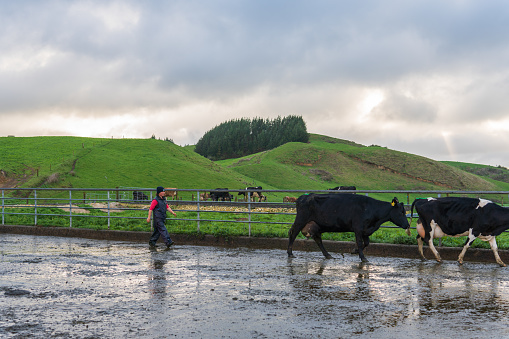
Map showing nitrate-nitrogen leaching from dairy farms, with spatial accuracy at 100m resolution.
This guide explains how to cut nitrogen use, reducing nitrous oxide emissions on farms.
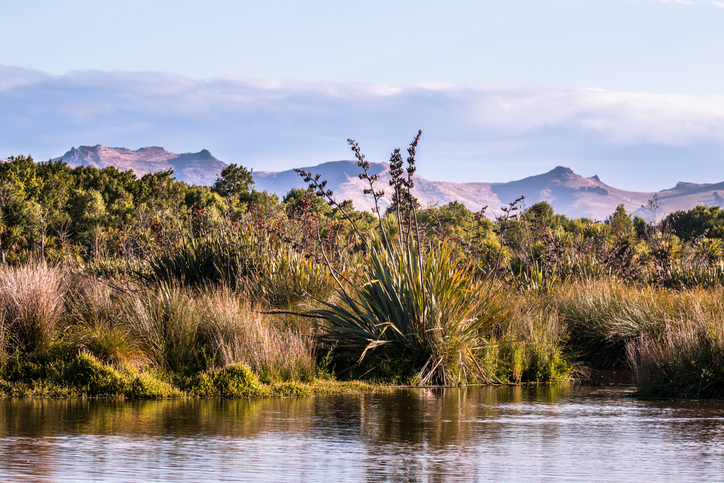
This add-in for Google Earth can help you identify wetlands using satellite imagery and public datasets.
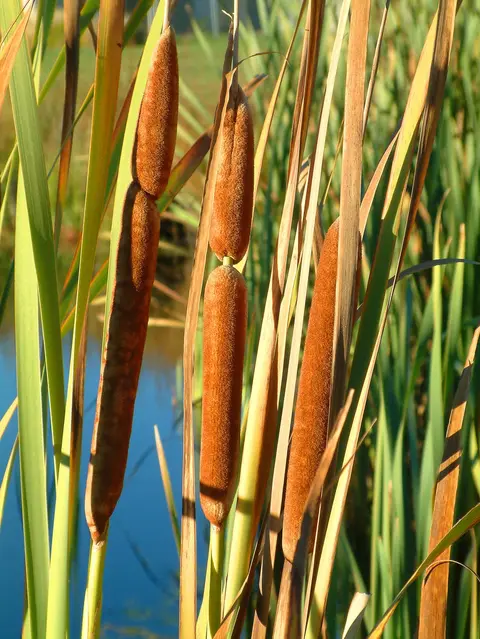
An interactive key to identify different wetlands that can be found in Aotearoa.
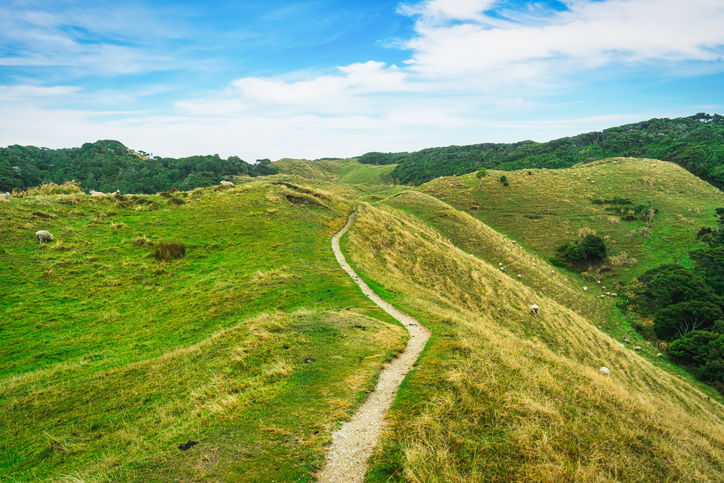
This study models soil loss, which is a major issue for Aotearoa farms and the environment.
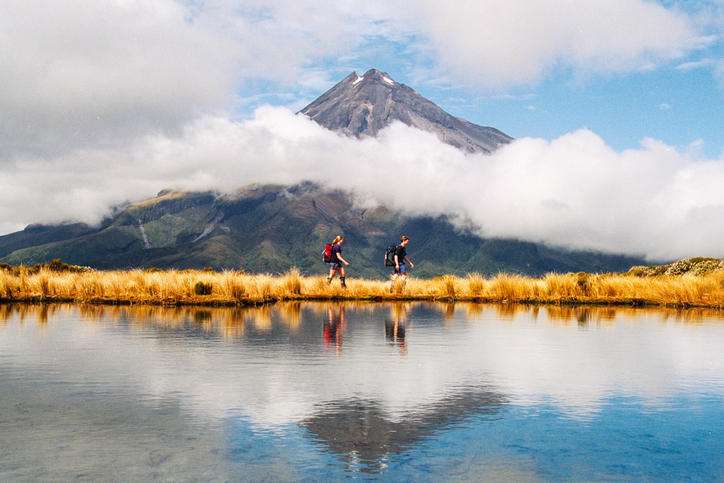
Learn about rules for activities near Taranaki wetlands.
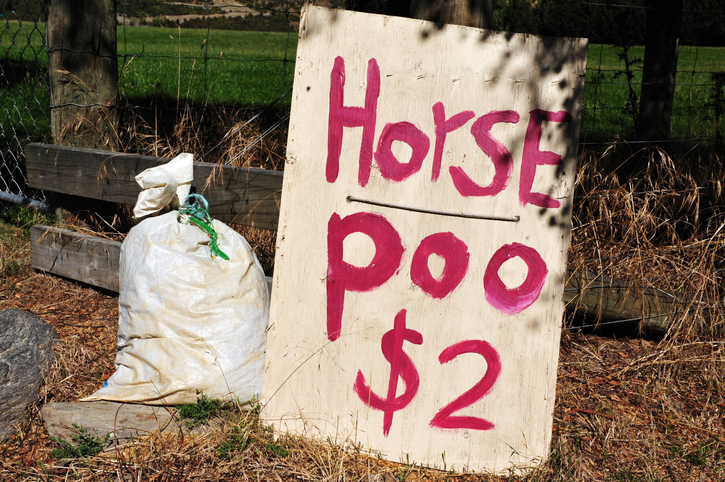
Understand different manure storage options to reduce methane emissions on livestock farms.
Learn how you can reduce your greenhouse gas emissions while staying profitable.