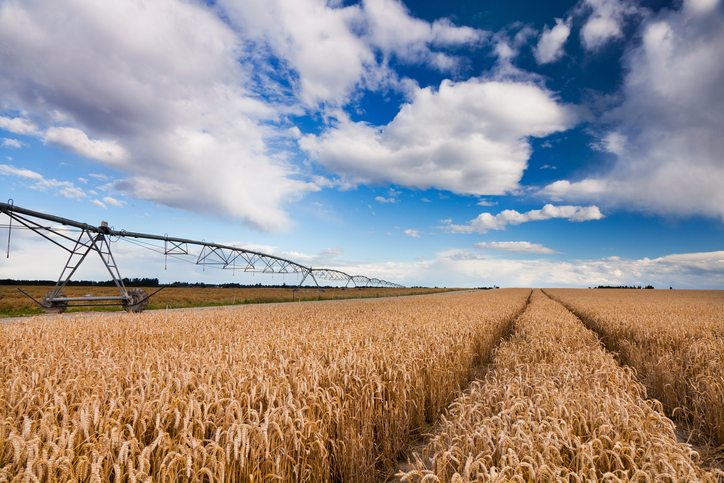
Wheat - Critical climate risks
Climate
Adaptation
Arable crops
Risk
Sustainability
Check how often heat stress could hit wheat in your rohe as the climate changes.
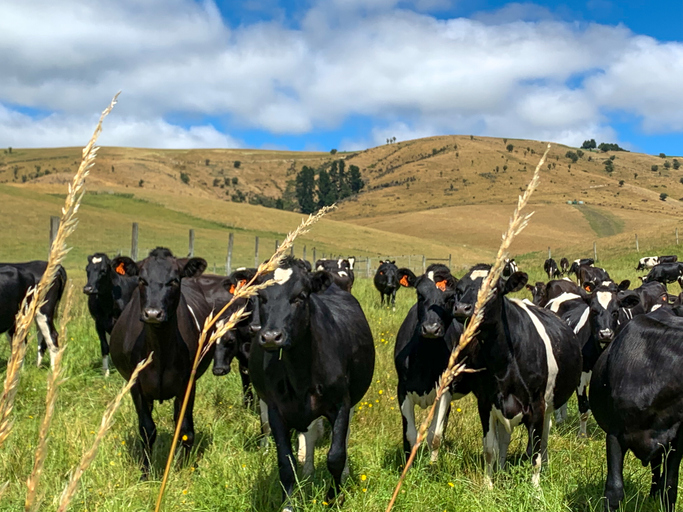
This dataset maps how many days a year dairy cows are likely to experience heat stress across Aotearoa, and how that could change as the climate warms.
The map shows the years around 2050 if the climate keeps warming at a high rate. Click a point on the map to see the number of days for that area.
It uses the Temperature-Humidity Index, a standard measure of heat stress in cattle, and counts the days each year the index crosses the point where cows start to struggle. You can compare the recent past with two future periods, around 2050 and around 2090, across a range of possible futures from lower emissions through to one where the climate keeps warming at a high rate.
NIWA applied the index to its national climate dataset, averaged across six global climate models. The climate information behind it is too coarse to judge conditions on a single farm.
There are some important things to be aware of when using this data:
The full dataset, with other futures and the end of the century, is on the Whitiwhiti Ora site.
Check how often heat stress could hit wheat in your rohe as the climate changes.
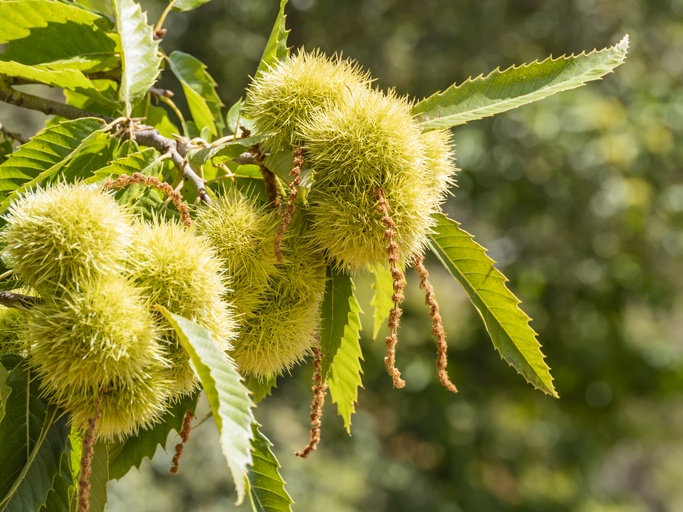
See how often frost and heat could threaten chestnuts in your rohe as the climate changes.
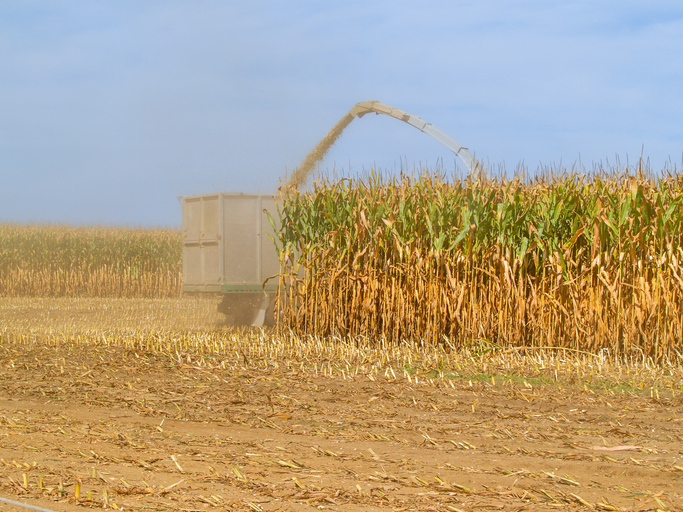
Find out how often heat stress could hit maize in your rohe as the climate changes.
Explore how well cherries could grow in your rohe by 2050 as the climate changes.
Explore projected temperature and rainfall changes for Aotearoa online.
See how climate change could shift facial eczema risk for your livestock.
Discover how heat, frost and heavy rain could affect onions in your rohe.
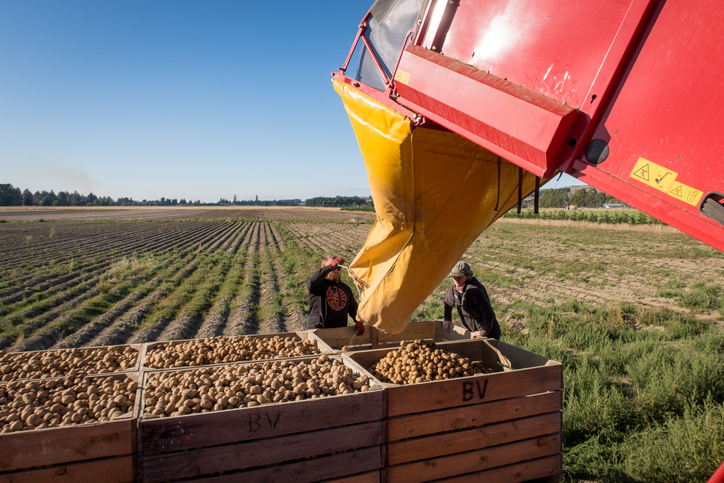
Learn how heat and frost risks for potatoes in your rohe could change over time.
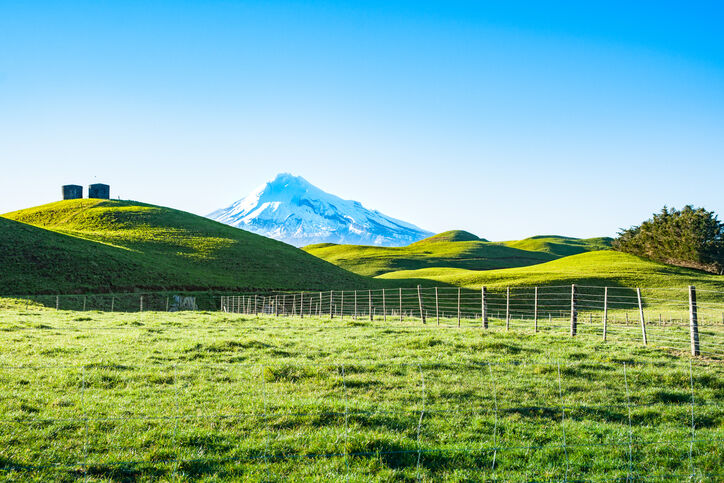
A report produced by NIWA, details climate change impacts and projections for Taranaki until 2100.
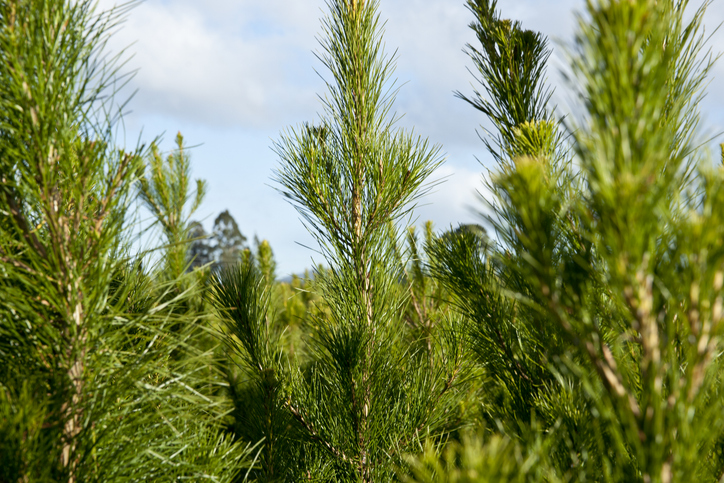
Find out how well radiata pine could grow and yield timber on your whenua.

Get tips on how to recognise and manage stress and burnout on the farm.
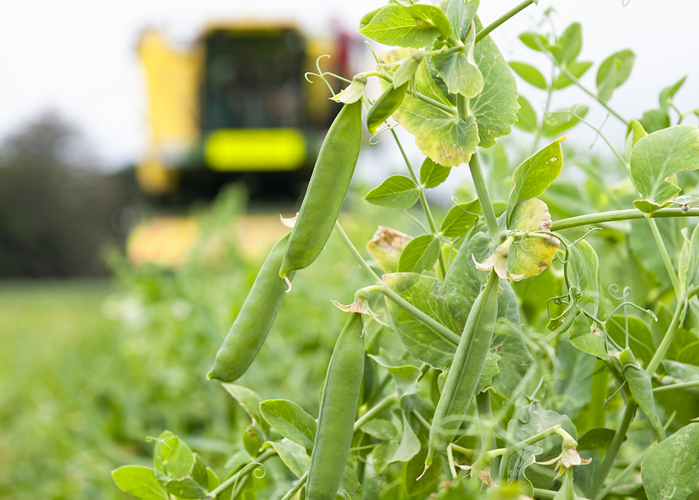
Explore how heat and frost risks for peas in your rohe could change over time.
Track how sowing and harvest timing for maize could shift as the climate changes.
Find out how pasture growth on your land could change as the climate warms.
Learn how well kiwifruit could grow in your rohe by 2050 as the climate changes.
See how water shortfalls under maize could change as the climate warms.
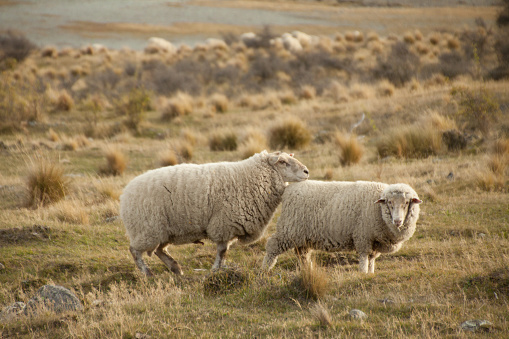
See how haemonchosis risk for your livestock could shift as the climate changes.
Find out how well avocados could grow in your rohe by 2050 as the climate changes.
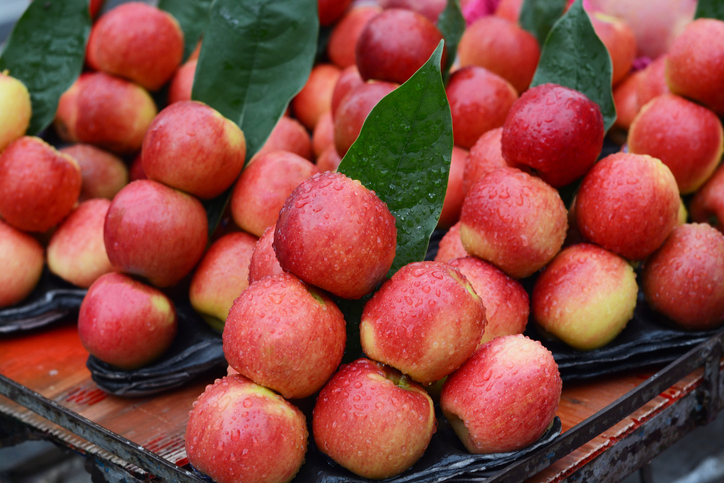
See how well apples could grow in your rohe by 2050 as the climate changes.
Find out how much drier your pasture could get by 2050 as the climate changes.
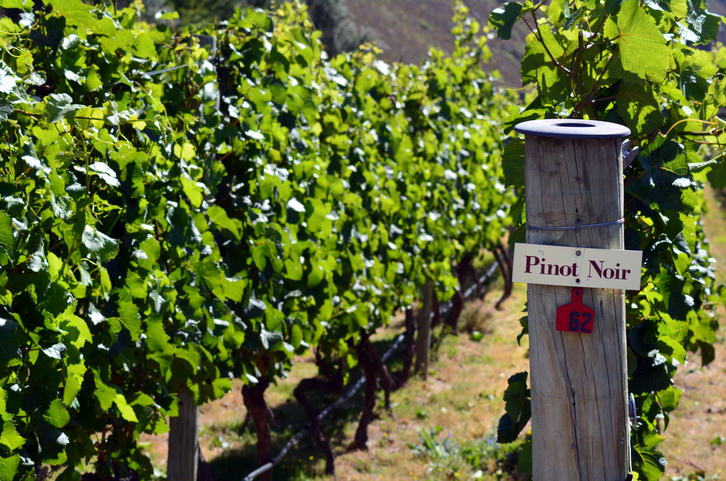
See how well Pinot noir grapes could grow in your rohe by 2050 as the climate changes.
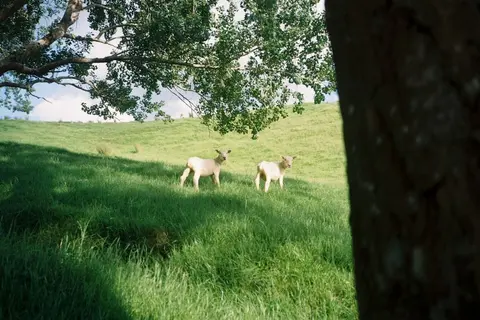
Understand how to protect cows from heat, cold and adverse weather to limit stress and losses.
Read how Owl Farm cools its herd through hot Waikato summers with shade and sprinklers.