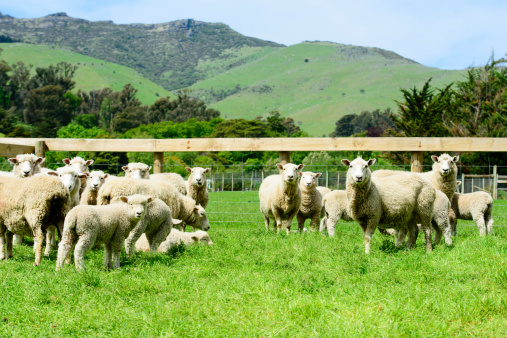
Facial eczema risks in New Zealand under changing climates
Climate
Pests and diseases
Risk
Sheep and beef
Sustainability
See how climate change could shift facial eczema risk for your livestock.
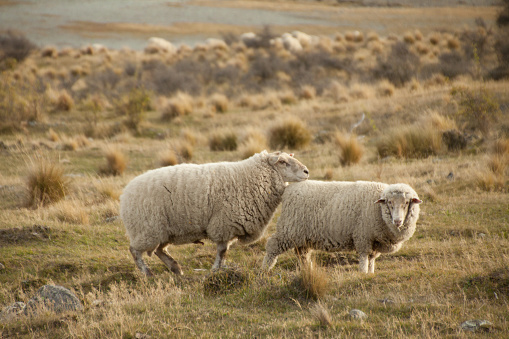
This dataset maps the risk of haemonchosis, a parasitic worm disease in sheep and goats, across Aotearoa, and how that risk could change as the climate warms.
The map shows the years around 2050 if the climate keeps warming at a high rate. Click a point on the map to see the risk for that area.
It gives a risk category at a fine resolution, comparing the recent past, 1981 to 2000, with around 2050 and around 2090 periods, across six global climate models and four emissions pathways, from lower emissions through to one where the climate keeps warming at a high rate.
AgResearch modelled the risk with a simple temperature-response model of how quickly the parasite's eggs and larvae develop, based on a 2013 method. The authors describe the model as simple and say it would benefit from further refinement.
There are some important things to be aware of when using this data:
The full dataset, with other futures and the end of the century, is on the Whitiwhiti Ora site.
See how climate change could shift facial eczema risk for your livestock.
Explore how heat and frost risks for peas in your rohe could change over time.
Explore projected temperature and rainfall changes for Aotearoa online.
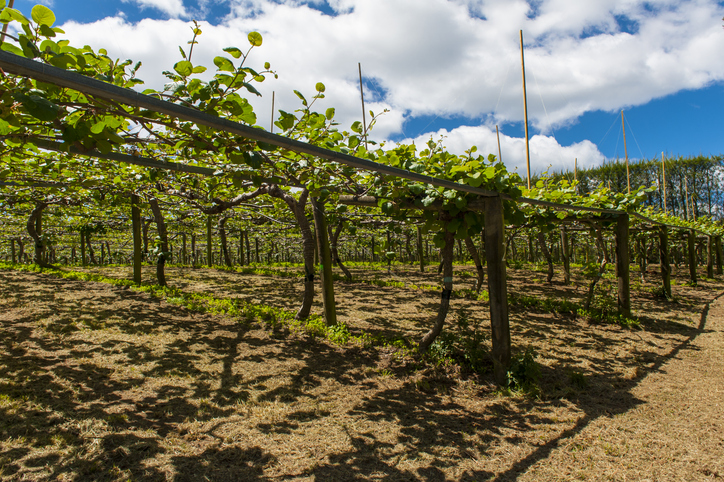
Learn how well kiwifruit could grow in your rohe by 2050 as the climate changes.
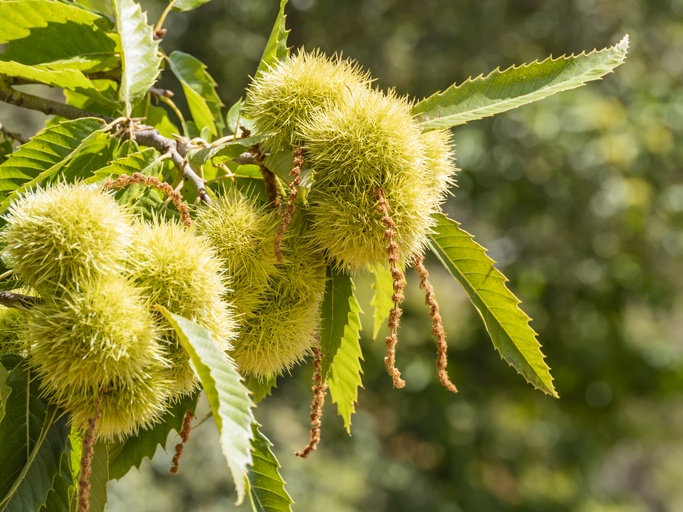
See how often frost and heat could threaten chestnuts in your rohe as the climate changes.
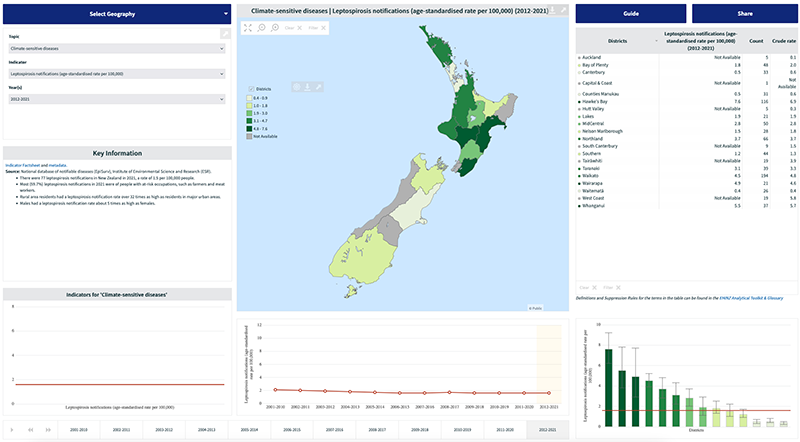
Use this dashboard to see how rising temperatures could affect disease risks in your rohe.

Check how forest fire danger in your rohe could change out to 2090.
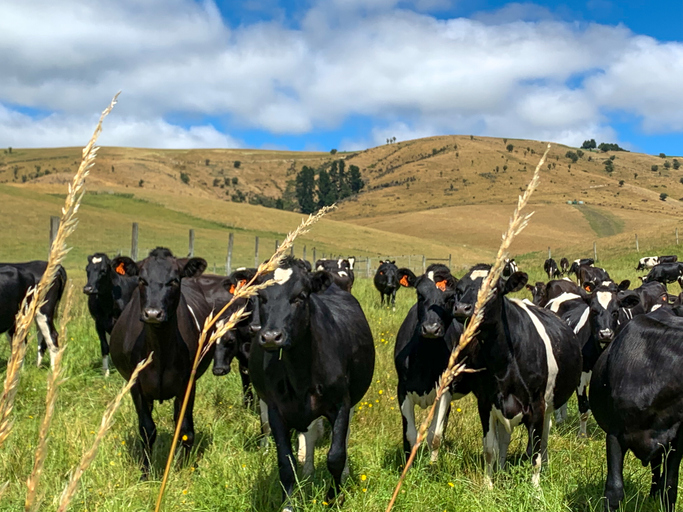
See how many hot days dairy cows in your rohe could face as the climate warms.
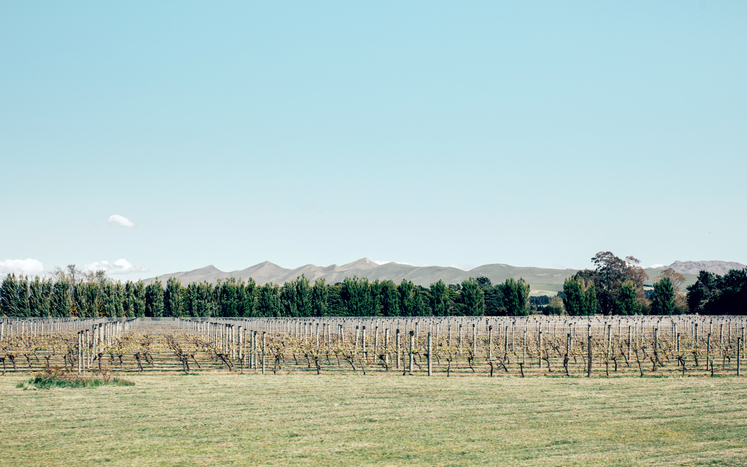
Discover how Sauvignon blanc's flowering and ripening dates could shift over time.
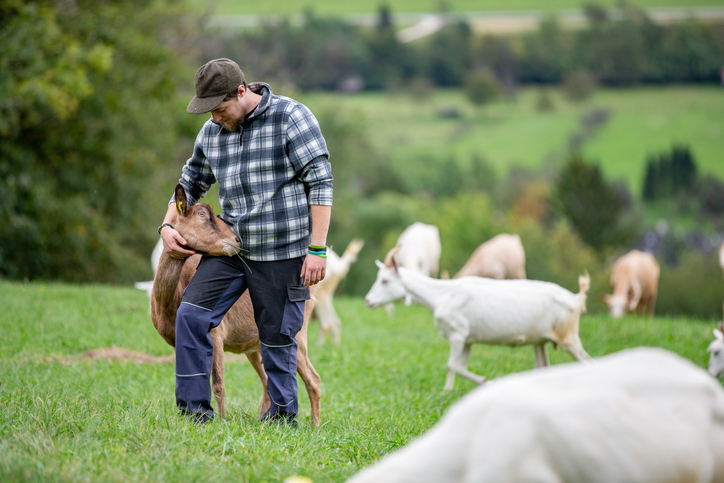
This resource helps goat farmers manage worms effectively and prevent drench resistance.
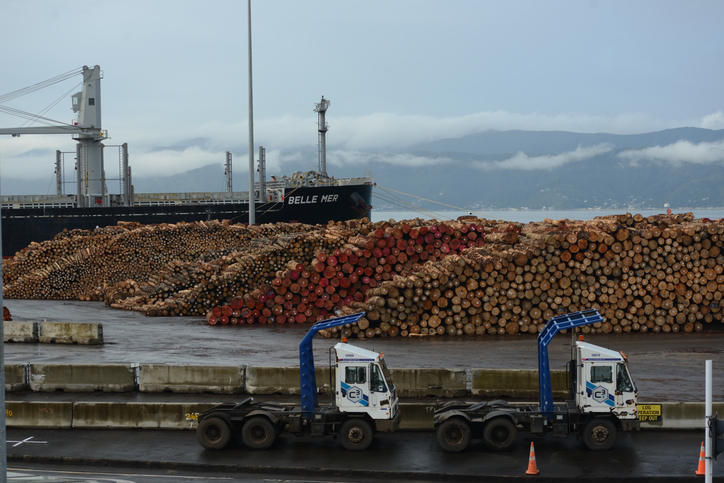
This technical model estimates forest profit expectations from 1990 to 2013.
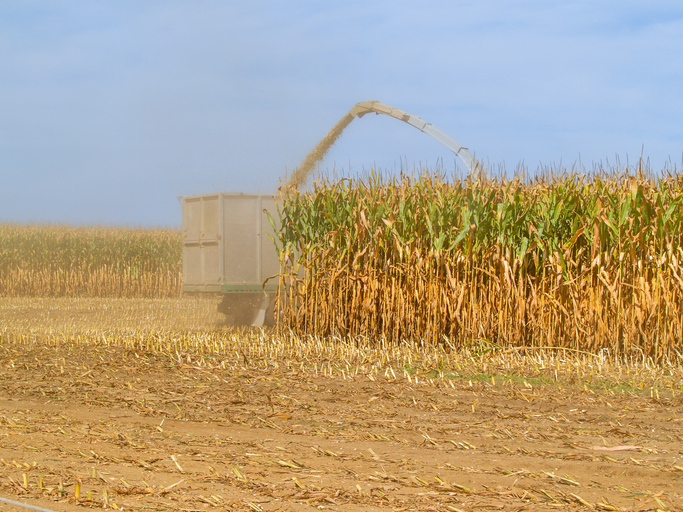
Find out how often heat stress could hit maize in your rohe as the climate changes.
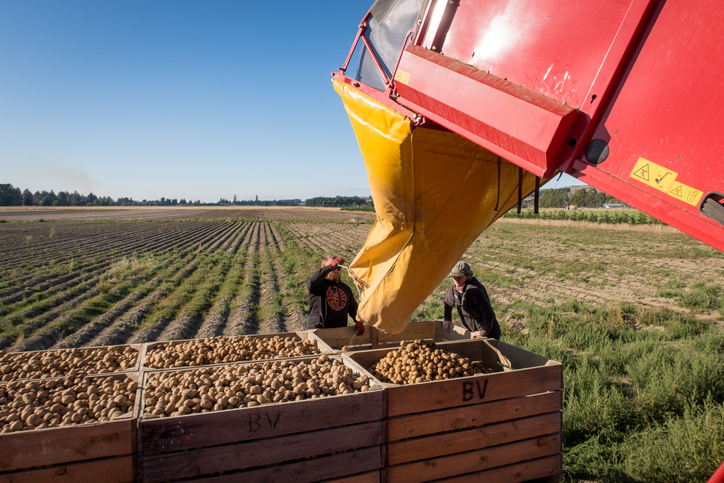
Learn how heat and frost risks for potatoes in your rohe could change over time.
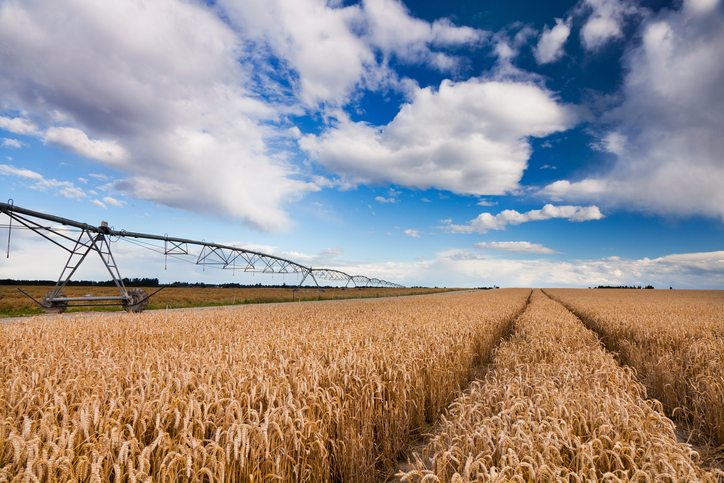
Check how often heat stress could hit wheat in your rohe as the climate changes.
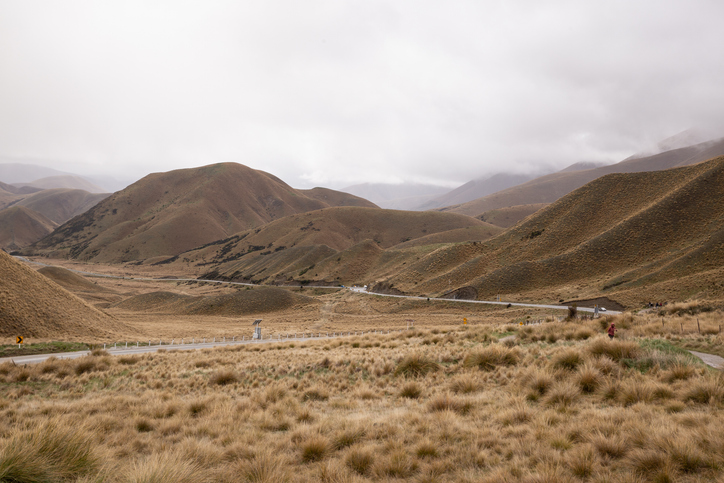
Find out how pasture growth on your land could change as the climate warms.
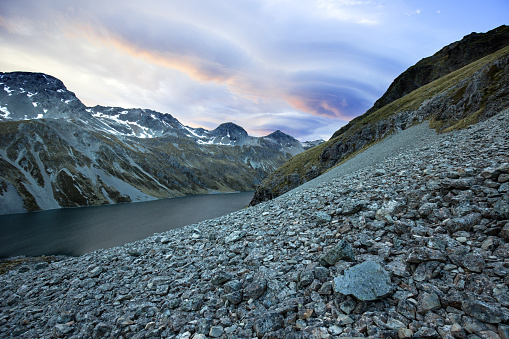
Find out how climate change could shift sediment loads in your local rivers.
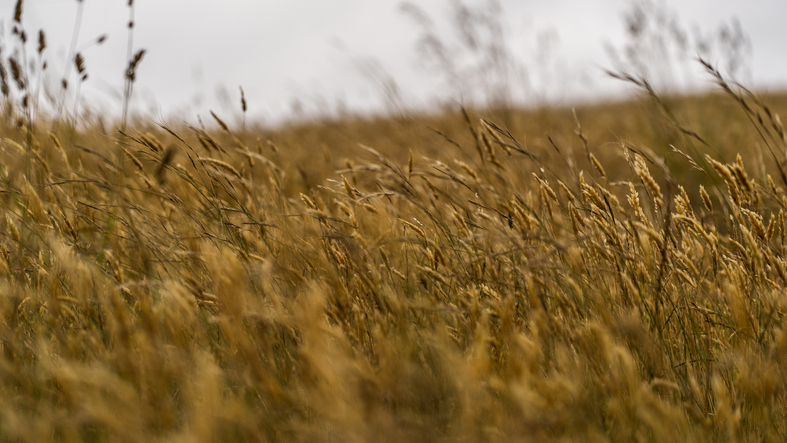
Track how sowing and harvest timing for maize could shift as the climate changes.
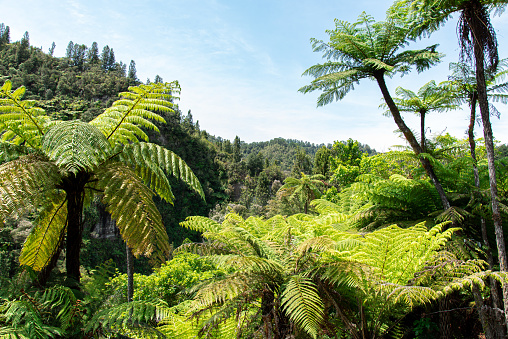
Read how climate change could reshape farming and land use out to 2100.
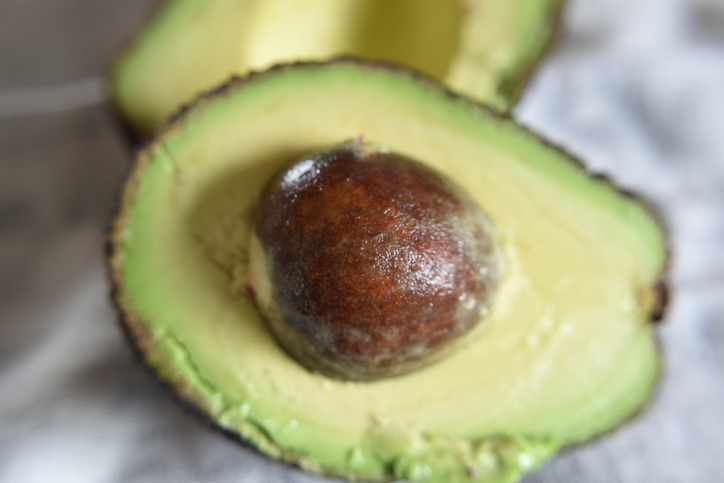
Find out how well avocados could grow in your rohe by 2050 as the climate changes.
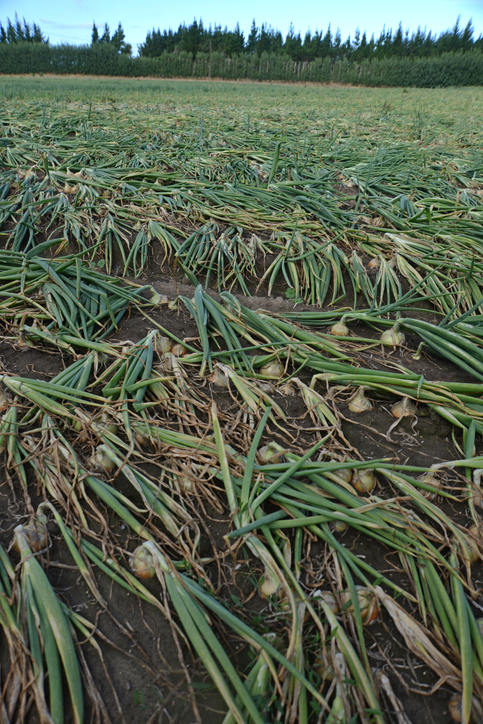
Discover how heat, frost and heavy rain could affect onions in your rohe.
Explore how well cherries could grow in your rohe by 2050 as the climate changes.
See how Merlot's flowering and ripening dates could shift as the climate changes.
Discover how well blueberries could grow in your rohe by 2050 as the climate changes.