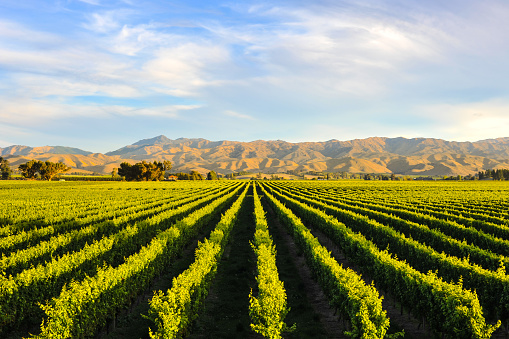
Modelling to identify direct risks for New Zealand agriculture due to climate change
Climate
Adaptation
Risk
This research explores climate change risks for New Zealand agriculture, focusing on crops and livestock.
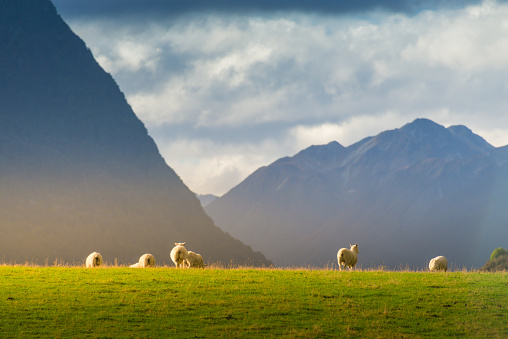
The case study on the Beckingsale family's farming in Otago highlights their strategy of running farms in different climatic zones. This approach helps them manage risks, enhances resilience to weather changes, and promotes sustainability by aligning farming practices with local conditions.
This research explores climate change risks for New Zealand agriculture, focusing on crops and livestock.
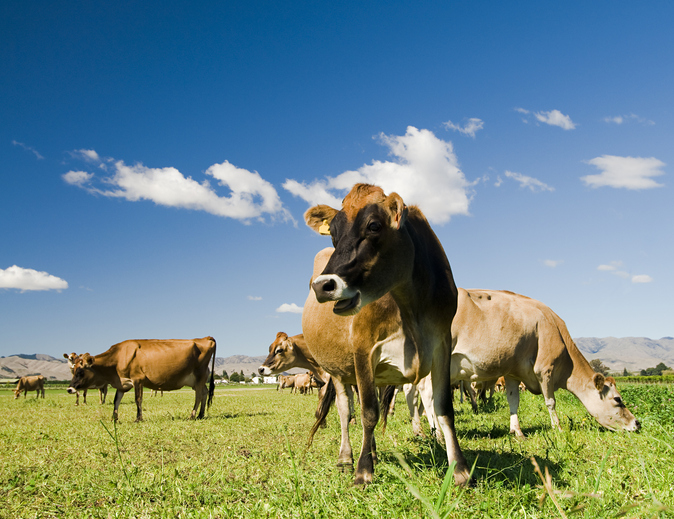
This research assesses dairy farming risks from coastal flooding and sea level rise in Aotearoa.
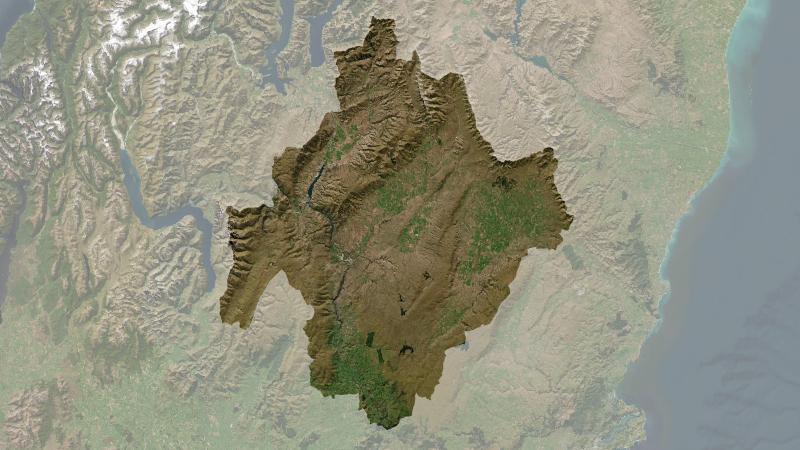
Understand climate event and variability trends for Central Otago District.
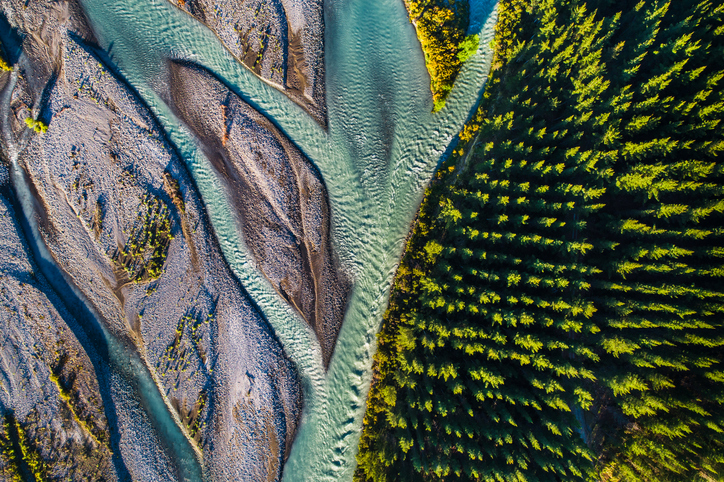
Learn how trees improve farming in East Otago and support timber production.
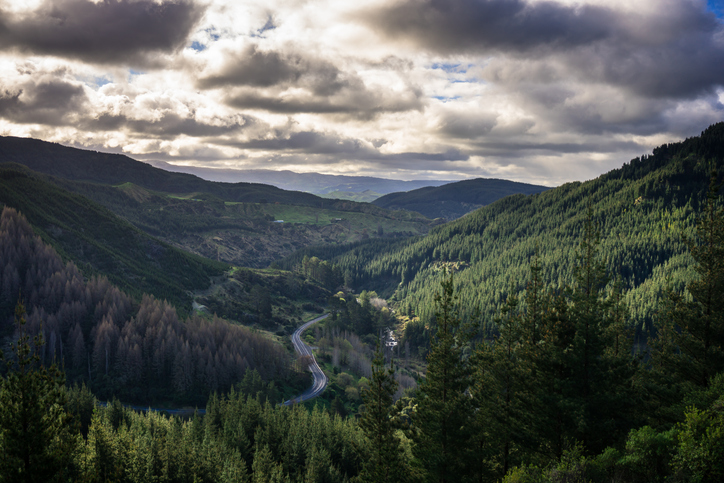
This resource explores how climate change affects forest ecosystem payments on the East Coast.
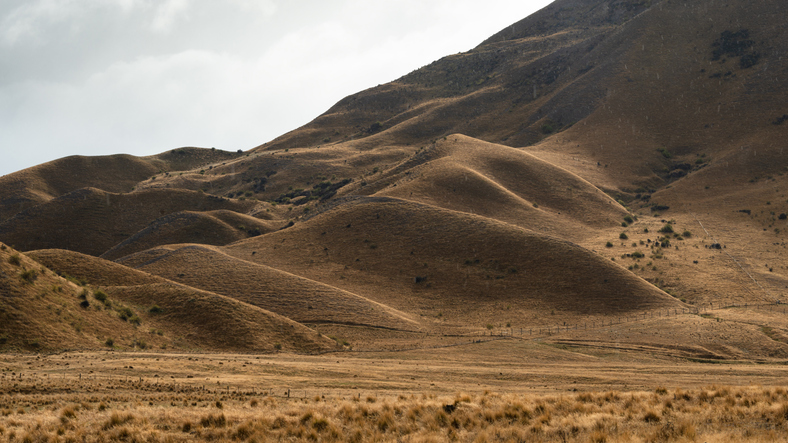
Learn about different strategies farmers in Otago and Canterbury have used to prepare for and adapt to droughts.
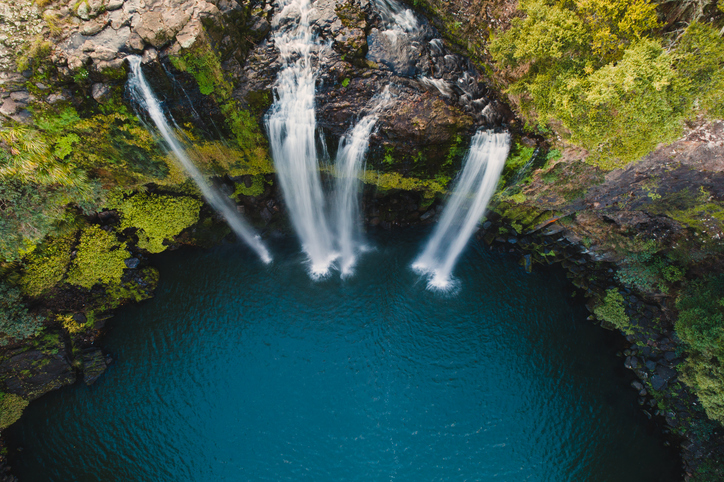
This report analyzes climate risks in Northland, focusing on impacts, perspectives, and management strategies.
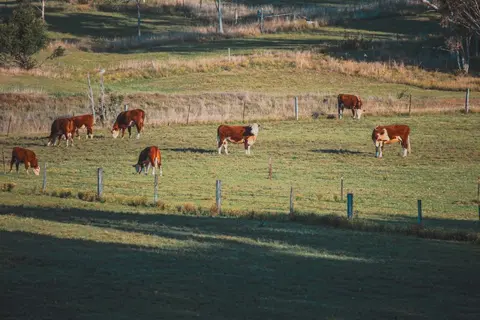
Learn how Woldwide Farms uses sustainable practices to reduce soil damage in high rainfall.
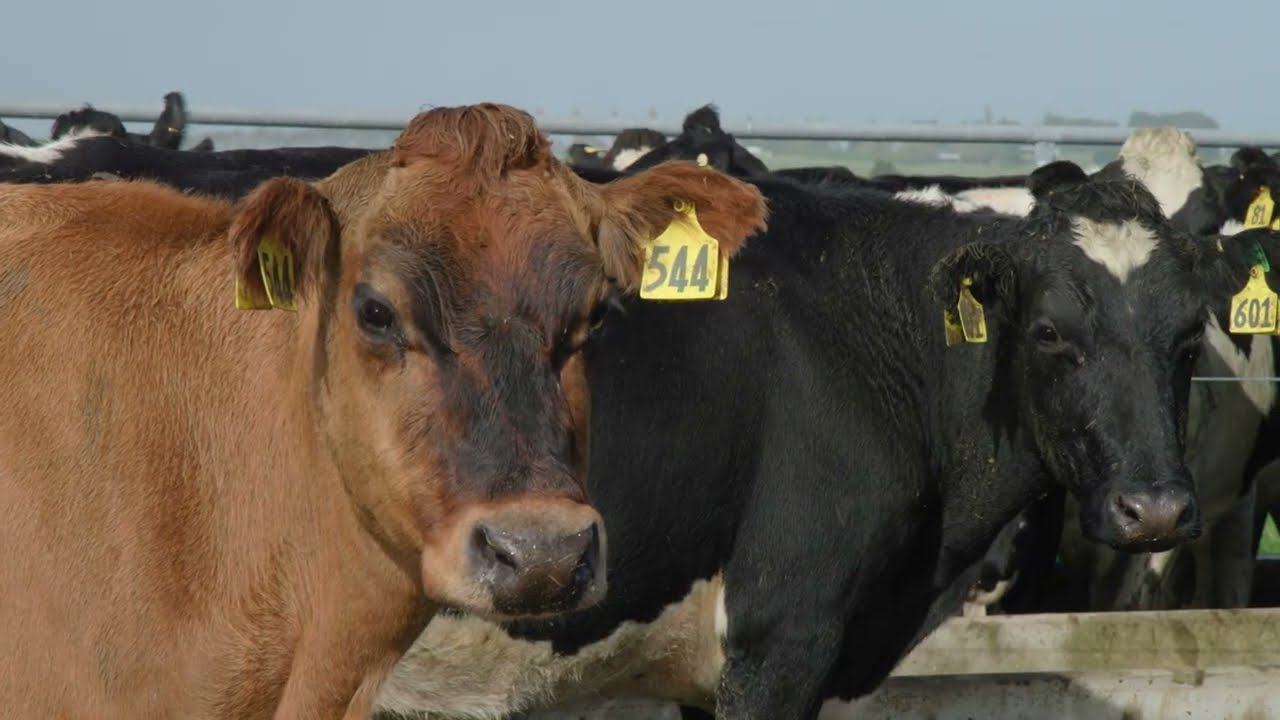
The Miller family shares how they've woven environmental care into their everyday farm work
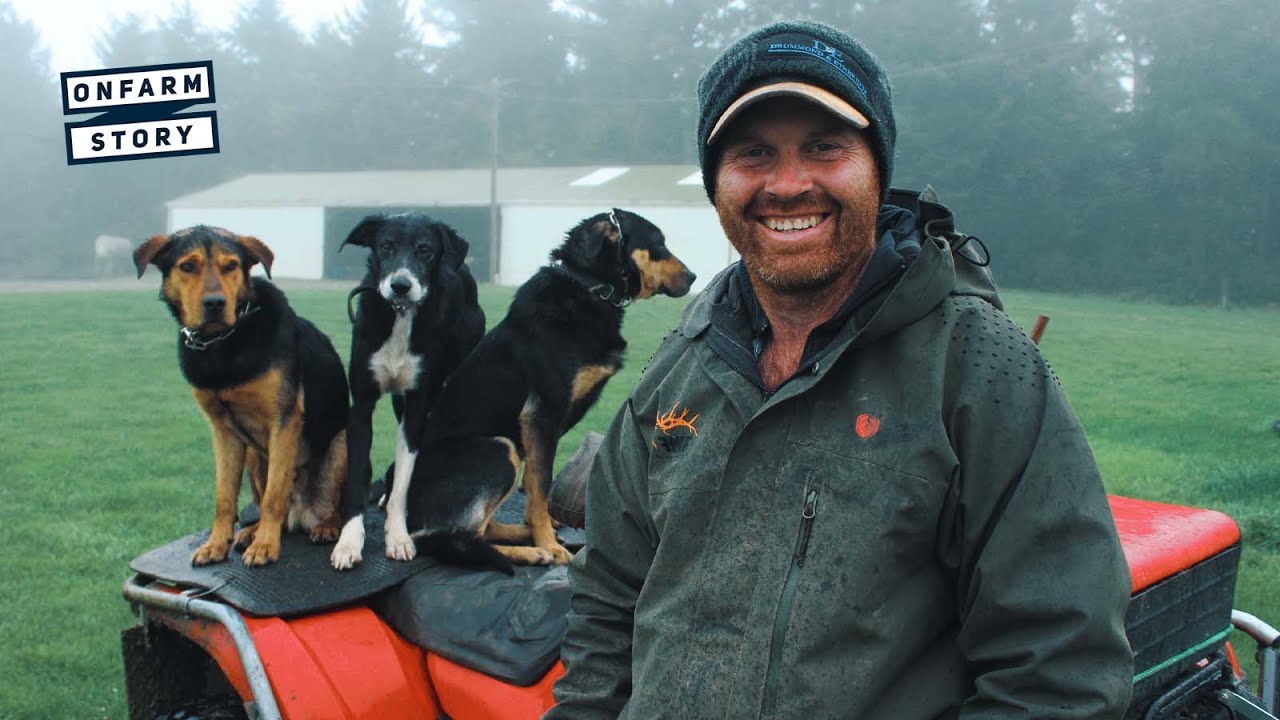
The McNaughton's share their manaaki whenua, manaaki tangata farming philosophy.
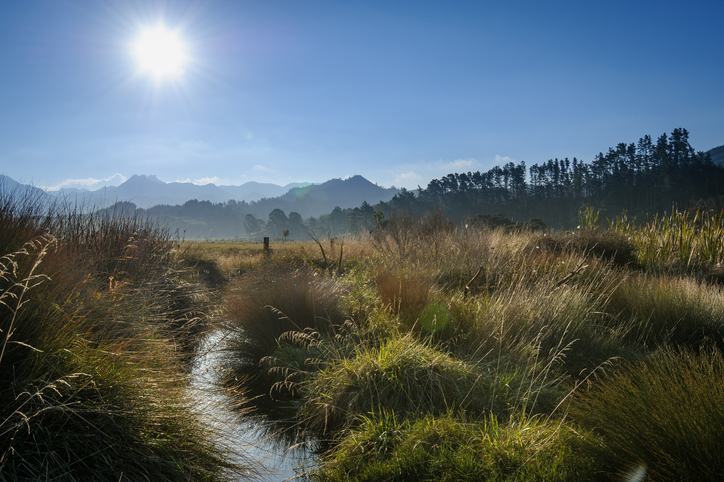
Learn about planting trees along waterways to enhance nature and prevent erosion.
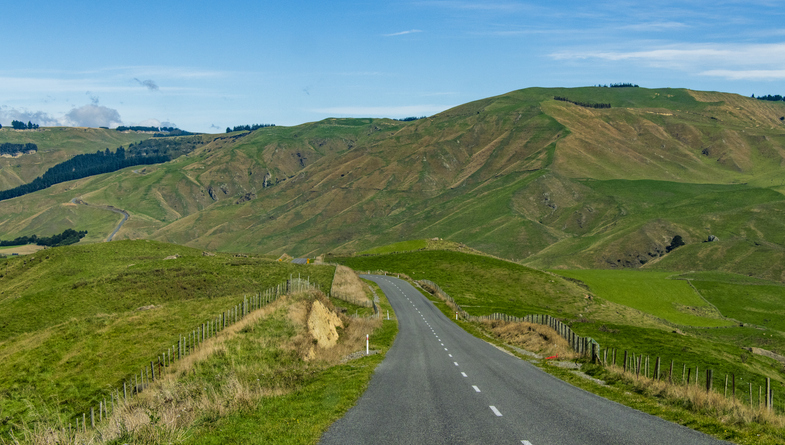
Dairy farmers in Waikato adapt to floods, droughts, and climate change impacts.
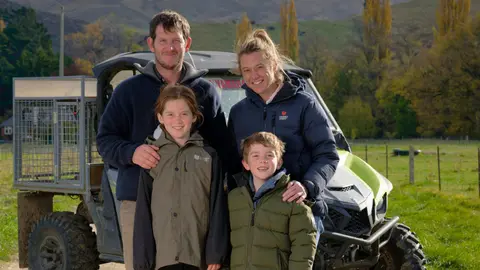
Follow Emma and Kyle at a dry Central Otago station adapting to a changing climate.
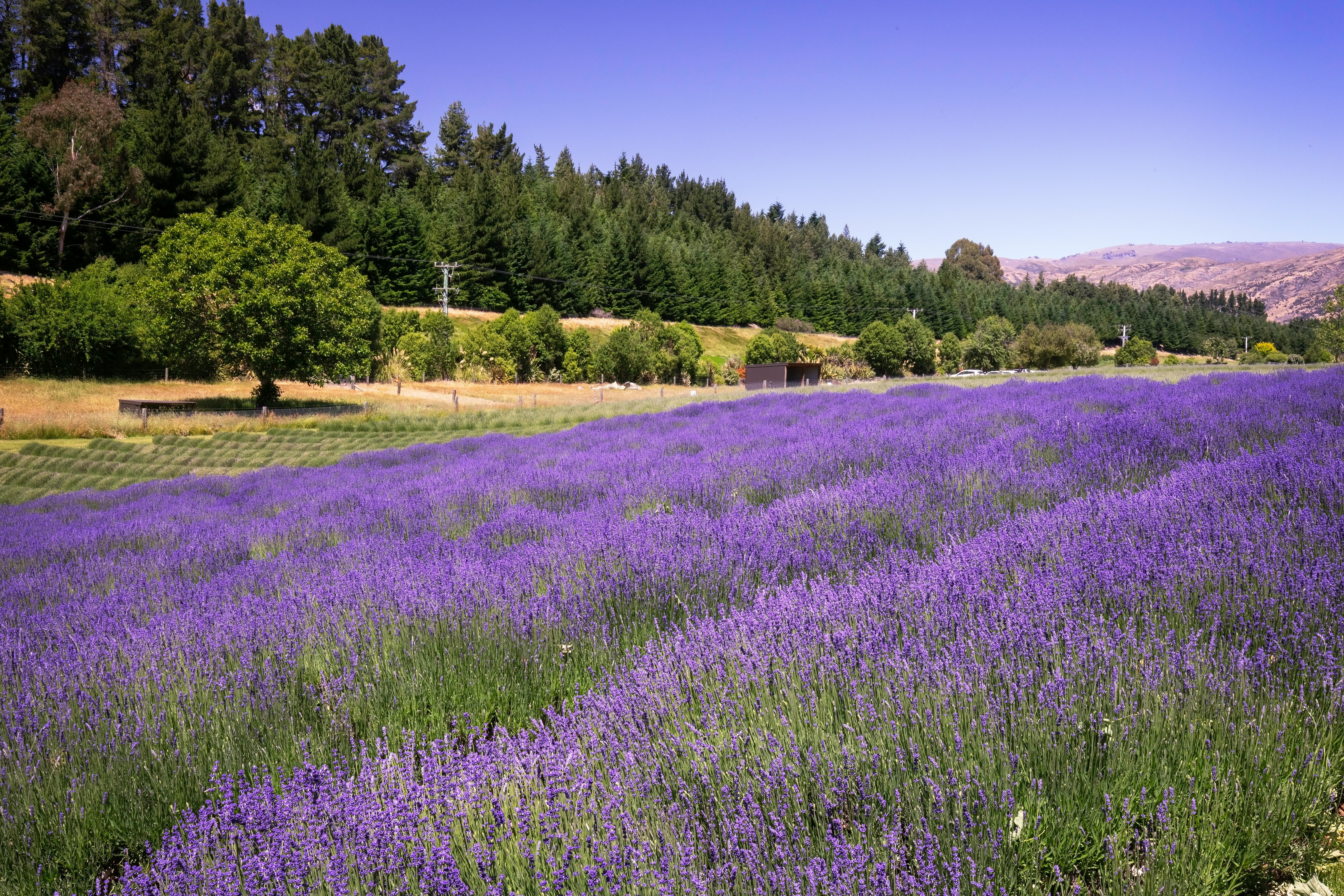
Understand how land use change can lower greenhouse gas emissions on farms.
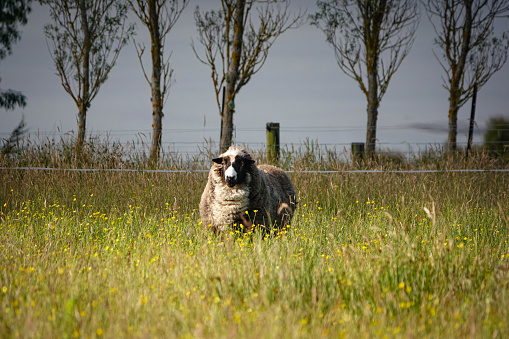
Research about reducing greenhouse gas emissions on Māori farms in New Zealand.
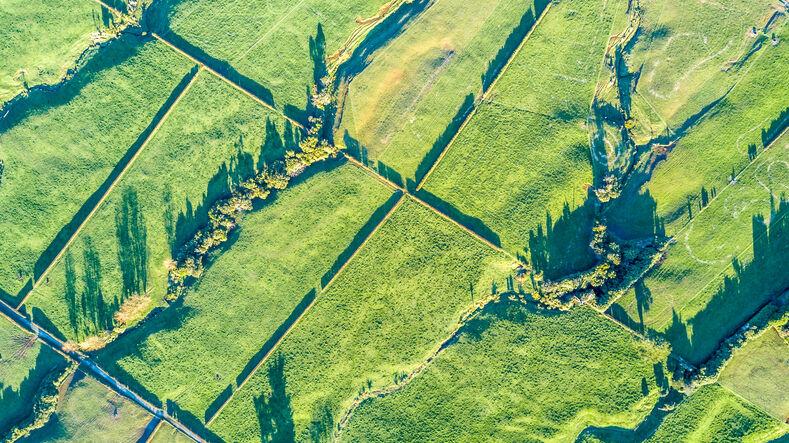
Read about the impacts different Aotearoa land use change scenarios might have on cliamte and socio-economic outcomes.
This resource explores reducing agricultural emissions in Aotearoa through tech and land use changes.
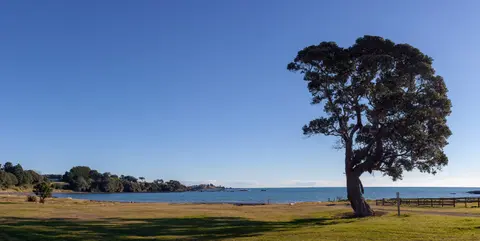
This case study explores what it means to farm in alignment with Māori values and how it can improve the environment.
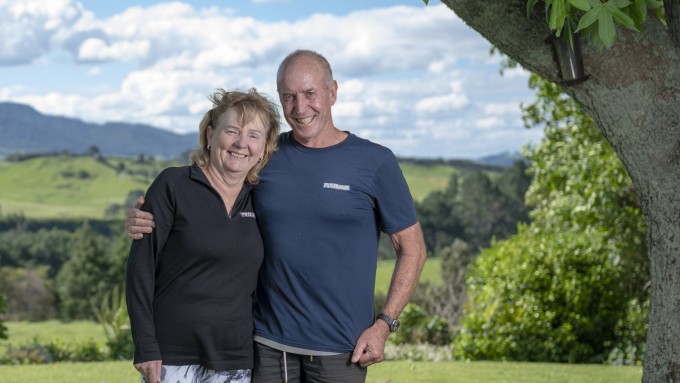
Learn how a Bay of Plenty farm used Farm Environment Planning to transform its operations and reduce its environmental impact.
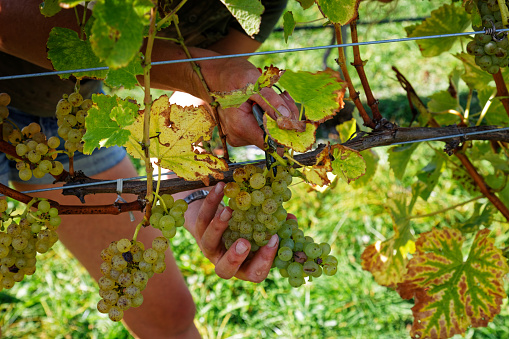
This research explores how climate change will affect grape growing in Aotearoa over time.
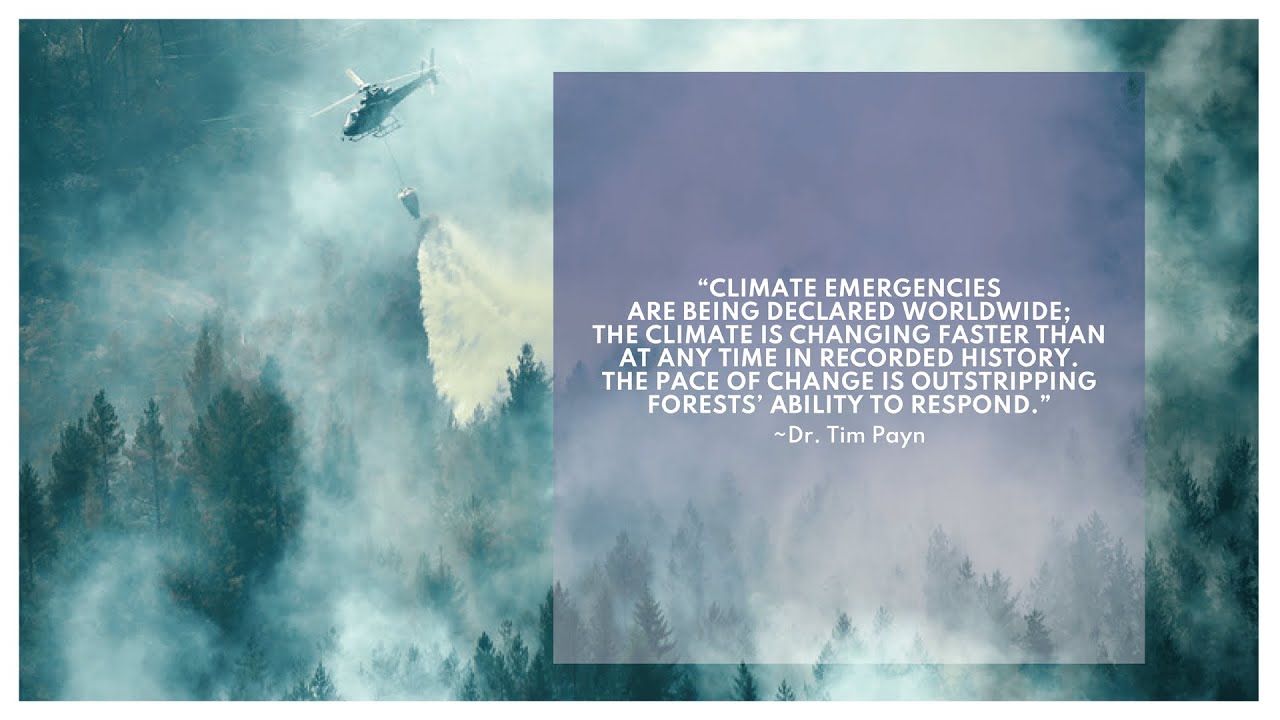
Hear about the effects of climate change on Aotearoa forests and learn strategies for resilience.
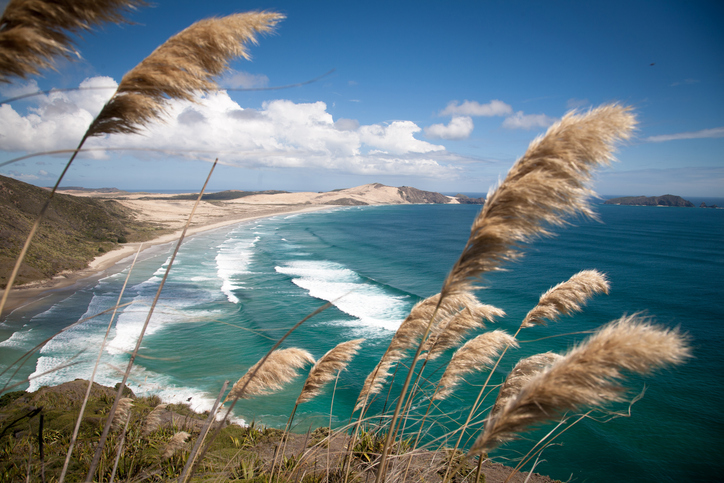
Te Tai Tokerau's Climate Adaptation Strategy outlines key actions for climate resilience.

Explore traditional cuisine's role in climate resilience and cultural health in Waikato.