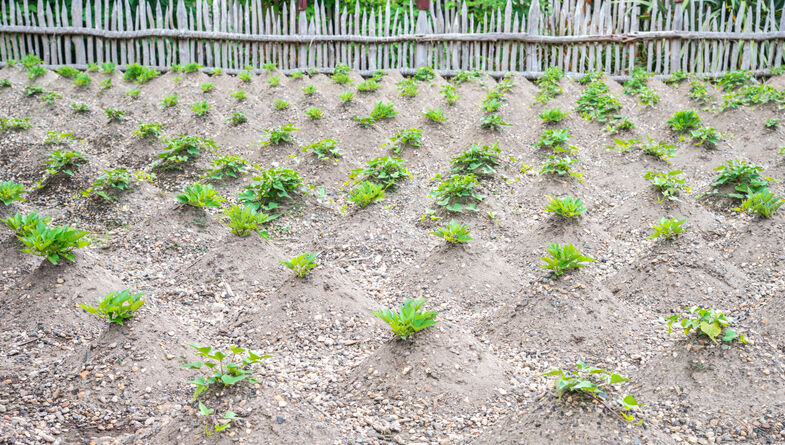
Kai ora: Restoring local Māori food systems by restoring power to marae
Climate
Community
Governance
Mātauranga
Resilience
Sustainability
Research on Māori food systems, community power, and climate action in Kaipara marae.

Project Kāinga is a five-year research programme aimed at helping marae communities build resilience against climate change. It works with seven communities to create responses that are based on Māori traditions and relevant to their needs. The project focuses on key issues like food sovereignty, water quality, and energy security.
Through hui (meetings), kāinga leaders, rangatahi (youth), and scientists come together to discuss and develop plans for adapting to climate change. This initiative helps communities understand their challenges, share ideas, and plan for a sustainable future.
Research on Māori food systems, community power, and climate action in Kaipara marae.

Learn how to develop affordable housing in Māori communities through papakāinga.
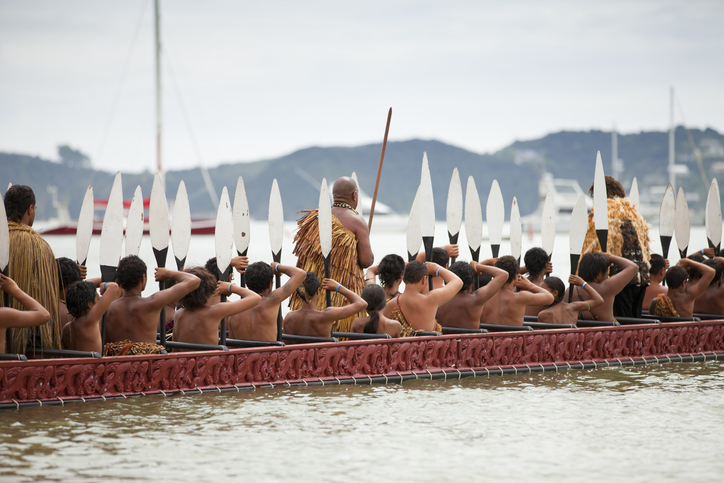
This resource focuses on community engagement for adapting to climate change in New Zealand.
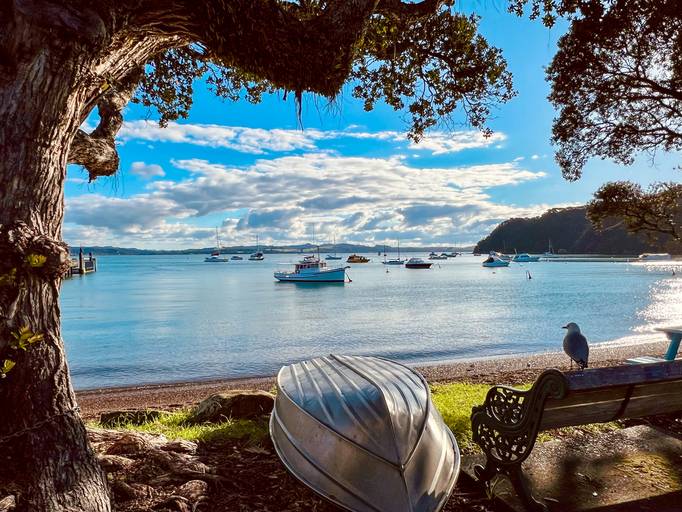
Te Tai Tokerau’s strategy tackles climate challenges with councils and Māori collaboration.
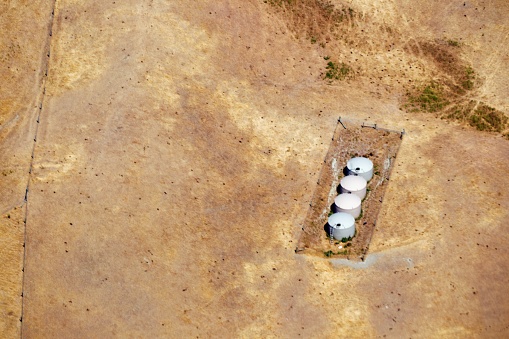
Explore drought impacts and find adaptation strategies for a changing climate.

He Pā Mataora explores Māori ways to adapt to climate change.

This research explores Māori views on climate change and their government relationships.
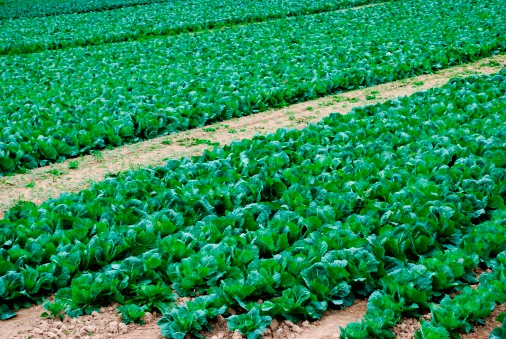
Get a different view of New Zealand's food sector's future, focusing on sustainability and innovation.
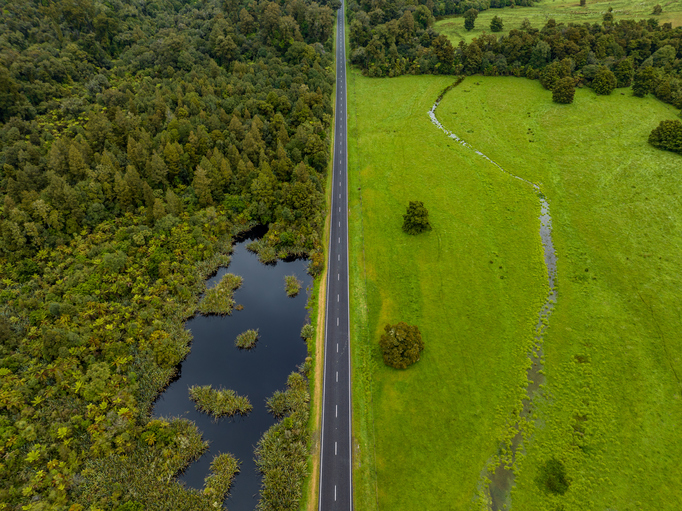
Explore how communities adapt to climate change with real examples and resilience strategies.
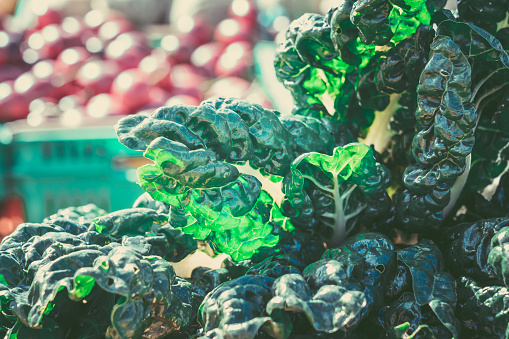
Learn about Koukourārata Gardens and how it's contributing to kai sovereignity.
Get support, advice, and funding for Māori agribusiness and whenua management.
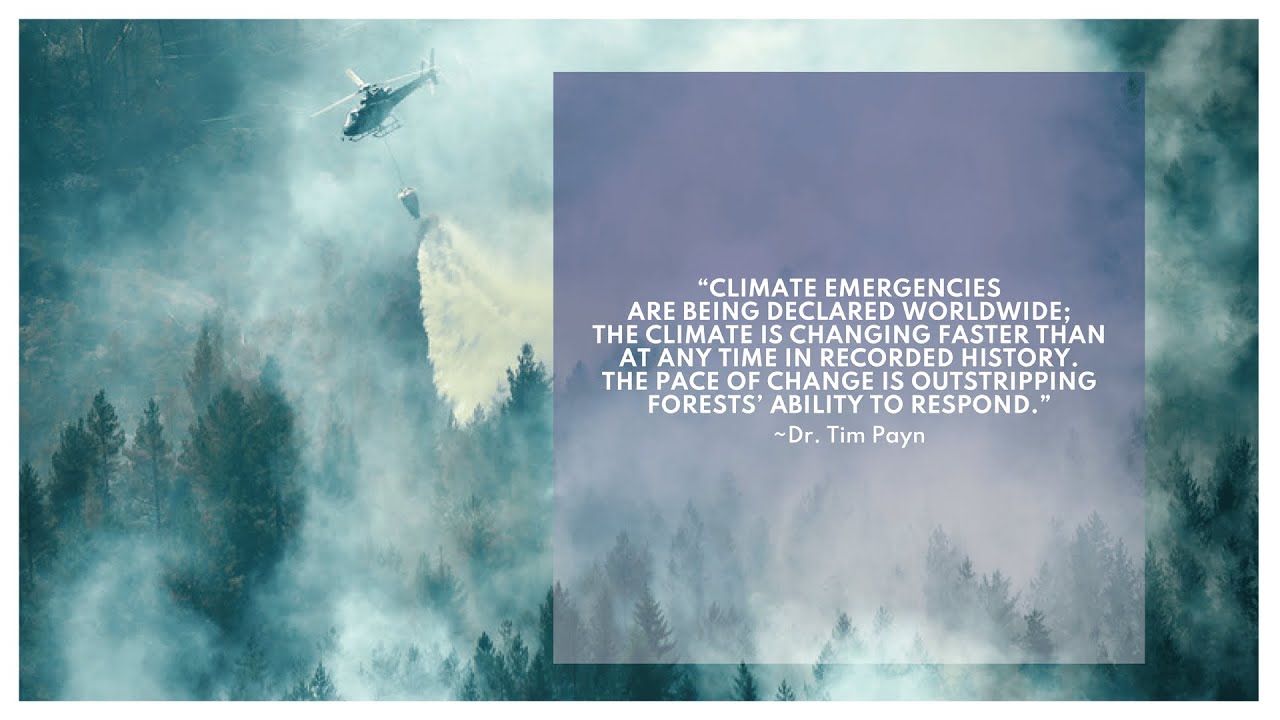
Hear about the effects of climate change on Aotearoa forests and learn strategies for resilience.
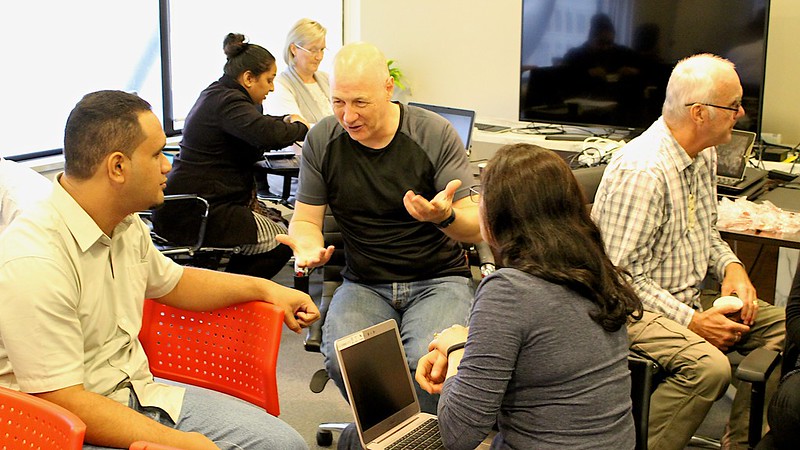
The South Dunedin Future programme aims to address climate change and community needs after severe floods.
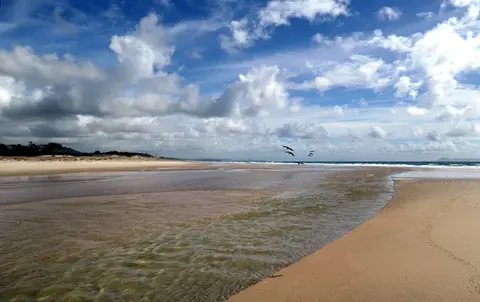
Find out how Northland community groups can apply for climate resilience funding.
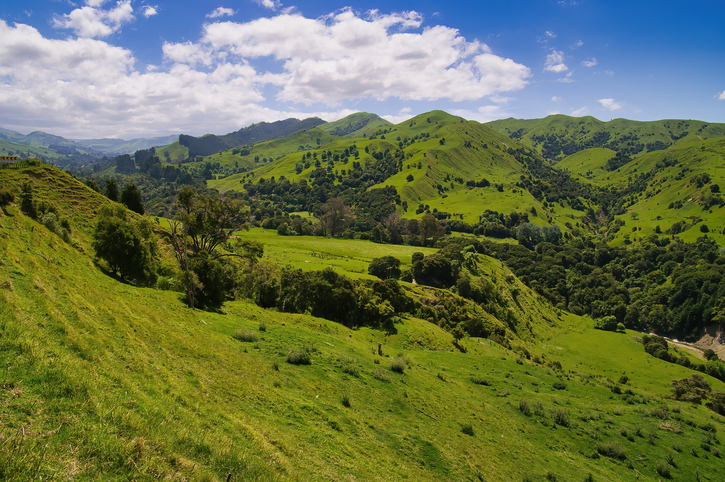
Learn about sustainable Māori forestry and agriculture for climate resilience on the East Coast.
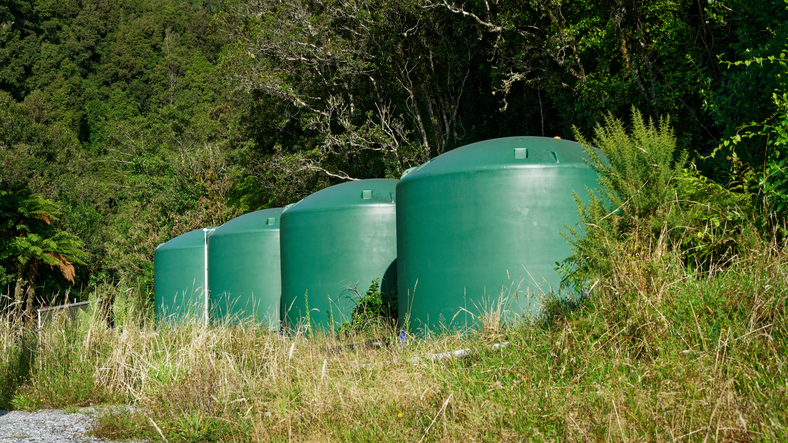
The Wairarapa Water Resilience Plan aims to address climate change effects on local water resources.
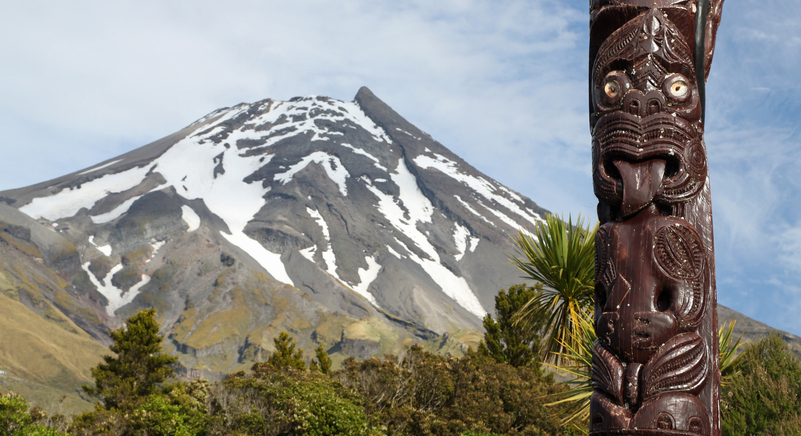
Research on Taranaki biodiversity tohu and climate resilience planning
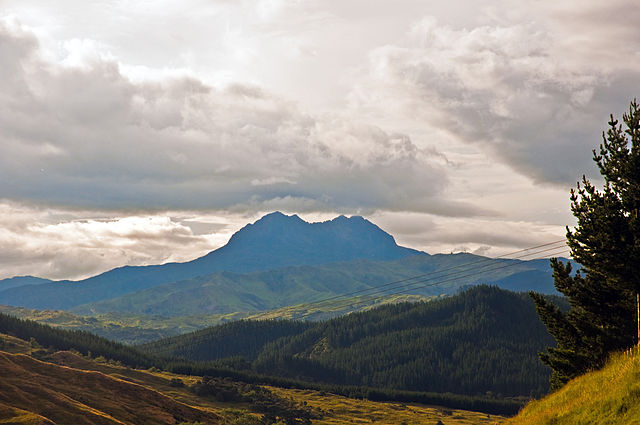
A long-term programme to restore the Waiapu River catchment.
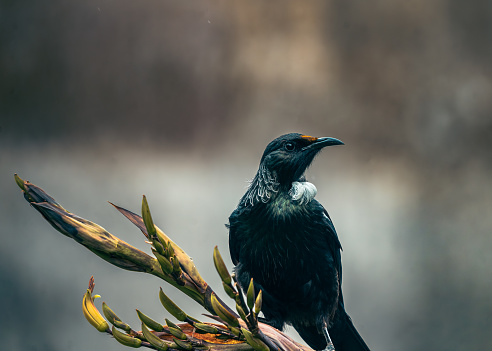
MPI's Māori agribusiness climate and water advisers can support you with advice and funding to realise your aspirations.
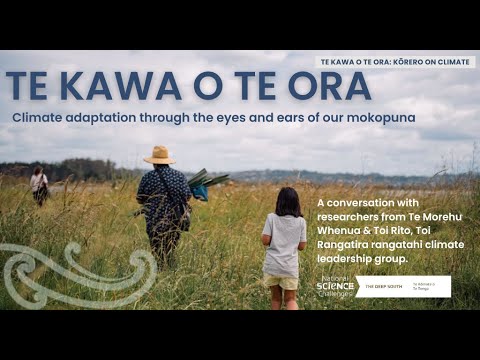
Hear perspectives about the role of rangatahi in community responses to climate change.
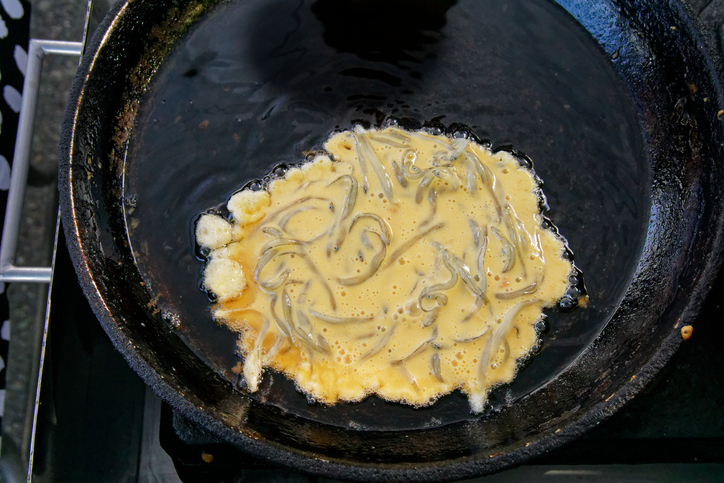
Explore traditional cuisine's role in climate resilience and cultural health in Waikato.
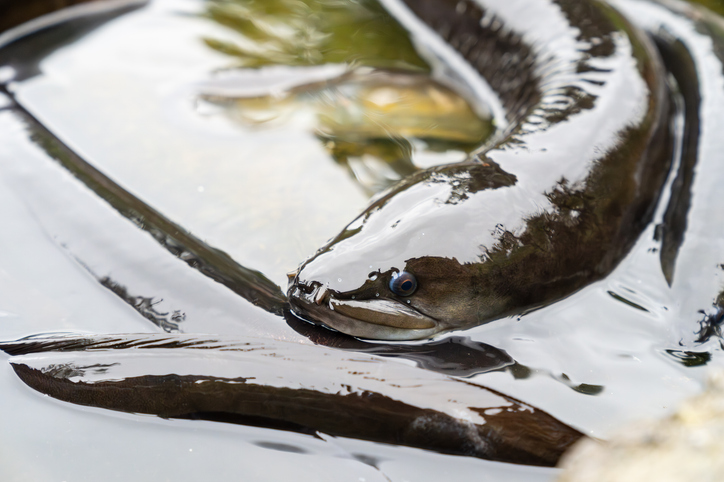
This case study explores how Ngāti Raukawa is using mātauranga Māori to protect tuna (eel) from climate change.
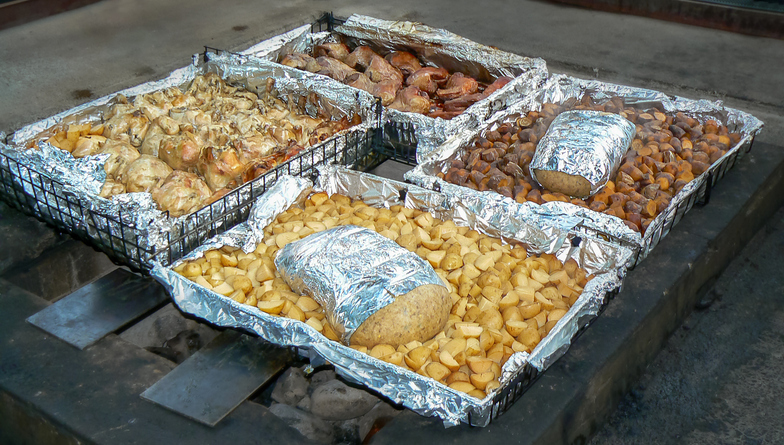
This project explores Māori food traditions and how climate change impacts cultural health.