
Cool food: Agricultural emissions reduction and tech opportunities
Climate
Emissions reduction
Innovation
Sustainability
This resource explores reducing agricultural emissions in Aotearoa through tech and land use changes.
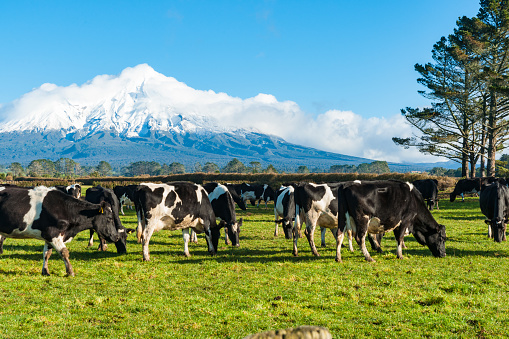
This document summarises a roundtable discussion about how the land sector can reach net-zero emissions by 2050. It highlights the need to reduce greenhouse gases from farming and forests. The report stresses that simply using new technologies won’t be enough; changes in land use and farming practices are also necessary. It points out that social change, farmer involvement, and strong leadership are key for making these transitions. It also emphasises the importance of flexible policies that consider the links between climate change, water quality, and biodiversity. .
This resource explores reducing agricultural emissions in Aotearoa through tech and land use changes.

Experts talk about Aotearoa's path to a low-emissions economy.
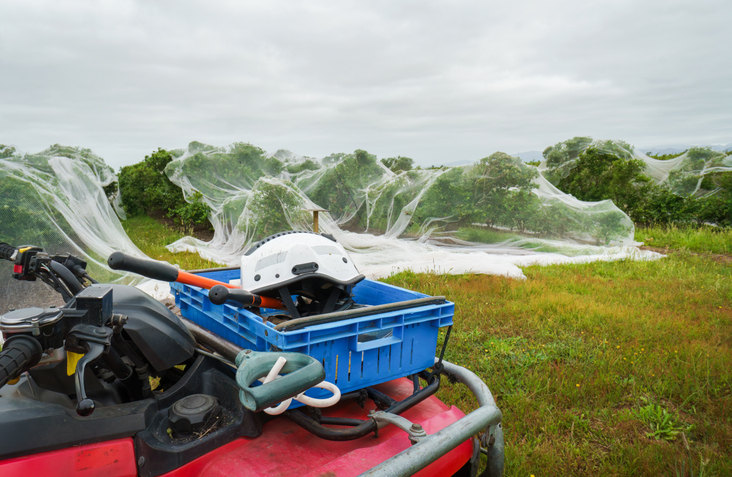
A science and mātauranga Māori based plan to reduce our agricultural greenhouse gas emissions.
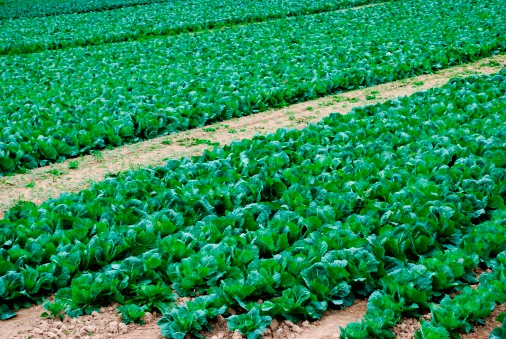
Get a different view of New Zealand's food sector's future, focusing on sustainability and innovation.

Learn about New Zealand's climate action, emissions targets, and agricultural pricing strategy.
Explore New Zealand's plans for reducing greenhouse gas emissions by 2050.

This research tries to understand why people won't adopt practices to reduce farm emissions, even if the change costs nothing.

A guide for Aotearoa communities to navigate just transitions and change collaboratively.
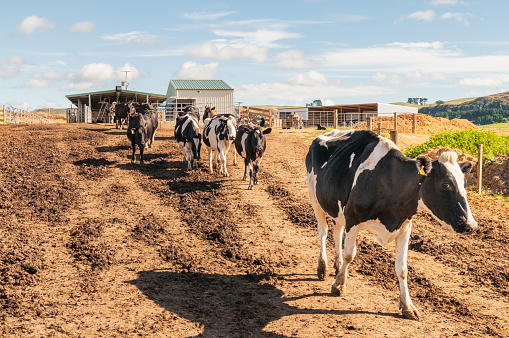
Get guidance on reducing emissions on your fairy farm.

Explore how land use changes affect water quality and nitrogen, phosphorus loads.
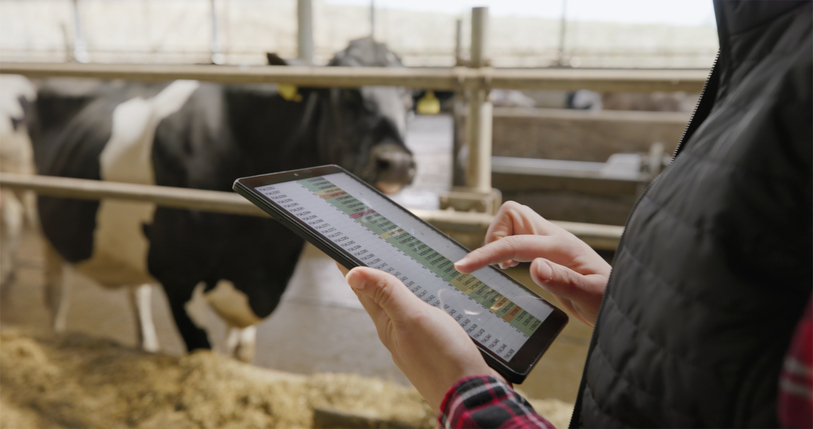
This study examines technology use in our primary sector over the past 15 years.

Julia Jones explores leadership, resilience, and innovation, with a focus on the primary sector.
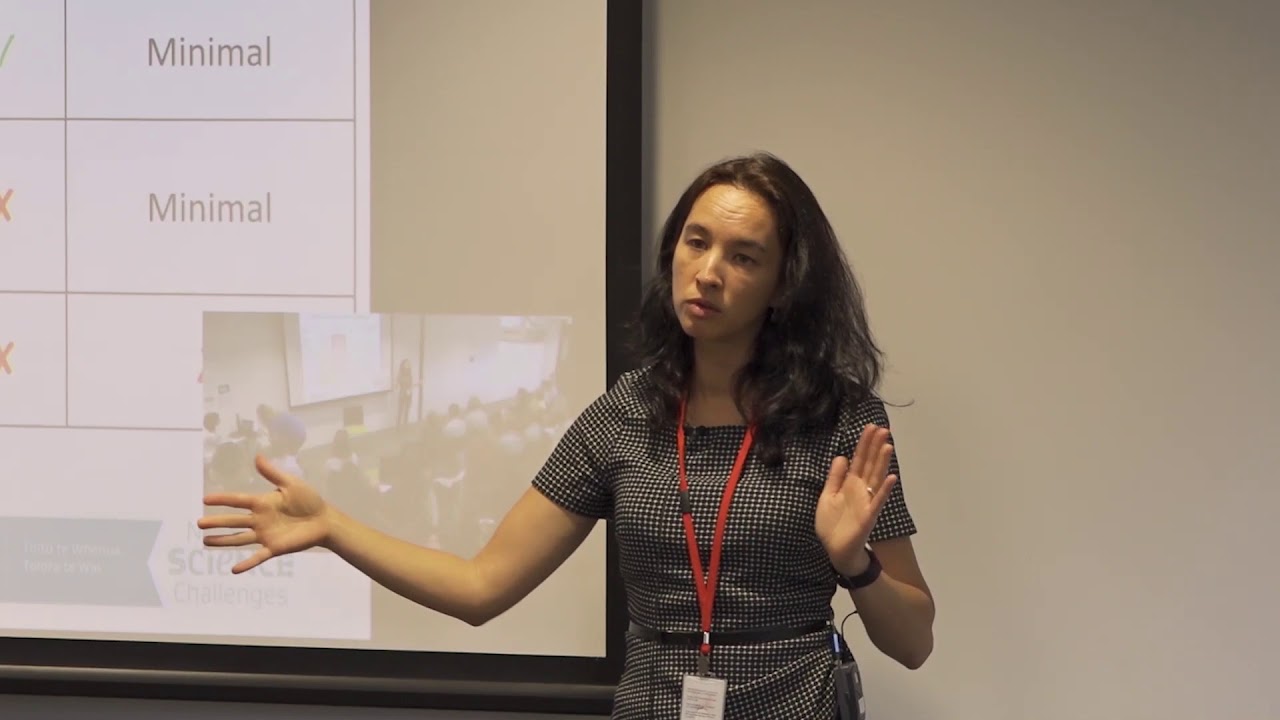
Hear about how climate change could reshape agriculture and land use decisions in Aotearoa.
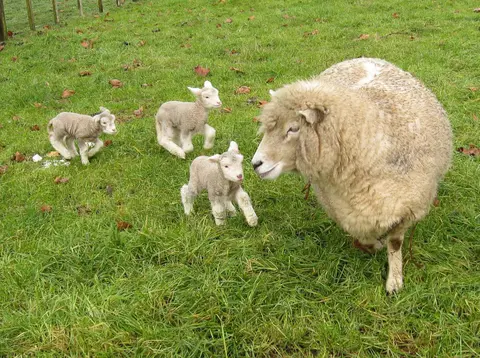
This report explores future options to reduce agricultural greenhouse gas emissions in New Zealand.
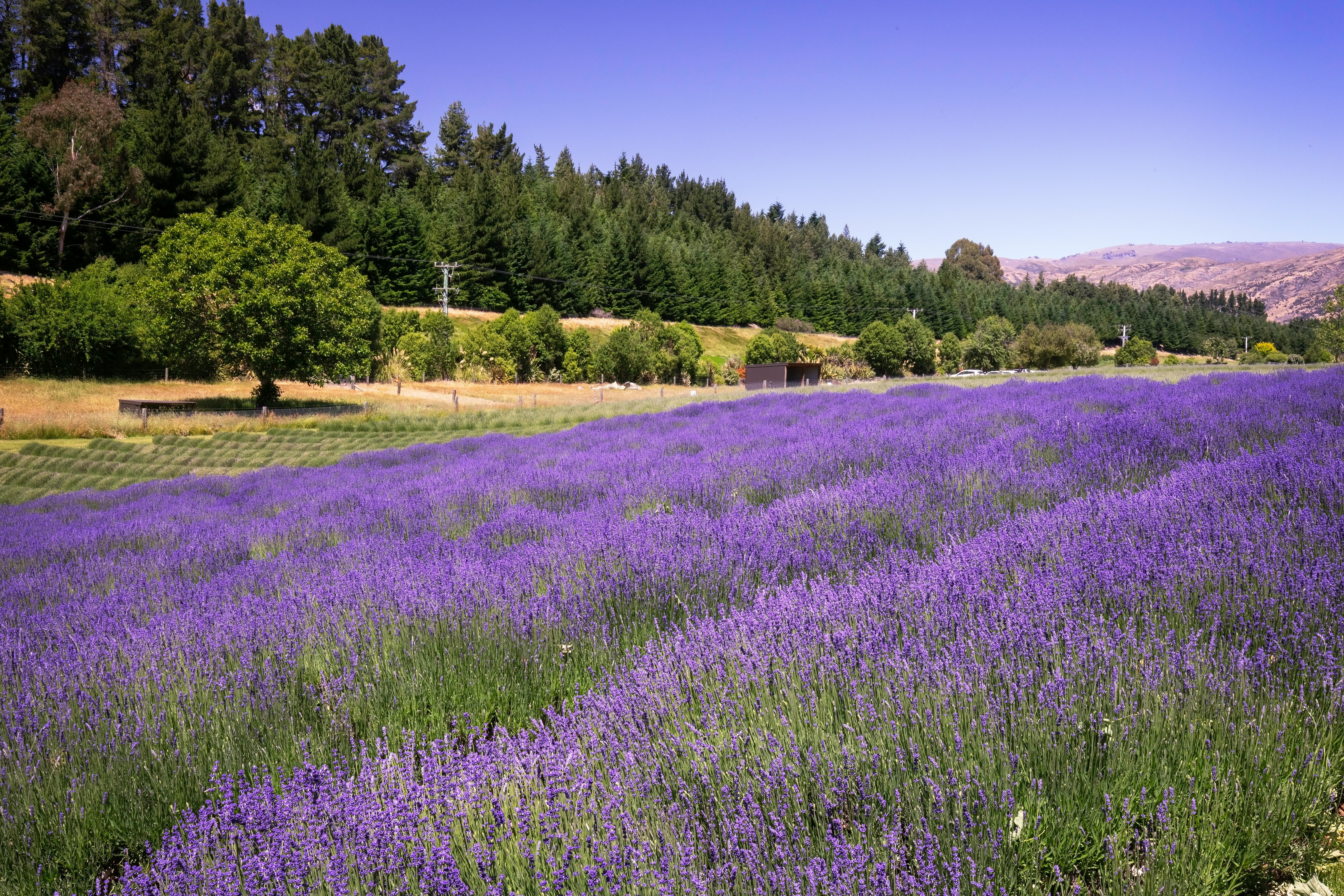
Understand how land use change can lower greenhouse gas emissions on farms.
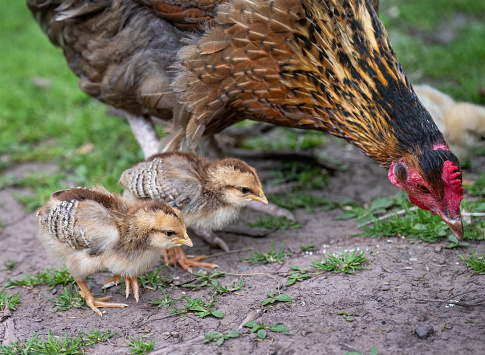
Strategies for Māori farms to reduce greenhouse gases to meet the Zero Carbon targets.
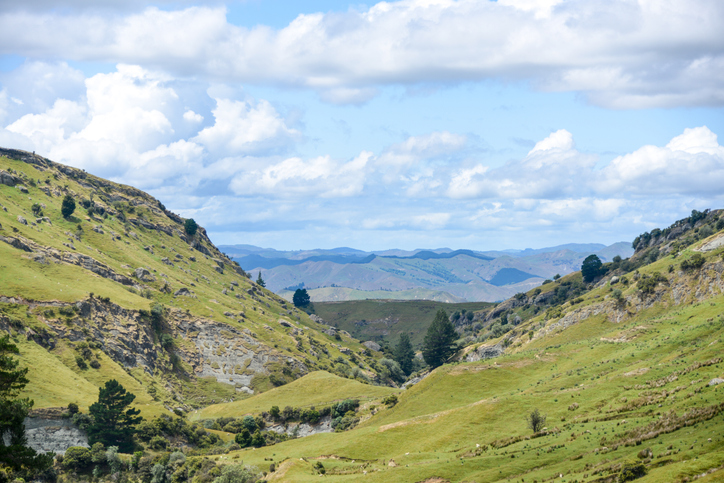
This report explores land use changes in New Zealand to cut greenhouse gas emissions.
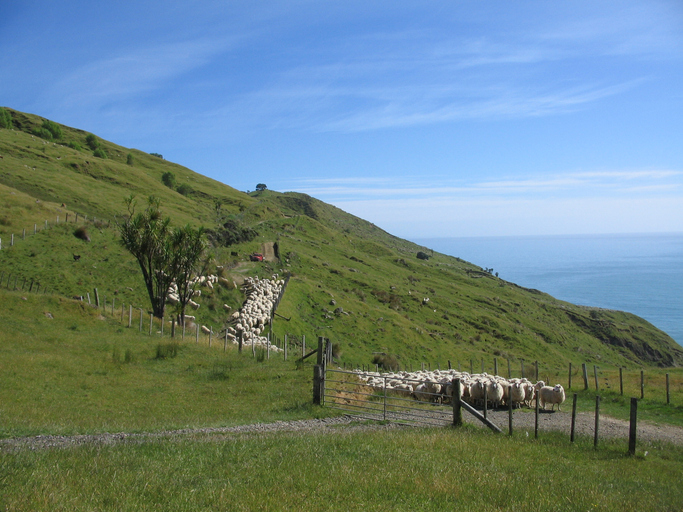
Explore how our beef and lamb farming can support wellbeing, the planet, and local communities.
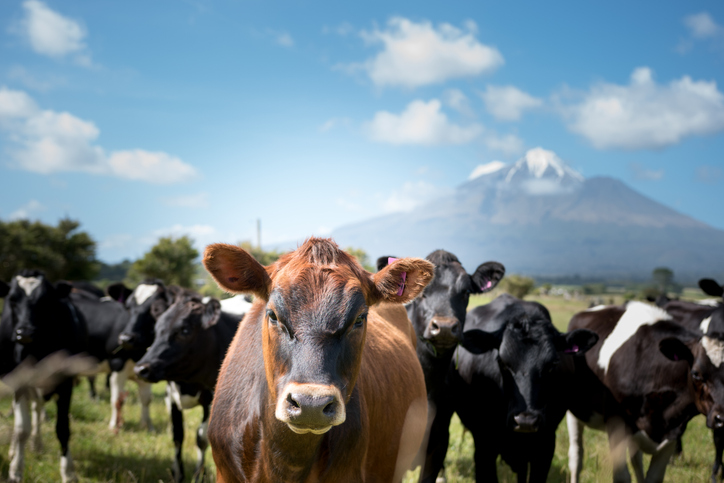
Agriculture in Aotearoa faces emission challenges but has tools to stay competitive globally.
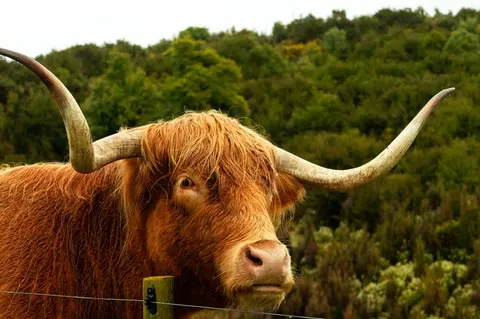
Wayne McNee discusses reducing methane emissions in agriculture and the opportunity it represents.
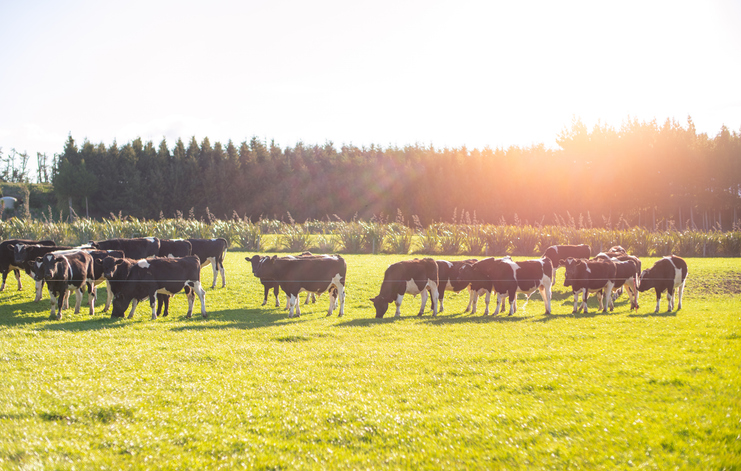
Learn about different on-farm solutions for reducing greenhouse gas emissions from dairy farms.
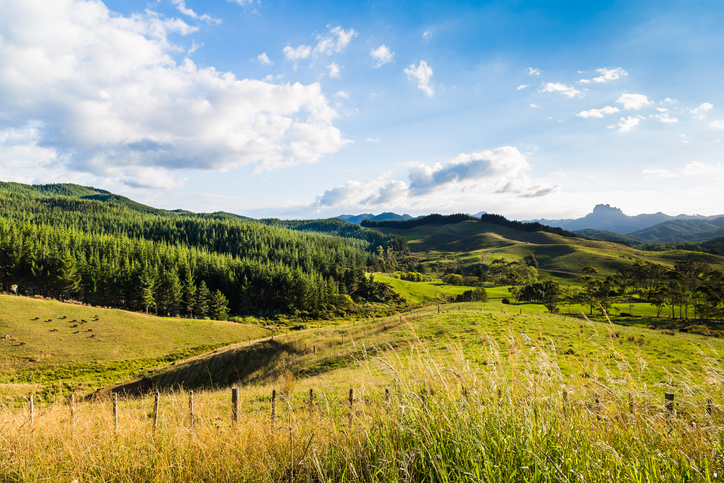
Find out more about tree farming for carbon credits.
Research about reducing greenhouse gas emissions on Māori farms in New Zealand.