Climate change and agriculture: Understanding the biological greenhouse gases
Climate
Emissions reduction
Greenhouse gas
Policy
Sustainability
The science behind agricultural methan, nitrous oxide emissions, and climate change.
The Biological Emissions Reduction Science and Mātauranga Plan is a guide to help reduce emissions from farming. It focuses on cutting methane and nitrous oxide emissions, which are key contributors to climate change.
The plan brings together knowledge from science and mātauranga Māori, showing that both are important for creating lasting solutions. It aims to quickly get new tools and practices into the hands of farmers, which is crucial for reaching the goal of net-zero carbon emissions by 2050.
The plan has already influenced government actions and funding, helping to support the development of better technologies for agriculture.
The science behind agricultural methan, nitrous oxide emissions, and climate change.

This resource explores reducing agricultural emissions in Aotearoa through tech and land use changes.

Learn about methane in agriculture and how NZ ag researchers are trying to reduce emissions.
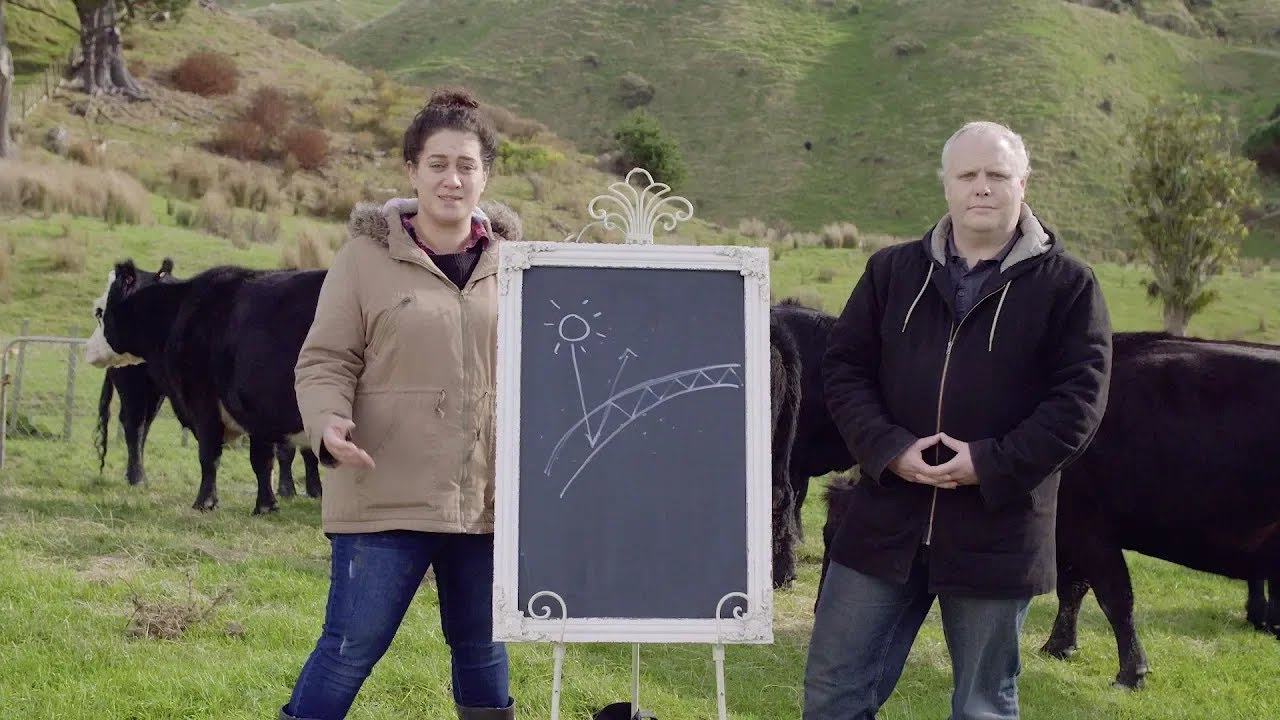
Learn how human actions change our climate and impact farming through greenhouse gases.
Read NZAGRC's recommendations
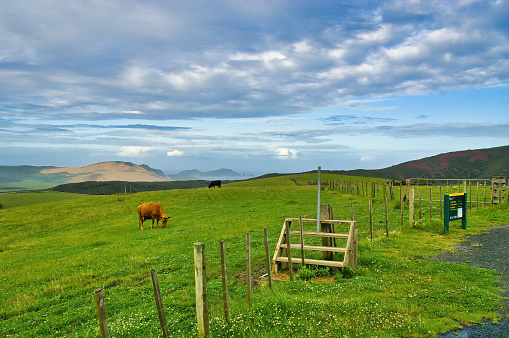
Learn about reducing methane emissions on your farm.
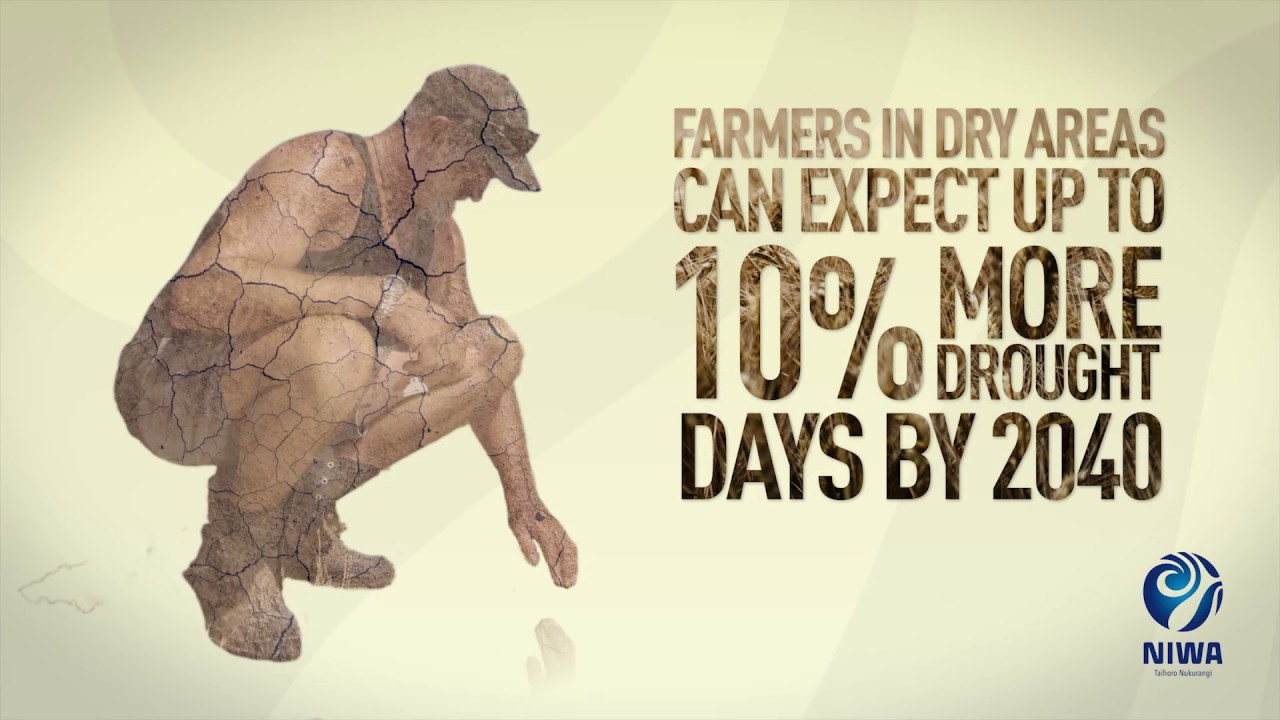
Learn about climate change in Aotearoa and how science helps us adapt.

Explore New Zealand's plans for reducing greenhouse gas emissions by 2050.
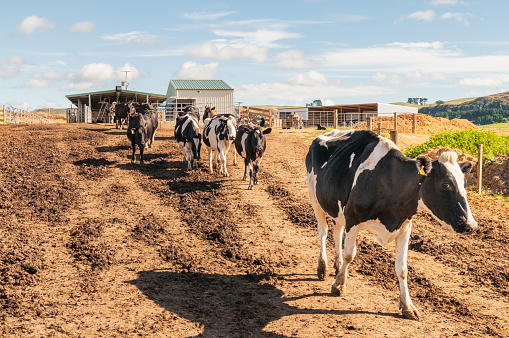
Get guidance on reducing emissions on your fairy farm.

This report discusses enhancing Māori agribusiness using kaitiakitanga tools for sustainability.
$5,000 scholarships for students to become advisors in primary industries.
Strategies for Māori farms to reduce greenhouse gases to meet the Zero Carbon targets.
Learn how cropping and horticulture can reduce greenhouse gas emissions in New Zealand.
Hear different perspectives on New Zealand’s path to net-zero emissions in the land sector.

Wayne McNee discusses reducing methane emissions in agriculture and the opportunity it represents.
This resource discusses methane inhibitors to reduce greenhouse gas emissions from agriculture.
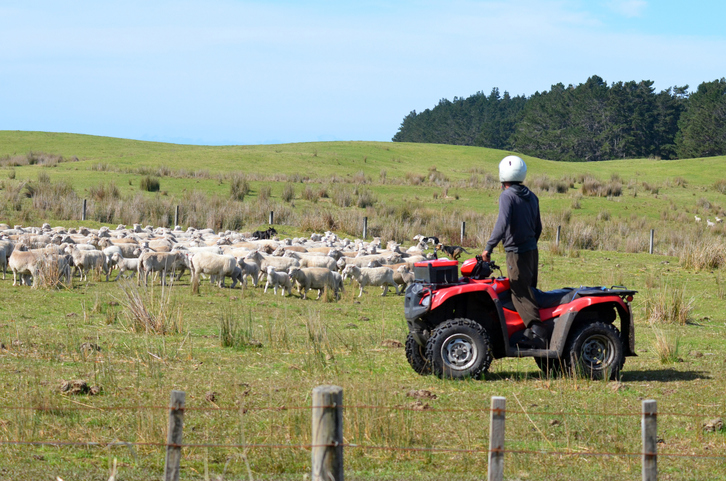
This resource outlines methods to reduce agricultural greenhouse gas emissions in New Zealand.
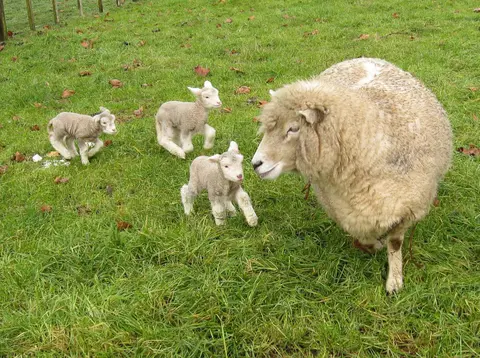
This report explores future options to reduce agricultural greenhouse gas emissions in New Zealand.
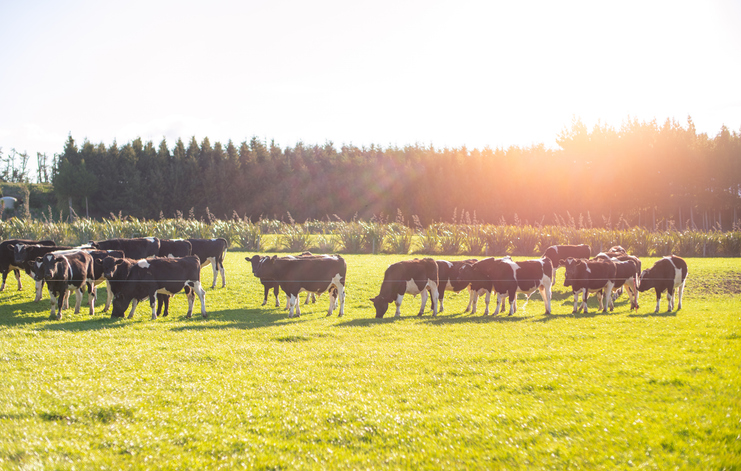
Learn about different on-farm solutions for reducing greenhouse gas emissions from dairy farms.
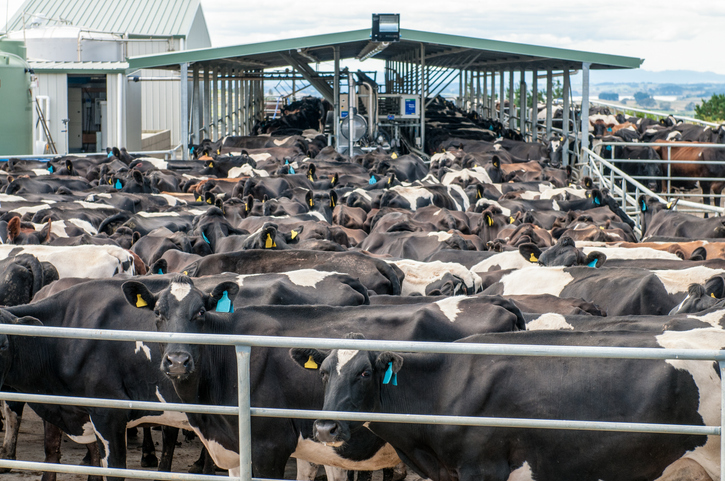
Learn about dairy farm emissions, their impacts, and ways to reduce them without affecting your profitability.
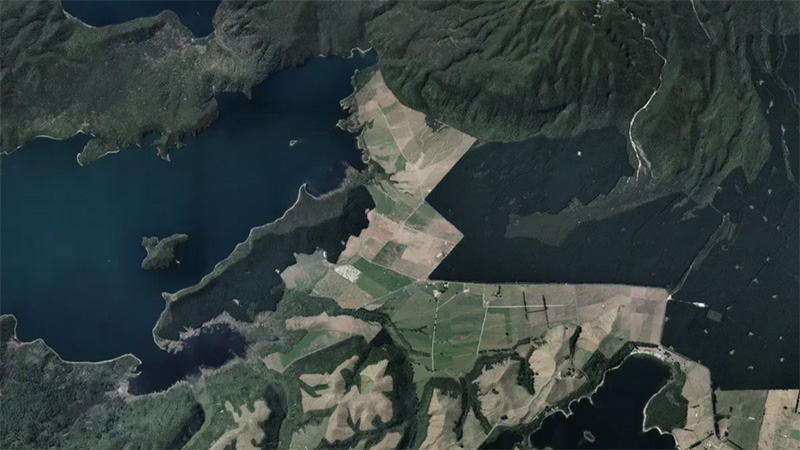
This report uses two case studies to illustrate different ways that diversified Māori agribusinesses can reduce greenhouse gas emissions and increase profits.

Learn about New Zealand's climate action, emissions targets, and agricultural pricing strategy.
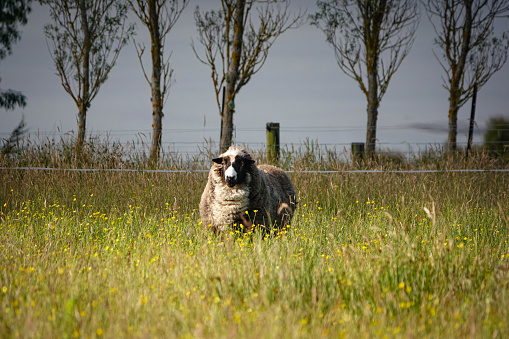
Research about reducing greenhouse gas emissions on Māori farms in New Zealand.