Farm types: Sheep & beef
Climate
Emissions reduction
Greenhouse gas
Sheep and beef
Sustainability
Learn how sheep and beef farms can reduce greenhouse gas emissions and improve profits.
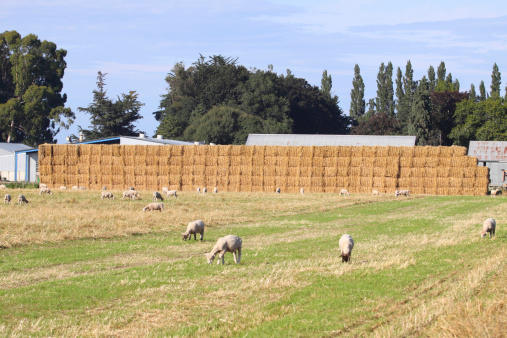
This research focuses on improving the efficiency of sheep and beef farming while reducing greenhouse gas (GHG) emissions. It highlights how the New Zealand sheep and beef sector has become more productive over the last 25 years, cutting emissions intensity by over 20%.
The research aims to help farmers understand and adopt practices that boost productivity and profitability without extra costs. Onetai Station is a key example, showcasing how to enhance farm productivity and environmental health through better management.
Learn how sheep and beef farms can reduce greenhouse gas emissions and improve profits.
Get guidance on reducing emissions on your fairy farm.
Learn how you can reduce your greenhouse gas emissions while staying profitable.
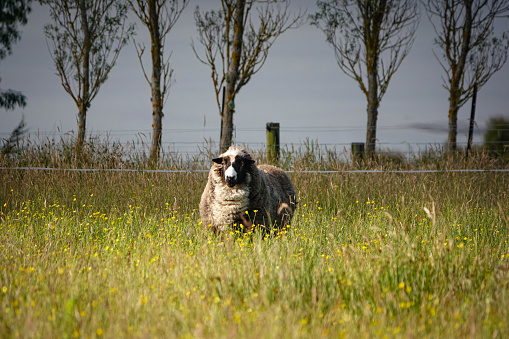
Research about reducing greenhouse gas emissions on Māori farms in New Zealand.
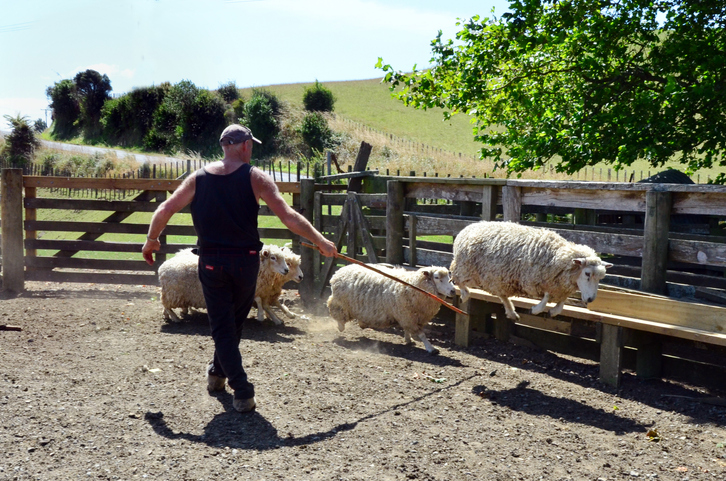
A tool for farmers to track and report on farm GHG emissions and sequestration.
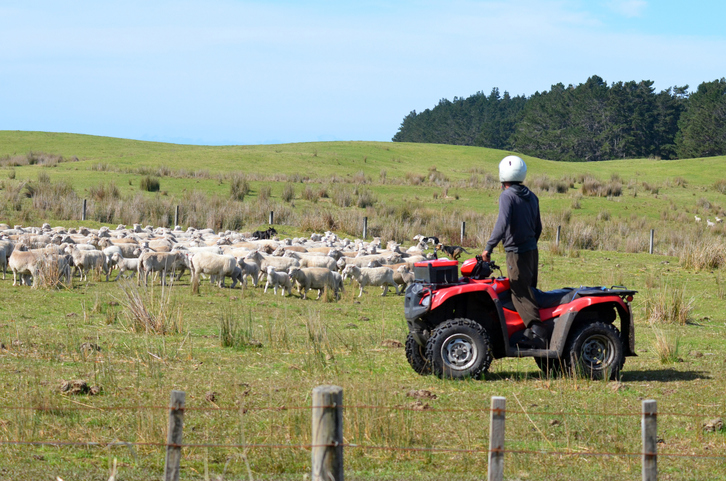
This resource outlines methods to reduce agricultural greenhouse gas emissions in New Zealand.

Learn about methane in agriculture and how NZ ag researchers are trying to reduce emissions.
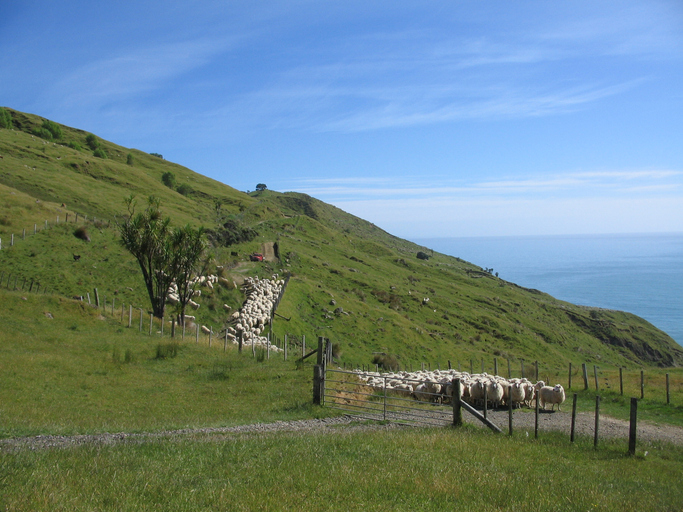
Explore how our beef and lamb farming can support wellbeing, the planet, and local communities.
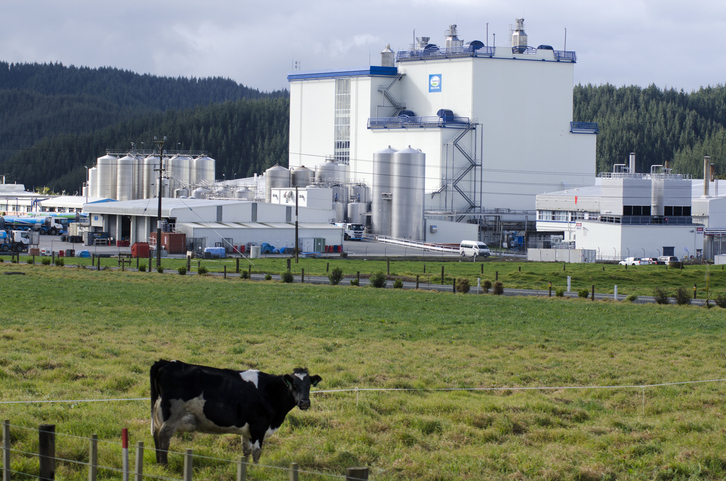
Learn how to manage greenhouse gas emissions on your farm.
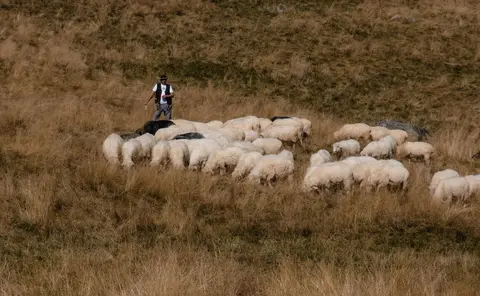
Explore ten practical ways to lift productivity, profitability and sustainability on your farm.
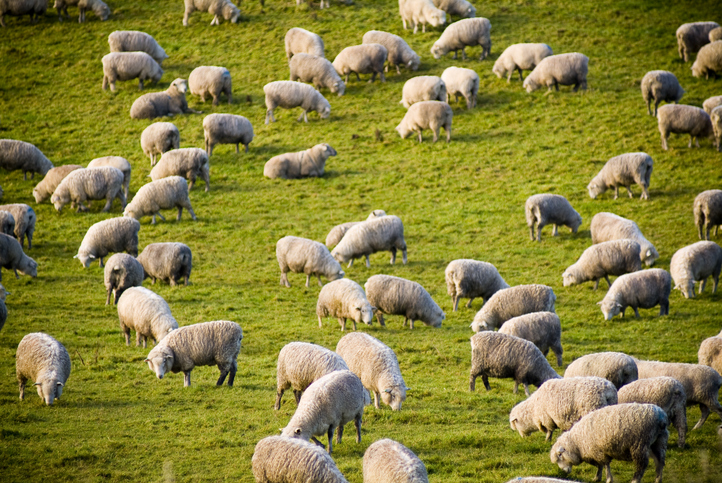
Compare your sheep and beef farm's performance with regional benchmarks.
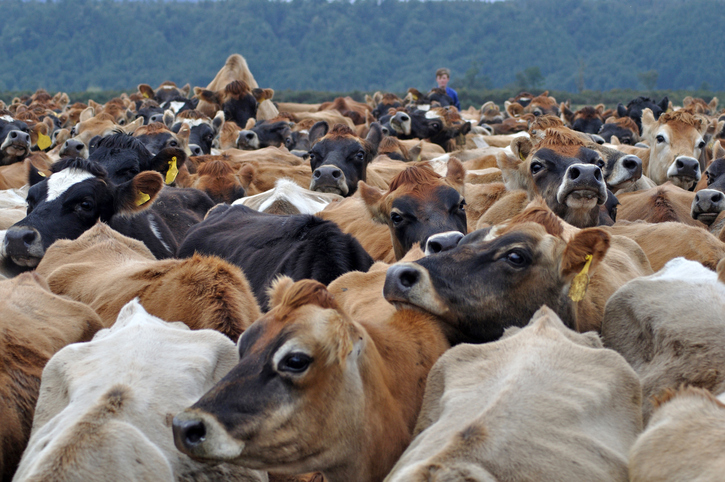
Learn how dairy farmers in New Zealand can reduce greenhouse gas emissions effectively.
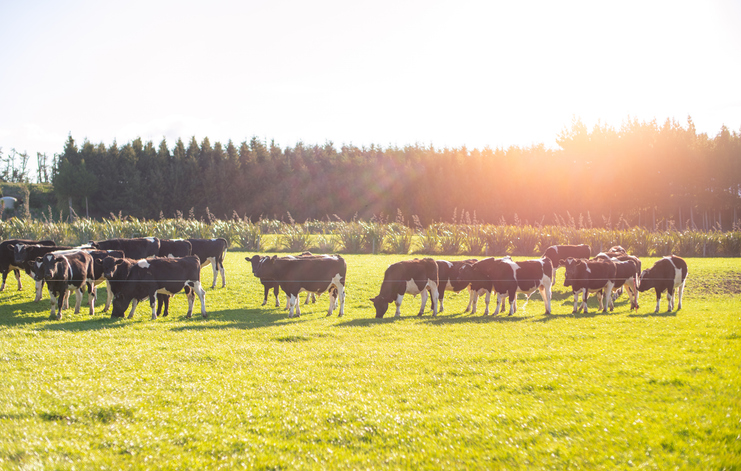
Learn about different on-farm solutions for reducing greenhouse gas emissions from dairy farms.
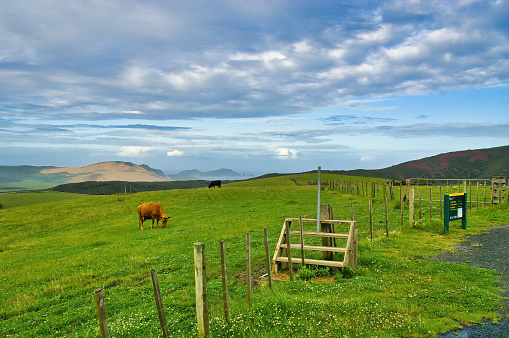
Learn about reducing methane emissions on your farm.
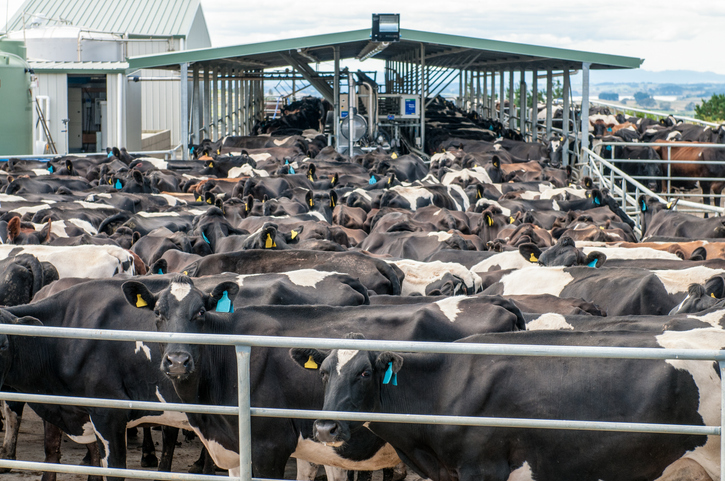
Learn about dairy farm emissions, their impacts, and ways to reduce them without affecting your profitability.
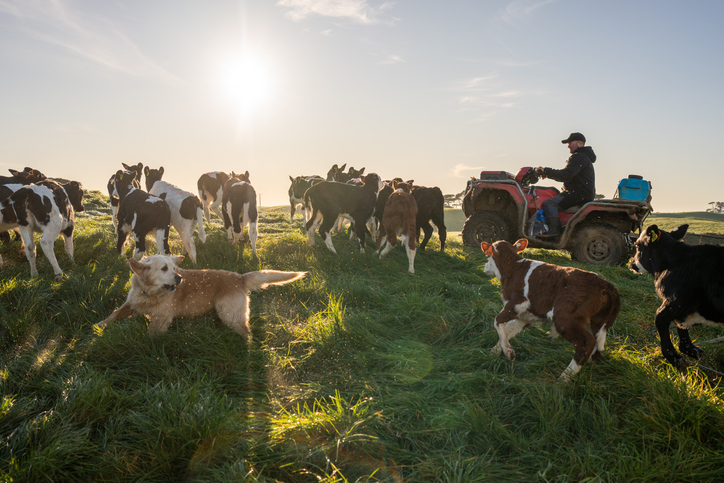
Understand how to reduce emissions and adapt to a changing climate on your farm.

This resource explores reducing agricultural emissions in Aotearoa through tech and land use changes.
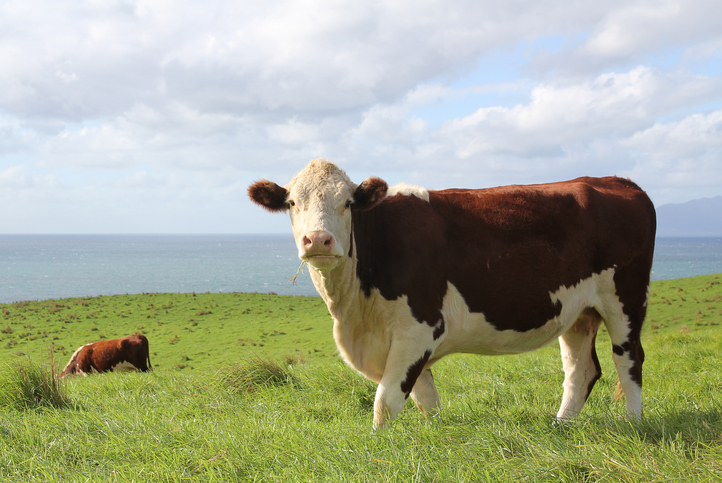
A free tool to calculate greenhouse gas emissions and improve sustainability on your farm.
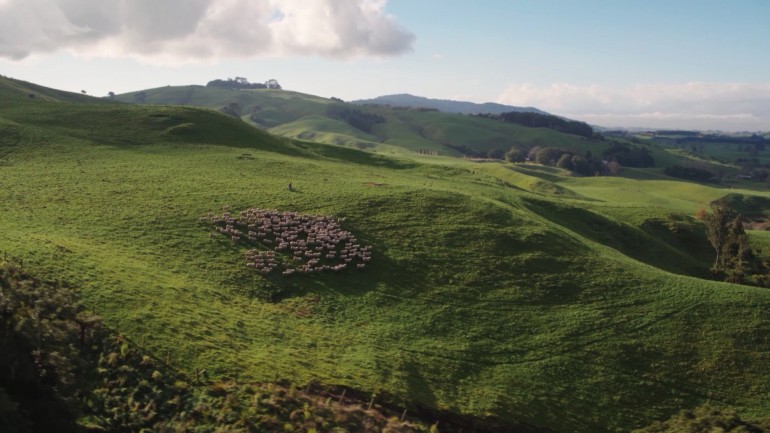
Learn ways to lower greenhouse gas emissions on your farm with practical steps and tips.
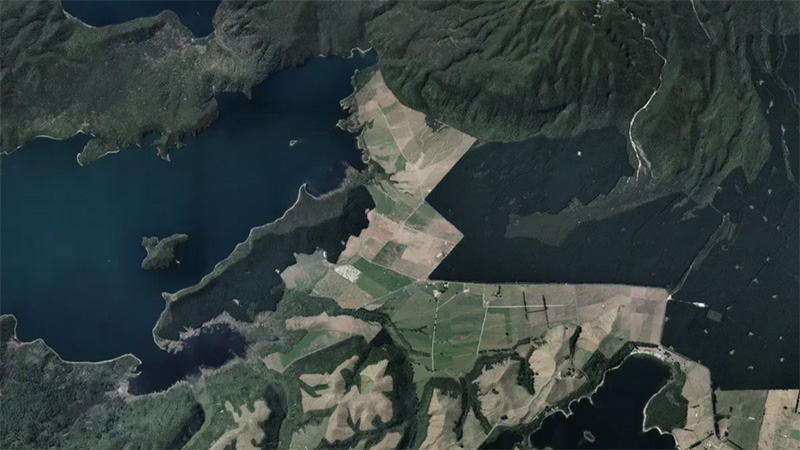
This report uses two case studies to illustrate different ways that diversified Māori agribusinesses can reduce greenhouse gas emissions and increase profits.
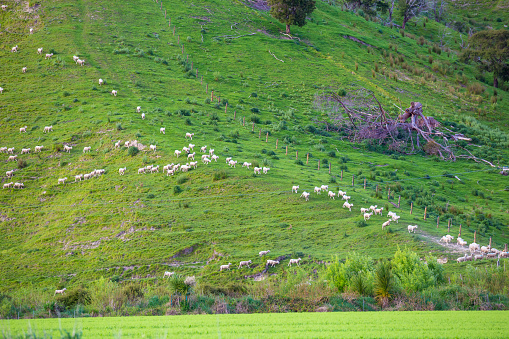
Browse Aotearoa agricultural greenhouse gas emissions reports by topic.
These reports break down Aotearoa's greenhouse gas emissions by sector and type.
See which sheep and beef mitigation measures cut nutrient loss and emissions.