Understanding carbon offsets
Climate
Biodiversity
Emissions reduction
Forestry
Sequestration
Sustainability
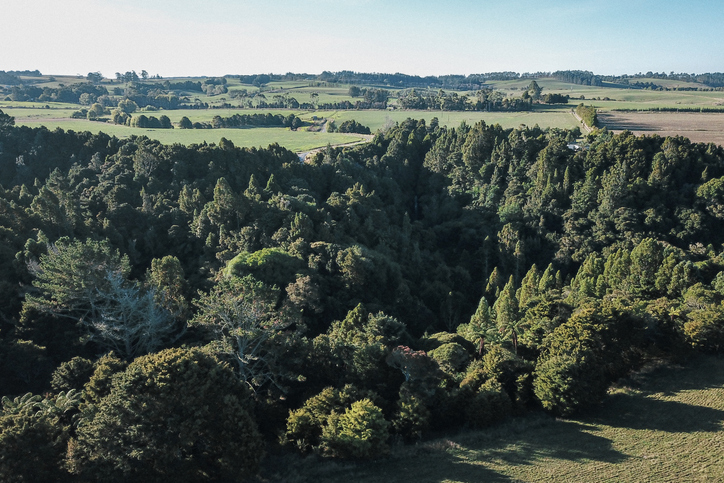
Learn how tree planting on farms can earn carbon credits in the Emissions Trading Scheme (ETS).
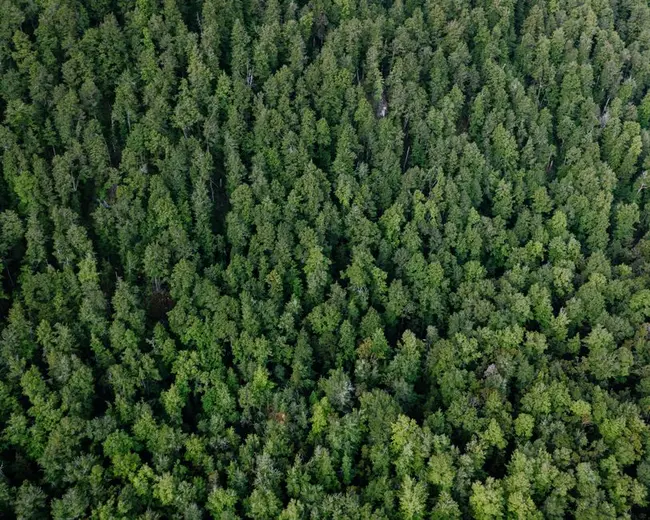
These tables give the expected carbon stock per hectare, in tonnes of carbon dioxide, for forests up to 50 years old, for use by Emissions Trading Scheme participants with less than 100 hectares of forest.
You can look up an age and forest type to get a standard carbon figure, which is used to work out how many New Zealand Units, or carbon credits, a small forest can earn without needing its own site-specific measurement.
MPI set the tables under the Climate Change (Forestry) Regulations 2022, based on national permanent sample plot data held by Scion. They are deliberately conservative, since participants using them are not held liable for any pre-planting carbon losses, and the tables do not cover forests past age 50 or larger than 100 hectares.
Learn how tree planting on farms can earn carbon credits in the Emissions Trading Scheme (ETS).
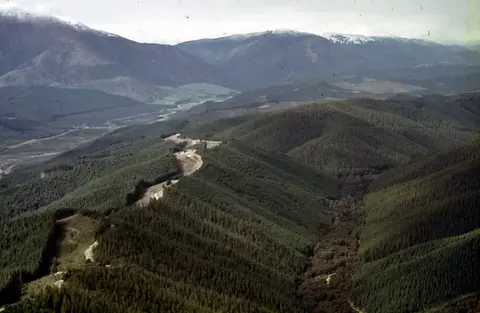
Understand the key considerations for land owners when considering entering the ETS.
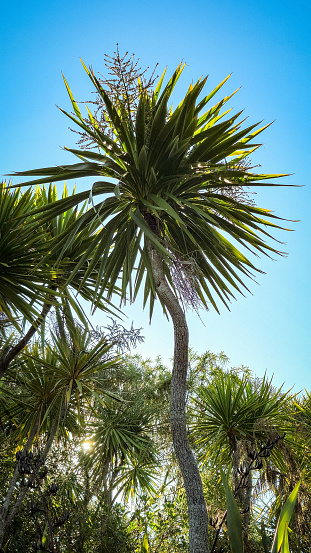
Learn how farms can use trees for carbon credits to boost income while enhancing te Taiao.
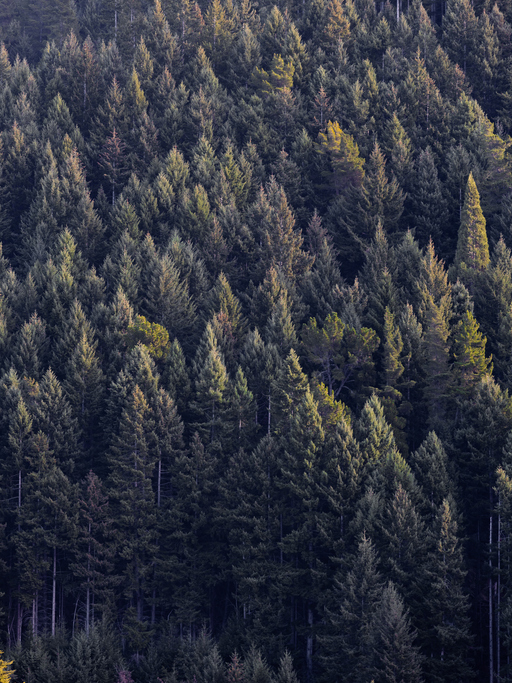
Read an overview of how forests absorb and release greenhouse gases.
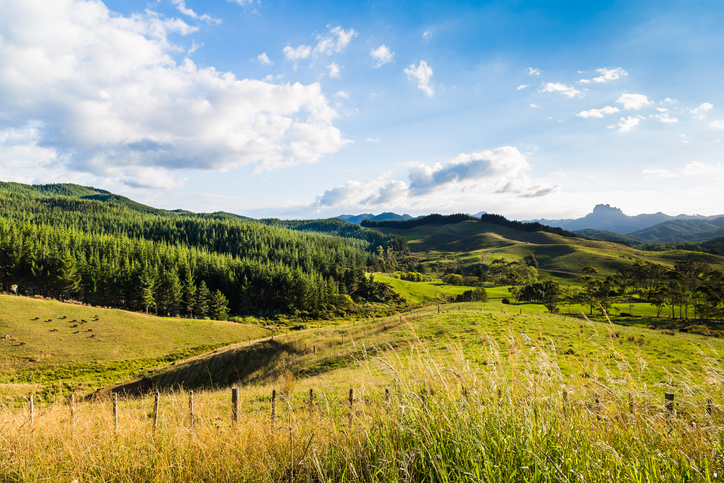
Find out more about tree farming for carbon credits.
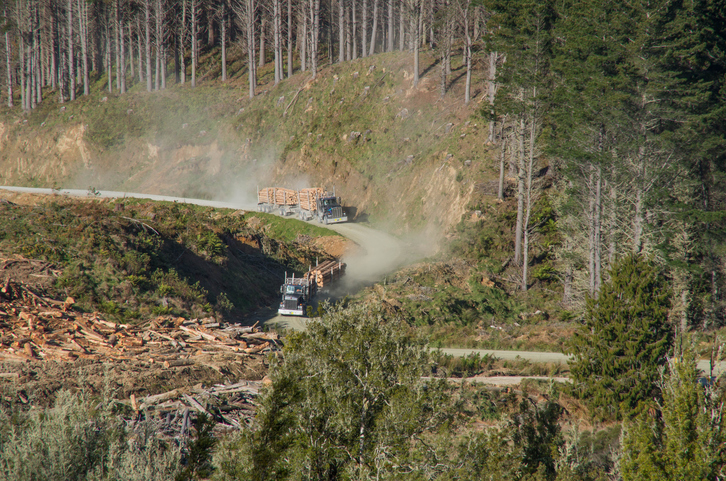
Compare how much carbon radiata pine could store on your whenua by age and stocking.
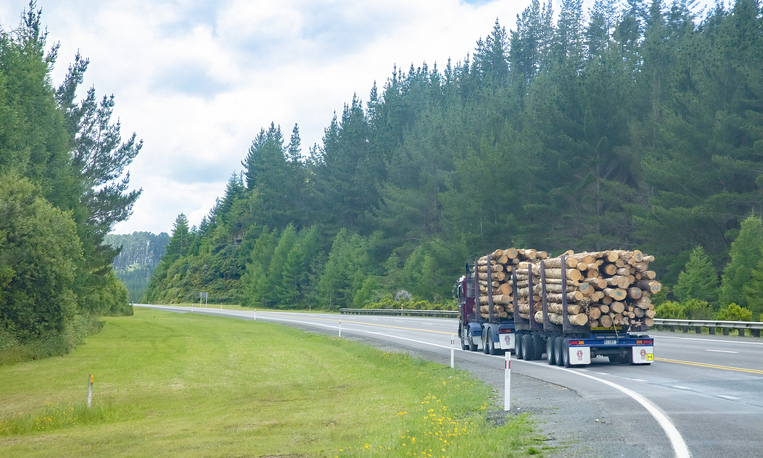
Learn about joining the forestry section of New Zealand's Emissions Trading Scheme (ETS).
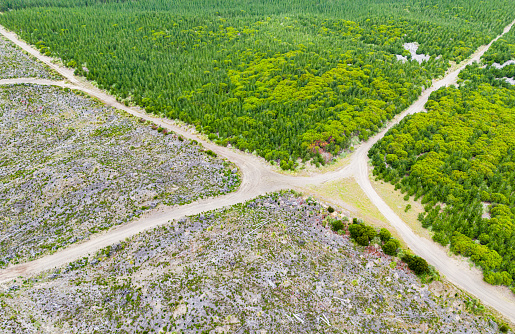
Learn about planning forest land for the Emissions Trading Scheme (ETS).
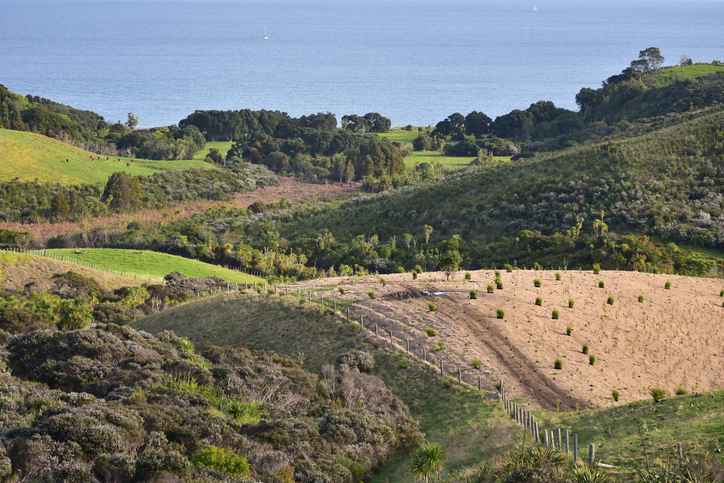
Find out how to convert marginal or depleted agricultural land into native forests for carbon farming.
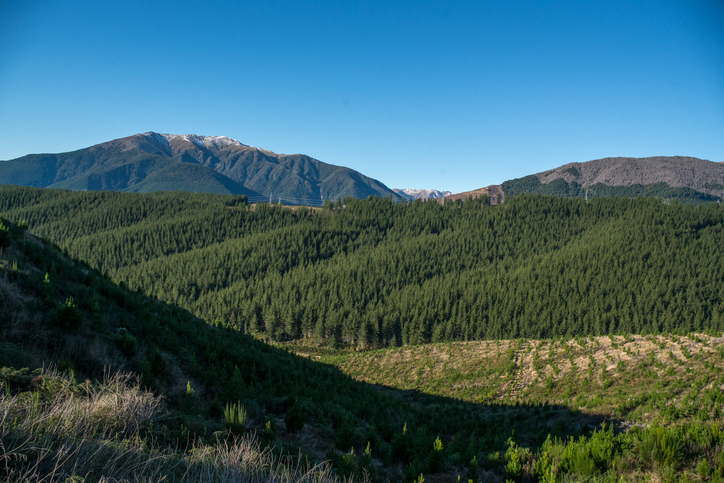
Get guidance on mapping your forest areas to assess eligibility for the Emissions Trading Scheme.
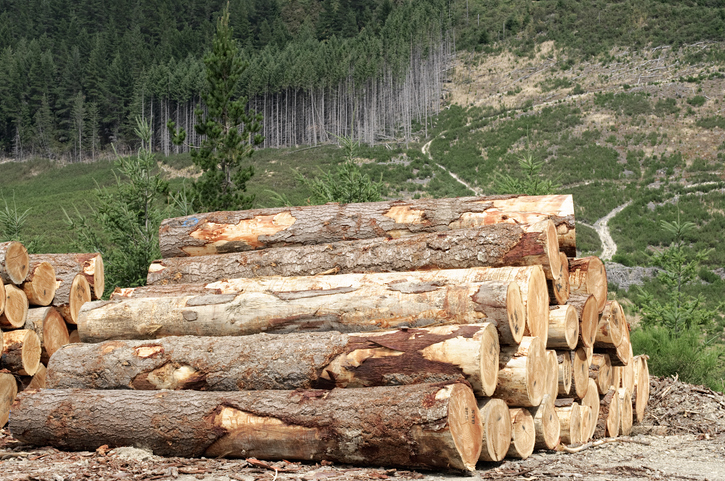
Explore the industry data behind MPI's wood availability forecasts.
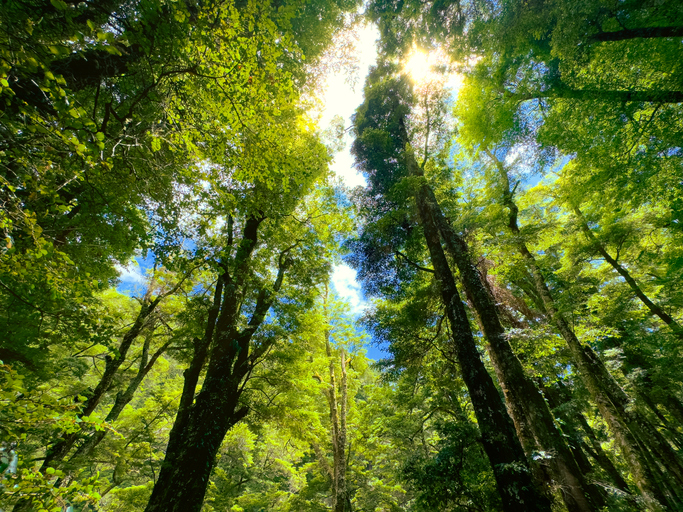
Learn how well-managed native forests can absorb significant amounts of carbon.
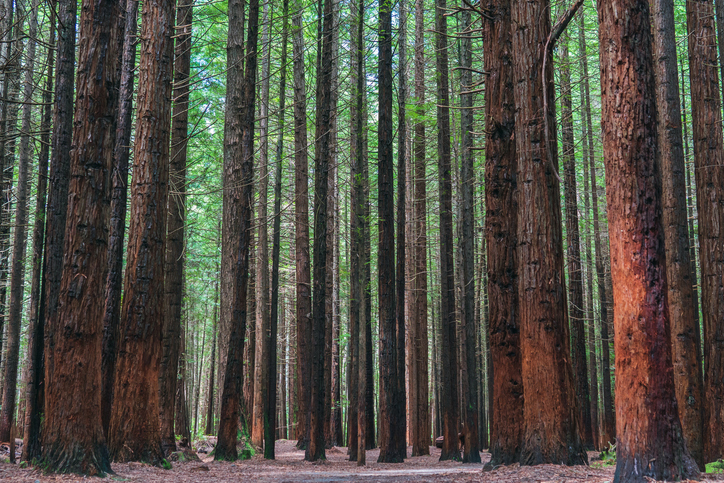
See how much carbon coast redwood could store on your whenua by age and stocking.

Find out about carbon sequestration rates in native forests and planting methods in New Zealand.
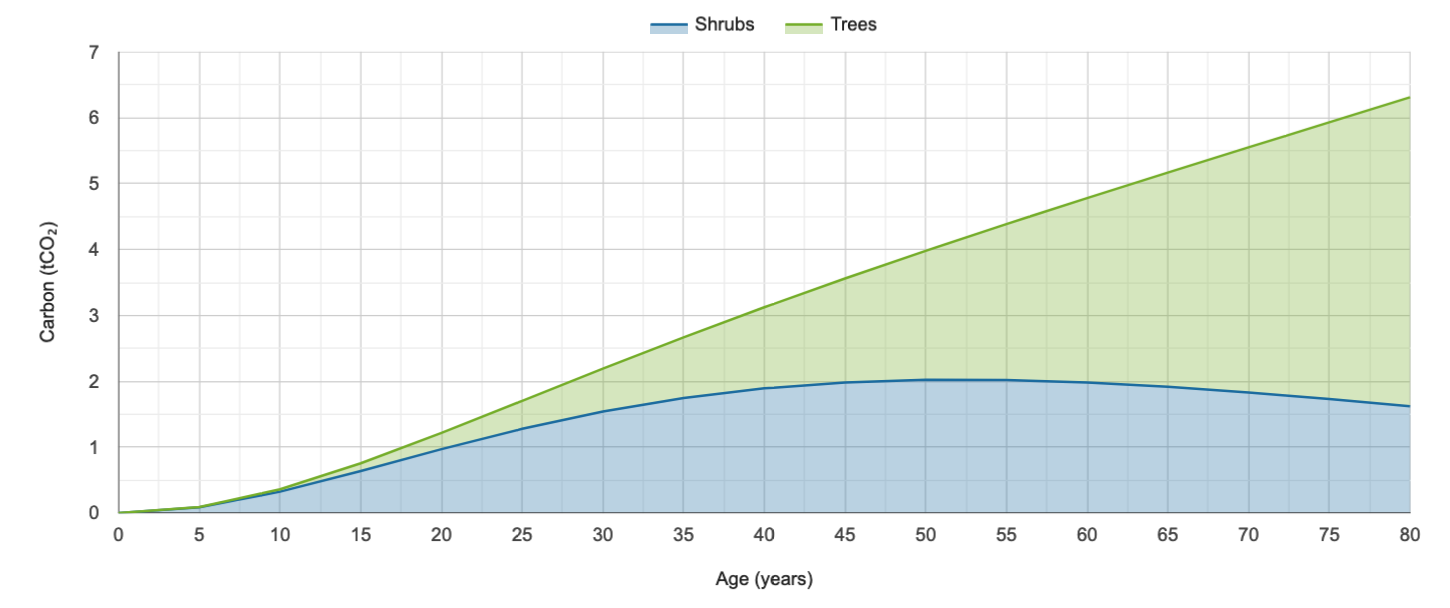
Calculate carbon storage in native forests and find planting needs to offset your footprint.
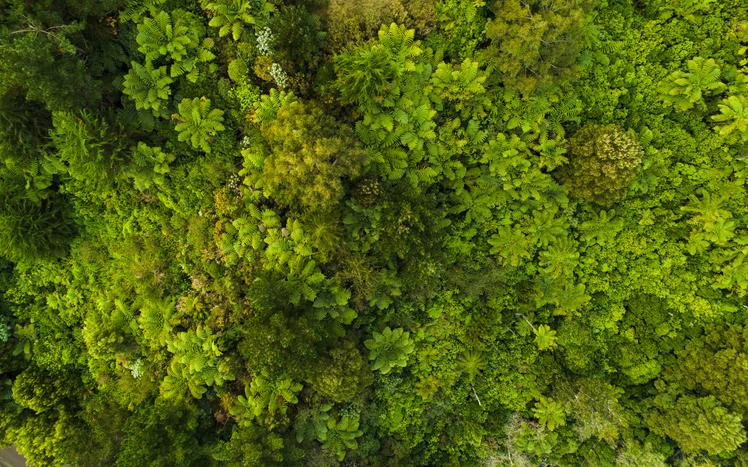
This paper examines the risks and benefits of investing in permanent forests in Aotearoa.
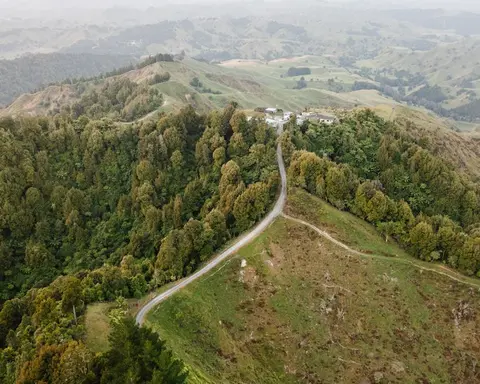
The standard tables that set a smaller forest's carbon earnings.
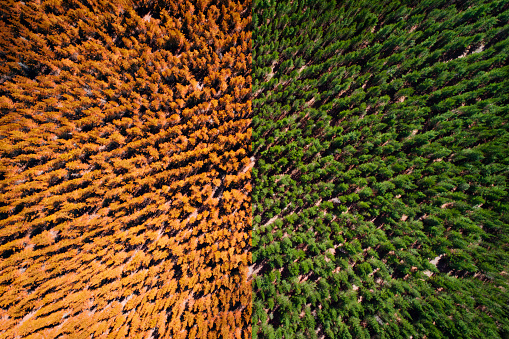
View monthly trends in New Zealand's Emissions Trading Scheme (ETS) transactions.
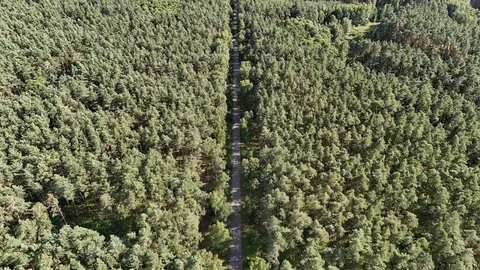
How the Emissions Trading Scheme works and who is in it.
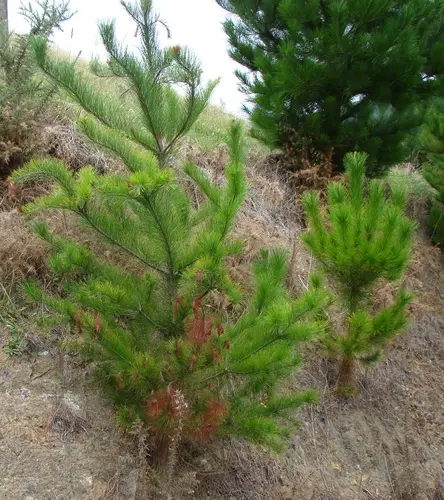
The clash between carbon credits and controlling wilding conifers.
The two ways the ETS counts a forest's carbon, and which applies.

Te Kapunga Dewes discusses Māori views on forestry, native trees, and carbon finance.

The maps a registration needs and how carbon is counted on them.