Protecting your whenua with a QEII covenant
Whenua
Biodiversity
Conservation
Whenua Māori
A QEII covenant can be a good way of protecting ecosystems on your whenua.
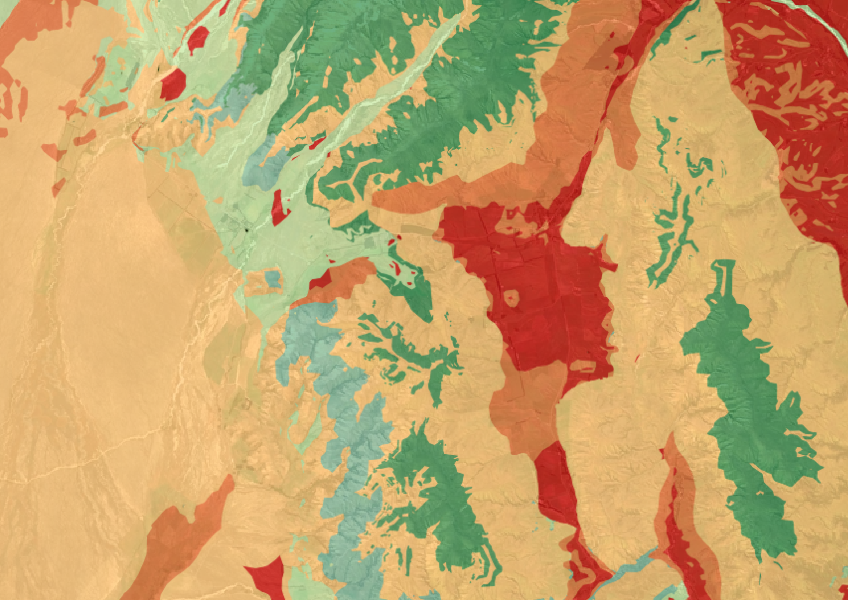
The Threatened Environments Classification (2012) shows how much native vegetation is left in your area. It gives you a percentage of native plants still intact and how much of that is protected.
This information can be a useful shortcut for estimating the health of local ecosystems and the risk of losing native plants. If your rohe has less than 30% intact native cover, it may be more vulnerable.
Keep in mind that the data is from 2012, so conditions are liekly to have changed since then.
Data sourced from Manaaki Whenua Landcare Research licensed under CC BY 4.0.
A QEII covenant can be a good way of protecting ecosystems on your whenua.
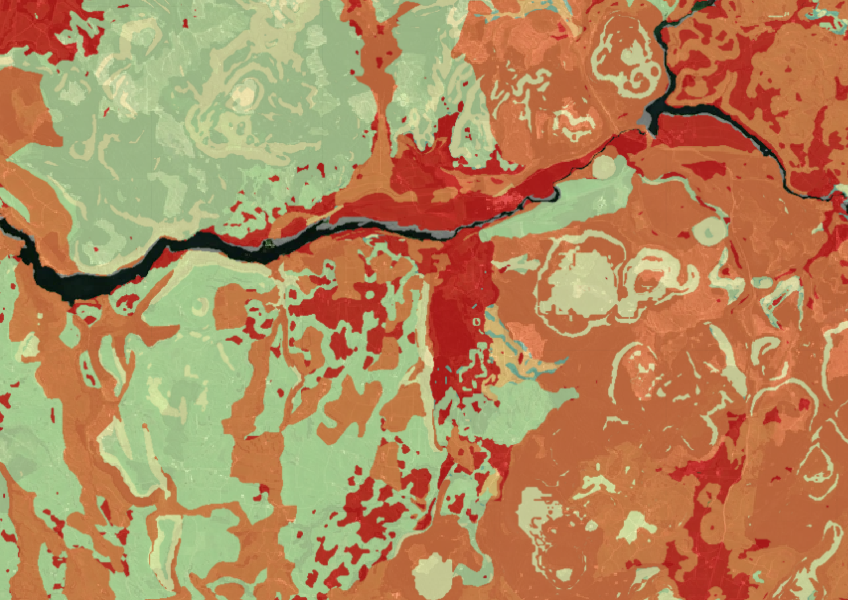
Map showing our remaining indigenous vegetation and its protection status..
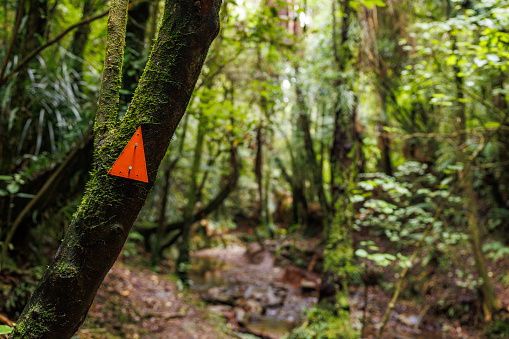
Get useful tips for restoring native forest on your whenua.
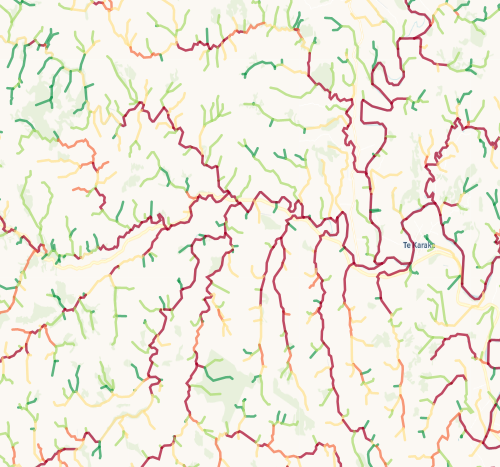
Check which streams on your whenua are most vulnerable to bank erosion.
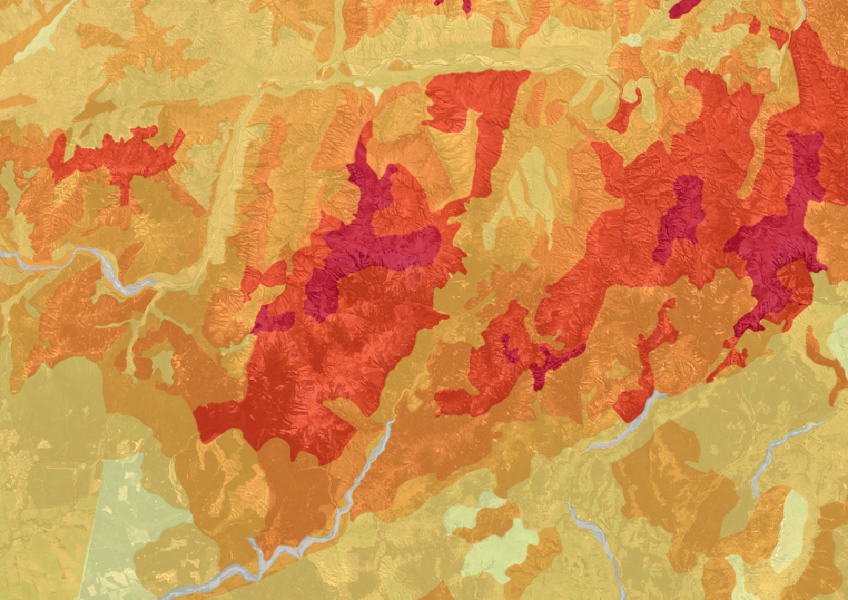
This map shows erosion types and estimated severity across Aotearoa.
The ESC can determine whether you need resource consent to establish plantation forestry on your whenua.
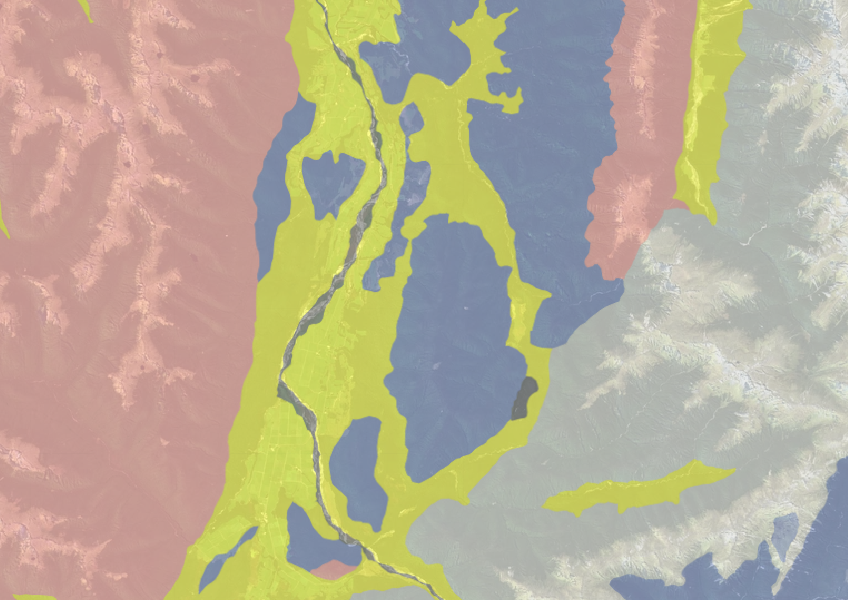
Use the NZLRI rock dataset to understand what type of rock is under your whenua.
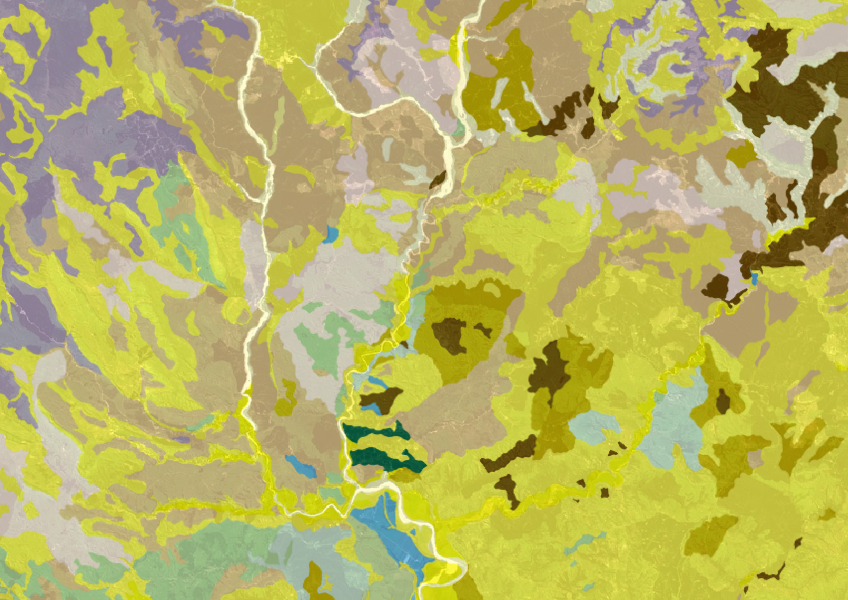
Get a better understanding of soil types on your whenua and across Aotearoa.
New Zealand's vegetation survey data spans over 70 years and includes 121,000 plot records.
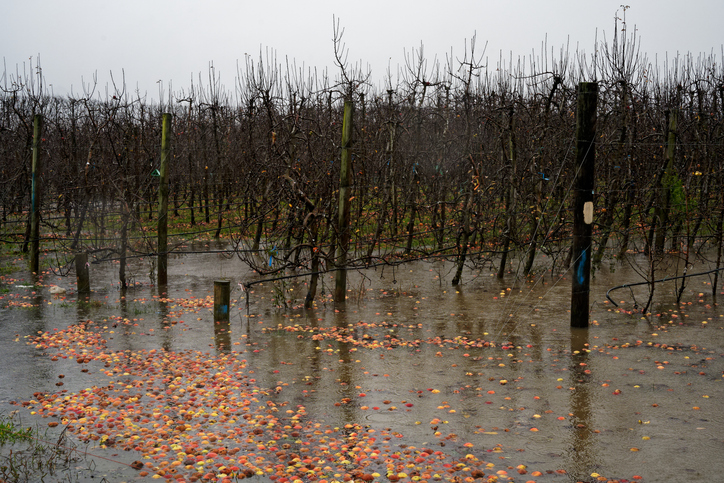
The report identifies vulnerable communities in New Zealand at risk of flooding.
See what might be coming for the Bay of Plenty region, including rising seas and flooding.
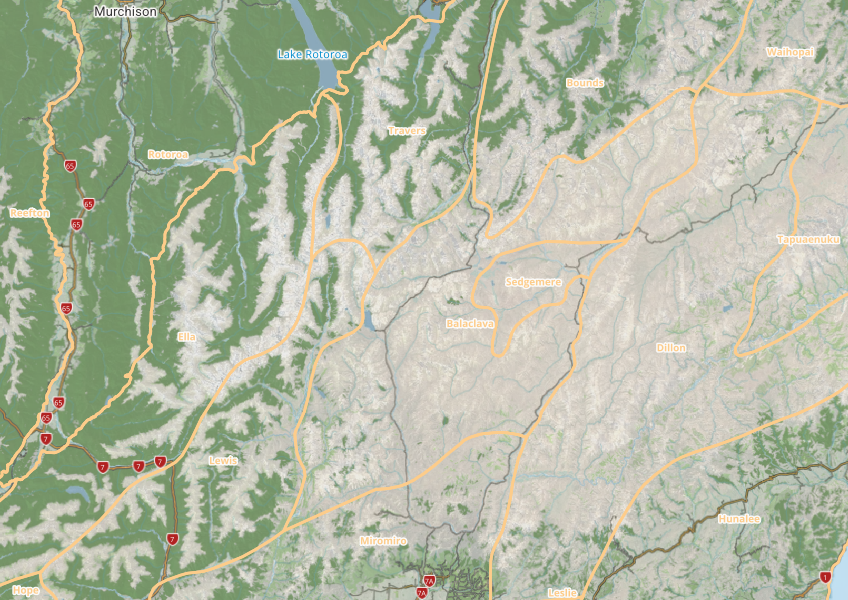
This map shows different areas of Aotearoa that have similar physical and biological characteristics.
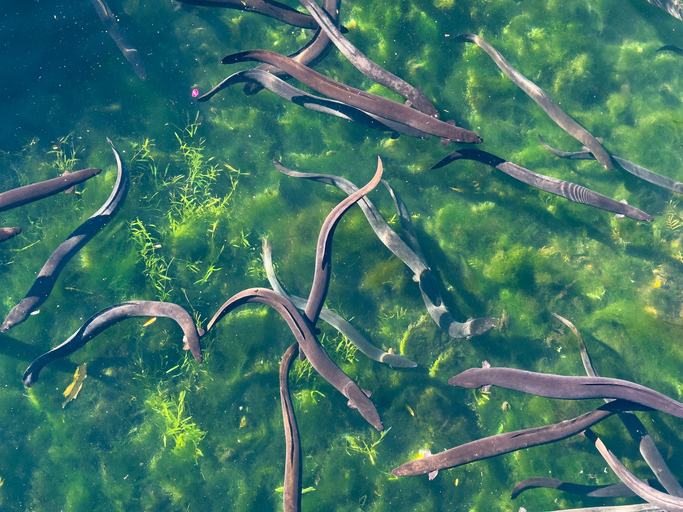
Learn to protect and improve freshwater ecosystems with practical guidance and planning tips from Beef and Lamb.
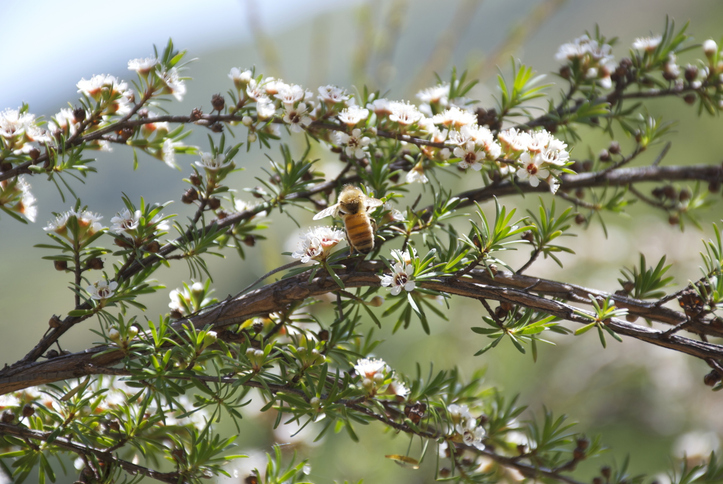
Find out about planning and planting trees to support bees on farms.
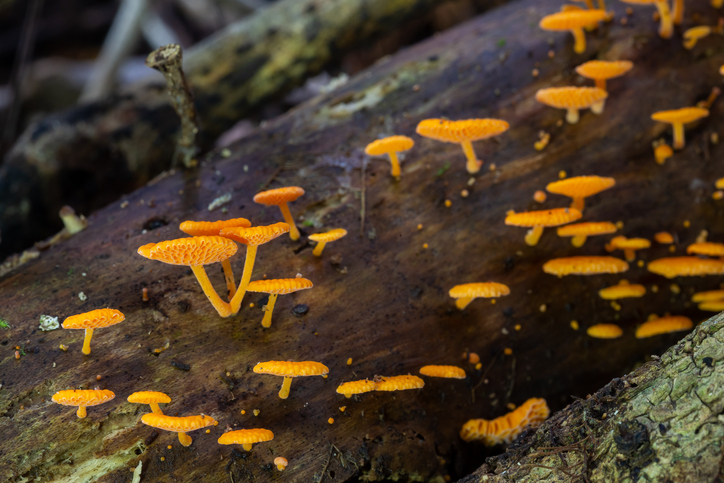
Biota of New Zealand is a comprehensive catalogue of scientific data about fungi, land invertebrates, and plants.
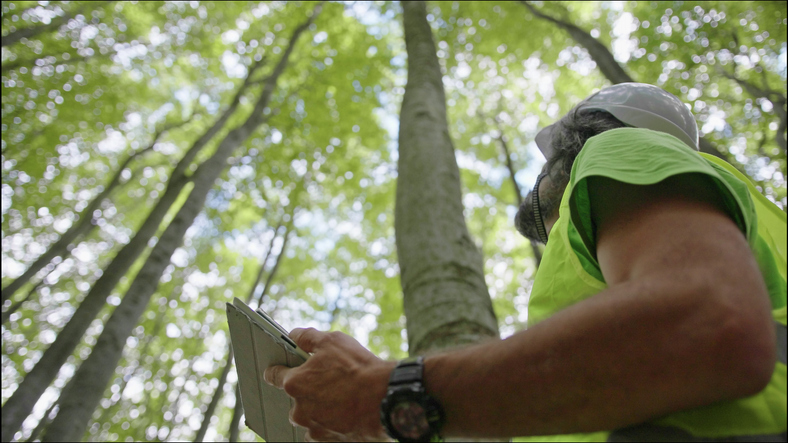
Read about a range of science projects related to the 1BT Programme.
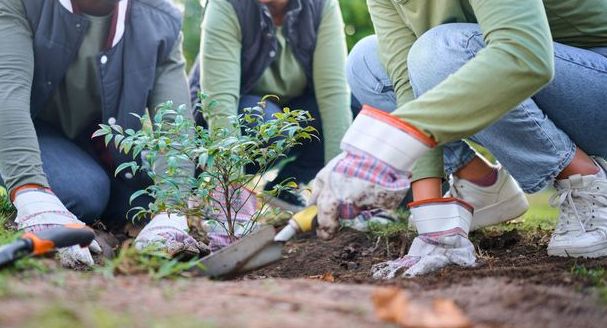
Learn about ecosourcing and growing native seeds for restoration projects.
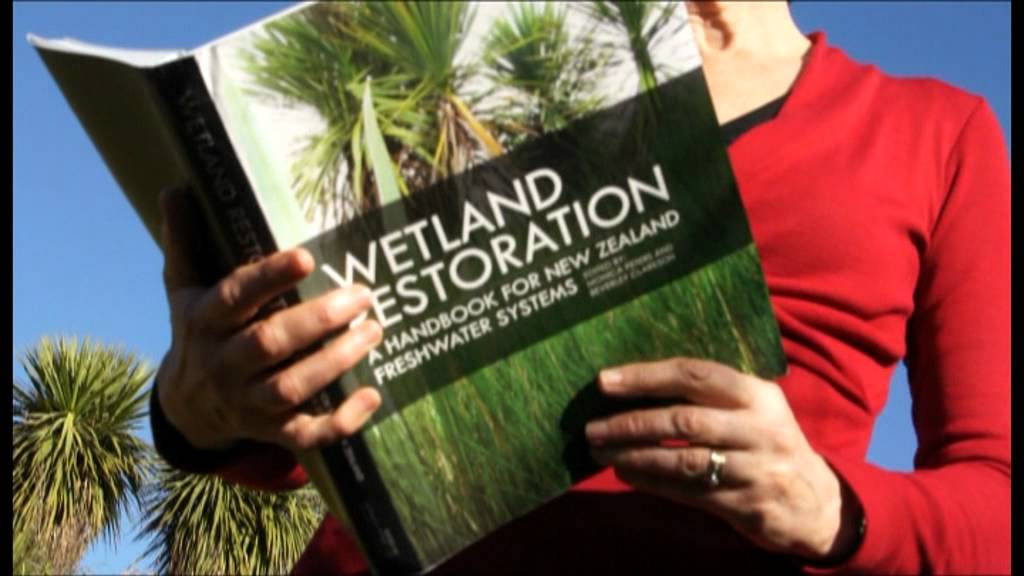
A guide to restoring New Zealand's freshwater wetlands with practical tips and beautiful images.
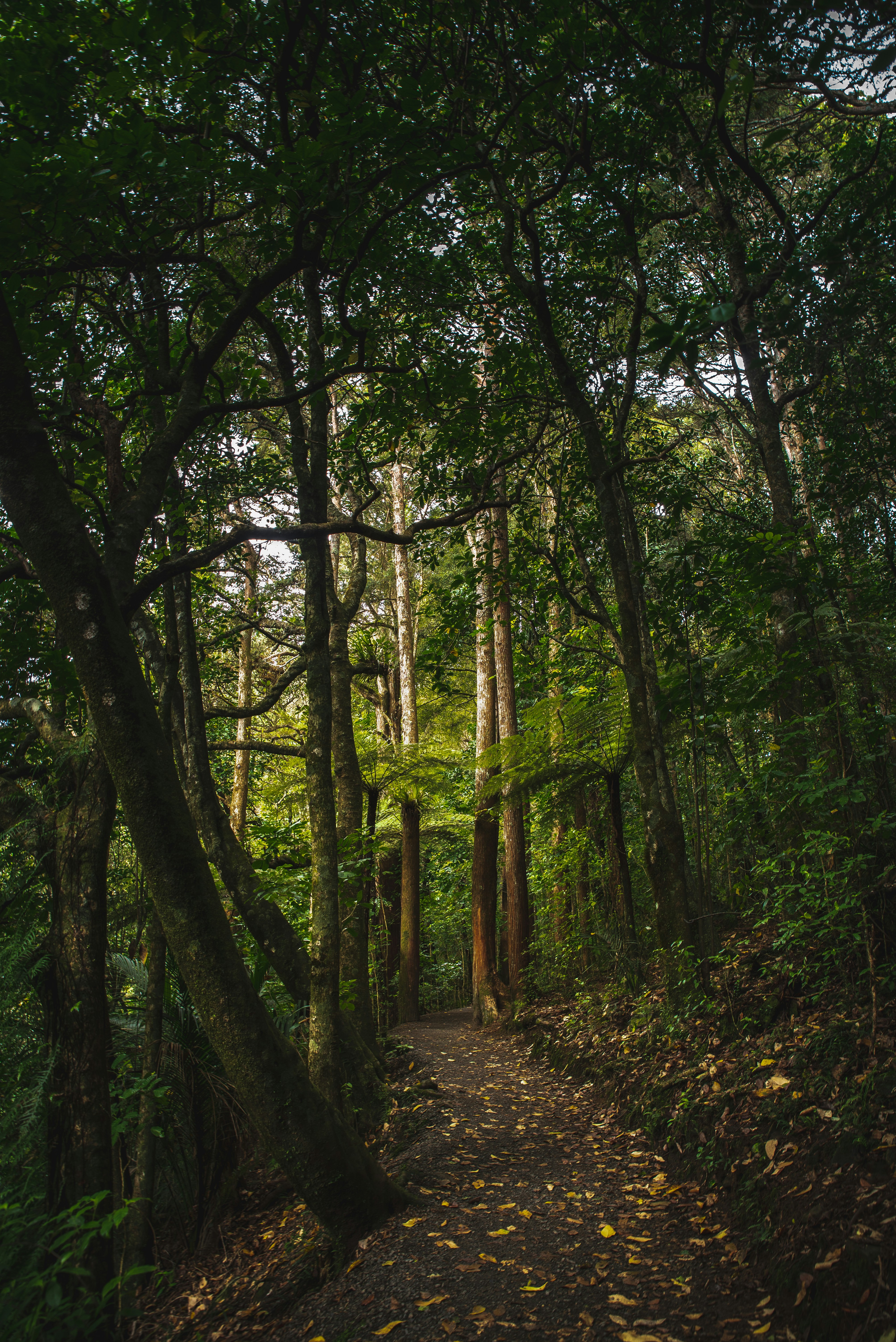
Learn methods for restoring native forests using passive or active regeneration.
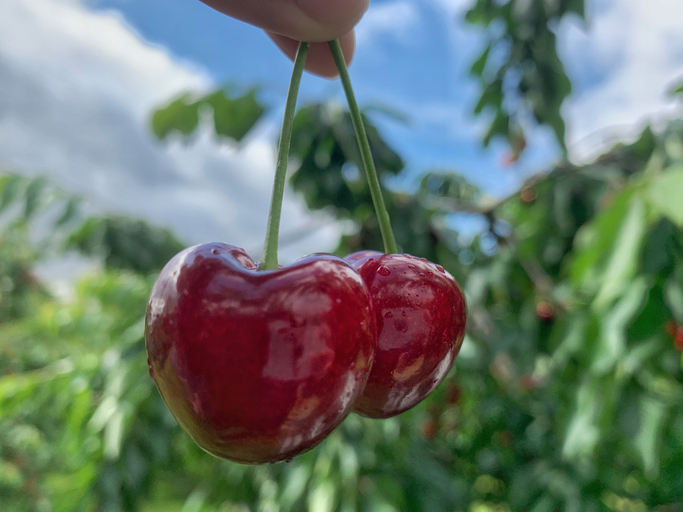
See how much cherries the whenua in your rohe could produce each year.
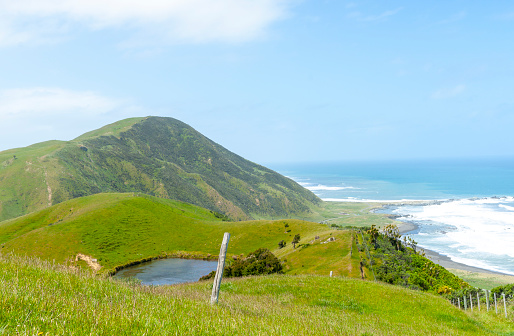
Learn how to clear land for planting native trees using different methods.
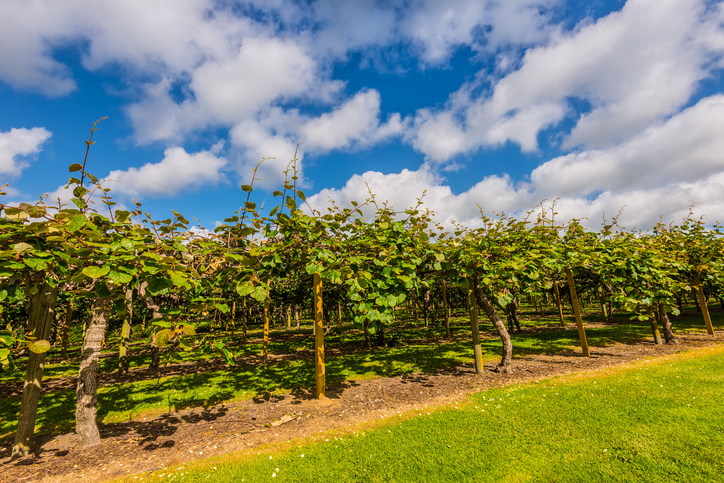
Find out how much kiwifruit the whenua in your rohe could produce each year.
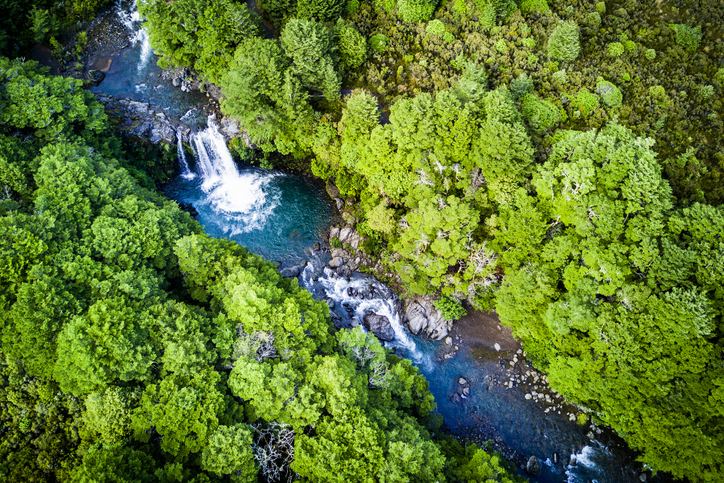
Explore how regenerative agriculture can enhance nature's ability to help us adapt to climate change.