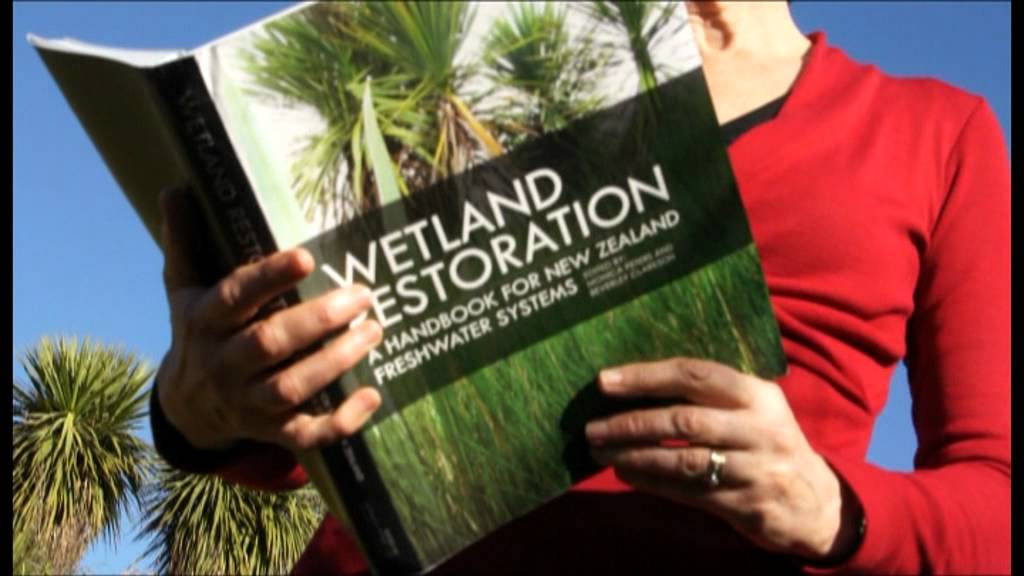
Wetland restoration in New Zealand
Whenua
Biodiversity
Community
Conservation
Regeneration
Resilience
Sustainability
Water
A guide to restoring New Zealand's freshwater wetlands with practical tips and beautiful images.
Mayflies are small insects that live in streams and rivers. They are very sensitive to pollution and changes in their habitat. Because of this, they act like canaries in a coal mine, showing us when water quality is poor. If mayflies disappear, it can lead to a decline in other insects and fish.
Healthy streams can host many types of macroinvertebrates, with some areas having up to 50 different kinds. To support mayflies and other freshwater life, you can plant trees and shrubs along stream banks. This helps keep the water cool and provides food for the insects. By caring for your waterways, you help protect valuable species that are found nowhere else.
A guide to restoring New Zealand's freshwater wetlands with practical tips and beautiful images.
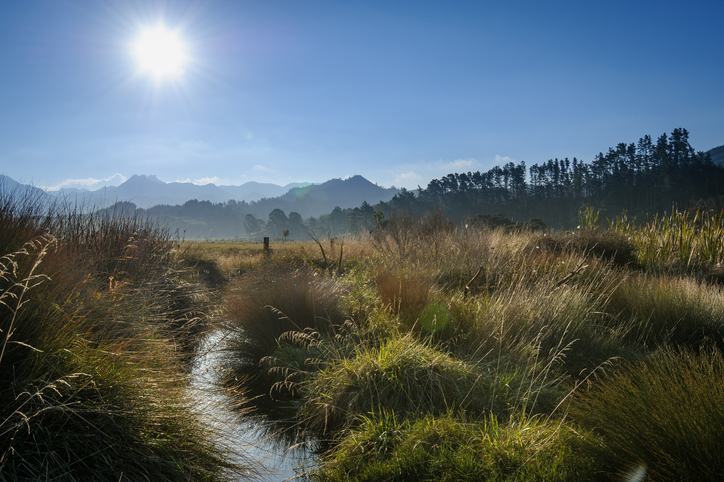
Learn about planting trees along waterways to enhance nature and prevent erosion.
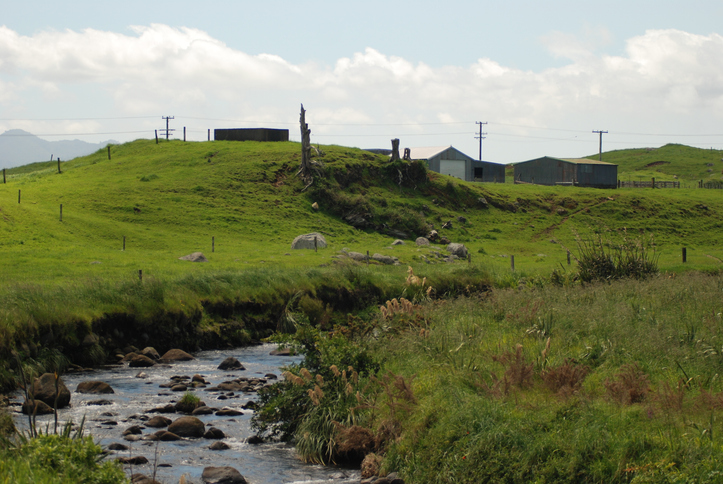
Get funding and advice to help protect and restore rivers on your whenua.
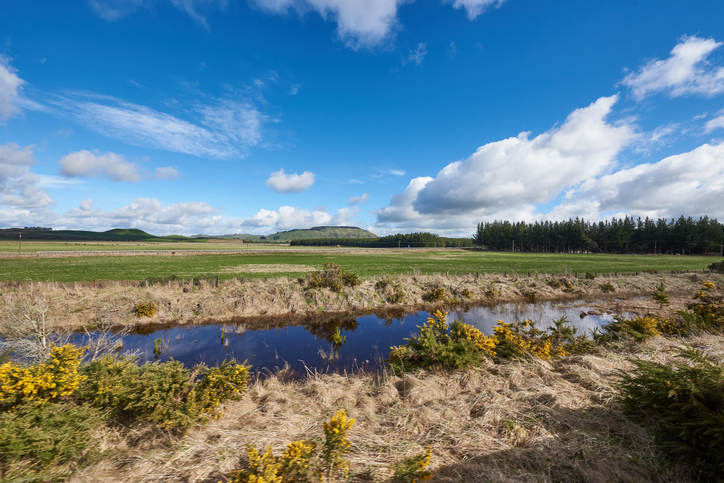
Explore maps showing how livestock density affects water quality in New Zealand rivers.
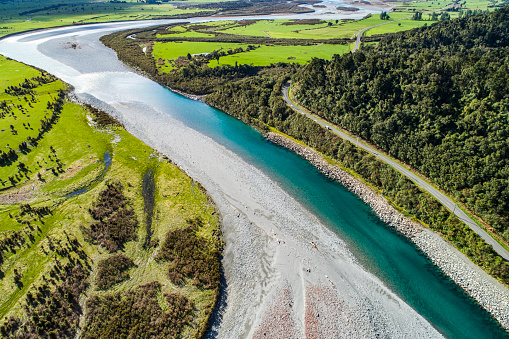
Learn how to plant trees along waterways to improve freshwater outcomes.
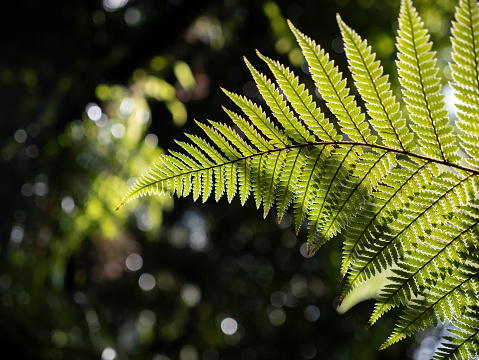
A research project on water-based land use for improving native fish habitats in New Zealand.
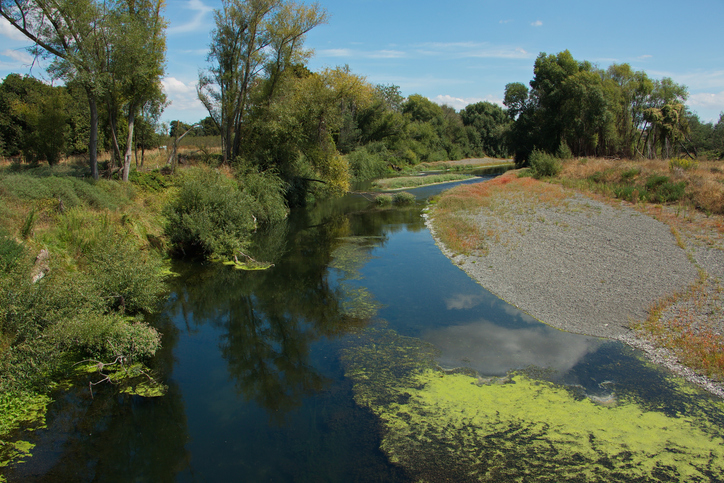
Learn how to protect waterbodies and wetlands for healthier whenua.
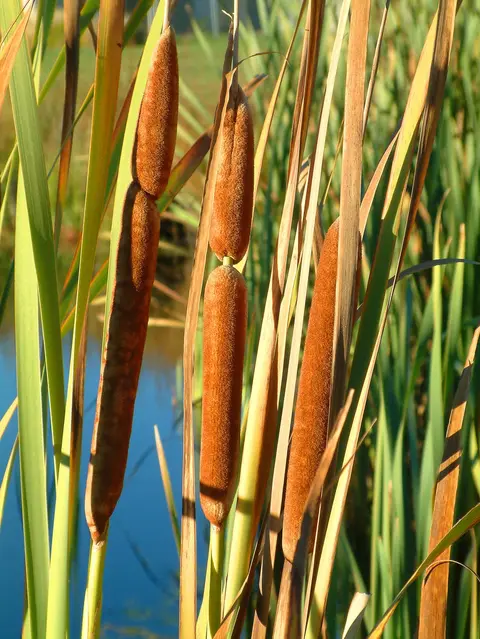
An interactive key to identify different wetlands that can be found in Aotearoa.
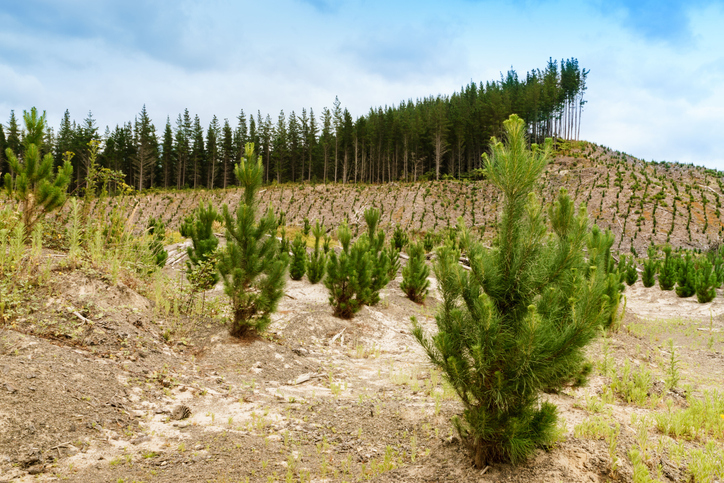
This resource challenges myths about planted forests, especially radiata pine, in New Zealand.
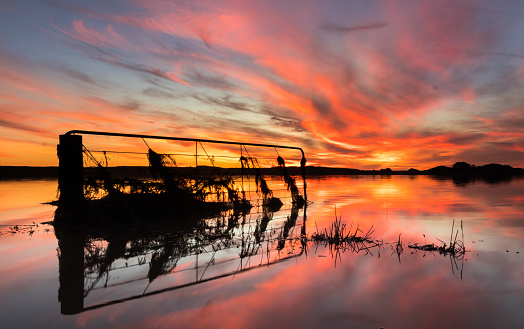
This report details climate change risks for New Zealand, focusing on key areas like coasts and freshwater.
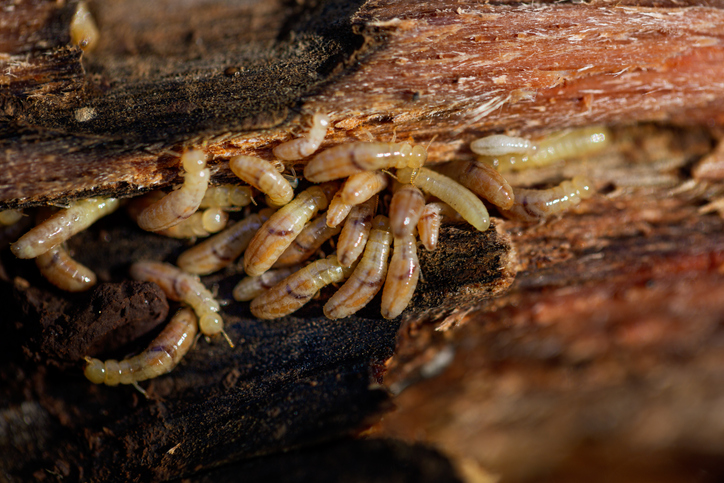
Information sheets about forest insects and how to control them.
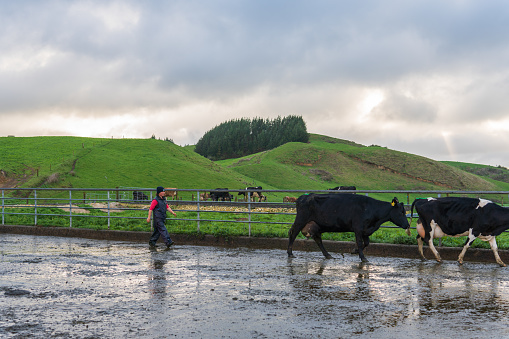
Map showing nitrate-nitrogen leaching from dairy farms, with spatial accuracy at 100m resolution.
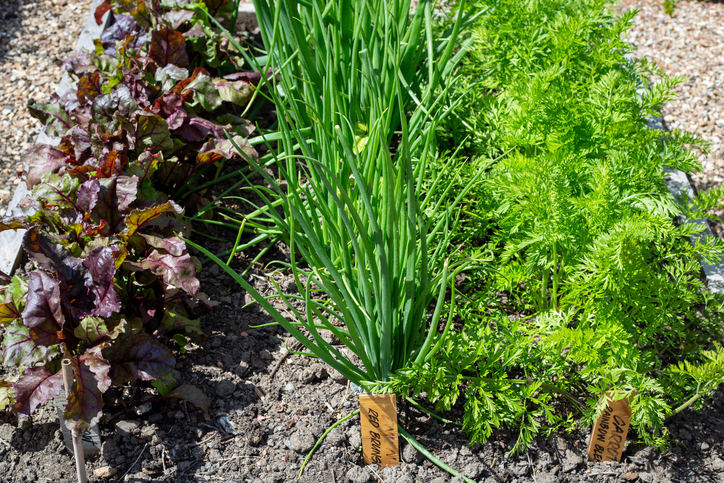
Practical guides for boosting biodiversity in vegetable farms.
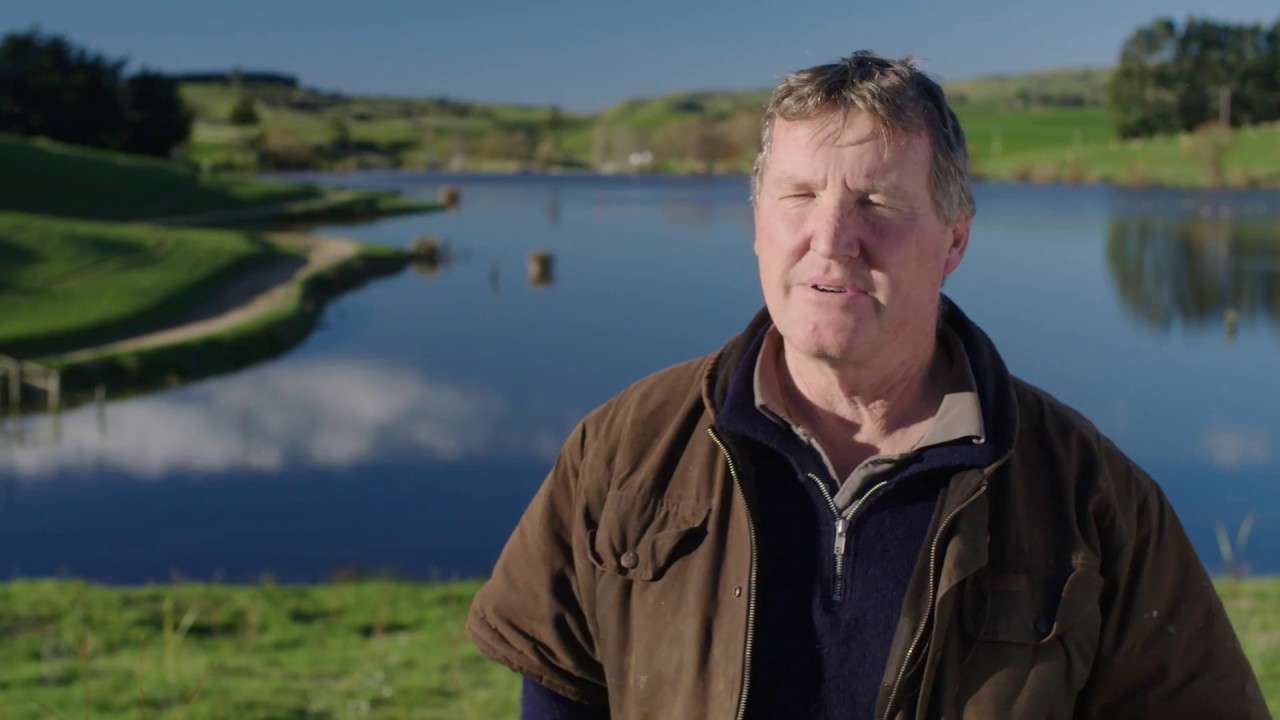
David Blackwood shares how he's using fencing and planting to improve water quality on his Wairarapa family farm.
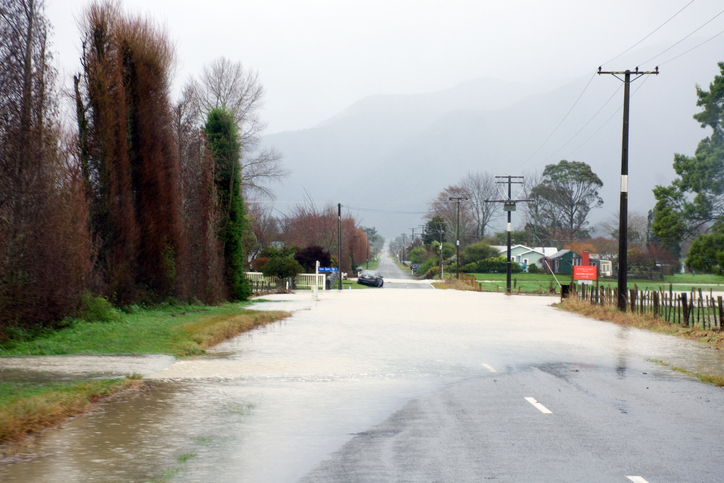
Explore how climate change affects water, health, and wellbeing with this interactive tool.
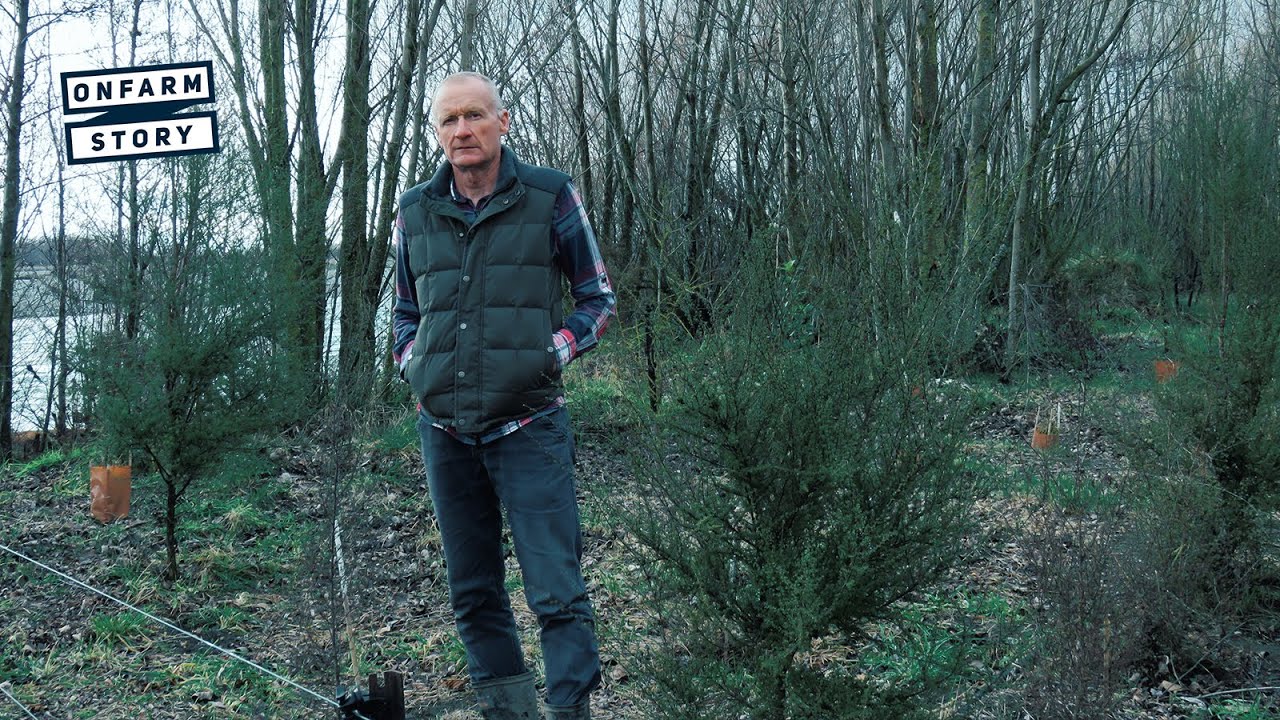
John Faulkner, a dairy farmer, aims to restore the Waiau Uwha River through planting and habitat preservation.
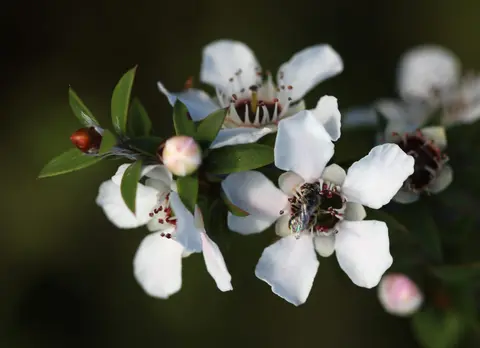
Tips for selecting native and exotic plants to support bee health.
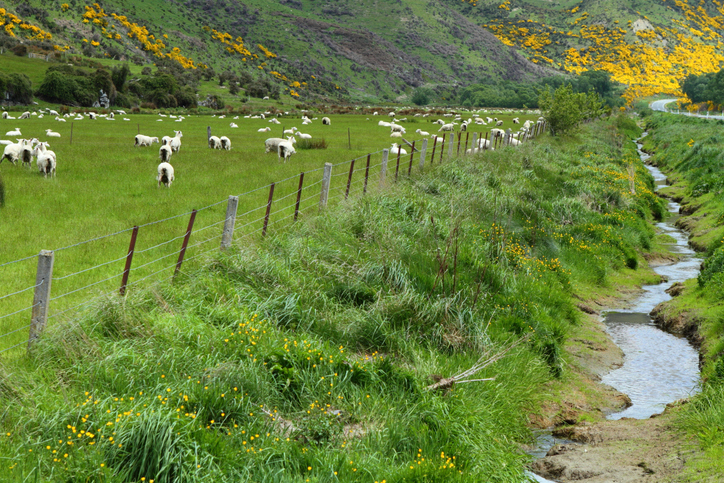
Get guidance for creating freshwater farm plans to improve freshwater outcomes in your catchment.
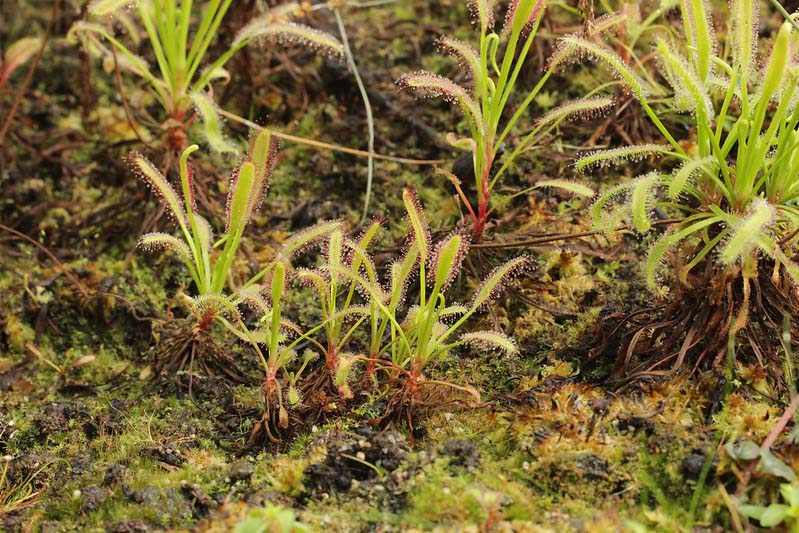
Find out how to identify and report invasive carnivorous plants in Auckland.
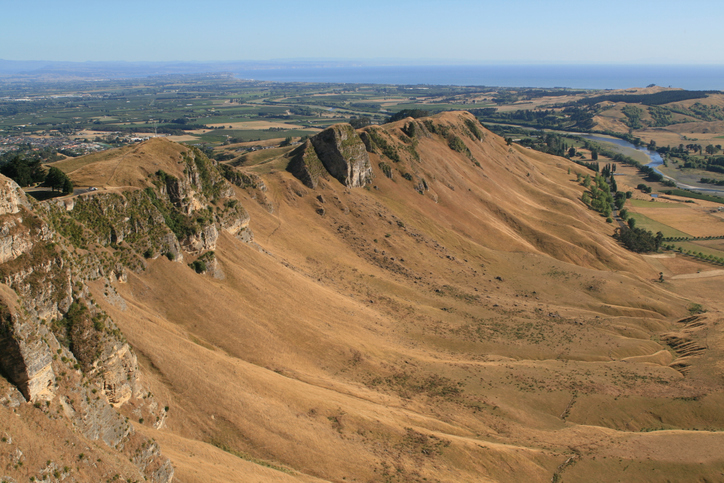
Hawke's Bay faces erosion issues. Planting trees can help prevent soil loss and improve water quality.
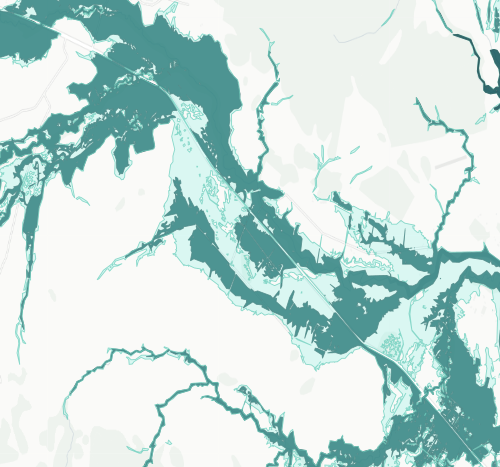
See river flood hazard zones near your Whangārei whenua
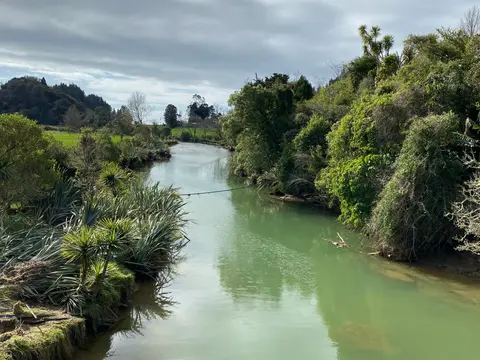
See how land owners and the local community worked together to restore the Motupipi River.