Farming for the Future
Whenua
Soil
Sustainability
Viticulture
Water
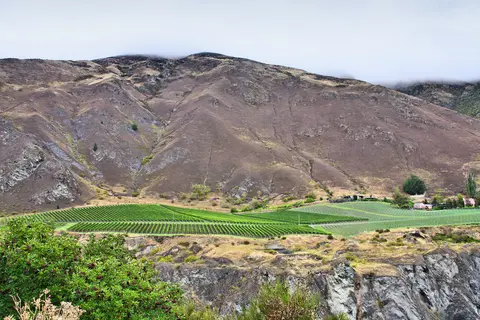
Discover how Amisfield converted to organics and cut water use with subsurface irrigation.
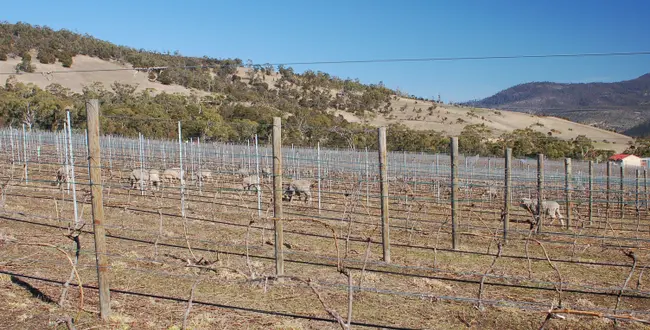
This long read visits winegrowers in Hawke's Bay, Marlborough, North Canterbury and Central Otago who are moving from sustaining their vineyards to actively rebuilding them. It explains what regenerative viticulture means in practice: multi-species cover crops, less tillage, no herbicide under the vines, compost, and sheep or cattle grazing the rows in winter.
Growers share what changed on their blocks, from soil organic matter climbing and clearer run-off after heavy rain to fewer pest sprays and better fruit in hard seasons. They also talk about costs, new gear, and how to start with a single block.
Photo: “Biodynamic sheep grazing vineyard for weeds” by Mark Smith, licensed for reuse under CC BY 2.0
Discover how Amisfield converted to organics and cut water use with subsurface irrigation.
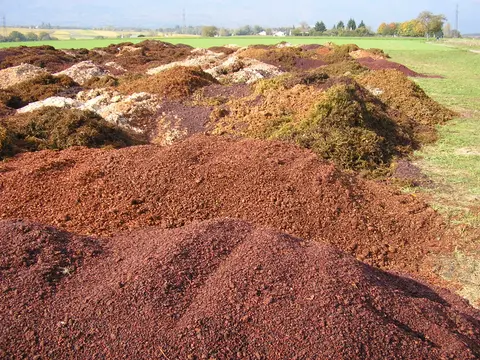
Discover how grape marc and forestry waste become biochar and compost that build vineyard soils.
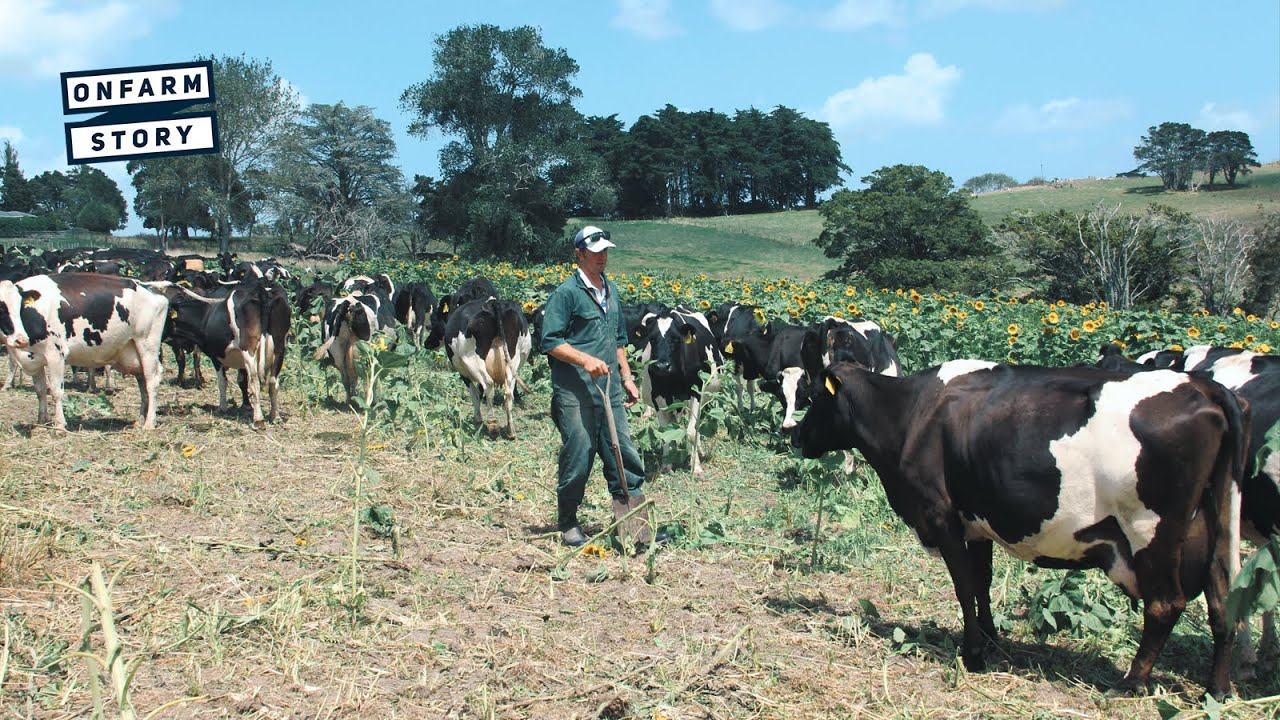
Explore how a Northland dairy farmer is rebuilding soil health with cover crops.
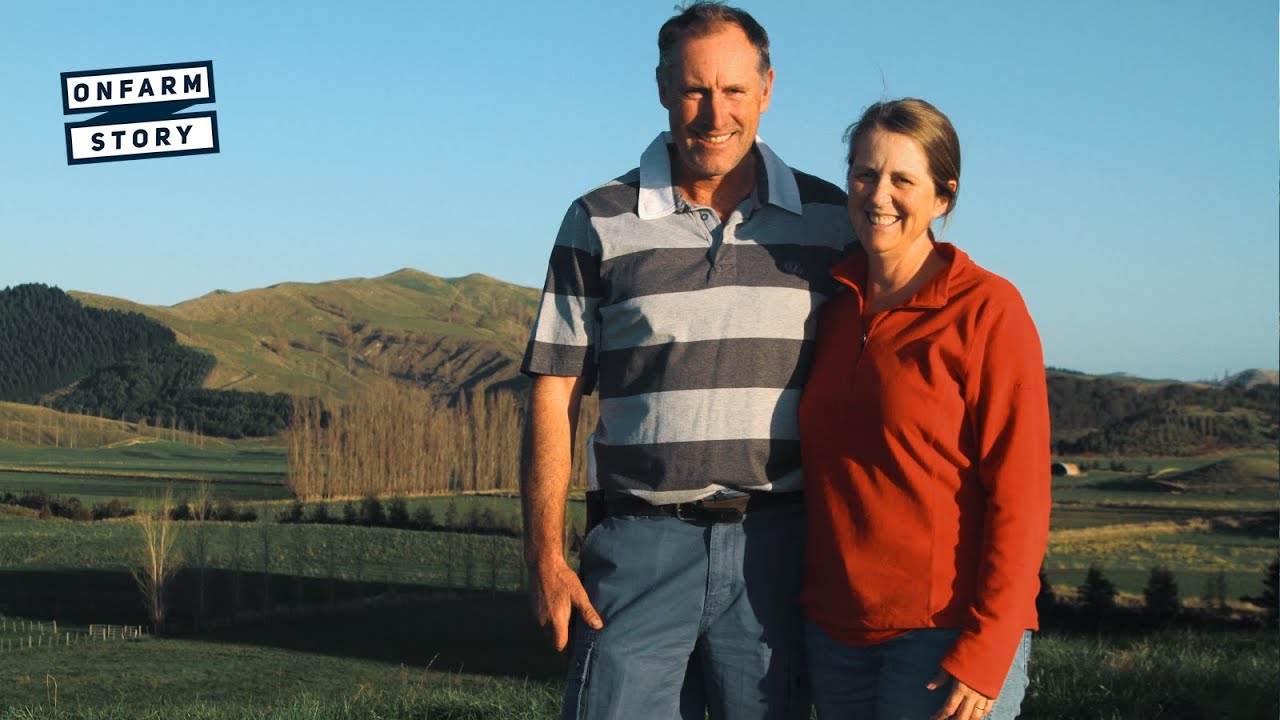
Discover how Hawke's Bay farmers use regenerative methods to rebuild soil and biodiversity.
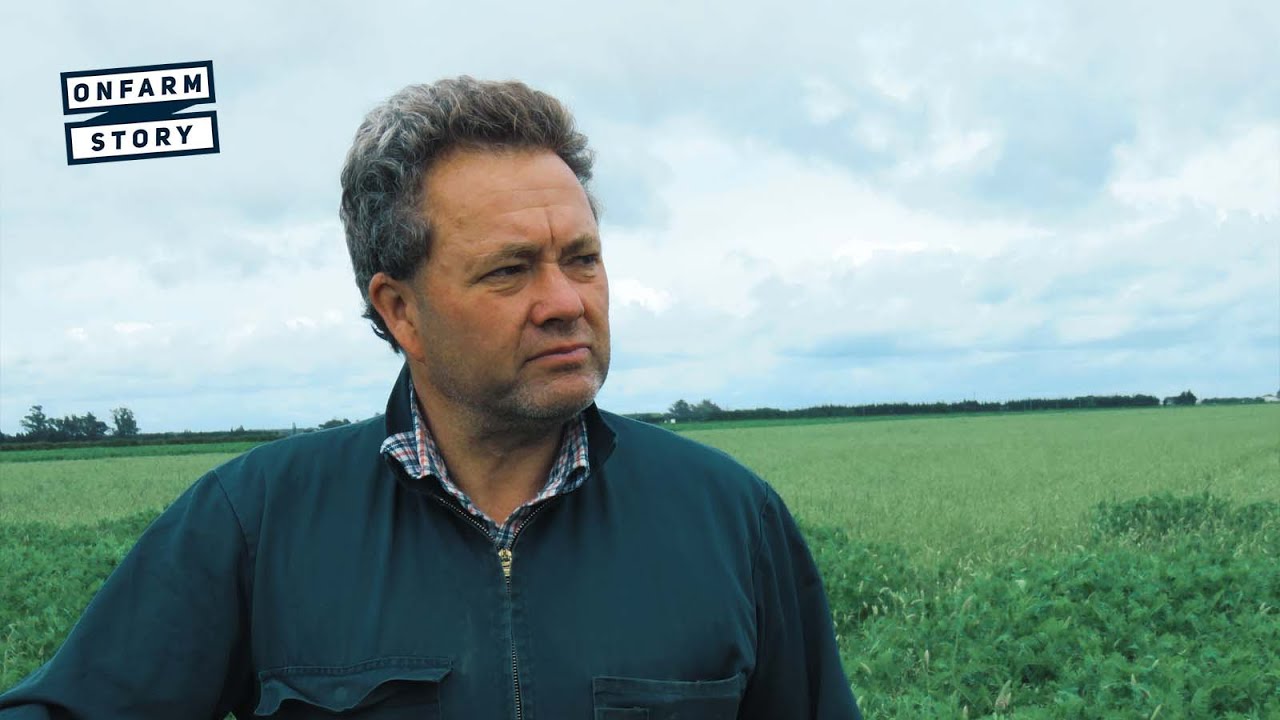
Discover why a Canterbury cropping farmer put soil health ahead of tradition.
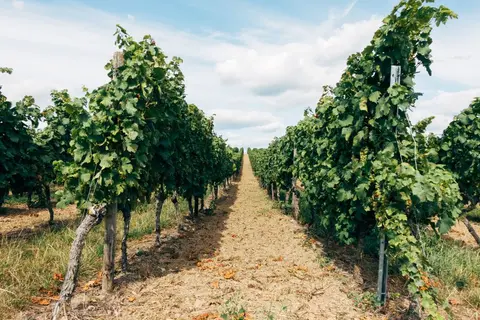
Find out how to grow grapes organically and which bodies certify organic vineyards here.
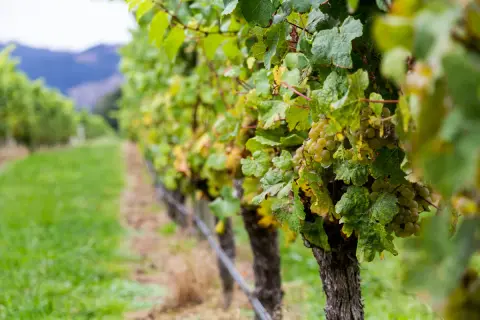
Growing wine grapes on your whenua.
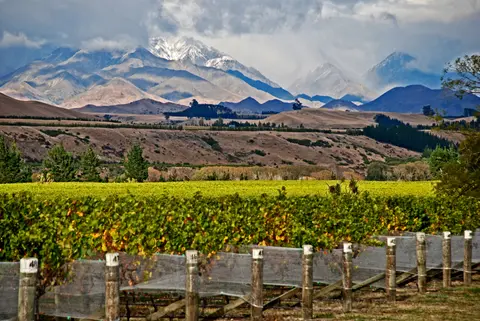
Explore how Tohu ties its single vineyard wines to kaitiakitanga and native planting in Te Tauihu.
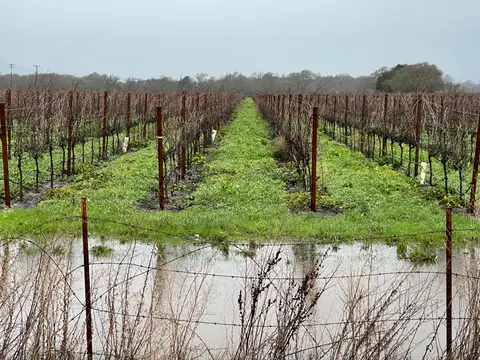
Find flood response guidance and support resources for growers affected by adverse events.
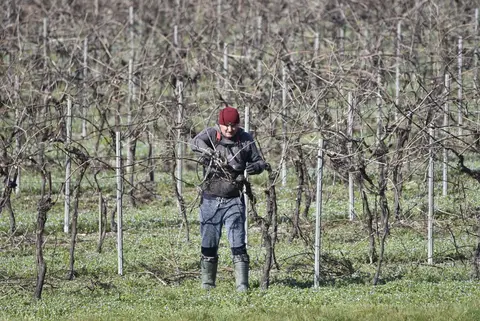
Watch how vineyard work is done, from pruning and canopy management through to harvest.
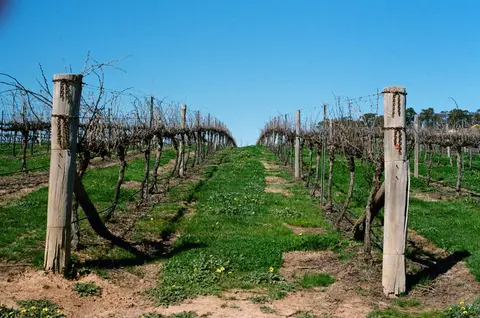
Find out what it costs to pull out an old vineyard block and replant it during a downturn.
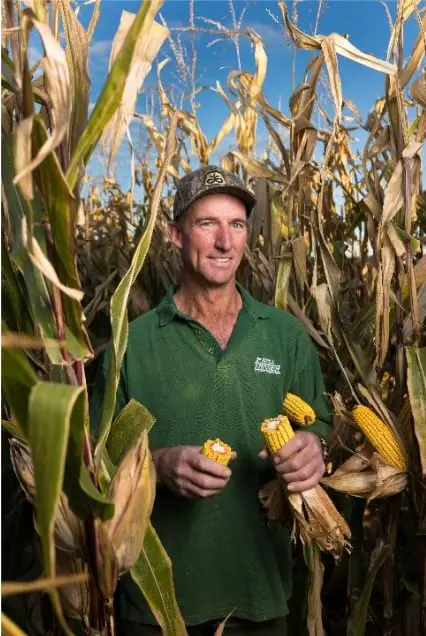
Discover how a North Waikato cropper cut nitrogen and emissions by switching to no-till maize.
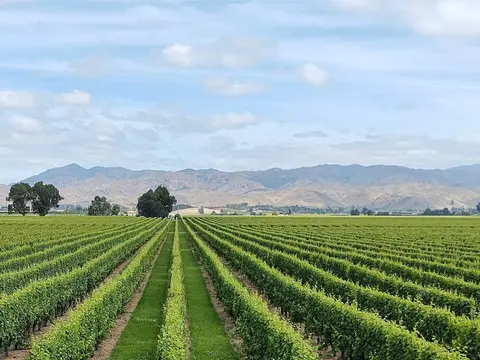
Find the climate, soils, sub-regions and main grape varieties for each New Zealand wine region.
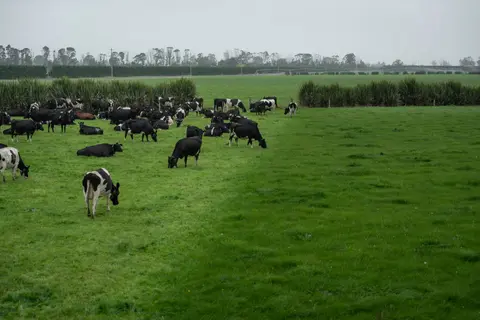
Review how fertiliser and grazing rotations are matched to feed demand.
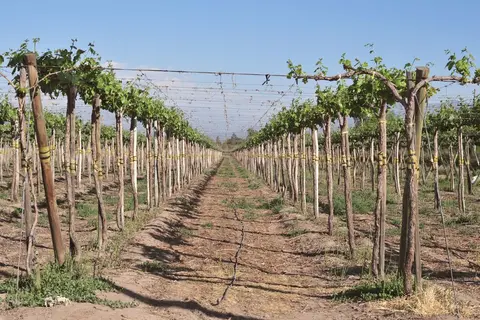
Block-level climate modelling shows earlier harvests and less frost for NZ vineyards.
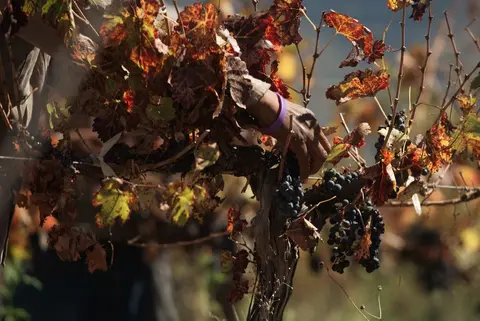
Compare planted and producing vineyard hectares by region and grape variety, year by year.
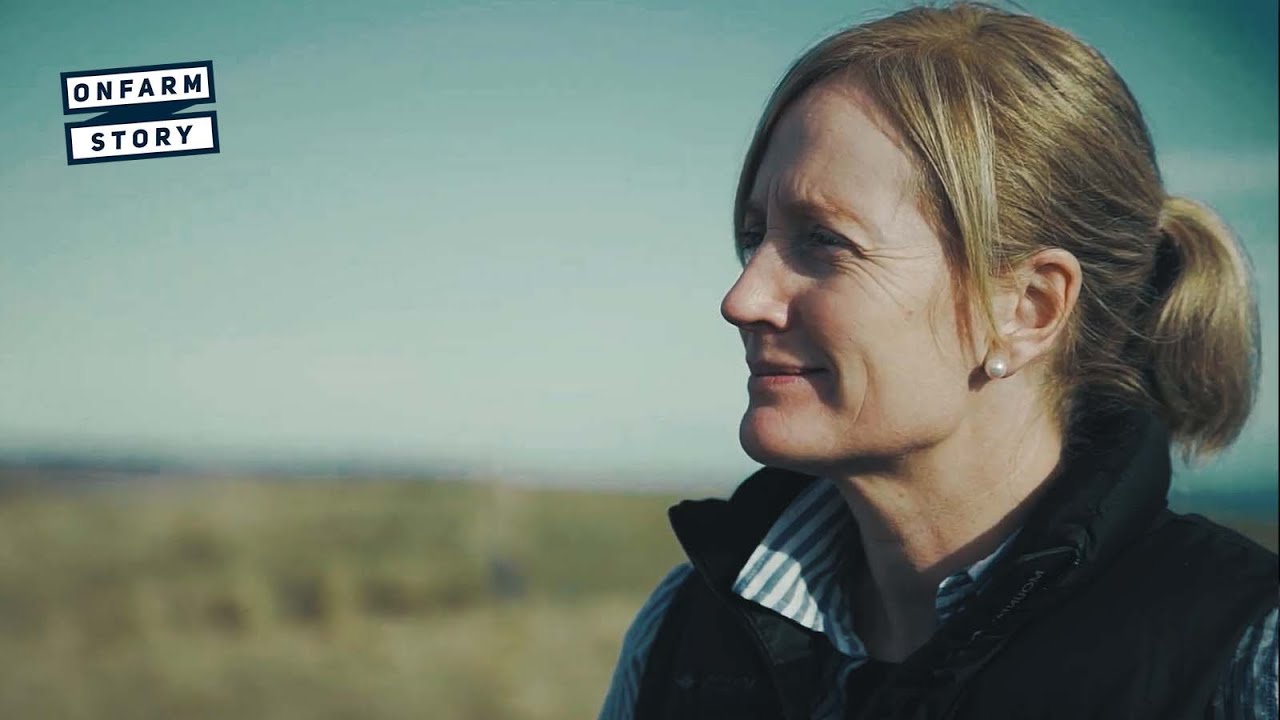
Blair and Jane Smith share insights about staying involved
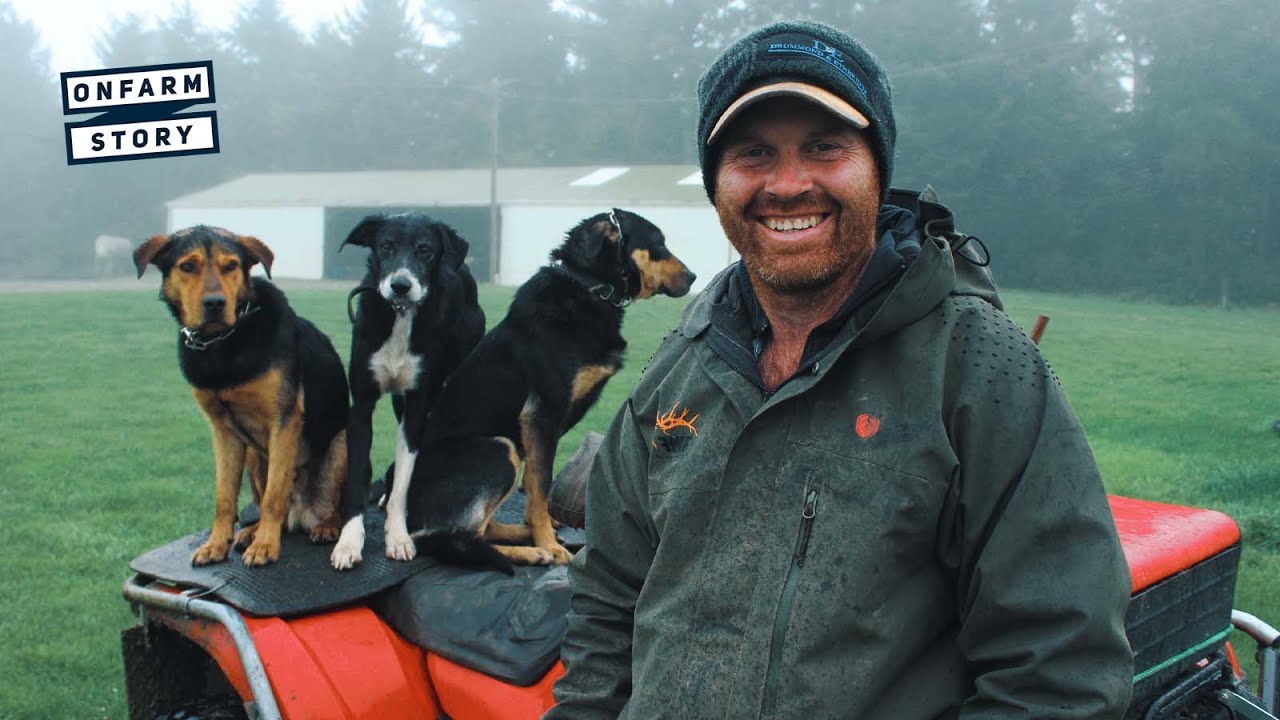
The McNaughton's share their manaaki whenua, manaaki tangata farming philosophy.
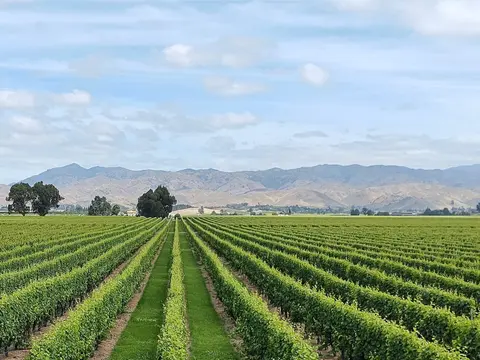
How Tohu Wines is cutting diesel and LPG across its vineyards and winery.
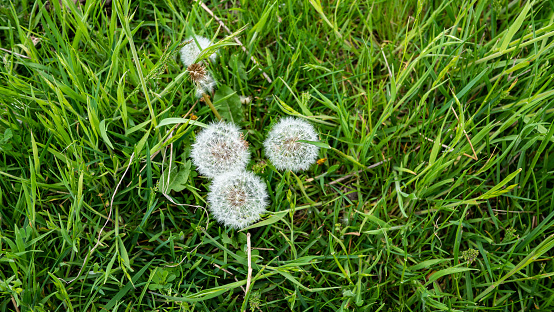
Explore ways to boost soil carbon through diverse plants, better grazing, and smart irrigation.
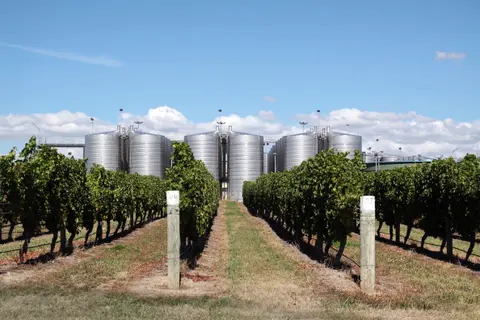
Learn how a small Nelson winery uses a carbon audit to set a baseline for cutting its footprint.
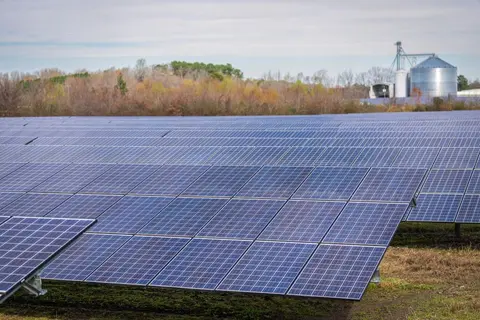
See how the wine industry plans to cut emissions in vineyards and wineries by 2050.
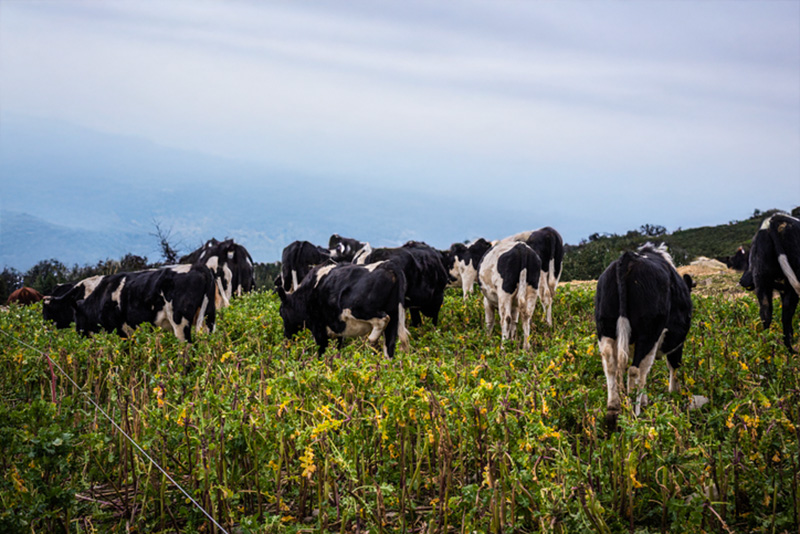
Learn about intensive winter grazing rules and best practices for farms in the Wellington Region.