From vine to green: how Wakatū Incorporation is building towards a sustainable future
Climate
Emissions reduction
Energy
Sustainability
Viticulture
How Tohu Wines is cutting diesel and LPG across its vineyards and winery.
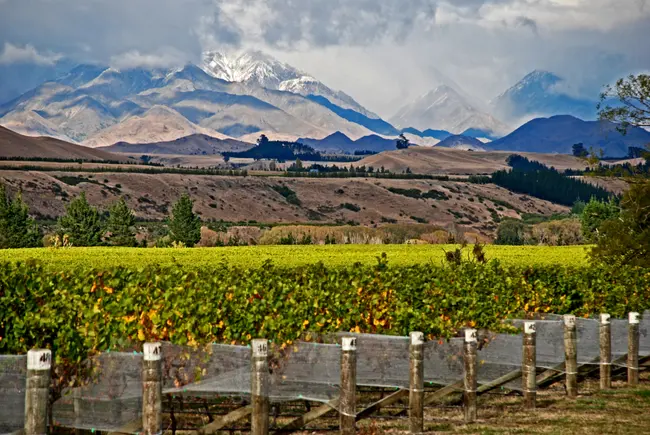
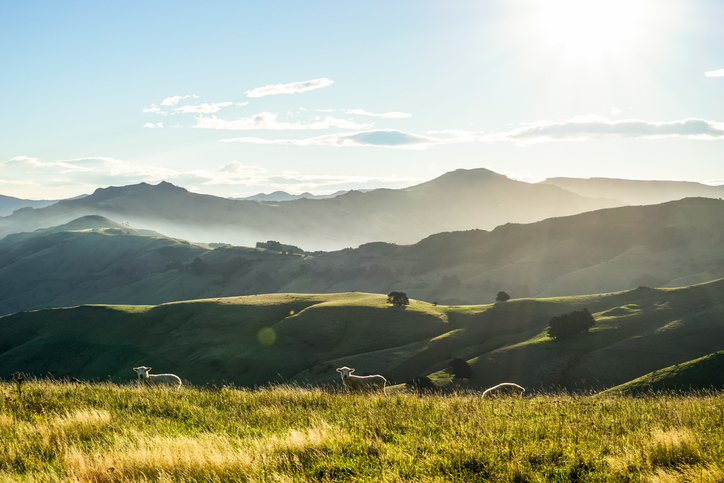
Tohu, the world's first Māori-owned wine company, produces its Whenua single vineyard wines from two blocks in Te Tauihu: Whenua Awa in the Awatere Valley and Whenua Matua in Upper Moutere. Each wine is presented as an expression of tūrangawaewae, the place where the people stand.
The story describes how kaitiakitanga shapes the vineyards, with well over half the land planted in natives, seedlings spreading on their own, and new waterways drawing back indigenous wildlife. It shows how a Māori enterprise ties its values to the way it farms and sells.
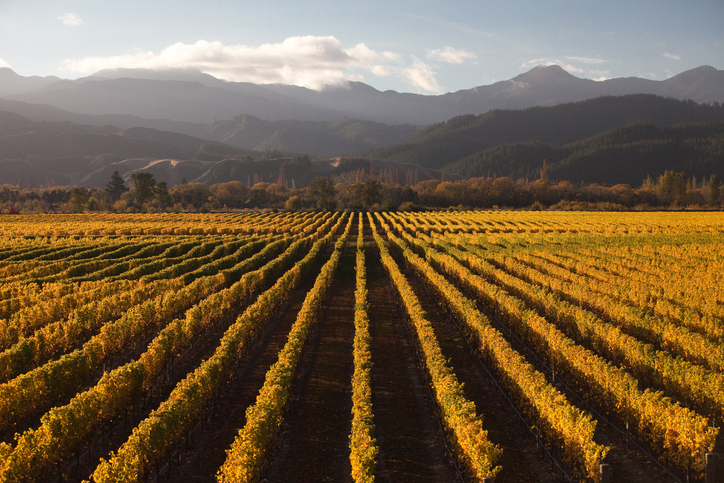
Photo: “Autumn in the Awatere Valley” by Phillip Capper, licensed for reuse under CC BY 2.0
How Tohu Wines is cutting diesel and LPG across its vineyards and winery.
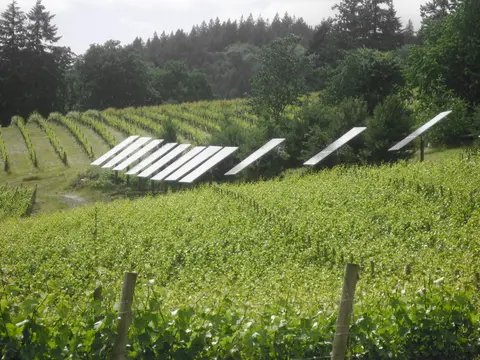
Find out how Wakatū Incorporation is cutting energy use and emissions at its Tohu winery.
Meet the Māori winemakers collective built on kaitiakitanga, whakapapa and manaakitanga.

Te Wai Pounamu kaitiaki share their mātauranga about climate indicators.
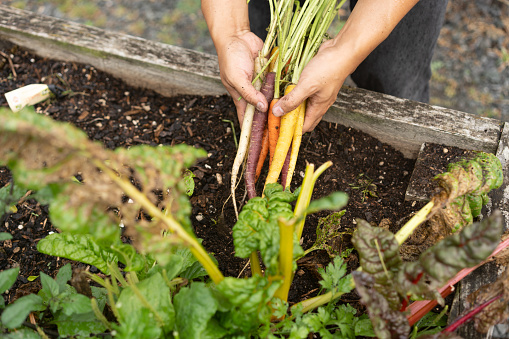
Kaitiakitanga, kiwifruit, and what a Māori food story actually means.
The New Zealand Wine Company shares its journey to carbon neutrality and sustainable practices.
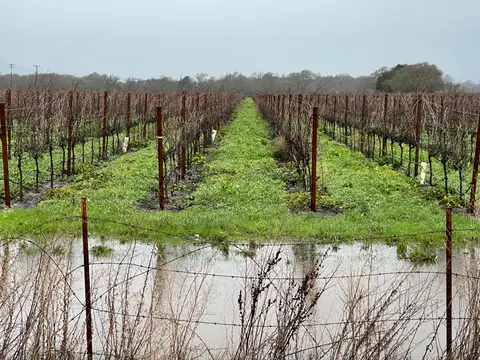
Find flood response guidance and support resources for growers affected by adverse events.
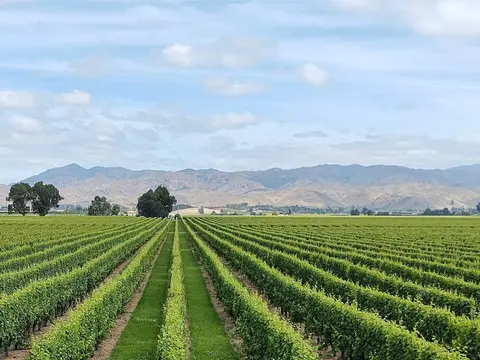
Find the climate, soils, sub-regions and main grape varieties for each New Zealand wine region.
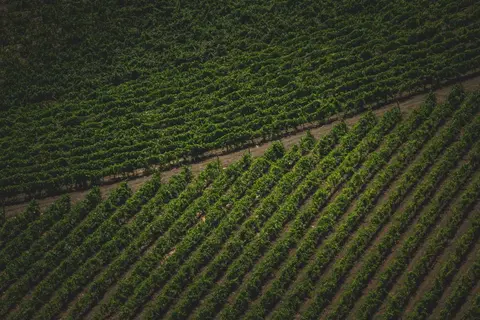
Learn how Marlborough's three valleys differ in soil and climate and which varieties each grows.

Te Wai Pounamu kaitiaki share their mātauranga about weather indicators.
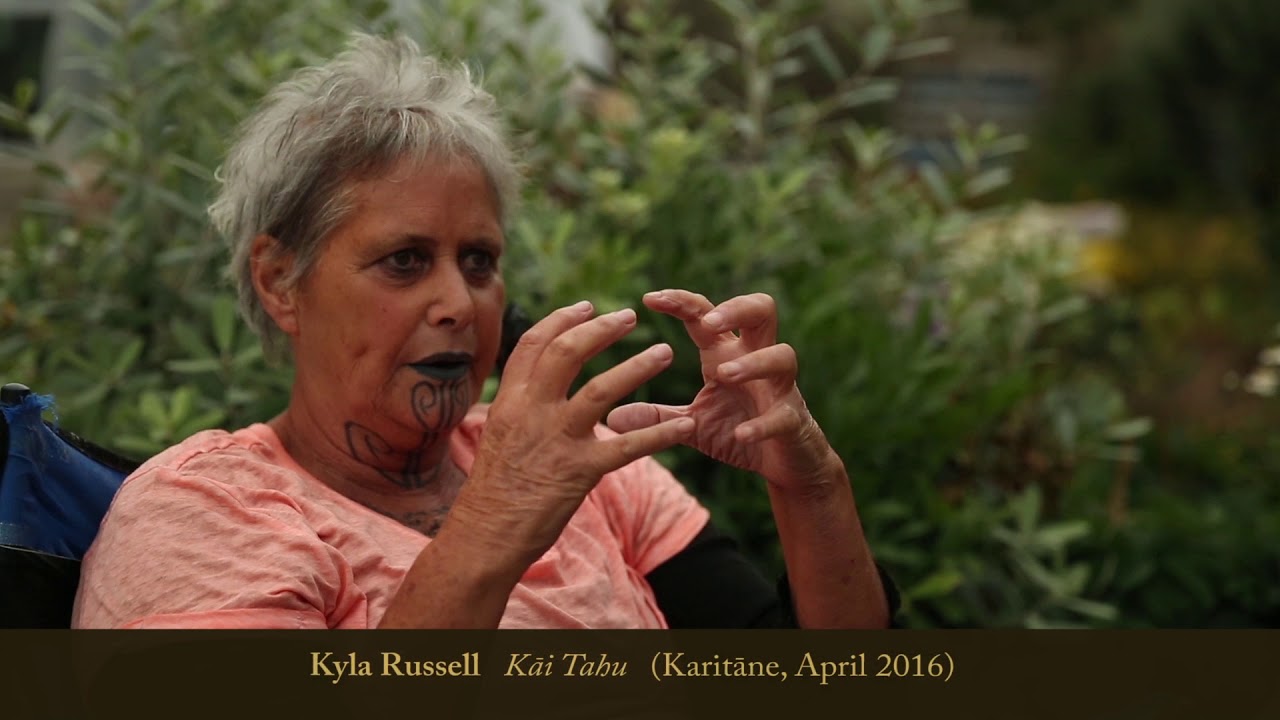
Kāi Tahu kaitiaki share insights about how they observe and interpret changes in the environment..
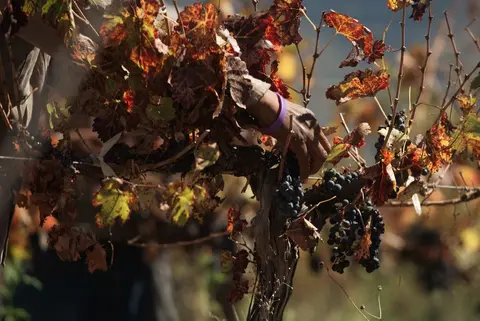
Compare planted and producing vineyard hectares by region and grape variety, year by year.
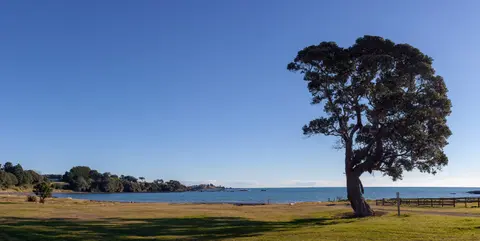
This case study explores what it means to farm in alignment with Māori values and how it can improve the environment.
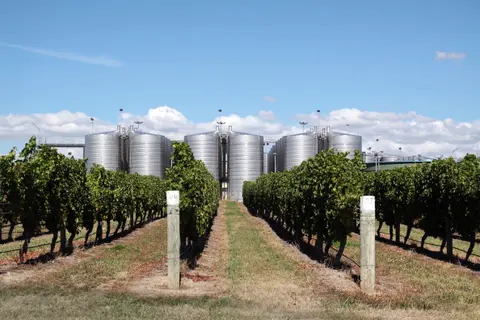
Learn how a small Nelson winery uses a carbon audit to set a baseline for cutting its footprint.
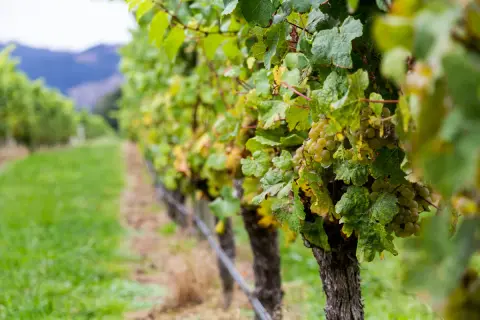
Growing wine grapes on your whenua.
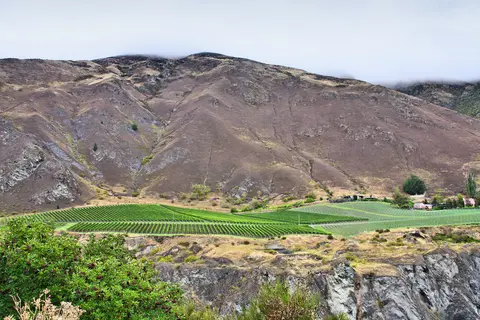
Discover how Amisfield converted to organics and cut water use with subsurface irrigation.
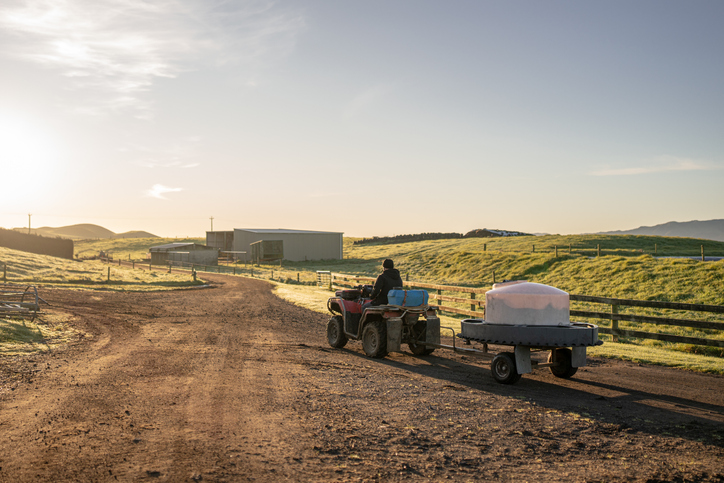
Blending mātauranga Māori and science to support whenua-based enterprises.
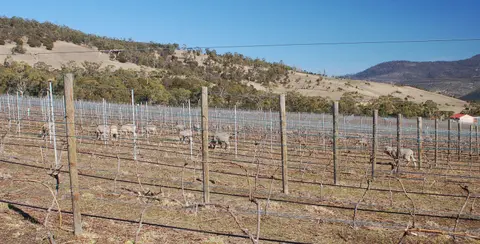
See how leading growers use cover crops, compost and grazing sheep to rebuild vineyard soils.
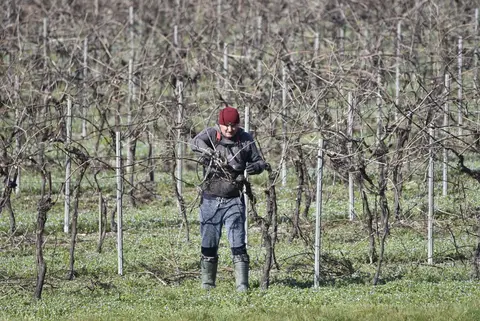
Watch how vineyard work is done, from pruning and canopy management through to harvest.
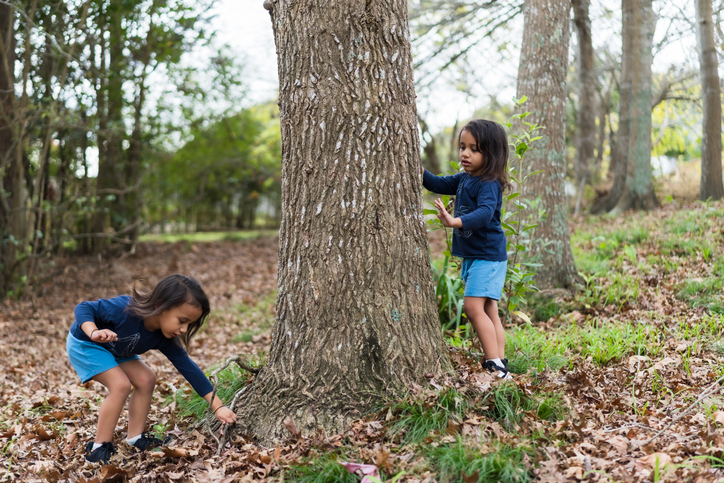
This case study explores what kaitakitanga means for Ngai Tahu and how it helps them to create sustainable food and products.
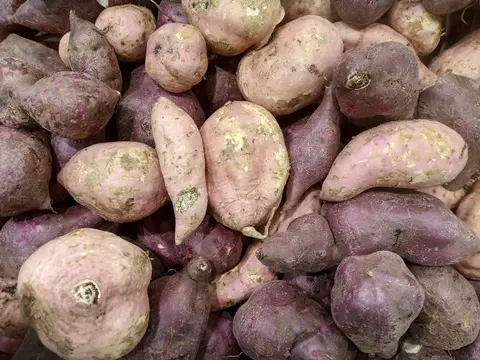
See how values, transparency and market opportunities shape Māori food products.
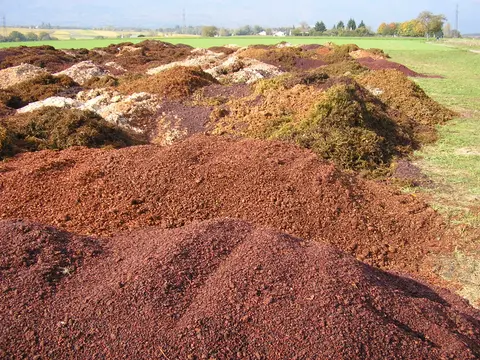
Discover how grape marc and forestry waste become biochar and compost that build vineyard soils.