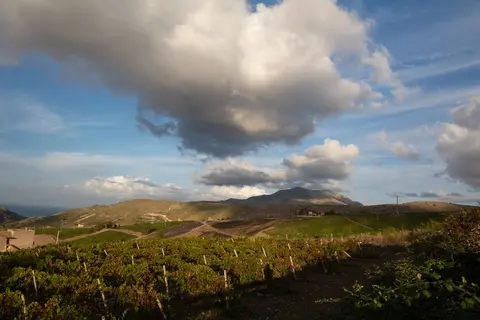
North Canterbury Wine Region
Whenua
Agribusiness
Horticulture
Soil
Viticulture
Find out what North Canterbury's climate and soils are like and which grapes grow in each district.
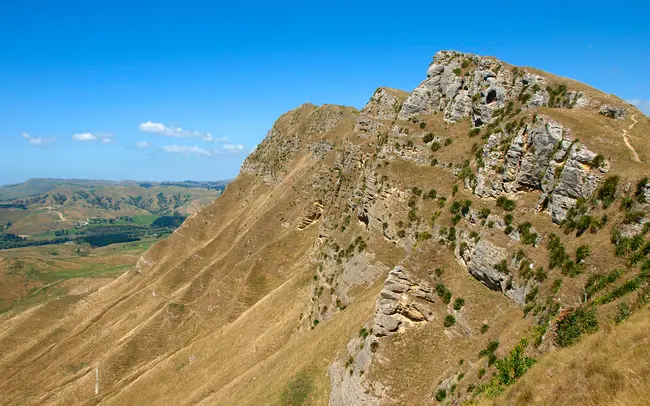
Hawke's Bay has a temperate, sunny climate and a long growing season, and is the country's second largest wine region. Vines grow on free-draining gravel and stony alluvial soils across the plains, including the Gimblett Gravels and Bridge Pa Triangle, as well as on coastal sites at Bay View and Te Awanga, hillsides around Havelock North and Maraekakaho, the river valleys and cooler inland Central Hawke's Bay. Merlot and Cabernet red blends, Chardonnay and Syrah lead, with Sauvignon Blanc, Pinot Gris and Pinot Noir on the cooler and higher sites.
The page describes the region's landscape, climate and soils, the areas where vines are planted, and the grape varieties that do well in local conditions, along with the wine styles they produce.
Find out what North Canterbury's climate and soils are like and which grapes grow in each district.
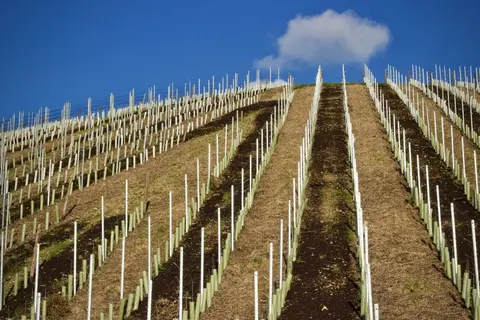
Find out where Auckland's vineyards are, what soils they sit on and which varieties they grow.
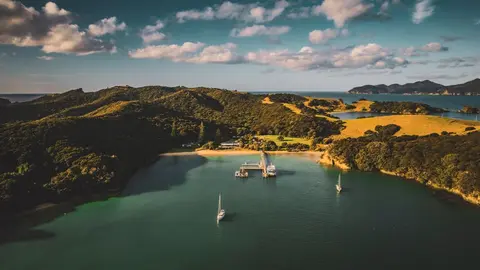
Learn which grape varieties grow in Northland, where the vineyards are and what the climate is like.
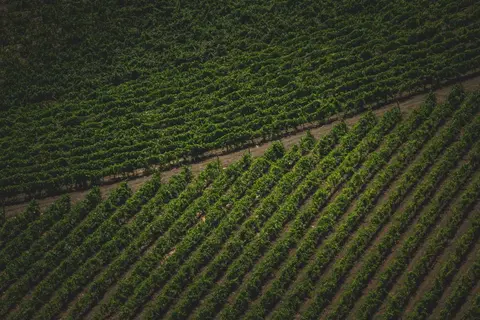
Learn how Marlborough's three valleys differ in soil and climate and which varieties each grows.
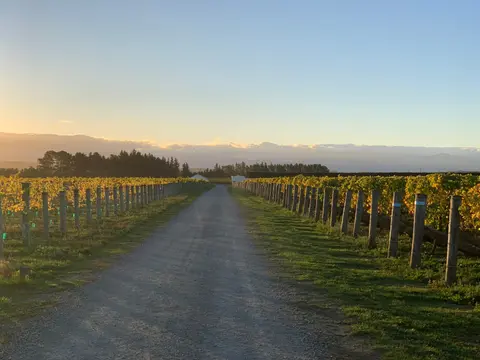
Find out what Wairarapa's climate and soils are like and which grapes grow in its three districts.
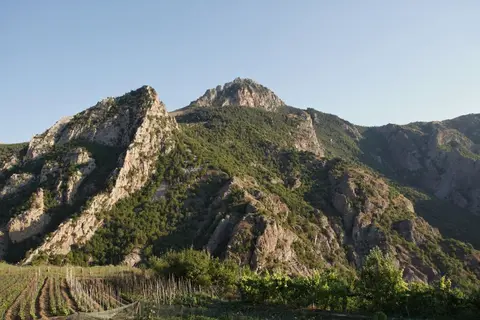
Compare Nelson's two grape growing areas, the Moutere Hills and Waimea Plains, and what each grows.
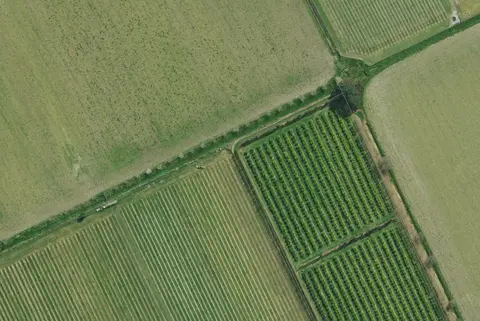
Read about Gisborne's three grape growing areas, their soils and the varieties planted in each.
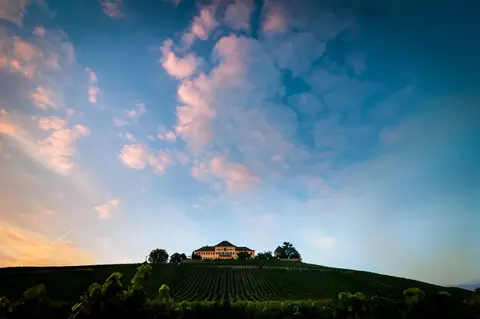
Find out which grapes grow in the small vineyard areas of Waikato, Bay of Plenty and Ōhau.
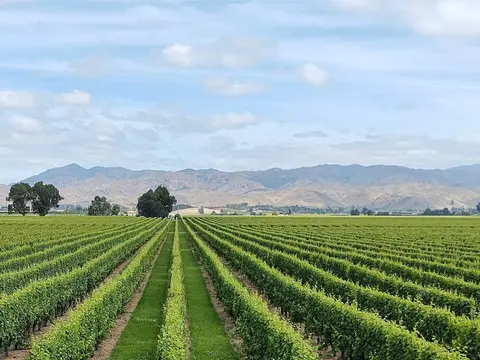
Find the climate, soils, sub-regions and main grape varieties for each New Zealand wine region.
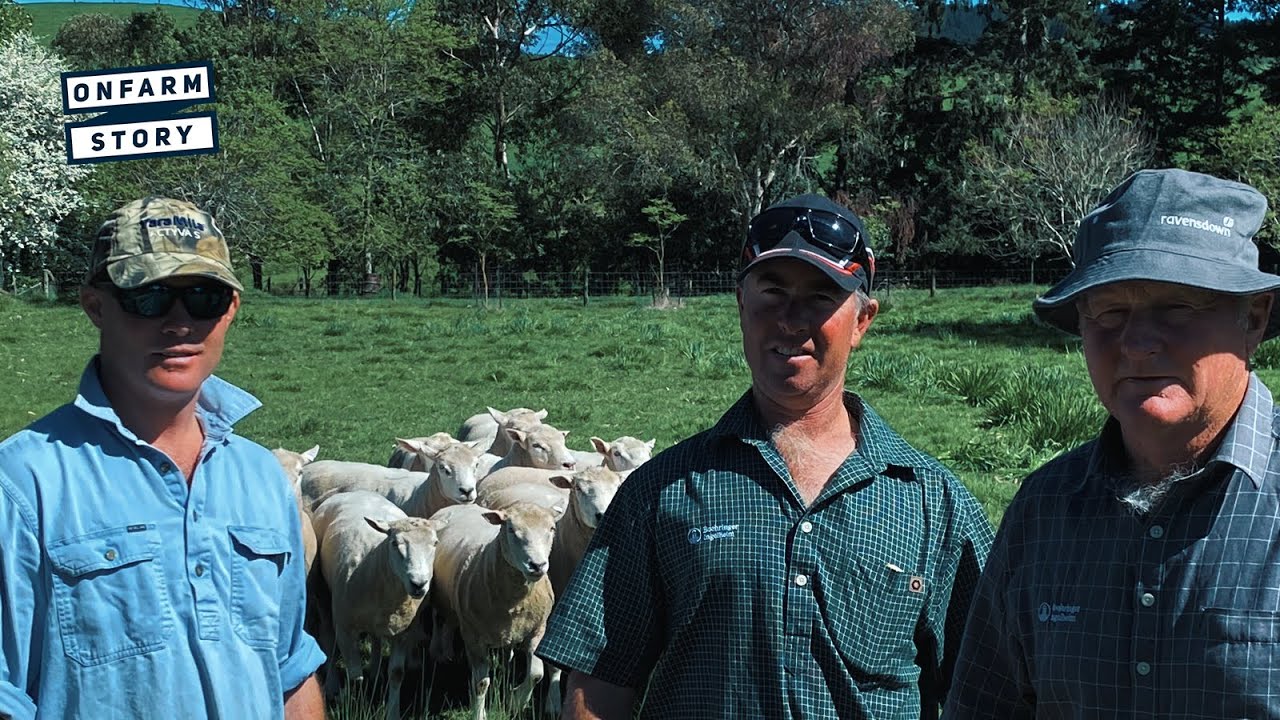
See how a Hawke's Bay family manages five farms of sheep, cattle and deer across generations.
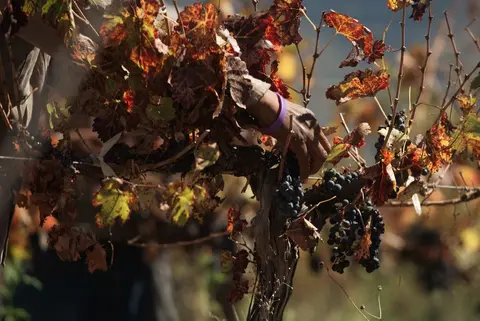
Compare planted and producing vineyard hectares by region and grape variety, year by year.
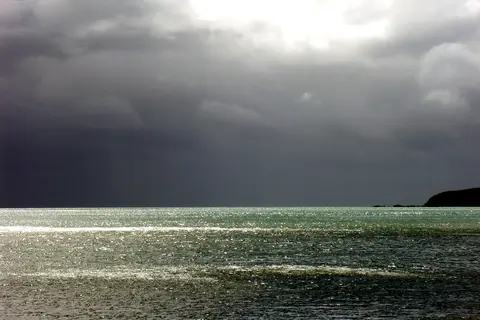
Compare rainfall, frost and dry-spell patterns across Te Matau-a-Māui Hawke's Bay.
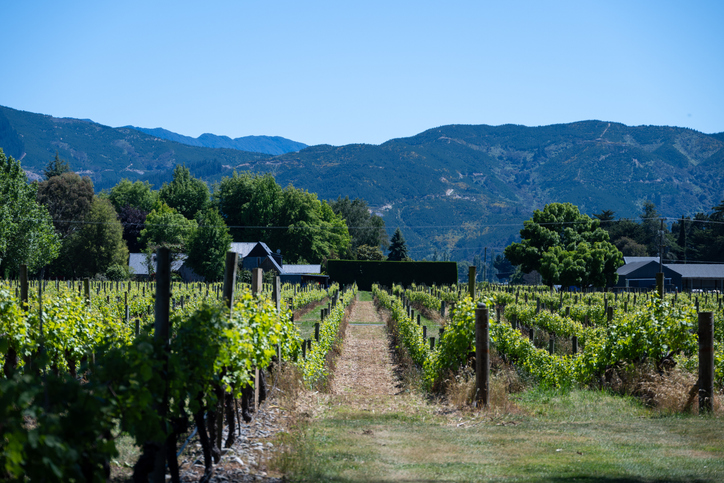
See how Merlot's flowering and ripening dates could shift as the climate changes.
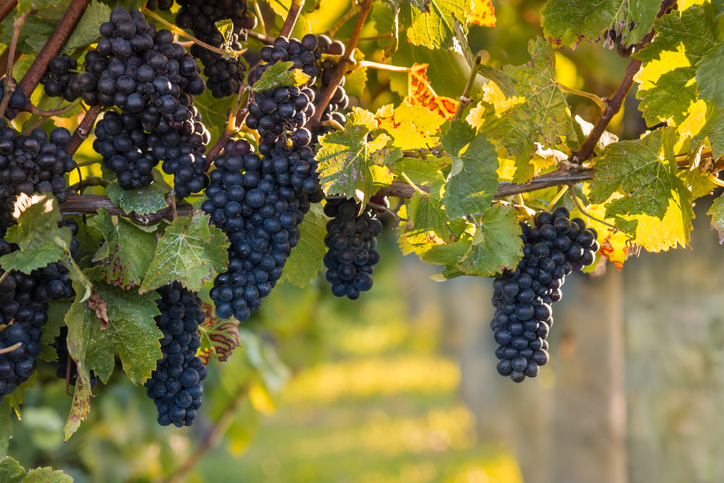
Find out how Pinot noir's flowering and ripening dates could shift over time.
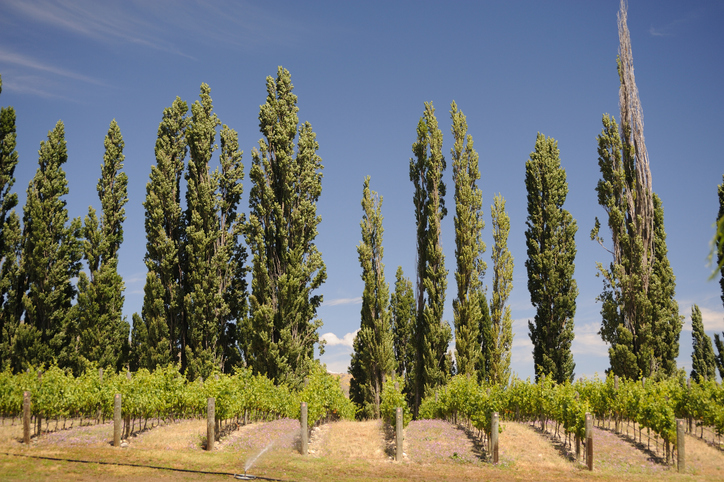
Source willow and poplar poles for erosion control in Hawke's Bay.
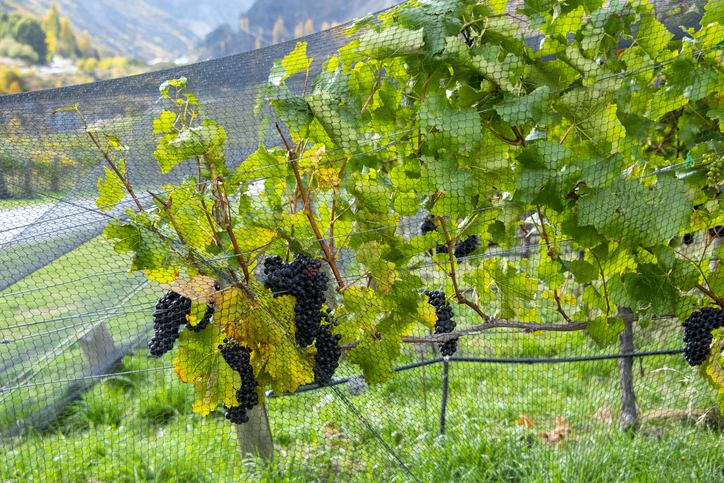
Discover how much Pinot noir grapes the whenua in your rohe could produce each year.
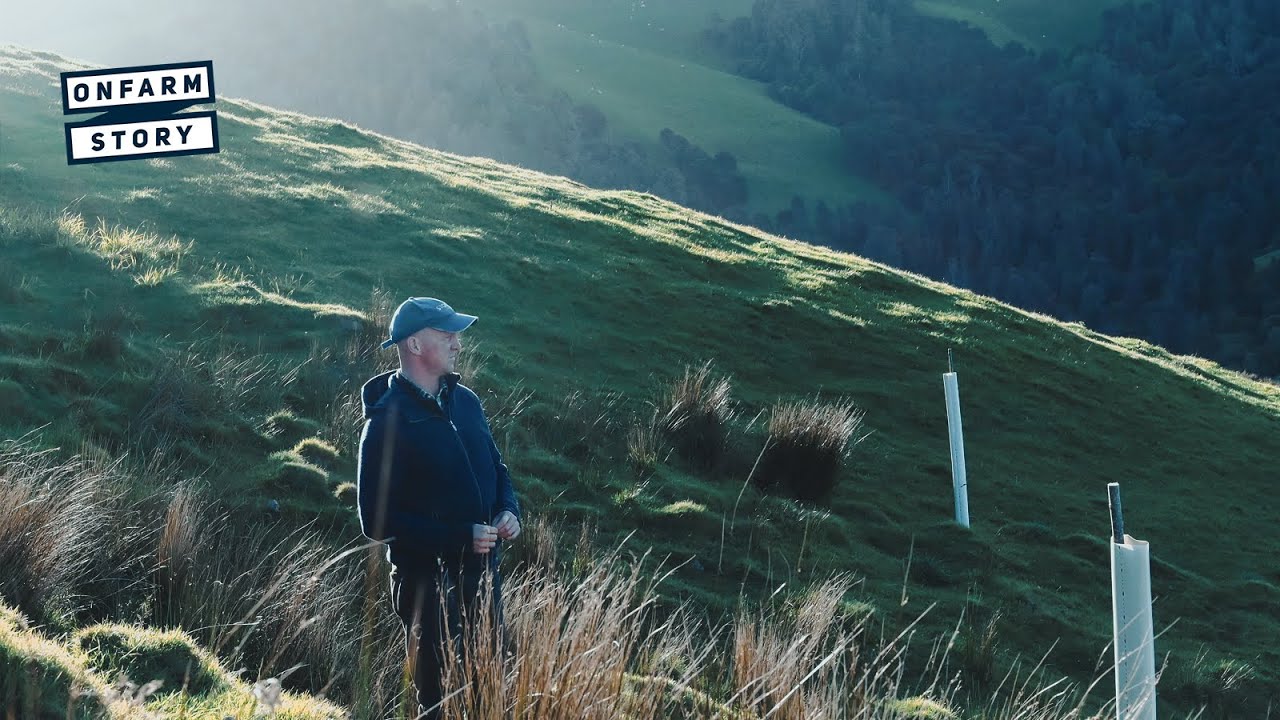
See how a Central Hawke's Bay station blends sheep farming with glamping and bush care.
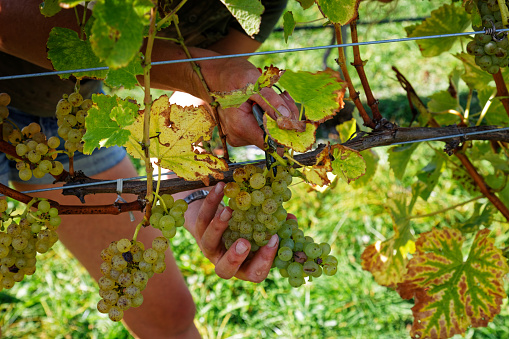
This research explores how climate change will affect grape growing in Aotearoa over time.
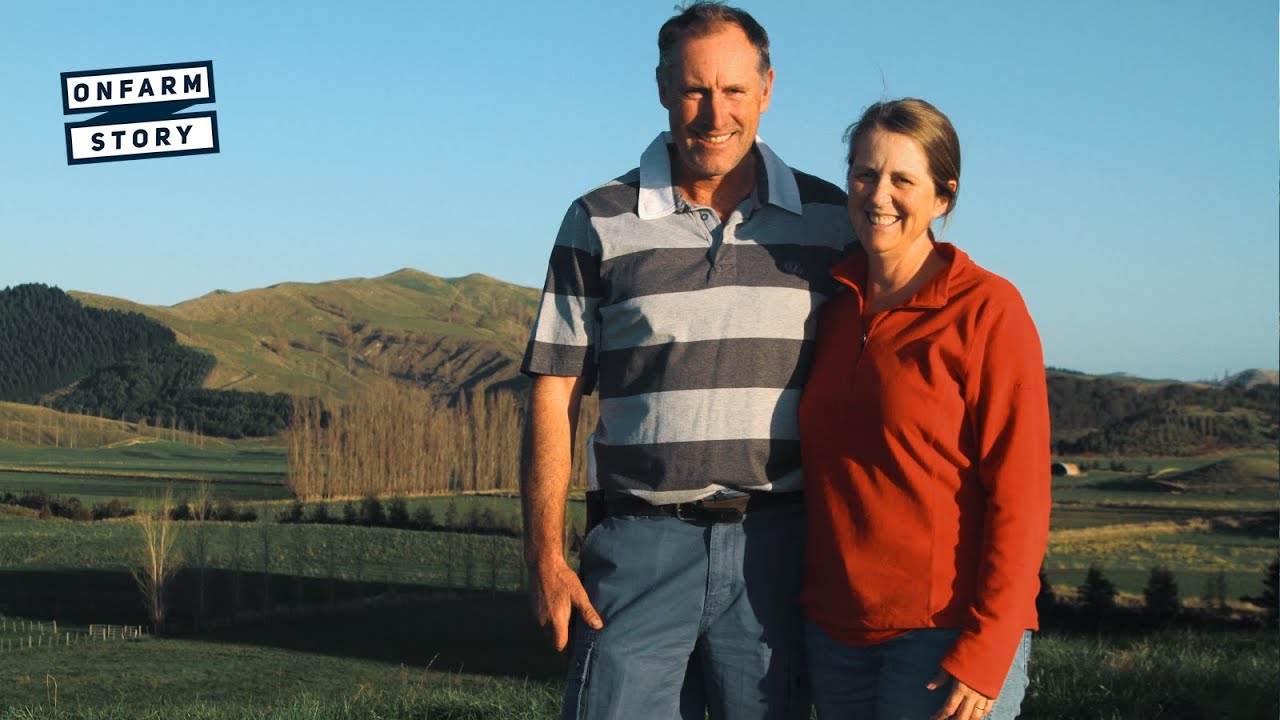
Discover how Hawke's Bay farmers use regenerative methods to rebuild soil and biodiversity.
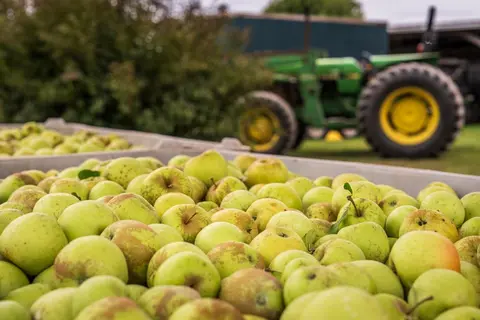
Learn how Hawke's Bay industry can switch process heat from gas to biomass and electricity.
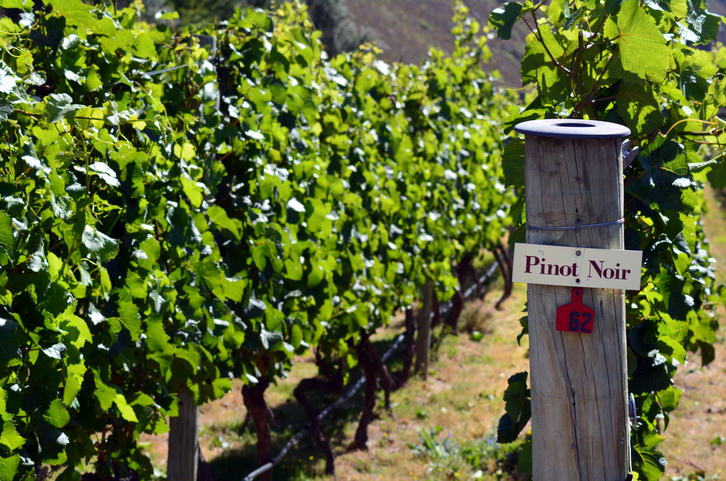
See how well Pinot noir grapes could grow in your rohe by 2050 as the climate changes.
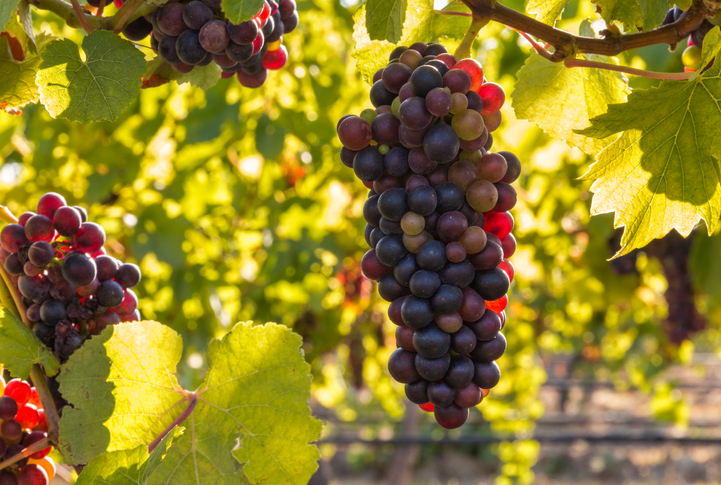
Check how well suited the whenua in your rohe is to growing Pinot noir grapes.
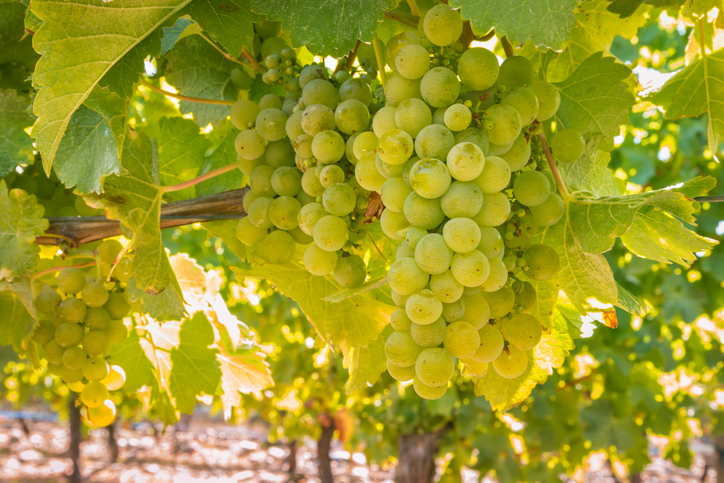
Find out how well Sauvignon blanc grapes could grow in your rohe by 2050 as the climate changes.