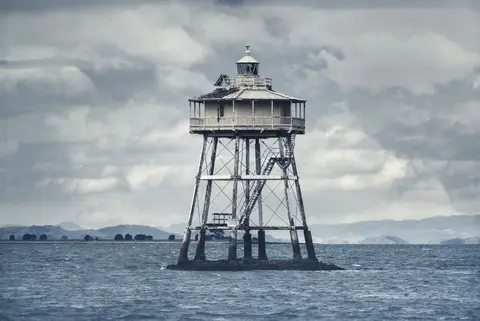
Auckland regional climatology
Climate
Adaptation
Farm planning
Resilience
Risk
Water
Learn how Auckland's subtropical climate shapes what you can grow and when.
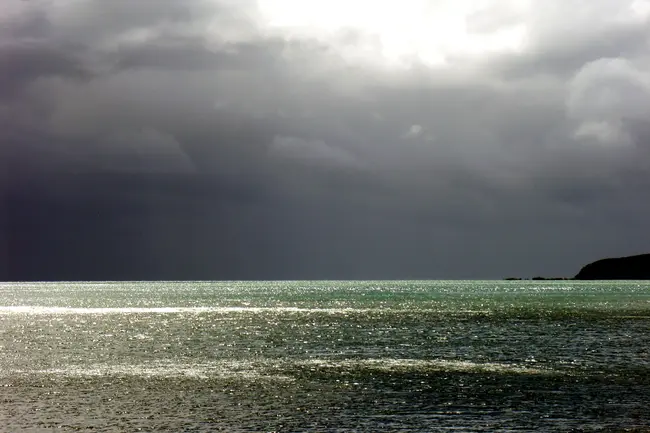
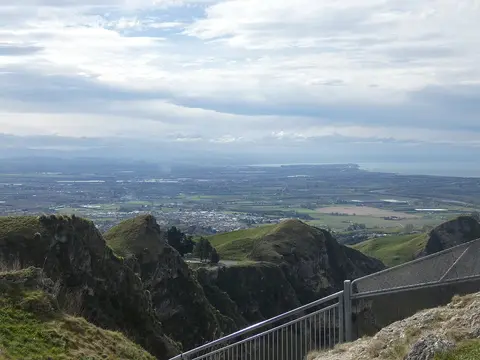
This report describes the typical climate of Te Matau-a-Māui Hawke's Bay. The region is sunny and less windy than most of the coast, so frosts are common in the cooler months. Rain is patchy and comes mostly with easterly or southerly winds. In most years spring and summer dry spells empty the soil of moisture and stop plant growth. The high country is exposed, with frequent gales and winter snow showers.
It draws on long-term records from climate stations across the region and covers rainfall, temperature, sunshine, wind, frost and snow. Use it to see what conditions your whenua can expect through the year.
Photo: “Cape Kidnappers, Hawkes Bay, New Zealand, 22 November 2005 (65806600)” by Phillip Capper, licensed for reuse under CC BY 2.0
Learn how Auckland's subtropical climate shapes what you can grow and when.

Find out what Northland's mild, humid and windy climate means for your whenua.
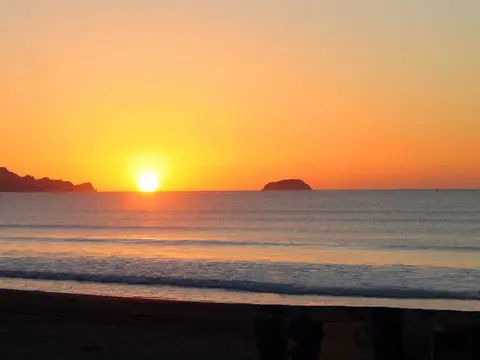
Explore the sunny but extreme climate of Tairāwhiti and its dry springs.
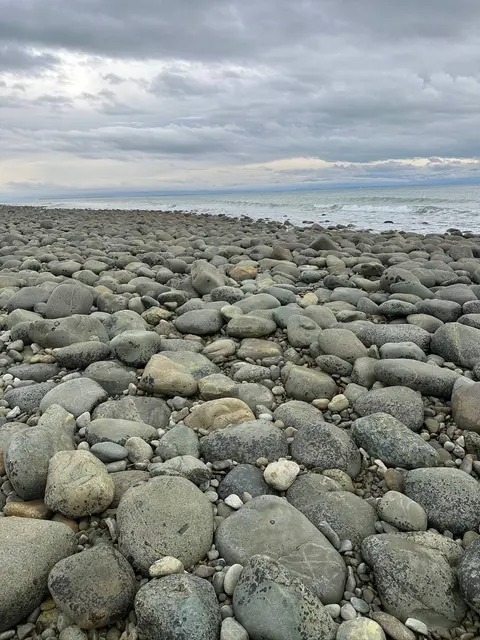
Discover the sunshine, dry spells and mild temperatures of Whakatū Nelson and Tasman.
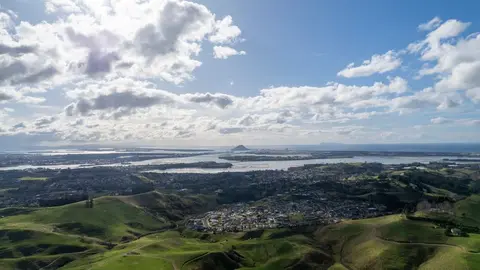
Discover why the Bay of Plenty is one of the sunniest and calmest regions in Aotearoa.
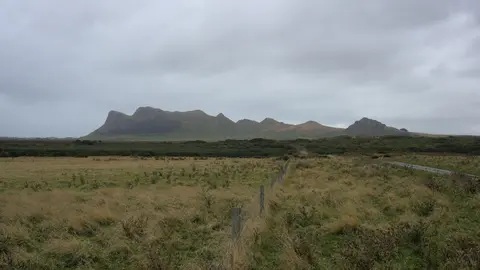
Explore the windy, cloudy and fast-changing climate of Rēkohu Chatham Islands.
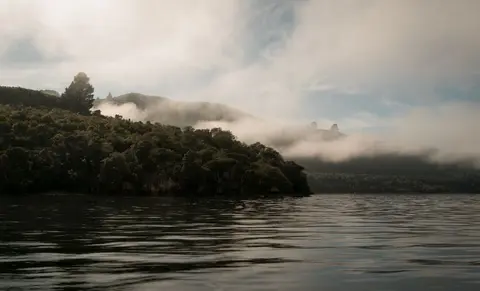
See how the Waikato climate changes from the Coromandel coast to the Central Plateau.
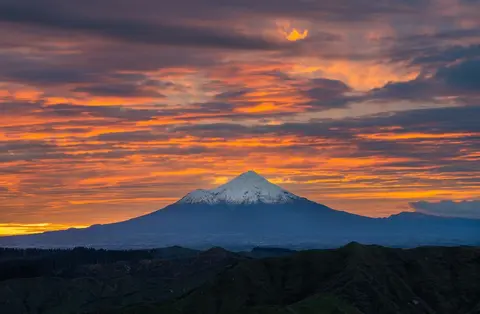
Find out why Taranaki is one of the windiest regions and how its rain spreads through the year.
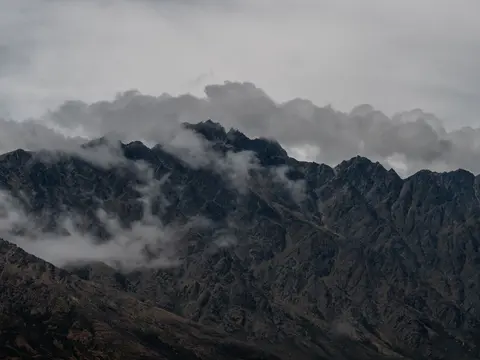
See how Ōtākou Otago ranges from the driest inland basins to the cool wet coast.
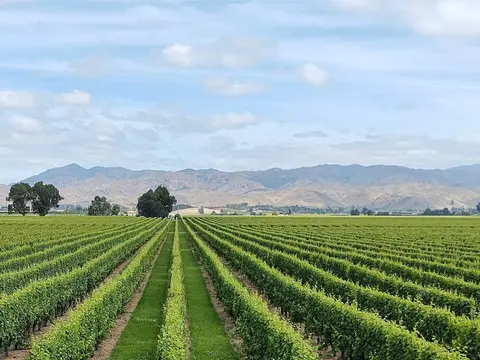
Find the climate, soils, sub-regions and main grape varieties for each New Zealand wine region.
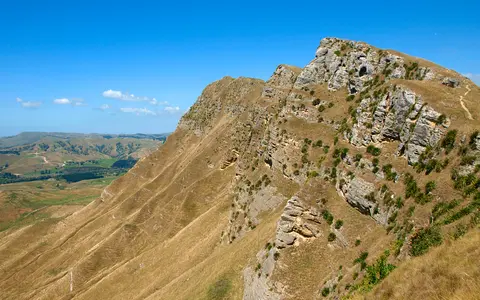
Learn how Hawke's Bay's coastal, hillside, plains and river valley sites differ for grape growing.
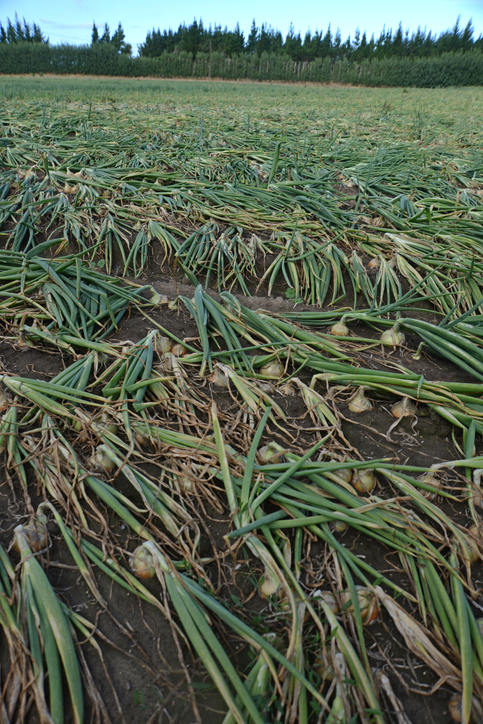
Discover how heat, frost and heavy rain could affect onions in your rohe.
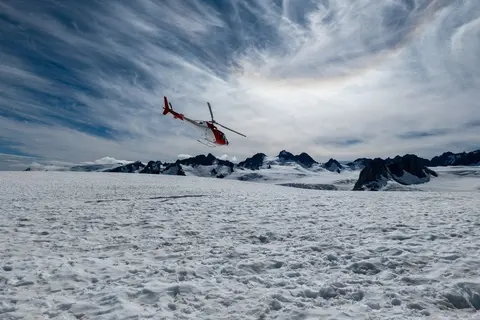
Find out how rain, mild temperatures and the Southern Alps shape the West Coast climate.
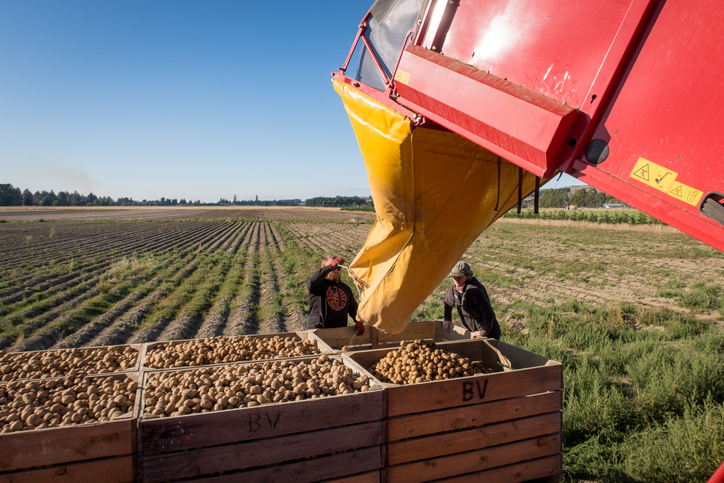
Learn how heat and frost risks for potatoes in your rohe could change over time.
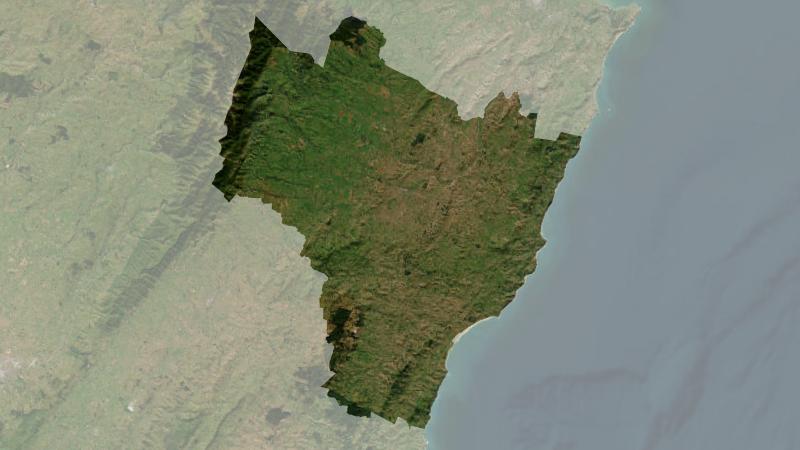
Understand climate event and variability trends for Central Hawke's Bay District.
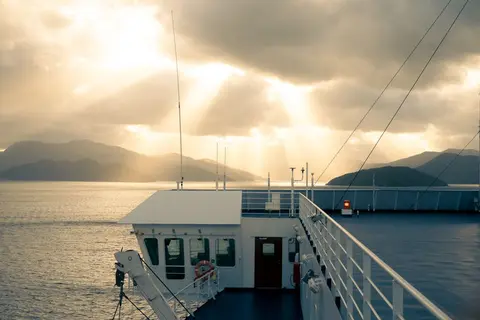
Explore Marlborough's dry, sunny climate and its frequent summer droughts.
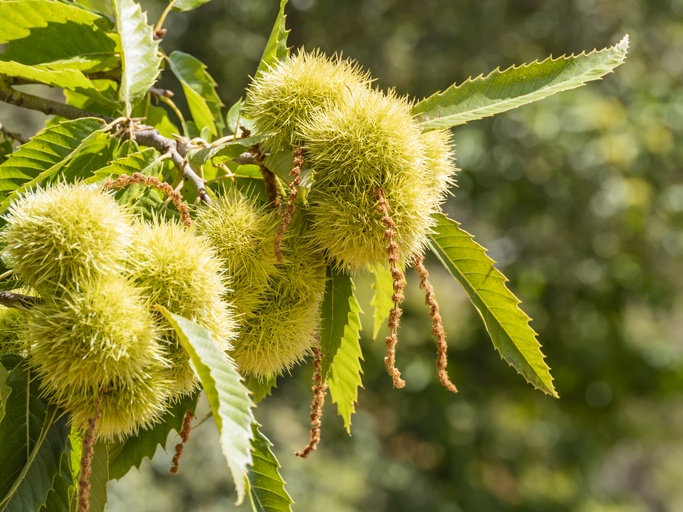
See how often frost and heat could threaten chestnuts in your rohe as the climate changes.
See how a Hawke's Bay cropping farm gets the most from limited water.

Learn how Murihiku Southland's western ranges and eastern lowlands differ in rain and cold.

View rainfall data for Northland, showing monthly averages and percentages from gauges.
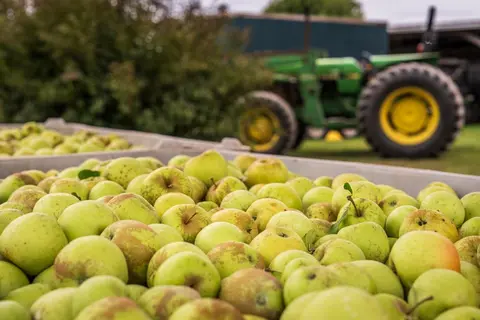
Learn how Hawke's Bay industry can switch process heat from gas to biomass and electricity.
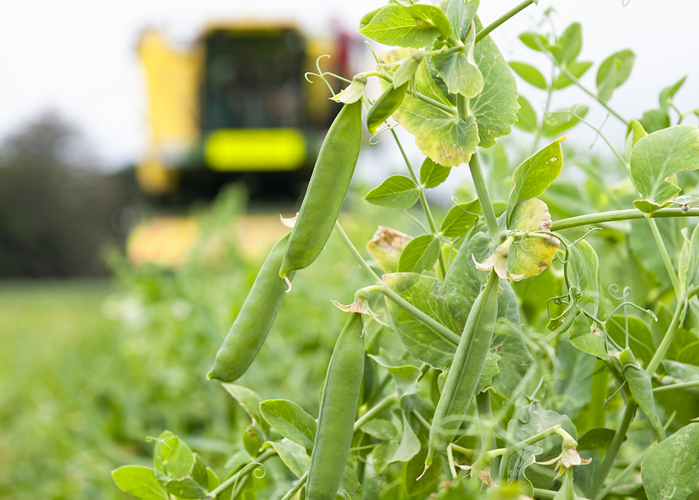
Explore how heat and frost risks for peas in your rohe could change over time.
Source willow and poplar poles for erosion control in Hawke's Bay.