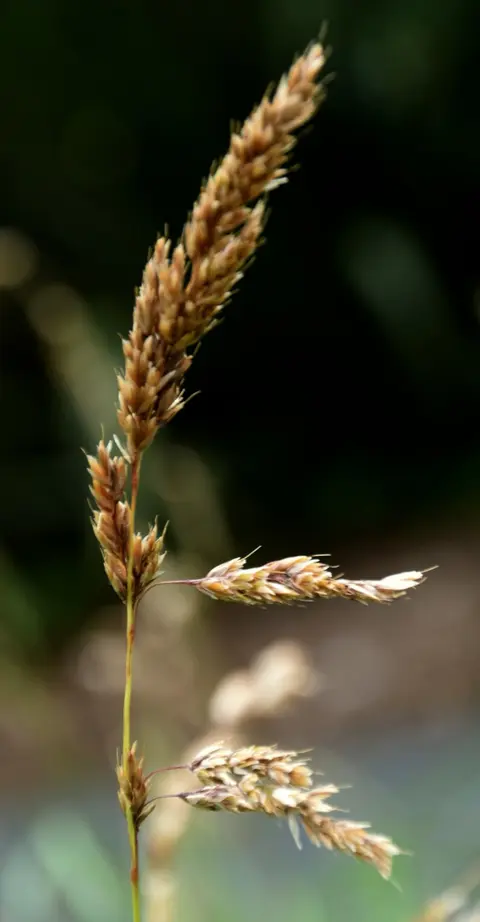
Kāretu
Whenua
Biodiversity
Conservation
Mātauranga
See how to grow kāretu and prepare its scented leaves for plaiting.
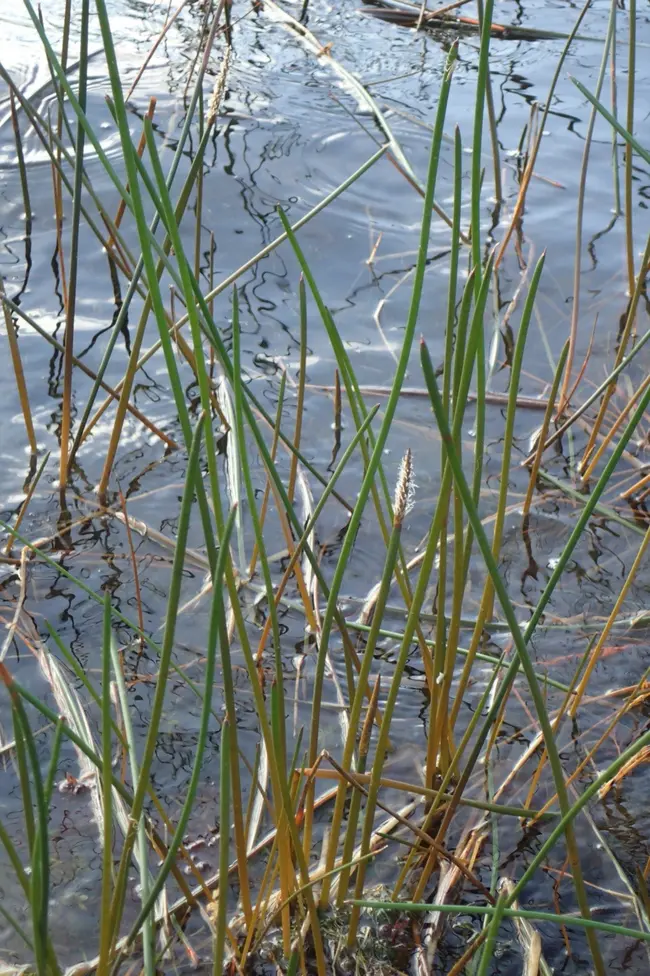
This page from the National Flax Collection profiles two wetland sedges, kuta and kāpūngāwhā, that are often confused with each other. It explains how each is prepared, from kuta's soft hollow stems to kāpūngāwhā's firmer, pith-filled ones, and what weavers make from them.
It also covers growing each sedge from rhizomes, kuta's role in keeping lake water clear, the threat introduced grass carp pose to kuta stands, and kāpūngāwhā's use in constructed wetlands.
Photo: “Eleocharis sphacelata kz05” by Krzysztof Ziarnek, Kenraiz, licensed for reuse under CC BY-SA 4.0
See how to grow kāretu and prepare its scented leaves for plaiting.
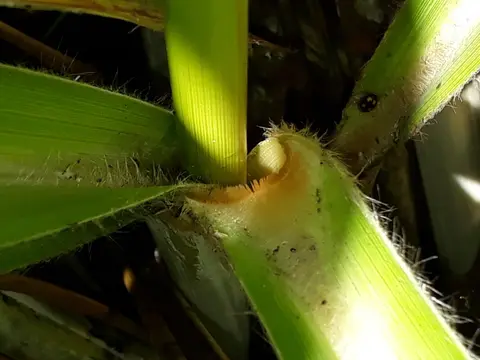
Discover how to grow toetoe and use its stems and leaves for weaving.
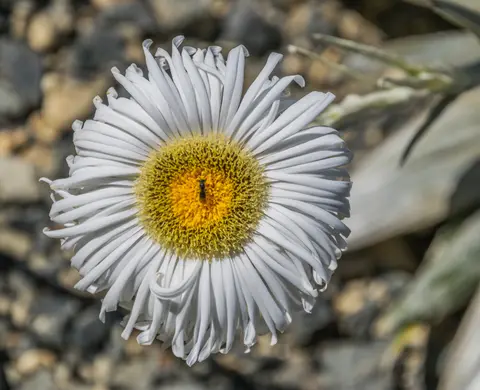
Learn how tikumu grows and how weavers once used its silvery leaf down.
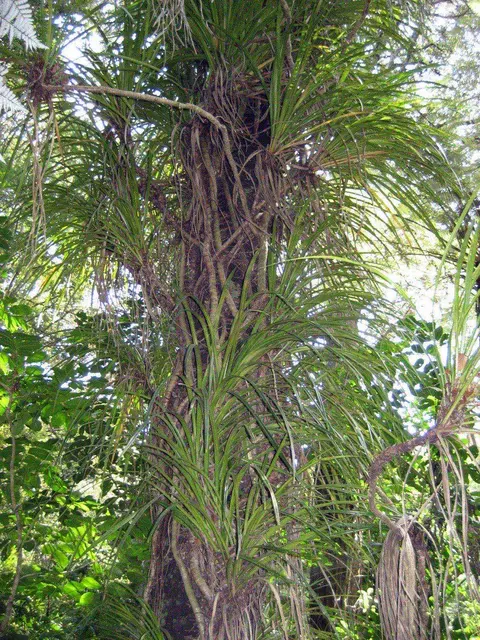
Discover how to harvest and grow kiekie, one of the finest weaving vines.
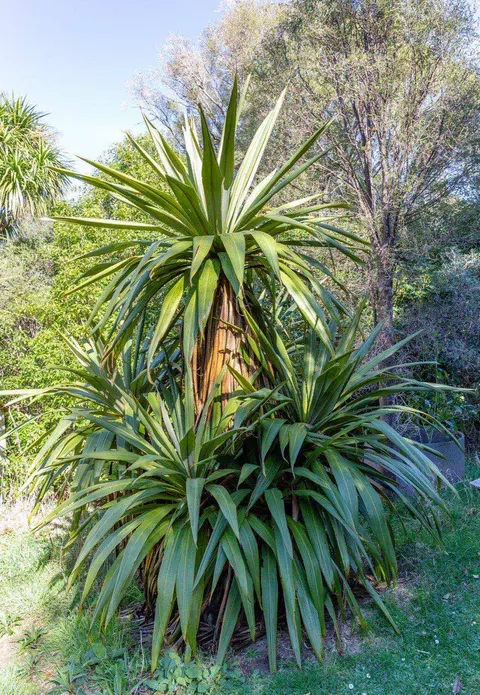
See how tōī's broad leaves and midribs were used for rain capes and kete.
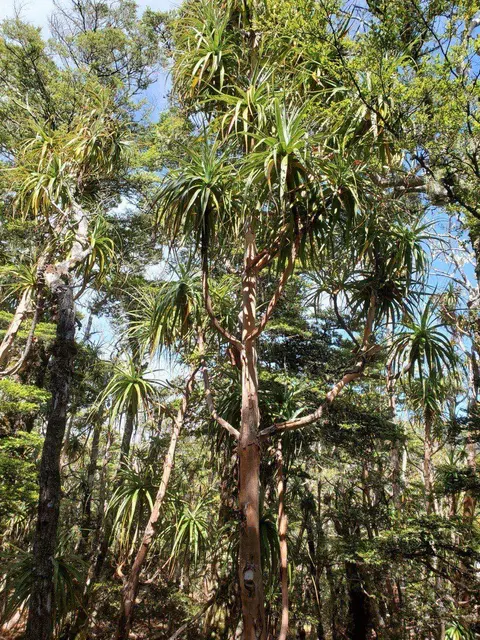
Explore where neinei and inanga grow and how weavers use their stiff leaves.
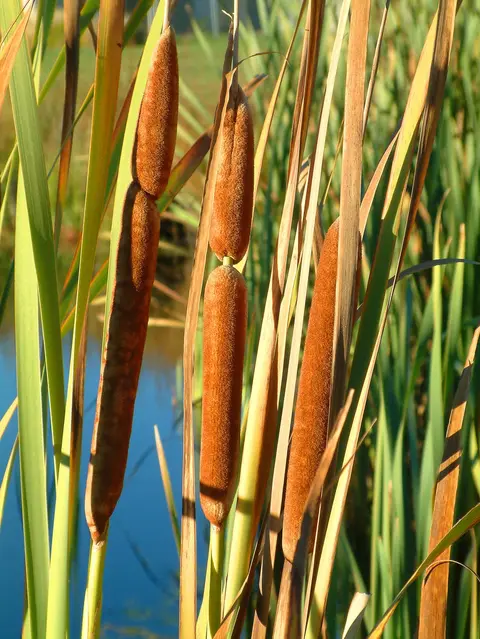
An interactive key to identify different wetlands that can be found in Aotearoa.
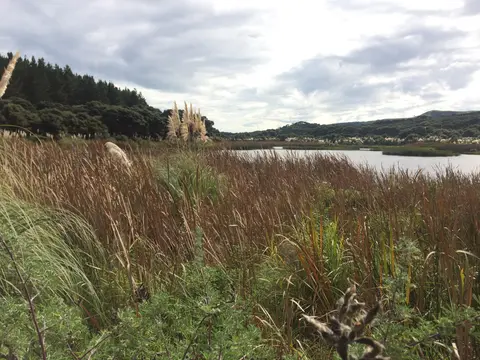
Learn how to identify raupō, harvest it for weaving, and manage it in a wetland.
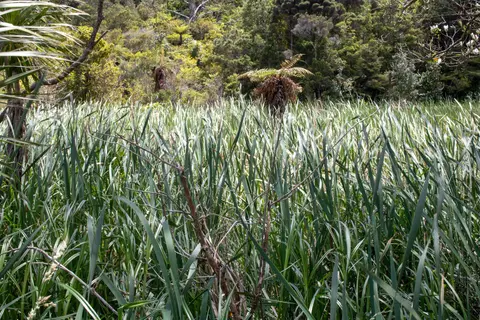
See how Owl Farm's constructed wetland strips nitrogen and sediment from farm runoff.
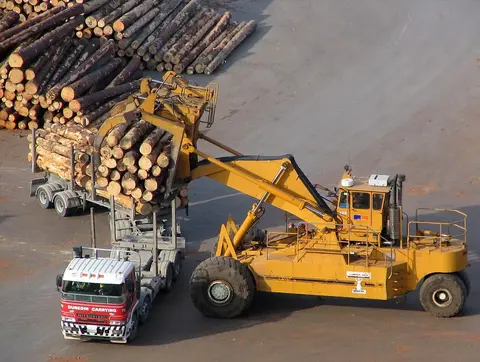
Compare the three ways to harvest and sell logs from your forest.
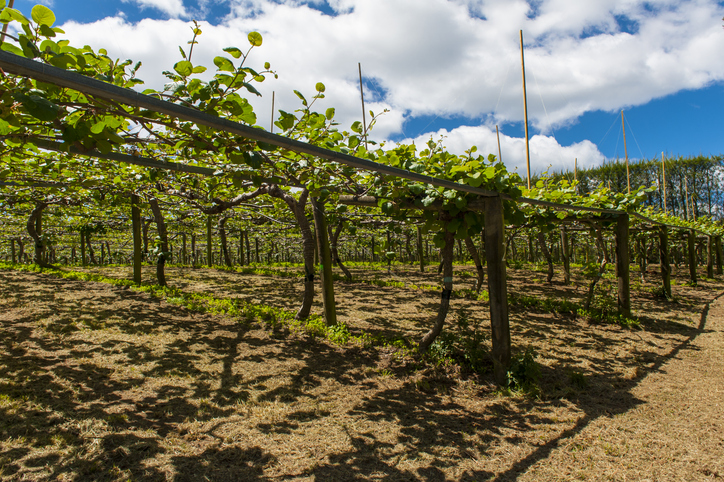
Learn how well kiwifruit could grow in your rohe by 2050 as the climate changes.
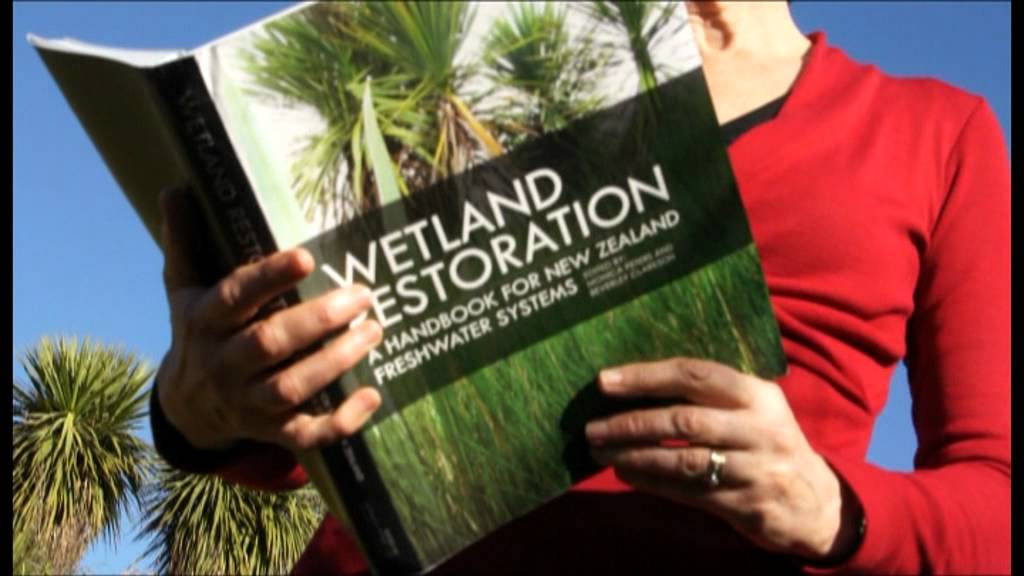
A guide to restoring New Zealand's freshwater wetlands with practical tips and beautiful images.
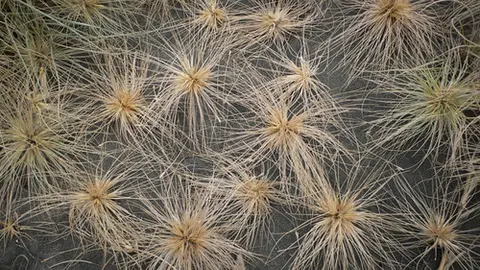
Find out how to grow, harvest and weave with pīngao while protecting the dunes it holds.
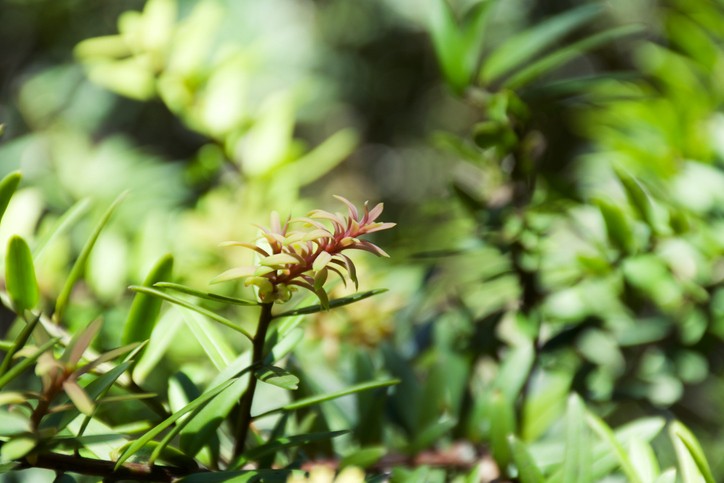
Learn about Tōtara and how they can improve outcomes for farms and te taiao.
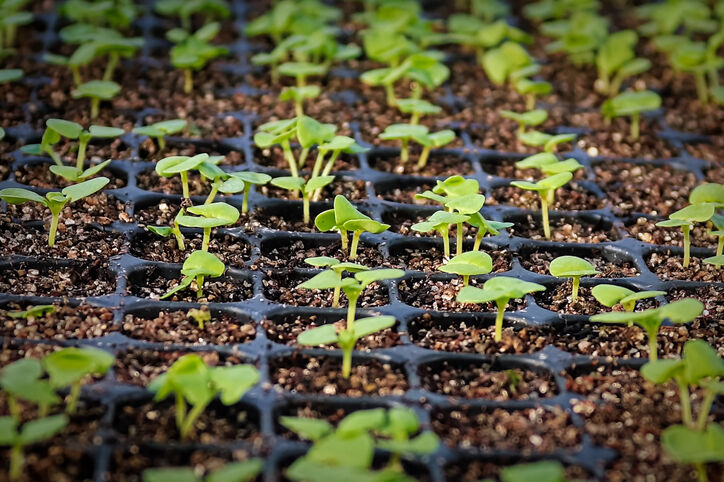
Learn to collect and grow native New Zealand trees and shrubs easily.
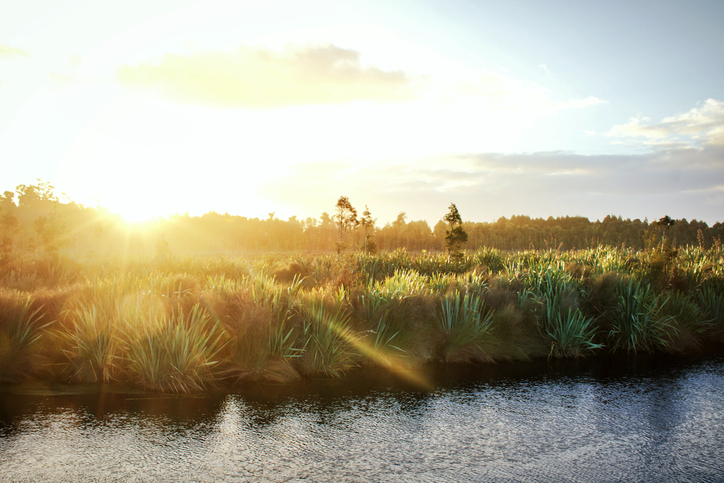
Learn how to plant and restore wetlands in New Zealand for better ecosystems.
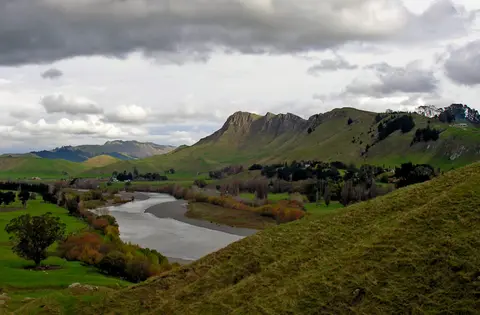
The first of the Tukituki sub-catchment groups, with a large wetland built to measure what it removes.
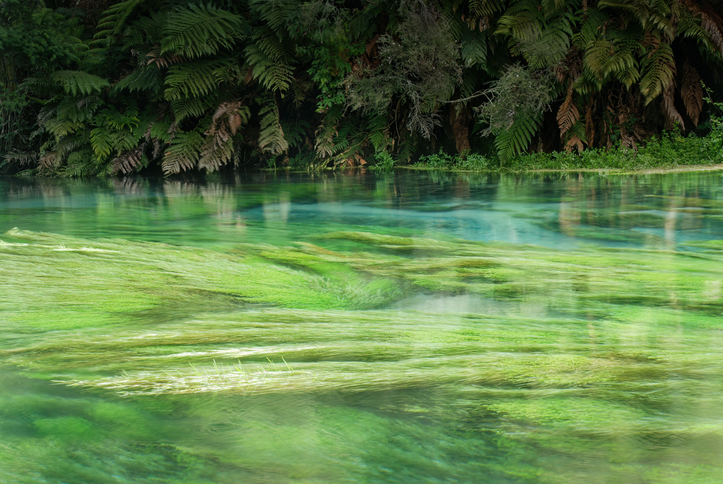
Explore resources, tools, and research that were funded by the Our Land & Water National Science Challenge.
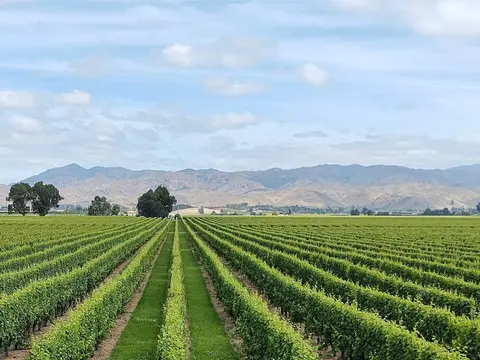
Find the climate, soils, sub-regions and main grape varieties for each New Zealand wine region.
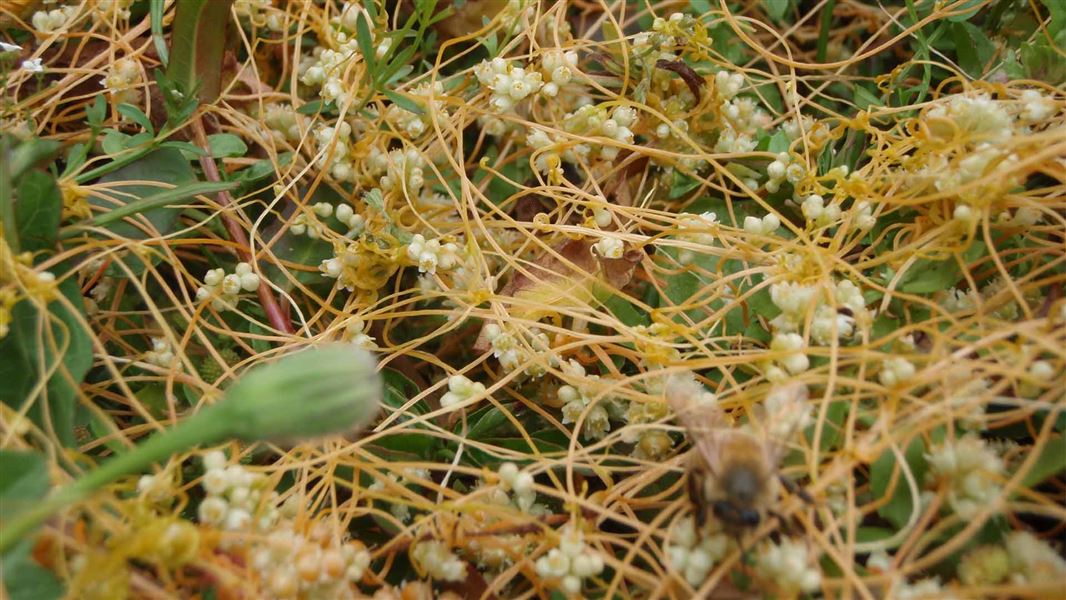
Golden dodder is a harmful, fast-growing parasitic plant affecting Waikato wetlands.
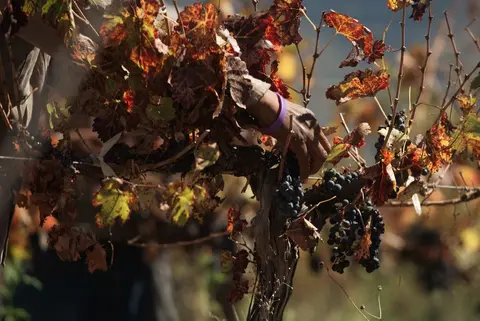
Compare planted and producing vineyard hectares by region and grape variety, year by year.
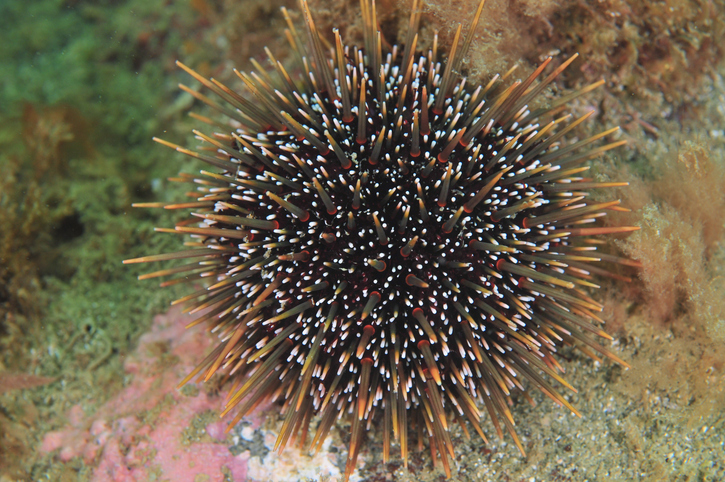
Learn how warmer ocean temperatures are affecting ngā tohu tuku iho o te mahinga kai.
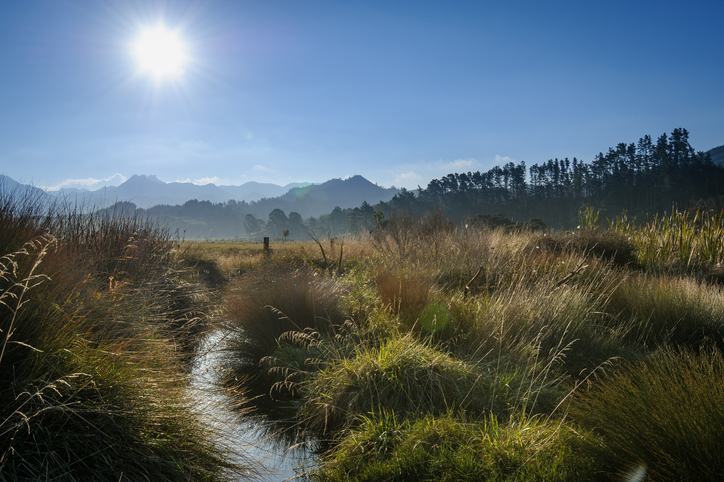
Learn about planting trees along waterways to enhance nature and prevent erosion.