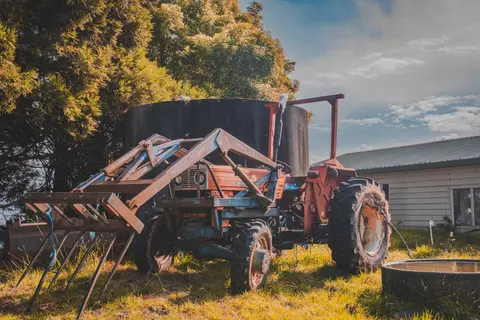
Owl Farm case study - Nitrogen management
Whenua
Fertiliser
On-farm actions
Soil
Explore how Owl Farm has lowered nitrogen fertiliser use and modelled nitrogen loss.
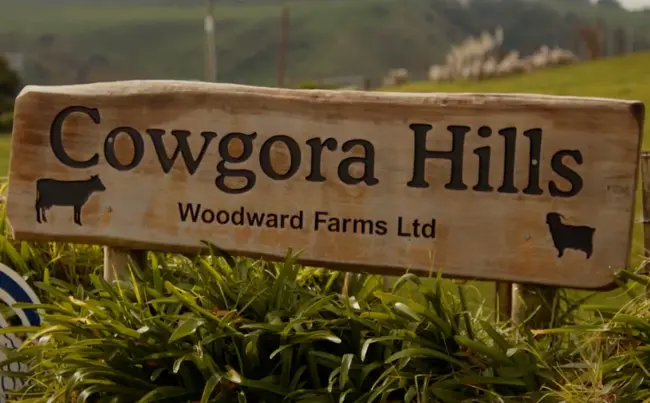
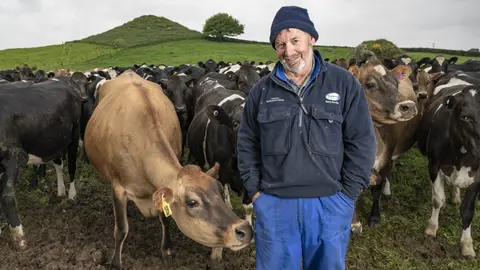
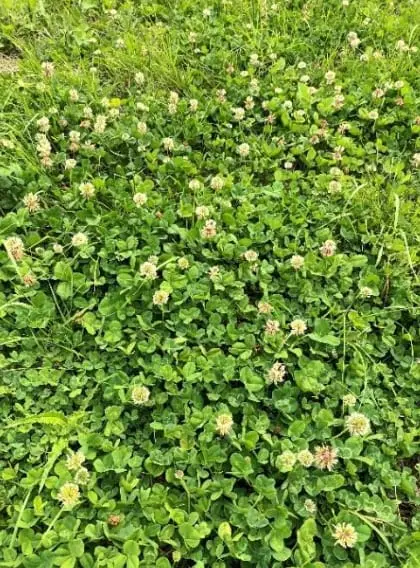
Michael and Susie Woodward left Canterbury sharemilking for farm ownership at Cowgora Hills near Ōtorohanga. In this case study the family describe how they cut cow numbers, added Angora goats, switched to once-a-day milking and trialled a regenerative, lower-input pasture mix to bring down nitrogen use and emissions.
Four years into a new landscape and climate, the Woodwards continue to shape their dairy and goat operation around their own environmental and financial goals.
Explore how Owl Farm has lowered nitrogen fertiliser use and modelled nitrogen loss.
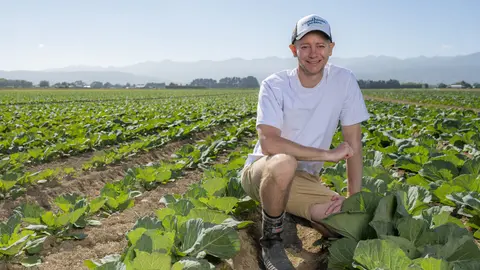
See how a Horowhenua vegetable grower nearly halved fertiliser use and cut emissions.
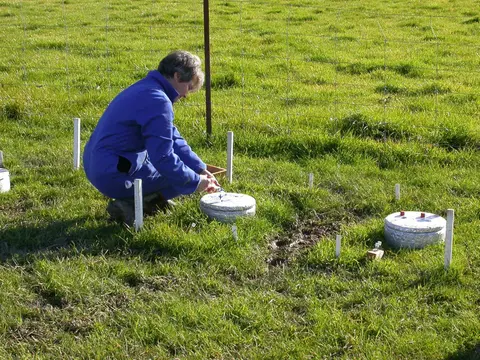
Learn how nitrogen management on farm can cut nitrous oxide losses.
Meet the Waikato dairy farmers using their numbers to cut emissions and stay profitable.
Learn how a Dargaville research farm is testing pasture and stocking changes to cut dairy emissions.
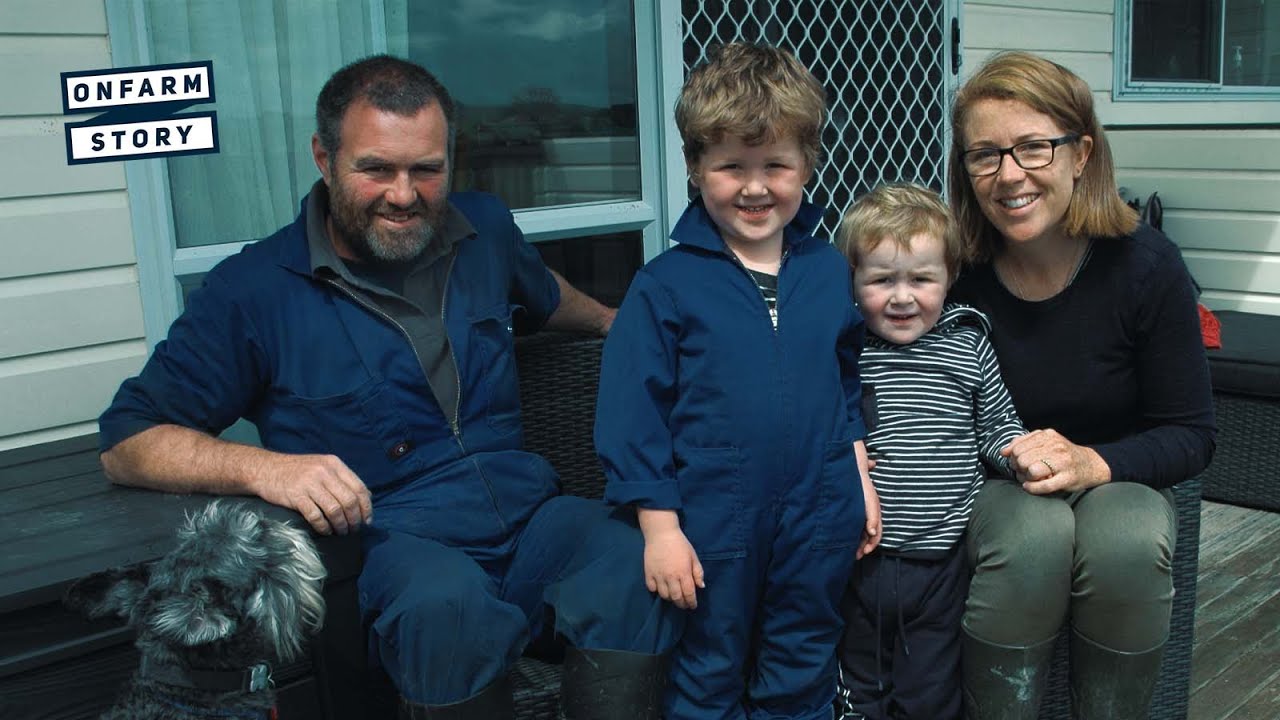
Explore how a Waikato sharemilking couple balances a young family with a 650-cow farm.
Discover which paddocks grow the most feed and why some fall short.
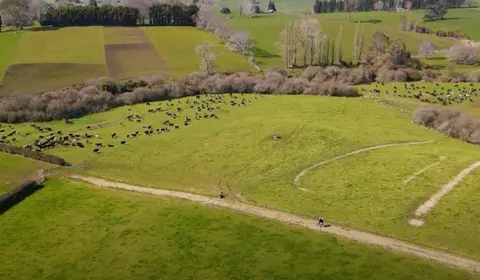
Find out how a Te Awamutu dairy farm used virtual fencing to run fewer, more productive cows.
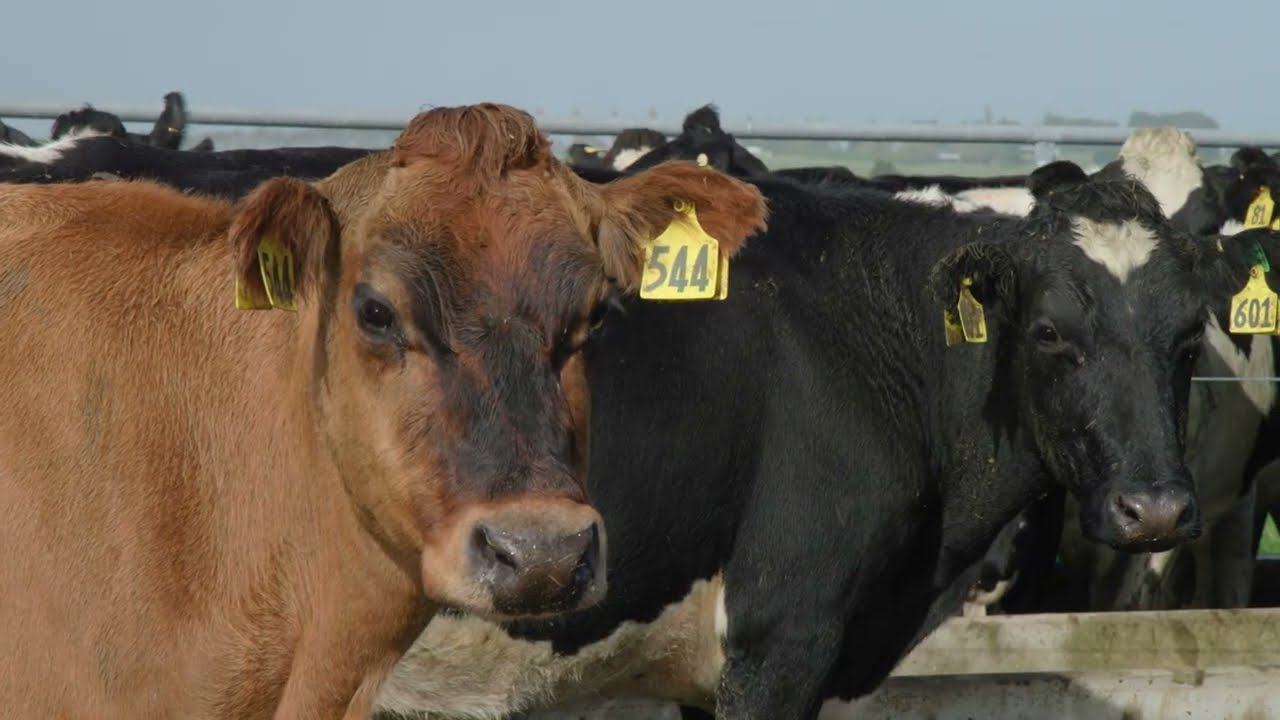
The Miller family shares how they've woven environmental care into their everyday farm work
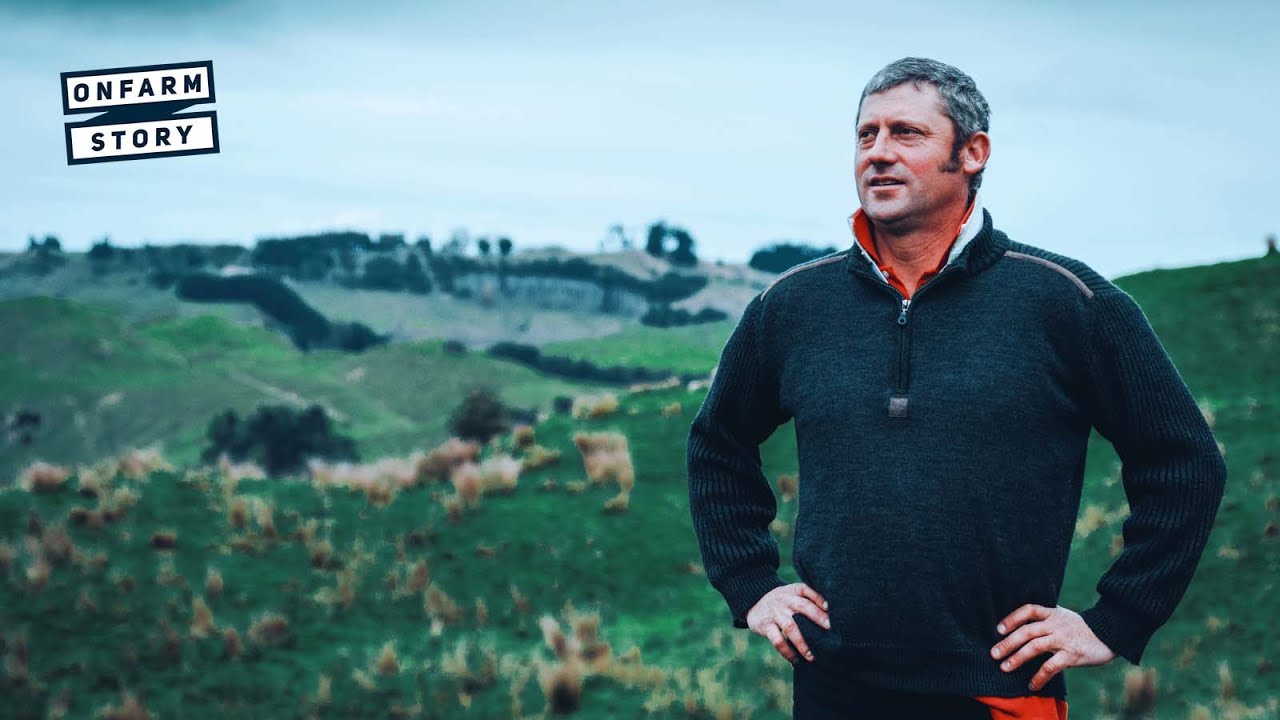
See how a Rangitīkei farmer uses social media to share 150 years of family history on the land.
Compare four small changes that cut Kaiwaiwai Dairies' emissions by 14 percent.
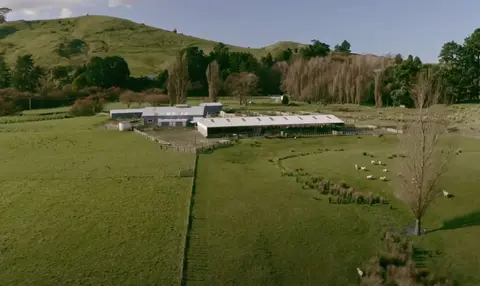
Explore how a Wairarapa sheep and beef farm cuts nitrogen while restoring wetlands and natives.
Follow a Kaharoa dairy family's response to tighter nitrogen rules around Lake Rotorua.
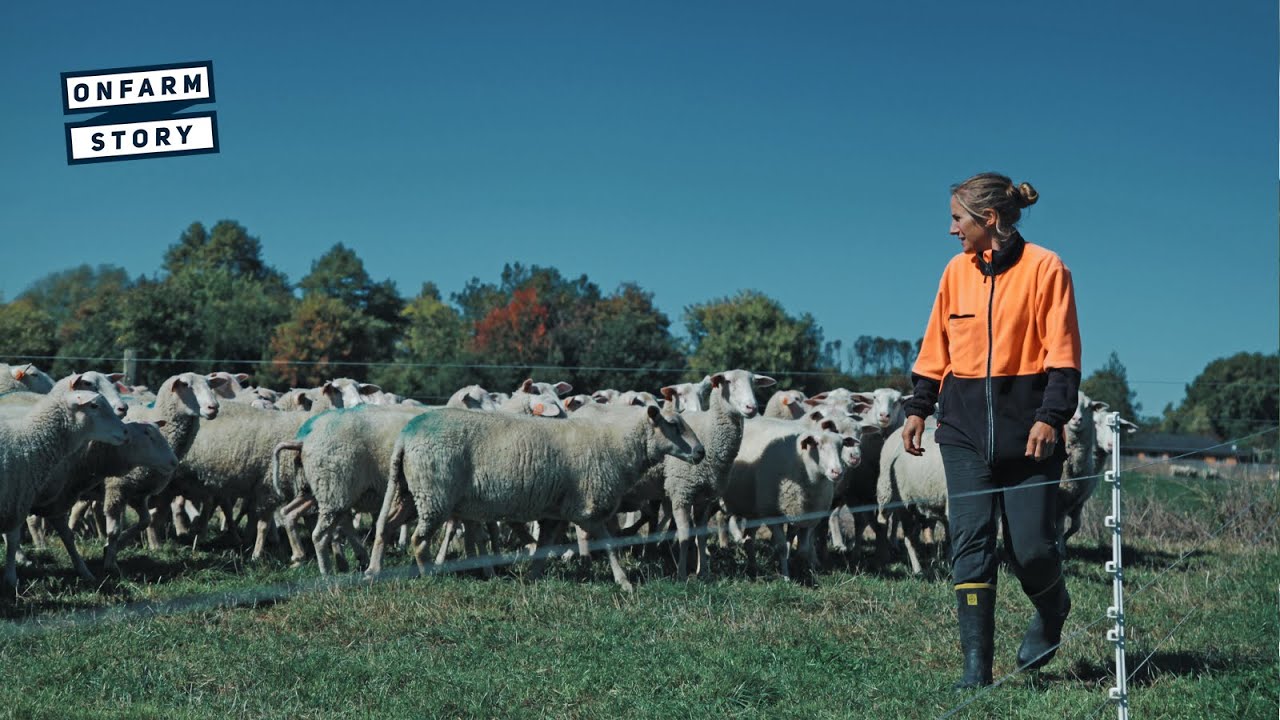
See how a Waikato farmer converted a cow dairy into a sheep milking operation.
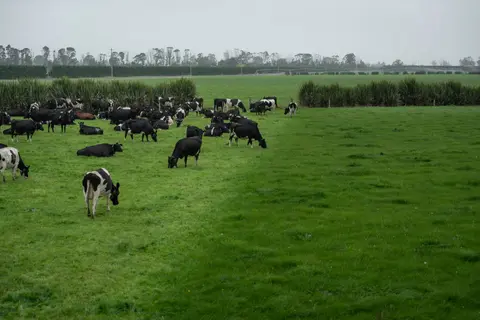
Review how fertiliser and grazing rotations are matched to feed demand.
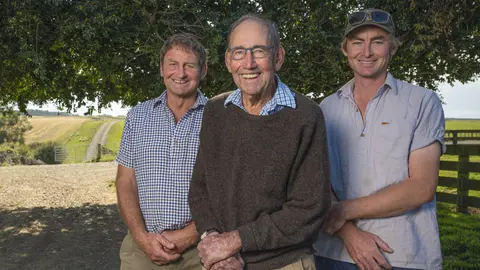
Discover how four generations of a Manawatū family farm cut emissions through soil care.
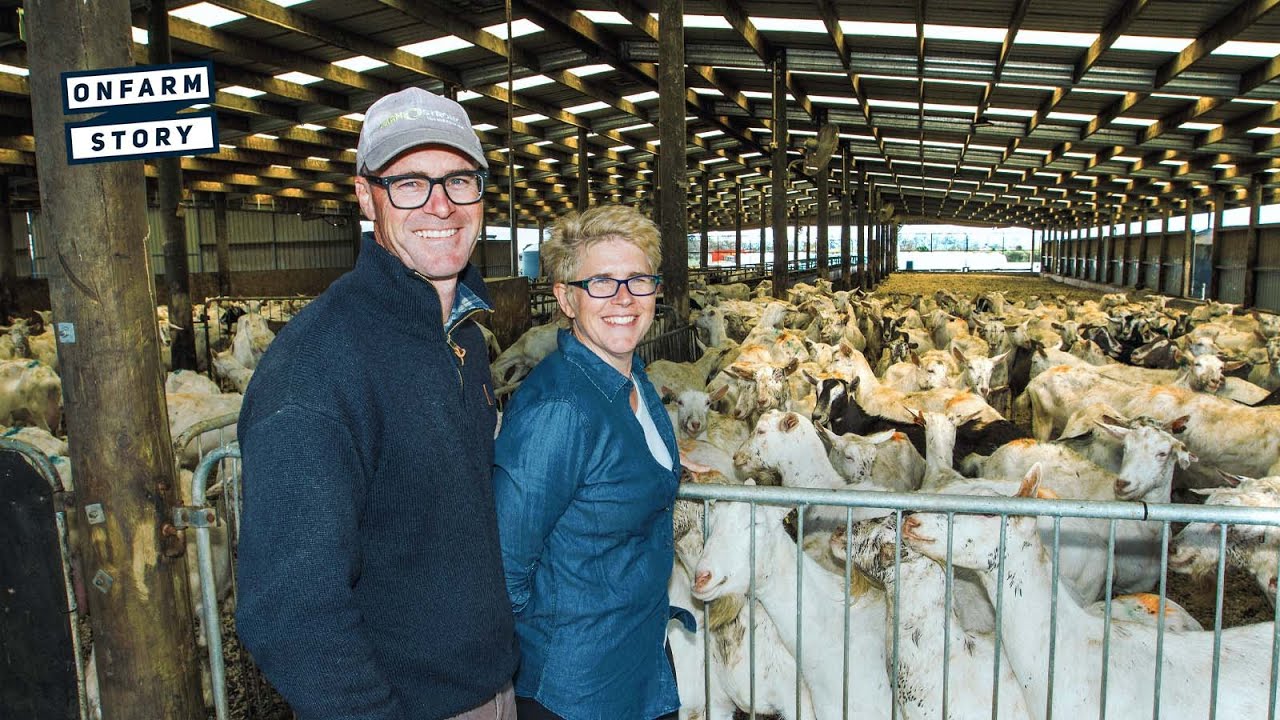
Explore how a Waikato family runs a dairy and goat farm side by side.
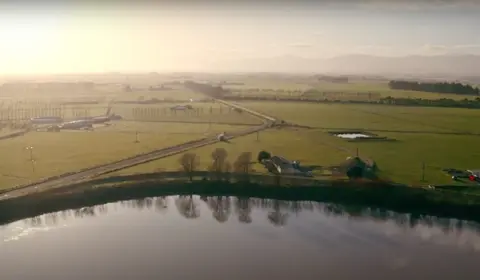
Discover how Pāmu's Tasman farm cut emissions by converting to certified organic milk.
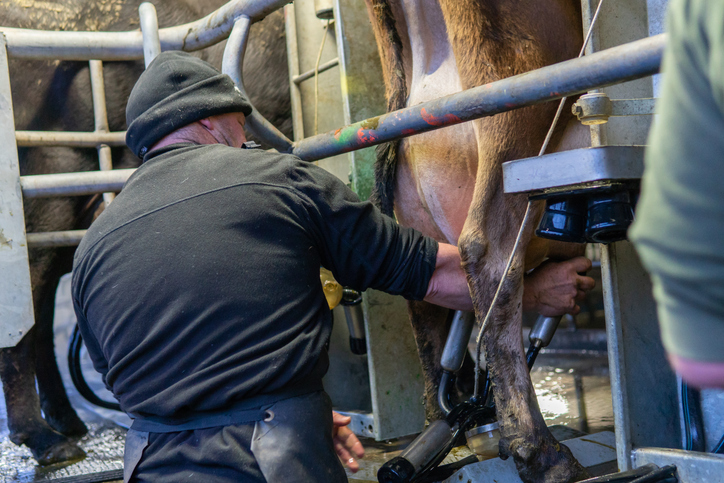
Evaluate switching to once-a-day (OAD) milking with this decision matrix tool.
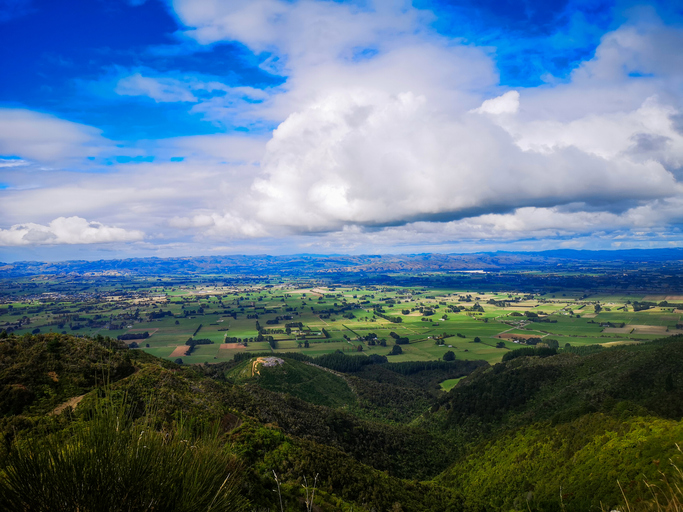
Hear how the Bowie family transitioned to farm ownership and their focus on succession planning.
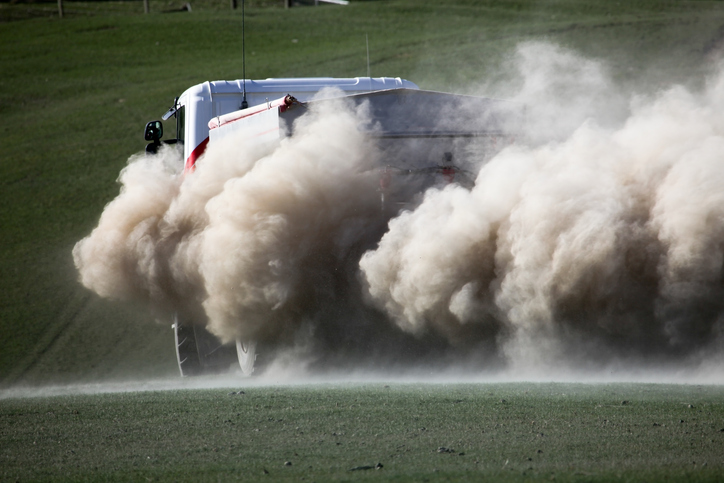
Learn how to manage nitrogen fertiliser use for better pasture growth and environmental outcomes.
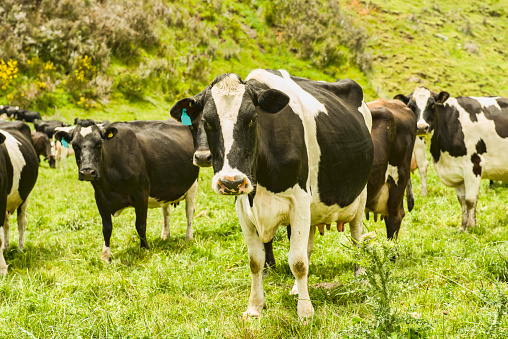
This guide explains the potential of gibberllins to reduce greenhouse gas emissions from dairy farms.