Where New Zealand will get wetter and drier
Climate
Flooding
Resilience
Risk
Water
See whether your part of the country is set to get wetter or drier.
Episode one of The Spinoff's 100 Year Forecast series looks at how we know Aotearoa is heating up, and how hot it could get over the next century. It compares a future where emissions stay high with one where they come down, and makes the point that we still get to choose.
See whether your part of the country is set to get wetter or drier.

See how rising temperatures, floods, changing rain, and the environment may affect our whenua over the next century.
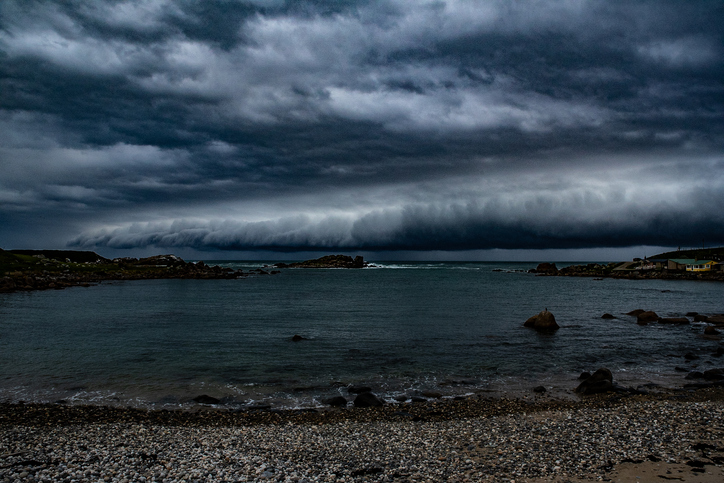
See different climate change scenarios for New Zealand and their potential impacts.
See what Aotearoa can still do to change the forecast.
Explore how climate change will impact New Zealand's weather and environment over the coming century.
A report on New Zealand's livestock methane emissions and their impacts.
Learn what taniwha can teach us about floods, and how much worse they could get.
See how many hot days dairy cows in your rohe could face as the climate warms.
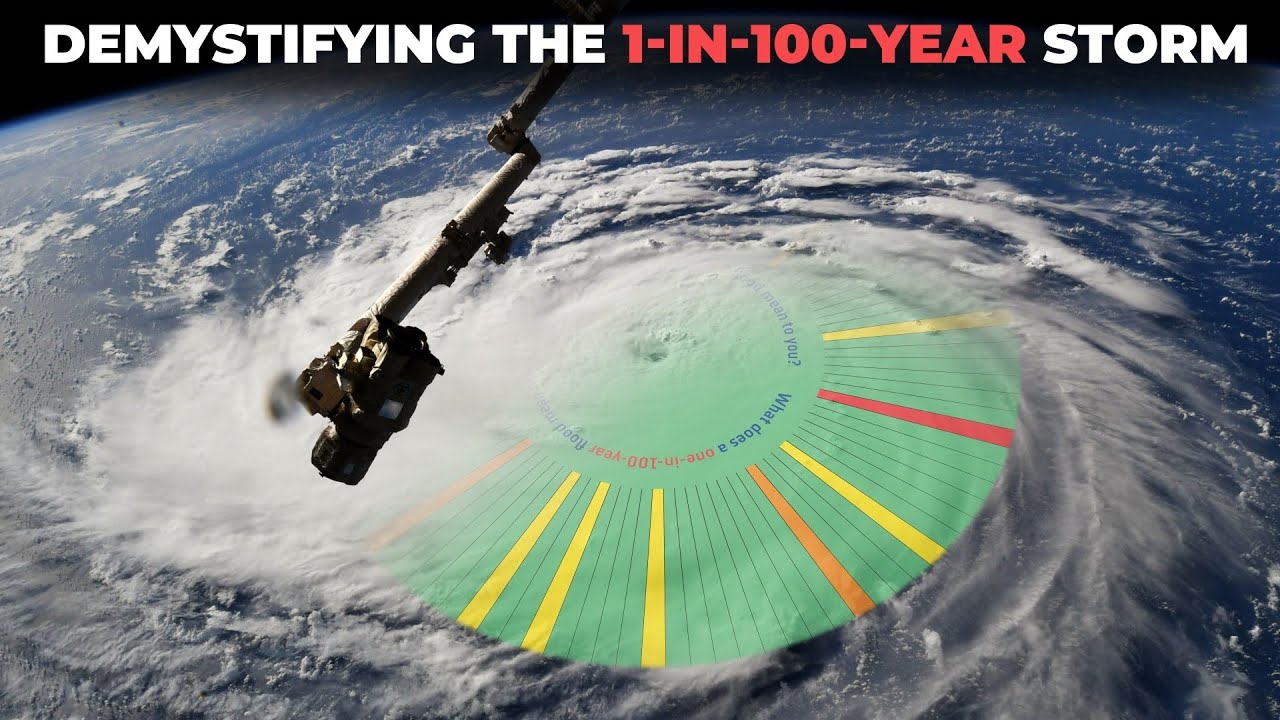
Learn what a 1-in-100-year weather event really means and common misconceptions about it.
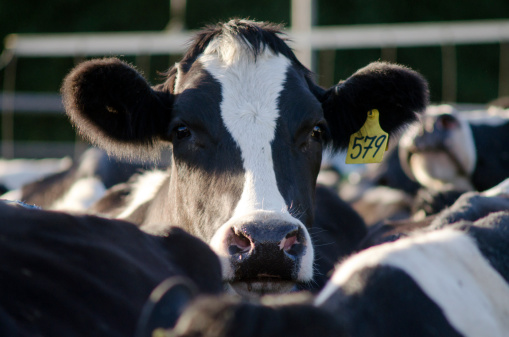
Farm 4 Life offers 24/7 online videos to enhance dairy farming skills and decision-making.
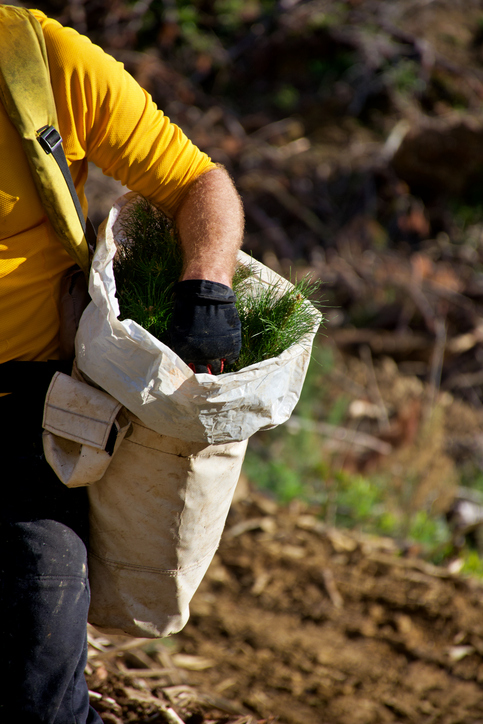
This code provides safety guidance for forestry work in New Zealand. It covers health, equipment, and emergency procedures.
Find out why animals on land and at sea are running out of places to live.
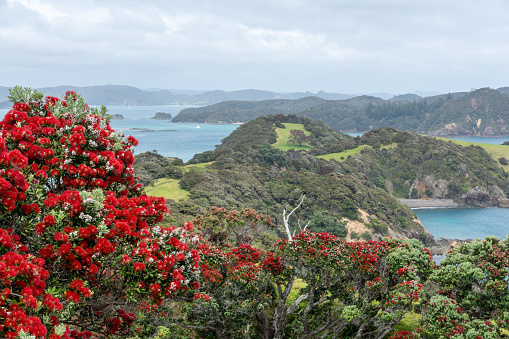
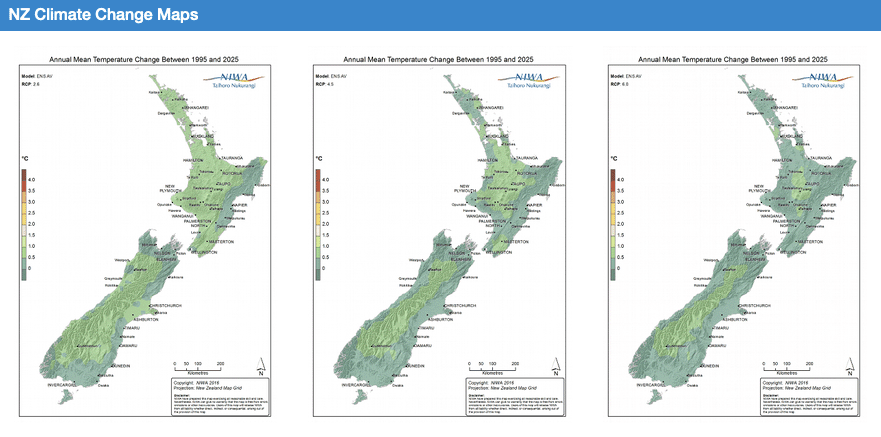
Explore projected temperature and rainfall changes for Aotearoa online.
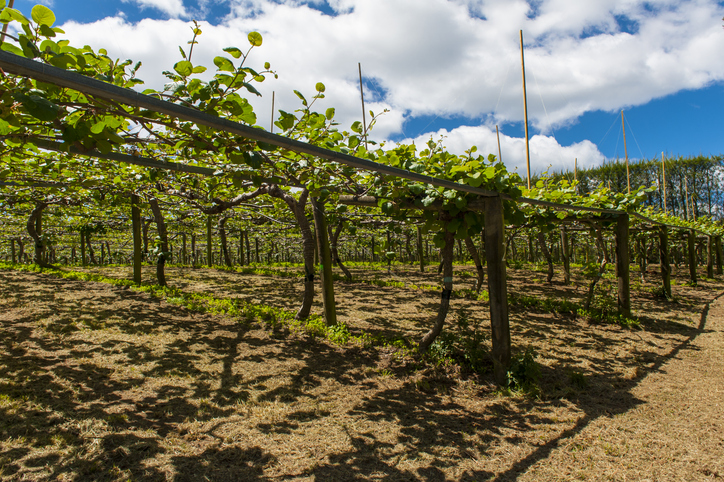
Learn how well kiwifruit could grow in your rohe by 2050 as the climate changes.
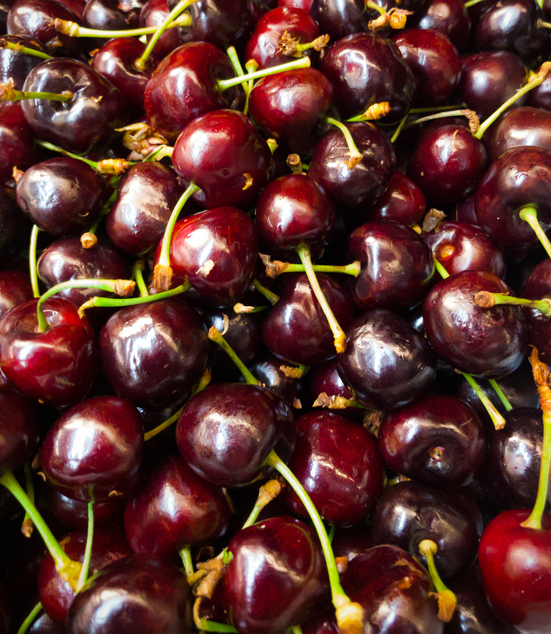
Explore how well cherries could grow in your rohe by 2050 as the climate changes.
Find out how well avocados could grow in your rohe by 2050 as the climate changes.
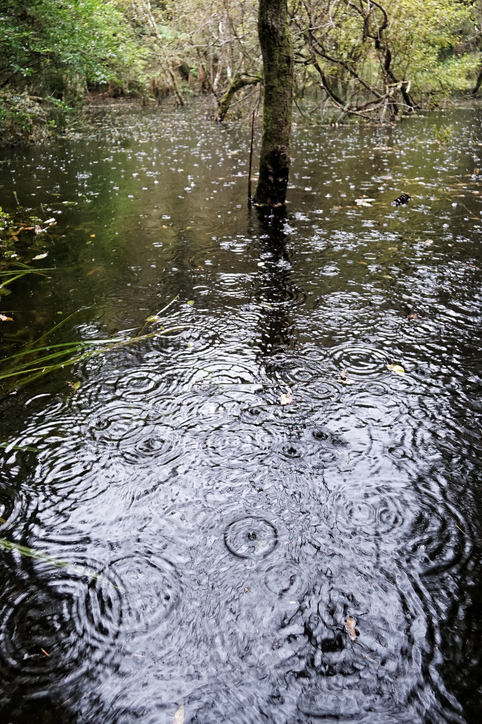
See how drought conditions and extreme rainfall in Aotearoa have changed as a result of climate change.
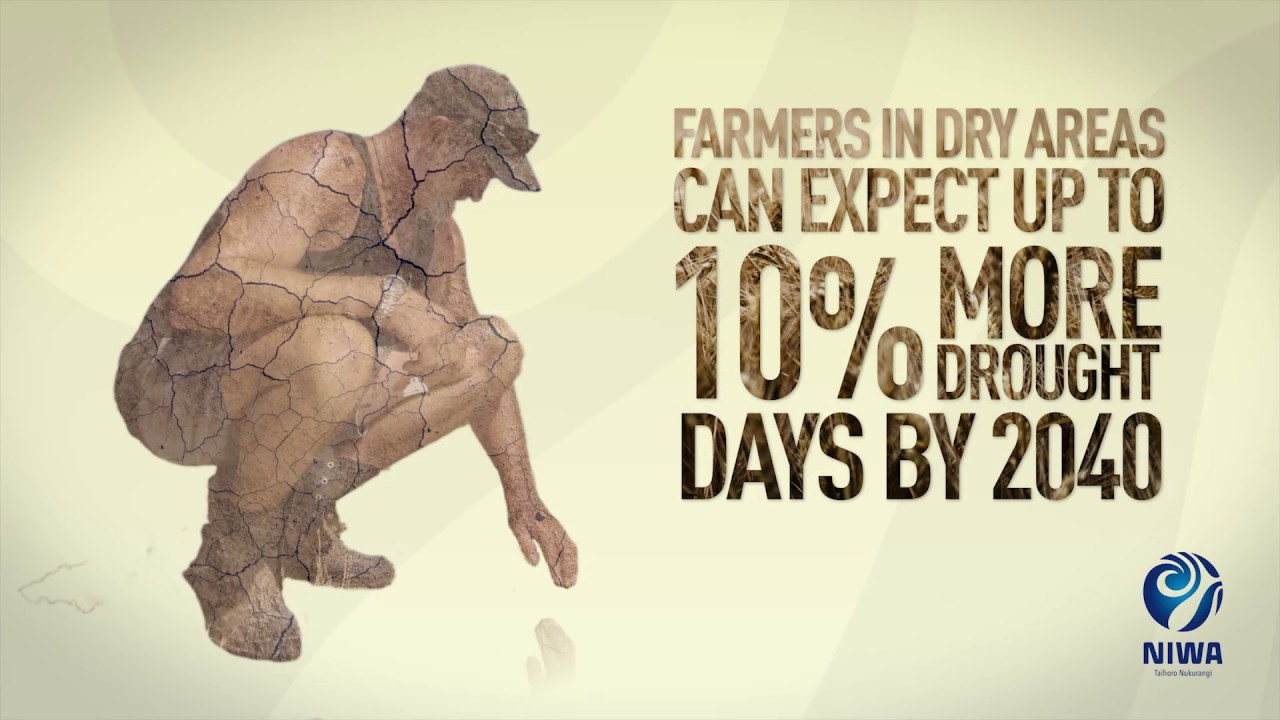
Learn about climate change in Aotearoa and how science helps us adapt.
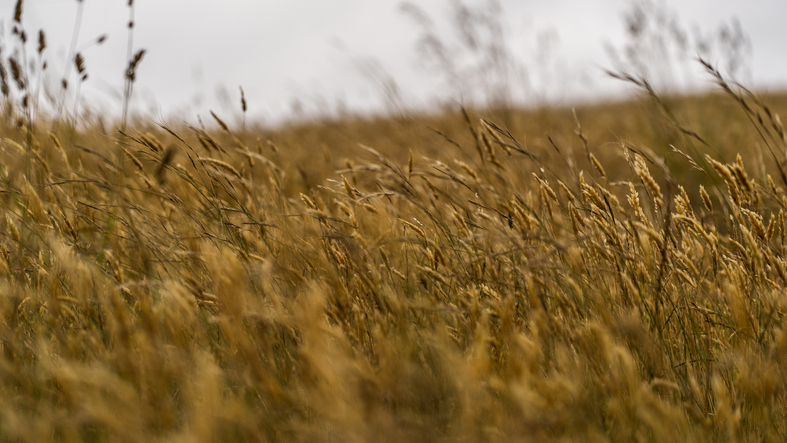
Track how sowing and harvest timing for maize could shift as the climate changes.
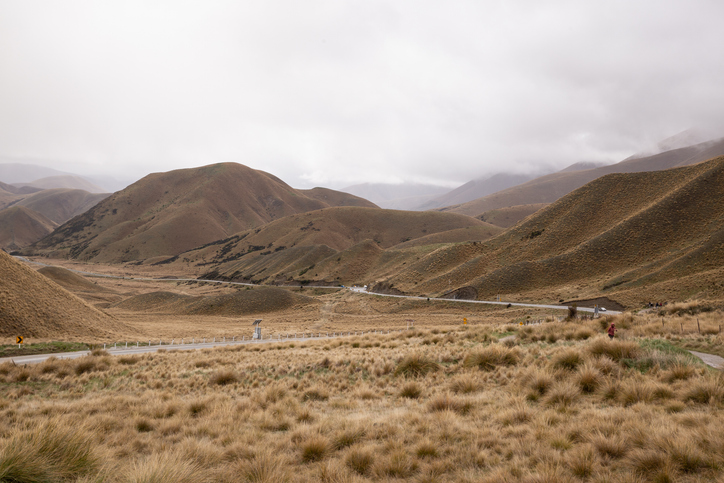
Find out how pasture growth on your land could change as the climate warms.
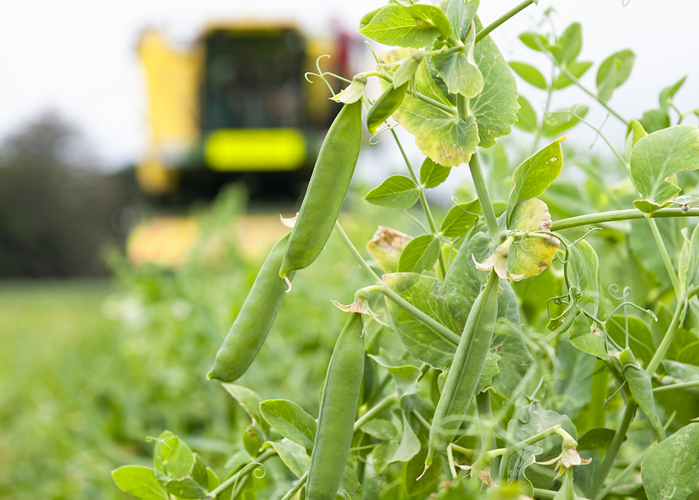
Explore how heat and frost risks for peas in your rohe could change over time.
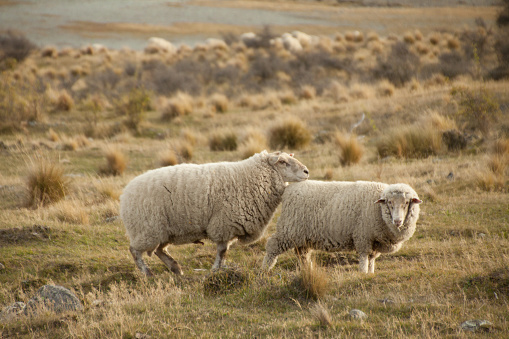
See how haemonchosis risk for your livestock could shift as the climate changes.
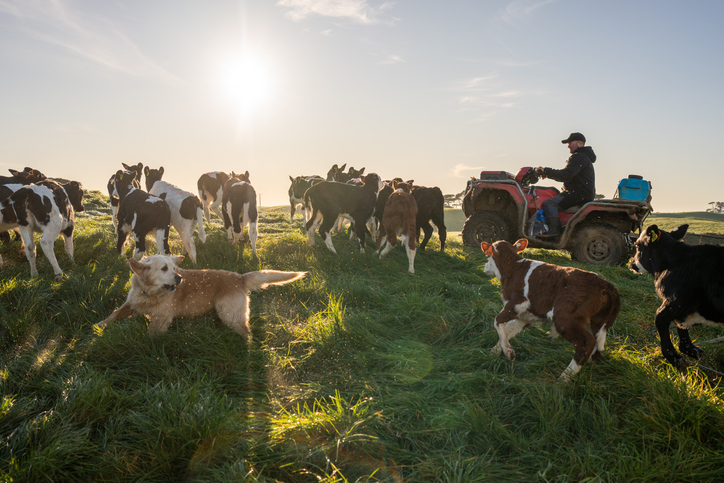
Understand how to reduce emissions and adapt to a changing climate on your farm.