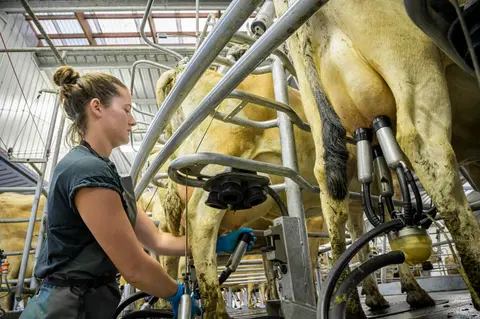
Efficiency improvements
Climate
Emissions reduction
Productivity
Profitability
See how using feed, fertiliser and stock more efficiently can lower emissions per unit produced.
A flood that damaged part of Kirikiri, Dion and Kristie Gordon's irrigated dairy farm beside the Rangitata River on the Canterbury coast, became the trigger for lower stocking rates, better feed use and closer attention to genetics. The Gordons tell that story in this case study.
The Gordons DNA-profiled the herd, made irrigation more efficient, and joined a milk supply company's emissions programme that rewards on-farm gains. Dion and Kristie explain how these small, steady changes have added up over several seasons to lower nitrogen use and emissions.
See how using feed, fertiliser and stock more efficiently can lower emissions per unit produced.
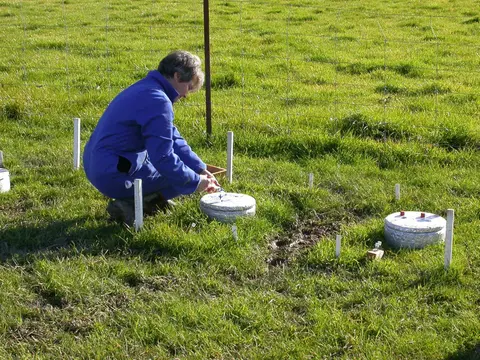
Learn how nitrogen management on farm can cut nitrous oxide losses.
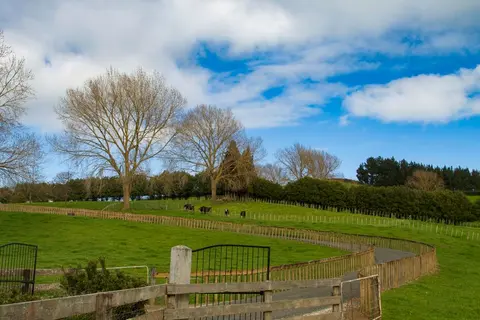
Learn how Owl Farm cut biological greenhouse gas emissions over a ten year period.
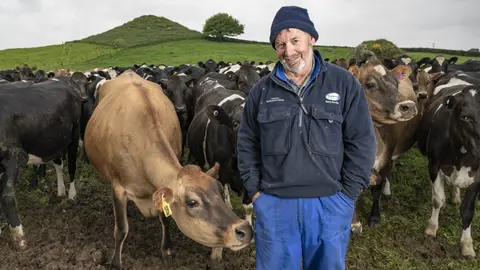
Meet the Waikato dairy farmers using their numbers to cut emissions and stay profitable.
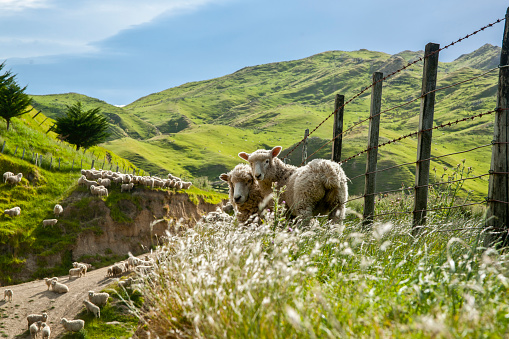
Learn how to reduce farm emissions by improving animal performance and adjusting stocking rates.
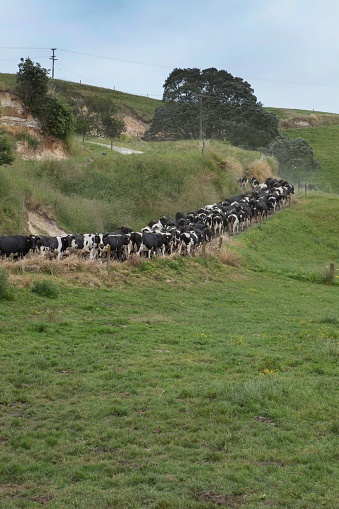
Find out how this Canterbury dairy farm uses tech for smart water management.
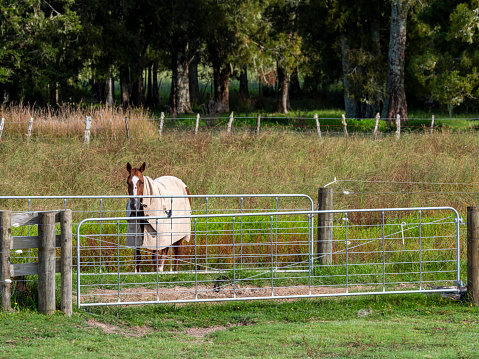
Find science-backed actions to cut greenhouse gas emissions on your farm.
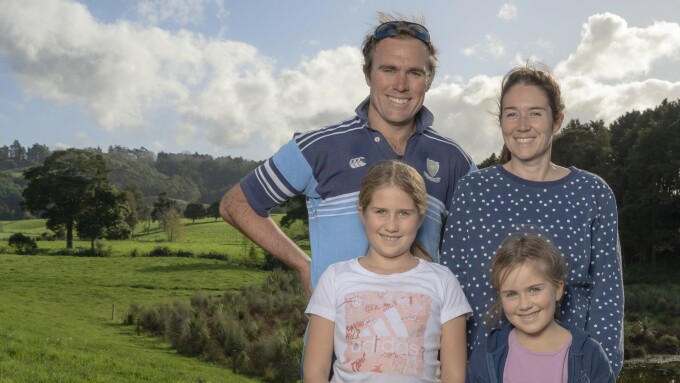
A Taitokerau farm is using on sustainable practices to improve production efficiency, reduce emissions, and protect the Mangakahia catchment.
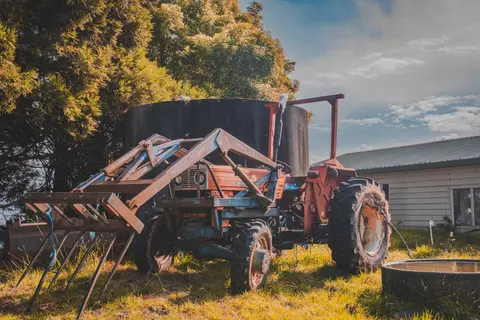
Explore how Owl Farm has lowered nitrogen fertiliser use and modelled nitrogen loss.
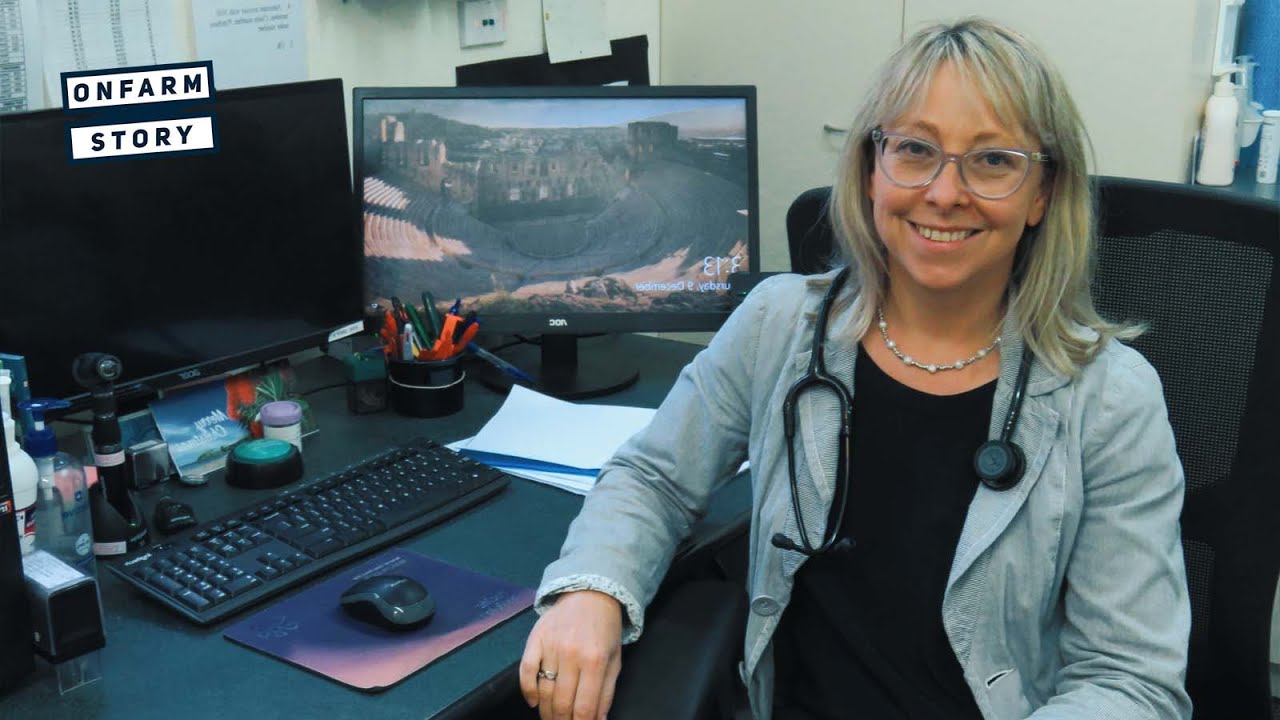
Meet a Canterbury doctor who bought her local practice to keep rural health care close to home.
Compare four small changes that cut Kaiwaiwai Dairies' emissions by 14 percent.
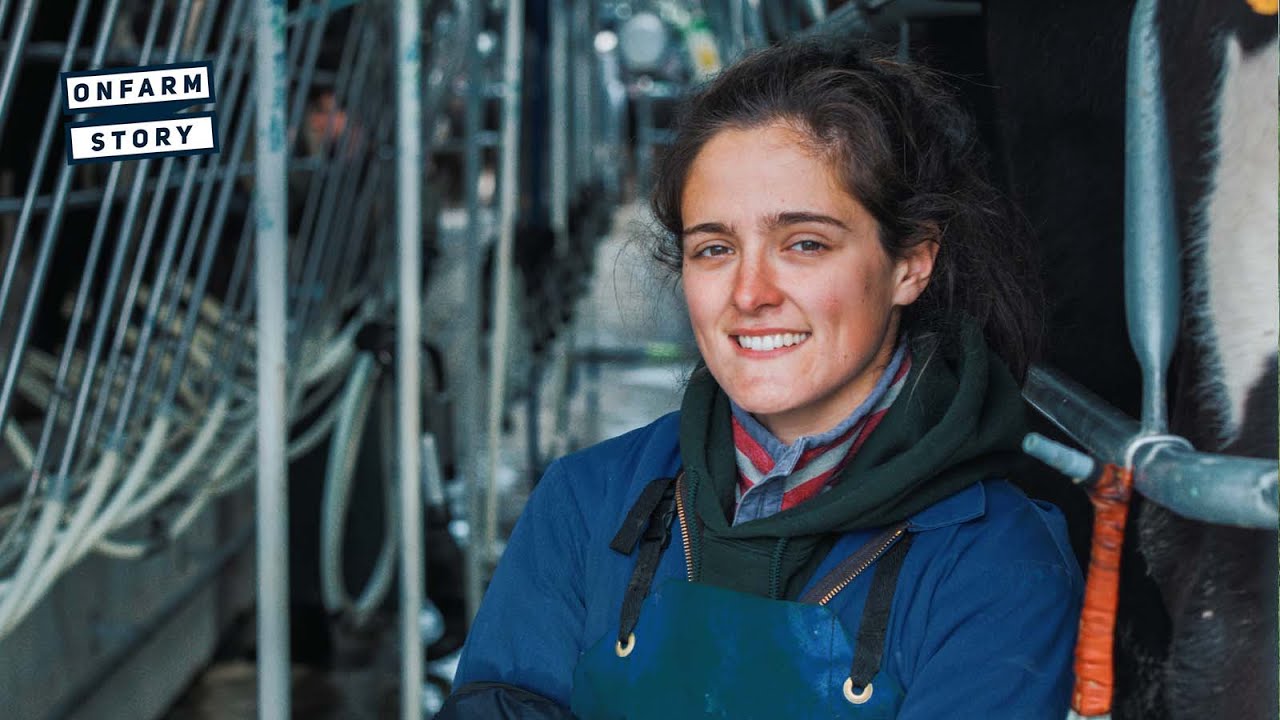
Meet an English dairy manager who moved to Canterbury to run a grass-fed herd.
Learn how soil carbon impacts climate change and things you can do on your farm to offset your emissions.
Explore actions New Zealand farmers can take to reduce greenhouse gas emissions effectively.
Find out how the Tripe family cut emissions on their Whanganui hill farm.
Learn how a Wairarapa coastal station cut net emissions while lifting lambing and profit.
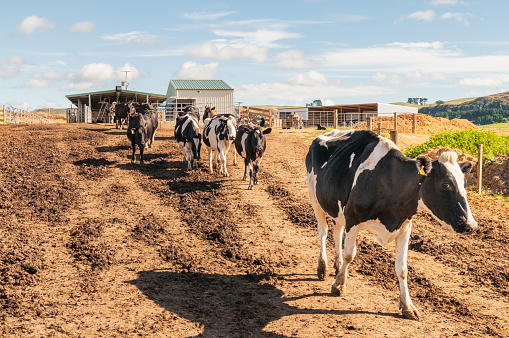
Get guidance on reducing emissions on your fairy farm.
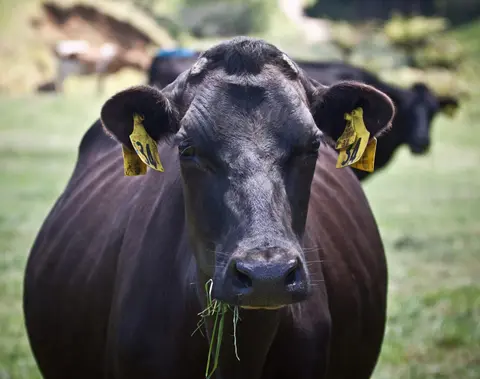
Read how genetic selection keeps Owl Farm's herd among the nation's best.
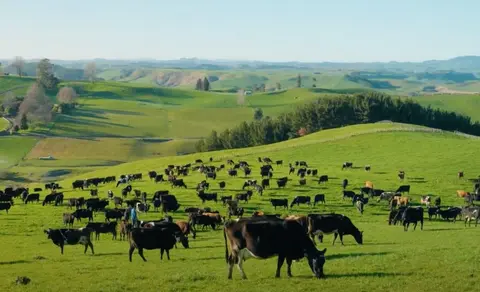
Learn how Doug and Kathy Wallace lowered emissions on their Pukeatua dairy farm.
Follow a Kaharoa dairy family's response to tighter nitrogen rules around Lake Rotorua.
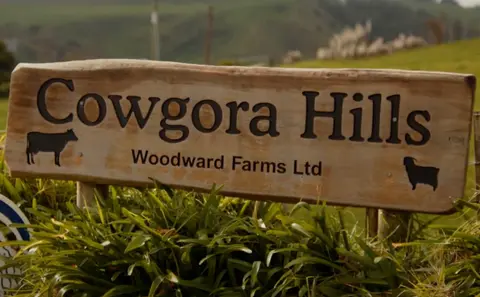
Follow the Woodward family's move to a lower-input Ōtorohanga dairy farm.
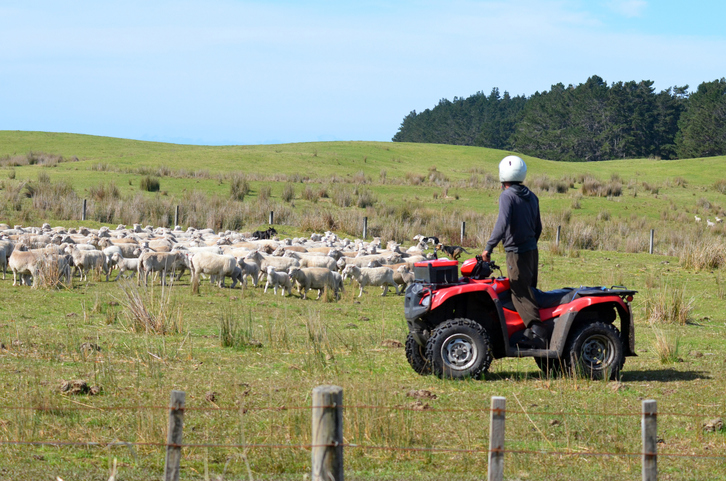
This resource outlines methods to reduce agricultural greenhouse gas emissions in New Zealand.