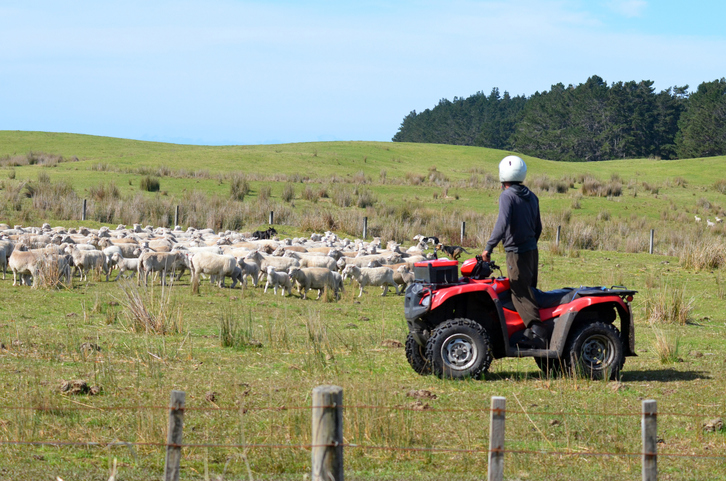
What we are doing to reduce New Zealand’s agricultural greenhouse gas emissions
Climate
Emissions reduction
Greenhouse gas
Livestock
Sustainability
This resource outlines methods to reduce agricultural greenhouse gas emissions in New Zealand.
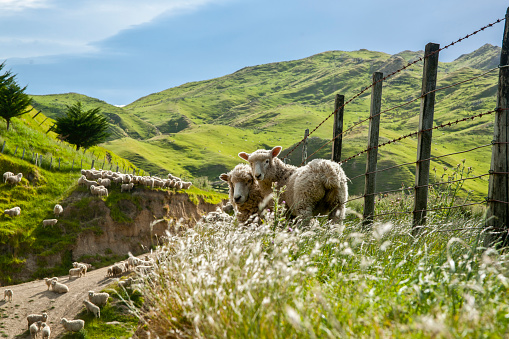
This guide provides practical actions for farmers and land owners to reduce greenhouse gas emissions by rebalancing their stocking rates and improving individual animal performance. It explains how by fine-tuning production systems you can maintain the same output while using fewer animals, which reduces feed requirements and in turn methane and nitrous oxide emissions.
This resource outlines methods to reduce agricultural greenhouse gas emissions in New Zealand.

Learn about methane in agriculture and how NZ ag researchers are trying to reduce emissions.
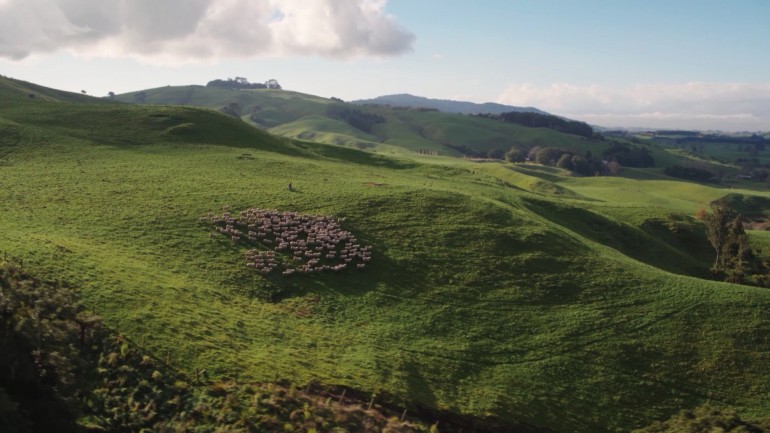
Learn ways to lower greenhouse gas emissions on your farm with practical steps and tips.
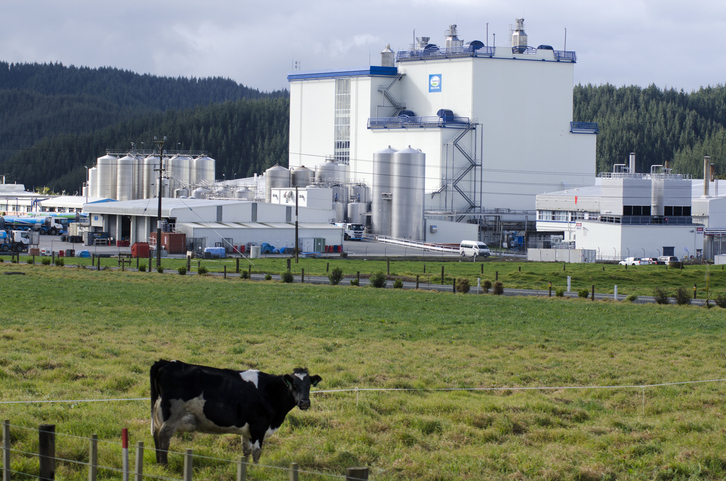
Learn how to manage greenhouse gas emissions on your farm.
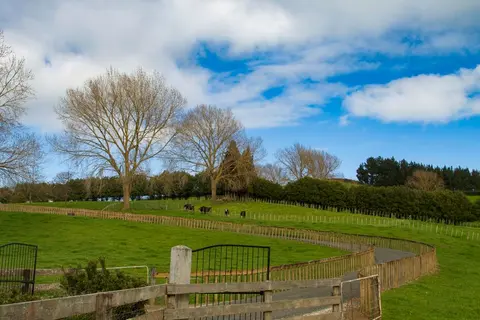
Learn how Owl Farm cut biological greenhouse gas emissions over a ten year period.
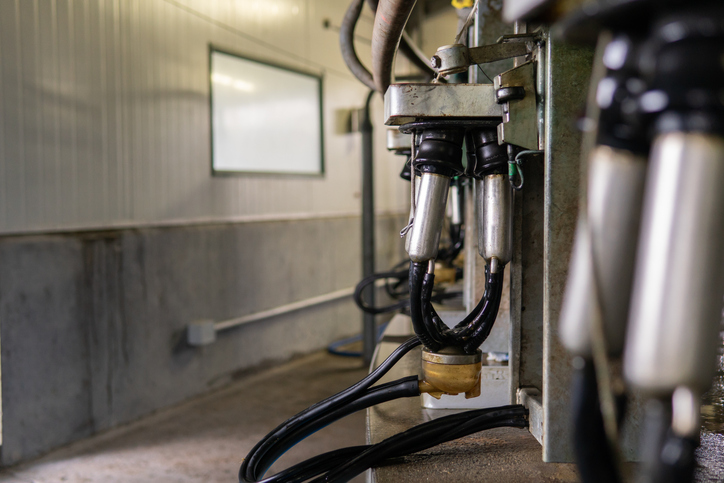
Find out about a no-cost method to reduce your dairy farm's greenhouse gas emissions.
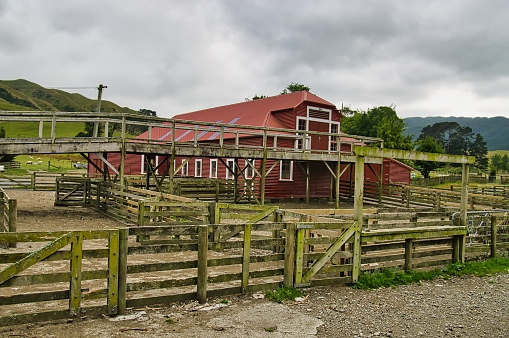
Learn how winter housing can reduce greenhouse gas emissions from livestock.
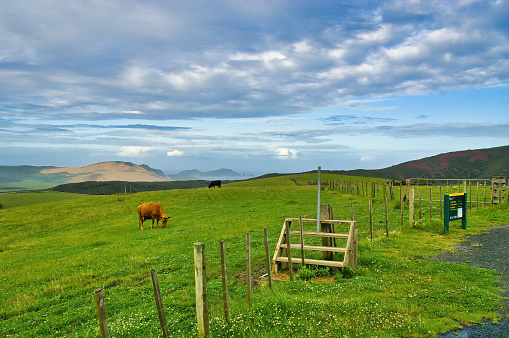
Learn about reducing methane emissions on your farm.
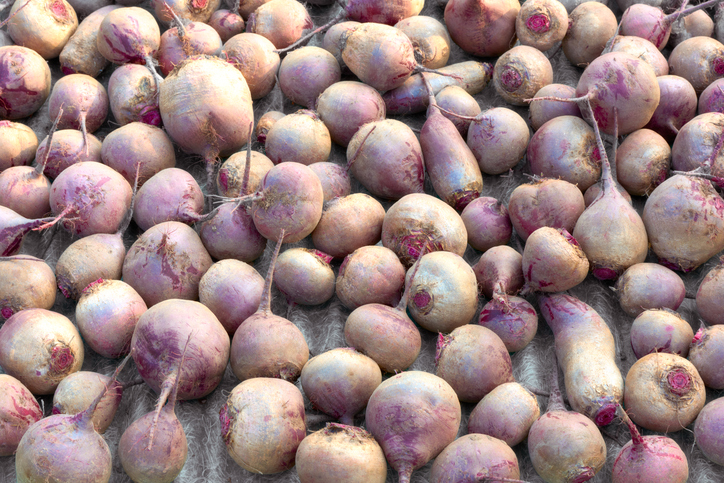
Research into different ways to reduce greenhouse gas emissions from New Zealand agriculture.
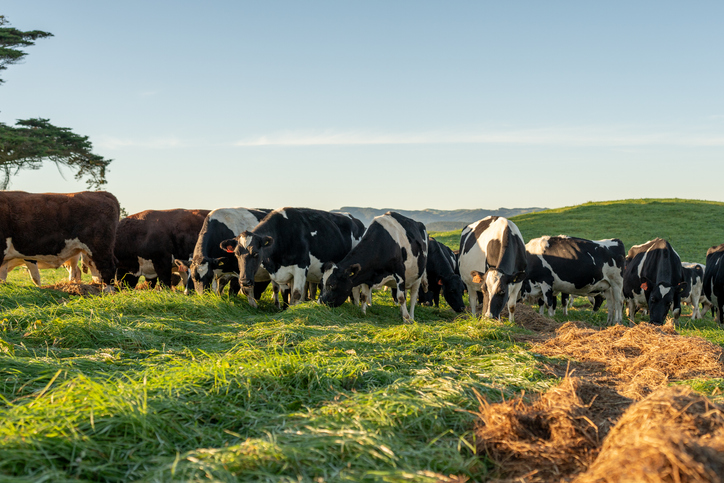
Learn about feed quantity, quality, and animal needs to increase your farm's profitability.
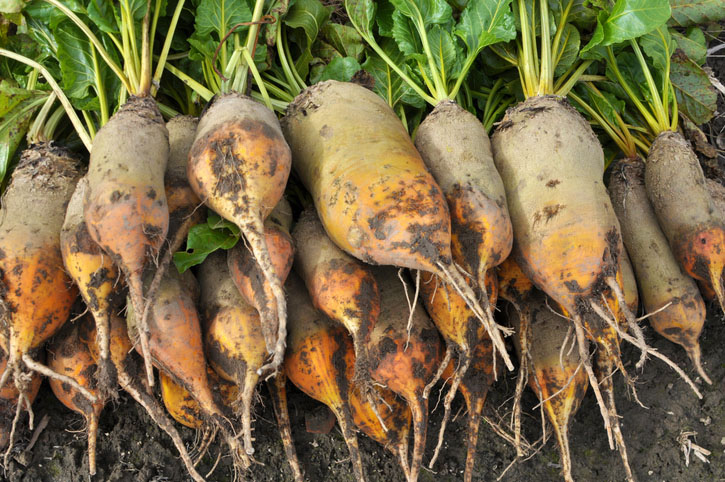
Find out more about growing fodder beet and its impact on cattle performance, costs, and feeding.
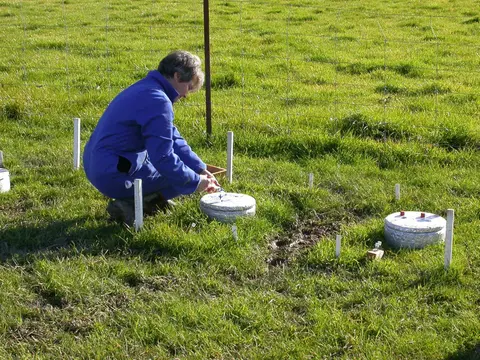
Learn how nitrogen management on farm can cut nitrous oxide losses.
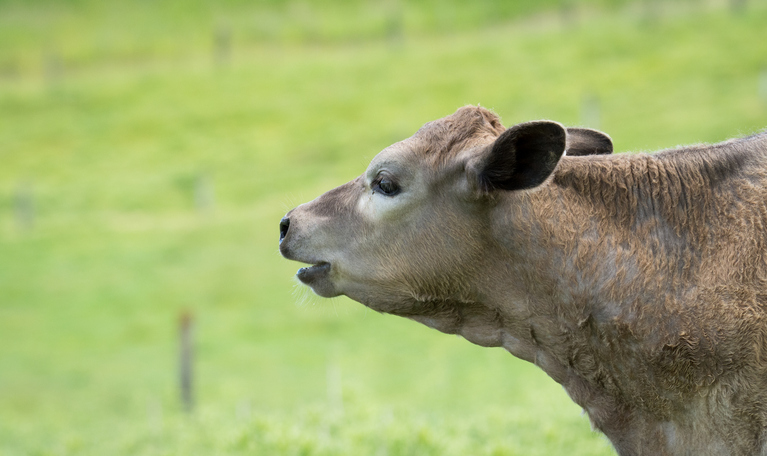
This resource discusses methane inhibitors to reduce greenhouse gas emissions from agriculture.
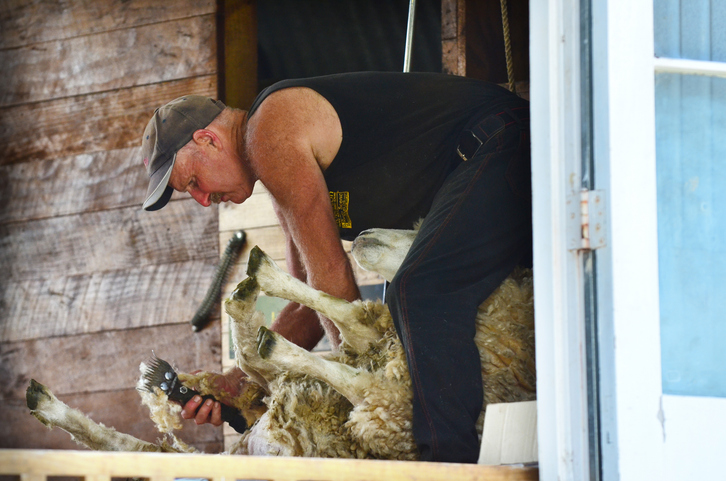
Learn how sheep and beef farms can reduce greenhouse gas emissions and improve profits.
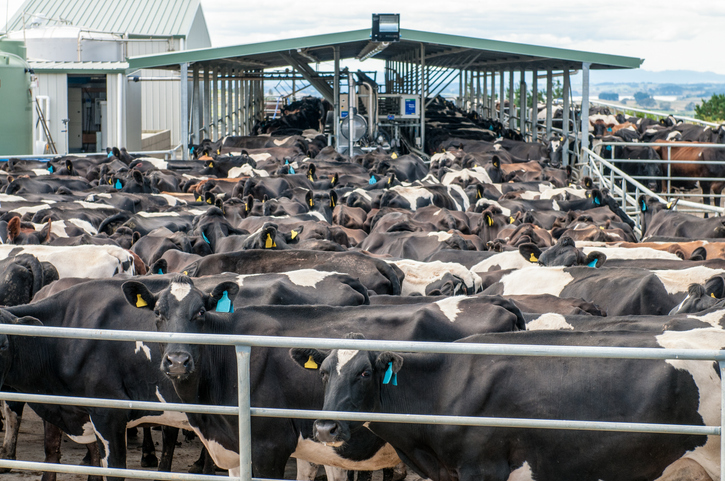
Learn about dairy farm emissions, their impacts, and ways to reduce them without affecting your profitability.
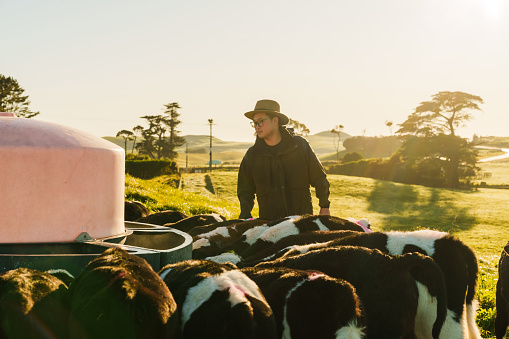
Explore new technologies for reducing on-farm greenhouse gas emissions from your farm.
This research tries to understand why people won't adopt practices to reduce farm emissions, even if the change costs nothing.
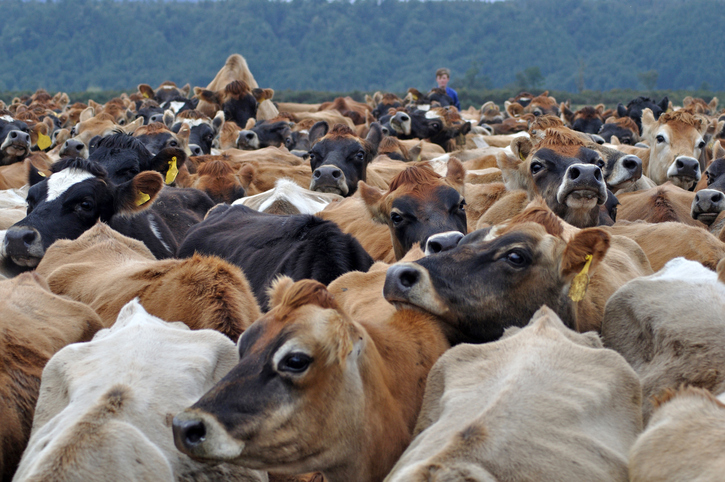
Learn how dairy farmers in New Zealand can reduce greenhouse gas emissions effectively.
Find science-backed actions to cut greenhouse gas emissions on your farm.
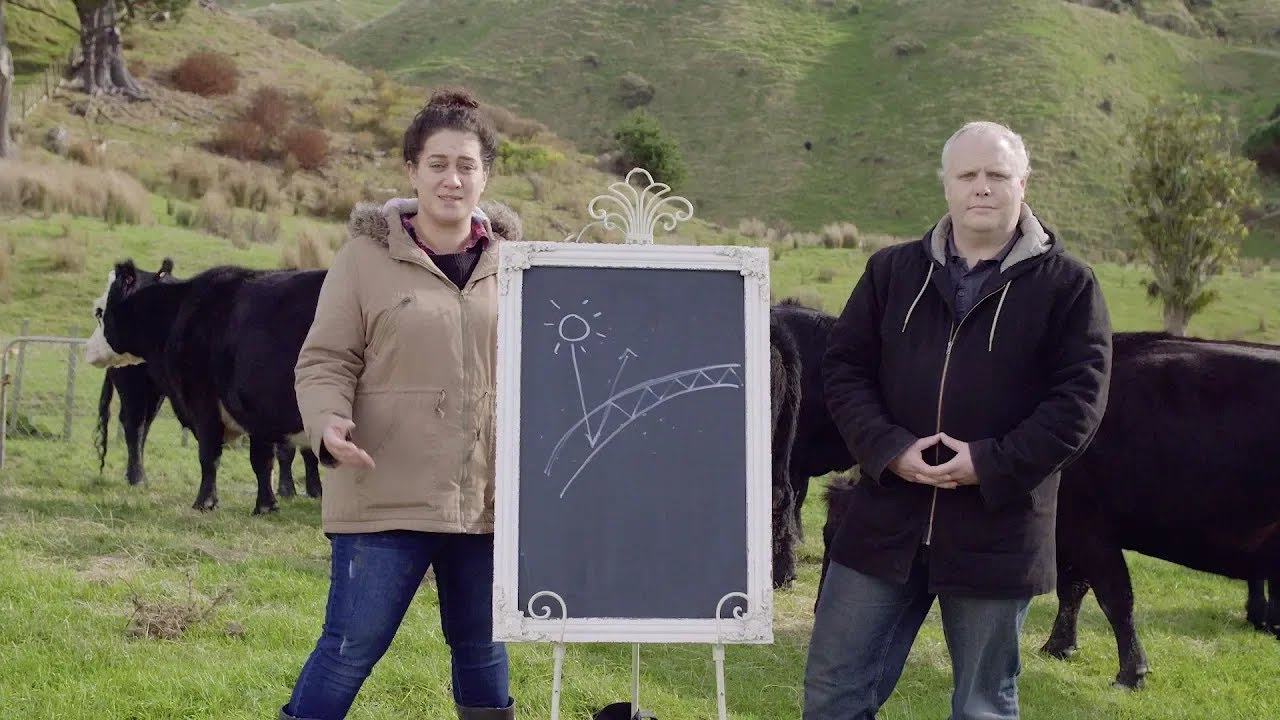
Learn how human actions change our climate and impact farming through greenhouse gases.
Explore ways to boost soil carbon through diverse plants, better grazing, and smart irrigation.
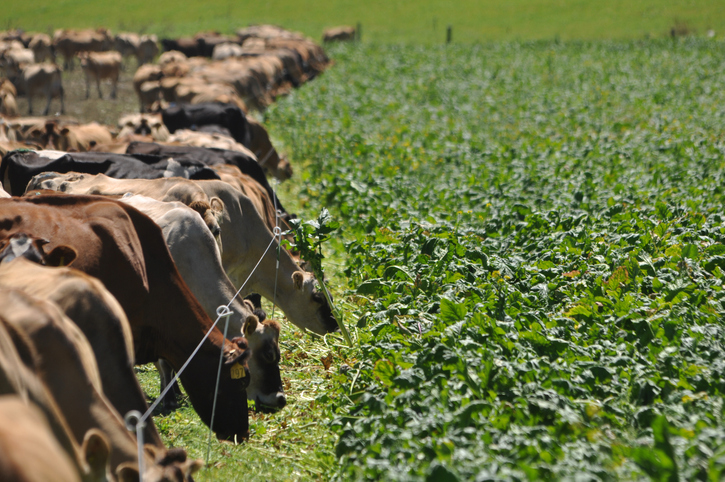
Discover feeds that lower methane and nitrogen emissions in sheep and beef farming.
This guide explains the potential of gibberllins to reduce greenhouse gas emissions from dairy farms.