On-farm potential actions
Climate
Emissions reduction
Greenhouse gas
Livestock
On-farm actions
Soil
Explore actions New Zealand farmers can take to reduce greenhouse gas emissions effectively.
This guide outlines a set of proven, science-backed actions farmers can use right now to cut on-farm greenhouse gas emissions. It explains how fine-tuning stocking rates, trimming nitrogen fertiliser use, choosing low-emission supplementary feeds, planting or restoring trees, boosting resource efficiency, and shifting land use can each lower emissions, sometimes by up to 10 percent.
For every action, the page summarises how it works, the size of reductions you might expect, and where results can vary between farm systems. Short notes on extra co-benefits, such as freshwater gains, can help you see which options could fit your own operation.
Explore actions New Zealand farmers can take to reduce greenhouse gas emissions effectively.
Factsheets about farm greenhouse gas emissions, feeds, methane control, soil carbon, and more.
Learn how sheep and beef farms can reduce greenhouse gas emissions and improve profits.
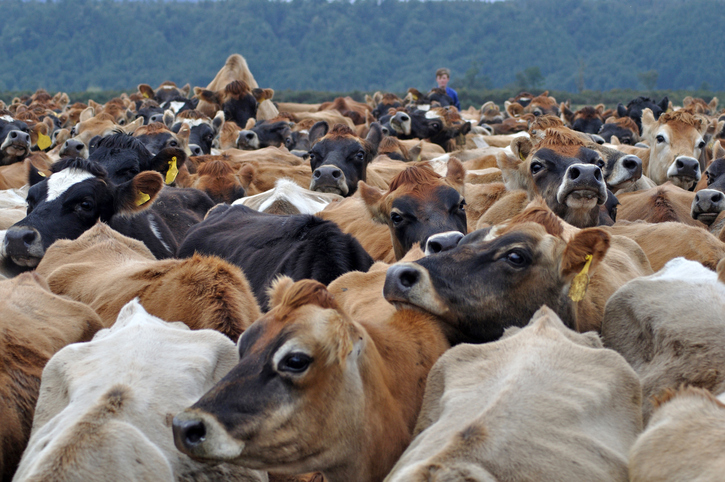
Learn how dairy farmers in New Zealand can reduce greenhouse gas emissions effectively.

Learn about methane in agriculture and how NZ ag researchers are trying to reduce emissions.
This guide explains how to cut nitrogen use, reducing nitrous oxide emissions on farms.
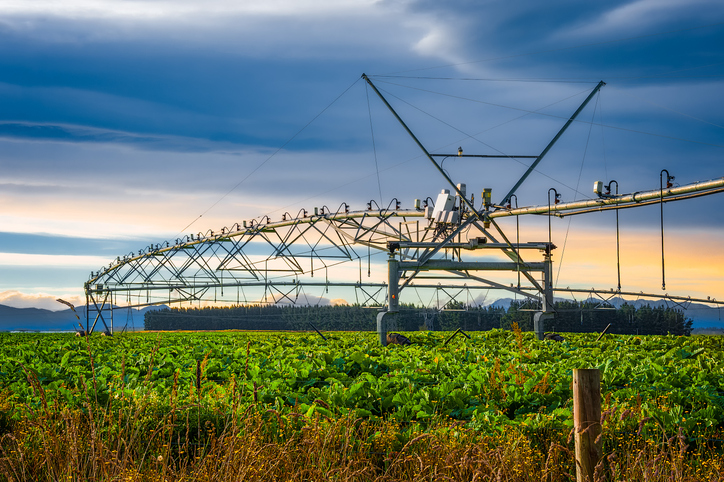
Learn how cropping and horticulture can reduce greenhouse gas emissions in New Zealand.
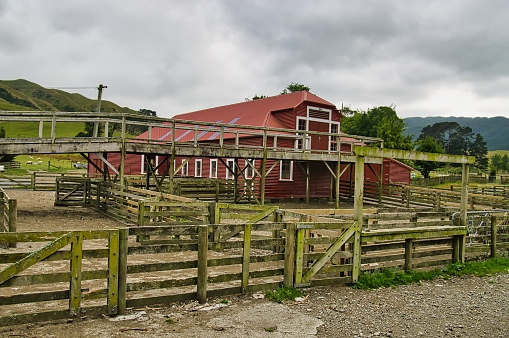
Learn how winter housing can reduce greenhouse gas emissions from livestock.
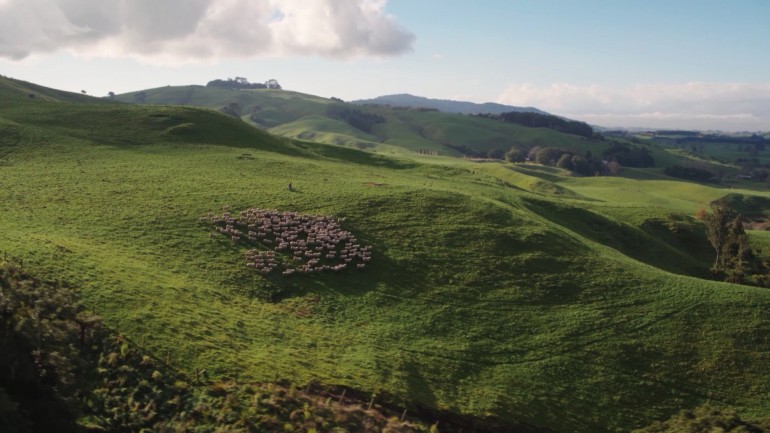
Learn ways to lower greenhouse gas emissions on your farm with practical steps and tips.
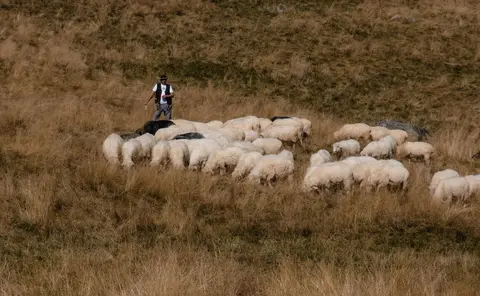
Explore ten practical ways to lift productivity, profitability and sustainability on your farm.
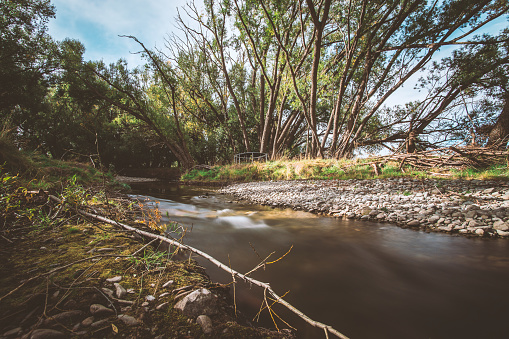
Guidance for dairy farmers on complying with the synthetic nitrogen fertiliser cap regulations.
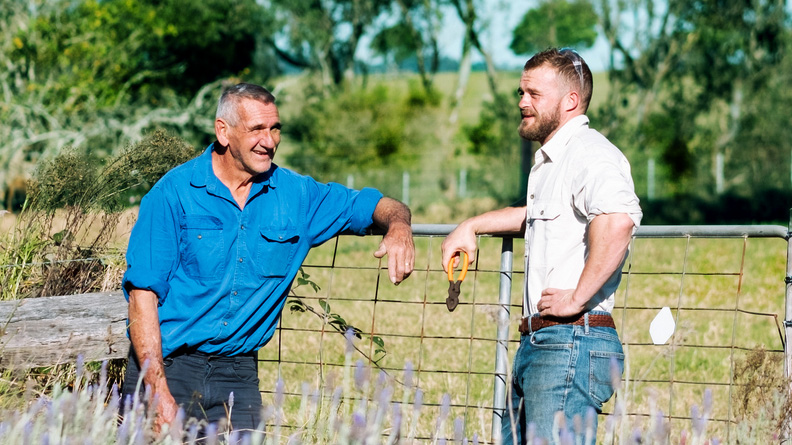
Learn how you can reduce your greenhouse gas emissions while staying profitable.
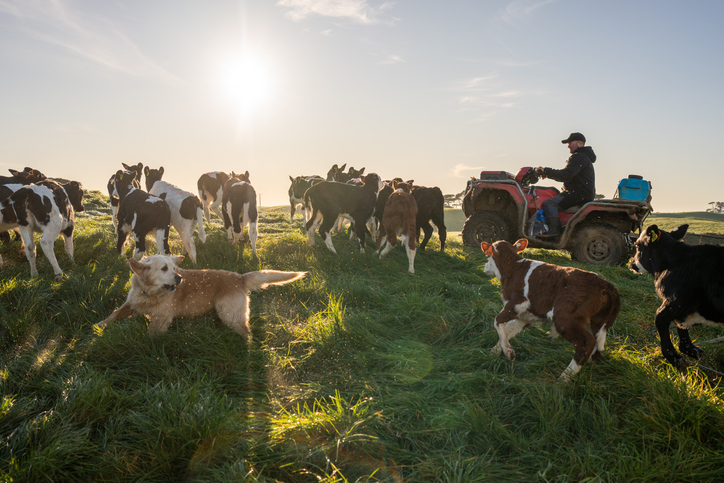
Understand how to reduce emissions and adapt to a changing climate on your farm.
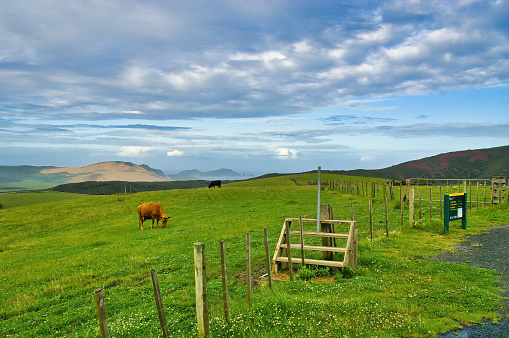
Learn about reducing methane emissions on your farm.
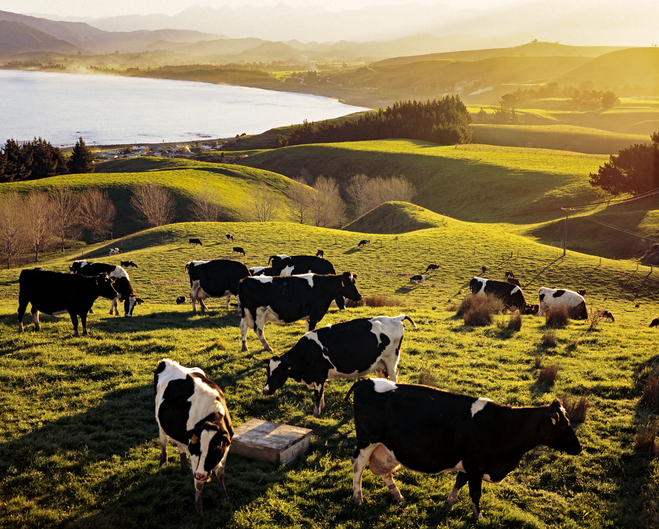
See which sheep and beef mitigation measures cut nutrient loss and emissions.
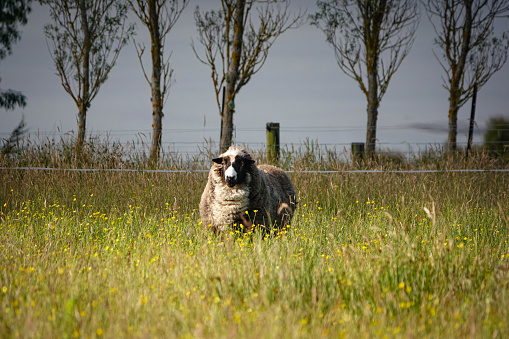
Research about reducing greenhouse gas emissions on Māori farms in New Zealand.

Learn how farms can use trees for carbon credits to boost income while enhancing te Taiao.
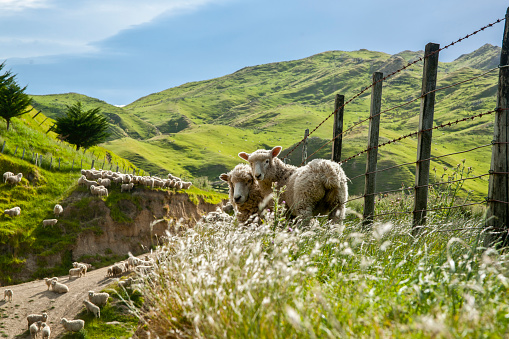
Learn how to reduce farm emissions by improving animal performance and adjusting stocking rates.
Research into different ways to reduce greenhouse gas emissions from New Zealand agriculture.
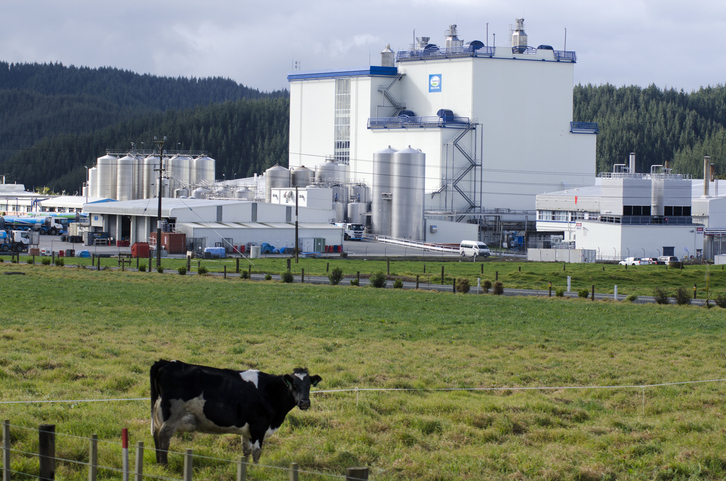
Learn how to manage greenhouse gas emissions on your farm.
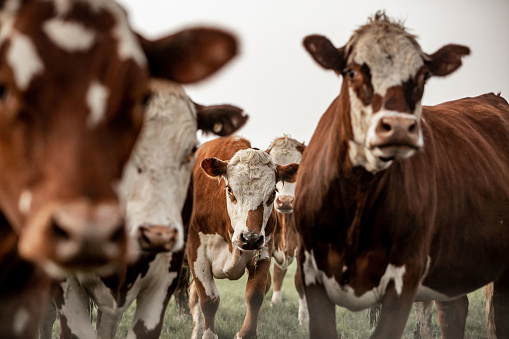
Explore how dairy water-quality measures affect greenhouse gas emissions too.

Use this free GHG Calculator and Action Plan to measure and manage emissions on your farm.
Read NZAGRC's recommendations