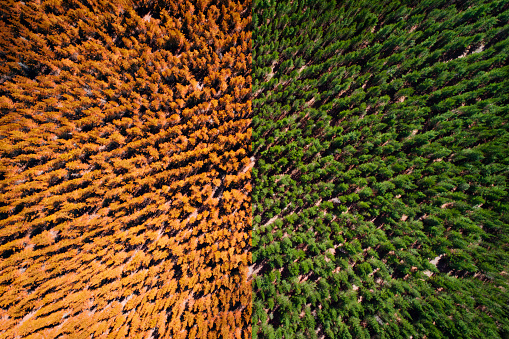
Emissions Trading Scheme - Transaction trends
Climate
Emissions reduction
Greenhouse gas
Policy
View monthly trends in New Zealand's Emissions Trading Scheme (ETS) transactions.
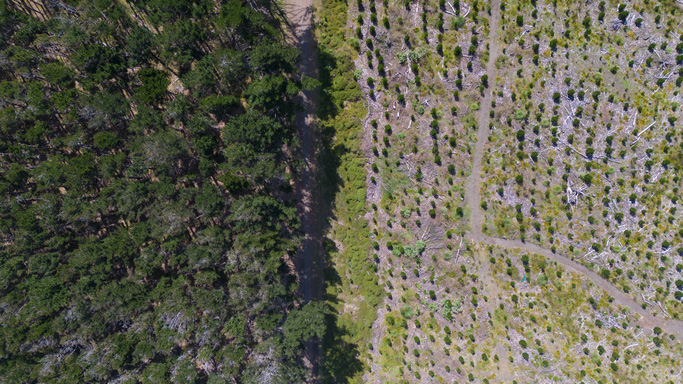
The Emissions Trading Scheme - Unit Movement data shows the recorded activity of ETS units, including allocations and surrenders, since 2008/2009 Q3. It helps track how units are used and moved and can provide trends and insights into the carbon market in Aotearoa.
View monthly trends in New Zealand's Emissions Trading Scheme (ETS) transactions.
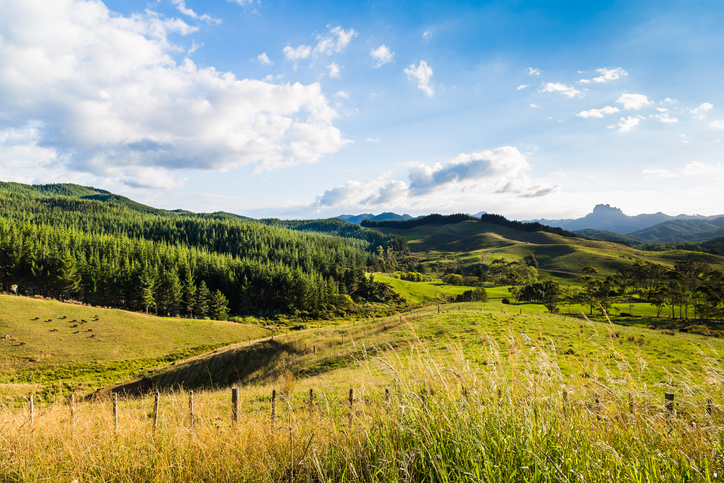
Find out more about tree farming for carbon credits.
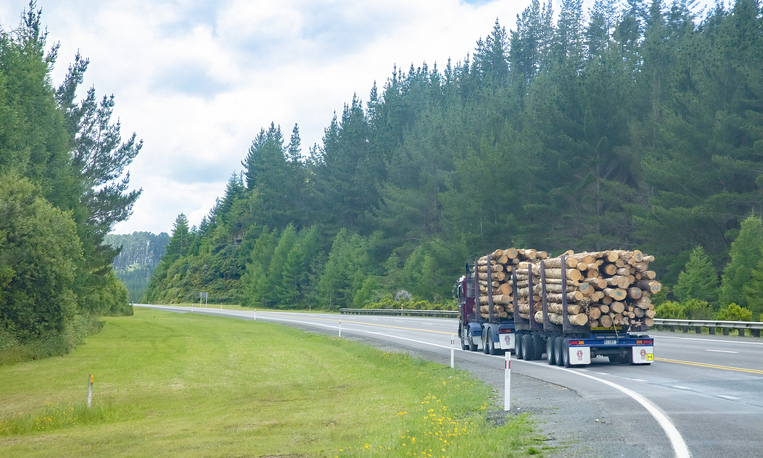
Learn about joining the forestry section of New Zealand's Emissions Trading Scheme (ETS).
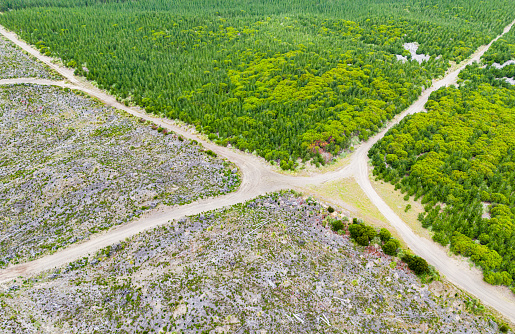
Learn about planning forest land for the Emissions Trading Scheme (ETS).
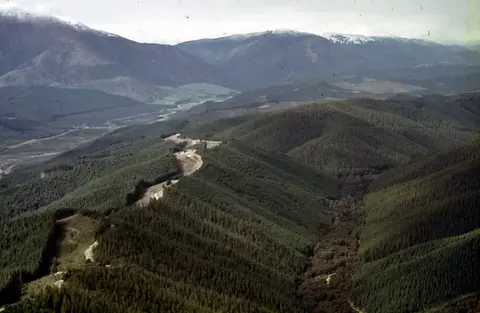
Understand the key considerations for land owners when considering entering the ETS.
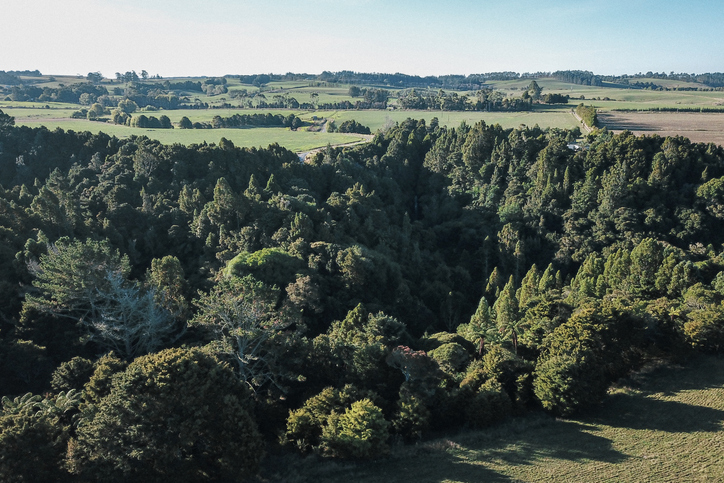
Learn how tree planting on farms can earn carbon credits in the Emissions Trading Scheme (ETS).

Learn how the NZ Emissions Trading Scheme works and who has to pay.
A tool for farmers to track and report on farm GHG emissions and sequestration.

Learn about New Zealand's climate action, emissions targets, and agricultural pricing strategy.
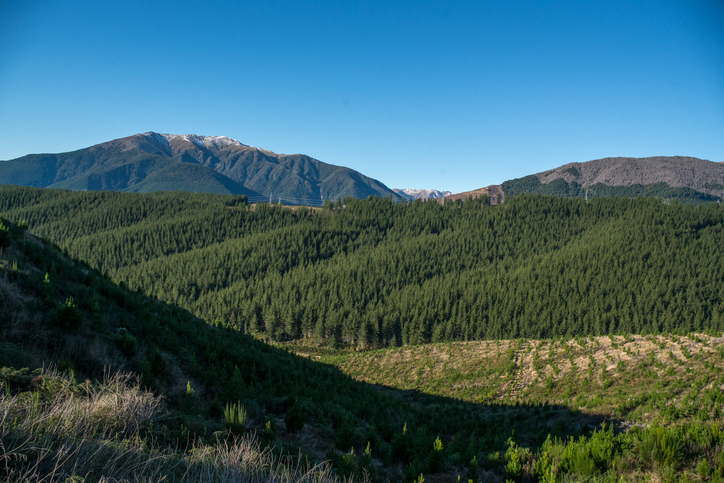
Get guidance on mapping your forest areas to assess eligibility for the Emissions Trading Scheme.
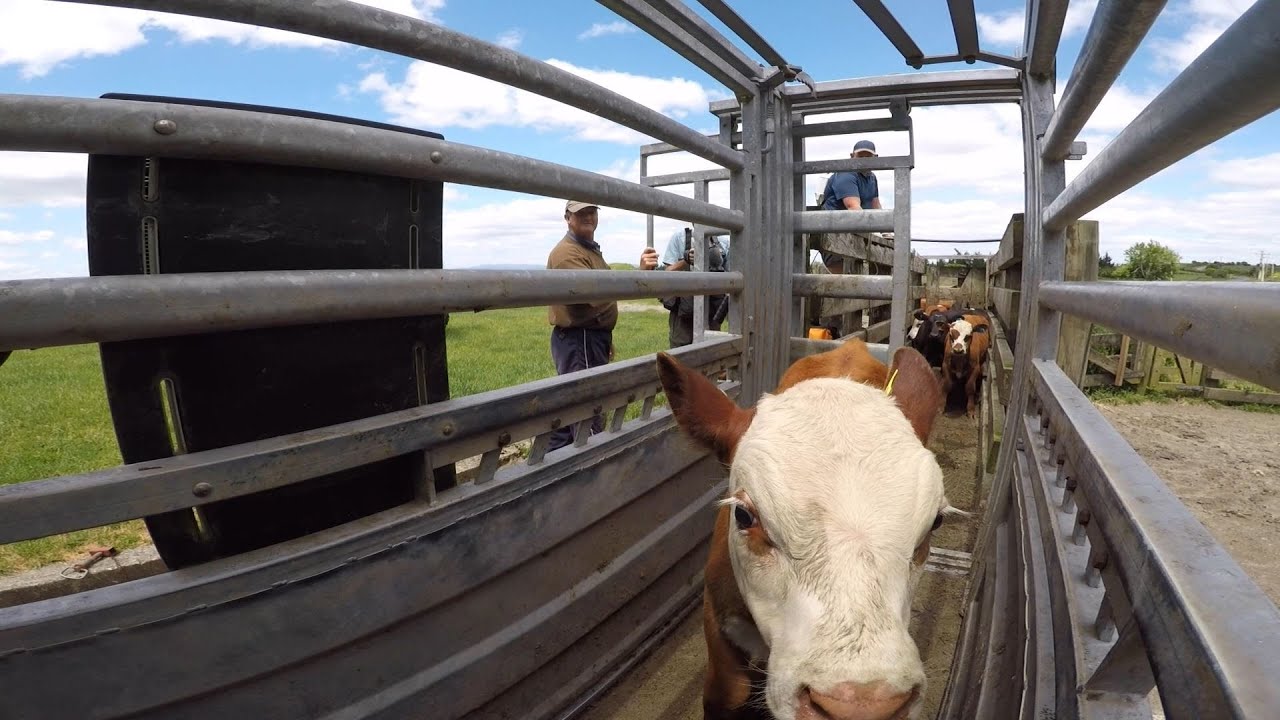
Learn about livestock transfer, health checks, and NAIT for dairy and beef farming.
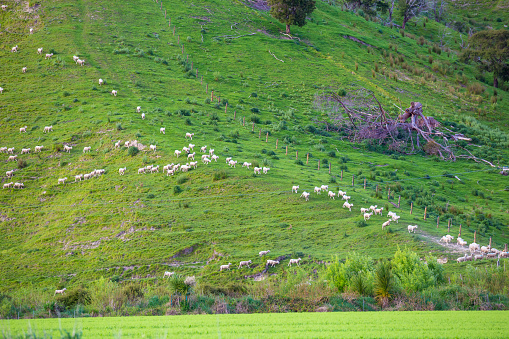
Browse Aotearoa agricultural greenhouse gas emissions reports by topic.
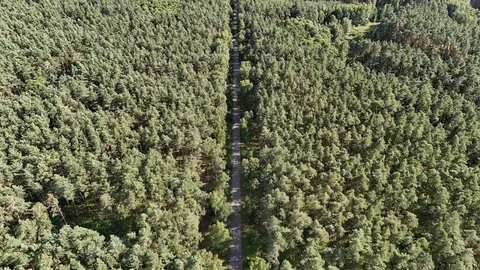
How the Emissions Trading Scheme works and who is in it.

This report explores how Māori landowners decide on native forest regeneration and carbon farming.
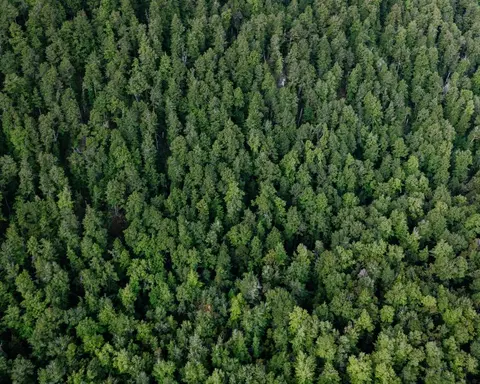
Look up expected carbon stock by forest age for small forests in the ETS.
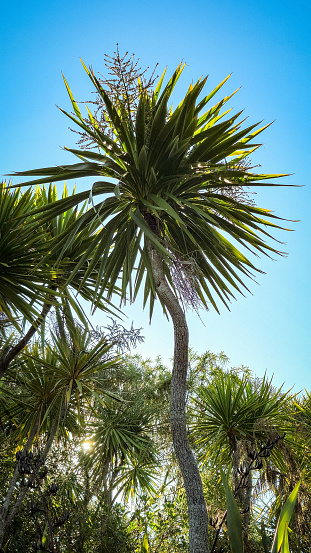
Learn how farms can use trees for carbon credits to boost income while enhancing te Taiao.
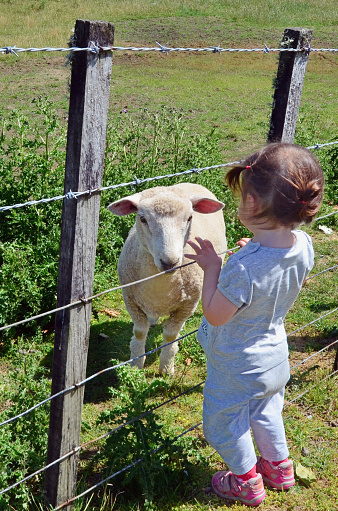
The science behind agricultural methan, nitrous oxide emissions, and climate change.
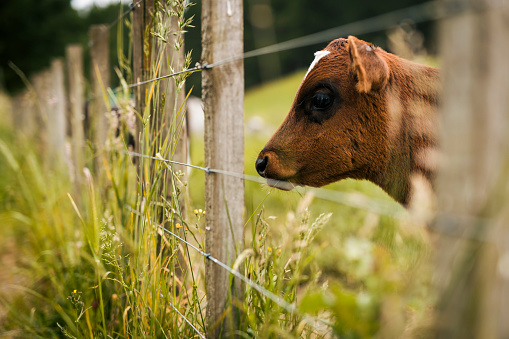
Factsheets about farm greenhouse gas emissions, feeds, methane control, soil carbon, and more.
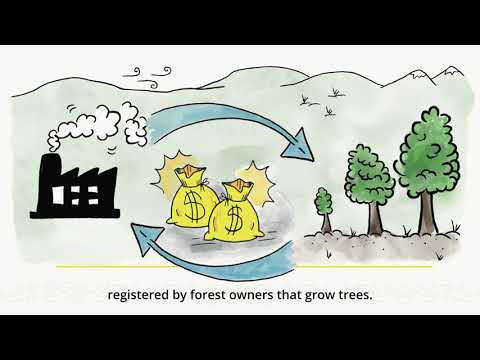
This video explains carbon farming and its benefits for Tairāwhiti’s environment and economy.

When carbon units are taxed, and how to plan the sales.
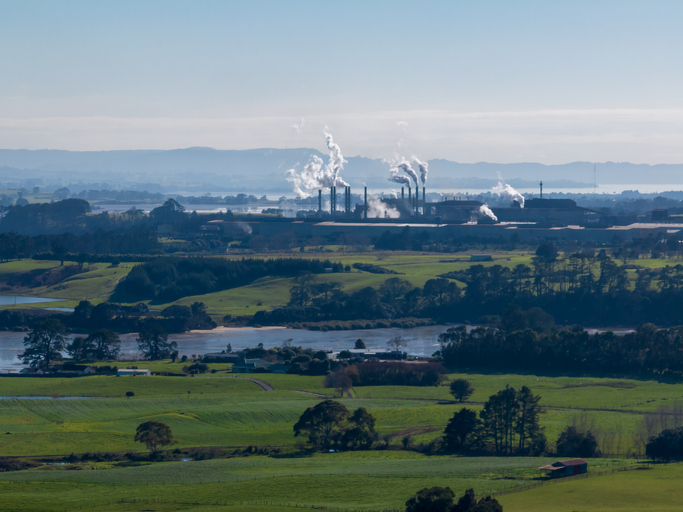
This report explores ways to encourage voluntary climate actions in New Zealand for organisations.
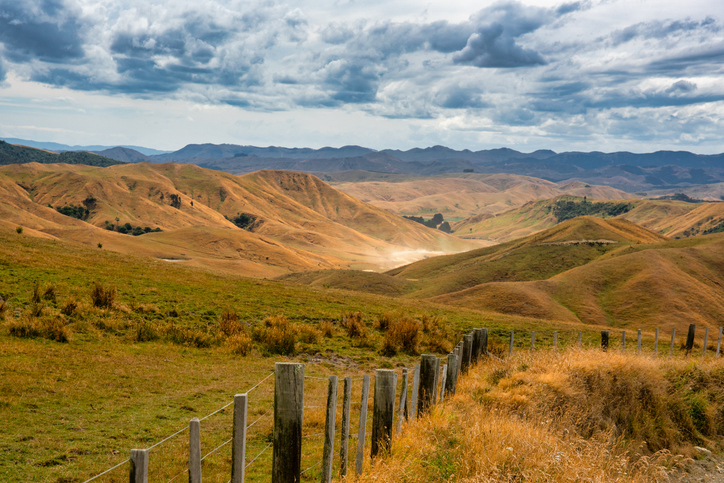
Research about how livestock farms in Aotearoa manage droughts.

This study explores how different governance structures affect Māori land decisions on carbon farming.